News
-
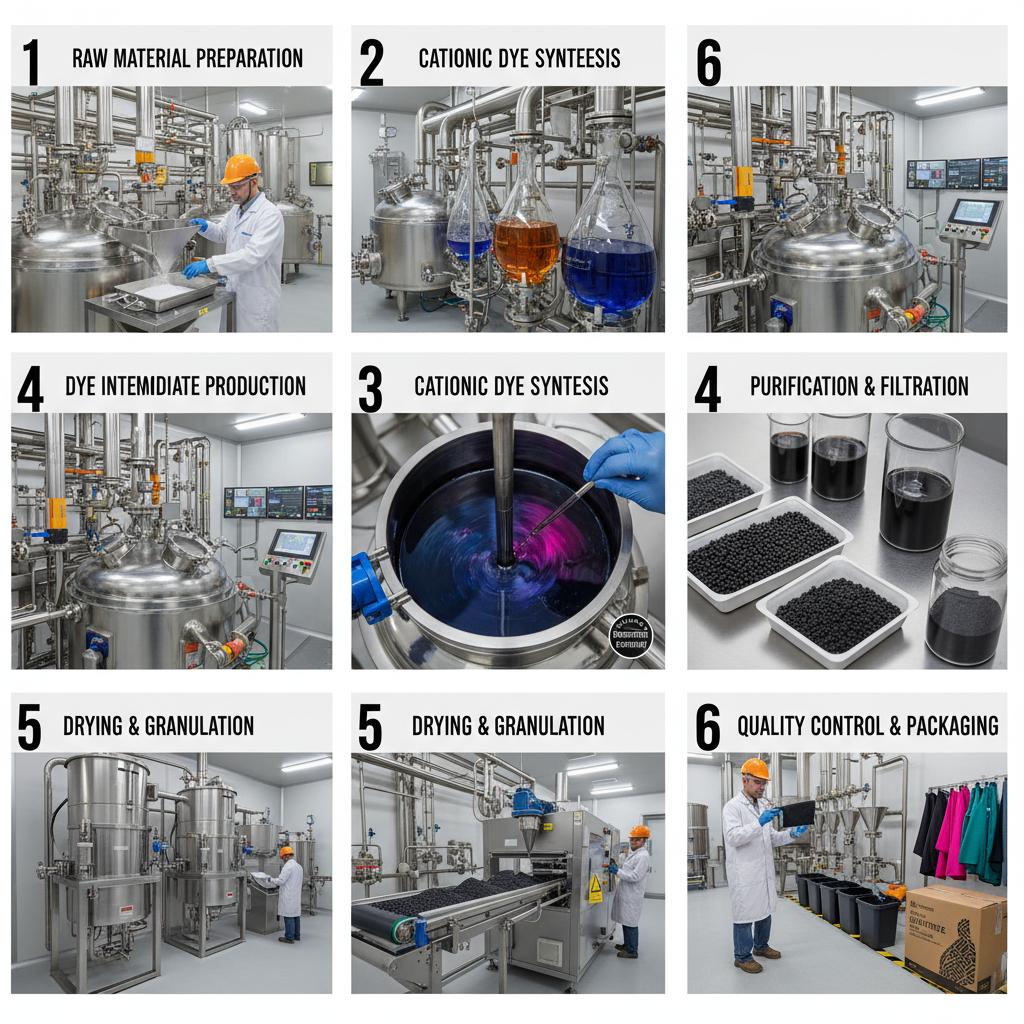 Black textile dye is a cornerstone of the fashion and textile industries, providing the foundational color for countless garments and materials. Choosing the right dye impacts not only the aesthetic appeal but also the durability, wash fastness, and overall quality of the final product. This article explores the various types of black textile dyes, their applications, considerations for selection, and emerging trends. Whether you're a textile manufacturer, designer, or simply curious about the process, this guide provides valuable insights into the world of black dyes. Understanding these aspects is crucial for achieving optimal results and meeting the demands of a competitive market. There are several types of black textile dyes available, each with its own characteristics, advantages, and disadvantages. The most common include Reactive Dyes, Direct Dyes, Vat Dyes, and Sulfur Dyes. Reactive dyes are renowned for their bright shades and excellent wash fastness, making them ideal for cotton and other cellulosic fibers. Direct dyes are simpler to apply but generally have lower wash fastness. Vat dyes offer exceptional durability and colorfastness, often used for workwear and high-performance textiles. Finally, Sulfur dyes are a cost-effective option for darker shades on cellulosic fibers, though they may not have the same vibrancy as other options. Selecting the correct dye type hinges on the fiber content, desired performance characteristics, and budgetary constraints.Read more
 -
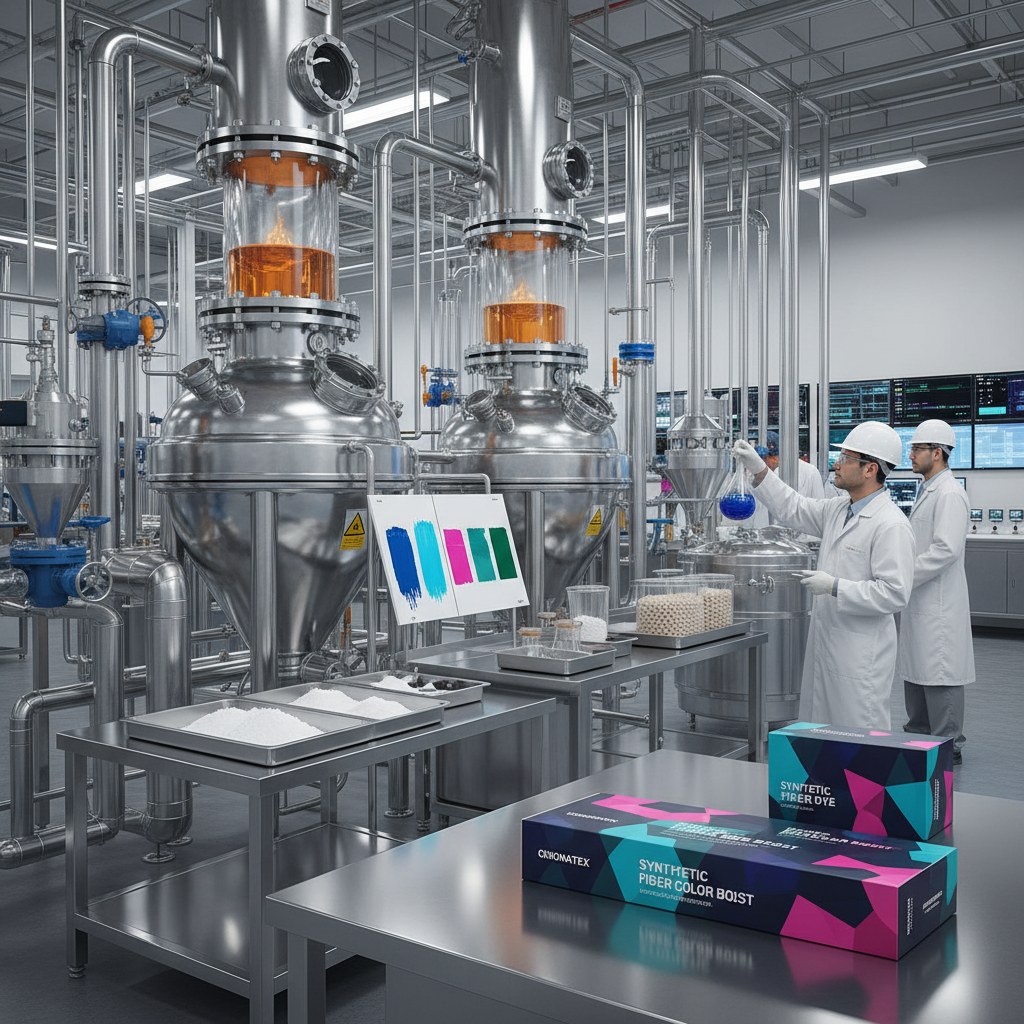 Synthetic fiber dyes are crucial components in the textile industry, providing vibrant and lasting color to a wide range of materials. As a leading chemical supplier, YanHong Chemical specializes in providing high-quality synthetic fiber dyes for diverse applications. This article delves into the world of synthetic fiber dyes, exploring their types, applications, advantages, and considerations for optimal use. We'll cover everything from dye selection to ensuring colorfastness, helping you make informed choices for your textile projects. Synthetic fiber dyes are chemical compounds designed specifically to color synthetic fibers like polyester, nylon, acrylic, and polypropylene. Unlike natural dyes, which are derived from plants or animals, synthetic dyes are created through complex chemical processes. This allows for a much wider range of colors and improved colorfastness. The development of these dyes has revolutionized the textile industry, enabling the mass production of brightly colored and durable fabrics. YanHong Chemical offers a comprehensive selection of these essential compounds.Read more
 -
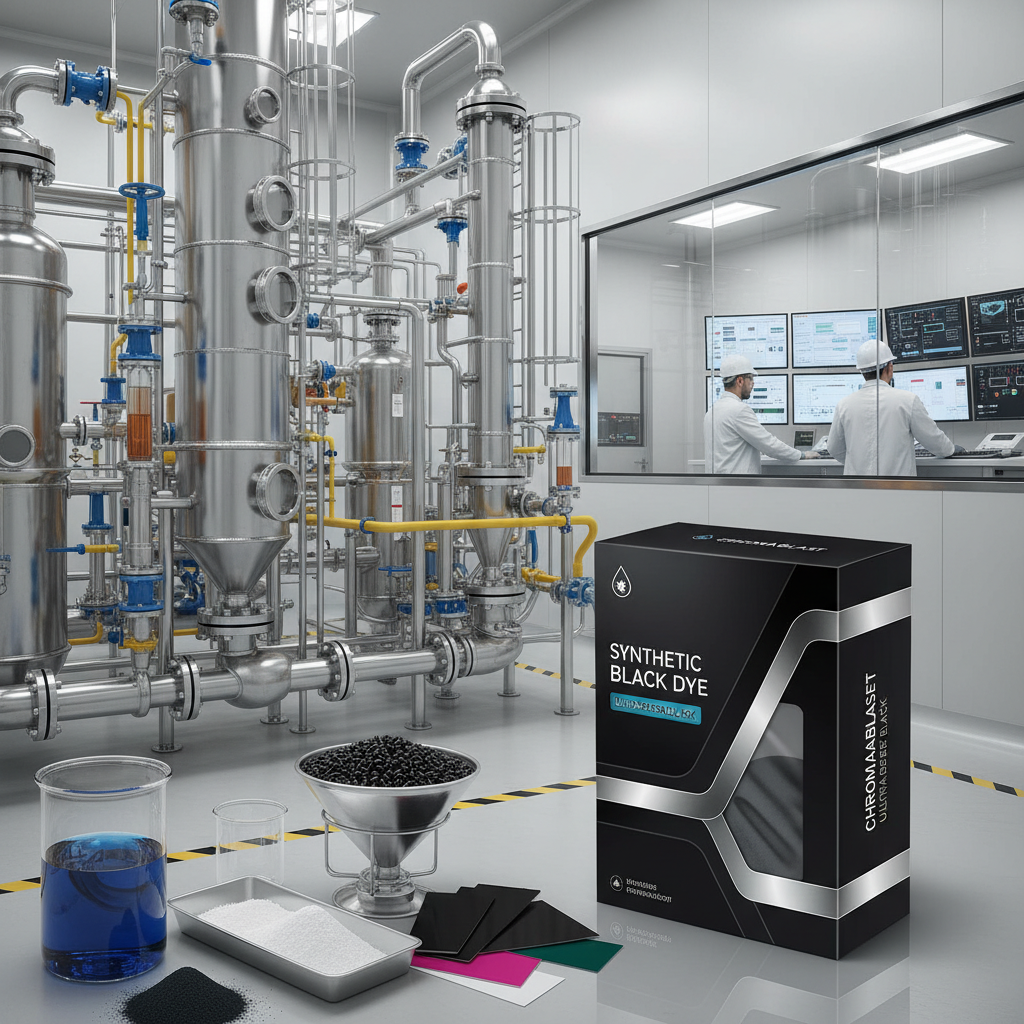 Synthetic dye black is a cornerstone in numerous industries, from textiles and plastics to printing and coatings. Its consistent quality, versatility, and cost-effectiveness make it a preferred choice over natural alternatives. This article will delve into the different types of synthetic black dyes, their applications, and crucial considerations when sourcing from a reliable supplier like YanHong Chemical. We will also explore key characteristics, safety aspects, and emerging trends in this essential chemical compound. Synthetic black dyes aren’t a single entity. They encompass several different chemical structures, each with unique properties suited to specific applications. The most common types include Solvent Black 7, Acid Black 24, Basic Black 8, and Reactive Black 5. Solvent Black 7 is frequently used in plastics and fuels, providing excellent heat stability. Acid Black 24 is favored for dyeing wool, silk, and nylon. Basic Black 8 excels in paper dyeing, while Reactive Black 5 is a staple in the cotton textile industry due to its high wash fastness. Choosing the right type of black dye is crucial for achieving the desired results in your application.Read more
 -
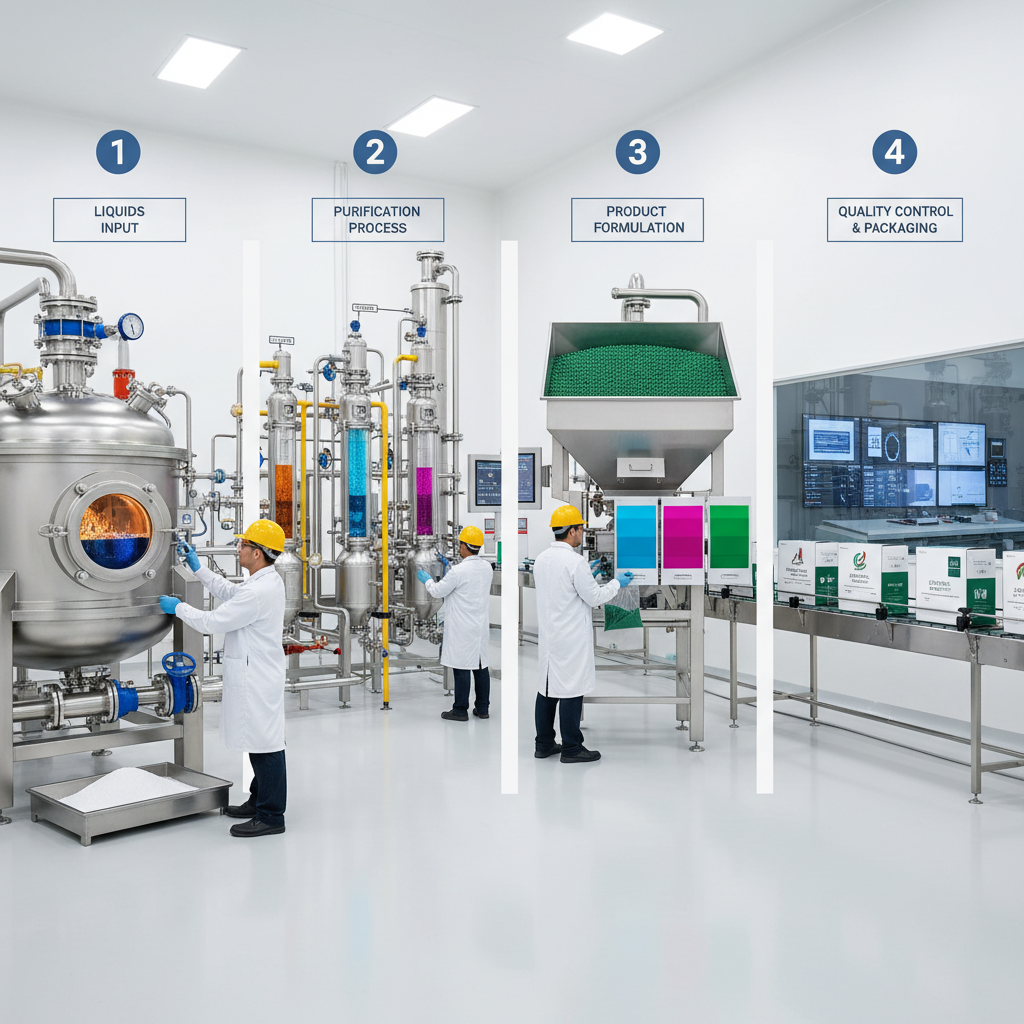 Synthetic dyes have revolutionized the textile, food, pharmaceutical, and numerous other industries, offering a vibrant and cost-effective alternative to natural dyes. These compounds, created through chemical synthesis, deliver consistent color and a broader spectrum of shades. At YanHong Chemical, we specialize in the production and supply of high-quality synthetic dyes, catering to diverse industrial needs. This article explores the world of synthetic dyes, covering their types, applications, and the importance of reliable sourcing. For centuries, dyes were derived from natural sources – plants, animals, and minerals. While these provided beautiful colors, they were often inconsistent in quality, limited in shade range, and expensive to produce. The discovery of mauveine in 1856 by William Henry Perkin marked the beginning of the synthetic dye industry. This accidental discovery, derived from coal tar, opened the door to a new era of vibrant, affordable, and readily available dyes. The subsequent development of azo dyes, anthraquinone dyes, and others transformed industries reliant on coloration.Read more
 -
 Synthetic clothes dyes have revolutionized the textile industry, offering a vast spectrum of colors and improved colorfastness compared to natural dyes. However, understanding their composition, applications, and environmental impact is crucial for both manufacturers and consumers. This article will explore the world of synthetic clothes dye, covering different types, benefits, drawbacks, and responsible sourcing practices. Choosing the right dye impacts fabric quality, durability, and sustainability. Let’s delve into the details. Synthetic dyes are broadly categorized based on their chemical structure and application method. Some of the most common types include azo dyes, anthraquinone dyes, and reactive dyes. Azo dyes are known for their bright colors and cost-effectiveness, making them widely used. Anthraquinone dyes offer excellent lightfastness, crucial for fabrics exposed to sunlight. Reactive dyes form a chemical bond with the fabric, resulting in exceptional wash fastness. Each type has unique properties making it suitable for different fiber types and desired outcomes. Understanding these distinctions helps manufacturers select the optimal dye for their specific needs.Read more
 -
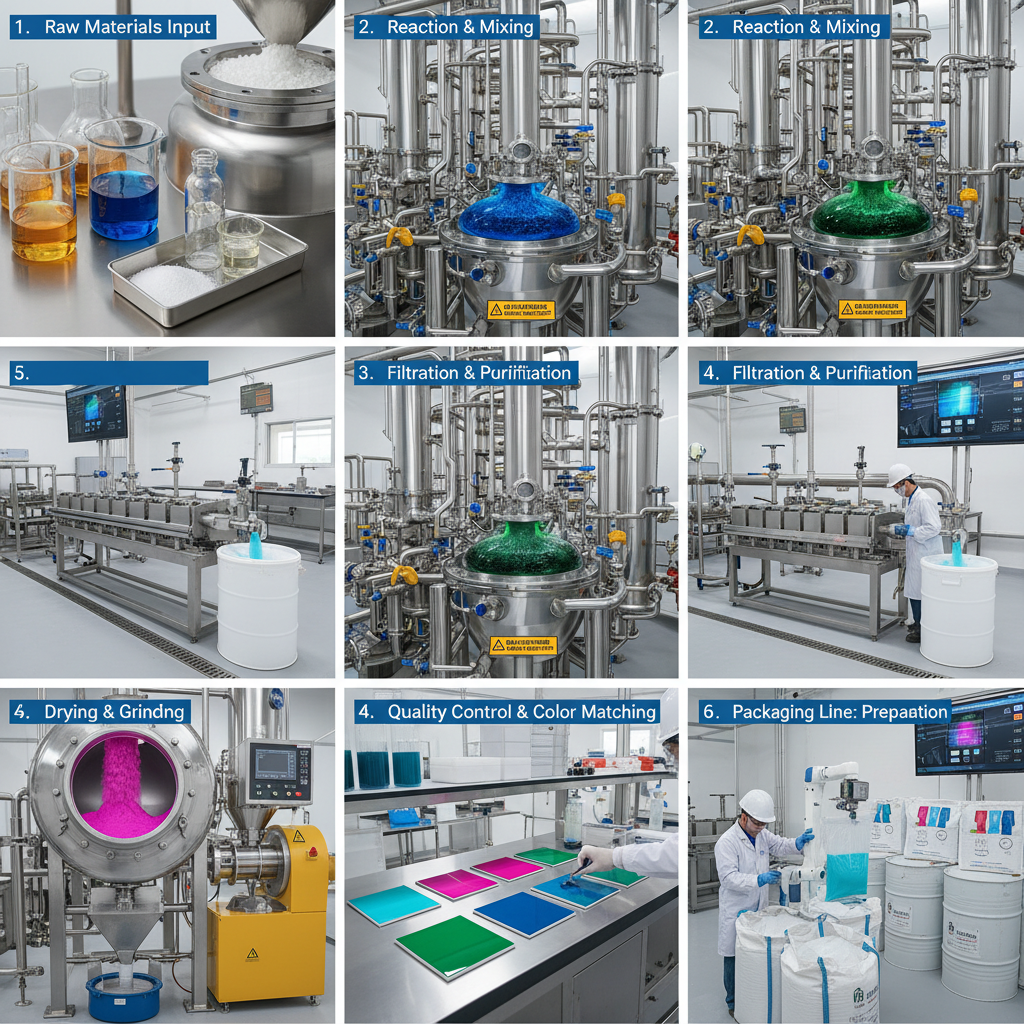 In the world of sustainable fashion, choosing the right dyes for clothing is crucial. Organic dye for clothes are gaining popularity as consumers become more conscious about the environmental impact of their wardrobes. These dyes, derived from natural sources, offer a more eco-friendly alternative to synthetic dyes. This article will delve into the benefits, types, applications, and sourcing of organic dyes, providing a comprehensive overview for brands, designers, and environmentally-aware consumers. We’ll explore how YanHong Chemical provides quality organic dyes. The appeal of organic dyes stems from their significant environmental and health advantages. Unlike synthetic dyes, which often contain harmful chemicals like heavy metals and formaldehyde, organic dyes are derived from renewable resources, such as plants, insects, and minerals. This results in reduced water pollution, less energy consumption during production, and a lower carbon footprint.Read more
 -
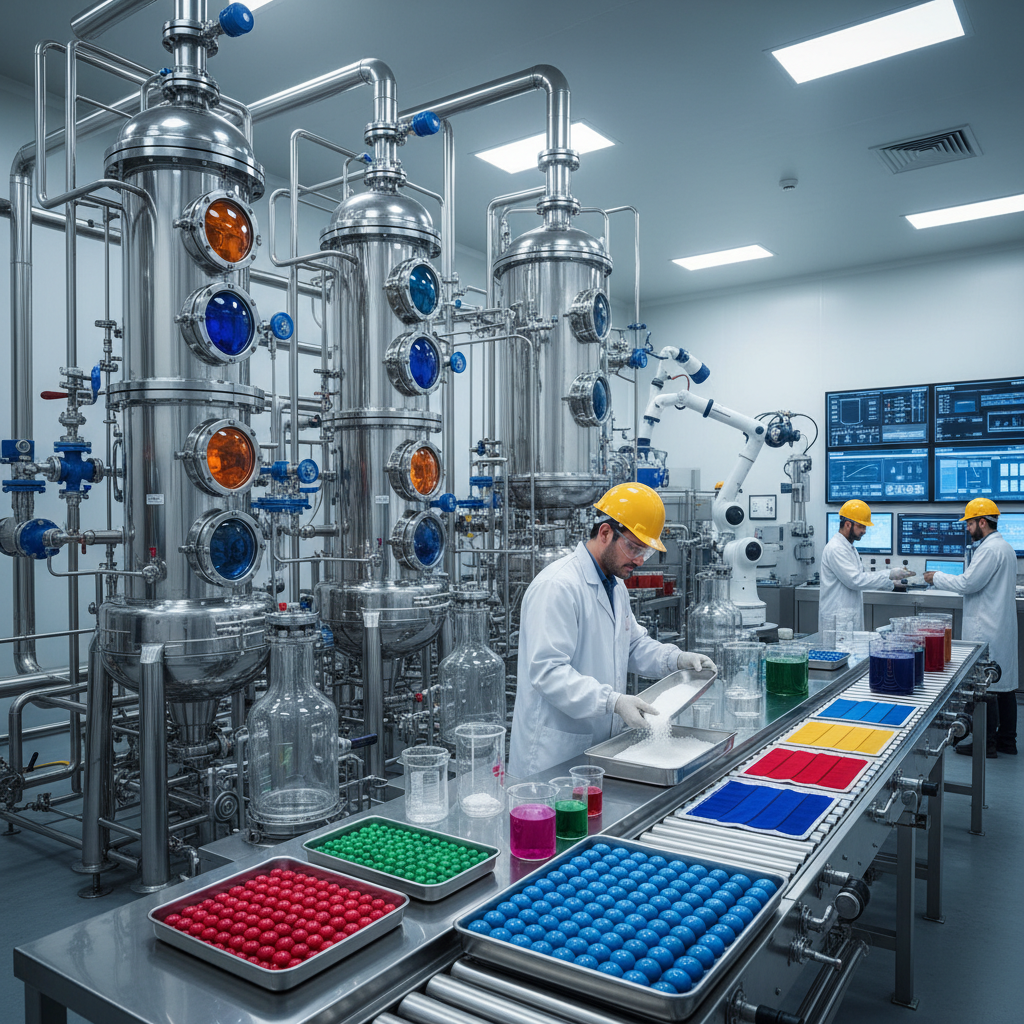 Selecting the perfect dress dye can significantly impact the vibrancy, durability, and overall quality of your textile products. Whether you're a large-scale manufacturer, a boutique designer, or a DIY enthusiast, understanding the different types of dyes available is crucial. This article will explore various dye options, their applications, and factors to consider when making your selection. We will focus on key characteristics, colorfastness, and ecological considerations to help you make an informed decision. Finding the right dye ensures beautiful, long-lasting colors for your fabrics. The world of textile dyes is vast, offering a spectrum of options each with unique properties. Common types include reactive dyes, direct dyes, acid dyes, and disperse dyes. Reactive dyes are renowned for their excellent colorfastness and are primarily used for cellulose fibers like cotton and linen. Direct dyes are simpler to use but generally offer lower wash fastness. Acid dyes are ideal for protein fibers such as silk and wool, providing brilliant shades. Disperse dyes are specifically designed for synthetic fibers like polyester. Choosing the correct dye depends on the fabric composition and desired outcome.Read more
 -
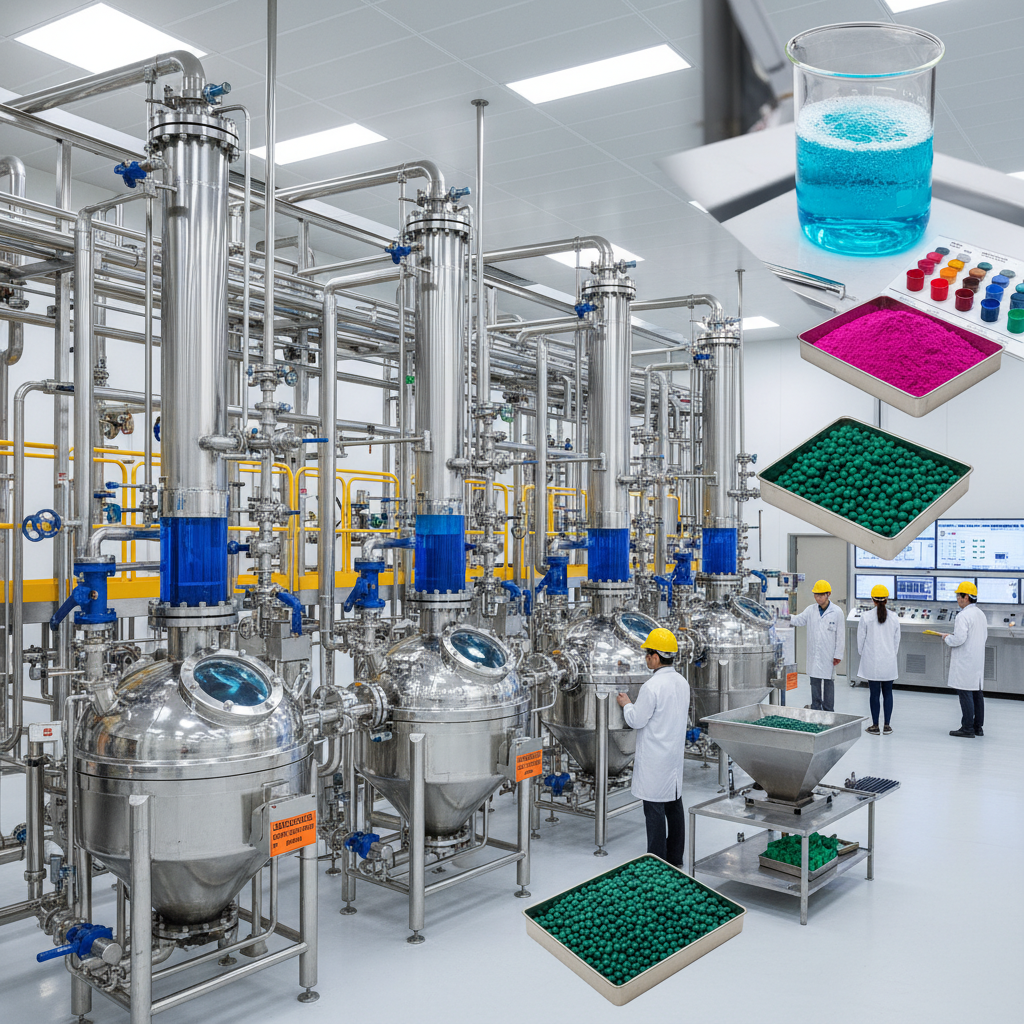 Reactive dyes are a cornerstone of modern textile coloration, prized for their vibrant hues, excellent wash fastness, and versatility across various fiber types. This article provides an in-depth exploration of reactive dyes, covering their chemistry, application processes, advantages, disadvantages, and emerging trends. We’ll delve into how YanHong Chemical provides high-quality reactive dyes for optimal textile dyeing results. Understanding these dyes is crucial for textile manufacturers aiming for both quality and efficiency. Reactive dyes contain a reactive group that forms a covalent bond with the fiber, typically cellulose-based fibers like cotton, linen, and viscose rayon. This chemical bond is what gives reactive dyes their exceptional wash fastness – the color won’t easily bleed or fade with washing. The reactive group varies depending on the specific dye class, including monochlorotriazine, dichlorotriazine, vinyl sulfone, and bifunctional reactive dyes. Each class offers different reactivity levels and application characteristics. Choosing the right dye class depends on the desired color, fiber type, and dyeing conditions.Read more
 -
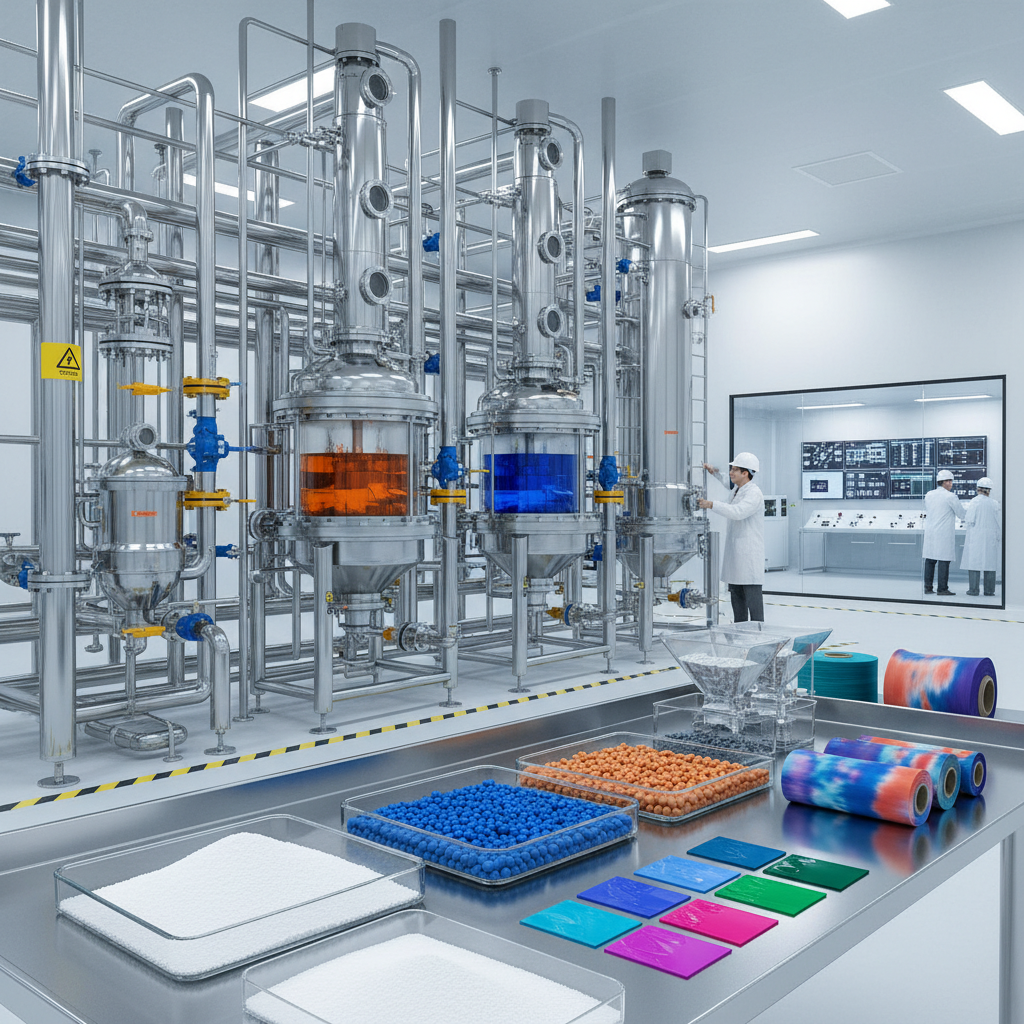 Space dye fabric, also known as heathered fabric, has become increasingly popular in the fashion and textile industries. Its unique, mottled appearance adds depth and visual interest to garments. This article delves into the characteristics of space dye fabric, its manufacturing process, applications, benefits, and how to choose the right space dye for your needs. We'll also explore its growing importance in the global textile market. Discover why designers and manufacturers are increasingly turning to YanHong Chemical for high-quality dyeing solutions. Space dye fabric isn’t a specific fiber, but rather a dyeing technique applied to various yarns – including cotton, polyester, acrylic, and blends. The process involves using multiple colors within a single yarn, creating a heathered or variegated effect. Unlike solid dyed fabrics, space dyeing results in subtle color variations that contribute to a textured, visually appealing aesthetic. This makes it a versatile choice for apparel, home textiles, and accessories. The "space" in space dye refers to the intentional spacing of different colors along the yarn's length.Read more
 -
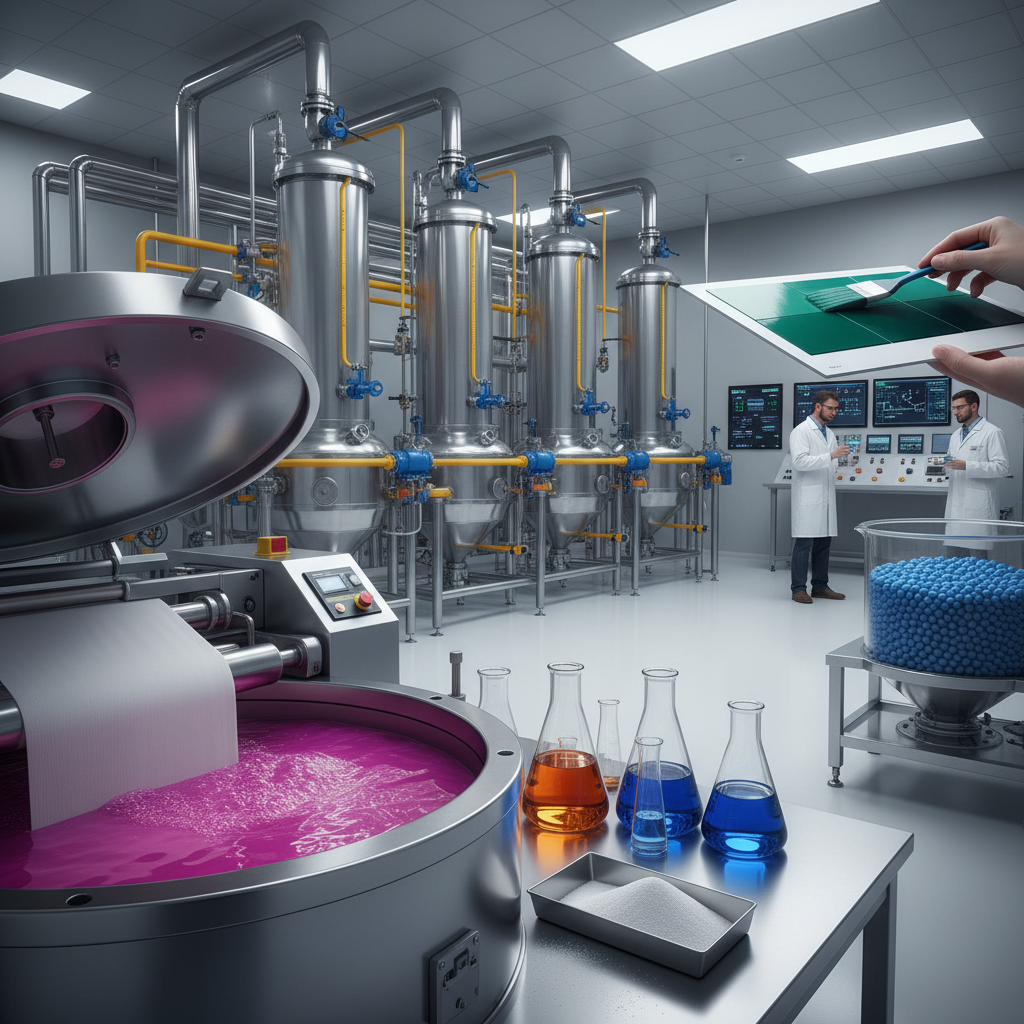 Successfully setting dye in fabric is crucial for vibrant, long-lasting colors. This process involves more than just applying dye; it requires understanding fabric types, dye chemistry, and proper techniques. This article will explore the complexities of dye setting, covering everything from pre-treatment to aftercare, ensuring your textile projects achieve optimal results. We will also delve into the crucial role of fixing agents in achieving colorfastness and provide insights for both home crafters and industrial applications. Dyeing, at its core, is the process of imparting color to a textile material. However, most dyes initially exist on the fiber surface rather than within it. Without proper setting, these dyes are easily removed through washing, light exposure, or abrasion. Dye setting, also known as color fixing, forms a chemical bond between the dye molecule and the fabric fiber, creating a durable and wash-resistant color. The effectiveness of dye setting depends on several factors, including the type of dye, the fabric composition, and the setting method employed.Read more
 -
Selecting the perfect fabric leather dye can be a daunting task. With so many options available, understanding the different types, applications, and characteristics of each dye is crucial for achieving a professional and long-lasting finish. This article provides a comprehensive guide to help you navigate the world of fabric leather dyes, covering everything from choosing the right dye for your material to application techniques and aftercare. Whether you're a seasoned professional or a DIY enthusiast, we’ll help you make informed decisions and achieve exceptional results. There are several types of fabric leather dye available, each with its own unique properties and best-suited applications. Acid dyes are commonly used for protein fibers like silk and wool, offering brilliant colors and good wash fastness. Direct dyes are simpler to use and effective on cellulose fibers like cotton and linen, but generally have lower lightfastness. Reactive dyes create a chemical bond with the fiber, resulting in excellent wash and lightfastness – ideal for garments that will be frequently washed. Disperse dyes are used for synthetic fibers like polyester, requiring heat to set the color. Choosing the right dye depends on the fiber content of your material and the desired level of color permanence.Read more
-
Navigating the world of textile manufacturing often begins with understanding the cost of fabric dye price. This is a critical factor influencing production budgets and ultimately, product pricing. At YanHong Chemical, we specialize in providing high-quality dyes for a diverse range of fabrics, offering competitive pricing and expert guidance. This article will delve into the factors impacting fabric dye prices, explore different dye types and their costs, and provide insights for optimizing your dye purchasing strategy. Choosing the right dye supplier and understanding price fluctuations are key to successful textile production. Several key factors contribute to the fluctuations in fabric dye price. Raw material costs, particularly the price of crude oil (a key component in many dye precursors), play a significant role. Manufacturing processes and energy costs also impact pricing. Demand and supply dynamics, seasonal variations, and even geopolitical events can lead to price changes. Furthermore, the complexity of the dye itself – its chemical composition, purity, and application requirements – directly affects its cost.Read more