Understanding Synthetic Dye Black Applications Sourcing and Emerging Trends
Understanding Synthetic Dye Black: Applications and Sourcing
Synthetic dye black is a cornerstone in numerous industries, from textiles and plastics to printing and coatings. Its consistent quality, versatility, and cost-effectiveness make it a preferred choice over natural alternatives. This article will delve into the different types of synthetic black dyes, their applications, and crucial considerations when sourcing from a reliable supplier like YanHong Chemical. We will also explore key characteristics, safety aspects, and emerging trends in this essential chemical compound.
Types of Synthetic Dye Black
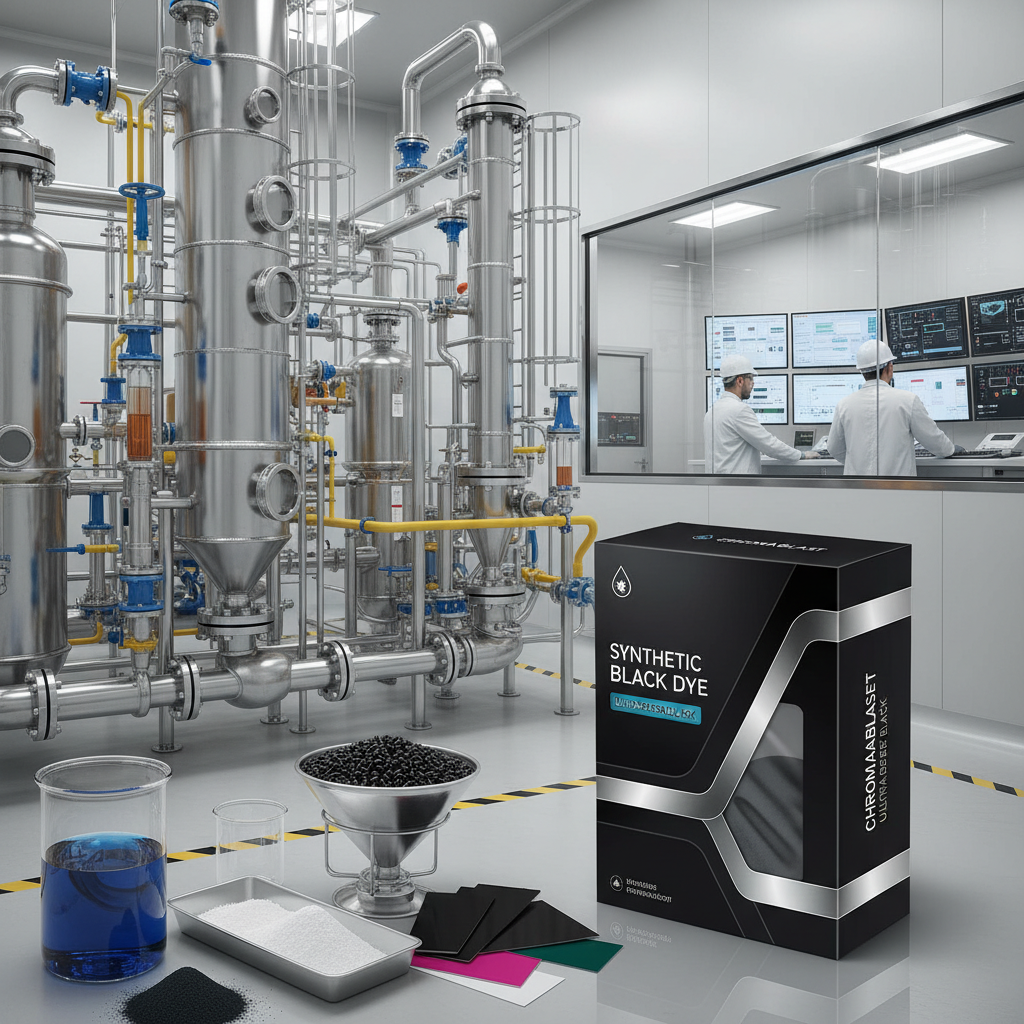
Synthetic black dyes aren’t a single entity. They encompass several different chemical structures, each with unique properties suited to specific applications. The most common types include Solvent Black 7, Acid Black 24, Basic Black 8, and Reactive Black 5. Solvent Black 7 is frequently used in plastics and fuels, providing excellent heat stability. Acid Black 24 is favored for dyeing wool, silk, and nylon. Basic Black 8 excels in paper dyeing, while Reactive Black 5 is a staple in the cotton textile industry due to its high wash fastness. Choosing the right type of black dye is crucial for achieving the desired results in your application. YanHong Chemical offers a comprehensive portfolio of these dyes, tailored to diverse industrial needs.
Key Highlights: Synthetic Black dyes offer vibrant color, superior stability, and are widely compatible across multiple industries, making them essential components in numerous manufacturing processes.
Applications of Synthetic Dye Black
The applications of synthetic black dye are incredibly broad. In the textile industry, it provides durable and consistent coloration for clothing, upholstery, and industrial fabrics. The plastics industry utilizes it to color a wide range of products, from automotive parts to consumer goods. Printing applications rely on black dyes for high-quality inks used in packaging, publications, and decorative materials. Furthermore, it’s used in leather dyeing, paper coloring, and even in the manufacturing of carbon black, a vital component in tires and other rubber products. The versatility of synthetic black dye makes it an indispensable ingredient in modern manufacturing.
Application Benefits:
• Superior Color Strength & Consistency
• Excellent Fastness Properties (Wash, Light, Rubbing)
• Wide Compatibility with Various Materials
• Cost-Effective Solution
Synthetic Dye Black: A Comparative Analysis
Choosing the right synthetic dye black depends on the specific application. Understanding the differences between various types is crucial. Consider factors such as lightfastness, wash fastness, solubility, and compatibility with the target material. Compared to natural black dyes (derived from sources like logwood), synthetic options offer superior consistency, wider color range, and better overall performance. However, it’s essential to source from reputable suppliers to ensure quality and adherence to safety standards. YanHong Chemical specializes in providing high-quality synthetic dyes backed by stringent quality control.
Sourcing and Safety Considerations
When sourcing synthetic dye black, prioritize reputable suppliers committed to quality control and environmental responsibility. YanHong Chemical provides detailed product specifications, safety data sheets (SDS), and ensures compliance with relevant industry regulations. Always handle dyes with appropriate personal protective equipment (PPE), including gloves, eye protection, and respirators. Proper ventilation is essential during handling and processing. Understanding and adhering to safety guidelines is paramount to minimizing risks and ensuring a safe working environment.

Looking Ahead: Emerging Trends in Black Dye Technology
The industry is continually evolving, with a growing focus on sustainable and eco-friendly dye solutions. Research is underway to develop bio-based black dyes and reduce the environmental impact of traditional synthetic dyes. Advances in dye fixation technologies are also improving color fastness and reducing water consumption during the dyeing process. Staying informed about these trends will enable you to make informed decisions and adopt innovative solutions for your applications. YanHong Chemical is dedicated to staying at the forefront of these advancements and providing our customers with cutting-edge dye solutions.
Conclusion: Partnering for Success with Synthetic Black Dyes
Choosing the right synthetic dye black requires a thorough understanding of your application requirements and a reliable supplier. YanHong Chemical is your trusted partner, providing high-quality dyes, expert technical support, and a commitment to sustainability. Invest in quality, safety, and innovation for optimal results.
Frequently Asked Questions (FAQs)
What factors affect the cost of synthetic dye black?
Several factors influence the price of synthetic dye black. These include the type of dye (Solvent, Acid, Reactive, etc.), purity level, order volume, and market demand. Manufacturing complexities, raw material costs, and transportation expenses also contribute to the overall price. Purchasing directly from a manufacturer like YanHong Chemical can often lead to more competitive pricing compared to intermediaries. Additionally, fluctuating currency exchange rates can impact import costs.
What are the environmental considerations when using synthetic dyes?
Synthetic dye manufacturing and usage can have environmental impacts if not managed responsibly. Concerns include wastewater discharge containing residual dyes and the use of potentially harmful chemicals. Choosing suppliers committed to sustainable practices, such as wastewater treatment and reduced chemical usage, is crucial. Look for dyes that meet environmental certifications. Proper handling and disposal of dye waste are also essential to minimize environmental pollution. YanHong Chemical is committed to environmentally responsible practices.
How can I ensure the quality of the synthetic dye black I purchase?
To ensure quality, request a Certificate of Analysis (COA) from the supplier. This document provides detailed information about the dye’s purity, composition, and other relevant specifications. Conduct your own quality control testing, such as color strength measurements and solubility checks. Look for suppliers with robust quality management systems, such as ISO 9001 certification. YanHong Chemical offers detailed COAs and consistently maintains stringent quality control standards.
What is the shelf life of synthetic dye black?
The shelf life of synthetic dye black typically ranges from 2 to 5 years, depending on the specific dye type and storage conditions. Proper storage is crucial – keep dyes in a cool, dry, and well-ventilated area away from direct sunlight and heat sources. Ensure containers are tightly sealed to prevent moisture absorption and contamination. Check the manufacturer’s specifications for specific storage recommendations. While the dye may not necessarily become unusable after the expiration date, its color strength and performance may gradually decline.
-
Durable Terracotta Fabric Dye for Industrial Use | Yanhong ChemicalNewsDec. 11, 2025
-
Outdoor Fabric Dye: Durable & UV-Resistant Options for IndustryNewsDec. 09, 2025
-
Lavender Fabric Dye - Reliable Industrial Quality from Yanhong ChemicalNewsDec. 13, 2025
-
Thermochromic Fabric Dye for Industrial Textiles | Yanhong ChemicalNewsDec. 31, 2025
-
Jacquard Basic Dye: Durable, Vibrant Textile Solutions from Yanhong ChemicalsNewsDec. 03, 2025
-
Green Fabric Dye: Industrial Insights & Eco-Friendly SolutionsNewsDec. 03, 2025