Unlock Vibrant Hues with Expert Mint Fabric Dye Techniques and Options
Unlocking Vibrant Hues: A Guide to Mint Fabric Dye
Achieving the perfect mint shade for your fabrics can be a rewarding experience. Whether you're a seasoned textile artist or a DIY enthusiast, understanding the nuances of mint fabric dye is crucial for achieving consistently beautiful results. This article will delve into the world of mint dyes, covering types, application techniques, colorfastness, and safety considerations. We'll explore how to choose the right dye for your specific fabric and project, ensuring a vibrant and lasting finish.
Understanding Mint Dye Options: A Spectrum of Choices
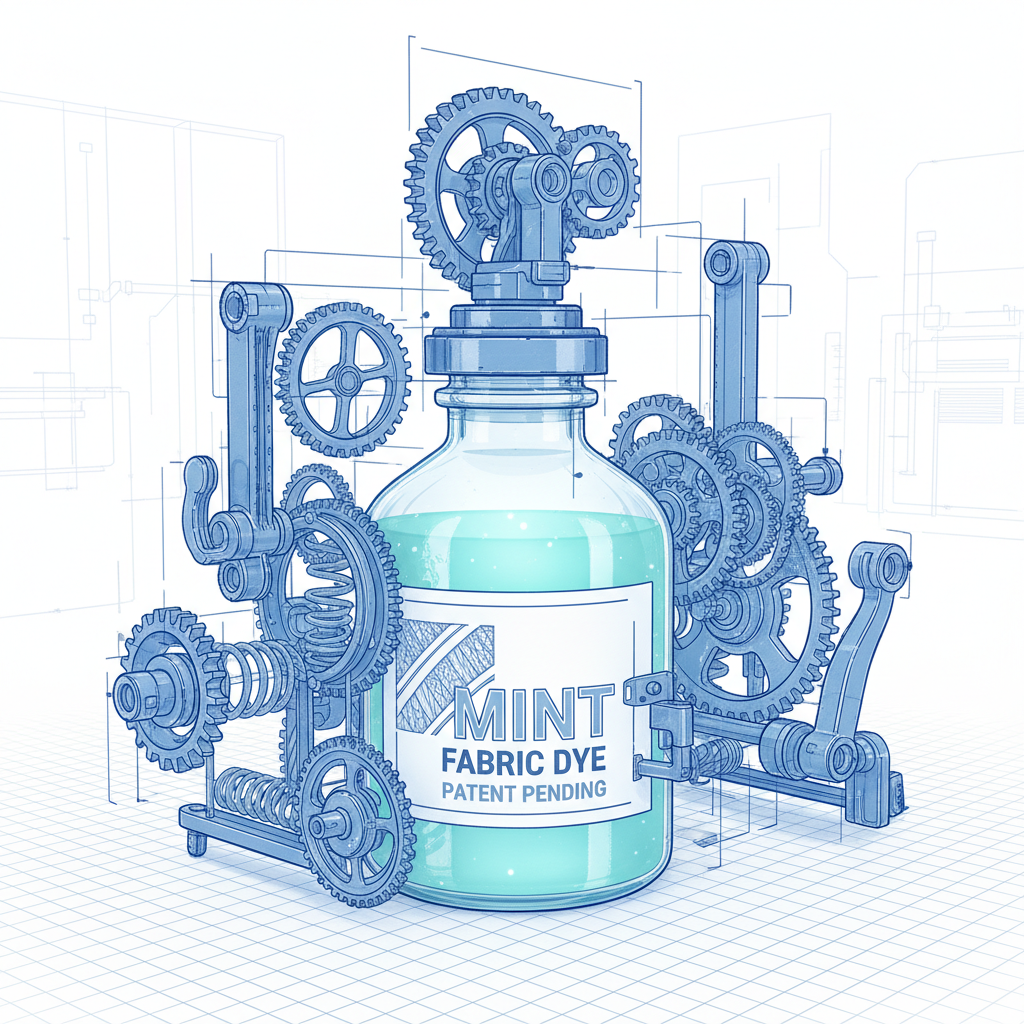
Mint fabric dye isn’t a single product; it encompasses a variety of dye types, each with its own characteristics. Reactive dyes are excellent for cellulose fibers like cotton and linen, providing brilliant, wash-fast colors. Acid dyes are ideal for protein fibers like silk and wool, offering vibrant hues but typically requiring more careful application. Direct dyes are a simpler option for cellulose fibers, but often have lower washfastness. Disperse dyes are used for synthetic fabrics like polyester. Choosing the right dye depends heavily on the fiber content of your fabric. YanHong Chemical offers a diverse range of mint dyes suitable for various fiber types.
The Dyeing Process: Step-by-Step to Mint Perfection
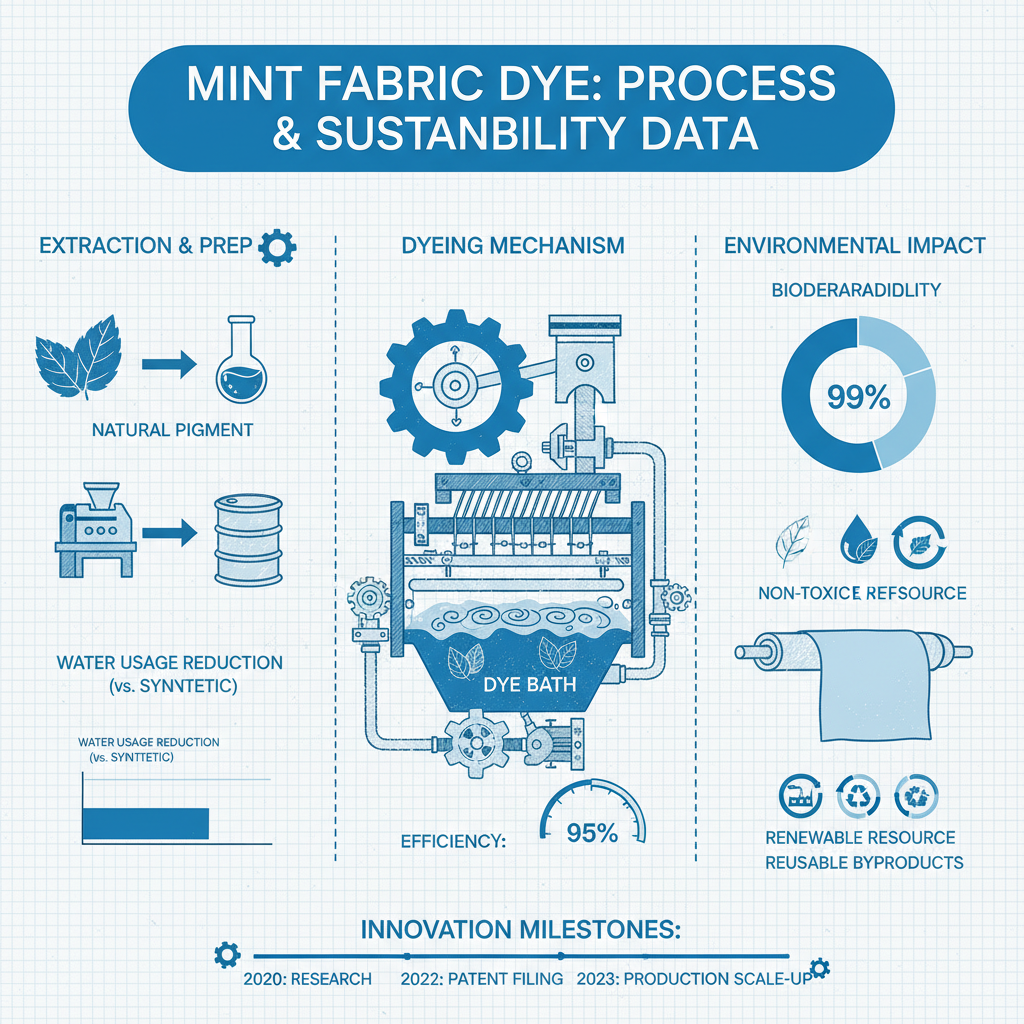
Successfully dyeing fabric to a mint shade requires careful preparation and execution. First, thoroughly wash your fabric to remove any sizing or finishes. Pre-mordanting (treating the fabric with a fixative) is crucial for certain dyes and fabrics, enhancing color uptake and washfastness. Mix the dye powder with hot water, ensuring complete dissolution. Submerge the fabric in the dye bath, stirring constantly to ensure even coverage. The dyeing time and temperature will vary depending on the dye type and fabric. Finally, rinse the fabric thoroughly until the water runs clear, followed by washing with a mild detergent.
Key Dyeing Considerations: Proper fabric preparation is essential. Consistent stirring ensures even dye distribution. Following the dye manufacturer’s instructions is paramount.
Colorfastness: Ensuring a Long-Lasting Mint Shade
Colorfastness refers to the dye's ability to resist fading or bleeding when exposed to washing, light, and other environmental factors. Reactive dyes generally offer the best colorfastness, followed by acid dyes. Direct dyes are often less colorfast and may require special after-treatments. Proper dyeing techniques, including thorough rinsing and the use of color fixatives, significantly improve colorfastness. Choosing high-quality mint fabric dye from a reputable supplier like YanHong Chemical also plays a vital role.
Factors Affecting Colorfastness:
• Dye type and quality
• Fabric preparation
• Dyeing technique
• After-treatments (color fixatives)
Mint Fabric Dye Comparison: A Quick Reference
Choosing the right dye can be daunting. Here's a comparison of common mint fabric dye options:
Safety Precautions When Working with Fabric Dyes
Working with fabric dyes requires careful attention to safety. Always wear gloves and a mask to protect your skin and respiratory system. Work in a well-ventilated area. Avoid contact with eyes and skin. If contact occurs, rinse thoroughly with water. Store dyes securely, out of reach of children and pets. Dispose of dye waste responsibly, following local regulations. YanHong Chemical provides detailed safety data sheets (SDS) for all its dyes.
Conclusion: Embrace the Art of Mint Dyeing
With the right knowledge and materials, achieving a beautiful and lasting mint shade on your fabrics is entirely within reach. By understanding the different dye types, mastering the dyeing process, and prioritizing safety, you can unlock a world of creative possibilities. Explore the comprehensive selection of mint fabric dye available at YanHong Chemical and embark on your dyeing journey today!
Frequently Asked Questions (FAQs)
What's the best dye for mint-coloring cotton fabric?
For cotton, reactive dyes are generally the best option. They offer excellent colorfastness and vibrant shades. Reactive dyes bond chemically with the cotton fibers, resulting in a wash-resistant and durable color. When using reactive dyes, it's crucial to use a soda ash fixative to ensure proper dye absorption. Proper preparation of the fabric is also key – pre-washing to remove any sizing is essential for even dye uptake. You can find a range of high-quality reactive dyes specifically formulated for cotton at YanHong Chemical.
How do I achieve a pastel mint shade?
Achieving a pastel mint requires using a lower concentration of dye. Start with a very small amount of dye powder and gradually increase it until you reach the desired shade. Diluting the dye with more water also helps create a lighter hue. Consider using a dye extender or whitener to further soften the color. Always test a small swatch of fabric first to ensure you achieve the desired pastel mint shade before dyeing the entire piece. Accurate measurement is key for consistent results.
What is mordanting and why is it important?
Mordanting is a process of treating fabric with a metallic salt (the mordant) before dyeing to improve dye uptake and colorfastness. The mordant acts as a bridge between the dye molecules and the fabric fibers, helping the dye bond more permanently. It’s particularly important for natural dyes and some synthetic dyes on certain fabrics. Different mordants can also influence the final color. Common mordants include alum, iron, and tannin. While not always necessary for all dye types, mordanting significantly enhances the durability and vibrancy of the color.
Can I dye polyester fabric a mint color?
Yes, but you’ll need to use disperse dyes specifically designed for polyester. Disperse dyes are water-insoluble and require high temperatures (typically near boiling) and agitation to penetrate the polyester fibers. The dyeing process for polyester is more complex than for natural fibers and often requires specialized equipment and expertise. It's crucial to follow the dye manufacturer's instructions carefully to achieve a successful and colorfast result. YanHong Chemical offers a selection of disperse dyes suitable for polyester fabrics.
-
Sage Green Fabric Dye: Durable and Eco-Friendly Textile ColoringNewsDec. 05, 2025
-
Outdoor Fabric Dye: Durable & UV-Resistant Options for IndustryNewsDec. 09, 2025
-
Fabric Dye Company: Durable, Sustainable Solutions for B2B Textile NeedsNewsDec. 03, 2025
-
Comprehensive Guide to the Cationic Dyeable Polyester Process: Sustainability and InnovationNewsDec. 03, 2025
-
High-Performance Tan Fabric Dye Solutions for Industrial Use | Yanhong ChemNewsDec. 13, 2025
-
Achieve Vibrant Results with Premium Sky Blue Dye for ClothesNewsMar. 21, 2026