Comprehensive Guide to the Cationic Dyeable Polyester Process: Sustainability and Innovation
Understanding the Cationic Dyeable Polyester Process
If you’ve ever bought polyester clothing that holds vibrant, long-lasting colors, chances are you’ve benefited from the cationic dyeable polyester process. It’s a fascinating textile innovation that not only improves the colorability of synthetic fabrics but has global implications for the fashion, industrial, and humanitarian sectors alike. This process helps tackle one key challenge in the polyester manufacturing world—how to get polyester, inherently hydrophobic and difficult to dye, to reliably hold bright, fast colors without complicated post-treatment steps. Why does it matter? Well, cationic dyeable polyesters open doors for more sustainable dyeing methods, reduce environmental impact, and boost cost-effectiveness in textile production worldwide.
Global Context: Why the Cationic Dyeable Polyester Process Helps Industry and Environment
Polyester dominates the global textile market, making up more than 50% of all fibers produced annually according to the latest estimates. However, dyeing polyester traditionally requires energy-intensive processes and harmful chemicals — which is a problem for manufacturers aiming to meet increasingly strict global environmental regulations like ISO 14001 and for brands pushing sustainability narratives.
The cationic dyeable polyester process addresses these issues by enabling polyester to absorb cationic (positively charged) dyes more efficiently, which usually bond better than traditional disperse dyes. Oddly enough, this means manufacturers can reduce water and energy consumption during dyeing, countless chemical rinses, and toxic effluents—making it a hot topic in industry innovation forums and environmental policy discussions.
Defining the Cationic Dyeable Polyester Process
In simple terms, this process involves chemically modifying polyester fibers to include special sites that attract and retain cationic dyes. Naturally, polyester repels water and dyes due to its hydrophobic nature; however, by introducing cationic groups during polymerization or through copolymer blends, the fiber’s affinity for water-soluble dyes significantly improves.
This technique aligns closely with modern needs—think about humanitarian aid textiles for rapid-deployment shelters or protective workwear in harsh environments—where durable, vibrant fabrics matter deeply to function and morale. The process, therefore, isn’t just about prettier clothes; it’s about making textiles perform better globally.
Core Components of the Cationic Dyeable Polyester Process
1. Fiber Modification
The foundation lies in carefully engineering the polyester polymer itself—usually by incorporating sulfonated or quaternary ammonium groups that confer positive charge sites. This molecular tweaking happens either during polymer synthesis or by blending with modified copolymers.
2. Dye Chemistry
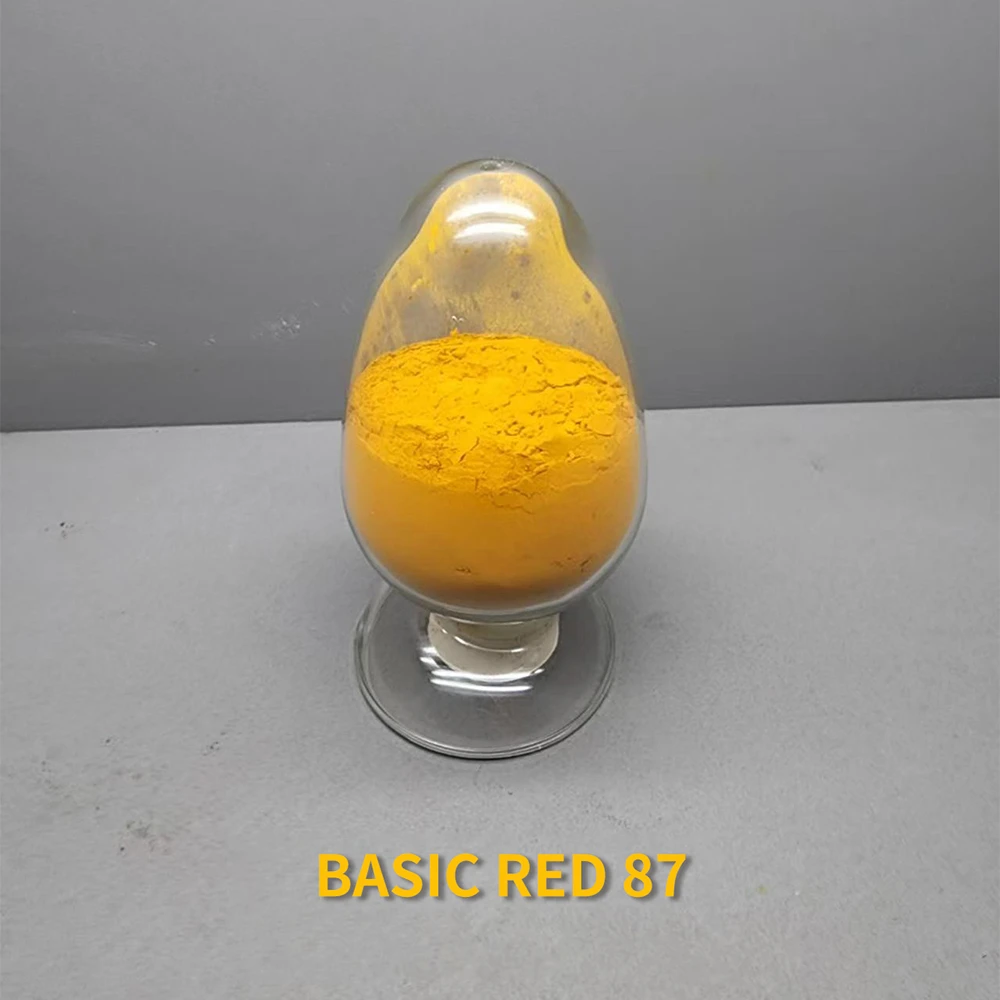
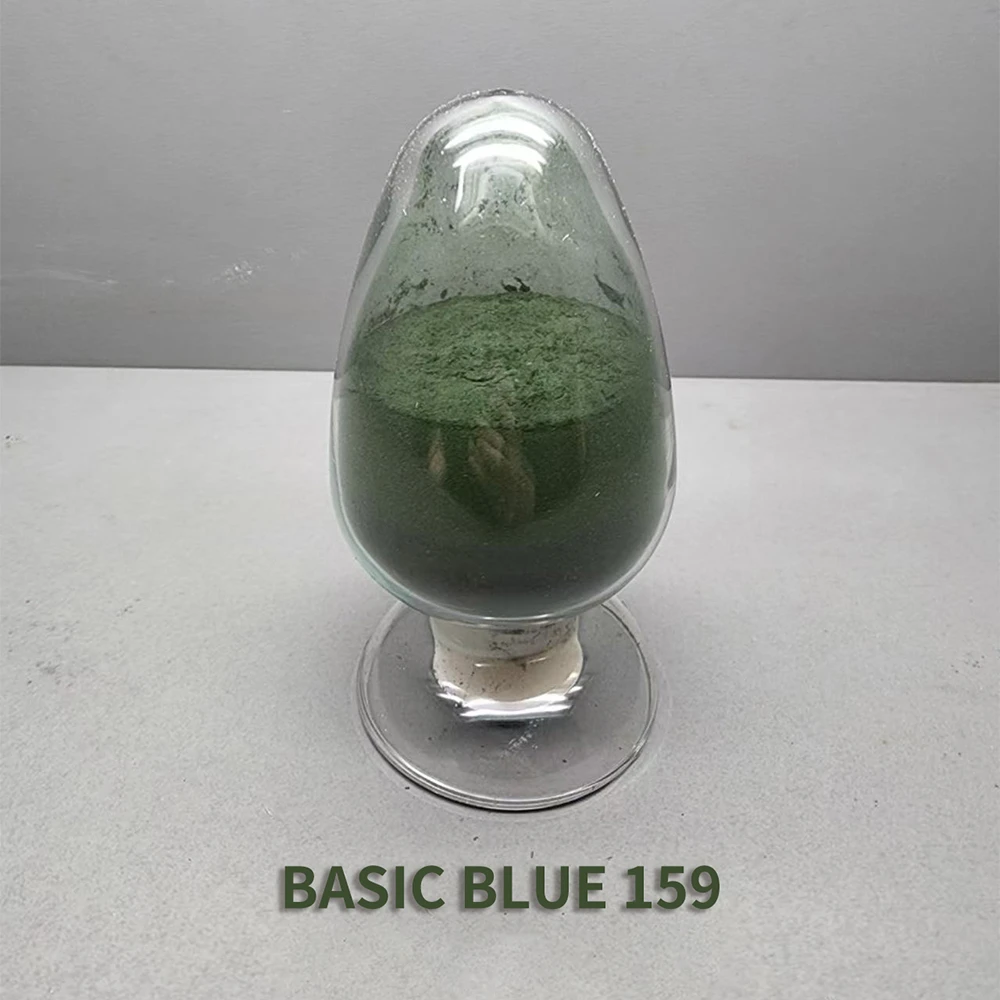
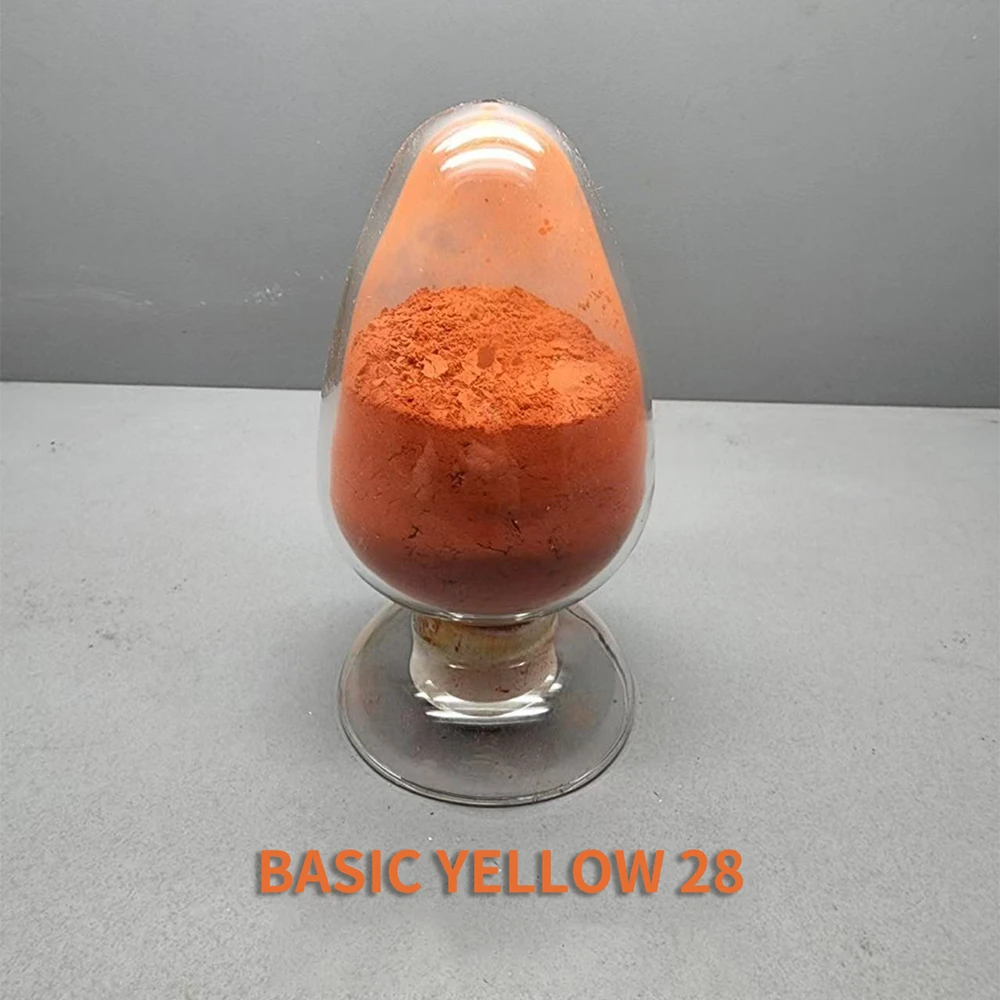
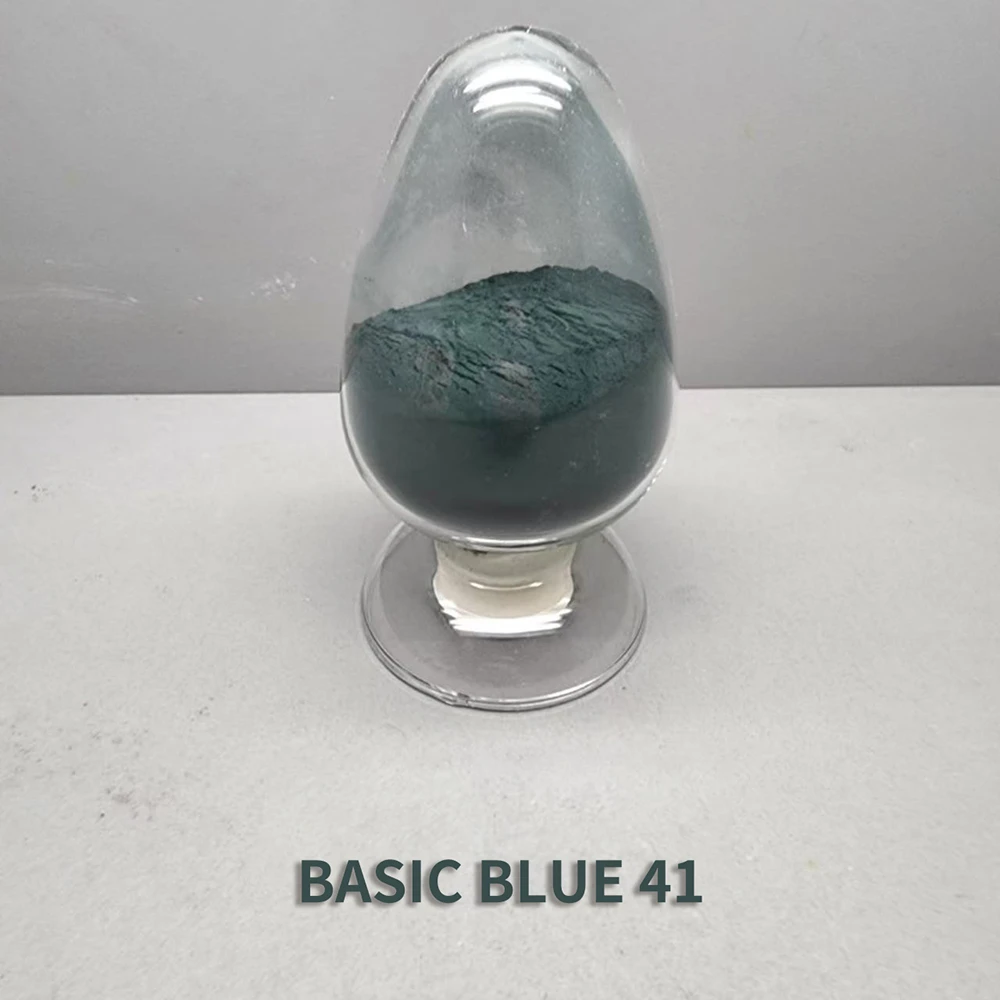
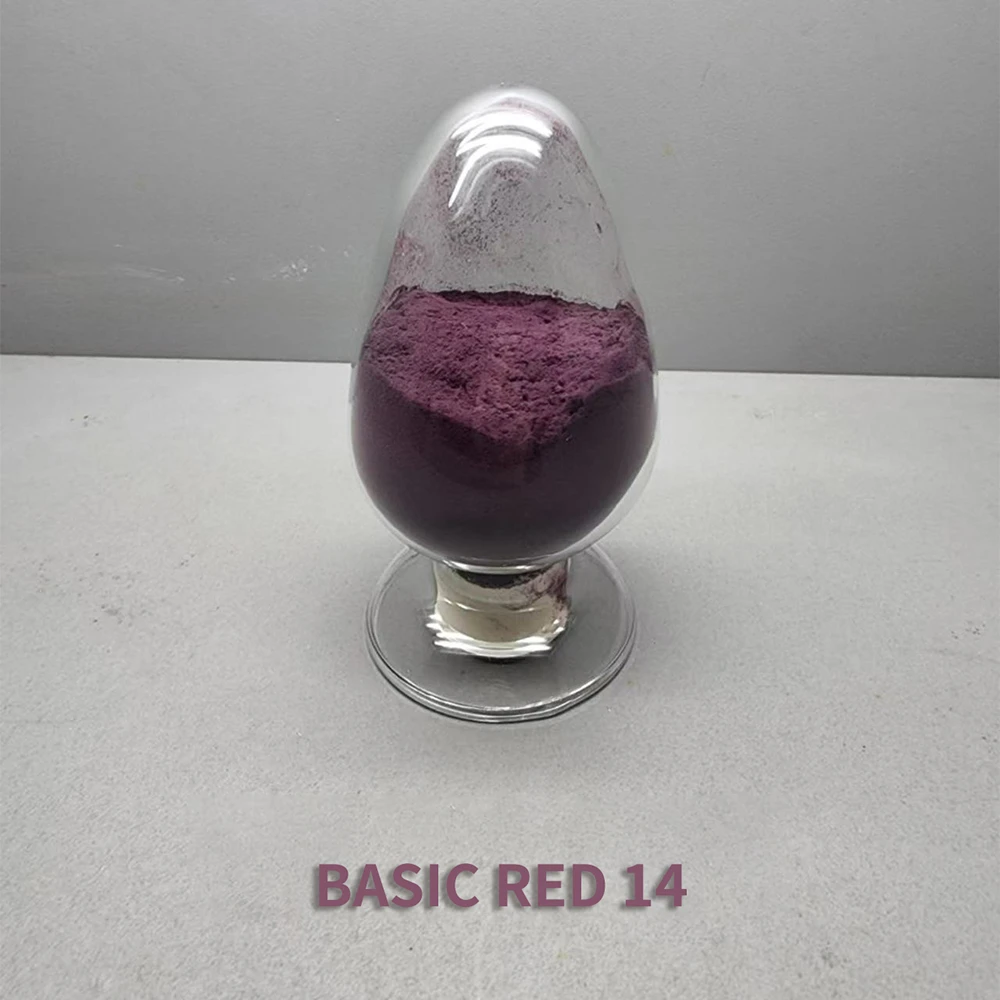
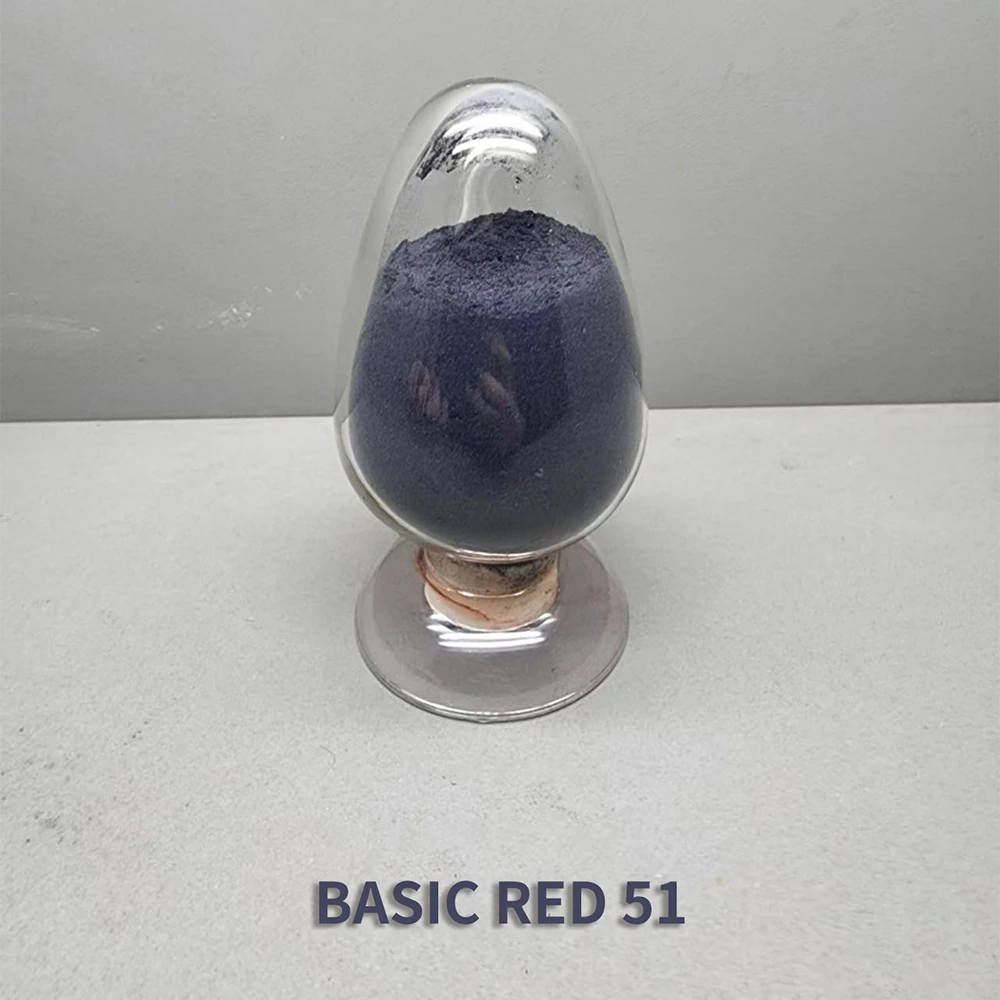
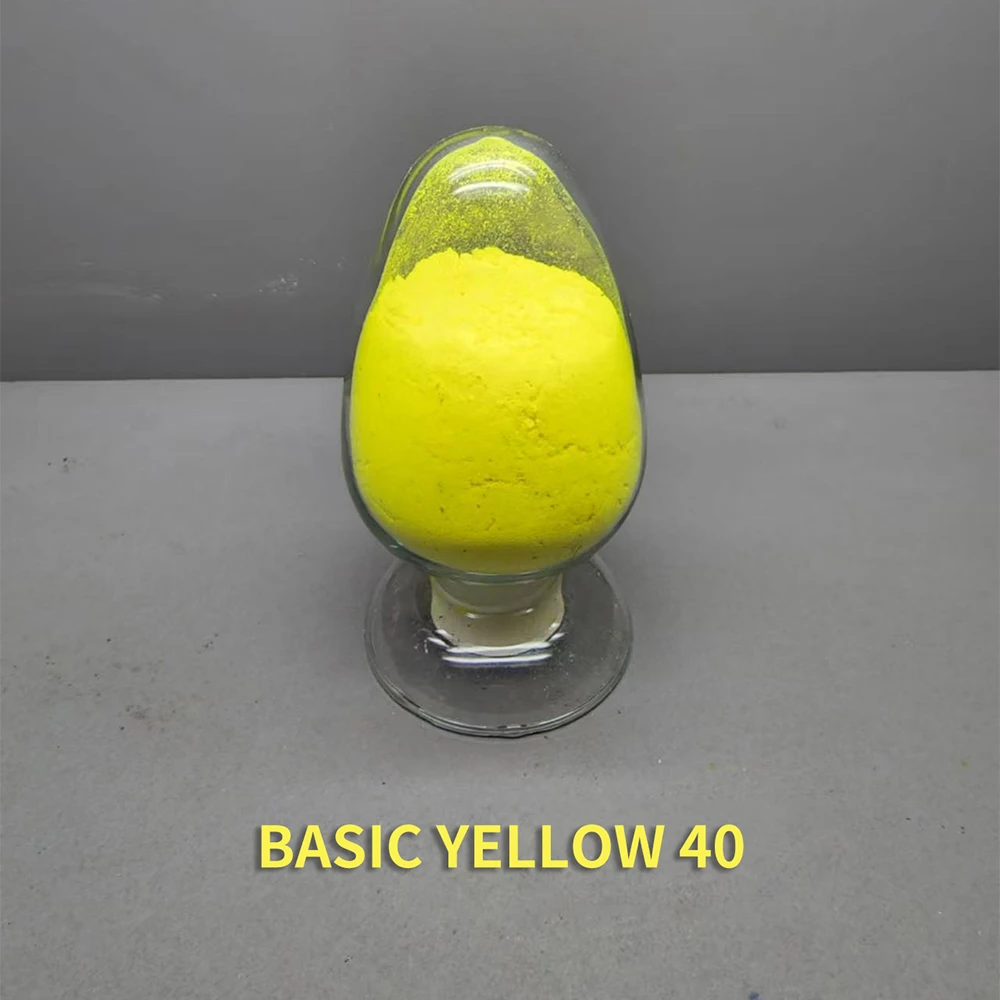
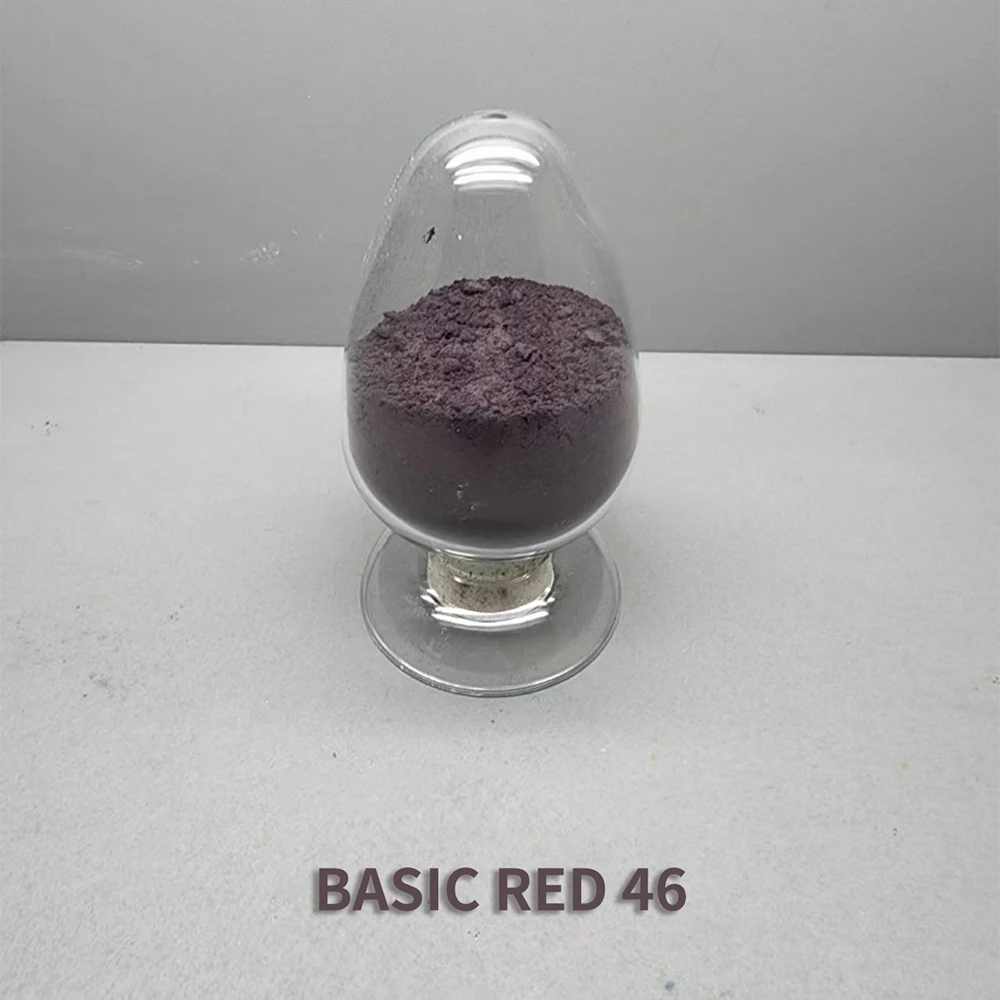
Instead of disperse dyes (small, nonionic molecules that require heat and carriers), cationic dyes—water-soluble and positively charged—interact more strongly with the modified polyester, resulting in brighter, faster colors with less environmental footprint.
3. Dyeing Conditions
The process operates at lower temperatures and uses milder chemicals than conventional polyester dyeing. This saves energy and lowers the risk of fiber damage.
4. Color Fastness and Durability
Thanks to the ionic bonds between fiber and dye, cationic dyeable polyester fabrics hold their colors better through repeated washing, sunlight exposure, and mechanical wear.
5. Environmental Impact
Reduced use of carriers and water, coupled with safer chemicals, means lower wastewater toxicity—a huge plus for manufacturers seeking ISO 14001 certification and community goodwill.
Product Specification: Typical Cationic Dyeable Polyester Fiber
| Property | Specification |
|---|---|
| Polymer Type | Modified PET with cationic sites |
| Dye Compatibility | Cationic dyes, some acid dyes |
| Moisture Regain | 0.5–1.0% |
| Dyeing Temperature | 80–100°C (lower than traditional polyester) |
| Tensile Strength | >500 MPa |
| Environmental Compliance | Supports ISO 14001 & Oeko-Tex Standard 100 |
Vendor Comparison: Key Providers of Cationic Dyeable Polyester Fibers
| Vendor | Product Range | Sustainability Features | Typical Applications | Pricing Level |
|---|---|---|---|---|
| Yanhong Chemicals | Full cationic polyester range | Low VOC, biodegradable auxiliaries | Fashion, upholstery, industrial textiles | Competitive |
| FiberChem Corp. | Modified fiber blends | Recyclable fibers, eco dyes | Sportswear, automotive textiles | Mid-range |
| GlobalTex Innovations | Cationic blends & fibers | Energy-saving dyeing tech | Home textiles, industrial use | Premium |
Global Applications and Use Cases in Real Life
Around the world, the cationic dyeable polyester process finds homes in industries ranging from fashion to industrial safety gear. Take, for example, emergency response textiles used in post-disaster relief operations: lightweight, color-retentive fabrics made using this process help mark shelters and equipment clearly under tough conditions.
Additionally, remote industrial zones—where reliable, durable protective uniforms are essential—benefit from this process’s ability to create textiles that resist fading, wear, and harsh chemicals. In regions like Southeast Asia and Eastern Europe, manufacturers leverage it to produce vibrant sportswear, lingerie, and home textiles that haven’t compromised on environmental consciousness.
If you want a deeper dive, check this out: cationic dyeable polyester process resources from leading chemical suppliers highlight various specialized formulations tailored for specific regional needs.
Advantages and Long-Term Value
- Lower production costs: Reduced heat and chemical demand mean savings that get passed along the supply chain.
- Sustainability: Less toxic wastewater and fewer greenhouse gas emissions align well with global climate goals.
- Enhanced fabric performance: Superior color fastness boosts perceived quality and brand trust.
- Social impact: Vibrant, reliable textile products enhance safety, dignity, and consumer satisfaction.
It’s kind of beautiful how a chemistry tweak can ripple out with economic and social benefits. Not only does it feel more responsible, but in business terms, it opens new markets eager for high-quality, eco-conscious textiles.
Future Trends and Innovations
Looking ahead, the cationic dyeable polyester process is evolving alongside green energy adoption and digital textile printing. Companies are experimenting with biobased copolymers to tighten the sustainability loop and integrating AI-driven process optimization to lower waste. Automation in dyeing workshops also promises higher consistency and efficiency, minimizing human error.
Moreover, stricter regulations around textile waste mean that innovation here will be crucial. I suppose we’ll see suppliers like Yanhong Chemicals offering even more customizable fiber chemistries tailored specifically for electronic textile integration or smart clothing soon enough.
Common Challenges and Expert Solutions
Of course, the process isn’t perfect. Some challenges include achieving uniform cationic group distribution in fibers and limitations on dye palette diversity versus traditional methods. Plus, scaling production while maintaining quality is tricky.
But many engineers suggest solutions like advanced copolymerization techniques and nano-coating fibers after extrusion. Hybrid dyeing systems that combine cationic dyeing with traditional disperse dyes broaden the color spectrum without sacrificing benefits. Continuous R&D partnerships between chemical suppliers and factories also accelerate problem-solving.
FAQ: Frequently Asked Questions About Cationic Dyeable Polyester Process
Q1: How is cationic dyeable polyester different from regular polyester?
Unlike regular polyester, which repels water and dyes, cationic dyeable polyester is chemically modified to attract and hold positively charged (cationic) dyes, resulting in brighter colors and simpler dyeing processes.
Q2: Can cationic dyeable polyester be recycled as easily as traditional polyester?
While chemically modified, cationic dyeable polyesters are generally recyclable through existing PET recycling streams but some differences in processing may occur depending on additives used. It’s best to check with local recycling facilities.
Q3: Are cationic dyes less harmful to the environment compared to disperse dyes?
Generally yes. Cationic dyes are water-soluble and require less heat and fewer carriers, resulting in fewer toxic effluents and lower energy use during dyeing.
Q4: What industries benefit the most from this dyeing technology?
The apparel, home textile, automotive textile, and industrial safety sectors make the most use of cationic dyeable polyester, especially where color fastness and environmental impact are priorities.
Q5: Where can I learn more or buy materials using this process?
Leading suppliers like Yanhong Chemicals offer resources and products specifically geared toward the cationic dyeable polyester process.
Conclusion
The cationic dyeable polyester process feels like a pivotal step towards smarter, greener textile manufacturing. Its practical benefits combined with a sustainability angle present real long-term value not only for manufacturers but for consumers and the planet too. If you’re involved in textile production or sourcing, it’s worth exploring this process more deeply—there’s a wealth of opportunity and innovation waiting.
For those eager to dive deeper or explore partnerships and product lines, visit our website for the latest in cationic dyeable polyester technologies.
-
Sage Green Fabric Dye: Durable and Eco-Friendly Textile ColoringNewsDec. 05, 2025
-
Dark Blue Fabric Dye | Expert Guide & Vendor ComparisonNewsDec. 11, 2025
-
Outdoor Fabric Dye: Durable & UV-Resistant Options for IndustryNewsDec. 09, 2025
-
Exploring the World of Space Dye Fabric A Comprehensive GuideNewsMar. 04, 2026
-
Burgundy Fabric Dye – Durable, Vibrant Solutions for Textile Industry | YanhongchemNewsDec. 11, 2025
-
Reliable Navy Fabric Dye for Industrial Textile Applications | YanhongNewsDec. 07, 2025