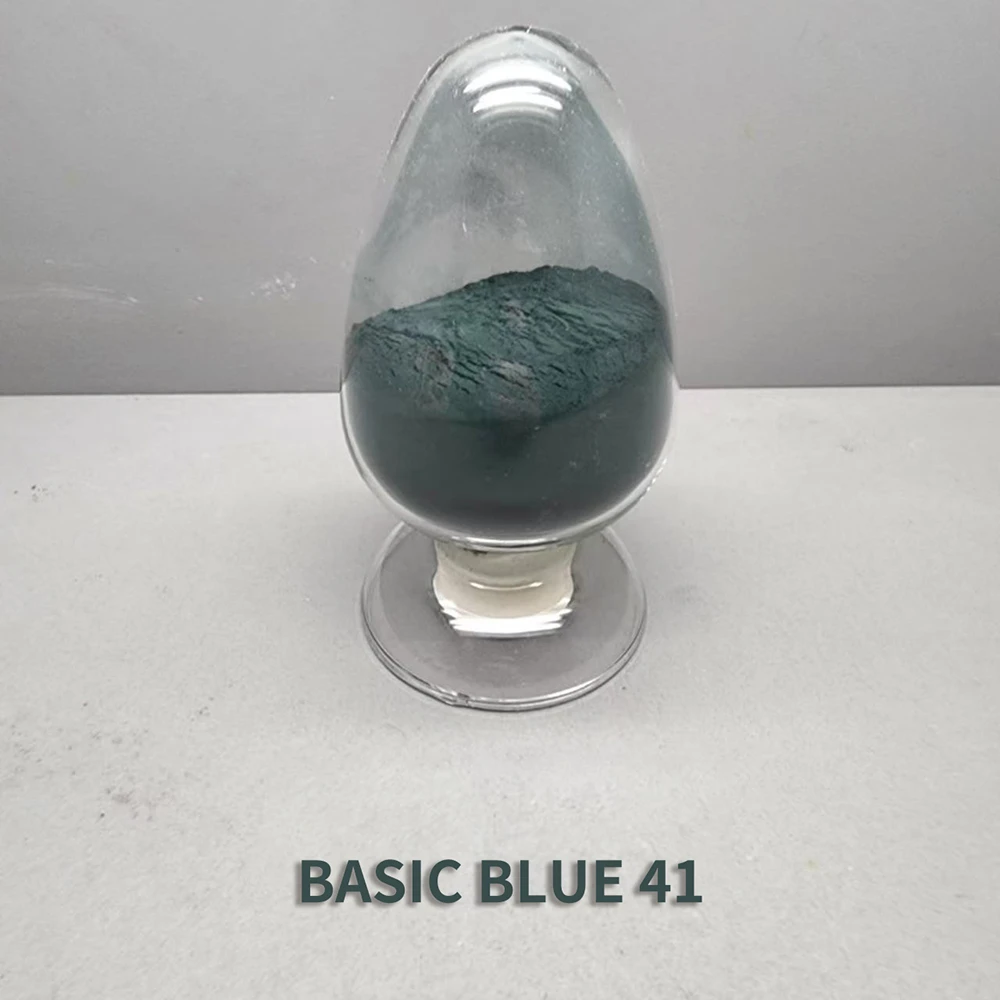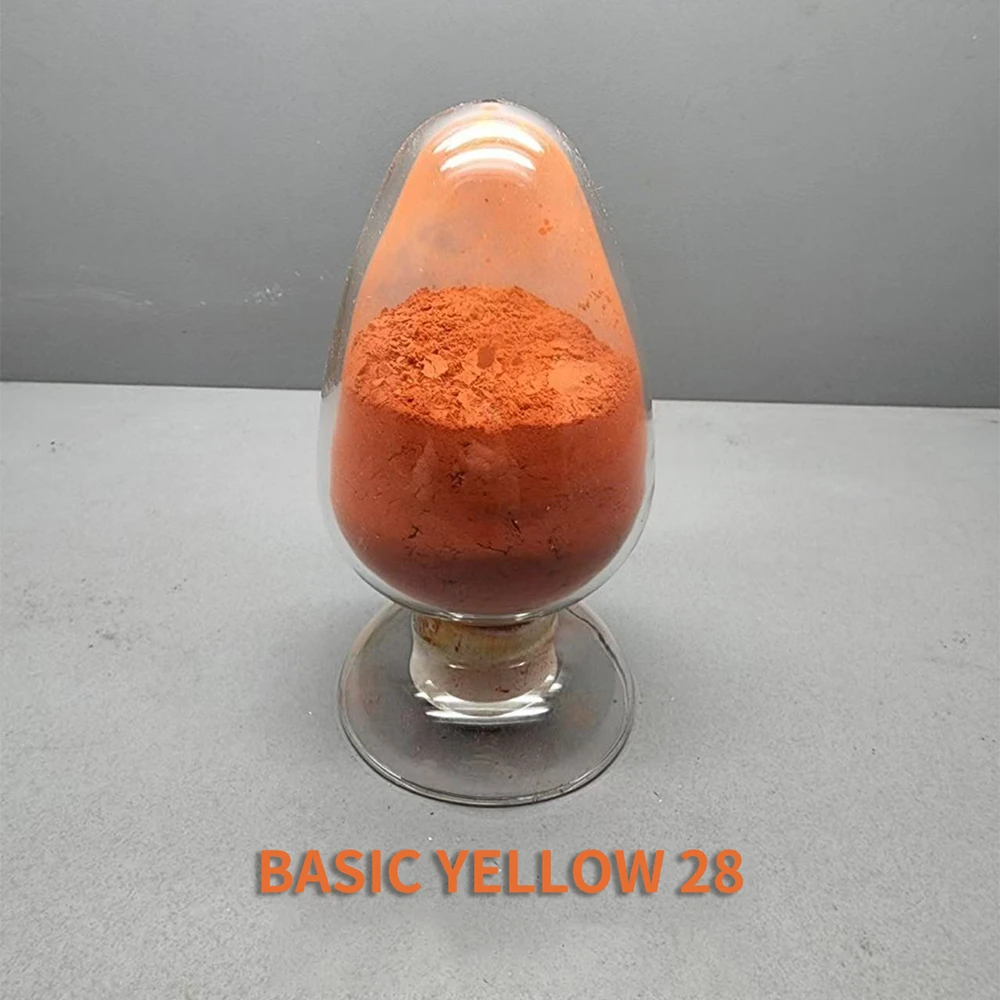
Fabric Dyes: Global Insights, Sustainability & Industry Trends
Understanding Fabric Dyes: The Colorful Backbone of Textiles Worldwide
Fabric dyes are, frankly, one of those things we don’t give a second thought to—until you splash some coffee on your favorite shirt or notice the vibrant patterns on a textile at the market. But if you pause a moment, these colors tell a much larger story: one of culture, industry, sustainability, and science all woven together.
Why does it matter globally? Well, textile coloration isn’t just cosmetic. It’s a $50+ billion global business, supporting millions of jobs and influencing trade, culture, and even environmental policies. Getting a handle on fabric dyes means better quality, longer-lasting garments, and improved eco-conscious manufacturing.
Global Context: A Palette Shaping Economies and Ecosystems
Textile production ranks as one of the world’s largest industries, and according to the United Nations Industrial Development Organization (UNIDO), billions of meters of fabric are dyed each year worldwide, chiefly in Asia, Europe, and North America. However, environmental challenges associated with dye effluents—such as water pollution and toxic waste—have made fabric dyes a central focus of sustainability efforts.
For instance, it’s estimated that textile dyeing accounts for nearly 20% of global industrial water pollution (UNEP, 2019). This means every innovation in fabric dyes can ripple out, positively affecting economies and ecosystems alike.
What Exactly Are Fabric Dyes?
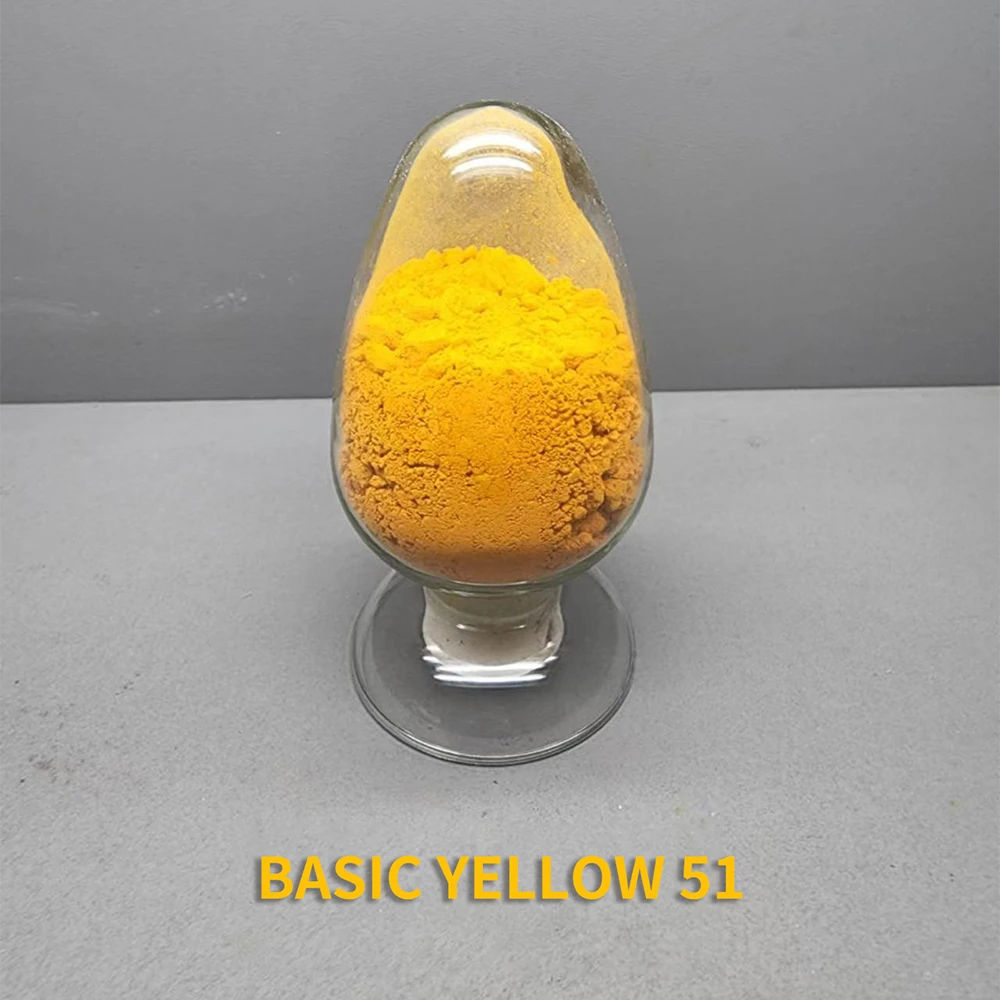
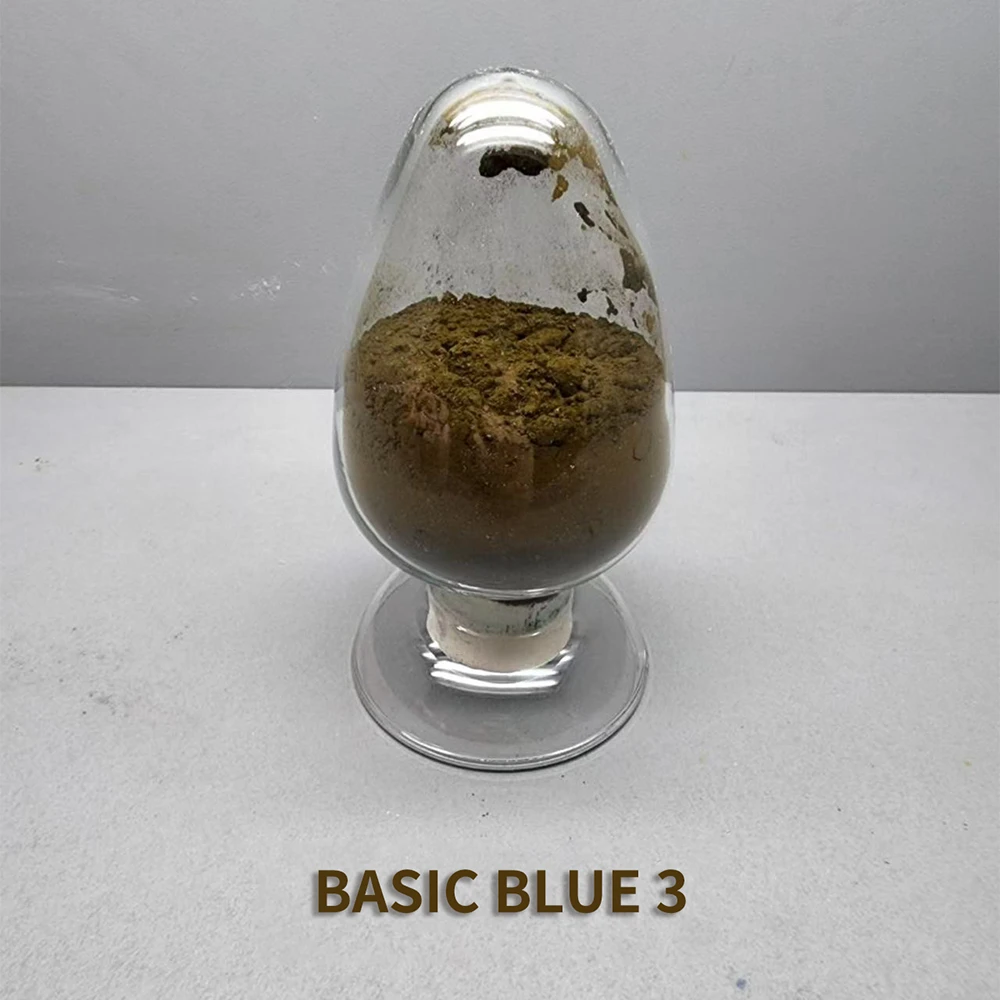
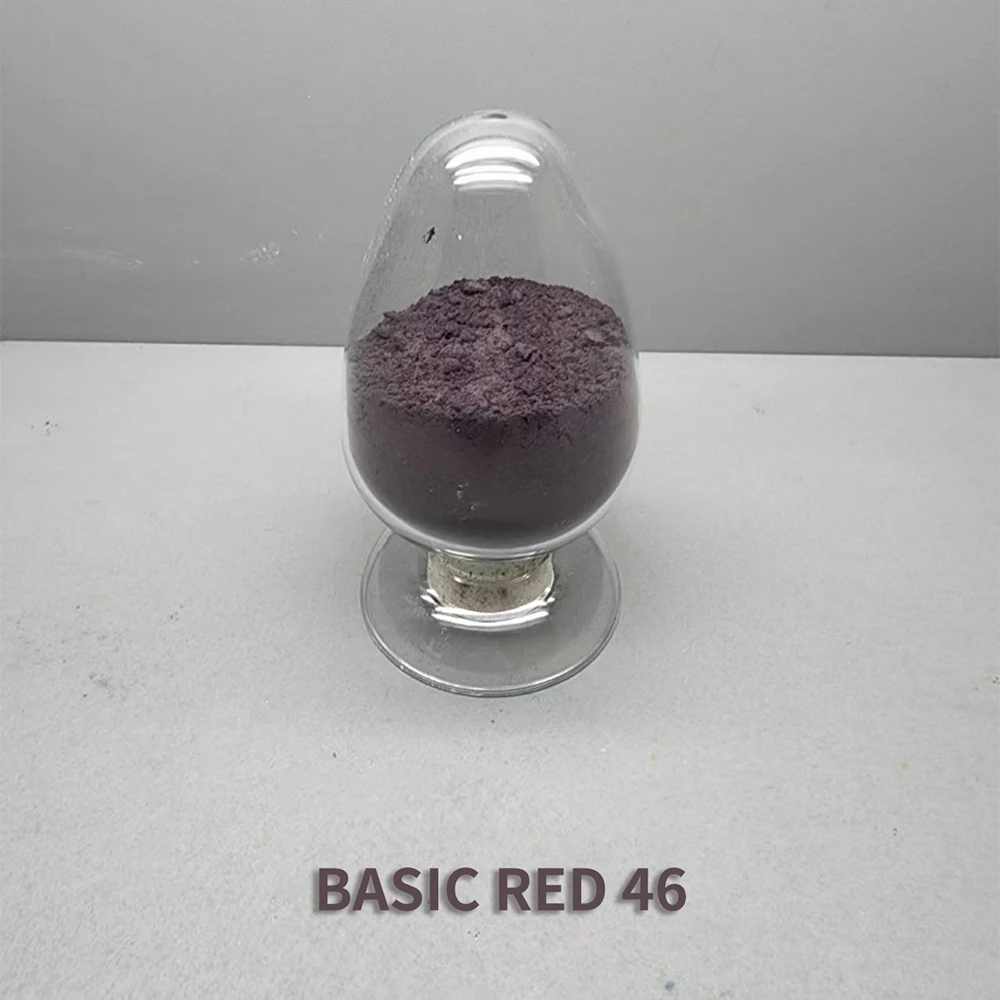
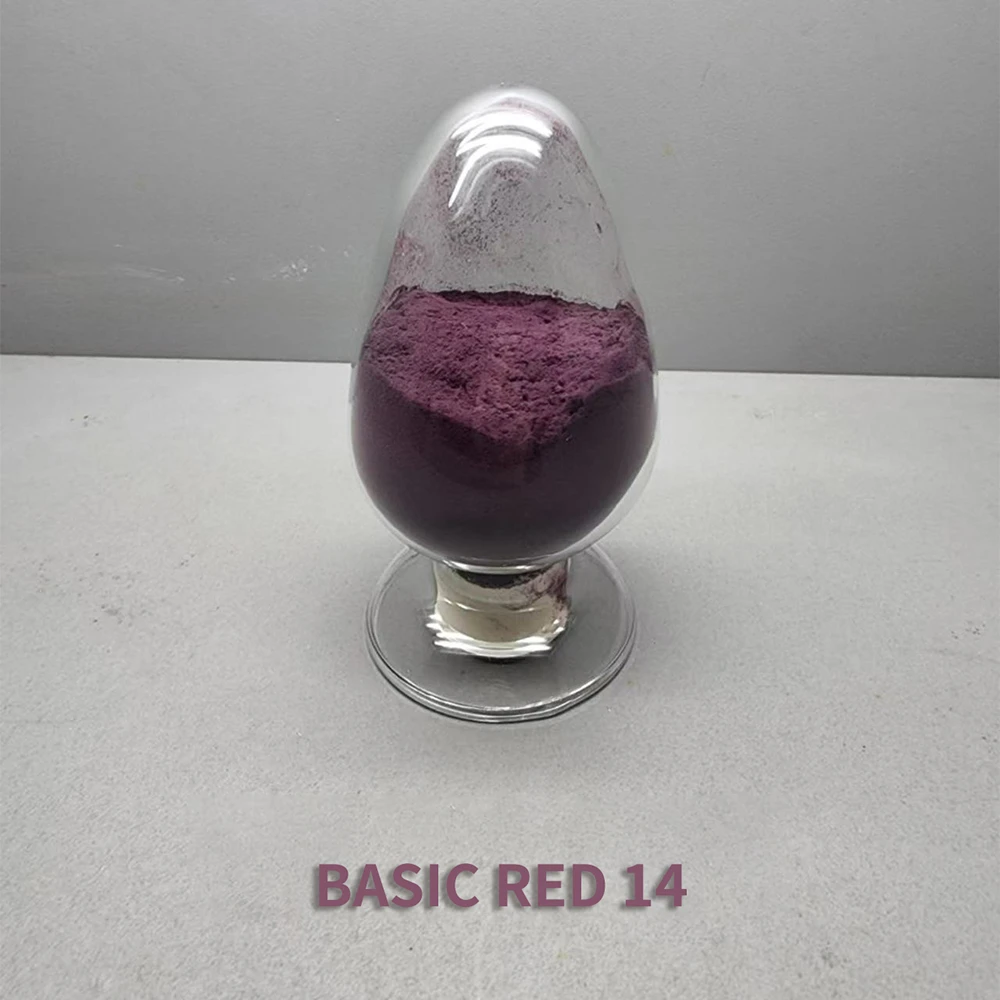
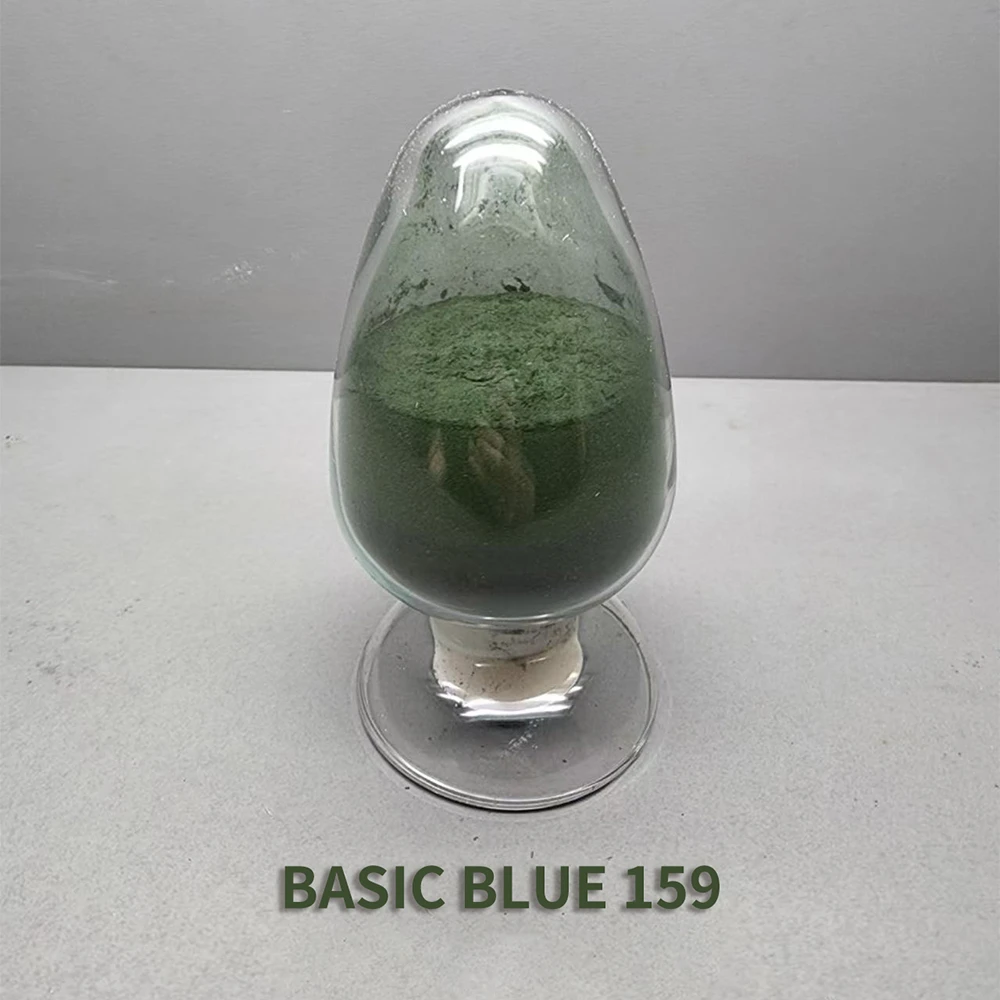
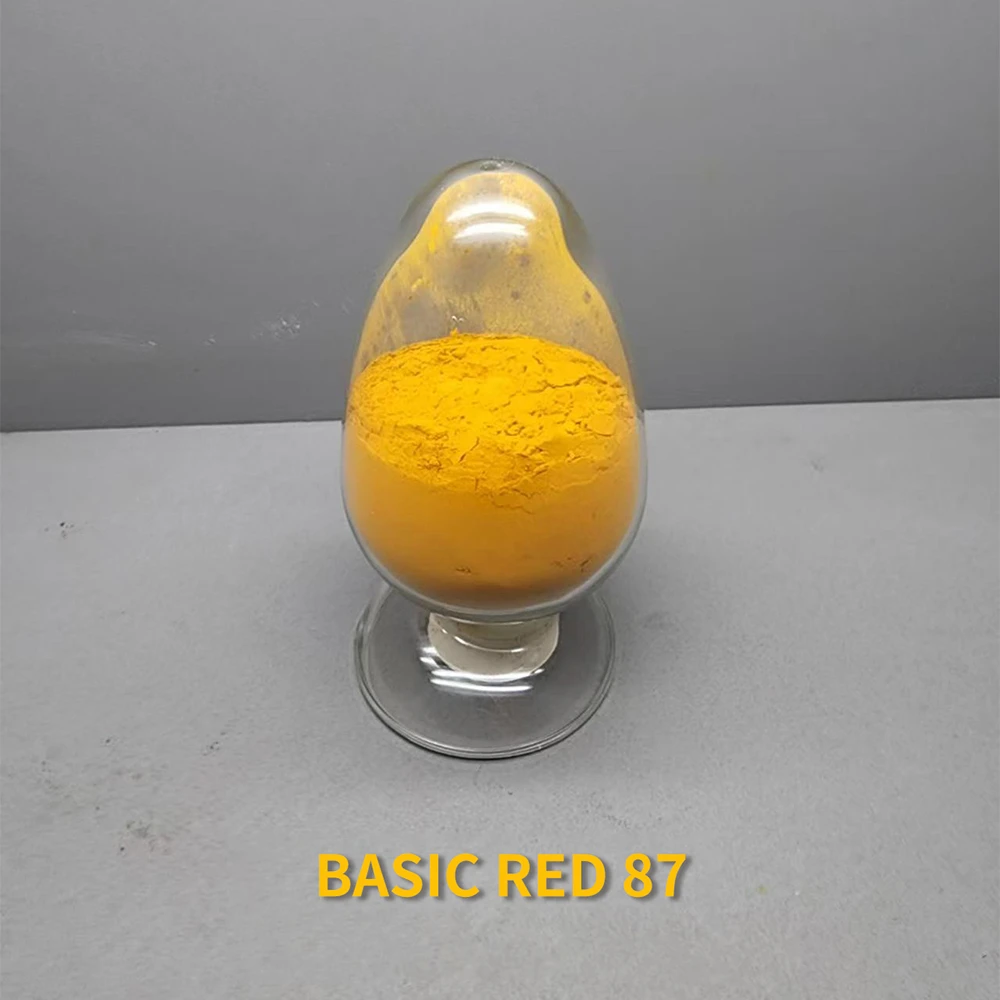
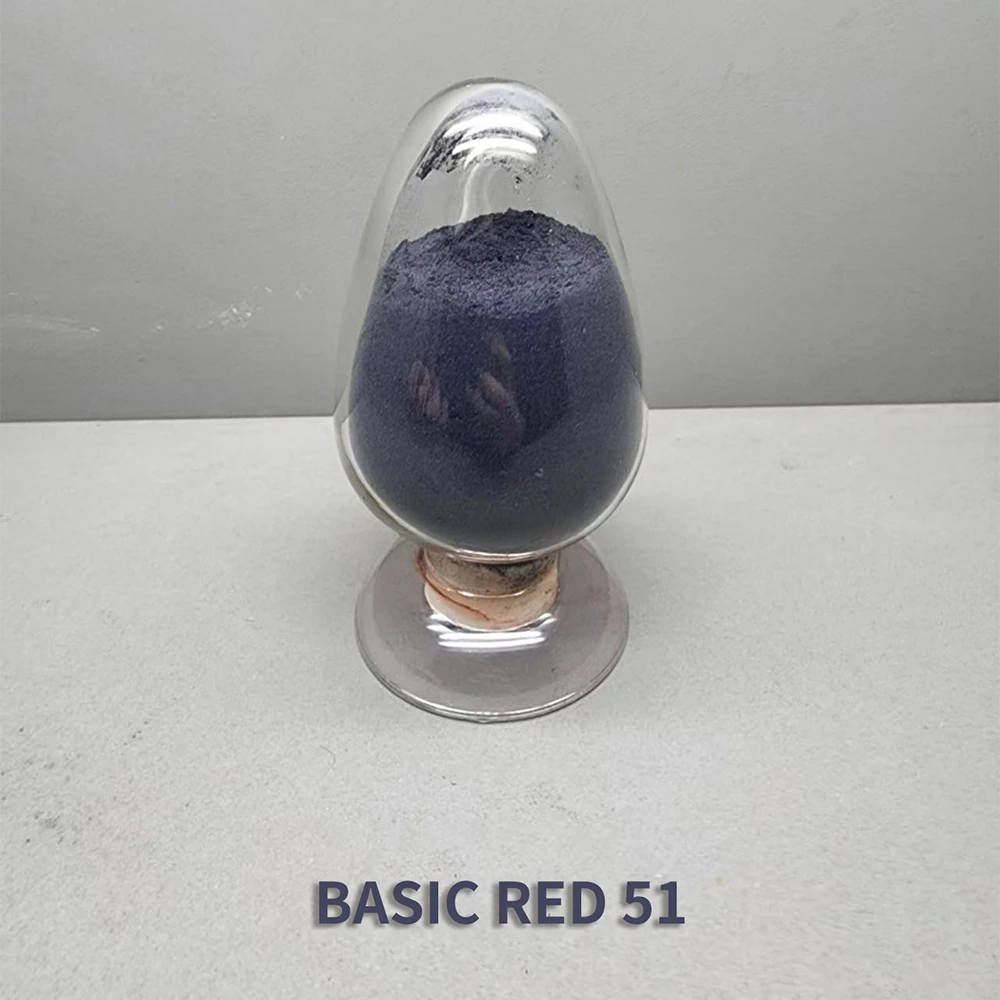
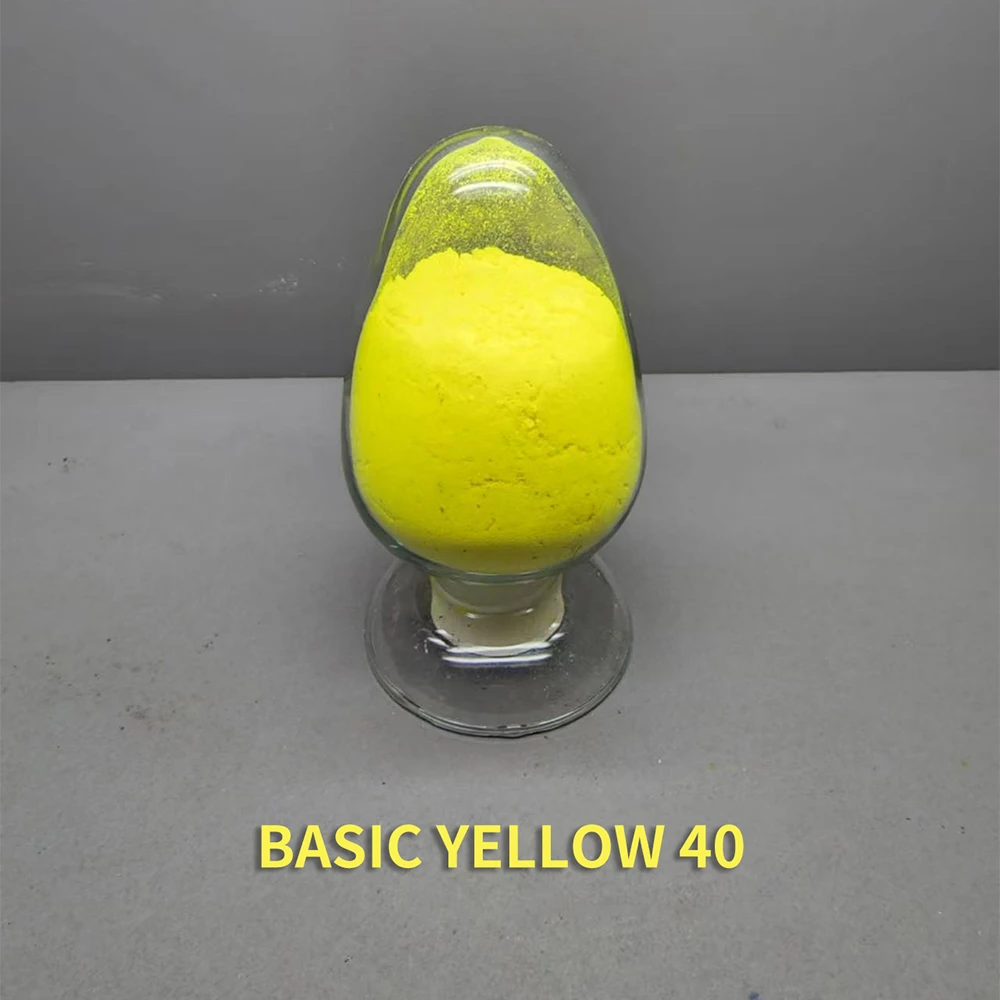
Simply put, fabric dyes are chemical compounds that impart color to textiles. Unlike pigments that sit on the fabric’s surface, many dyes actually bind chemically or physically within fibers, which influences their durability and vibrancy.
These dyes come in various classes—reactive, acid, vat, direct—each tailored for different fibers like cotton, wool, or synthetic materials. Their role extends beyond aesthetics; they’re integral in meeting industry needs for durability, safety (think UV resistance), and even social responsibility.
Core Components that Define Fabric Dye Performance
Durability
How long a dye lasts under wash, sunlight, or abrasion defines its quality. For industrial fabrics, such as uniforms or outdoor gear, longevity is crucial.
Color Fastness
This specifies resistance to fading or bleeding. Good color fastness means the item won’t turn drab after a few washes.
Environmental Impact
Modern fabric dyes increasingly focus on low water usage and biodegradable compounds. This is more than a trend; it’s survival.
Cost Efficiency
Manufacturers need cost-effective dyes that still meet quality standards to remain competitive globally.
Application Versatility
Some dyes work only on cotton, others on synthetic fibers, or require specific techniques, which affects their usability across products and industries.
Fabric Dyes at Work: Global Applications & Use Cases
Fabric dyes color everything from high-fashion apparel in Italy to uniforms for workers rebuilding post-disaster zones in Southeast Asia. For example:
- Fashion Industry: Italy and France rely heavily on advanced reactive dyes to produce vivid, sustainable clothing lines.
- Uniform Manufacturing: India’s large textile sector uses durable dyes for military and hospital uniforms requiring strict safety standards.
- Humanitarian Use: NGOs distributing clothing post-natural disasters depend on affordable, safe dyes for mass production.
Mini Takeaway
Understanding the practical factors like durability, cost, and eco-impact makes choosing the right fabric dye a powerful lever in global textile production and sustainability.
Advantages and Long-Term Value of Quality Fabric Dyes
There’s an emotional thread here: bright, lasting colors mean people take pride in their clothes, and that feeds dignity and confidence. Economically, reliable dyes reduce returns and reprocessing costs. Socially, water-saving dye methods help communities near factories breathe easier and drink cleaner water.
So, this isn’t just about pretty dresses. It’s about trust, safety, and the future of commerce grown greener by innovation.
Fabric Dyes Product Specification Table
| Type of Dye | Suitable Fibers | Color Fastness Rating | Environmental Impact | Typical Applications |
|---|---|---|---|---|
| Reactive | Cotton, Cellulose | 4–5 (ISO scale) | Medium (water-intensive) | T-shirts, denim |
| Acid | Wool, Silk, Nylon | 4–5 | Low–Medium | Luxury apparel |
| Vat | Cotton | 5 | High (chemical use) | Denim, industrial |
Vendor Comparison: Leading Fabric Dye Providers
| Vendor | Specialty | Eco-Friendly Options | Global Reach | Price Range ($/kg) |
|---|---|---|---|---|
| DyeCo International | Reactive & Vat dyes | Wide range, Oeko-Tex certified | Europe, Asia, Americas | 20–40 |
| EcoDyes Ltd. | Natural and low-impact dyes | Dedicated green product lines | North America, Europe | 35–60 |
| SynthDye Corp. | High-fastness acid dyes | Limited eco variants | Global | 25–45 |
Emerging Trends and Innovations in Fabric Dyes
There’s a lot happening on the horizon—bio-based dyes derived from algae or fruit extracts are growing in popularity. Also, digital textile printing is reshaping how dyes are applied with precision and less waste.
Automation in dyeing plants reduces human error and chemical consumption, while stricter standards (ISO 14001) push firms toward cleaner, more traceable production methods.
Challenges and Forward-Thinking Solutions
Major challenges include wastewater treatment and ensuring dyes meet evolving eco-standards without skyrocketing costs. Frankly, it’s a constant juggle. Yet advances in photocatalytic water treatment and enzyme-assisted dyeing offer promising solutions.
Plus, suppliers and buyers increasingly collaborate on lifecycle assessments to bolster transparency and reduce impact across supply chains.
FAQ: Common Questions About Fabric Dyes
- What makes reactive fabric dyes popular for cotton?
- Reactive dyes chemically bond to cotton fibers, resulting in excellent color fastness and wash durability. Their vibrant hues and versatility make them industry favorites.
- Are there eco-friendly alternatives to traditional synthetic dyes?
- Yes, natural dyes (from plants, insects) and low-impact synthetic dyes are gaining traction, especially when paired with sustainable processes that reduce water and chemical use.
- Can fabric dyes affect skin sensitivity?
- Certain dyes can cause irritation, especially if improperly fixed. Quality manufacturers test for allergens and comply with regulations like Oeko-Tex Standard 100 to ensure safety.
- How do manufacturers minimize pollution from dye effluents?
- They employ wastewater treatment plants, reduce water usage, recycle dye baths, and use biodegradable chemicals to limit environmental harm.
In Closing: Why Fabric Dyes Matter More Than You Think
Fabric dyes weave together threads of industry, environment, and culture, coloring more than just fabric—they influence how we produce, consume, and respect our resources. Choosing the right dyes aligns with sustainability, quality, and social responsibility.
If you want to dive deeper into innovative fabric dyes, I’m glad to recommend visiting trusted suppliers like Yanhong Chemical for detailed product insights and responsible sourcing.
Quick Reflection
It’s fascinating how such tiny chemical components shape global industries and local lives alike. The balance between vibrant color and environmental care is challenging but utterly crucial—reminding me that in textiles, color can carry a deeper meaning than meets the eye.
References
- United Nations Industrial Development Organization (UNIDO)
- United Nations Environment Programme (UNEP) – Textile Pollution Report, 2019
- Wikipedia: Fabric dyeing
-
Reliable Powdered Fabric Dye for Industrial Textile ApplicationsNewsJan. 04, 2026
-
Sustainable Eco Friendly Fabric Dye Solutions for Industrial UseNewsJan. 01, 2026
-
Durable Terracotta Fabric Dye for Industrial Use | Yanhong ChemicalNewsDec. 11, 2025
-
Comprehensive Guide to Brown Fabric Dye – Industry Insights, Applications & SustainabilityNewsDec. 04, 2025
-
Cationic Dyed Polyester: Revolutionizing Sustainable Textile Dyeing WorldwideNewsDec. 03, 2025
-
Dark Grey Fabric Dye – Durable Industrial Textile Solutions | Yanhong ChemicalNewsDec. 10, 2025