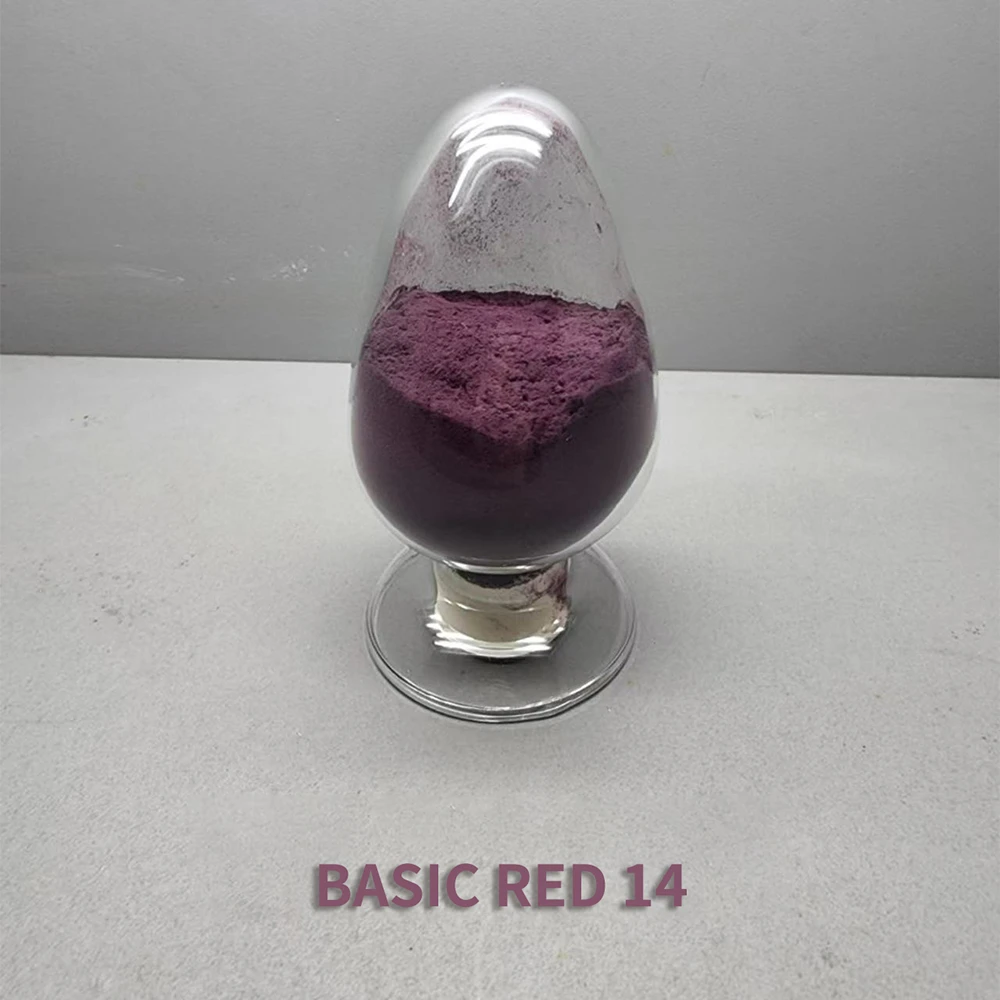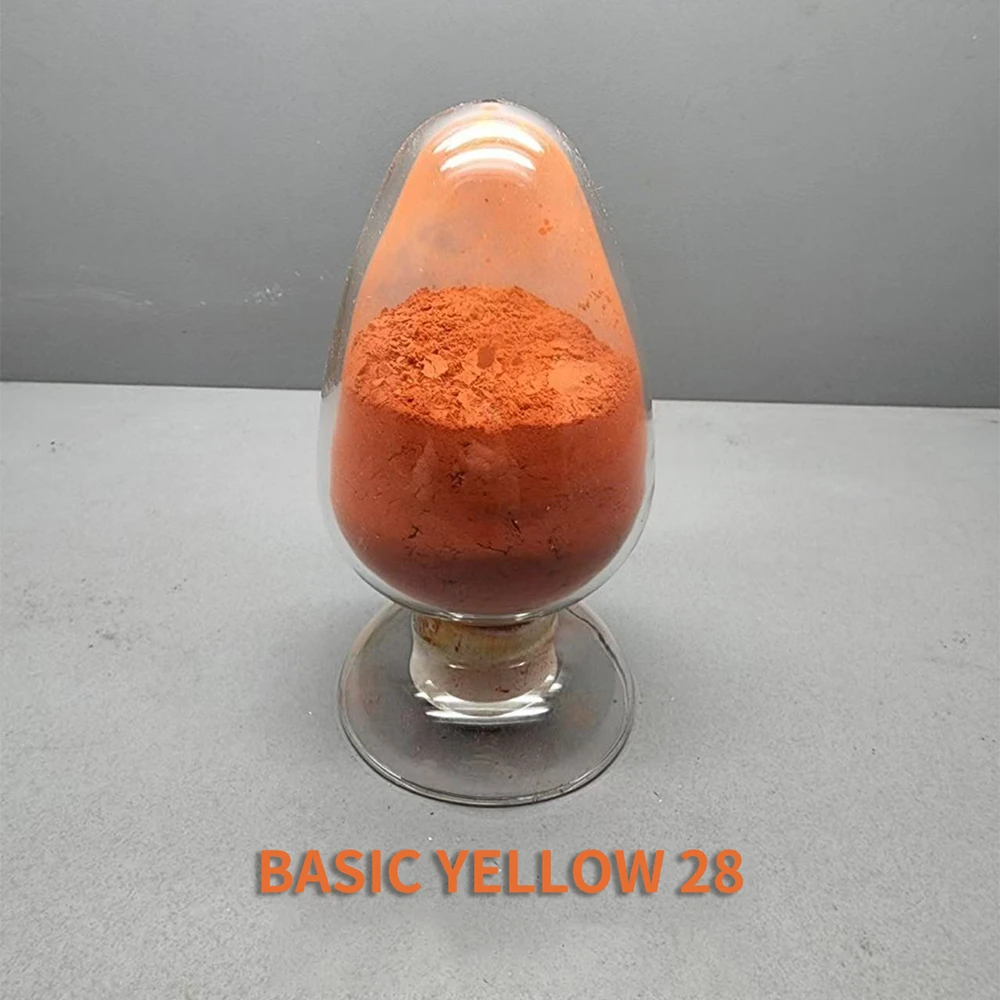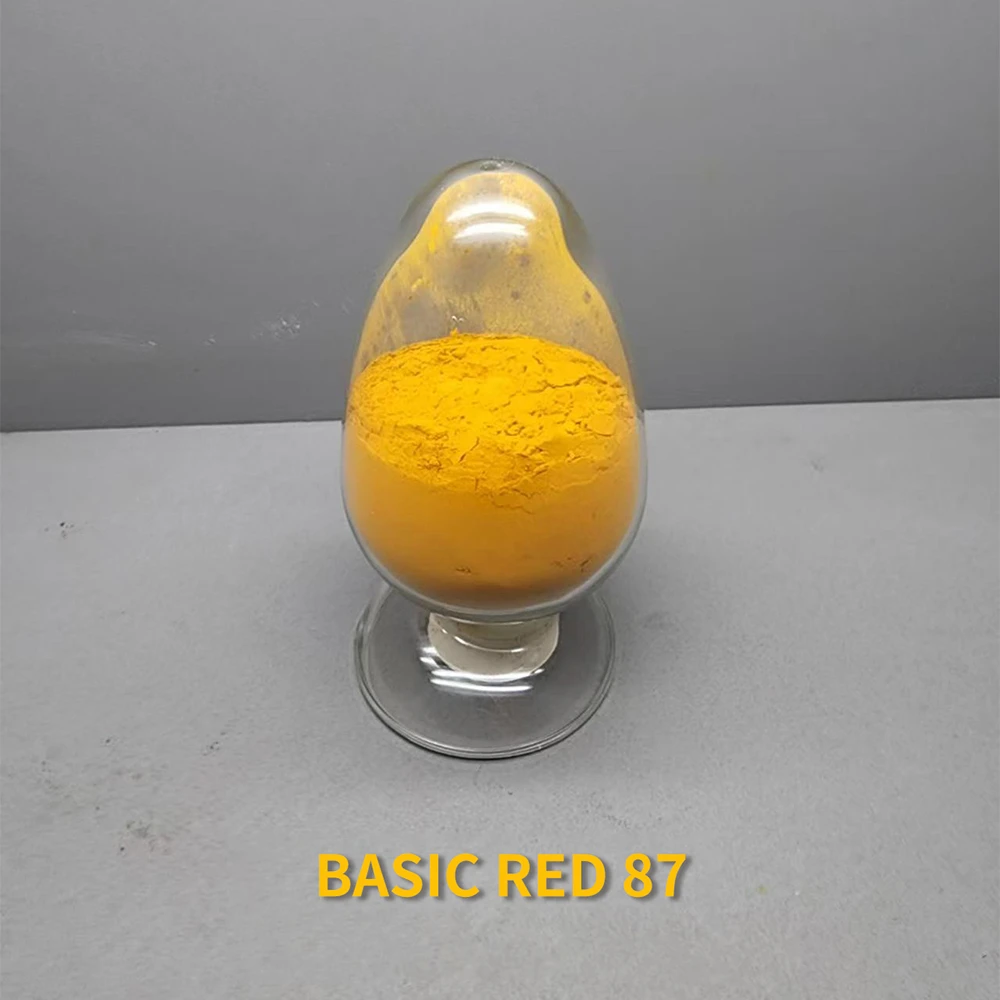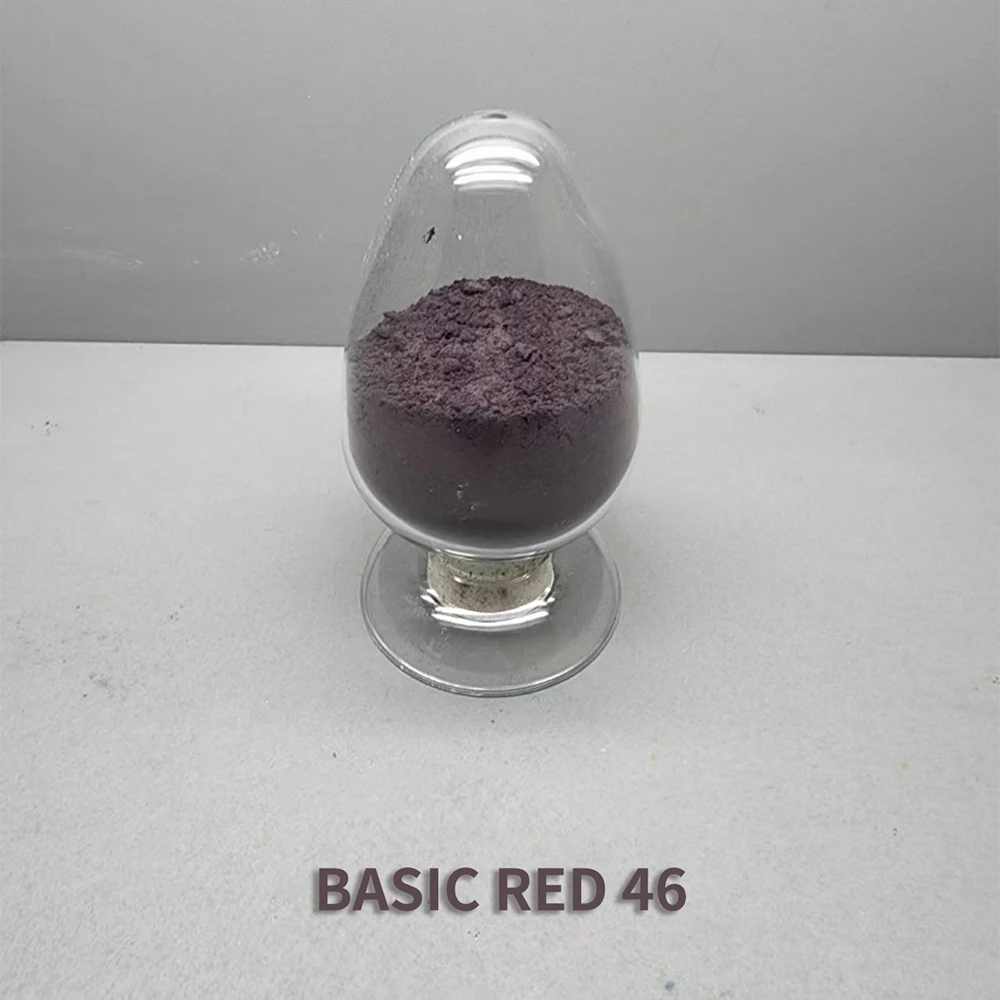
Clothes Dye: Global Industry Insights, Sustainability & Innovation
Understanding Clothes Dye: Its Role and Relevance Worldwide
When we talk about clothes dye, we're referring to more than just adding color to fabric. It's a fascinating intersection of chemistry, industry, culture, and sustainability. Frankly, clothes dye matters because it shapes the garments we wear every day, connects economies globally, and impacts the environment in profound ways.
Globally, the textile and apparel industry, which relies heavily on clothes dye, generated approximately $1.5 trillion in revenue in recent years, employing millions across Asia, Europe, and the Americas alike. But with this scale, challenges arise—pollution, resource use, and supply chain complexity. Understanding clothes dye’s nuances helps manufacturers innovate while consumers make greener, smarter choices.
Mini takeaway: Clothes dye is vital not just for aesthetics but as a global economic and environmental driver.
Introduction: The Global Significance of Clothes Dye
From traditional sari artisans in India to high-tech fashion houses in Italy, clothes dye connects diverse worlds. According to the United Nations Environment Programme, textile dyeing accounts for about 20% of global industrial water pollution. That’s significant, isn’t it? It means refining dye technologies is not only an aesthetic challenge but also a critical environmental one. Additionally, ISO standards are increasingly influencing how dyes are manufactured and applied to ensure safety and sustainability.
Moreover, the rise of fast fashion has ramped up dyeing operations, intensifying resource consumption and waste. The question emerges: how do we balance affordability, durability, and ecological impact?
Mini takeaway: Clothes dye sits at a crossroads, demanding innovative approaches balancing industry demands with environmental stewardship.
What Is Clothes Dye? A Simple Definition
Simply put, clothes dye is a colored substance used to add or change the color of fabric. Traditionally, natural dyes came from plants, insects, or minerals. Today, the textile dye industry mostly relies on synthetic dyes, which offer a wider palette and better durability. The essence of clothes dye extends to either absorption or bonding with textile fibers, making color fast and vivid.
In humanitarian contexts—for example, in refugee camps—clothes dye helps create uniforms and supplies that are both functional and dignified. In modern manufacturing, dye impacts everything from quality control to branding, sometimes determining a product’s market value.
Mini takeaway: Clothes dye is a chemical and cultural tool that enriches fabric utility, identity, and marketability.
Core Components of Clothes Dye
1. Durability
One of the primary concerns with clothes dye is how long it lasts—resisting washing, sunlight, and wear. High-quality dyes are engineered to maintain vibrancy even after months of use, which is crucial for uniforms or outdoor apparel.
2. Scalability
Whether a designer dyes a dozen custom shirts or a factory processes millions, the dye process must be scalable. Efficiency and consistency at scale reduce costs and environmental impact.
3. Cost Efficiency
Textile manufacturers constantly juggle quality and cost. While premium dyes offer longer life and better feel, they tend to be pricier. Innovations seek to lower expenses without compromising reliability.
4. Environmental Impact
Raw materials, water usage, and wastewater treatment define an eco-friendly dye process. The shift towards biodegradable dyes and closed-loop systems is promising.
5. Color Fastness & Safety
Colors that fade quickly or leech toxins are problematic. Standards organizations like ISO regulate chemicals to ensure colors stay vibrant and clothes are safe for skin contact.
Global Applications & Use Cases
Clothes dye has a fascinating range of real-world applications:
- Fashion Industry: Global fashion hubs, from Paris to Shanghai, rely on an array of dye techniques to create seasonal collections.
- Industrial Workwear: Durable, brightly colored dye helps identify workers, improve safety, and sustain wear in construction or oil sectors worldwide.
- Post-Disaster Relief: Organizations use standardized dyed uniforms and bedding materials to improve order and dignity in refugee camps.
- Traditional Textiles: In regions like West Africa and South America, natural dyes remain core to cultural identity and sustainable practices.
Mini takeaway: The scope of clothes dye is broad — from cutting-edge fashion runways to vital humanitarian efforts.
Advantages & Long-Term Value of Clothes Dye
The benefits of effective clothes dye go beyond mere color. They include:
- Cost savings: Longer-lasting colors reduce replacement frequency.
- Sustainability: Eco-conscious dyes and processes lower water and chemical footprints.
- Social impact: Vibrant, quality clothing fosters dignity and confidence.
- Reliability: Consistent dyeing builds customer trust and brand loyalty.
Emotionally, having garments that hold their color reminds us of quality and care since, after all, clothing is a deeply personal experience.
Mini takeaway: Clothes dye offers economic, ecological, and emotional value when done right.
Future Trends & Innovations in Clothes Dye
Here’s where it gets interesting. The clothes dye industry is evolving:
- Biodegradable dyes: Scientists are developing organic dyes that decompose harmlessly after washing.
- Digital dyeing: Modern robotic and inkjet dye machines reduce water and energy use by applying color precisely where needed.
- Zero-waste processes: Companies invest in closed-loop water recycling to drastically cut pollution.
- Smart textiles: Some dyes now respond to temperature, light, or moisture—blurring fashion and technology.
These innovations suggest a greener, more customized future for clothes dye that is both high-tech and kind to the planet.
Mini takeaway: The clothes dye field is shifting toward sustainability and digital precision, revealing new possibilities.
Challenges and Solutions
Despite progress, issues remain:
- Water pollution: Dye effluents still threaten waterways in some regions.
- Access to technology: Small-scale artisans struggle to adopt eco-friendly methods.
- Cost barriers: Sustainable dyes can be more expensive upfront.
Solutions include investment in cleaner tech, government incentives, and knowledge sharing platforms. NGOs and industry leaders must collaborate to widen access and affordability.
Mini takeaway: Overcoming clothes dye challenges requires multi-stakeholder effort and continuing innovation.
Clothes Dye: Product Specification Table
| Specification | Details |
|---|---|
| Type | Reactive, Acid, Disperse, Natural |
| Application Methods | Batch dyeing, Continuous dyeing, Digital printing |
| Color Fastness | Good to excellent on cotton and polyester blends |
| Environmental Impact | Water consumption varies; biodegradable options available |
| Typical Cost | $5-$15 per kg depending on type and volume |
Vendor Comparison: Clothes Dye Suppliers
| Company | Product Range | Sustainability Focus | Global Reach | Pricing |
|---|---|---|---|---|
| Yanhong Chemical | Wide (Reactive, Acid, Disperse) | Strong, offers eco-friendly formulations | Asia, Europe, North America | Competitive |
| ColorTech Corp | Moderate, specialty dyes | Emerging sustainability initiatives | Primarily Europe | Mid-range |
| EcoDye Solutions | Limited, focused on natural dyes | High, certified organic products | Global, emerging markets | Premium |
FAQ: Frequently Asked Questions About Clothes Dye
- Q: What are the main types of clothes dye used in industry?
- A: Common types include reactive dyes for cotton, acid dyes for wool and silk, and disperse dyes for polyester. Each has unique chemical properties suited to specific fabrics.
- Q: How does clothes dye impact environmental sustainability?
- A: Traditional synthetic dyes can produce wastewater pollution and consume large water volumes. Eco-friendly dyes and closed-loop water systems reduce this footprint significantly.
- Q: Can I use natural dyes for mass clothing production?
- A: Natural dyes offer sustainability benefits but often face challenges in color fastness and scalability. Advances are improving their viability for larger scale use.
- Q: How do digital dyeing technologies work?
- A: Digital dyeing uses inkjet printing principles to apply dye only where needed, minimizing waste and reducing water and energy consumption compared to conventional bath dyeing.
Conclusion & Call to Action
In the end, clothes dye is much more than just pigment for fabric. It's a cornerstone of the textile industry with rippling effects on economies, cultures, and the environment worldwide. Emphasizing sustainable innovation in dyes ensures a brighter future for fashion and industry alike.
If you want to learn more about clothes dye products or solutions tailored to your needs, please visit our website: https://www.yanhongchem.com
It feels like clothes dye is quietly shaping much of our everyday world – from what we wear, to how companies connect, to how society evolves its responsibilities.
References
-
Teal Fabric Dye: Durable Industrial Solutions for Textile ApplicationsNewsDec. 07, 2025
-
China Fabric Dye Manufacturers: Eco, High-Fastness, OEMNewsDec. 13, 2025
-
Mauve Fabric Dye: Durable, Sustainable Textile Solutions | YanhongchemNewsJan. 04, 2026
-
Durable Charcoal Grey Fabric Dye for Industrial Textiles | Reliable SuppliersNewsJan. 06, 2026
-
Off White Fabric Dye – Industry-Trusted Quality and DurabilityNewsDec. 30, 2025
-
Red Fabric Dye for Industry – Durable High-Performance Dye Solutions by YanhongchemNewsDec. 04, 2025