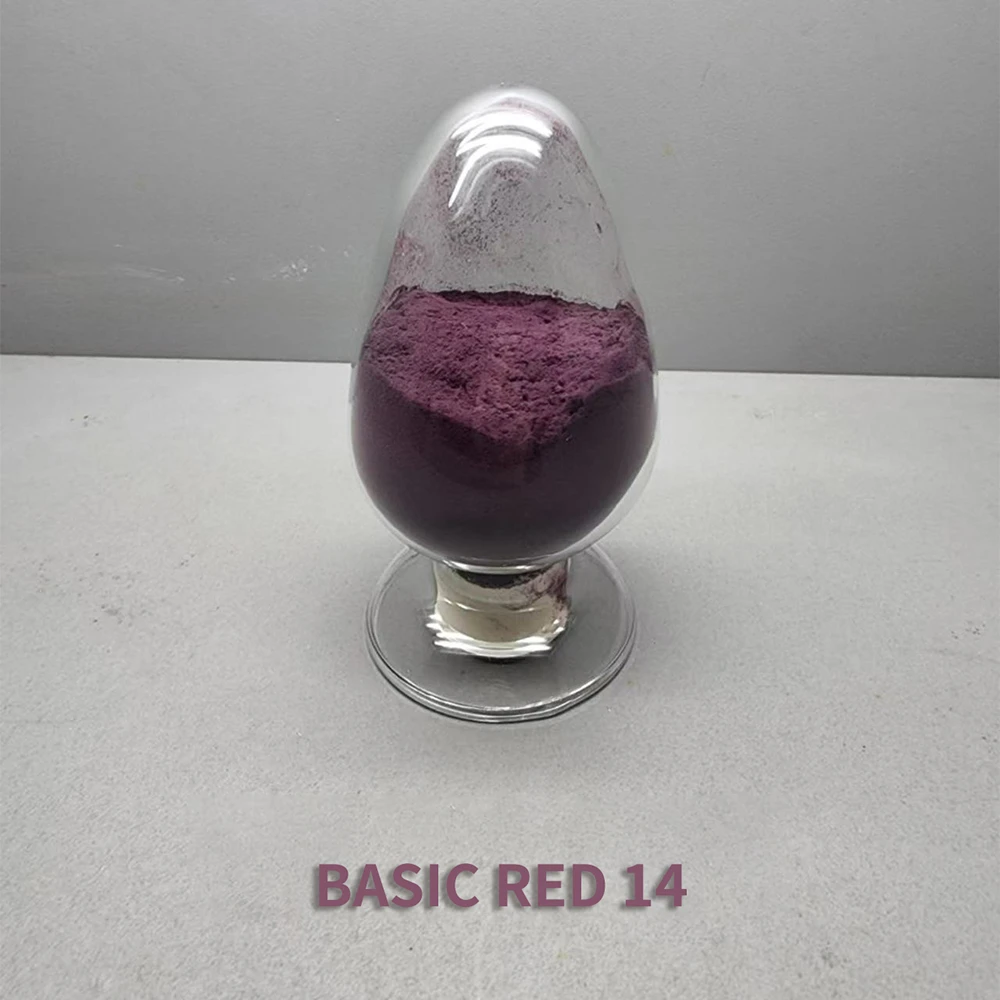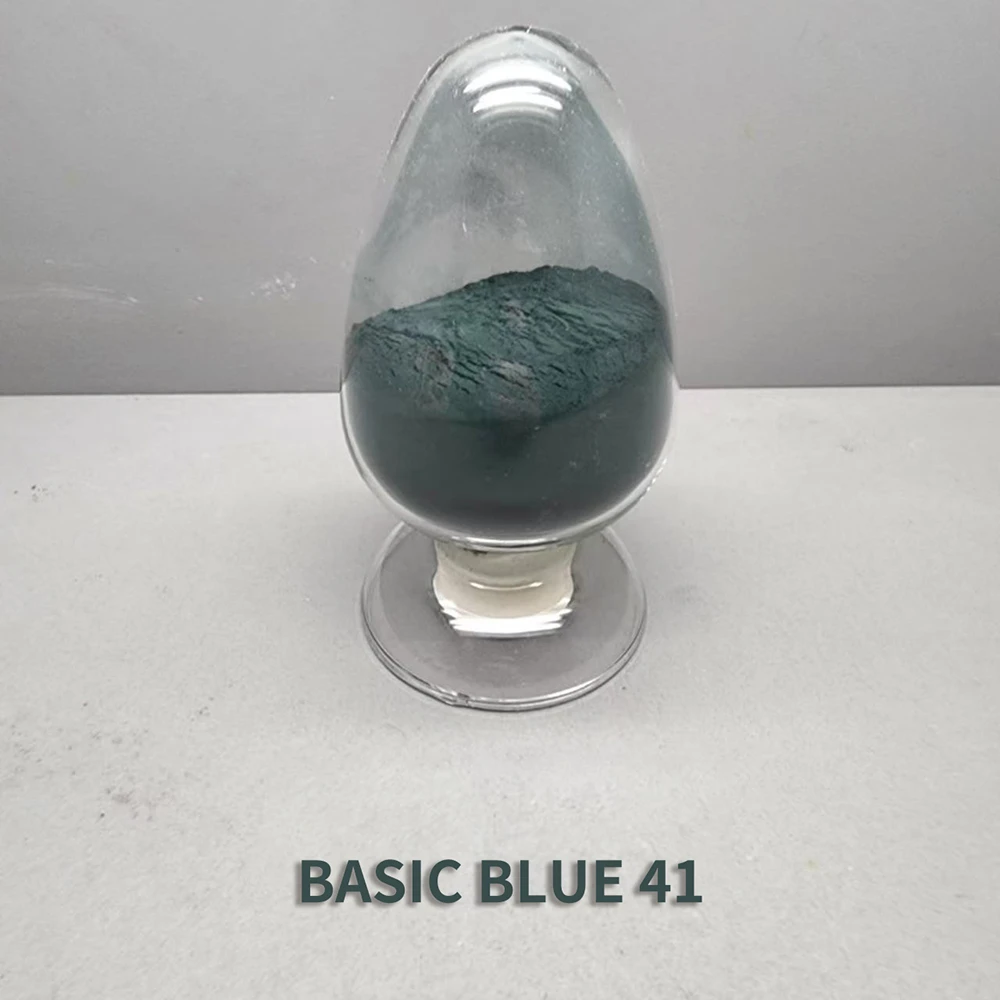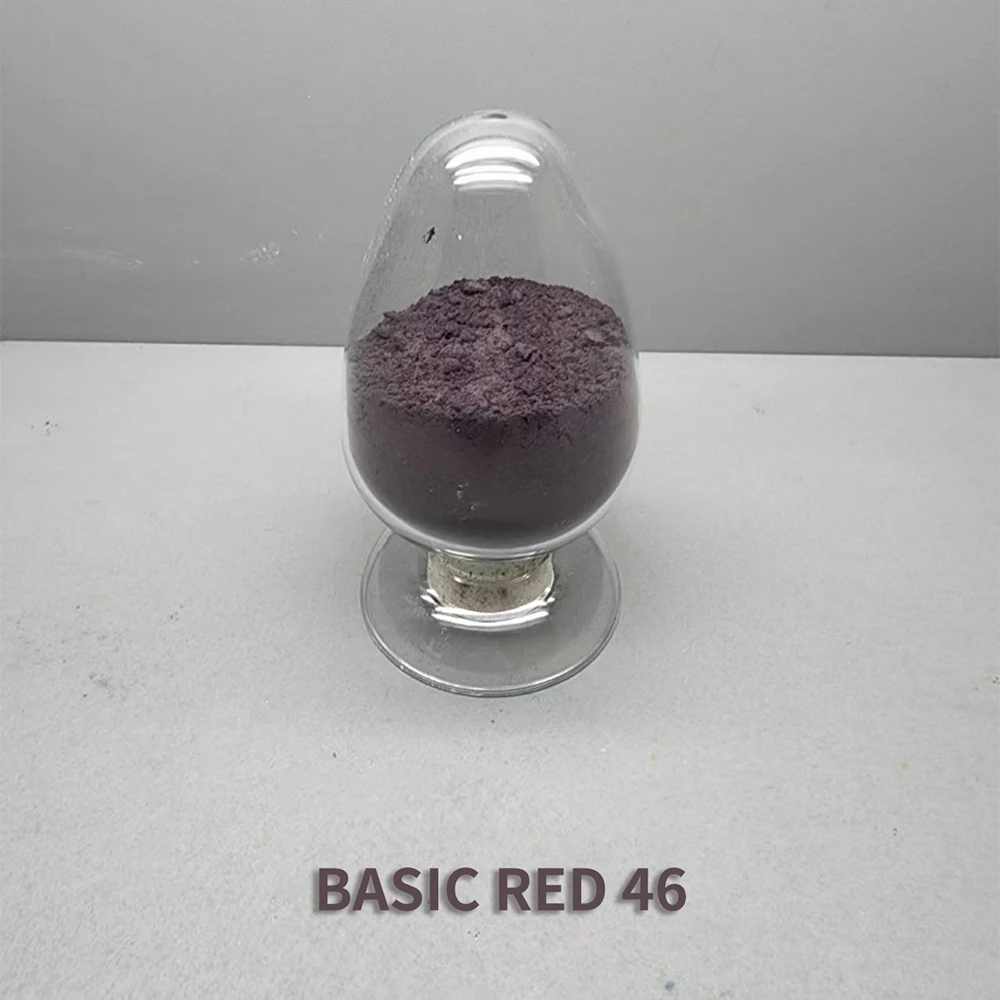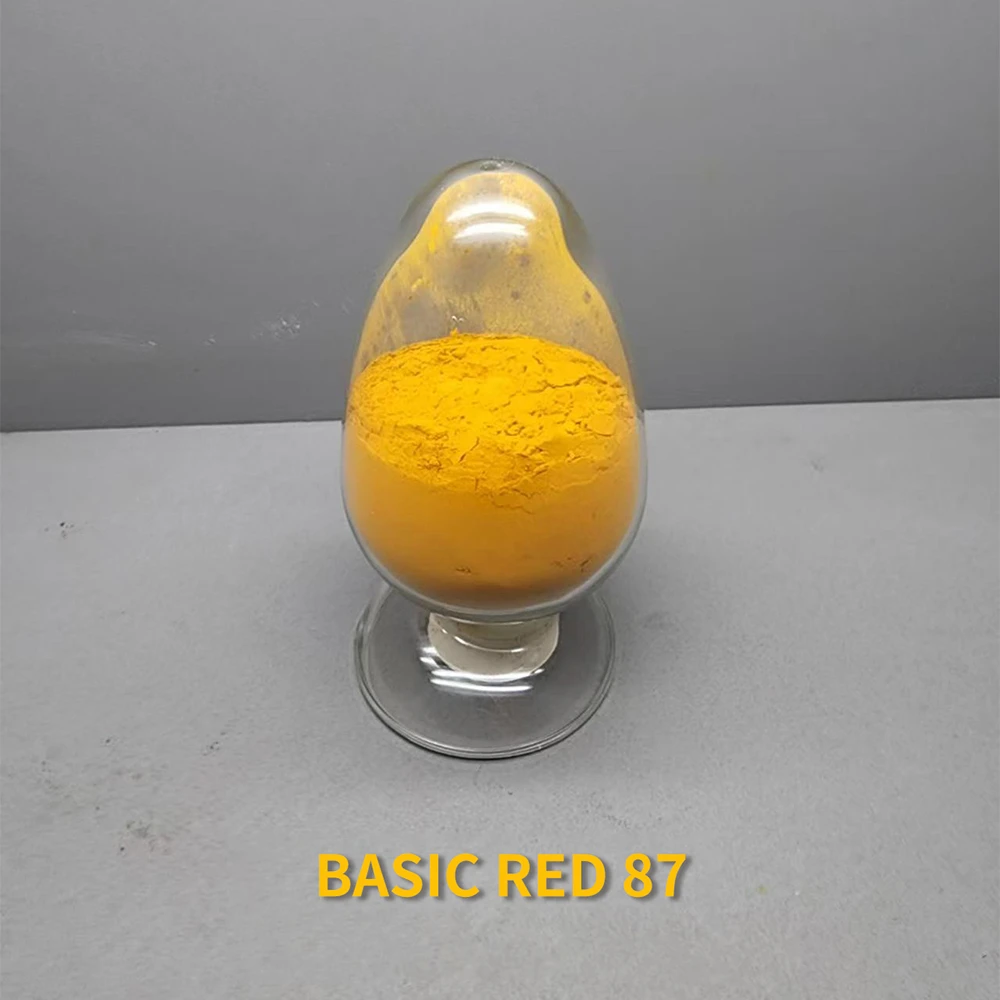
Understanding Cationic Dyes in Textile Industry: Applications, Benefits & Future Trends
Cationic Dyes in Textile Industry: A Comprehensive Overview
When we talk about cationic dyes in textile industry, we’re addressing one of the most specialized yet widely impactful coloring techniques in fabric manufacturing. Globally, textiles dyed with these positively charged dyes have gained traction due to their vibrancy, durability, and compatibility with synthetic fibers. But why does this matter on a global scale? Well, from sustainable fashion movements in Europe to industrial textile production in Asia, cationic dyes help meet a crucial balance between quality, cost, and environmental impact. Understanding this topic not only informs manufacturers but also designers, sustainability advocates, and supply-chain professionals involved in textiles worldwide.
Introduction: The Global Context of Cationic Dyes in Textile Industry
The textile industry is notorious for being one of the largest consumers of dyes, and it’s no secret that environmental concerns frequently accompany this realm. According to recent industry data from the International Organization for Standardization (ISO), global textile production is projected to grow steadily, emphasizing the need for more efficient and eco-conscious dyeing solutions.1 Cationic dyes fit into this puzzle by offering enhanced fixation rates on synthetic fibers like acrylic and polyester, ultimately reducing water and chemical waste. However, the challenge remains: how to maximize their benefits while minimizing toxicity and effluents that burden wastewater treatment plants across producing hubs in Asia, Latin America, and beyond.
Mini takeaway: The global importance of cationic dyes in textile industry lies in their ability to deliver vibrant, durable coloring while addressing sustainability challenges.
Definition & Meaning
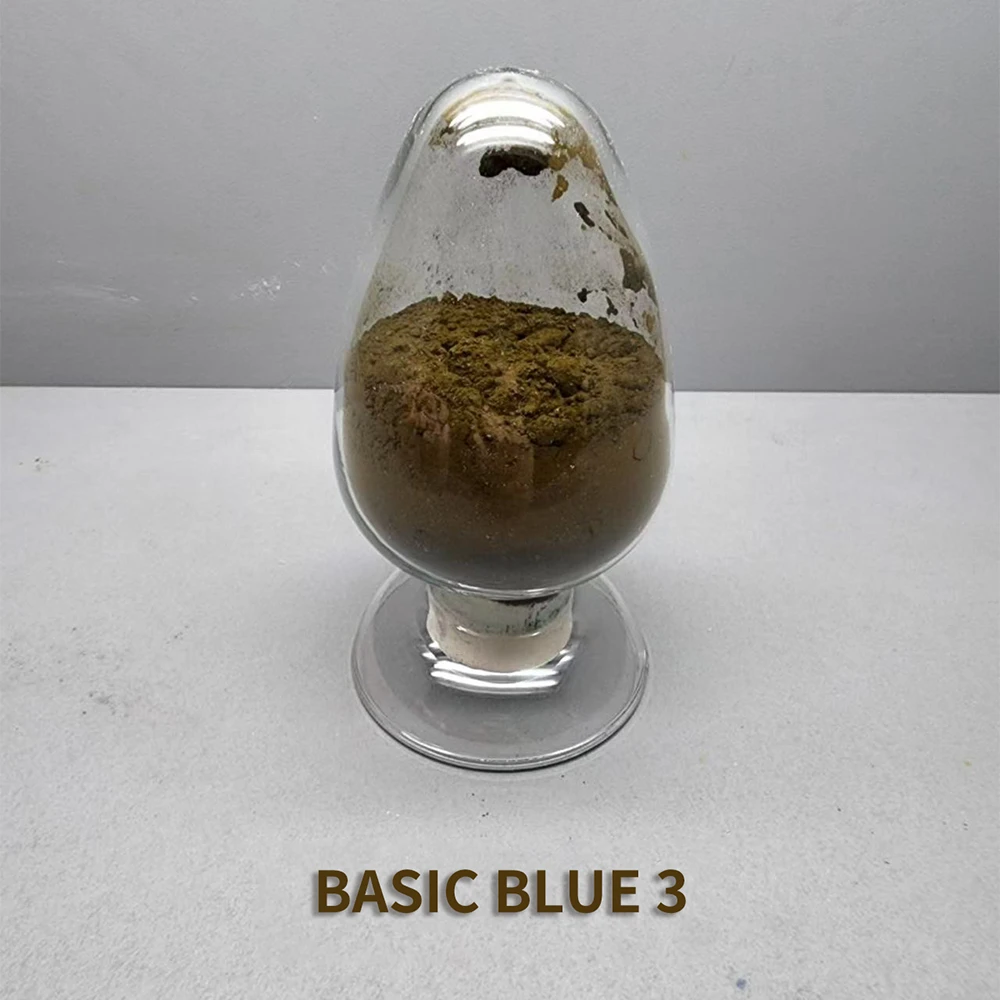
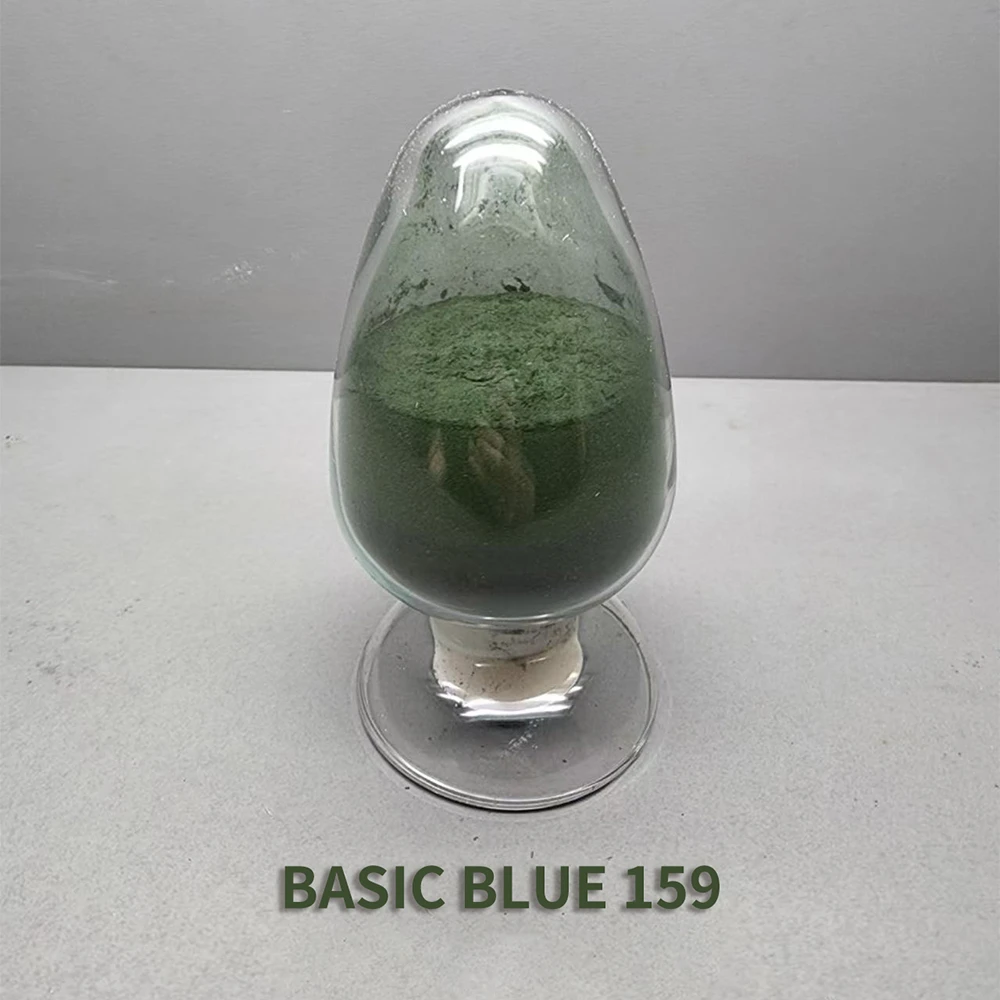
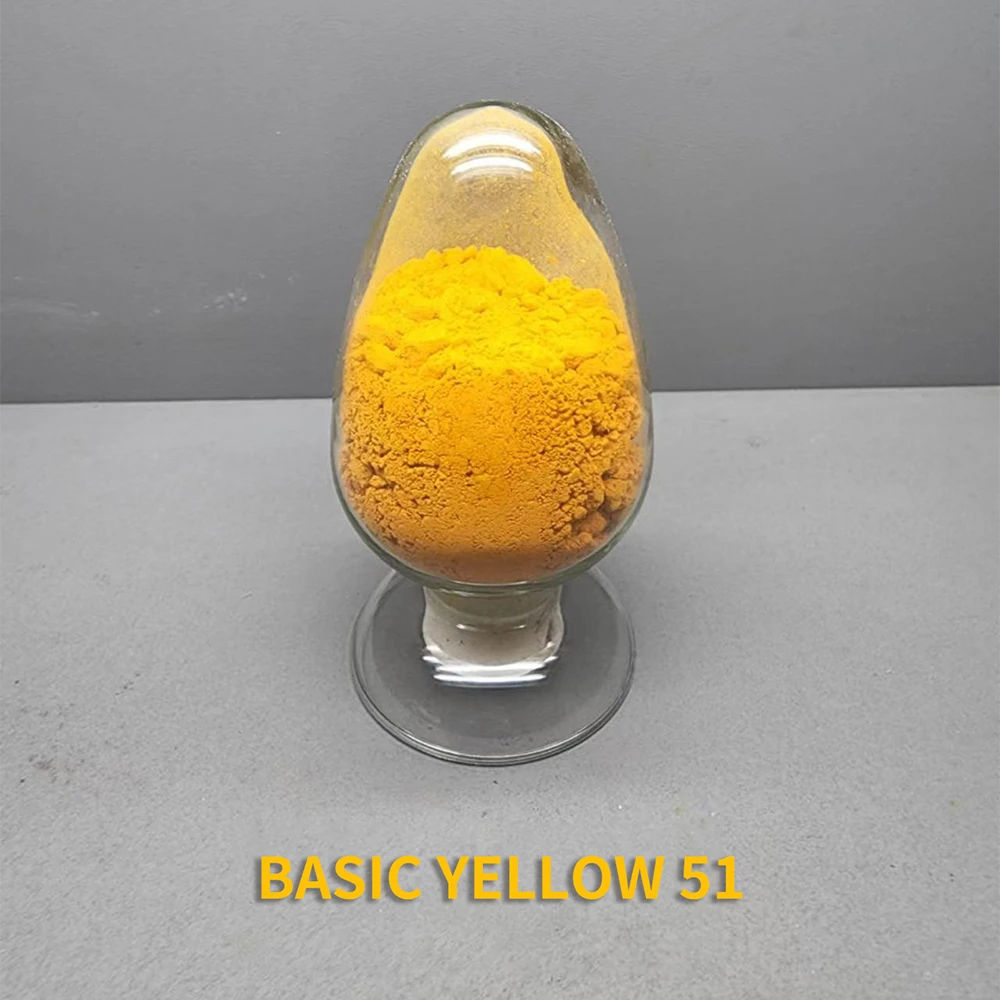
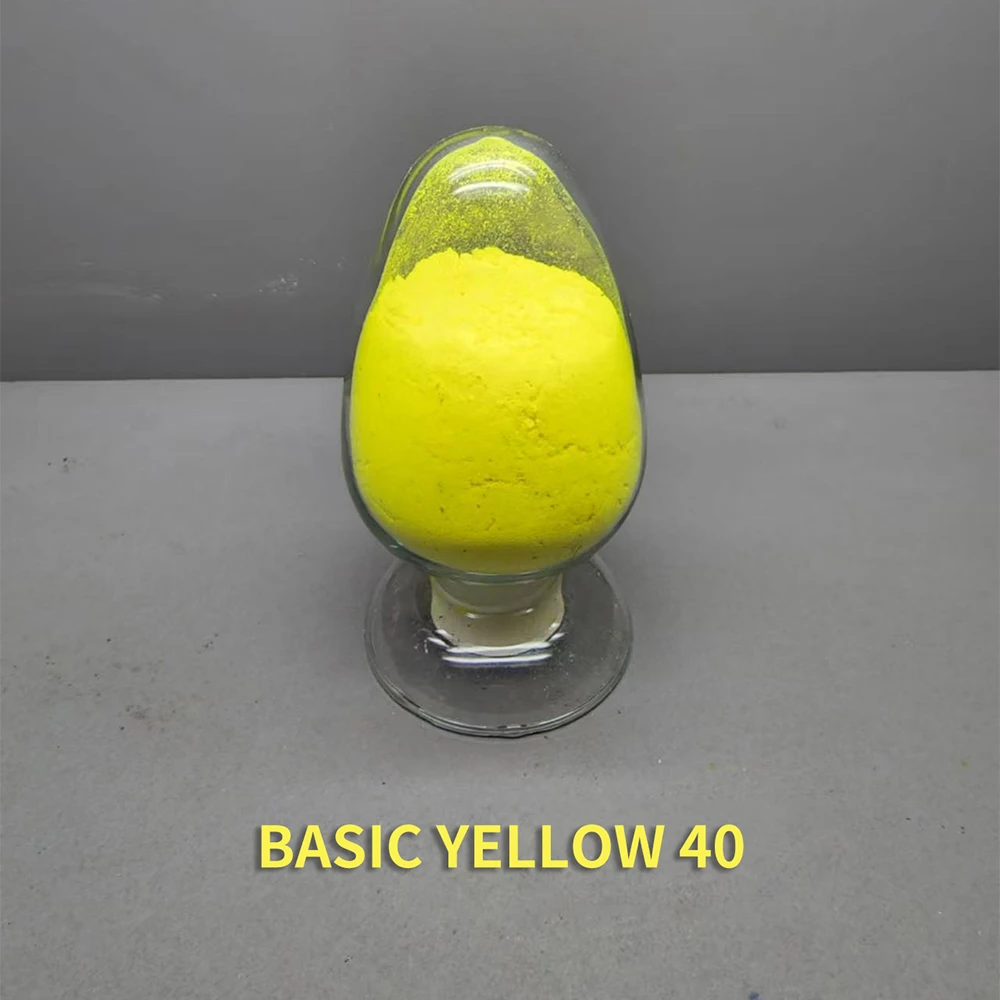
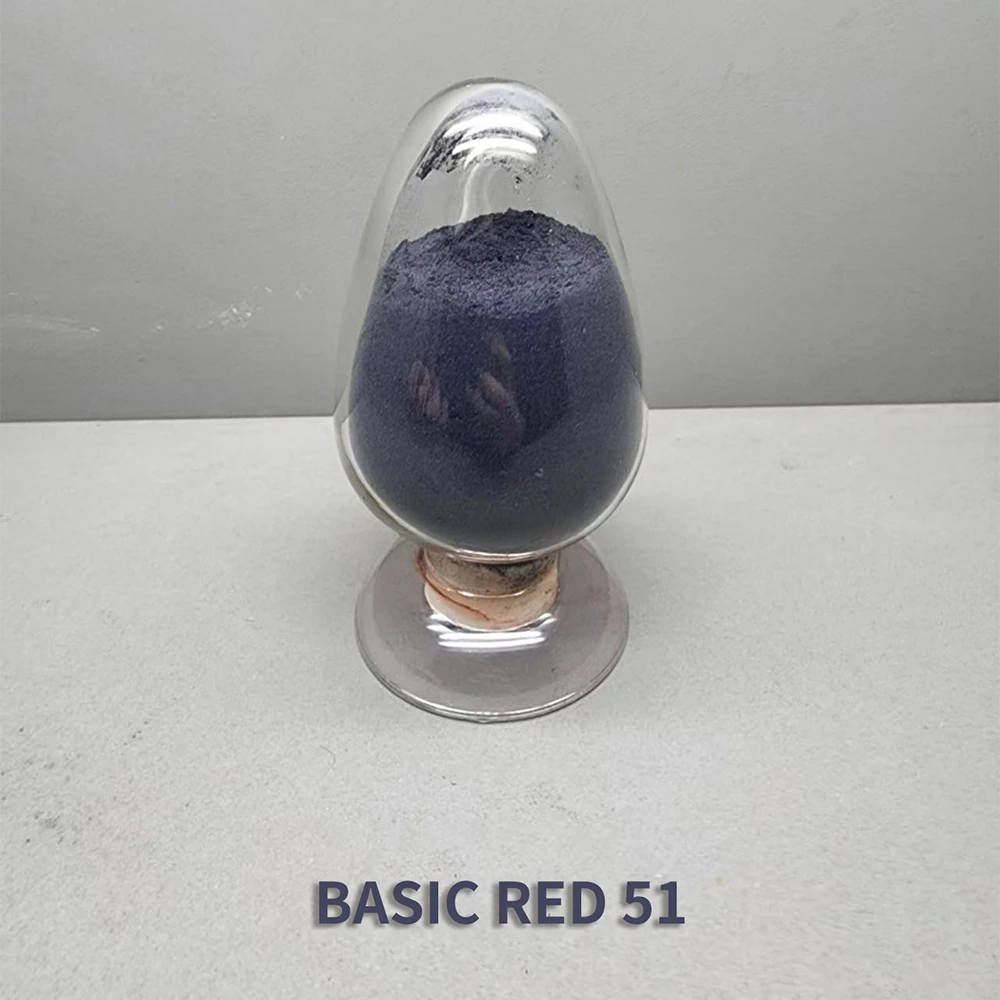
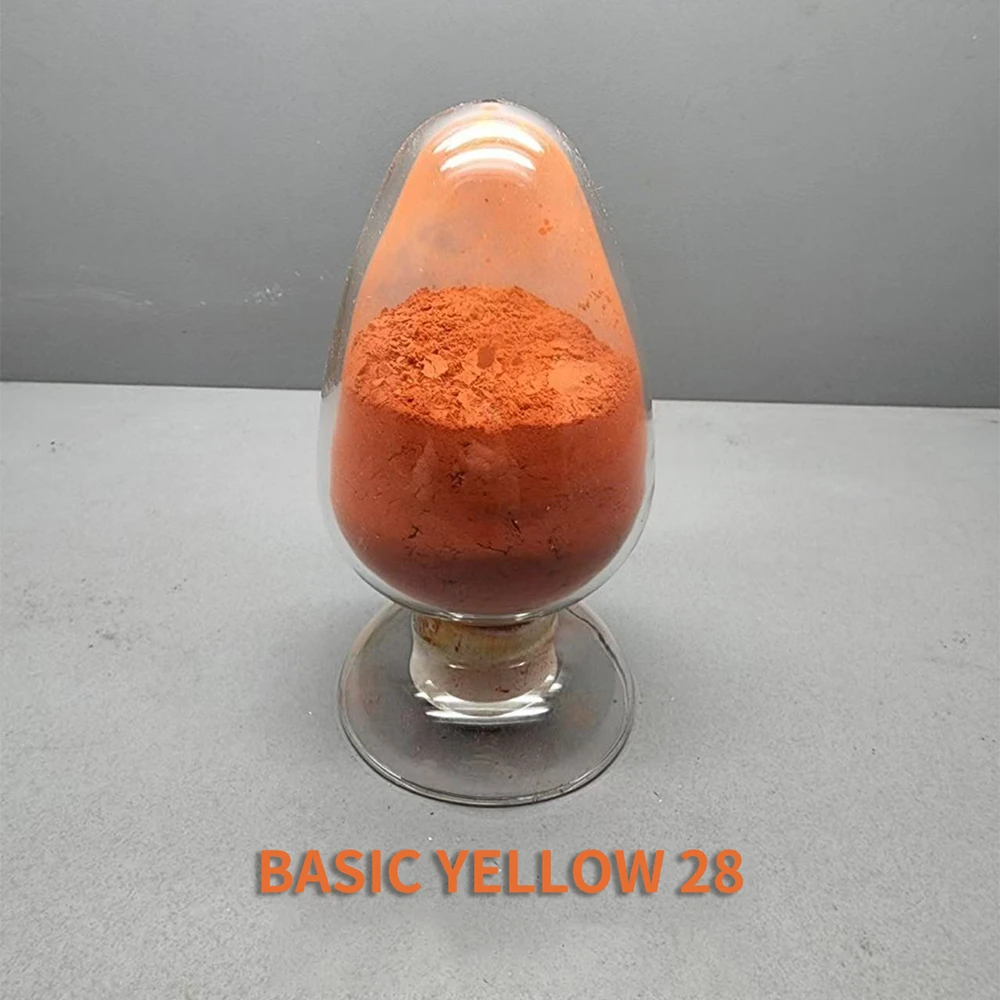
So, what exactly are cationic dyes? Simply put, these are dyes with a positive charge on their molecules. Because of their cationic (positively charged) nature, they bind effectively to fibers that possess a negative charge, particularly acrylic fibers, but also certain modified polyester textiles. This ionic attraction ensures deep, even coloration and excellent fastness properties.
Their relevance extends beyond just aesthetics — for example, in humanitarian efforts where durable, bright fabrics are needed for shelter materials, uniforms, or medical textiles, cationic dyes contribute both functionally and visually.
Key Factors of Cationic Dyes in Practice
1. Durability
Cationic dyes are prized for their excellent wash and light fastness. This means dyed textiles maintain color vibrancy over long-term use and repeated laundering, a vital factor especially in uniforms or outdoor gear.
2. Compatibility
While these dyes are primarily used with acrylic fibers, advancements have enabled use with polyester blends, thus expanding their industrial scope. This compatibility enables manufacturers to innovate with mixed-material fabrics without compromising dye quality.
3. Cost Efficiency
The bond strength reduces dye runoff during the dyeing process, meaning less dye material is wasted. This translates into cost savings, and when scaled, positively impacts the entire supply chain.
4. Environmental Impact
Although cationic dyes reduce chemical consumption during application, certain formulations can be toxic if effluents are unmanaged. Thus, ongoing innovations in dye chemistry aim to balance effective coloration with green chemistry principles.
5. Scalability
The dyeing processes involving cationic dyes are well-suited to industrial setups, offering scalability from laboratory to mass production while maintaining consistent quality.
Mini takeaway: The core attributes of cationic dyes in textile industry—durability, compatibility, cost efficiency, environmental considerations, and scalability—form the foundation for their widespread adoption.
Product Specifications of Typical Cationic Dyes
| Specification | Details |
|---|---|
| Chemical Type | Basic (cationic) dyes, typically azo or anthraquinone structures |
| Fiber Compatibility | Primarily acrylic; polyester blends possible with modifiers |
| pH Range | Optimal pH ~4–6 for dyeing process |
| Temperature | Typically 80–95°C during dyeing |
| Fastness | Good to excellent for washing, light, and rubbing |
| Solubility | Typically water-soluble salts |
Global Applications & Use Cases
Cationic dyes are everywhere if you look closely — from vibrantly colored acrylic sweaters in Europe to technical fibers used in sportswear across North America. In textile hubs like China, India, and Turkey, their application supports high-volume, cost-efficient manufacturing. Oddly enough, they even appear in specialty sectors such as hospital textiles, where durable, sterilizable materials are required.
Here are a few contexts where these dyes matter most:
- Post-disaster relief shelters: Durable, colorfast acrylic fibers make shelter fabrics more reliable and recognizable for aid distribution.
- Outdoor and sports apparel: Color retention despite exposure to sun, sweat, and washing is critical.
- Industrial uniforms: Safety and professional appearance rely heavily on effective dyeing techniques.
Mini takeaway: The role of cationic dyes in textile industry spans numerous practical uses worldwide, blending utility and aesthetic appeal.
Advantages & Long-Term Value
What I find compelling is how these dyes don’t just color fabric — they add long-term value. For manufacturers, lower dye consumption and high fixation mean better margins. For consumers, durability means garments last longer and look better. On the sustainability front, advancements in cationic dyes support lower water usage and pollution, which frankly can’t happen soon enough given the textile industry’s environmental footprint.
From a social standpoint, bright, long-lasting colors carry a subtle dignity, whether in workwear or cultural textiles. When the fabric fades after one wash, it’s like the garment’s story gets cut short — with cationic dyes, you avoid that, preserving both utility and trust.
Future Trends & Innovations
The trajectory of cationic dyes is heading toward greener, smarter solutions. Research is underway to develop bio-based cationic dyes that biodegrade more completely and don’t compromise fastness.2 Integration with digital dyeing technologies also promises precise coloration with minimal waste.
Automation in dyeing plants is growing too, enabling tighter environmental control and reducing human error. I suppose if we think about where textiles will be in five or ten years, cationic dyes will likely harness sustainable raw materials and process improvements hand-in-hand with Industry 4.0 trends.
Challenges & Solutions
Despite their many advantages, cationic dyes present challenges. For instance, their affinity mainly for acrylic limits fiber choice compared to reactive or disperse dyes. Also, some manufacturing wastewaters from cationic dyes remain toxic, requiring advanced treatment.
To mitigate these issues, experts emphasize better dye formulation and closed-loop wastewater systems. Advanced adsorption technologies and enzymatic bioremediation also hold promise for cleaner effluents.3 Meanwhile, blending fiber innovations with dye chemistry offers pathways to broader applicability.
Vendor Comparison Table: Leading Suppliers of Cationic Dyes
| Vendor | Product Range | Sustainability | Market Presence | Pricing Tier |
|---|---|---|---|---|
| Yanhong Chemical | Wide variety including eco-friendly options | ISO 14001 certified with low-tox effluents | Strong presence in Asia and Europe | Mid-range |
| BASF | Premium and specialty dyes | Strong green commitment, chemical recycling | Global leader | High |
| Ciba Specialty Chemicals | Focus on textile auxiliaries & dyes | Research investments in bio-based dyes | Strong in Americas and Asia | Mid to high |
FAQ: Frequently Asked Questions About Cationic Dyes in Textile Industry
Q1: Which fibers are best suited for cationic dyes?
A1: Acrylic fibers are the primary substrate for cationic dyes due to their negatively charged sites attracting positively charged dye molecules. Some polyester blends are also being successfully dyed as formulations evolve.
Q2: How environmentally friendly are cationic dyes compared to other dyes?
A2: Cationic dyes can reduce water usage because of better fixation rates, but some traditional formulations contain toxic components. The industry is moving towards eco-friendly options with lower effluent toxicity.
Q3: Are cationic dyes suitable for all types of garments?
A3: They’re ideal for synthetic acrylic garments and some blends but generally not recommended for cotton or purely natural fibers, which require different dye classes like reactive dyes.
Q4: What innovations are shaping the future of cationic dye use?
A4: Bio-based dyes, digital dyeing techniques, and improved wastewater treatments are key trends. Automation is also enhancing process efficiency and quality control.
Q5: Can small-scale manufacturers adopt cationic dye technology?
A5: Yes, but they need to implement proper dyeing equipment and wastewater management. Collaborating with vendors like Yanhong Chemical can help tailor dye solutions for smaller operations.
Conclusion & Call to Action
At the crossroads of vibrant color, industrial efficiency, and environmental responsibility, cationic dyes in textile industry represent a fascinating and vital niche. Their continued development will undoubtedly influence how the global textile sector evolves toward more sustainable and innovative practices.
Curious to explore the full spectrum of cationic dye solutions tailored to your needs? Visit our partner for advanced formulations at https://www.yanhongchem.com.
Reflection: Diving into cationic dyes, I noticed how the chemistry really intertwines with real-world applications — from sustainability to fashion durability. It feels like a field quietly powering much of what we wear every day.
- ISO Textile Standards Overview - https://www.iso.org/committee/45196.html
- Advances in Bio-based Dyes - Journal of Cleaner Production, 2022
- Textile Effluent Treatment Technologies - UN Environment Programme Report, 2020
-
High-Performance Cobalt Blue Fabric Dye for Industrial Applications | Yanhong ChemicalNewsJan. 05, 2026
-
Basic Dye Factory: Essential Insights on Production, Impact & InnovationNewsDec. 13, 2025
-
Premium Fabric Dye For Sale | Durable Industrial Textile Dyes from Yanhong ChemNewsDec. 03, 2025
-
What Is Basic Blue? Understanding Its Industrial ImportanceNewsDec. 13, 2025
-
China Basic Dye Factory: High-Purity Dyes, Fast DeliveryNewsDec. 13, 2025
-
Factors Affecting The Coloring Of Cationic DyesNewsAug. 05, 2025