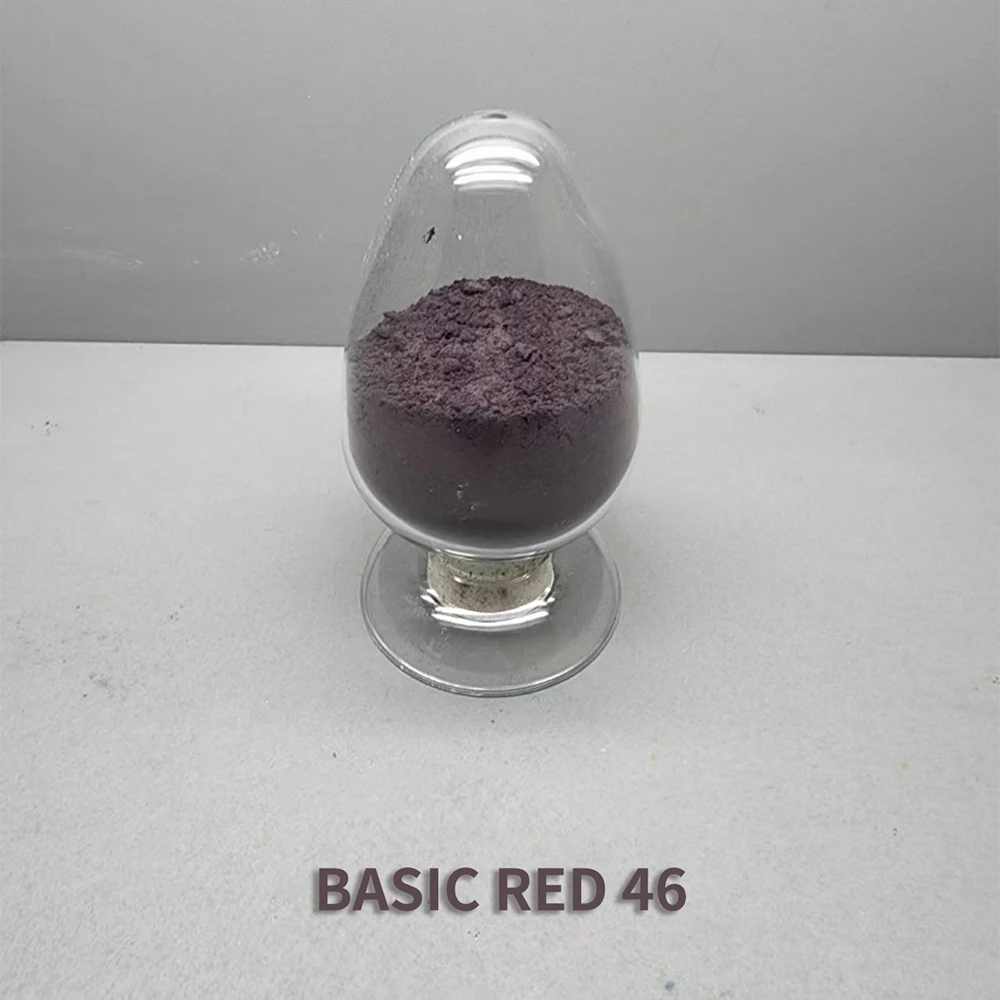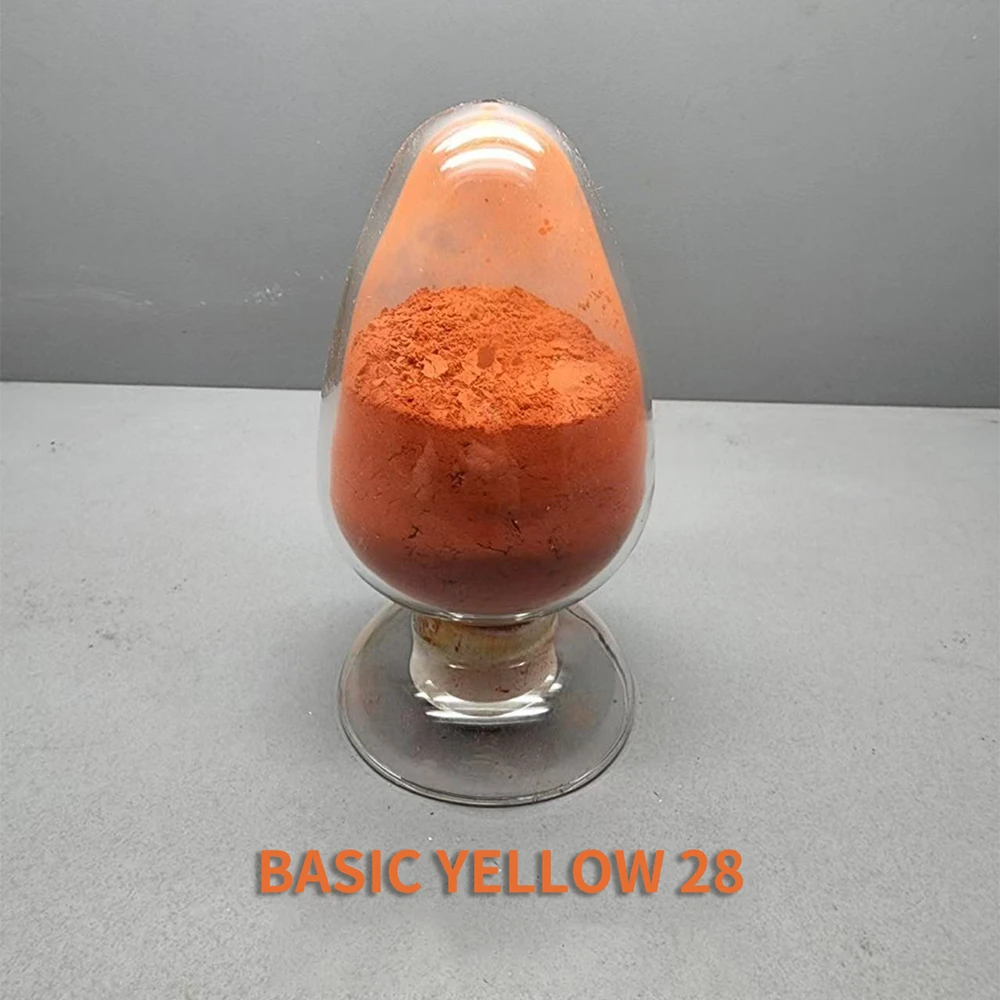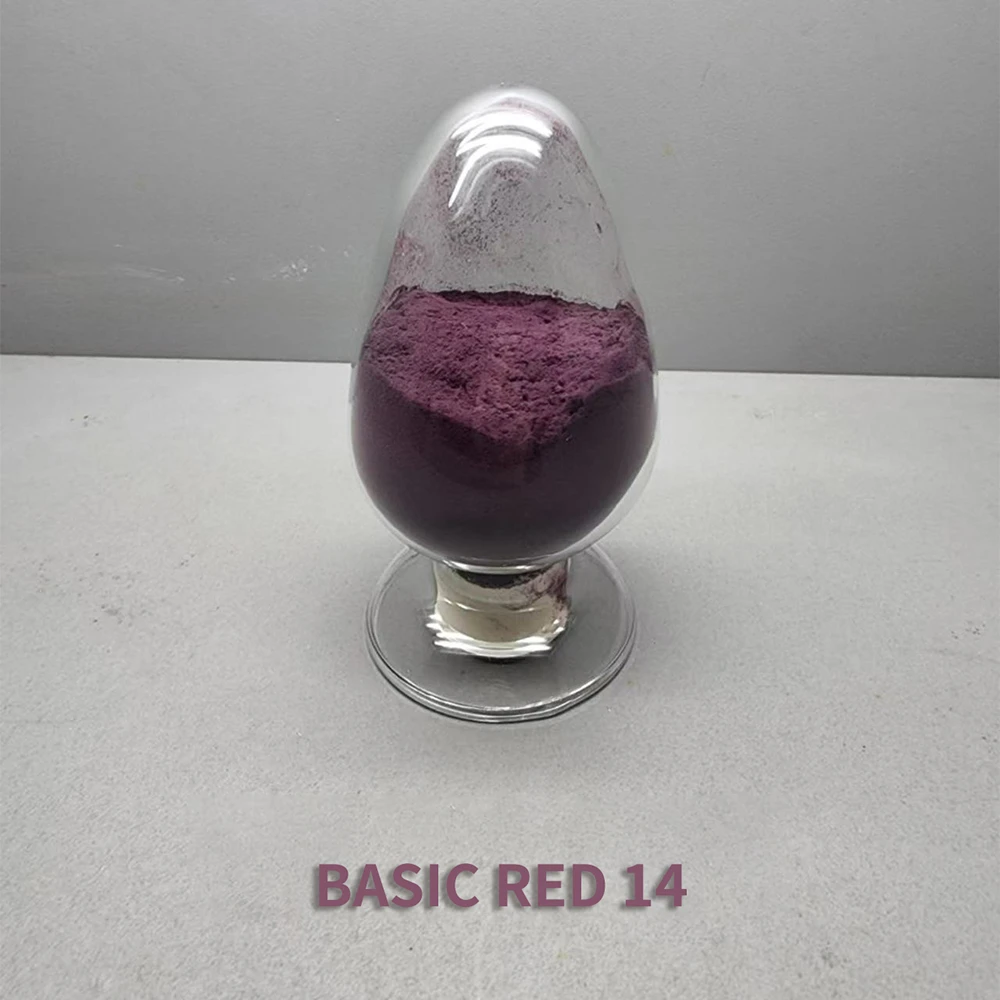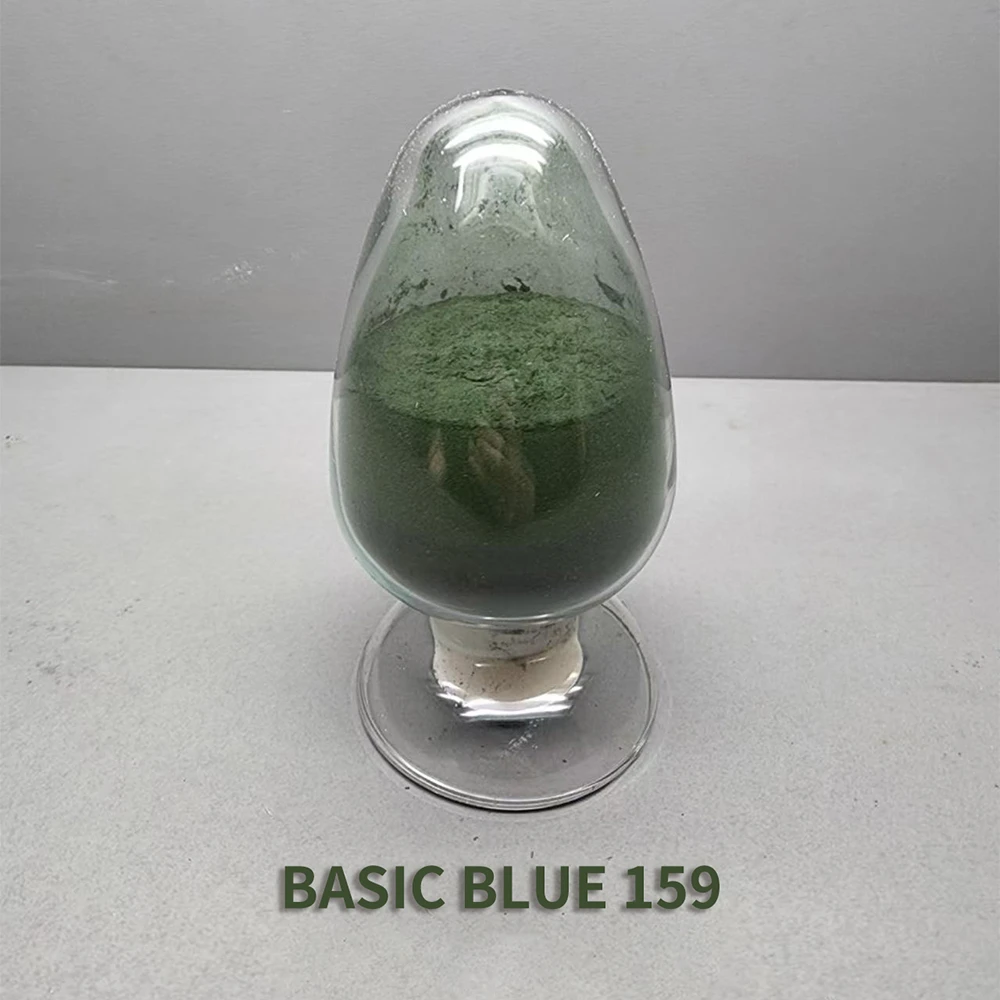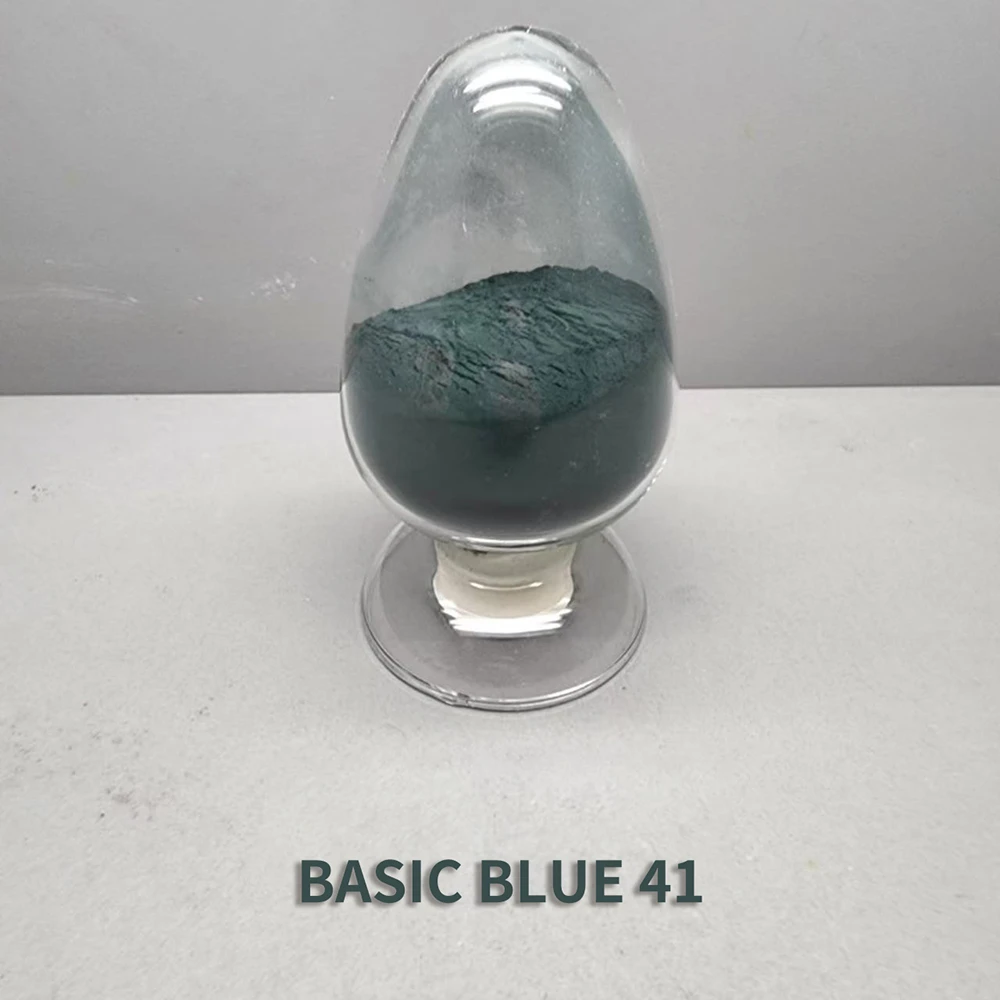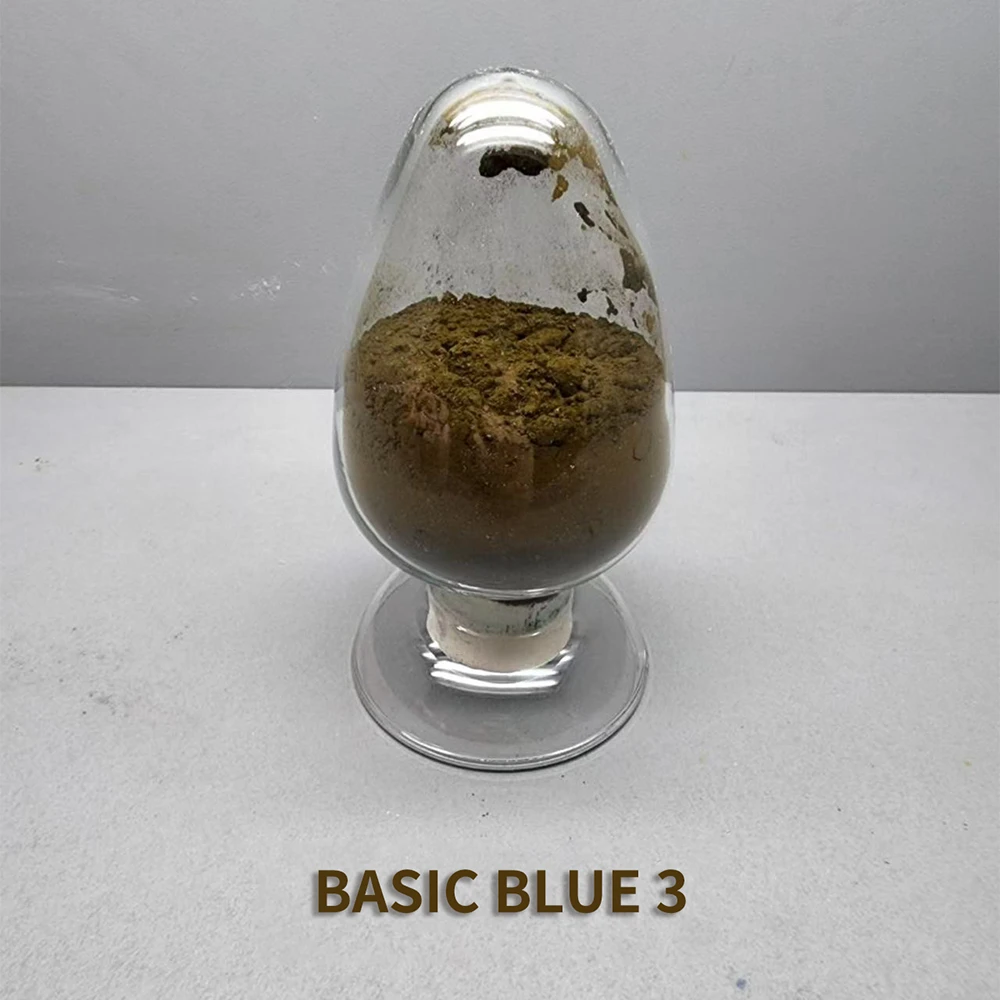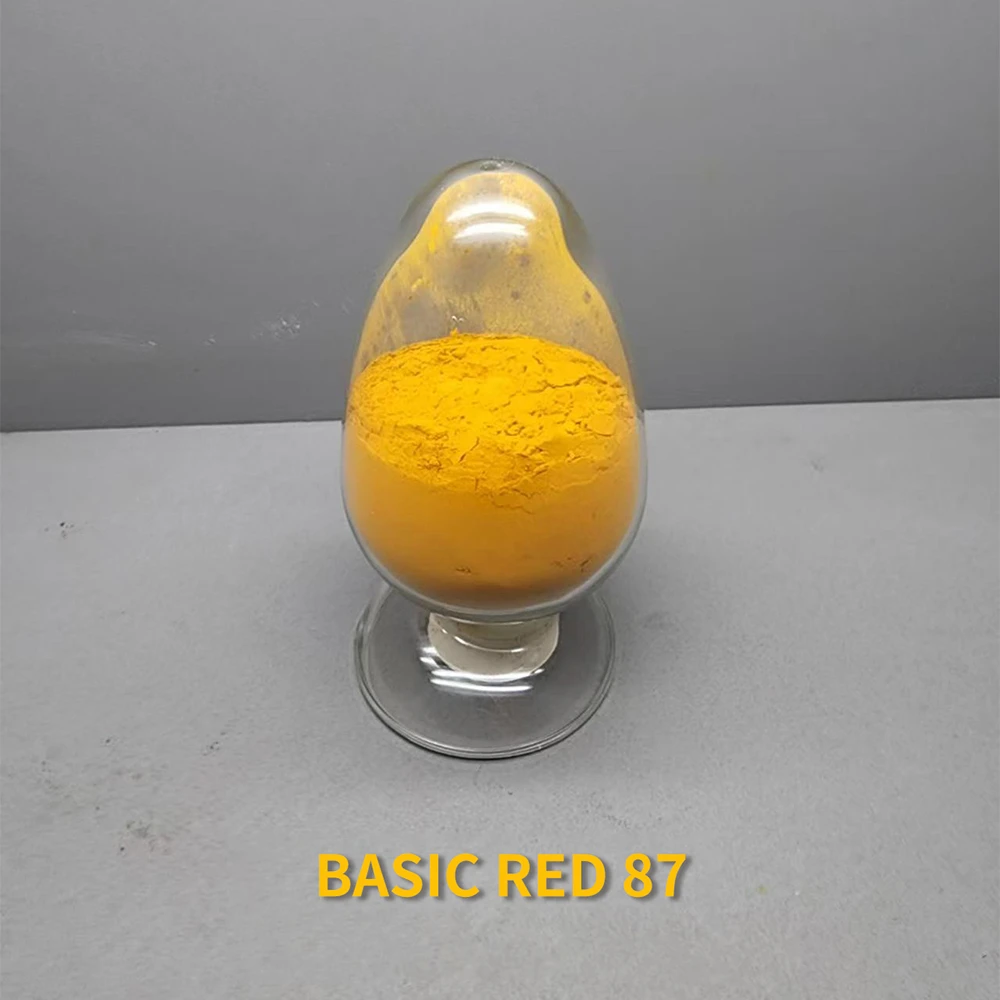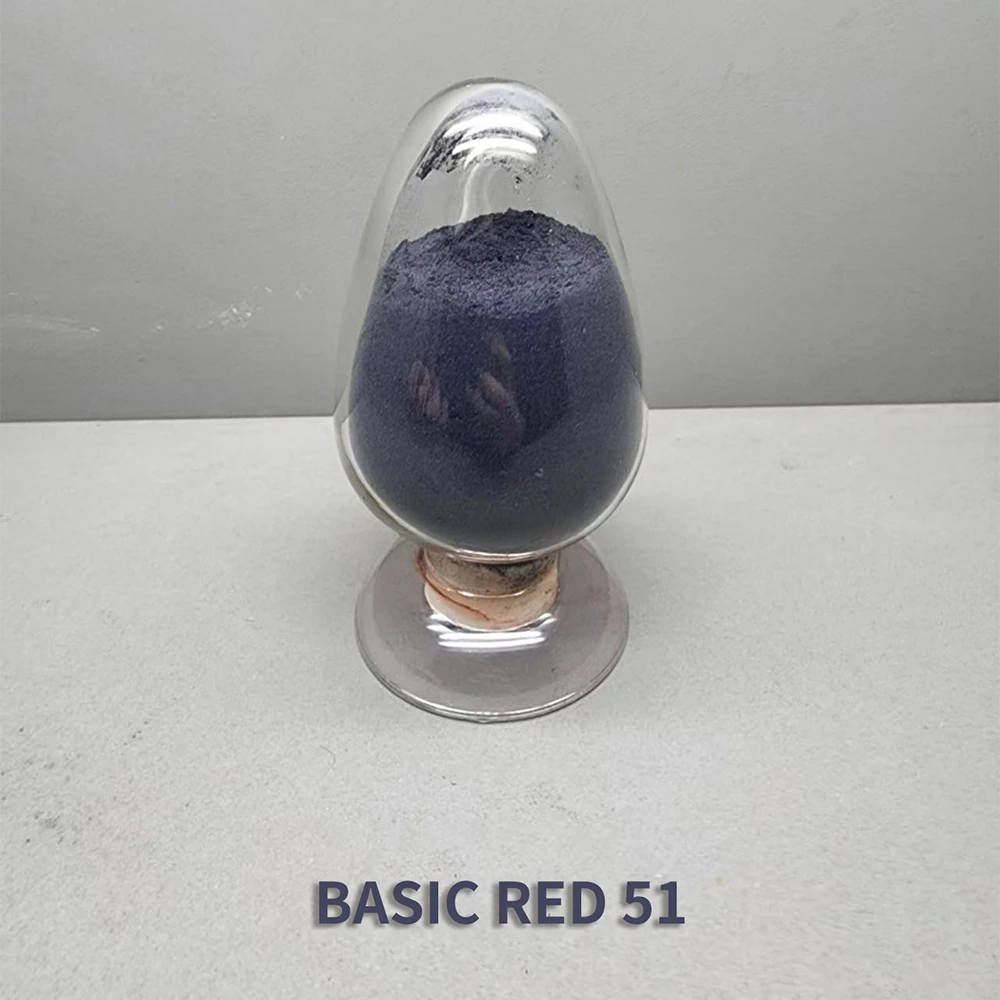
Explore Cationic Dyes Names: Chemistry, Applications & Global Insights
Understanding Cationic Dyes Names: Why It Matters Globally
Whenever you fold your brightly colored clothes or admire vivid textile patterns, you're likely looking at products dyed with cationic dyes. Knowing the various cationic dyes names isn't just chemistry geekery; it's a key to understanding an essential facet of modern industries worldwide that shape aesthetics, technology, and even humanitarian efforts.
In simple terms, cationic dyes are positively charged dyes that bond effectively with negatively charged materials such as acrylic fibers, paper, and sometimes silk or wool. This affinity makes them indispensable for producing bright, durable colors especially when vibrant shades and quick-dyeing processes are needed.
With the global textile market expected to reach over $1.2 trillion by 2025 (according to Statista), the knowledge of how these dyes perform and differ is quite relevant. Beyond textiles, industries like plastics, leather production, and even biomedical fields increasingly rely on cationic dyes for their unique chemical properties.
Mini Takeaway: Cationic dyes, with their positive charge and affinity to specific fibers, are crucial across industries, enabling brilliant colors and efficient dyeing processes worldwide.
Global Context: The Big Picture of Cationic Dyes
So why are cationic dyes names a hot topic globally? Oddly enough, it’s not just about pretty colors. The global textile dyeing sector is one of the largest consumers of chemical dyes — with increasingly strict environmental regulations coming from entities like the ISO and the UN Environment Programme, manufacturers face pressure to use dyes that are less polluting and more efficient.
This means understanding specifics about cationic dyes—such as their chemical structure, fastness properties, and environmental impact—is no longer niche. It feeds directly into sustainability goals, economic competitiveness, and consumer safety worldwide.
Mini Takeaway: As regulations tighten, knowing the specifics of cationic dyes helps industries innovate sustainably and meet global environmental standards.
What Are Cationic Dyes? A Simple Definition
In the lab or factory, a "cationic dye" refers to a dye molecule that carries one or more positive charges (cations). These charges help the dye molecules adhere firmly to negatively charged surfaces. They're particularly suited to acrylic fibers, which are widely used in clothing and upholstery.
Interestingly, the naming conventions (our cationic dyes names) come from the chemical group attached to the dye molecule that imparts this positive charge—usually ammonium derivatives. These names are quite standardized according to the COLOR INDEX™, an internationally accepted system categorizing dyes by chemical structure and application.
On a practical level, for manufacturers and consumers alike, knowing the name means knowing the dye’s properties—color fastness, resistance to washing, compatibility, and environmental impact.
Mini Takeaway: Cationic dyes are positively charged dye molecules named by their chemical groupings, crucial for identifying their color and performance characteristics.
Key Factors in Cationic Dyes and Their Impact
1. Color Vibrancy and Fastness
Cationic dyes tend to offer bright, vivid hues with excellent wash and light fastness on acrylic fibers. This means garments don't fade quickly, an essential feature for brand quality and customer satisfaction.
2. Affinity and Fiber Compatibility
These dyes bond best to negatively charged fibers, which limits but also focuses their application — primarily on acrylic but less effectively on natural fibers unless they're chemically treated.
3. Environmental Profile
Although more eco-friendly options are emerging, conventional cationic dyes sometimes pose environmental challenges if wastewater is improperly handled. This creates an ongoing push for reformulation with less toxic agents and improved biodegradability.
4. Cost Efficiency and Scalability
Production costs for these dyes vary widely based on purity and chemical complexity. Still, they remain generally cost-effective for mass dyeing operations, adding to their popularity.
5. Ease of Application
Compared to some other dye classes, cationic dyes often allow faster fixation and simpler processing conditions, saving time and energy in manufacturing.
Mini Takeaway: The practical strength of cationic dyes lies in their brilliant color, selective fiber affinity, cost-effectiveness, and evolving sustainability.
Typical Product Specifications of Selected Cationic Dyes
| Dye Name | Color | Fiber Compatibility | Fastness Rating (1-5) | Environmental Profile |
|---|---|---|---|---|
| Basic Violet 10 | Purple | Acrylic, Silk | 4 | Moderate |
| Basic Red 1 | Red | Acrylic, Wool | 3.5 | Moderate |
| Basic Blue 99 | Blue | Acrylic | 4 | Improving |
Global Applications & Use Cases
Cationic dyes appear all over: from fashion hubs like Italy and Japan to textile manufacturing powerhouses in India and China. They’re intimately tied to sectors such as:
- Textiles: Acrylic garments, sportswear, upholstery, carpet production.
- Paper & Leather: Specialty paper coatings, leather goods with vibrant finishes.
- Biomedical Use: Some diagnostic techniques use cationic dyes for staining cells because of their molecular affinity.
- Disaster Relief Kits: Brightly colored materials for tents and tarps that rely on fast-drying, vivid dyeing.
For example, in remote industrial zones where factory downtime is costly, using cationic dyes that fix quickly can massively reduce manufacturing time. Similarly, NGOs distributing textiles in disaster zones appreciate the durability and colorfastness that helps maintain dignity in challenging conditions.
Mini Takeaway: Cationic dyes are used worldwide, spanning industries from textiles to biomedicine, impacting lives and economies in many unexpected ways.
Comparison of Leading Vendors of Cationic Dyes
| Vendor | Product Range | Sustainability Focus | Price Level | Key Markets |
|---|---|---|---|---|
| Yanhong Chem | Wide (Basic to advanced cationic dyes) | High – eco-friendly formulations | Mid-range | Asia, Europe |
| BASF | Extensive, focus on specialty dyes | Medium | Premium | Global |
| Clariant | Comprehensive cationic and reactive ranges | Strong | Mid to premium | Europe, Asia |
Advantages & Long-Term Value of Cationic Dyes
Beyond the immediate visual appeal, cationic dyes bring tangible benefits:
- Cost Efficiency: Fast fixation cuts manufacturing time, reducing operational costs.
- Sustainability: Many advanced formulations minimize heavy metals and toxic byproducts.
- Durability & Reliability: Clothes and products keep their vibrancy for years, enhancing brand trust.
- Social Impact: By making durable, colorful textiles more accessible globally, they support economies and cultural expression.
It’s also worth mentioning the emotional side – bright, long-lasting colors enhance feelings of pride and care for personal and communal belongings. It’s a small but meaningful dignity boost?
Mini Takeaway: Cationic dyes pay off economically and emotionally, promising sustainability and lasting quality.
Emerging Trends & Innovations in Cationic Dyes
Looking ahead, the push for greener chemistry is driving innovations:
- Bio-based Cationic Dyes: Researchers are working on dyes derived from renewable biomass to reduce petrochemical dependency.
- Digital Textile Printing: The rise of digital printers demands specialized cationic dyes compatible with new application methods.
- Wastewater Treatment Innovations: New catalysis and filtration tech are reducing dye contaminants released into ecosystems.
While still emerging, these trends show a sector that is adaptive and closely intertwined with sustainability and advanced manufacturing methods.
Mini Takeaway: Innovations in renewable sources, printing tech, and eco-friendly processes are reshaping cationic dye applications.
Challenges & Solutions
Nonetheless, challenges remain:
- Environmental Impact: Wastewater carrying dye residues can be toxic without proper treatment.
- Fiber Limitations: Compatibility primarily to acrylic can restrict wider use.
- Cost Barriers: Some advanced eco-dyes carry higher upfront costs.
Experts recommend combining greener dye formulations with improved industrial wastewater systems and exploring chemical modifications to expand fiber compatibility. Collaboration between chemical engineers, policymakers, and manufacturers is key.
FAQ: Your Questions on Cationic Dyes Names Answered
Q1: What are common cationic dyes used for acrylic fibers?
A: Some popular cationic dyes include Basic Violet 10, Basic Red 1, and Basic Blue 99. These dyes are designed for bright color and fastness on acrylic fibers due to their positive charge that bonds well with negatively charged acrylic polymer chains.
Q2: Can cationic dyes be used on natural fibers like cotton?
A: Usually not directly. Cotton is neutral or slightly negatively charged, so cationic dyes have weak affinity. To use them, the cotton often requires chemical modification or mordanting to develop positive sites where the dye can bind.
Q3: Are cationic dyes environmentally safe?
A: Traditional cationic dyes can pose environmental risks if wastewater is untreated. However, many manufacturers, including Yanhong Chem, are developing eco-friendlier formulations with reduced toxicity and better biodegradability.
Q4: How do I choose the right cationic dye for my application?
A: Consider fiber type, desired color fastness, environmental impact, and cost. Consulting with suppliers and reviewing product spec sheets—like the table above—can guide your selection.
Q5: Are digital printing technologies compatible with cationic dyes?
A: Yes, but with some formulation tweaks. Digital textile printing is growing rapidly, and dye manufacturers are adapting cationic dye chemistries to suit inkjet and other advanced printing methods.
Conclusion: The Last Word on Cationic Dyes Names
Understanding cationic dyes names isn’t just academic; it’s a practical gateway to better manufacturing, sustainability, and innovation in textiles and beyond. As industries evolve, so does the chemistry—and knowing these dyes’ attributes helps businesses and consumers alike make better, more responsible choices.
For detailed product info and expert advice, be sure to visit Yanhong Chem. Their expertise in eco-friendly, vibrant cationic dyes can steer your projects in the right direction.
It’s fascinating how something as seemingly simple as the “name” of a dye opens a window into global trade, chemical innovation, and even social progress. So next time you see that brilliant color, you might just smile knowing the story behind it.
References:
1. Wikipedia - Dye
2. ISO Environmental Management
3. Statista – Global Textile Market
-
Mustard Fabric Dye: Durable & Sustainable Color Solutions for Industrial Fabrics | YanhongchemNewsJan. 05, 2026
-
Comprehensive Guide to Choosing the Best Dye for Clothes Black and Achieving Optimal ResultsNewsMar. 14, 2026
-
Rye Fabric Dye: Sustainable Textile ColoringNewsJan. 26, 2026
-
Basic Dye Factory: Essential Insights on Production, Impact & InnovationNewsDec. 13, 2025
-
Basic Principles And Production Process Parameters Of Cationic DyesNewsAug. 05, 2025
-
How to Choose the Best black colour dye for clothes for FabricsNewsApr. 16, 2026