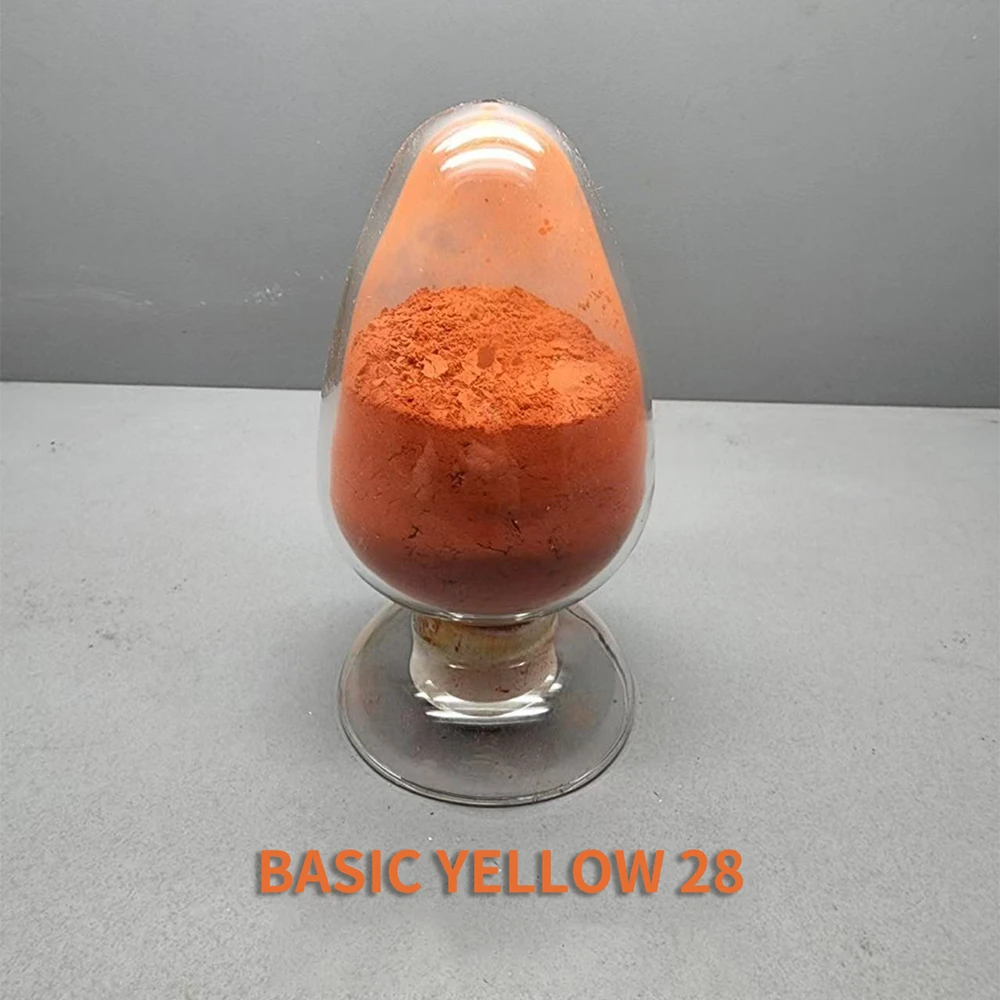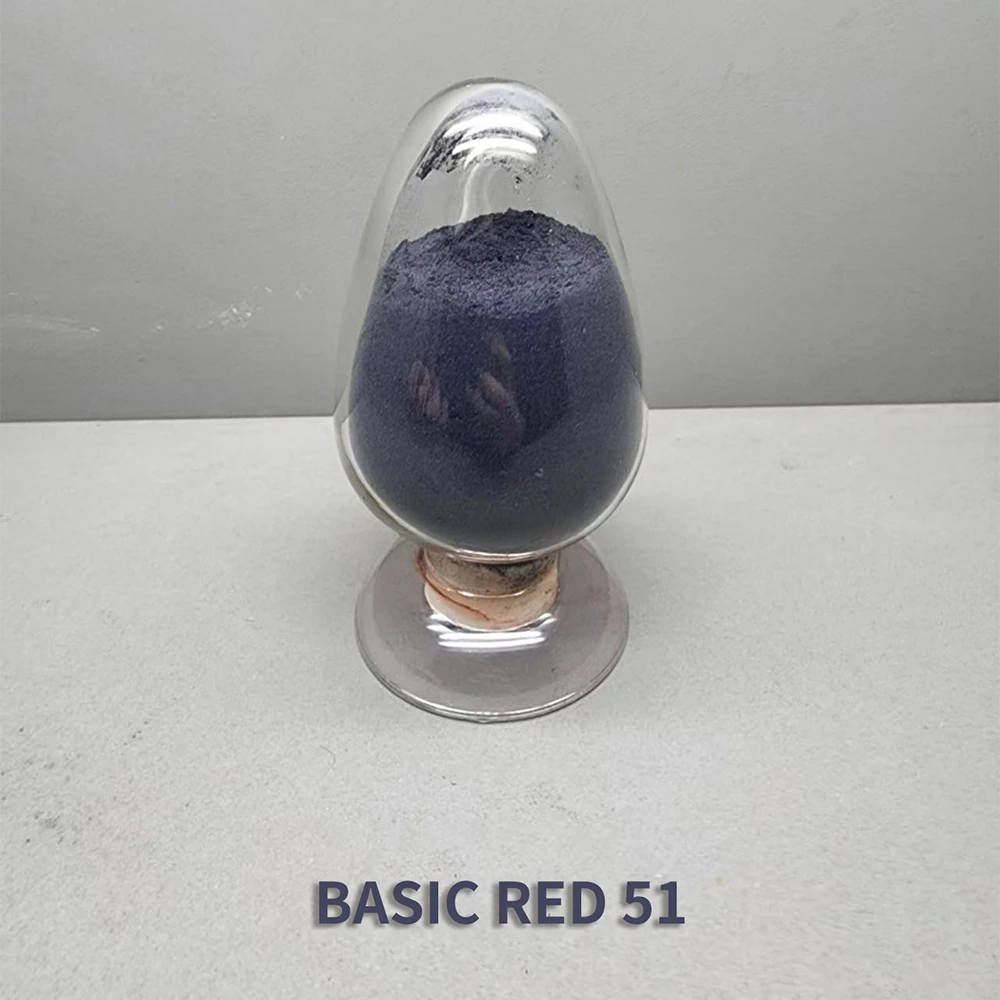
Basic Dye Factory: Essential Insights on Production, Impact & Innovation
Understanding the Role of a Basic Dye Factory in Today's World
At first glance, the phrase basic dye factory might evoke an image of vats bubbling with bright colors, but there’s much more beneath the surface. These factories serve as the backbone of many industries worldwide—textiles, printing, and even biomedical applications depend on them. With global textile production exceeding 100 million tons annually1, the demand for efficient and sustainable basic dye manufacturing is higher than ever. Why does this matter? Because the quality, consistency, and environmental impact of dyes directly influence product usability and consumer safety.
Understanding the intricate workings of a basic dye factory not only helps industries improve efficiency but also supports sustainable practices vital for future generations. It’s a small piece of a much bigger puzzle, but one that impacts us globally.
Global Context: Why Basic Dye Factories Are Critical Today
The world produces an astonishing array of dyed products, from everyday clothes to specialized scientific instruments. According to ISO reports, the global dyeing industry accounts for nearly 17% of water pollution in developing countries2. So, the basic dye factory is more than a simple manufacturing hub—it can be a pivotal player in environmental stewardship or a source of industrial challenge.
In recent years, there's been mounting pressure (from governments, NGOs, and consumers) to adopt greener manufacturing methods without sacrificing quality or scale. Factories that produce basic dyes are thus caught at an intersection of industrial demand and ecological responsibility. This balancing act is why innovation and operational excellence in these factories often grab industry headlines.
What Exactly Is a Basic Dye Factory?
Simply put, a basic dye factory is a manufacturing facility that produces so-called “basic dyes”—a category of cationic dyes that bond well with certain types of fibers like acrylics and paper. These dyes are prized for their bright colors and excellent fastness properties.
Think of it as a specialized chemical workshop where raw materials—usually aromatic amines—are transformed through various reactions into vivid colorants that industries can easily use. The significance stretches beyond just creating pretty hues; these dyes enable durability in textiles, clarity in printing inks, and even biological staining in laboratories.
Mini takeaway:
- Basic dye factories produce vital pigments allowing numerous industries to flourish.
- Their output influences both consumer goods and scientific advancements.
Key Components of a Basic Dye Factory
1. Raw Material Sourcing and Preparation
The journey starts with chemicals like toluidine or benzidine derivatives. Their purity directly affects dye quality. Factories devote considerable effort to sourcing sustainably and testing inputs because contaminated sources can cause inconsistent batches or toxic byproducts.
2. Chemical Synthesis Process
This core stage involves complex controlled reactions: diazotization, coupling, and methylation steps are common in many basic dye formulas. Precision is everything here; temperature, pH, and timing tweak the final color tone and fastness.
3. Quality Control and Testing
Many engineers say this is where the magic becomes reality. Constant sampling and spectrophotometric checks ensure the dyes meet rigorous industry standards. It’s a dance of science and art.
4. Scaling & Production Efficiency
With growing demand, the factory must optimize yield without inflating costs or environmental footprints. Automated reactors and process analytics tools have become commonplace to maintain steady output.
5. Waste Management and Environmental Controls
This factor cannot be overstated. Treating effluents and minimizing emissions reflect not just regulatory compliance but social responsibility—especially relevant as consumers become eco-savvy.
Mini takeaway:
- From raw inputs to end-product, every step shapes the dye quality and factory footprint.
- Efficient production balances chemical precision with sustainability.
Global Applications: Where Basic Dye Factories Make a Difference
Basic dyes find homes in some unexpected corners. For instance:
- Textile Industry in Asia: Countries like India and Bangladesh rely heavily on basic dye factories to meet massive garment production demands, bridging raw materials to finished fashion.
- Printing & Packaging: Europe’s specialty printing companies use basic dyes for vibrant, long-lasting inks on various materials, including plastics and paper.
- Biomedical Laboratories: Some staining techniques in diagnostics depend on cationic dyes from these factories, enabling disease detection.
- Post-Disaster Relief: In areas hit by crises, rapid-dye production ensures the availability of color-fast materials for emergency supplies like tents and uniforms.
Without reliable basic dye factories, these industries would struggle with inconsistent dye performance, lost productivity, or environmental backlash.
Mini takeaway:
- The reach of basic dye factory output spans continents and sectors.
- Its influence is vital from high fashion runways to frontline healthcare.
Advantages and Long-Term Value of Basic Dye Manufacturing
One might assume dye factories are just “color makers,” but the benefits ripple through economy, ecology, and society.
- Cost Efficiency: Modern plants use advanced processes reducing raw material waste, which lowers costs that trickle down to consumers.
- Sustainability: Cleaner production methods minimize toxic runoff, safeguarding workers and neighboring communities.
- Social Impact: Numerous factories, especially in developing regions, provide employment and foster community development.
- Innovation & Trust: Customers in textiles and labs trust consistent dye quality, which basic dye factories uphold with rigorous standards and R&D.
- Safety & Dignity: Colorfast materials contribute to long-lasting garments and medical tools, which indirectly improve wearer confidence and patient safety.
Basic Dye Factory: Specification Overview
| Specification | Details |
|---|---|
| Production Capacity | Up to 50 tons/day |
| Dye Types | Basic dyes (cationic) |
| Raw Materials | Aromatic amines, solvents |
| Environmental Controls | Effluent treatment, VOC recovery |
| Quality Control | Spectrophotometry, batch consistency |
| Automation Level | Semi-automated with real-time monitoring |
Vendor Comparison: Choosing the Right Basic Dye Factory Partner
| Vendor | Capacity | Sustainability Practices | Customer Support | Geographical Reach |
|---|---|---|---|---|
| DyeWorks International | 40 tons/day | ISO 14001 certified | 24/7 multilingual support | Global |
| ColorMakers Ltd. | 50 tons/day | Eco-friendly effluent system | On-site consulting | Asia, Europe |
| GreenHue Chemicals | 35 tons/day | Zero-waste initiative | Dedicated R&D support | Europe, North America |
Future Trends & Innovations Shaping Basic Dye Factories
The field is evolving in fascinating directions. Digital transformation is enabling factories to implement smart manufacturing techniques, predicting batch variations before they occur. Meanwhile, green chemistry principles push research towards dyes synthesized with bio-based precursors, cutting dependence on fossil fuels.
Automation is another game-changer—robotics and AI oversee entire production lines, reducing human error and exposure to noxious chemicals. Some companies experiment with closed-loop water systems, achieving near-zero water discharge, which aligns well with strict UN environmental guidelines (UNEP). Frankly, it feels like a renaissance after decades of industrial inertia.
Challenges & Practical Solutions
Despite these promises, challenges remain. Handling toxic raw materials requires safety expertise that can be scarce, especially in emerging markets. Additionally, stringent regulations on water and air pollution compel factories to invest heavily in treatment systems, which can strain budgets.
Experts suggest collaborations between governments, industry players, and research institutions can bridge these gaps. For example, technology transfer programs help small factories access cleaner tech, while financial incentives encourage green innovations.
FAQs About Basic Dye Factory
- Q1: How does a basic dye factory ensure consistent color quality?
- A: Through rigorous quality control involving spectrophotometry and frequent batch testing, factories maintain consistency. Monitoring raw materials and tightly controlling synthesis conditions further reduce variability.
- Q2: Are basic dye factories moving toward eco-friendlier production?
- A: Yes, many are adopting effluent treatment technologies, switching to renewable energy sources, and developing bio-based dye precursors to minimize environmental harm.
- Q3: What industries can benefit most from dyes produced in basic dye factories?
- A: Textiles, printing, paper manufacturing, and biomedical diagnostics are chief beneficiaries, relying on bright, lasting cationic dyes.
- Q4: How do basic dye factories manage hazardous chemical waste?
- A: They employ decentralized wastewater treatment, solvent recovery, and strict disposal protocols compliant with international regulations.
The Takeaway and Next Steps
In sum, the basic dye factory plays a surprisingly pivotal role in industries that touch daily life—whether through the clothes we wear, the books we read, or the medical tests we undergo. The future points to smarter, greener, and more efficient factories that embrace both technological progress and environmental stewardship. Honestly, it’s a sector to watch for anyone interested in sustainable industrial innovation.
If you want to dive deeper into how these factories operate or are looking for trusted partners, visit our site at basic dye factory for more resources and expert insights.
References
- World Textile Industry Statistics, 2023.
- ISO Environmental Management Standards, 2022.
- United Nations Environment Programme (UNEP) Reports, 2023.
-
How to Choose the Best black colour dye for clothes for FabricsNewsApr. 16, 2026
-
Leading Fabric Dye Companies: Insights and ComparisonsNewsDec. 03, 2025
-
Exploring Reactive Dyes in Textile A Comprehensive Guide to Chemistry and ApplicationNewsMar. 05, 2026
-
Comprehensive Guide to Synthetic Fiber Dye Selection and ApplicationNewsMar. 11, 2026
-
Achieving Vibrant Color with Mint Green Dye for Clothes A Comprehensive GuideNewsMar. 31, 2026
-
High-Performance Lilac Fabric Dye for Industrial Textile Applications | Yanhong ChemicalNewsDec. 13, 2025