
Exploring Reactive Dyes in Textile A Comprehensive Guide to Chemistry and Application
Reactive Dyes in Textile: A Comprehensive Guide
Reactive dyes are a cornerstone of modern textile coloration, prized for their vibrant hues, excellent wash fastness, and versatility across various fiber types. This article provides an in-depth exploration of reactive dyes, covering their chemistry, application processes, advantages, disadvantages, and emerging trends. We’ll delve into how YanHong Chemical provides high-quality reactive dyes for optimal textile dyeing results. Understanding these dyes is crucial for textile manufacturers aiming for both quality and efficiency.
Understanding the Chemistry of Reactive Dyes
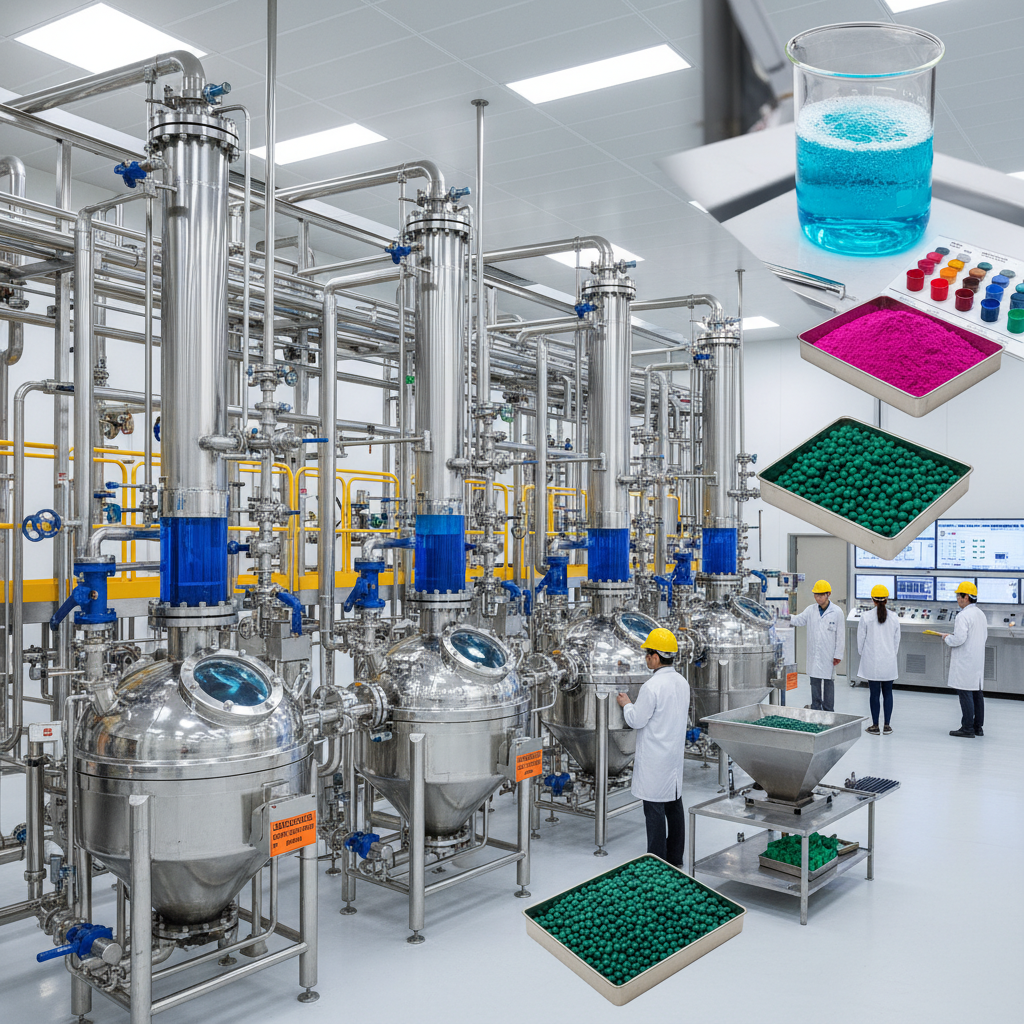
Reactive dyes contain a reactive group that forms a covalent bond with the fiber, typically cellulose-based fibers like cotton, linen, and viscose rayon. This chemical bond is what gives reactive dyes their exceptional wash fastness – the color won’t easily bleed or fade with washing. The reactive group varies depending on the specific dye class, including monochlorotriazine, dichlorotriazine, vinyl sulfone, and bifunctional reactive dyes. Each class offers different reactivity levels and application characteristics. Choosing the right dye class depends on the desired color, fiber type, and dyeing conditions. YanHong Chemical offers a diverse range of reactive dye classes to meet various textile dyeing needs.
Key Highlights: Reactive dyes form a covalent bond with the fiber, resulting in excellent wash fastness. Different reactive groups dictate dye characteristics and suitability for specific applications.
The Application Process: A Step-by-Step Guide
The application of reactive dyes typically involves several key steps: pretreatment of the textile, dye dissolution, dyeing, salt addition (for exhaustion), alkali addition (for fixation), washing, and finishing. Pretreatment ensures the fiber is clean and receptive to the dye. Dye dissolution ensures uniform distribution in the dye bath. Salt addition increases dye exhaustion, while alkali promotes the chemical reaction between the dye and the fiber. Precise control of temperature, pH, and time is crucial throughout the process to achieve optimal color yield and fastness properties. YanHong Chemical provides technical support and guidance to help customers optimize their dyeing processes.
Application Benefits:
• Excellent wash fastness
• Bright and vibrant colors
• Wide range of shades available
• Suitable for cellulose fibers
Reactive Dyes vs. Other Dye Classes
Compared to other dye classes, such as direct dyes, vat dyes, and disperse dyes, reactive dyes offer a unique combination of properties. While direct dyes are simpler to apply, they have poor wash fastness. Vat dyes offer excellent fastness but require a more complex and energy-intensive process. Disperse dyes are primarily used for synthetic fibers, not cellulose fibers. Reactive dyes strike a balance between ease of application and excellent fastness properties, making them ideal for a wide range of textile applications.
Applications of Reactive Dyes in the Textile Industry
Reactive dyes find widespread use in dyeing a variety of textile products, including apparel (t-shirts, dresses, jeans), home textiles (bedsheets, towels, curtains), and industrial fabrics. They are particularly well-suited for dyeing cotton, viscose rayon, and linen fabrics. The vibrant colors and excellent fastness properties make them ideal for applications where durability and appearance are important.
Considerations and Future Trends in Reactive Dye Technology
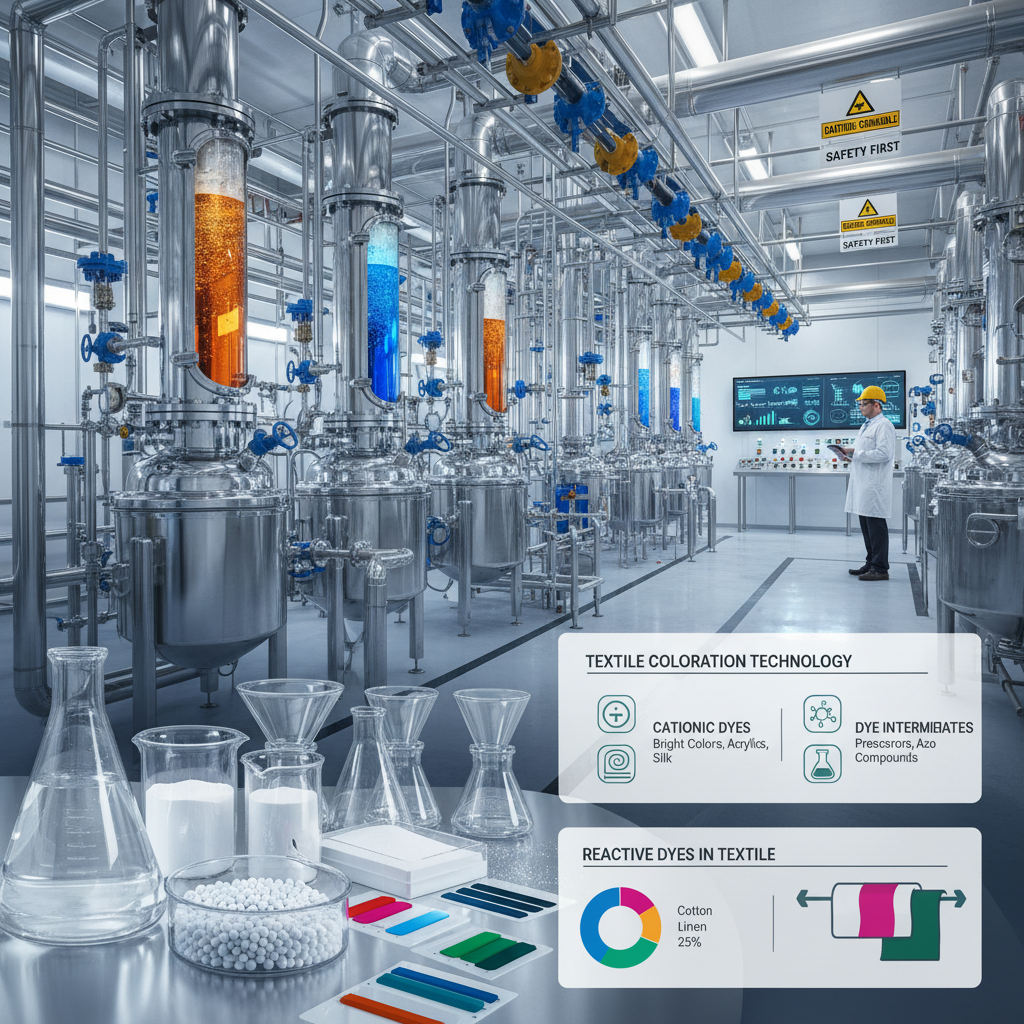
While reactive dyes offer numerous advantages, some environmental concerns exist regarding dye effluent. Efforts are underway to develop more sustainable reactive dye technologies, including dyes with higher fixation rates (reducing waste) and dyes that require less water and energy during application. Furthermore, research is focused on developing novel reactive dyes with improved color brilliance and fastness properties. YanHong Chemical is committed to providing environmentally responsible dye solutions and staying at the forefront of these technological advancements.
Conclusion: Reactive Dyes – A Vital Component of Modern Textile Production
Reactive dyes remain a vital component of modern textile production, offering a winning combination of color vibrancy, wash fastness, and versatility. By understanding the chemistry, application process, and evolving technologies surrounding these dyes, textile manufacturers can optimize their processes and achieve superior results. YanHong Chemical is your trusted partner for high-quality reactive dyes and expert technical support.
Frequently Asked Questions (FAQs)
What is the environmental impact of using reactive dyes?
Reactive dyeing can generate effluent containing unfixed dye, salts, and alkali. However, advancements in dye technology and wastewater treatment methods are mitigating these impacts. High-fixation dyes minimize dye wastage, and advanced treatment processes can remove dyes and other pollutants from the effluent. Responsible dye manufacturers like YanHong Chemical prioritize sustainable practices and offer dyes with reduced environmental footprint. Choosing eco-friendly dyes and implementing efficient wastewater treatment systems are crucial steps towards minimizing the environmental impact of textile dyeing.
What factors affect the color fastness of reactive dyes?
Several factors influence the color fastness of reactive dyes, including dye selection, fiber type, dyeing conditions (temperature, pH, time), and after-treatment processes. Proper dye fixation is paramount for achieving excellent wash and light fastness. Optimizing dyeing parameters and employing appropriate after-treatment methods, such as soaping and fixing agents, can significantly enhance color fastness. The quality of the dye itself, as offered by YanHong Chemical, also plays a vital role in achieving optimal results.
Are reactive dyes suitable for all types of fabric?
Reactive dyes are primarily designed for cellulose fibers such as cotton, linen, viscose rayon, and hemp. They form a covalent bond with the hydroxyl groups in these fibers, resulting in excellent wash fastness. While they can be used on some modified synthetic fibers, their performance is typically not as good as with cellulose fibers. For synthetic fibers like polyester and nylon, disperse dyes are generally more suitable. It’s important to select the appropriate dye class based on the fiber composition to achieve optimal results.
How can I improve dye exhaustion during the reactive dyeing process?
Improving dye exhaustion is crucial for maximizing dye utilization and minimizing effluent. Several strategies can be employed, including optimizing salt concentration, controlling temperature, maintaining proper pH, and using leveling agents. Slow dye addition and ensuring good liquor circulation can also enhance exhaustion. Using high-quality dyes from a reputable supplier like YanHong Chemical can contribute to better dye exhaustion rates due to consistent dye quality and particle size.
-
Buy Dye for Clothes – Expert Tips & Reliable ProductsNewsDec. 03, 2025
-
Durable Navy Blue Fabric Dye for Industrial Use | Trusted QualityNewsDec. 05, 2025
-
Comprehensive Guide to Choosing the Best White Dye for ClothesNewsMar. 28, 2026
-
Durable Terracotta Fabric Dye for Industrial Use | Yanhong ChemicalNewsDec. 11, 2025
-
Exploring the Science and Versatility of Color Changing Fabric Dye TechnologyNewsJan. 27, 2026
-
Choosing The Right Dress Dye For Vibrant And Durable TextilesNewsMar. 06, 2026












