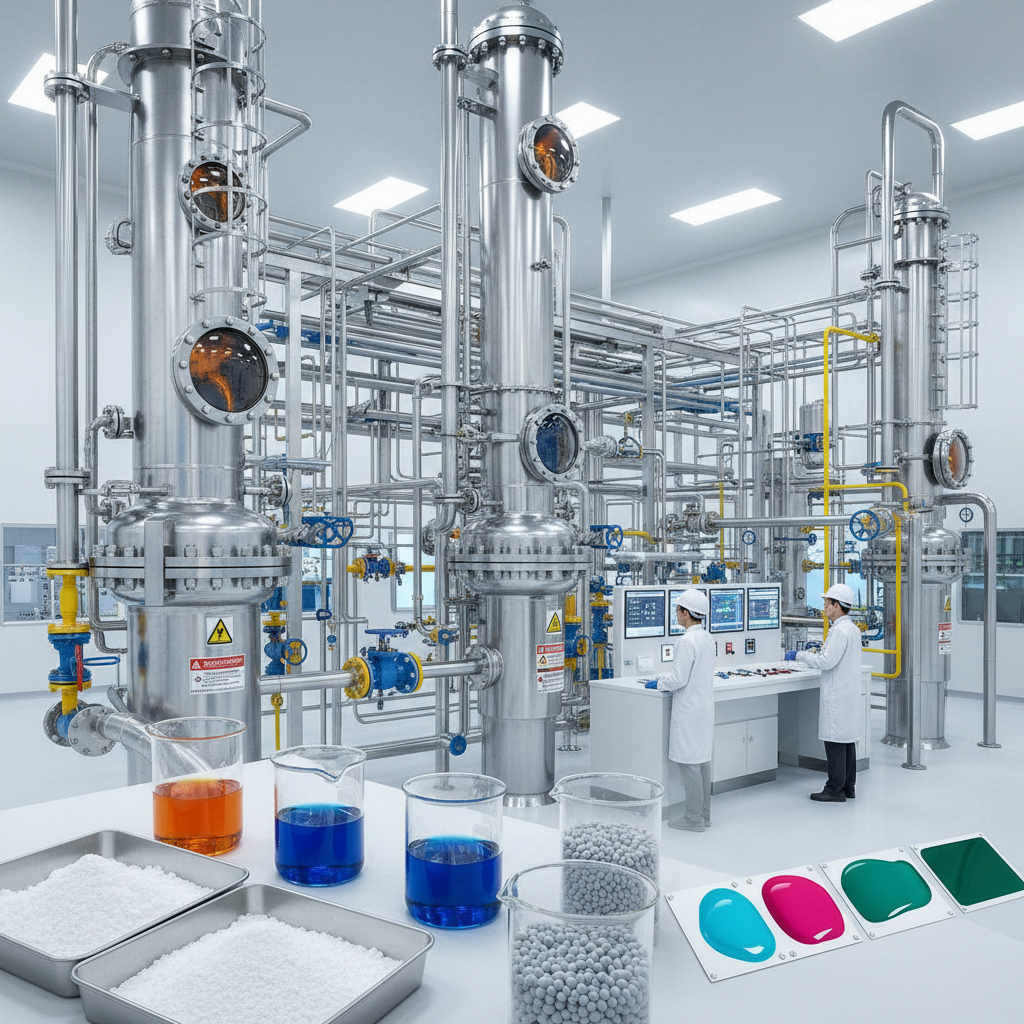
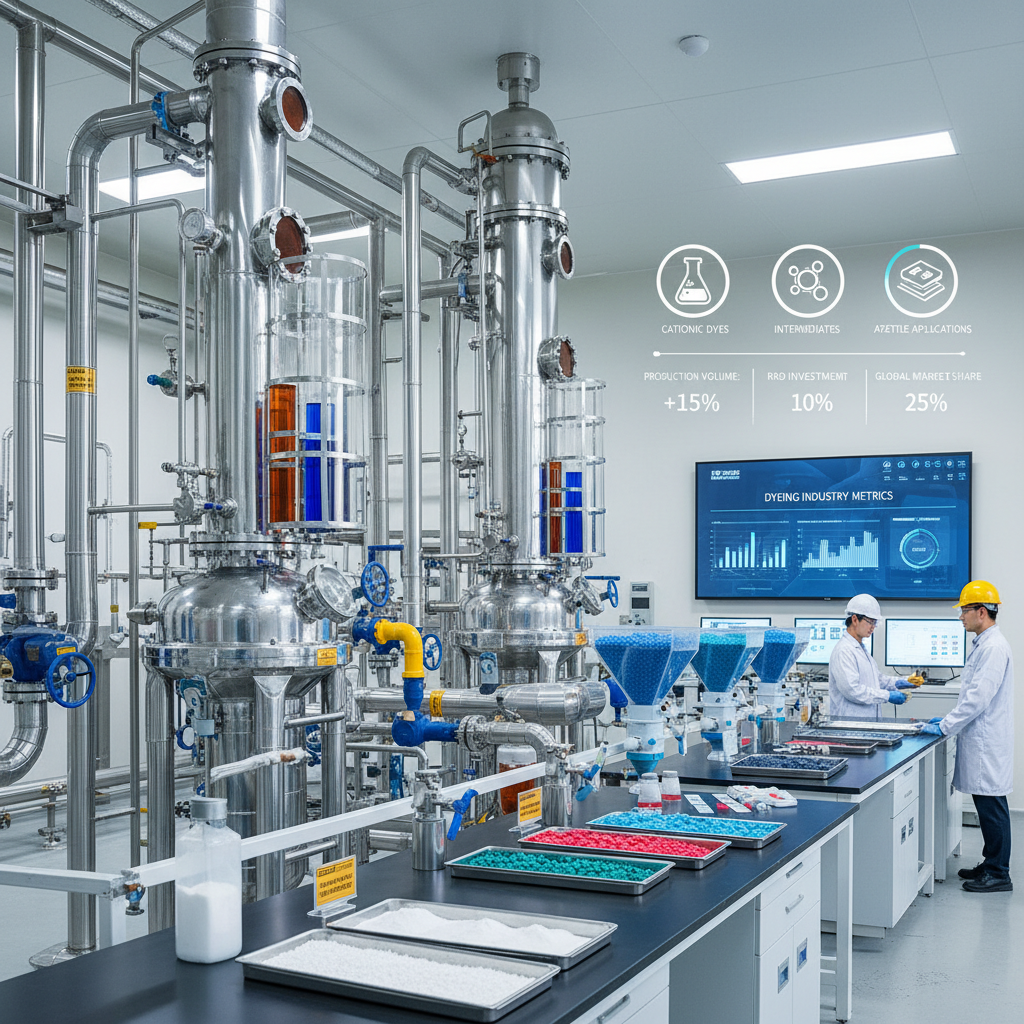
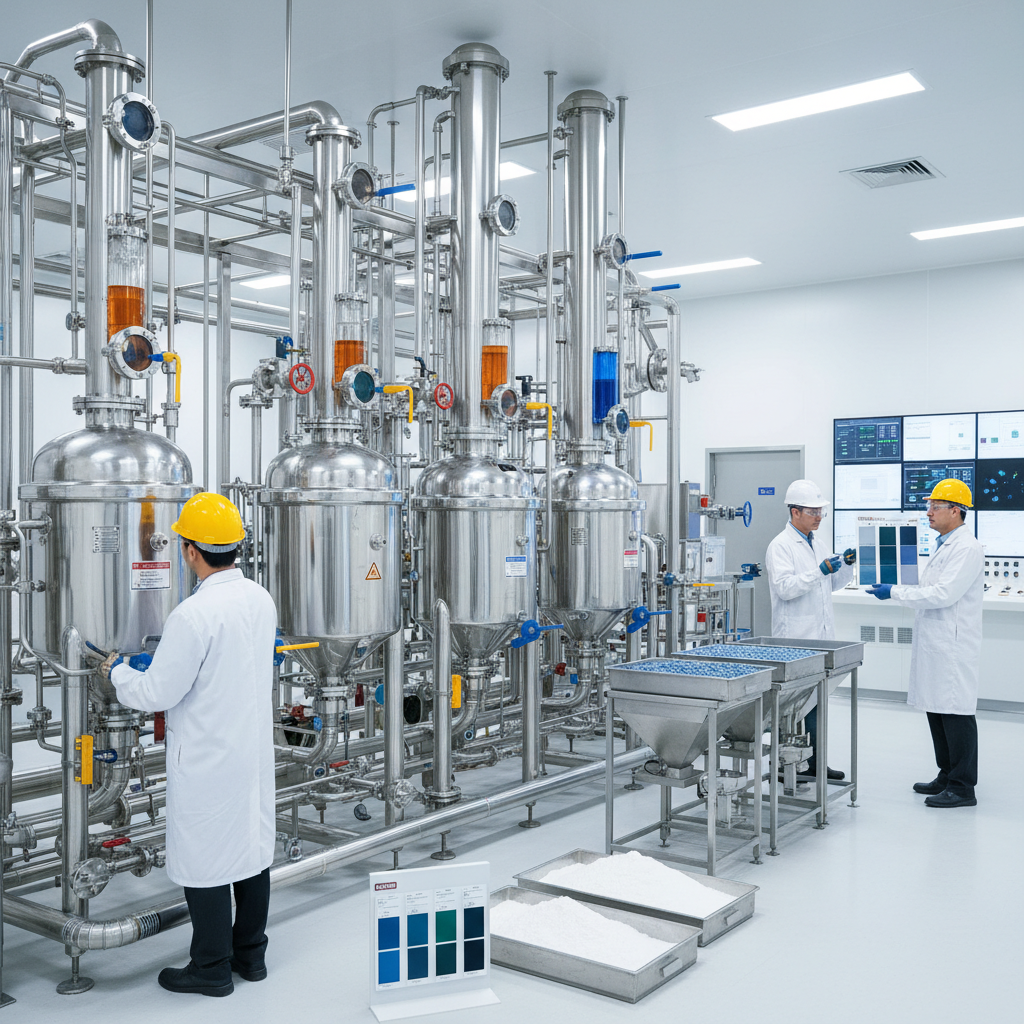
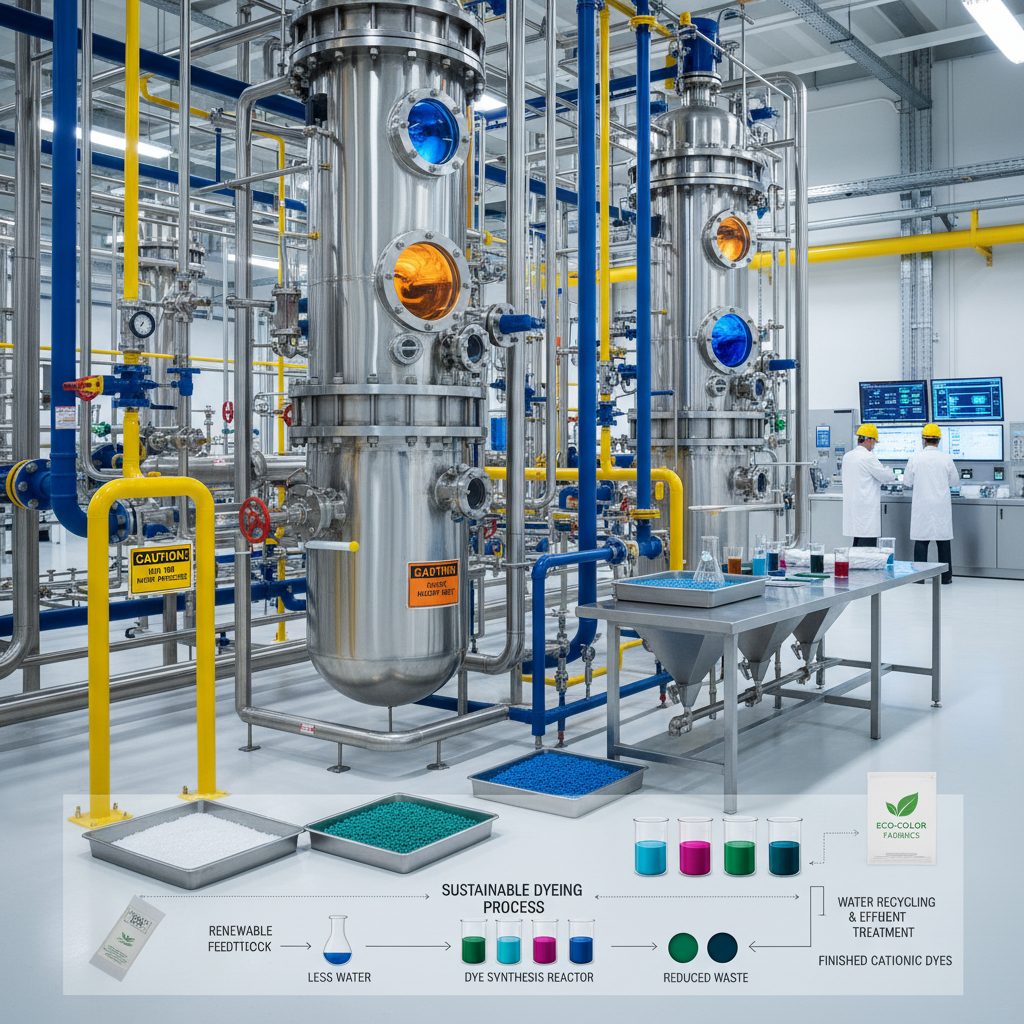
The dyeing industry is a cornerstone of the global textile and apparel supply chain, impacting countless lives and economies worldwide. From the vibrant hues of everyday clothing to the specialized coloration of industrial fabrics, dyeing processes are integral to modern manufacturing. Understanding the intricacies of this industry – its challenges, innovations, and sustainability efforts – is crucial for stakeholders ranging from producers and consumers to policymakers and environmental advocates. The global market for textile dyes and auxiliaries is substantial, and continues to grow alongside increasing demand for textiles in developing nations.
The relevance of the dyeing industry extends beyond aesthetics and functionality. Efficient and environmentally responsible dyeing practices are key to reducing water consumption, minimizing chemical pollution, and promoting circularity within the fashion and textile sectors. Addressing these issues is paramount, as the industry faces growing scrutiny regarding its environmental footprint. The increasing consumer awareness about sustainable products also drives the need for eco-friendly dyeing solutions.
Furthermore, advancements in dyeing technology, such as digital textile printing and novel dye formulations, offer opportunities to enhance productivity, reduce waste, and create innovative textile products. The ongoing research and development in this field are essential to maintain the competitiveness and long-term viability of the dyeing industry.
The Significance of the Dyeing Industry
The dyeing industry isn’t merely about adding color; it’s a fundamental process that enhances the value and functionality of textiles. It’s a critical component of the broader dyeing industry and supports various sectors like fashion, home textiles, automotive, and technical textiles. The economic impact is substantial, providing employment and revenue generation in manufacturing hubs across the globe.
Understanding the dynamics of this industry, including its chemical processes, technological advancements, and regulatory landscape, is paramount for businesses and individuals involved in the textile supply chain. The industry’s evolving focus on sustainability and innovation necessitates continuous learning and adaptation.
Defining the Dyeing Industry
The dyeing industry encompasses the processes of imparting color to textiles, utilizing various dyes, pigments, and auxiliary chemicals. This is achieved through the application of dye solutions to fibers, yarns, or fabrics, resulting in a colored material with enhanced aesthetic appeal and functional properties. Modern dyeing techniques are a complex interplay of chemistry, physics, and engineering.
Its connection to modern industry is undeniable; without effective dyeing, the vast array of colored textiles we rely on daily wouldn’t exist. This directly supports the apparel industry, interior design, and numerous specialized manufacturing sectors. The demand for customized colors and finishes drives continuous innovation within the dyeing industry.
Furthermore, the dyeing industry indirectly contributes to humanitarian needs by providing affordable and durable clothing and shelter materials. The ability to efficiently produce colored textiles is crucial for supplying essential goods in emergency relief situations and supporting community development projects.
Core Components of Effective Dyeing Processes
Effective dyeing requires a careful balance of several key components. First, the selection of appropriate dyes is vital, considering factors like fiber type, colorfastness requirements, and environmental impact. Different dye classes – reactive, direct, vat, disperse – each possess unique properties and suitability for specific applications. Understanding these intricacies is critical for achieving desired results.
Secondly, pretreatment processes are essential to prepare the textile material for dyeing. This includes cleaning, bleaching, and mercerization, all aimed at removing impurities and enhancing dye uptake. Inadequate pretreatment can lead to uneven dyeing and poor colorfastness. Careful control of these steps is paramount.
Thirdly, the dyeing process itself involves precise control of temperature, pH, dye concentration, and liquor ratio. Advanced dyeing machinery and automation systems contribute to consistent and efficient coloration. Optimizing these parameters ensures uniform dye penetration and minimizes waste.
Key Factors Influencing Dyeing Performance
Several factors significantly impact the quality and efficiency of dyeing processes. Durability, or colorfastness, is a primary concern, ensuring that the color remains vibrant and does not fade or bleed during washing, light exposure, or other environmental conditions. Achieving high colorfastness requires careful dye selection and appropriate finishing treatments.
Scalability refers to the ability to consistently reproduce dyeing results across different batch sizes and production volumes. This is particularly important for large-scale manufacturing operations, demanding consistent quality and minimized variations. Automated dyeing systems and process control contribute to better scalability.
Dyeing Process Optimization Metrics
Global Applications of Dyeing Techniques
Dyeing techniques are universally applied across a broad spectrum of industries. The fashion industry is the most prominent, utilizing dyeing to create a vast range of colored garments and accessories. Different regions specialize in specific dyeing techniques, contributing to the global textile trade.
The home textiles sector relies heavily on dyeing for coloration of fabrics used in upholstery, curtains, bedding, and carpets. The automotive industry employs dyeing to color fabrics for interior components, adhering to stringent performance and safety standards. In remote industrial zones, efficient dyeing processes are crucial for economic development.
Advantages and the Long-Term Value Proposition
Investing in optimized dyeing processes yields significant tangible benefits. Cost efficiency is achieved through reduced chemical consumption, lower water usage, and minimized waste generation. Sustainability is enhanced by utilizing eco-friendly dyes and implementing closed-loop water recycling systems.
Social impact is positive through the creation of safer working conditions and the reduction of environmental pollution. Reliability is improved by ensuring consistent dye quality and minimizing production defects, increasing trust within the dyeing industry.
Future Trends and Innovations in Dyeing
The future of the dyeing industry is characterized by a growing focus on sustainability and technological innovation. The development of bio-based dyes derived from renewable resources is gaining momentum, offering eco-friendly alternatives to traditional synthetic dyes. Digital textile printing, with its precision and reduced water consumption, is becoming increasingly prevalent.
Automation and artificial intelligence are being integrated into dyeing processes to optimize efficiency, minimize errors, and enhance quality control. These technologies enable real-time monitoring and adjustments, leading to improved performance and reduced environmental impact.
Policy changes and regulations promoting sustainable textile production are also shaping the future landscape, incentivizing companies to adopt greener dyeing practices.
Future Trends and Innovations in Dyeing
The future of the dyeing industry is characterized by a growing focus on sustainability and technological innovation. The development of bio-based dyes derived from renewable resources is gaining momentum, offering eco-friendly alternatives to traditional synthetic dyes. Digital textile printing, with its precision and reduced water consumption, is becoming increasingly prevalent.
Automation and artificial intelligence are being integrated into dyeing processes to optimize efficiency, minimize errors, and enhance quality control. These technologies enable real-time monitoring and adjustments, leading to improved performance and reduced environmental impact.
Policy changes and regulations promoting sustainable textile production are also shaping the future landscape, incentivizing companies to adopt greener dyeing practices.
Analysis of Dyeing Process Performance Metrics
| Dyeing Method |
Water Consumption (L/kg) |
Colorfastness Rating (1-5) |
Chemical Usage (kg/ton) |
| Reactive Dyeing |
80-120 |
4 |
20-30 |
| Direct Dyeing |
60-100 |
3 |
15-25 |
| Vat Dyeing |
100-150 |
5 |
25-35 |
| Disperse Dyeing |
50-80 |
4 |
10-20 |
| Sulfur Dyeing |
70-110 |
3 |
18-28 |
| Digital Textile Printing |
5-15 |
4 |
5-10 |
FAQS
Traditional dyeing processes often involve significant water consumption, the discharge of harmful chemicals into waterways, and high energy usage. The wastewater can contain unfixed dyes, auxiliary chemicals, and heavy metals, posing risks to aquatic ecosystems and human health. This is a major focus for improvement within the dyeing industry, driving demand for sustainable alternatives and wastewater treatment technologies.
Digital textile printing offers several sustainability advantages. It significantly reduces water consumption, minimizes dye waste (as only the required amount is applied), and eliminates the need for many harsh chemicals used in conventional dyeing. It also allows for on-demand printing, reducing the risk of overproduction and unsold inventory, supporting the broader push for a more circular economy within the dyeing industry.
Bio-based dyes are derived from natural sources like plants, microorganisms, and agricultural waste. They offer a more sustainable alternative to synthetic dyes, which are often petroleum-based and can have a significant environmental footprint. While challenges remain regarding cost and colorfastness, ongoing research is steadily improving the viability of bio-based dyes as a mainstream option for the dyeing industry.
Automation significantly enhances dyeing process efficiency by ensuring precise control of critical parameters like temperature, pH, and dye concentration. Automated systems minimize human error, reduce waste, and enable real-time monitoring and adjustments, leading to consistent quality and lower production costs. This is a key component of modernizing the dyeing industry for improved competitiveness.
Increasingly stringent environmental regulations worldwide are driving significant changes within the dyeing industry. Regulations limit the discharge of harmful chemicals, promote water conservation, and incentivize the adoption of cleaner production technologies. These regulations encourage innovation and the development of more sustainable dyeing practices, ensuring environmental responsibility.
Colorfastness testing is crucial for evaluating the resistance of dyed textiles to fading or bleeding during washing, light exposure, and other environmental factors. Standardized colorfastness tests ensure that products meet specified quality standards and maintain their appearance over time. This is a vital aspect of ensuring customer satisfaction and building trust in the dyeing industry.
Conclusion
In conclusion, the dyeing industry is a complex and vital component of the global textile supply chain. Its continued evolution hinges on embracing sustainable practices, fostering innovation, and adapting to evolving regulatory landscapes. From optimizing resource utilization to developing eco-friendly dyes and incorporating advanced technologies, the industry is undergoing a transformative period. Understanding the core components, global applications, and future trends of dyeing processes is crucial for stakeholders across the value chain.
Looking ahead, continued investment in research and development, coupled with a commitment to circularity and responsible manufacturing, will be essential for ensuring the long-term viability and positive impact of the dyeing industry. We encourage you to explore our range of sustainable dyeing solutions and innovative technologies at www.yanhongchem.com.