The world of textile dyeing is a complex and evolving field, critical to the fashion industry and beyond. Understanding the types of garment dyeing is essential for manufacturers, designers, and consumers alike. Effective dyeing processes impact colorfastness, fabric quality, and environmental sustainability, driving innovation and setting industry standards. As global fashion demands increase, so does the need for efficient and responsible dyeing techniques.
The selection of appropriate dyeing methods directly influences the final product's aesthetics, performance, and cost-effectiveness. Different types of garment dyeing cater to various fabric compositions, desired color shades, and production volumes. Staying abreast of these techniques is crucial for companies seeking to optimize their production processes and maintain a competitive edge in the global marketplace.
Moreover, the growing emphasis on eco-friendly practices necessitates a deeper understanding of sustainable dyeing solutions. Choosing the right dyeing method aligns with consumer expectations for ethically produced garments, boosting brand reputation and fostering long-term customer loyalty.
Introduction to Types of Garment Dyeing
The term "types of garment dyeing" encompasses a wide range of techniques used to add color to finished apparel. These methods differ significantly in terms of the dyes used, the application process, and the resulting fabric properties. From traditional vat dyeing to modern digital printing, the options available to textile manufacturers are continuously expanding.
Choosing the correct types of garment dyeing is paramount for achieving desired aesthetic outcomes, ensuring color durability, and minimizing environmental impact. Each method presents unique advantages and disadvantages, making it crucial to carefully consider the specific requirements of the garment and the target market.
Defining Types of Garment Dyeing
Types of garment dyeing refers to the process of coloring clothing after it has been constructed. This contrasts with dyeing fabric before it's cut and sewn—known as piece dyeing. Garment dyeing offers several distinct benefits, including the ability to quickly respond to changing fashion trends and create unique, washed-down effects. It's a key component in achieving the popular 'vintage' or 'distressed' looks favored by many consumers.
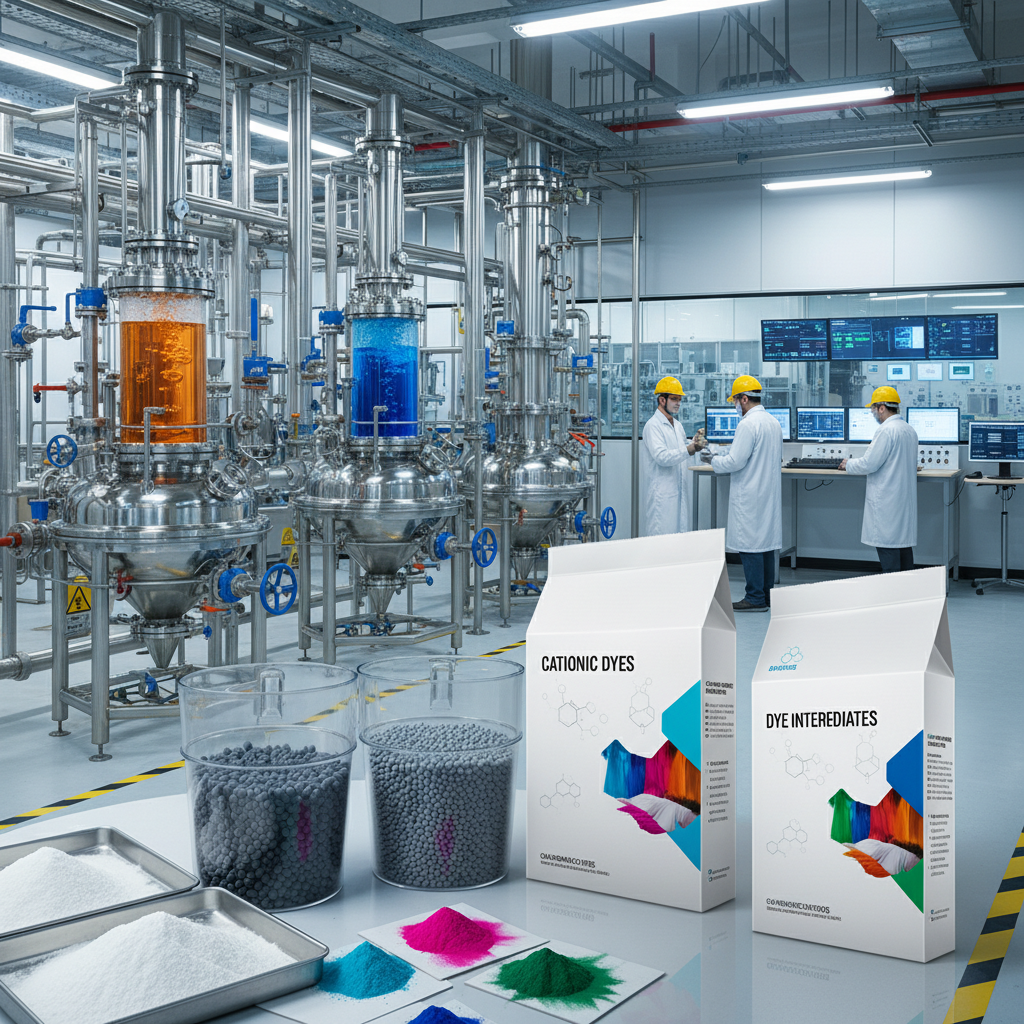
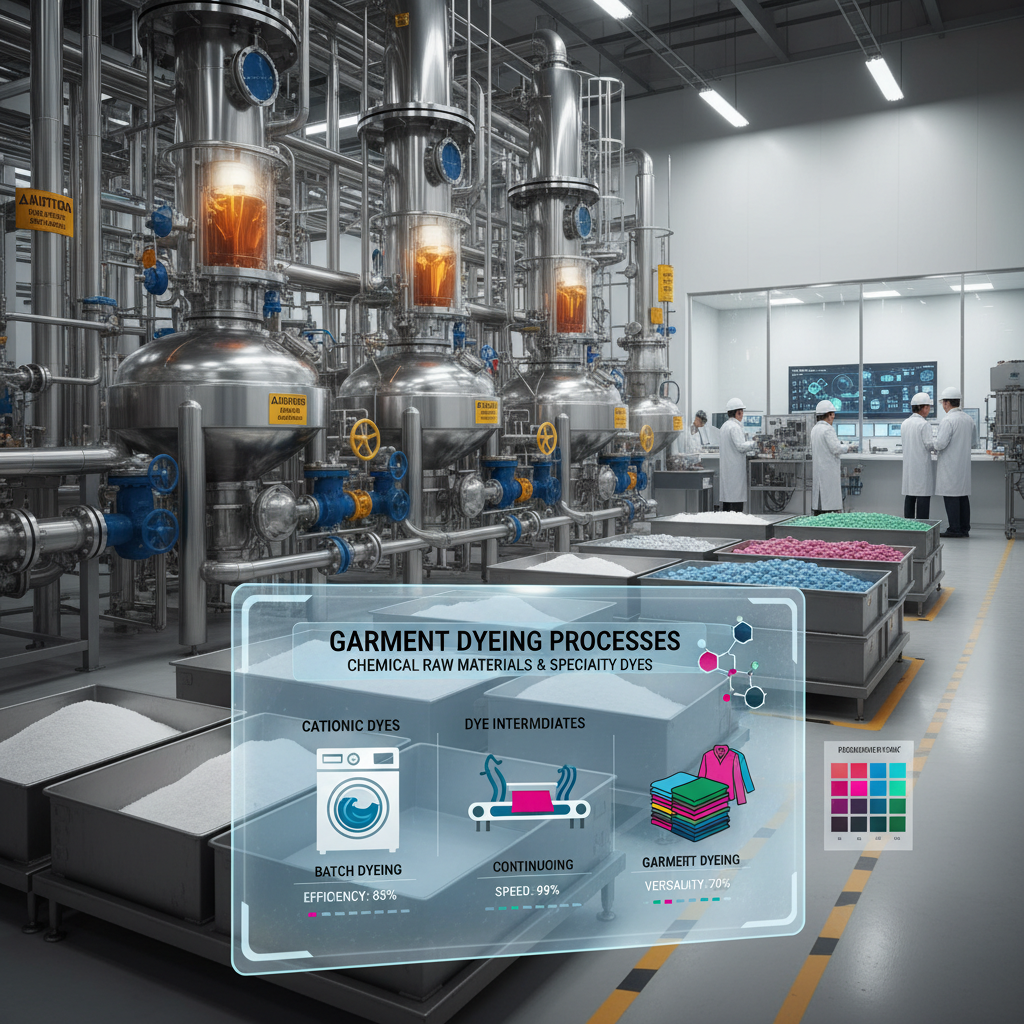
The process typically involves immersing fully fashioned garments in a dye bath, ensuring even color penetration. However, this can present challenges related to color consistency and potential shrinkage. The selection of dye types (such as cationic dyestuff or disperse cationic dyestuff) depends heavily on the fabric composition and desired color outcome.
Ultimately, defining types of garment dyeing isn't just about the process itself, but understanding its role within the broader textile supply chain and its impact on both product quality and environmental responsibility.
Key Considerations in Garment Dyeing Selection
When selecting the most appropriate types of garment dyeing, several key factors must be taken into account. These include the fabric composition (cotton, polyester, blends), the desired color shade and intensity, and the required level of colorfastness. The properties of the fabric dictate the types of dyes that can be effectively used and the methods that will yield the best results.
Another crucial consideration is the environmental impact of the dyeing process. Traditional dyeing methods can consume significant amounts of water and energy, and may release harmful chemicals into the environment. Therefore, choosing eco-friendly dyes and utilizing water-efficient dyeing techniques are increasingly important.
Finally, cost-effectiveness is a significant factor. Different types of garment dyeing vary in terms of dye costs, processing time, and energy consumption. Manufacturers must carefully weigh these factors to ensure that the chosen method aligns with their budget and profitability goals.
Global Applications of Different Dyeing Techniques
The application of various types of garment dyeing is widespread across the globe, with regional preferences and industry-specific demands shaping the dominant techniques. For instance, in denim production hubs like China and Vietnam, sulfur dyeing remains a common choice due to its cost-effectiveness and ability to achieve the characteristic indigo blue shades.
In Europe and North America, however, there's a growing demand for more sustainable dyeing methods, such as reactive dyeing and pigment dyeing, which offer better environmental profiles. These techniques are often favored by brands committed to eco-friendly practices and transparency in their supply chains.
Comparison of Dyeing Method Performance for types of garment dyeing
Advantages and Value of Optimized Dyeing Processes
Optimizing types of garment dyeing processes delivers significant benefits, ranging from cost reductions and improved product quality to enhanced environmental sustainability. Reduced water and energy consumption translate directly into lower operational expenses, while minimizing chemical waste reduces environmental liability.
Furthermore, optimized dyeing can enhance color consistency, resulting in fewer rejects and increased customer satisfaction. By achieving vibrant, long-lasting colors, manufacturers can elevate the perceived value of their garments and build brand loyalty.
Emerging Trends and Innovations in Garment Dyeing
The garment dyeing industry is undergoing a period of rapid innovation, driven by the need for more sustainable and efficient processes. Digital textile printing, for example, is gaining traction as a more precise and eco-friendly alternative to traditional dyeing methods. This technology allows for on-demand printing, reducing waste and enabling customized designs.
Another emerging trend is the development of bio-based dyes derived from natural sources. These dyes offer a renewable and biodegradable alternative to synthetic dyes, minimizing environmental impact. Research is also focused on developing novel dyeing techniques that require less water and energy, such as plasma dyeing and supercritical carbon dioxide dyeing.
Furthermore, advancements in automation and artificial intelligence are streamlining the dyeing process, improving color accuracy, and reducing human error.
Challenges and Solutions in Types of Garment Dyeing
Despite advancements, types of garment dyeing still face several challenges. Color consistency across different batches and garment styles can be difficult to achieve, particularly with complex designs. Shrinkage and distortion of garments during the dyeing process are also common concerns.
To address these challenges, manufacturers are investing in advanced color management systems and automated dyeing equipment. Utilizing pre-treatment processes to stabilize fabrics and minimize shrinkage is also crucial. Implementing rigorous quality control measures throughout the dyeing process helps ensure consistent results.
The key to overcoming these hurdles lies in continuous innovation, process optimization, and a commitment to sustainable practices.
Summary of Challenges and Solutions in Garment Dyeing
| Challenge |
Impact on Production |
Potential Solutions |
Implementation Cost (1-10) |
| Color Inconsistency |
Increased Rejects, Lower Customer Satisfaction |
Advanced Color Management Systems, Precise Dye Formulas |
7 |
| Fabric Shrinkage |
Garment Distortion, Size Issues |
Pre-treatment Processes, Controlled Temperature & Tension |
6 |
| Water Consumption |
Environmental Impact, Increased Costs |
Water Recycling Systems, Low-Liquor Ratio Dyeing |
8 |
| Chemical Waste |
Environmental Pollution, Regulatory Compliance |
Eco-Friendly Dyes, Waste Water Treatment |
9 |
| Long Dyeing Cycles |
Reduced Production Capacity, Increased Lead Times |
Optimized Dyeing Parameters, Automation |
5 |
| Uneven Dye Penetration |
Poor Color Uniformity, Quality Issues |
Optimized Dye Bath Circulation, Proper Garment Loading |
4 |
FAQS
The most common dye classes include reactive dyes (for cotton), disperse dyes (for polyester), and acid dyes (for nylon and wool). Cationic dyestuff and disperse cationic dyestuff are also frequently used, particularly in blends. The choice depends on the fiber content and desired properties of the garment. Each dye type has varying levels of colorfastness, washability, and environmental impact.
Garment dyeing can induce shrinkage, particularly in natural fibers like cotton. This is due to the heat and moisture involved in the dyeing process. Pre-treatment processes, such as pre-shrinking the fabric before garment construction, and carefully controlling the dyeing parameters (temperature, time, and tension) can minimize shrinkage. It's also important to select dyes that are appropriate for the fabric type.
Garment dyeing can have significant environmental impacts due to water consumption, chemical waste, and energy use. Choosing eco-friendly dyes, implementing water recycling systems, and optimizing dyeing processes to reduce energy consumption are crucial. Proper wastewater treatment is also essential to remove harmful chemicals before discharge. Sustainable dyeing practices are increasingly important for minimizing the industry's environmental footprint.
Digital textile printing offers several advantages over traditional garment dyeing, including reduced water and energy consumption, precise color control, and the ability to print complex designs on demand. However, it may be more expensive for large production runs and requires specialized equipment and expertise. It's an excellent option for customized garments and smaller batches.
Colorfastness refers to the ability of a dyed garment to retain its color when exposed to various factors such as washing, light, and rubbing. High colorfastness is essential for ensuring the longevity and quality of the garment. The choice of dye type, dyeing process, and finishing treatments all influence colorfastness. Testing for colorfastness is a standard practice in the textile industry.
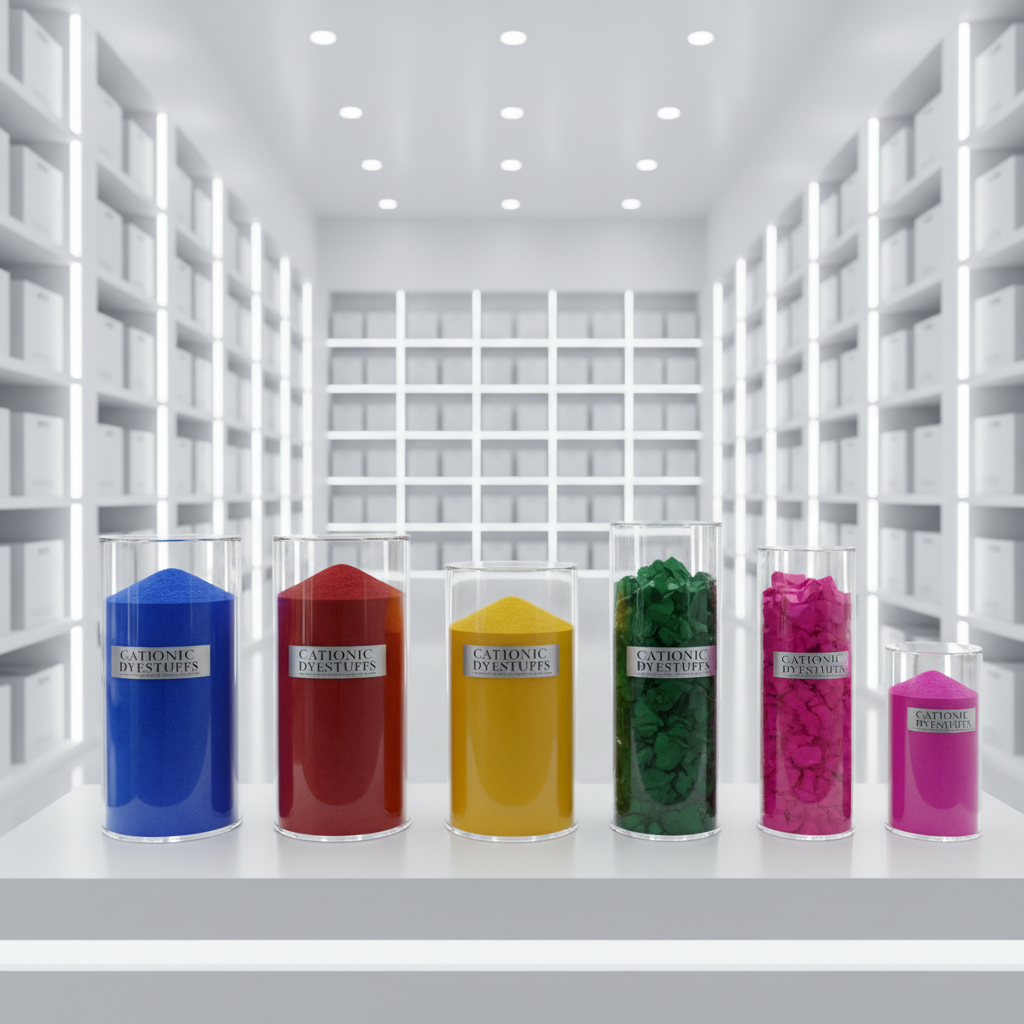
Cationic dyestuffs are typically used for acrylic fibers, while disperse cationic dyestuffs are designed for polyester. Disperse cationic dyestuffs enhance dyeing performance on polyester, providing brighter shades and improved wash fastness. These dyestuffs are valued for their vibrant color options and compatibility with synthetic fabrics.
Conclusion
In conclusion, understanding the diverse types of garment dyeing is fundamental for success in the modern textile industry. From selecting the appropriate dye for a specific fabric to optimizing processes for sustainability and cost-effectiveness, informed decision-making is key. Embracing innovation, prioritizing environmental responsibility, and maintaining a commitment to quality will drive future advancements in this crucial field.
As consumer demand for ethically produced and aesthetically pleasing garments continues to grow, the ability to navigate the complexities of garment dyeing will become even more critical. Further research, development of eco-friendly alternatives, and the adoption of advanced technologies will pave the way for a more sustainable and vibrant future for the textile industry. Visit our website at www.yanhongchem.com to learn more about our cationic and disperse cationic dyestuff solutions.