Understanding the diverse types of dyeing fabric is crucial in modern textile manufacturing. Globally, the textile industry represents a multi-trillion dollar market, heavily reliant on efficient and innovative dyeing processes. The choice of dyeing method profoundly impacts fabric quality, colorfastness, and environmental sustainability. A firm grasp of these fabric types allows manufacturers to optimize production, meet evolving consumer demands, and adhere to increasingly stringent environmental regulations.
The application of correct types of dyeing fabric is pivotal across numerous industries beyond apparel. From automotive interiors demanding UV-resistant hues to medical textiles requiring stringent hygiene standards, precise dyeing techniques are essential. The demand for specialized fabrics is growing, driven by technological advancements and a desire for improved performance and aesthetics.
The increasing consumer demand for customized fabrics, coupled with the rise of fast fashion, necessitates a comprehensive understanding of various dyeing processes. This knowledge empowers businesses to offer a wider range of products, reduce lead times, and minimize waste. In essence, mastering the nuances of types of dyeing fabric is no longer just a technical necessity – it’s a competitive advantage.
The Significance of Understanding Types of Dyeing Fabric
The realm of types of dyeing fabric extends far beyond simply adding color. It involves a complex interplay of chemical reactions, material properties, and process controls. A thorough understanding of these factors is paramount for achieving desired color shades, ensuring durability, and minimizing environmental impact.
Selecting the appropriate dyeing technique directly correlates with the intended end-use of the fabric. For example, garments requiring high wash fastness, such as workwear, will necessitate different methods compared to decorative items with less stringent requirements. Ignoring these nuances can lead to premature fading, color bleeding, and reduced product lifespan.
Defining Types of Dyeing Fabric
At its core, dyeing is the process of imparting color to a textile using a dye or pigment. However, the types of dyeing fabric vary significantly based on the chemical nature of the dye, the fiber composition of the fabric, and the application method. Different dyes possess varying affinities for different fibers, resulting in diverse outcomes. For instance, natural fibers like cotton and linen respond differently to dyes than synthetic fibers like polyester and nylon.
This distinction is vital because successful dyeing relies on establishing a chemical bond between the dye molecule and the fiber. Without this bond, the color will wash out or fade over time. The choice of dyeing method also impacts the overall environmental footprint of the process, with some techniques generating more wastewater or requiring harsher chemicals.
Understanding these fundamental principles allows textile professionals to make informed decisions, optimizing color performance, resource utilization, and environmental responsibility. It connects to modern industrial needs as industries require fabrics that not only look good but also perform well and meet sustainability targets.
Core Classifications of Dyeing Techniques
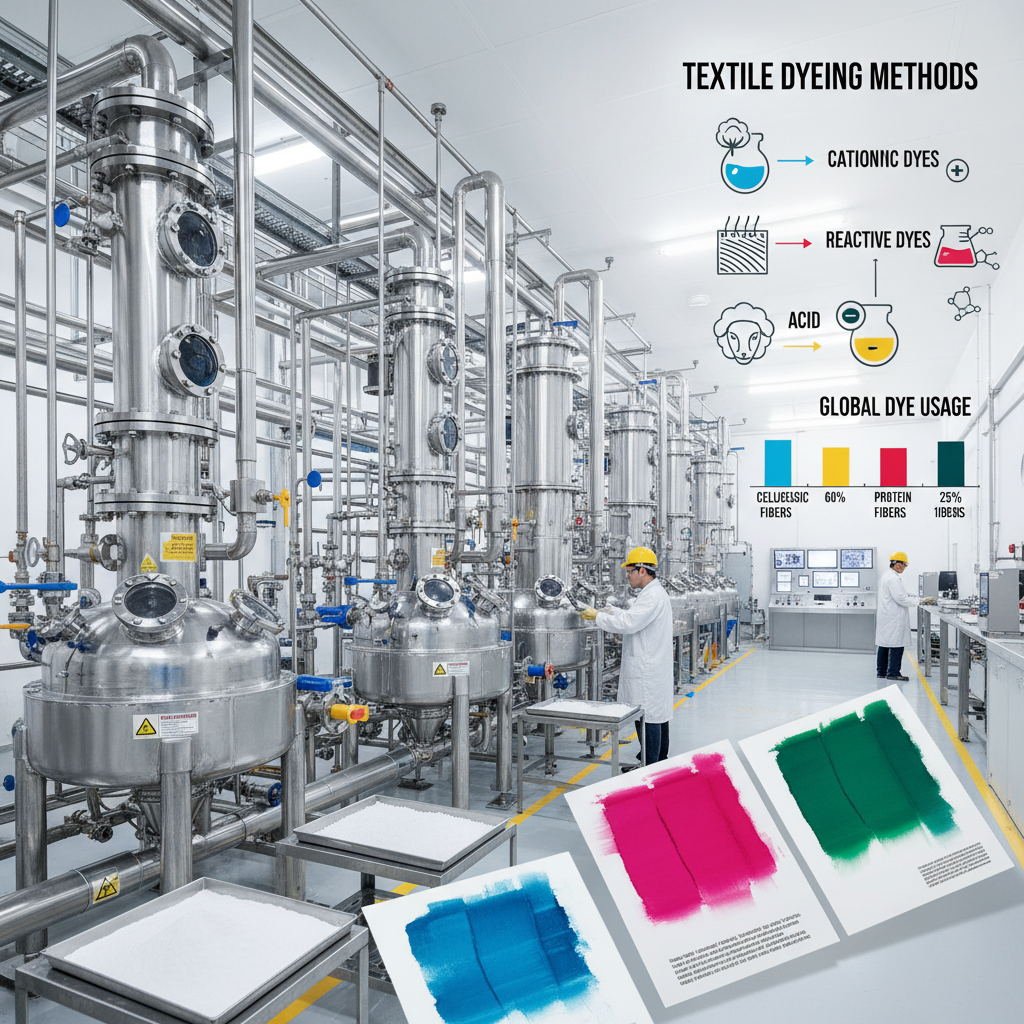
The world of types of dyeing fabric can be broadly classified into several core techniques. These include direct dyes, reactive dyes, vat dyes, disperse dyes, and pigment dyes, each with its own strengths and weaknesses. Direct dyes are relatively simple to apply but generally have lower wash fastness. Reactive dyes form a covalent bond with the fiber, resulting in excellent colorfastness, making them ideal for cotton.
Vat dyes are known for their exceptional durability and are frequently used for workwear and military uniforms. Disperse dyes are specifically designed for synthetic fibers like polyester, while pigment dyes rely on insoluble particles that are fixed to the fabric with a binder. Each of these types of dyeing fabric requires different pre-treatment and post-treatment processes to achieve optimal results.
Furthermore, techniques like solution dyeing (where the dye is incorporated into the fiber during its production) and digital textile printing offer unique advantages in terms of precision, efficiency, and design flexibility. The selection of the appropriate technique depends heavily on factors such as the fiber type, desired colorfastness, and production volume.
Factors Influencing Dyeing Fabric Selection
Several key factors influence the selection of types of dyeing fabric. Fiber composition is paramount – cotton, polyester, nylon, and silk each require different dyeing approaches. Colorfastness requirements, ranging from wash fastness to light fastness, dictate the dye class chosen. The desired shade and intensity of color also play a crucial role, as some dyes offer a wider color gamut than others.
Cost-effectiveness is another significant consideration. Some dyeing methods are more expensive than others due to the cost of the dyes, the complexity of the process, and the energy requirements. Environmental regulations are increasingly impacting dyeing choices, with a growing preference for eco-friendly dyes and processes.
Cost Comparison of Types of Dyeing Fabric Methods
Global Applications of Different Dyeing Methods
The application of different types of dyeing fabric varies significantly across different regions and industries. In countries like India and China, reactive dyeing is widely used for cotton textiles due to its excellent colorfastness and vibrant shades. The fashion industry globally relies heavily on disperse dyeing for polyester fabrics, which are known for their wrinkle resistance and durability.
In the automotive sector, vat dyes are favored for upholstery due to their exceptional lightfastness and resistance to abrasion. The medical textile industry utilizes specialized dyes that meet stringent hygiene and biocompatibility standards. Emerging markets in Southeast Asia are increasingly adopting digital textile printing for its ability to produce intricate designs and reduce water consumption.
Advantages and Long-Term Value of Optimized Dyeing
Optimized types of dyeing fabric processes yield numerous benefits, including reduced water and energy consumption, minimized waste generation, and improved product quality. Selecting the correct dye class and optimizing process parameters can significantly lower production costs and enhance profitability. Furthermore, utilizing eco-friendly dyes and techniques enhances brand reputation and attracts environmentally conscious consumers.
Investing in advanced dyeing technologies, such as automated dosing systems and real-time monitoring equipment, can further improve efficiency and consistency. These improvements translate into long-term value by reducing environmental impact, enhancing product performance, and strengthening customer loyalty.
Future Trends and Innovations in Dyeing Fabric Technologies
The future of types of dyeing fabric is marked by a growing emphasis on sustainability and innovation. Research is focused on developing bio-based dyes derived from renewable resources, reducing reliance on petroleum-based chemicals. Nanotechnology is being explored to enhance dye uptake and improve colorfastness.
Digital textile printing is poised for further growth, offering on-demand production, personalized designs, and reduced waste. Automation and artificial intelligence are being integrated into dyeing processes to optimize parameters, predict outcomes, and minimize errors. These advancements promise to revolutionize the textile industry, creating more efficient, sustainable, and responsive production systems.
Furthermore, advancements in plasma technology are being explored for pre-treatment processes, reducing water and chemical usage. These innovations demonstrate a commitment to reducing the environmental footprint of textile production while enhancing product quality and performance.
Summary of Challenges and Potential Solutions in Dyeing Fabric Technologies
| Challenge |
Impact on Dyeing |
Potential Solution |
Implementation Cost (1-10) |
| High Water Consumption |
Environmental impact, increased costs |
Water recycling systems, low-liquor ratio dyeing |
6 |
| Chemical Waste Generation |
Pollution, health hazards |
Substitution with eco-friendly dyes, waste treatment |
7 |
| Energy Intensive Processes |
High operational costs, carbon emissions |
Heat recovery systems, optimized process control |
5 |
| Uneven Dyeing |
Product defects, reduced quality |
Precise dosing systems, automated process monitoring |
4 |
| Limited Color Gamut |
Restricted design possibilities |
Development of novel dye molecules, digital printing |
8 |
| Dependence on Petroleum-Based Dyes |
Sustainability concerns, price volatility |
Research into bio-based dyes, alternative feedstocks |
9 |
FAQS
Reactive dyes are the most commonly used for cotton due to their excellent colorfastness and washability. Direct dyes are also used but typically offer lower performance. Vat dyes provide exceptional durability but are more complex to apply. The specific choice depends on the desired qualities of the final product, with considerations for cost and environmental impact influencing the decision.
Textile dyeing is a significant contributor to water pollution due to the discharge of untreated wastewater containing dyes and chemicals. The process also consumes substantial amounts of energy. Choosing eco-friendly dyes, implementing water recycling systems, and optimizing process parameters are crucial steps to minimize the environmental impact. Increasingly, regulations are driving industries towards more sustainable practices.
Natural dyes are derived from plants, animals, or minerals, while synthetic dyes are created through chemical synthesis. Natural dyes generally have a lower environmental impact but often have limited color range and lower colorfastness. Synthetic dyes offer a wider range of colors and superior performance but can pose environmental risks if not properly managed.
Improving colorfastness involves several factors, including selecting the appropriate dye class for the fiber type, optimizing the dyeing process parameters (temperature, pH, time), and employing post-treatment techniques such as fixing agents. Proper pre-treatment of the fabric to ensure adequate dye uptake is also essential. Choosing dyes with high inherent colorfastness is the first step.
Digital textile printing uses inkjet technology to apply designs directly onto fabrics. Benefits include on-demand production, reduced waste, intricate designs, and the ability to print short runs cost-effectively. It eliminates the need for traditional screens and requires less water and energy compared to conventional dyeing methods, making it a more sustainable option.
Yes, there are several emerging sustainable alternatives. AirDye technology uses air instead of water to transfer dyes onto fabrics. Plasma technology is being used for pre-treatment processes to reduce water and chemical usage. Research into bio-based dyes derived from agricultural waste or microbial sources is gaining momentum. These innovations hold promise for a more environmentally friendly future for textile dyeing.
Conclusion
In conclusion, a thorough understanding of types of dyeing fabric is fundamental to success in the modern textile industry. From selecting the optimal dye class for a specific fiber to embracing innovative and sustainable technologies, informed decision-making is crucial for achieving high-quality products, minimizing environmental impact, and meeting evolving consumer demands. This knowledge empowers businesses to thrive in a competitive and increasingly conscious marketplace.
Looking ahead, the future of dyeing will be driven by sustainability, innovation, and digitalization. Investing in research and development of eco-friendly dyes, embracing automated process controls, and leveraging data analytics will be essential for remaining competitive. For organizations seeking specialized types of dyeing fabric, we invite you to visit our website at www.yanhongchem.com to explore our comprehensive product offerings and expert solutions.