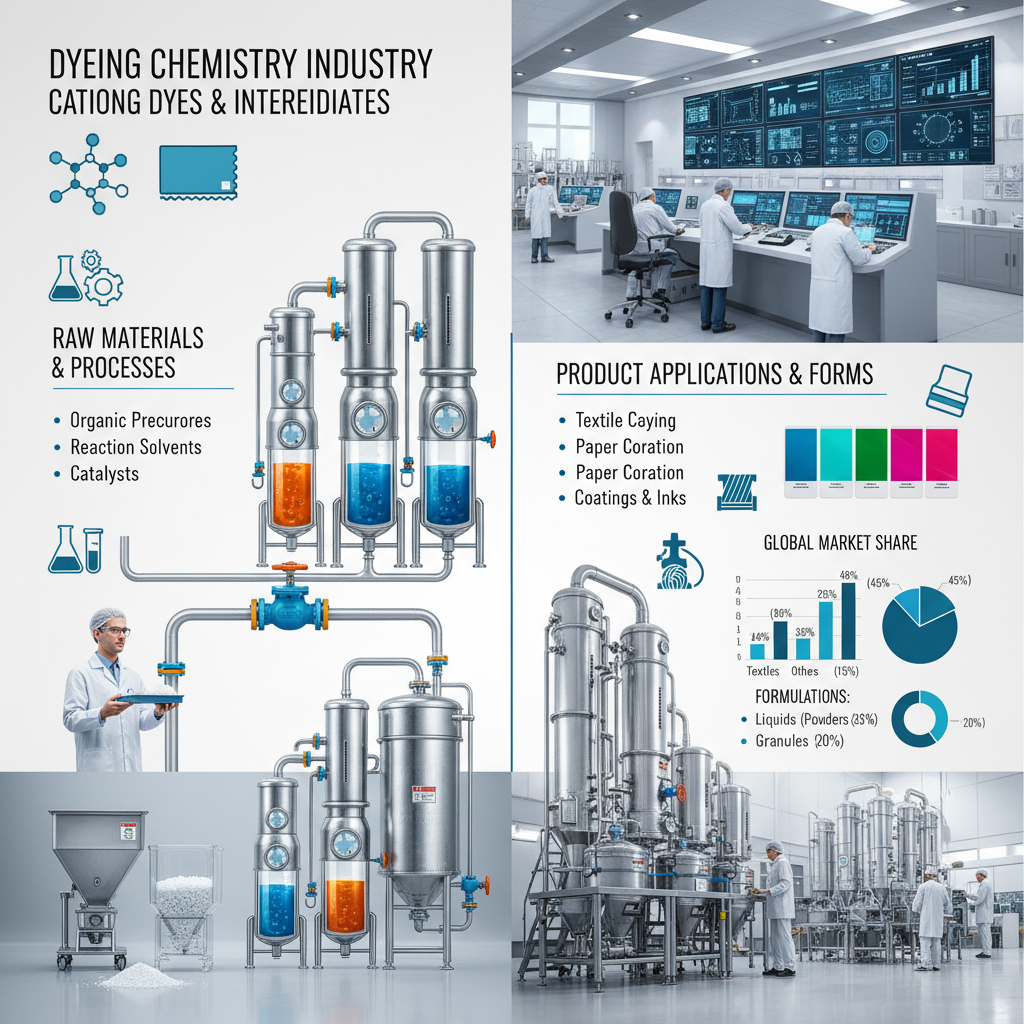
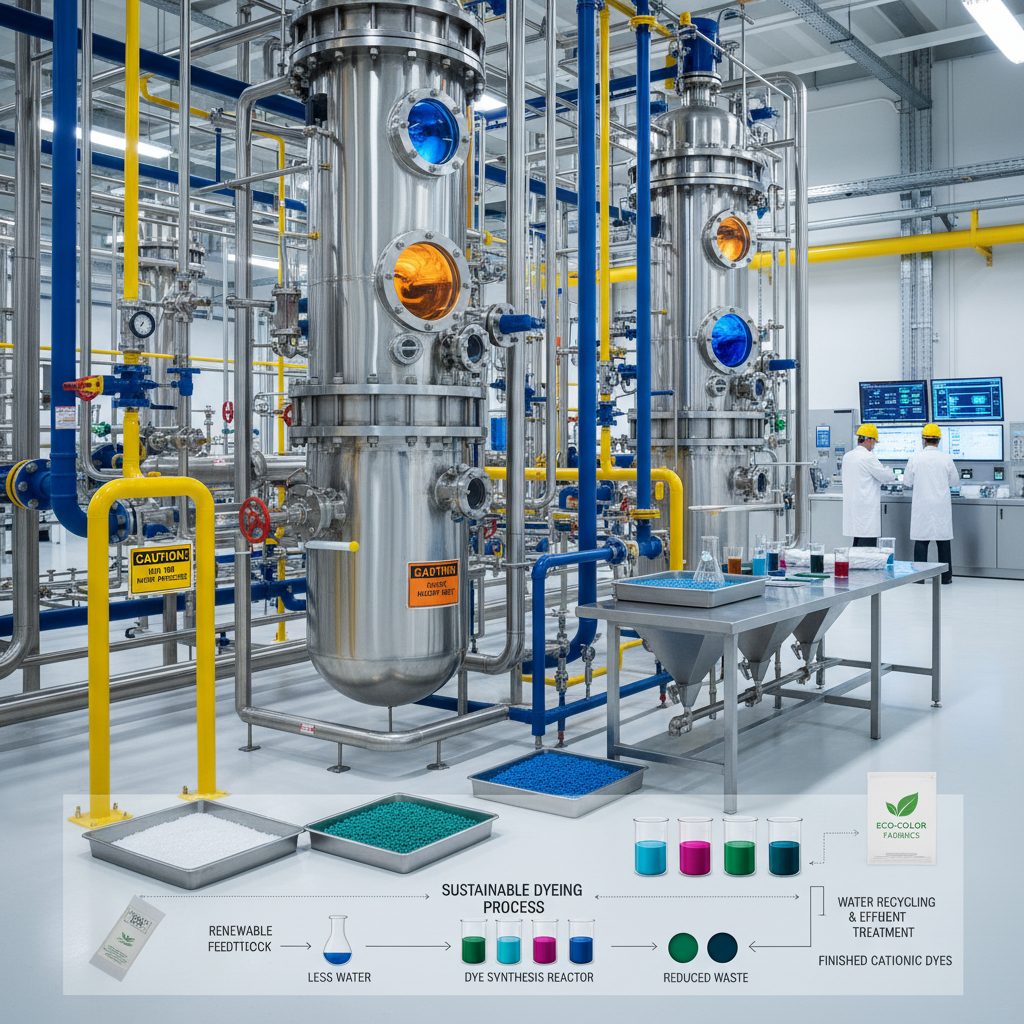
The world of textiles and manufacturing relies heavily on the science of chemical used in dyeing. This isn't merely about achieving vibrant colors; it's a complex field impacting sustainability, cost-effectiveness, and the very quality of the fabrics we use daily. Understanding the intricacies of these chemicals is crucial for industries aiming for innovation and responsible production.
Globally, the textile industry is a multi-trillion-dollar market, with dyeing representing a significant portion of that value. According to the UN Comtrade database, over $100 billion worth of dyes and pigments were traded internationally in 2022. The demand is driven by fashion trends, population growth, and the increasing need for functional textiles. However, traditional dyeing processes often involve substantial water usage and the release of harmful pollutants, posing a significant environmental challenge.
The evolution of chemical used in dyeing is therefore critical. Innovations focusing on reducing environmental impact, improving dye uptake, and enhancing fabric properties are essential for a sustainable future. The exploration of novel dye chemistries and application techniques is paramount to mitigating the environmental and health risks associated with conventional dyeing methods, while still meeting consumer demands for diverse and high-quality textiles.
The Significance of Chemical Used in Dyeing
The application of chemical used in dyeing extends far beyond simply adding color to textiles. It's a critical process in determining the functional properties of fabrics, including their resistance to fading, shrinkage, and microbial growth. The effectiveness of these chemicals directly impacts the longevity and usability of clothing, industrial textiles, and other dyed materials.
Furthermore, the choice of dyes has significant ramifications for environmental sustainability. The textile industry is a major consumer of water and energy, and traditional dyeing methods can release harmful chemicals into waterways. Therefore, the responsible selection and application of chemical used in dyeing is essential for minimizing environmental impact and promoting a circular economy within the textile sector.
Defining Chemical Used in Dyeing
Chemical used in dyeing encompasses a diverse range of organic and inorganic compounds used to impart color to textiles, paper, leather, plastics, and other materials. These chemicals work by forming a chemical bond with the substrate, effectively altering its light absorption properties and creating the perception of color. Different dye classes – such as reactive, direct, vat, and disperse dyes – exhibit varying levels of affinity for different fibers and require specific application techniques.
At its core, the process involves dissolving or dispersing the dye in a suitable medium (often water) and then applying it to the target material. Auxiliary chemicals, like surfactants, leveling agents, and fixing agents, play crucial roles in ensuring uniform dye distribution, improving dye uptake, and enhancing color fastness. The quality of these auxiliary chemicals directly correlates with the overall dyeing process efficiency and final product quality.
Understanding that the concept extends beyond aesthetic appeal; it's integral to industrial processes and even humanitarian needs. Durable, colorfast fabrics are essential for protective clothing, medical textiles, and disaster relief supplies. The proper selection of chemical used in dyeing can therefore contribute to safety, health, and well-being.
Core Components of Dye Chemistry
Dye chemistry revolves around the molecular structure of the dye itself. The chromophore – the portion of the molecule responsible for color – dictates the specific wavelength of light absorbed and, therefore, the perceived color. Auxochromes are functional groups that modify the chromophore, influencing the dye's intensity and solubility. Understanding these components is fundamental to tailoring dyes for specific applications.
Fiber-reactive dyes, for instance, contain groups that form covalent bonds with cellulose fibers like cotton. Direct dyes have a natural affinity for cellulosic fibers due to intermolecular forces. Vat dyes are insoluble in water and require a reduction process to become soluble before application, then are oxidized to become insoluble within the fiber. Disperse dyes are designed for synthetic fibers, like polyester, and are applied as a fine dispersion. Each type interacts differently with various materials, impacting the dyeing process.
The choice of dye class is further influenced by factors such as cost, fastness requirements, and environmental considerations. The development of eco-friendly dye chemistries and sustainable application techniques is a major focus of current research and innovation in the field of chemical used in dyeing.
Key Factors Influencing Dye Performance
Several key factors influence how effectively chemical used in dyeing perform. Dye solubility and dispersion are critical; uneven distribution leads to blotchy or inconsistent coloring. Temperature, pH, and the presence of electrolytes significantly affect dye uptake and fixation. These parameters must be carefully controlled to achieve optimal results.
Furthermore, the chemical structure of the fiber itself plays a vital role. Natural fibers like cotton and wool have different surface properties and chemical compositions than synthetic fibers like polyester and nylon, necessitating different dyeing approaches and dye types. The presence of impurities or finishes on the fabric can also hinder dye penetration and affect color fastness.
Comparative Performance of Chemical Used in Dyeing Methods
Global Applications and Industry Impact
The applications of chemical used in dyeing are incredibly diverse, spanning industries from fashion and apparel to automotive, healthcare, and home furnishings. The fashion industry remains the largest consumer, demanding a wide spectrum of colors and finishes. Technical textiles, used in applications like filtration, protective clothing, and medical implants, require dyes with specific performance characteristics, such as UV resistance and antimicrobial properties.
In regions like Asia, particularly China, India, and Bangladesh, the textile industry is a major economic driver, with significant demand for dyes and pigments. Europe and North America focus on innovation and sustainable dyeing practices, driving the development of eco-friendly dye chemistries. The industry benefits organizations like the Textile Exchange and the Sustainable Apparel Coalition, which promote responsible sourcing and production practices.
Advantages and Long-Term Value Proposition
Utilizing advanced chemical used in dyeing offers tangible benefits: reduced water consumption through optimized dye uptake, lower energy costs due to shorter dyeing cycles, and minimized waste through precise color matching. These factors translate into significant cost savings for manufacturers. Moreover, adopting sustainable dyeing practices enhances brand reputation and appeals to environmentally conscious consumers.
Beyond economic gains, investing in high-quality dyes ensures product durability and longevity. Colorfastness and resistance to fading contribute to customer satisfaction and reduce the need for frequent replacements. The emphasis on safety and compliance with regulations, like REACH, provides peace of mind and builds trust with stakeholders.
Future Trends and Innovations in Dyeing
The future of chemical used in dyeing is driven by sustainability and technological advancement. Research into bio-based dyes derived from renewable resources, such as plants and microorganisms, is gaining momentum. Digital printing technologies, offering precise color control and minimal waste, are becoming increasingly prevalent.
Nanotechnology is also playing a role, with nanoparticles being used to enhance dye uptake and improve color fastness. The integration of artificial intelligence (AI) and machine learning (ML) is enabling predictive modeling of dyeing processes, optimizing parameters for maximum efficiency and minimal environmental impact. These innovations are shaping a more sustainable and efficient future for the textile industry.
Furthermore, advancements in plasma technology are allowing for dye fixation without the use of harsh chemicals, representing a significant leap towards cleaner production processes. The development of closed-loop dyeing systems, where water and chemicals are recycled, will further minimize environmental impact.
Challenges and Solutions
Despite advancements, challenges remain in the field of chemical used in dyeing. The cost of sustainable dyes can be higher than conventional alternatives, hindering widespread adoption. Ensuring consistent dye performance across different batches and production runs can be difficult. Regulatory compliance and the management of hazardous chemicals pose ongoing concerns.
Solutions include investing in research and development to lower the cost of sustainable dyes, implementing robust quality control measures, and promoting collaboration between manufacturers, suppliers, and regulatory bodies. Adopting circular economy principles, such as dye recycling and waste valorization, can also mitigate environmental impact.
Table: Comparative Analysis of Dyeing Challenges and Solutions
Comparative Analysis of Dyeing Challenges and Solutions
| Challenge |
Impact on Production |
Potential Solution |
Implementation Cost (1-10) |
| High Water Consumption |
Increased operational costs, environmental concerns. |
Closed-loop water recycling systems. |
7 |
| Waste Water Pollution |
Environmental damage, regulatory fines. |
Advanced wastewater treatment technologies. |
8 |
| Cost of Sustainable Dyes |
Reduced profitability, slower adoption rates. |
Government subsidies, increased R&D. |
6 |
| Color Consistency Issues |
Product defects, customer dissatisfaction. |
Automated color matching systems. |
5 |
| Regulatory Compliance |
Legal penalties, market access restrictions. |
Proactive chemical management programs. |
4 |
| Limited Dye Options for Specific Fibers |
Restricted design choices, material limitations. |
Development of novel dye chemistries. |
7 |
FAQS
Choosing environmentally friendly options involves selecting dyes with low toxicity, high biodegradability, and reduced water usage. Reactive dyes, when used with optimized processes, can be relatively eco-friendly. Bio-based dyes derived from natural sources are another promising avenue. Prioritizing dyes certified by organizations like OEKO-TEX also ensures responsible production. Furthermore, employing technologies such as digital printing which significantly reduces water consumption and dye waste can improve the overall sustainability.
The fiber composition of a fabric drastically influences the dye selection process. Natural fibers like cotton and wool require different dye classes compared to synthetic fibers like polyester or nylon. For instance, reactive dyes excel on cellulosic fibers (cotton, linen), while disperse dyes are optimized for polyester. Incorrect dye selection leads to poor color uptake, reduced fastness properties, and potential damage to the fabric. Understanding fiber properties is paramount.
Achieving excellent color fastness—resistance to fading or bleeding—requires a multi-faceted approach. This includes proper dye selection suited for the fabric, accurate application of dyeing parameters (temperature, pH, time), and the use of fixing agents that enhance dye-fiber bonding. Thorough washing and rinsing post-dyeing also remove unfixed dye, improving fastness. Fabric preparation is essential to enhance dye penetration.
Minimizing water usage involves several strategies. Employing low liquor ratio dyeing machines drastically reduces water consumption. Utilizing optimized dyeing cycles and precise chemical dosing minimizes water needed for rinsing. Implementing water recycling systems allows treated wastewater to be reused in subsequent dyeing batches. Digital textile printing significantly reduces water usage compared to conventional methods. Choosing dyes that require less water for application also plays a role.
Auxiliary chemicals are vital for optimizing the dyeing process. Surfactants improve dye solubility and wetting, ensuring even distribution. Leveling agents promote uniform dye absorption, preventing uneven coloration. Fixing agents enhance dye-fiber bonding, improving color fastness. Chelating agents remove metal ions that can interfere with dye uptake. Selection of appropriate auxiliaries is critical for achieving desired results.
Key regulatory standards include REACH (Registration, Evaluation, Authorisation and Restriction of Chemicals) in Europe and similar regulations in other regions. Compliance involves carefully selecting dyes and chemicals that meet these standards, maintaining accurate records of chemical usage, and conducting regular testing to ensure products do not contain restricted substances. Certifications like OEKO-TEX Standard 100 demonstrate adherence to strict chemical safety standards.
Conclusion
In conclusion, chemical used in dyeing is a complex and critical field impacting industries globally. From ensuring vibrant colors and durable fabrics to driving sustainable practices and complying with stringent regulations, a thorough understanding of dye chemistry is paramount. The future hinges on innovation – bio-based dyes, advanced application technologies, and closed-loop systems – to minimize environmental impact and maximize efficiency.
Investing in research, adopting responsible sourcing practices, and embracing cutting-edge technologies are essential for a thriving and sustainable textile industry. Visit our website at www.yanhongchem.com to explore our range of high-quality dyes and chemical solutions tailored to meet your specific needs, and contribute to a more vibrant and sustainable future for the textile industry.