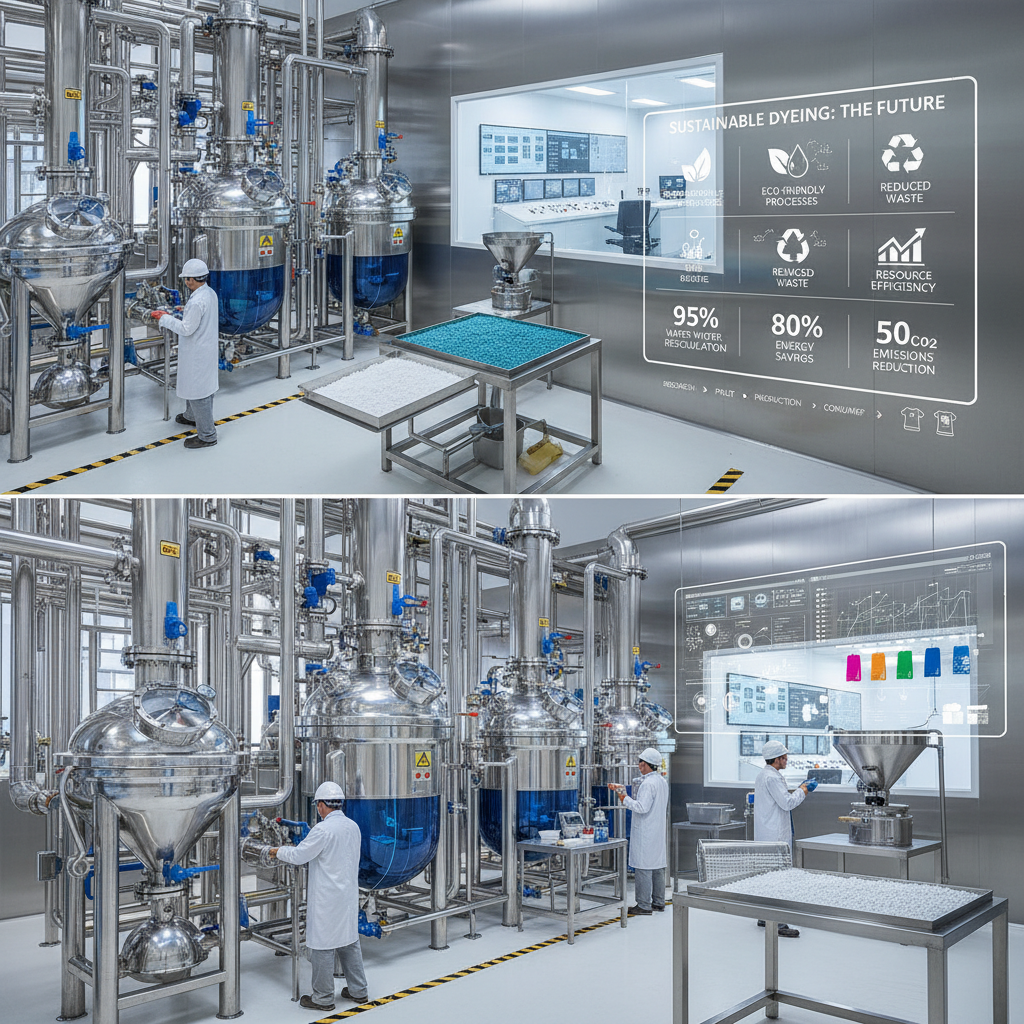
Sustainable dyeing is revolutionizing the textile industry, addressing growing environmental concerns and consumer demand for eco-friendly products. Traditionally, textile dyeing has been a highly polluting process, consuming vast amounts of water and releasing harmful chemicals into ecosystems. The shift towards sustainable dyeing practices offers a pathway to minimize this impact, promoting responsible production and consumption patterns. Understanding the principles and advancements in this field is crucial for businesses, policymakers, and consumers alike.
The global textile industry is a significant contributor to water pollution, with dyeing and finishing processes being major culprits. The United Nations Environment Programme estimates that the industry is responsible for 20% of global industrial water pollution. Furthermore, the use of hazardous chemicals poses risks to both human health and the environment. sustainable dyeing presents a viable solution to mitigate these challenges, aligning with Sustainable Development Goal 6 (Clean Water and Sanitation) and Goal 12 (Responsible Consumption and Production).
The benefits of embracing sustainable dyeing extend beyond environmental protection. It fosters innovation, enhances brand reputation, and opens new market opportunities. Companies that prioritize sustainability are increasingly favored by conscious consumers, demonstrating the economic advantages of adopting environmentally responsible practices. A deeper understanding of sustainable dyeing empowers stakeholders to make informed decisions and contribute to a more sustainable textile future.
The Significance of Sustainable Dyeing
The textile dyeing industry faces increasing scrutiny due to its environmental impact. Traditional methods rely on large volumes of water, energy, and harmful chemicals, leading to pollution and resource depletion. Sustainable dyeing offers a solution by minimizing these negative effects through innovative technologies and responsible practices. This approach not only benefits the environment but also addresses ethical concerns related to worker health and safety.
The move towards sustainability isn’t merely an environmental imperative, but also a business opportunity. Consumers are increasingly demanding transparency and accountability from brands, favoring those that demonstrate a commitment to responsible manufacturing. Investing in sustainable dyeing can enhance brand image, attract environmentally conscious customers, and create a competitive advantage in the marketplace.
Defining Sustainable Dyeing Practices
Sustainable dyeing encompasses a range of practices aimed at reducing the environmental footprint of textile coloring. At its core, it involves minimizing water consumption, using eco-friendly dyes and chemicals, and reducing energy usage throughout the dyeing process. It's a holistic approach that considers the entire lifecycle of the dye, from sourcing raw materials to disposing of waste products.
This definition extends beyond simply swapping conventional dyes for ‘green’ alternatives. It incorporates process optimization, closed-loop systems, and innovative technologies like supercritical carbon dioxide dyeing and plasma dyeing. Furthermore, it requires a commitment to fair labor practices and responsible supply chain management, ensuring ethical considerations are integrated into every stage of production.
Sustainable dyeing is intrinsically linked to the principles of circular economy, seeking to minimize waste and maximize resource utilization. This means designing dyes for recyclability, implementing water recycling systems, and finding innovative ways to reuse or repurpose dye waste.
Core Components of Sustainable Dyeing
One of the fundamental components of sustainable dyeing is water conservation. Traditional dyeing processes consume enormous quantities of water, often leading to water stress in manufacturing regions. Sustainable approaches prioritize water recycling, using closed-loop systems, and implementing waterless dyeing technologies to significantly reduce water usage.
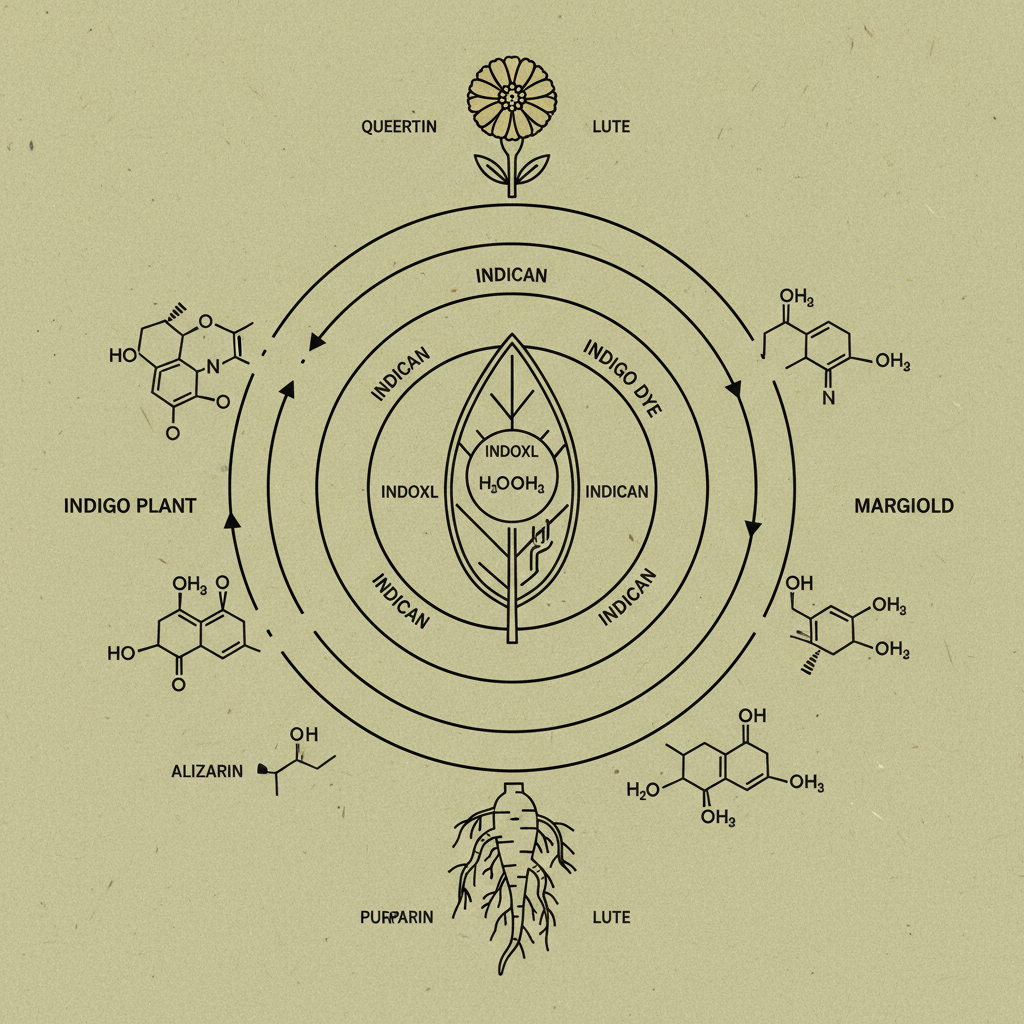
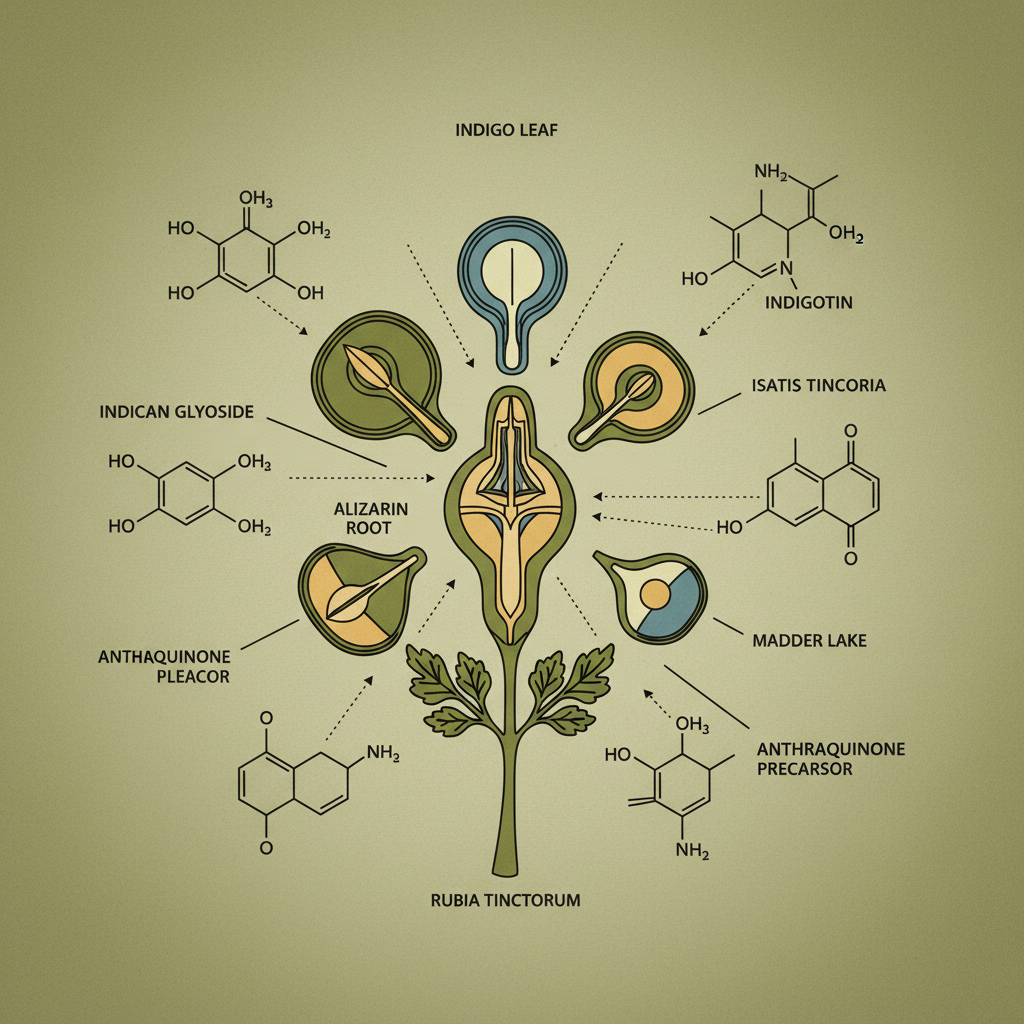
The selection of dyes and chemicals is another critical aspect. Sustainable dyeing emphasizes the use of non-toxic, biodegradable dyes derived from renewable resources. This includes natural dyes, low-impact synthetic dyes, and dyes that meet stringent environmental certifications like Oeko-Tex Standard 100. Reducing reliance on heavy metals and harmful chemical additives is paramount.
Energy efficiency is also central to sustainable dyeing. Optimizing dyeing processes, utilizing renewable energy sources, and implementing heat recovery systems can dramatically reduce the carbon footprint of textile manufacturing. Furthermore, exploring alternative dyeing methods, such as ultrasonic dyeing, can minimize energy consumption.
Global Applications and Real-World Use Cases
Sustainable dyeing is gaining traction across various industries globally, from fashion and apparel to home textiles and technical fabrics. Leading brands like Patagonia and Eileen Fisher have embraced sustainable dyeing practices to minimize their environmental impact and appeal to conscious consumers. In Europe, the European Union’s Chemical Strategy for Sustainability aims to promote the use of safer and more sustainable chemicals in textile production, including dyes.
In developing countries, particularly in regions heavily reliant on textile manufacturing, sustainable dyeing initiatives are crucial for protecting water resources and improving worker health. Organizations like the Zero Discharge of Hazardous Chemicals (ZDHC) Programme are working with brands and suppliers to eliminate hazardous chemicals from the textile supply chain, driving the adoption of sustainable dyeing practices in countries like Bangladesh, India, and Vietnam.
Furthermore, sustainable dyeing technologies are being deployed in niche applications such as military uniforms and protective clothing, where performance and durability are paramount. Innovative dyeing methods are enabling the creation of high-performance textiles with minimal environmental impact, showcasing the versatility of sustainable dyeing solutions.
Comparison of Different sustainable dyeing Methods
Advantages and Long-Term Value Proposition
The benefits of adopting sustainable dyeing practices are multifaceted. Tangible advantages include reduced water consumption, lower energy costs, and minimized waste generation. By implementing closed-loop systems and utilizing eco-friendly dyes, companies can significantly reduce their operational expenses and improve resource efficiency.
Beyond the economic benefits, sustainable dyeing offers substantial environmental and social value. It minimizes pollution, protects water resources, and reduces the risks associated with hazardous chemicals. It also promotes fair labor practices and improves worker health and safety, enhancing brand reputation and fostering consumer trust.
Future Trends and Innovative Technologies
The future of sustainable dyeing is driven by ongoing innovation and technological advancements. Research into bio-based dyes derived from agricultural waste and microorganisms is gaining momentum, offering a sustainable alternative to conventional dyes. Digital printing technologies, which use significantly less water and energy than traditional dyeing methods, are also becoming increasingly prevalent.
Furthermore, the integration of artificial intelligence (AI) and machine learning (ML) into dyeing processes is optimizing color matching, reducing dye waste, and improving process control. These technologies are enabling real-time monitoring and adjustments, leading to more efficient and sustainable dyeing operations.
Challenges and Paths to Implementation
Despite the numerous benefits, the widespread adoption of sustainable dyeing faces several challenges. The cost of eco-friendly dyes and technologies can be higher than conventional alternatives, posing a barrier for some manufacturers. Furthermore, the complexity of supply chains and the lack of standardized certifications can make it difficult to ensure transparency and traceability.
To overcome these challenges, collaborative efforts are needed across the entire textile industry. Investing in research and development to reduce the cost of sustainable dyes and technologies is crucial. Developing standardized certifications and promoting transparency throughout the supply chain will build consumer trust and incentivize sustainable practices.
Government policies and regulations also play a vital role in driving the transition towards sustainable dyeing. Incentivizing the adoption of eco-friendly technologies and imposing stricter regulations on the use of hazardous chemicals can create a level playing field and accelerate the adoption of sustainable practices.
Summary of Factors Influencing Sustainable Dyeing Implementation
| Factor |
Impact Level (1-10) |
Implementation Difficulty (1-10) |
Cost Estimate (USD) |
| Raw Material Sourcing |
8 |
6 |
5,000 - 20,000 |
| Dyeing Technology Adoption |
9 |
7 |
10,000 - 50,000 |
| Water Management Systems |
7 |
5 |
2,000 - 15,000 |
| Waste Treatment & Recycling |
6 |
4 |
3,000 - 10,000 |
| Employee Training & Education |
5 |
3 |
1,000 - 5,000 |
| Certification & Compliance |
4 |
2 |
500 - 2,000 |
FAQS
Sustainable dyeing significantly reduces water consumption, minimizes pollution from harmful chemicals, and lowers energy usage. By utilizing eco-friendly dyes and implementing closed-loop systems, it helps protect water resources, reduces greenhouse gas emissions, and promotes biodiversity. It's a crucial step towards a more circular and regenerative textile industry, lessening the overall environmental burden of fashion.
Initially, the upfront costs of implementing sustainable dyeing practices can be higher due to the investment in new technologies and eco-friendly dyes. However, over the long term, sustainable dyeing can lead to cost savings through reduced water and energy consumption, lower waste disposal fees, and improved resource efficiency. Furthermore, the increasing demand for sustainable products often allows brands to command premium pricing.
Several certifications verify sustainable dyeing practices, including Oeko-Tex Standard 100, which ensures textiles are free from harmful substances; the bluesign® system, which focuses on resource productivity and environmental protection throughout the entire textile supply chain; and the Global Organic Textile Standard (GOTS), which covers the processing, manufacturing, and labeling of organic textiles. These certifications provide transparency and credibility to consumers.
While natural dyes offer compelling environmental benefits, scaling up their production for large-scale manufacturing poses challenges related to consistency, colorfastness, and sourcing. However, ongoing research and technological advancements are addressing these limitations. Combining natural dyes with innovative mordanting techniques and exploring new sources of natural colorants are paving the way for their wider adoption.
Technology is pivotal in driving sustainable dyeing forward. Digital printing, supercritical carbon dioxide dyeing, plasma dyeing, and AI-powered process optimization are all transforming the industry. These innovations minimize water and energy consumption, reduce dye waste, and improve color accuracy, enabling more efficient and environmentally responsible dyeing practices.
Consumers can support sustainable dyeing by choosing brands that prioritize transparency and environmental responsibility. Look for certifications like GOTS and bluesign®, and opt for garments made from sustainably sourced materials. Washing clothes less frequently, using cold water, and air-drying can also reduce the environmental impact of textile care, extending the lifespan of garments.
Conclusion
Sustainable dyeing represents a critical shift in the textile industry, moving away from environmentally damaging practices towards a more responsible and circular approach. By embracing innovation, prioritizing resource efficiency, and fostering collaboration across the supply chain, we can minimize the environmental impact of textile coloring and create a more sustainable future for the industry. The benefits extend beyond environmental protection, encompassing economic advantages, improved worker health, and enhanced brand reputation.
Looking ahead, continued investment in research and development, coupled with supportive government policies and increased consumer awareness, will be essential for accelerating the adoption of sustainable dyeing practices. YanHong Chemical is committed to providing innovative solutions and supporting businesses in their journey towards a more sustainable textile industry. Embracing sustainable dyeing is not just a responsible choice, but a strategic imperative for long-term success.