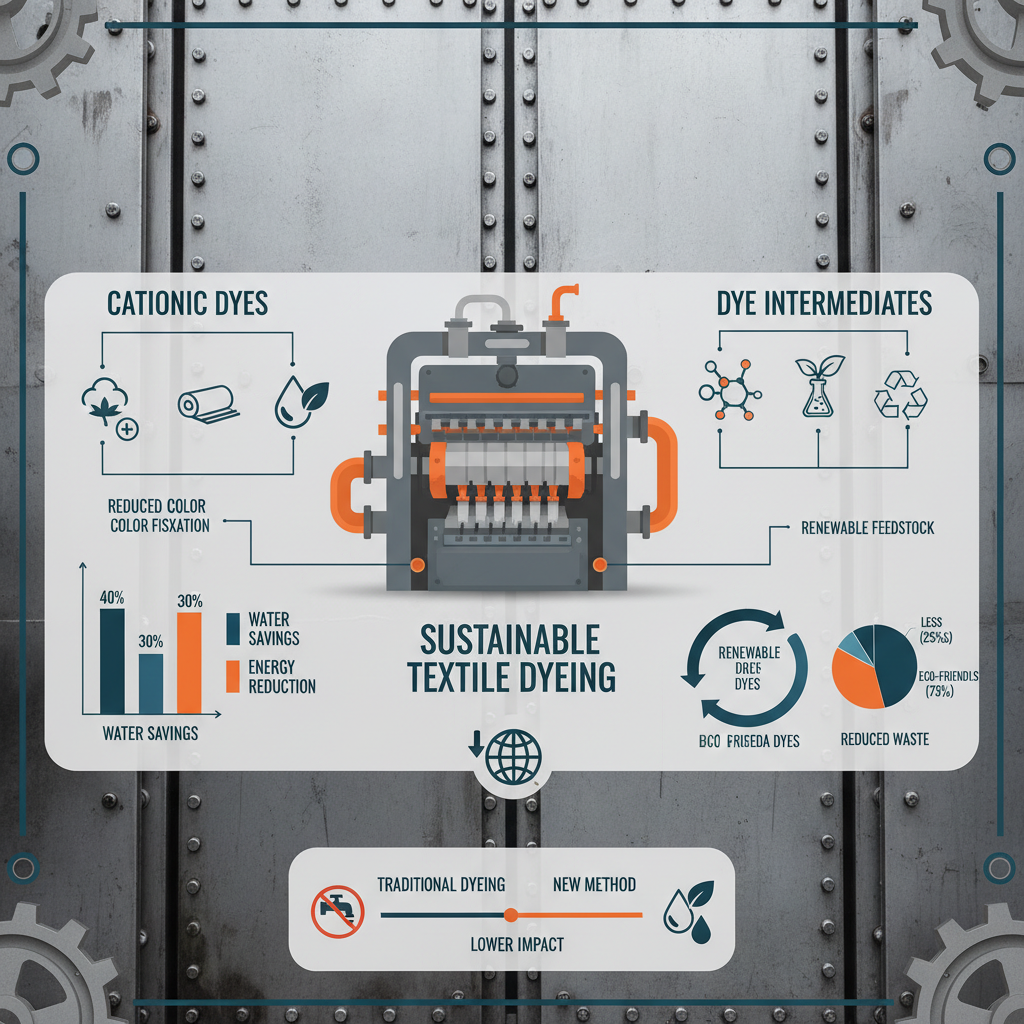
Sustainable textile dyeing is rapidly gaining prominence as a critical component of a more environmentally responsible fashion industry. Historically, textile dyeing has been a significant contributor to water pollution, chemical waste, and energy consumption. However, increasing awareness of these impacts, coupled with growing consumer demand for eco-friendly products, is driving innovation and adoption of more sustainable practices. Understanding the nuances of sustainable textile dyeing is vital for businesses, policymakers, and consumers alike, offering a pathway to minimizing environmental harm and fostering a circular economy.
The global textile industry faces mounting pressure to reduce its environmental footprint. The United Nations Environment Programme (UNEP) estimates that the fashion industry is responsible for 10% of global carbon emissions and uses approximately 93 billion cubic meters of water annually. Traditional dyeing processes often rely on hazardous chemicals, many of which are released into waterways, impacting ecosystems and human health. Addressing these issues requires a fundamental shift towards sustainable textile dyeing methods.
Investing in and implementing sustainable textile dyeing solutions isn't just an environmental imperative; it's also a business opportunity. Consumers are increasingly willing to pay a premium for ethically and sustainably produced goods. Moreover, embracing innovative dyeing technologies can lead to cost savings through reduced water and energy usage, and lower waste disposal fees. This shift is crucial for ensuring the long-term viability of the textile industry.
Introduction: Global or Industry Context
The textile industry is a cornerstone of global commerce, providing livelihoods for millions and fulfilling a fundamental human need for clothing. However, conventional textile production, and specifically dyeing processes, have historically presented significant environmental challenges. The volume of water used, the discharge of toxic chemicals, and the energy consumed all contribute to a substantial ecological impact. sustainable textile dyeing seeks to mitigate these issues.
The scale of the problem is immense. The World Bank estimates that the textile industry is the second-largest industrial polluter of water globally. Many traditional dyeing methods utilize heavy metals and persistent organic pollutants (POPs) that bioaccumulate in the food chain and pose risks to both human and ecological health. Furthermore, the reliance on fossil fuels for energy in many textile-producing regions exacerbates climate change.
Definition & Meaning
Sustainable textile dyeing, at its core, refers to the application of dyeing processes that minimize environmental harm, conserve resources, and protect human health. This encompasses a holistic approach, from the selection of dyes and auxiliaries to the management of water and energy consumption. It's not simply about using 'eco-friendly' dyes, but about optimizing the entire dyeing process for sustainability.
This concept directly connects to the broader goals of the circular economy, aiming to reduce waste and pollution, keep products and materials in use for longer, and regenerate natural systems. It’s also intertwined with ethical sourcing and fair labor practices within the textile supply chain. Modern humanitarian needs increasingly demand environmentally responsible production methods, and sustainable textile dyeing is a key element in meeting that demand.
Essentially, it’s a paradigm shift – moving away from a linear ‘take-make-dispose’ model to a closed-loop system where resources are valued and waste is minimized. This means adopting innovative technologies, embracing responsible chemical management, and fostering transparency throughout the supply chain.
Key Factors or Core Components
Several core components underpin effective sustainable textile dyeing. Firstly, dye chemistry plays a crucial role. Selecting dyes with low toxicity, high fixation rates (minimizing dye loss in wastewater), and biodegradability is paramount. Secondly, water management is essential; this involves reducing water consumption through techniques like low-liquor-ratio dyeing, wastewater treatment, and water recycling.
Thirdly, energy efficiency is a key consideration. Utilizing renewable energy sources, optimizing dyeing temperatures, and employing energy-saving machinery can significantly reduce the carbon footprint of dyeing processes. Fourthly, auxiliary chemical management requires careful selection of chemicals used in preparation, dyeing, and finishing processes, favoring those with minimal environmental impact. These four areas are fundamental to achieving meaningful progress in sustainable textile dyeing.
Finally, process optimization and technological innovation continuously push the boundaries of what's possible. Digital printing, supercritical carbon dioxide dyeing, and plasma treatment are examples of emerging technologies that offer promising solutions for reducing environmental impact and enhancing efficiency. Implementing these components requires a commitment to ongoing research and development.
Global Applications & Use Cases
The principles of sustainable textile dyeing are being applied across various regions and industries. In Europe, stringent environmental regulations, such as the EU Ecolabel, are driving the adoption of cleaner dyeing technologies. Similarly, in North America, consumer demand for sustainable brands is pushing manufacturers to prioritize eco-friendly practices.
In Asia, particularly in countries like China and India, which are major textile manufacturing hubs, there’s a growing awareness of the environmental consequences of traditional dyeing processes. Governments are implementing stricter pollution control measures, and companies are investing in cleaner production technologies. The adoption of sustainable textile dyeing is being promoted through industry collaborations and government incentives.
Furthermore, sustainable textile dyeing solutions are finding applications in specialized sectors, such as the production of eco-friendly sportswear, organic cotton clothing, and technical textiles for medical applications. Even in post-disaster relief operations, the use of sustainably dyed fabrics can minimize the environmental impact of providing essential clothing and shelter.
Comparison of Sustainable Textile Dyeing Methods
Advantages & Long-Term Value
The advantages of adopting sustainable textile dyeing extend far beyond environmental benefits. Cost savings are often realized through reduced water and energy consumption, as well as lower waste disposal costs. The implementation of efficient dyeing processes and the use of less-toxic chemicals can also lead to reduced operating expenses.
From a social impact perspective, sustainable textile dyeing contributes to improved worker safety and health by minimizing exposure to hazardous chemicals. It supports fair labor practices and promotes ethical sourcing of materials. Consumers are increasingly drawn to brands that demonstrate a commitment to sustainability, fostering brand loyalty and enhancing reputation. The emotional appeal of supporting responsible production practices should not be underestimated.
Future Trends & Innovations
The future of sustainable textile dyeing is bright, driven by ongoing innovation and technological advancements. Research into bio-based dyes, derived from renewable sources like agricultural waste and microorganisms, is gaining momentum. Digital textile printing, which minimizes water and dye usage, is becoming increasingly sophisticated and accessible.
Furthermore, the integration of artificial intelligence (AI) and machine learning (ML) can optimize dyeing processes, predict dye uptake, and reduce waste. The rise of blockchain technology offers enhanced traceability and transparency in the supply chain, allowing consumers to verify the sustainability claims of textile products. The use of green energy sources, such as solar and wind power, will further reduce the carbon footprint of textile dyeing.
Challenges & Solutions
Despite the progress made, several challenges remain in widespread adoption of sustainable textile dyeing. The initial investment costs for new technologies can be a barrier for smaller manufacturers. The limited availability of sustainably sourced dyes and auxiliaries can also pose a challenge.
To overcome these hurdles, collaborative efforts are needed. Governments can incentivize the adoption of cleaner technologies through tax breaks and subsidies. Industry collaborations can facilitate the sharing of best practices and the development of sustainable supply chains. Investing in research and development is crucial for driving down the cost of sustainable dyes and auxiliaries and improving their performance.
Ultimately, a holistic approach that addresses the entire textile value chain is essential. This includes promoting circular economy principles, encouraging responsible consumption, and fostering transparency and accountability throughout the industry. sustainable textile dyeing requires commitment from all stakeholders.
Summary of Key Challenges and Potential Solutions for Sustainable Textile Dyeing
| Challenge |
Impact Level (1-5) |
Potential Solution |
Implementation Cost (1-5) |
| High Initial Investment |
4 |
Government Subsidies & Tax Incentives |
3 |
| Limited Sustainable Dye Availability |
3 |
Invest in Bio-Based Dye Research & Development |
4 |
| Water Usage & Wastewater Treatment |
5 |
Implement Closed-Loop Water Recycling Systems |
3 |
| Energy Consumption |
4 |
Transition to Renewable Energy Sources |
2 |
| Lack of Transparency in Supply Chain |
3 |
Blockchain Technology for Traceability |
4 |
| Consumer Awareness |
2 |
Educational Campaigns & Sustainable Labeling |
1 |
FAQS
Sustainable textile dyeing drastically reduces water pollution by minimizing the discharge of harmful chemicals. It also lowers energy consumption through efficient processes and the use of renewable energy sources. Additionally, it promotes the use of biodegradable and less-toxic dyes, reducing the overall environmental impact of textile production and contributing to healthier ecosystems. The reduced reliance on synthetic chemicals minimizes harm to both aquatic life and human health.
While initial investment in new technologies can be higher, sustainable textile dyeing often leads to long-term cost savings. These savings come from reduced water and energy usage, lower waste disposal fees, and potential for resource recovery. Furthermore, the increased demand for sustainable products allows for premium pricing, offsetting some of the initial costs. Streamlined processes and efficient dye uptake also contribute to lower overall production expenses.
Several certifications can help you identify sustainably dyed textiles. Look for certifications like OEKO-TEX Standard 100, which ensures textiles are free from harmful substances. The Global Organic Textile Standard (GOTS) certifies both the organic status of textiles and the environmental and social criteria throughout the entire supply chain. Bluesign certification focuses on responsible use of resources and minimizing environmental impact in textile manufacturing.
Sustainable dyeing methods are increasingly adaptable to a wide range of fabrics, including cotton, polyester, nylon, and wool. However, the specific techniques and dyes used may vary depending on the fiber type. For example, natural dyes are particularly well-suited for cellulose fibers like cotton and linen, while innovative processes are being developed to improve the sustainability of dyeing synthetic fabrics. Ongoing research is expanding the applicability of sustainable methods to all fabric types.
Innovation is critical for advancing sustainable textile dyeing. Research into bio-based dyes, plasma treatment, supercritical CO2 dyeing, and AI-powered process optimization is continuously pushing the boundaries of what’s possible. The development of closed-loop systems, waterless dyeing technologies, and more efficient dye formulations will be essential for minimizing the environmental impact of textile production. Digital textile printing also has a significant role to play in reducing water and dye consumption.
Consumers can support sustainable textile dyeing by choosing brands that prioritize transparency and environmental responsibility. Look for certifications like GOTS and OEKO-TEX, and consider purchasing clothing made from sustainably sourced materials. Reducing consumption, extending the lifespan of garments through proper care and repair, and supporting textile recycling initiatives are also important steps. Educating yourself and advocating for more sustainable practices can collectively drive positive change.
Conclusion
Sustainable textile dyeing represents a crucial shift towards a more responsible and environmentally conscious fashion industry. By embracing innovative technologies, prioritizing resource efficiency, and adopting circular economy principles, we can significantly reduce the environmental impact of textile production. The benefits extend beyond environmental protection to encompass economic advantages, improved worker safety, and enhanced brand reputation.
Looking ahead, continued investment in research and development, coupled with collaborative efforts among governments, industry stakeholders, and consumers, will be vital for accelerating the adoption of sustainable dyeing practices. The future of fashion hinges on our ability to create a closed-loop system that values resources, minimizes waste, and safeguards the planet for future generations. Learn more about our commitment to sustainable solutions at www.yanhongchem.com.