The textile industry is a significant contributor to global pollution, largely due to the conventional dyeing processes. These often rely on harsh chemicals and consume vast amounts of water, posing risks to both the environment and human health. Increasingly, consumers and brands alike are seeking more sustainable alternatives, driving the demand for eco friendly textile dyes. Understanding these dyes – their benefits, applications, and future potential – is crucial for building a more responsible and sustainable textile industry.
The shift towards eco friendly textile dyes isn't merely a trend; it's a necessary evolution. Concerns around water scarcity, toxic waste disposal, and the ethical treatment of workers are prompting stricter regulations and greater transparency in supply chains. This necessitates a transition from traditional dyeing methods to innovative, sustainable solutions that minimize environmental impact while maintaining quality and performance.
Ultimately, embracing eco friendly textile dyes is an investment in a healthier planet and a more equitable future. It’s about balancing economic growth with environmental stewardship and social responsibility, offering a pathway towards a circular and sustainable textile economy.
Introduction to eco friendly textile dyes
Traditional textile dyeing is a resource-intensive process, often relying on synthetic dyes derived from petroleum. These dyes can release harmful chemicals into waterways, impacting aquatic ecosystems and potentially human health. eco friendly textile dyes, however, offer a sustainable alternative by utilizing natural sources or employing innovative chemical processes with significantly reduced environmental impact.
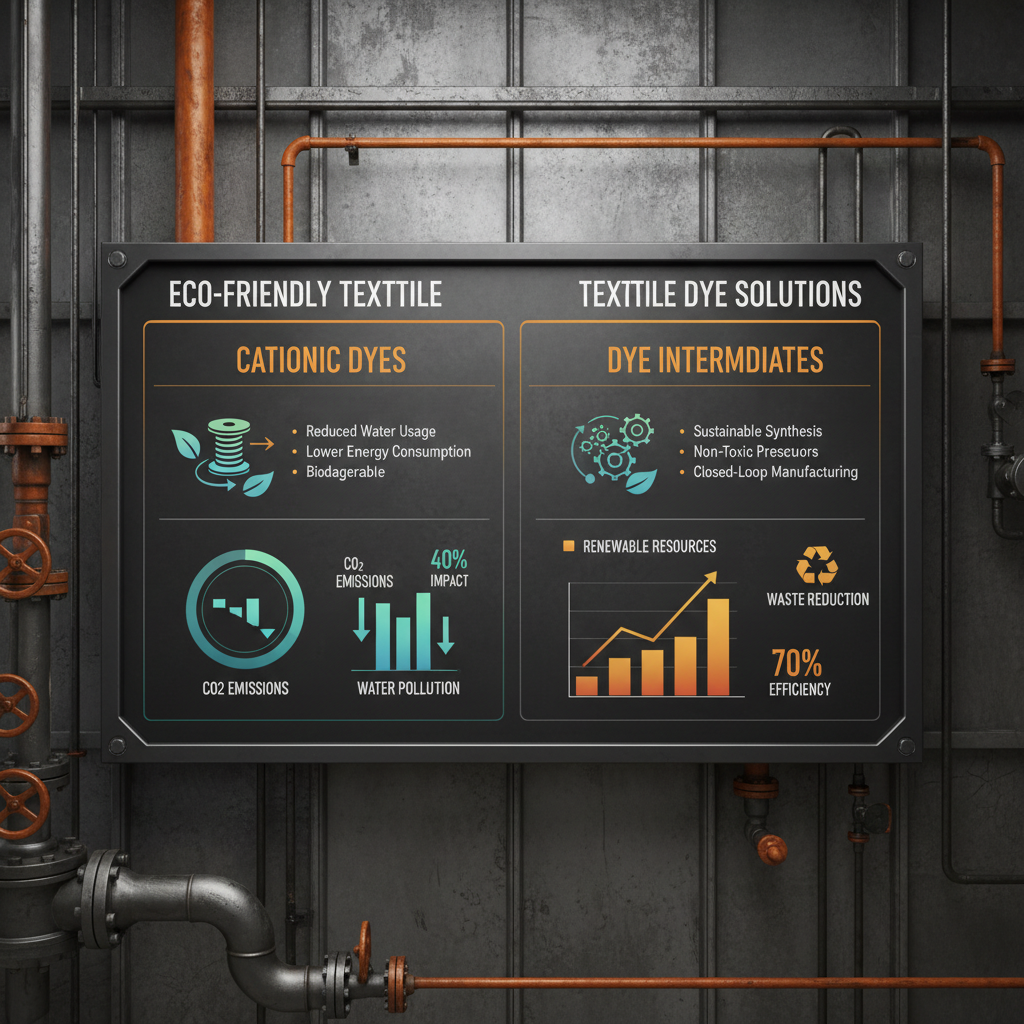
The core principle behind eco friendly textile dyes is minimizing the ecological footprint of textile production. This includes reducing water consumption, eliminating toxic chemicals, lowering energy usage, and promoting biodegradability. These dyes aren't simply about replacing one chemical with another; they represent a holistic approach to textile manufacturing that prioritizes sustainability at every stage.
Global Relevance and Industry Challenges
The global textile industry is a multi-trillion dollar market, with a significant portion of production concentrated in countries with less stringent environmental regulations. This contributes to a disproportionate amount of pollution and resource depletion. The United Nations Environment Programme (UNEP) estimates that the textile industry is responsible for around 20% of global industrial water pollution. This makes the adoption of eco friendly textile dyes a critical step towards achieving Sustainable Development Goal 6 (Clean Water and Sanitation) and Goal 12 (Responsible Consumption and Production).
However, the transition to eco friendly textile dyes isn't without its challenges. Cost can be a significant barrier, as some eco-friendly options are currently more expensive than conventional dyes. Performance characteristics, such as colorfastness and washability, also need to be carefully considered to ensure they meet industry standards. Furthermore, scalability and reliable supply chains are essential for widespread adoption.
Addressing these challenges requires collaboration across the entire textile value chain – from dye manufacturers and textile mills to brands and consumers. Investment in research and development, supportive government policies, and increased consumer awareness are all crucial for driving the widespread adoption of sustainable dyeing practices.
Defining eco friendly Textile Dyes
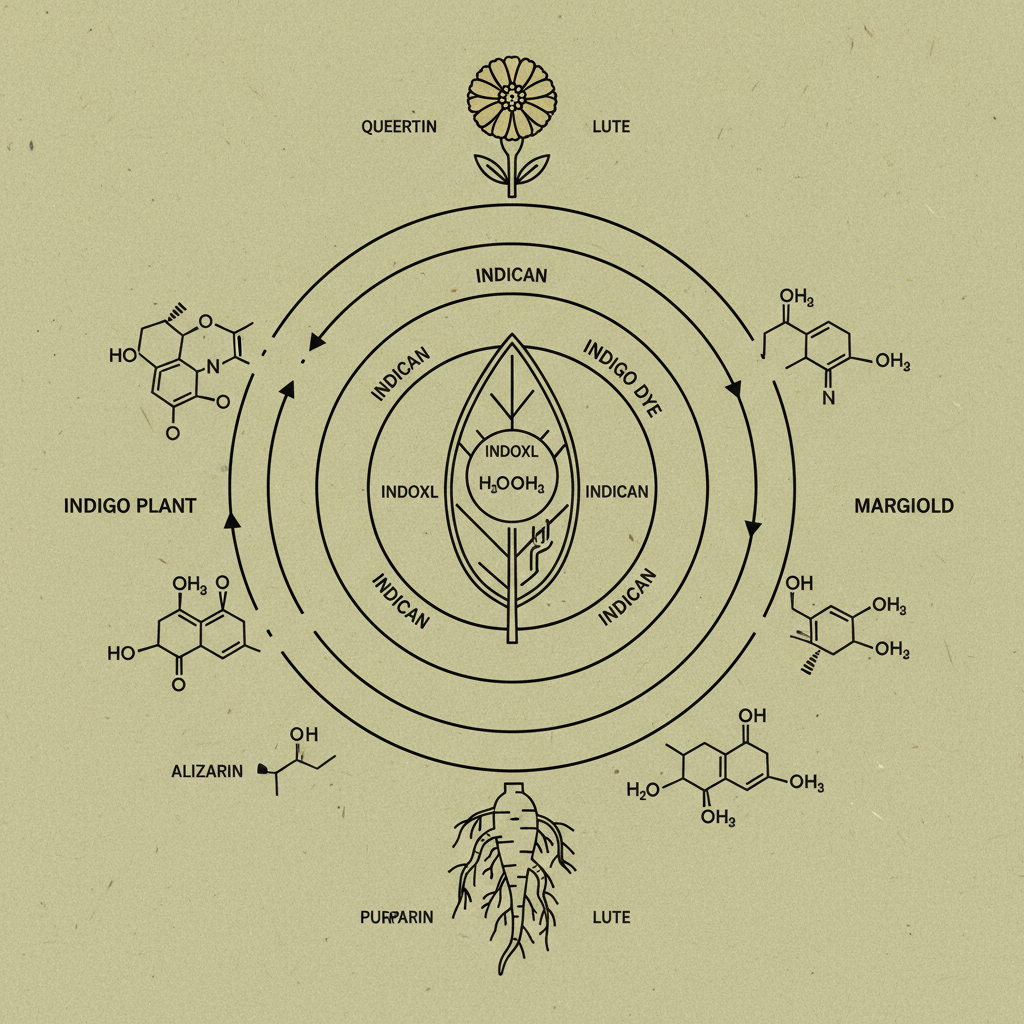
Eco friendly textile dyes are colorants used in the dyeing process that have a minimal adverse impact on the environment and human health. This encompasses a range of dyes derived from natural sources (like plants, insects, and minerals) as well as synthetically produced dyes that adhere to strict environmental standards. Crucially, these dyes avoid the use of harmful chemicals such as azo dyes, formaldehyde, and heavy metals.
The definition extends beyond just the chemical composition of the dye. It also considers the entire lifecycle of the dye, including its production, application, and disposal. This includes factors like water usage, energy consumption, waste generation, and biodegradability. Certifications like GOTS (Global Organic Textile Standard) and OEKO-TEX Standard 100 play a vital role in verifying the environmental credentials of these dyes.
The growing demand for eco friendly textile dyes reflects a broader shift towards circular economy principles within the fashion industry. It's about minimizing waste, maximizing resource utilization, and creating a more sustainable and ethical textile supply chain that meets the needs of present and future generations.
Key Factors of eco friendly Textile Dyes
Several key factors differentiate eco friendly textile dyes from their conventional counterparts. These include biodegradability, toxicity, water usage, energy consumption, and colorfastness. Each aspect plays a crucial role in determining the overall environmental impact and performance of the dye.
These factors aren’t independent; they’re interconnected. For instance, dyes requiring less energy to fixate often translate to lower carbon emissions. Similarly, improved colorfastness reduces the need for frequent re-dyeing, conserving resources over the garment’s lifespan.
Comparison of eco friendly textile dyes Methods
Applications and Use Cases
Eco friendly textile dyes are finding increasing application across a wide spectrum of textile products, from apparel and home furnishings to industrial fabrics and technical textiles. The organic clothing sector has been a particularly strong early adopter, driven by consumer demand for sustainable fashion.
Beyond fashion, eco friendly textile dyes are being utilized in niche applications like medical textiles, where minimizing chemical residues is paramount, and in outdoor gear, where durability and environmental responsibility are equally important. Growing demand from brands committed to sustainability is further expanding the application areas.
Advantages and Long-Term Value
The advantages of adopting eco friendly textile dyes extend far beyond environmental benefits. Reduced water consumption translates to lower operational costs, while the elimination of hazardous chemicals improves worker safety and reduces the risk of costly regulatory penalties. From a brand perspective, utilizing these dyes enhances reputation and appeals to increasingly eco-conscious consumers.
The long-term value lies in building a more resilient and sustainable textile industry. By minimizing environmental impact, eco friendly textile dyes contribute to the preservation of natural resources and the health of ecosystems, ensuring the long-term viability of the industry itself. This investment fosters innovation, boosts brand trust, and ultimately creates a more responsible and ethical supply chain.
Future Trends and Innovations
The future of eco friendly textile dyes is brimming with innovation. Research is focused on developing novel dyes from renewable sources, such as agricultural waste and algae, and on optimizing existing synthetic dyes to minimize their environmental impact. Biotechnology is also playing a growing role, with enzymes and microorganisms being used to catalyze dyeing processes with lower energy consumption and reduced chemical usage.
Digital printing technologies, coupled with eco friendly textile dyes, offer the potential for on-demand production, reducing waste and enabling greater design flexibility. Furthermore, advancements in dye fixation techniques, such as plasma treatment and ultrasonic methods, are improving colorfastness and reducing water usage.
Policy changes, such as extended producer responsibility schemes and stricter regulations on textile waste, will also drive innovation and adoption of sustainable dyeing practices.
Summary of Key Factors for Evaluating eco friendly Textile Dye Solutions
| Dye Type |
Environmental Impact Score (1-10) |
Cost Competitiveness (1-10) |
Colorfastness Rating (1-10) |
| Natural Indigo |
9 |
4 |
7 |
| Turmeric Dye |
8.5 |
5 |
6 |
| Low Impact Reactive Dye |
7 |
6 |
8 |
| Sustainable Vat Dye |
6.5 |
7 |
9 |
| Water-Based Pigment Dye |
5 |
8 |
5 |
| Bio-Based Synthetic Dye |
7.5 |
6.5 |
7.5 |
FAQS
Natural dyes are derived from plant, animal, or mineral sources, offering excellent biodegradability and lower toxicity. However, they can sometimes have limited color ranges and potentially lower colorfastness compared to synthetics. Synthetic eco friendly dyes, while manufactured, are designed to minimize environmental impact by excluding harmful chemicals and optimizing production processes. They often offer superior color performance and wider availability, but require careful management of their lifecycle.
Historically, eco friendly dyes have often been more expensive, primarily due to lower production volumes and more complex manufacturing processes. However, as demand increases and economies of scale are achieved, the price gap is narrowing. Additionally, the long-term cost savings associated with reduced water usage, waste disposal, and regulatory compliance can offset the initial higher price.
Look for certifications like GOTS (Global Organic Textile Standard), OEKO-TEX Standard 100, and Bluesign. These certifications independently verify that the dye meets stringent environmental and safety standards. Additionally, requesting a Material Safety Data Sheet (MSDS) from the dye manufacturer can provide detailed information about the dye’s chemical composition and potential hazards.
While the color range of natural dyes is sometimes limited, advancements in synthetic eco friendly dye technologies are continuously expanding the palette available. Modern eco friendly dye formulations can achieve vibrant and diverse colors comparable to those obtained with conventional dyes, offering designers a wide range of creative options.
Water is a critical factor. Eco friendly processes prioritize minimizing water consumption through techniques like low-liquor ratio dyeing, water recycling, and innovative dyeing technologies. Reducing water usage not only conserves a valuable resource but also minimizes wastewater discharge and associated pollution. Choosing dyes that require less water in the dyeing process is also essential.
The transition involves a phased approach. Start by conducting a thorough assessment of current dyeing processes and identifying areas for improvement. Invest in training for staff on handling and applying eco friendly dyes. Collaborate with dye suppliers to find suitable alternatives and gradually replace conventional dyes. Finally, prioritize water and energy efficiency measures throughout the dyeing process.
Conclusion
Eco friendly textile dyes represent a vital shift towards a more sustainable and responsible textile industry. By minimizing environmental impact, protecting human health, and promoting ethical practices, these dyes offer a compelling alternative to conventional methods. From reducing water consumption and eliminating harmful chemicals to fostering innovation and enhancing brand reputation, the benefits are multifaceted and far-reaching.
The future of textile dyeing lies in continuous innovation and collaboration across the entire supply chain. Investing in research and development, adopting circular economy principles, and raising consumer awareness are crucial steps towards accelerating the adoption of eco friendly textile dyes. Visit our website at www.yanhongchem.com to learn more about our range of sustainable dye solutions and how we can help you create a more environmentally friendly textile future.