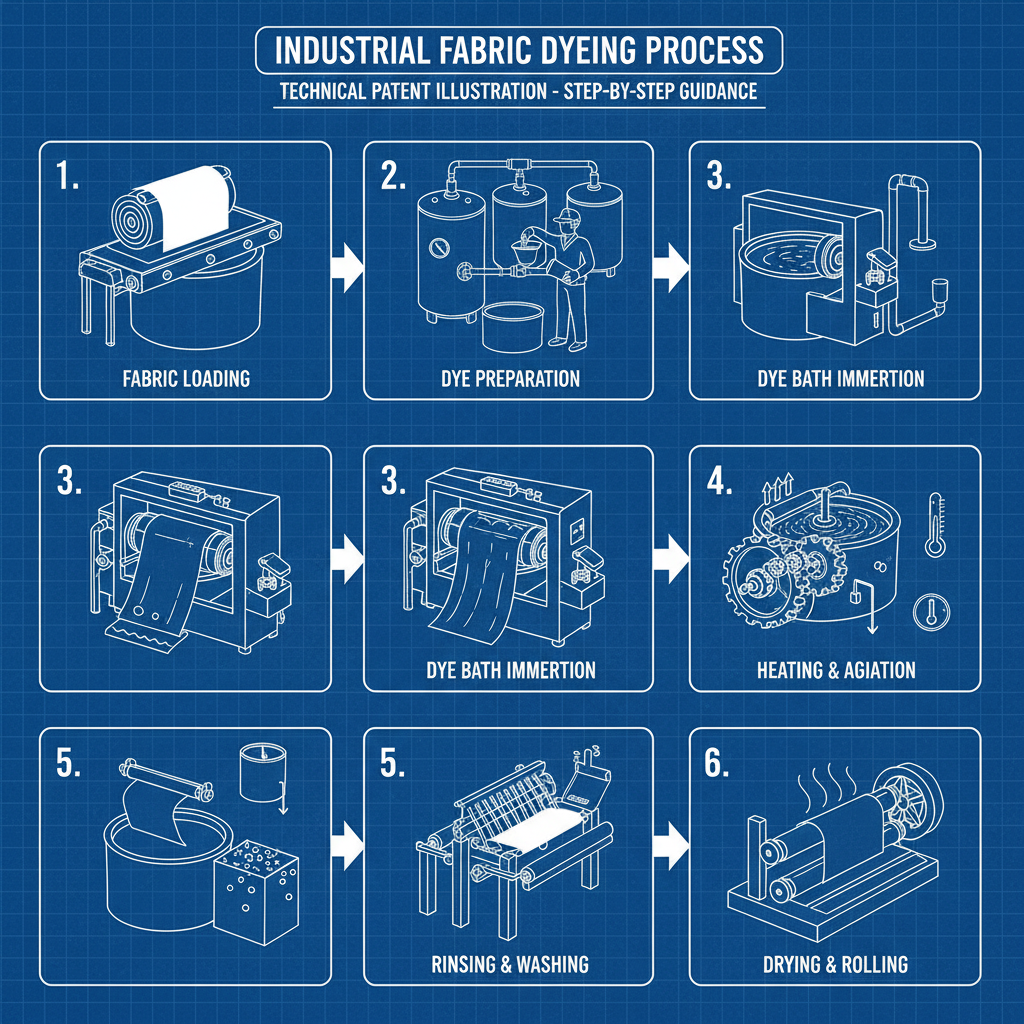
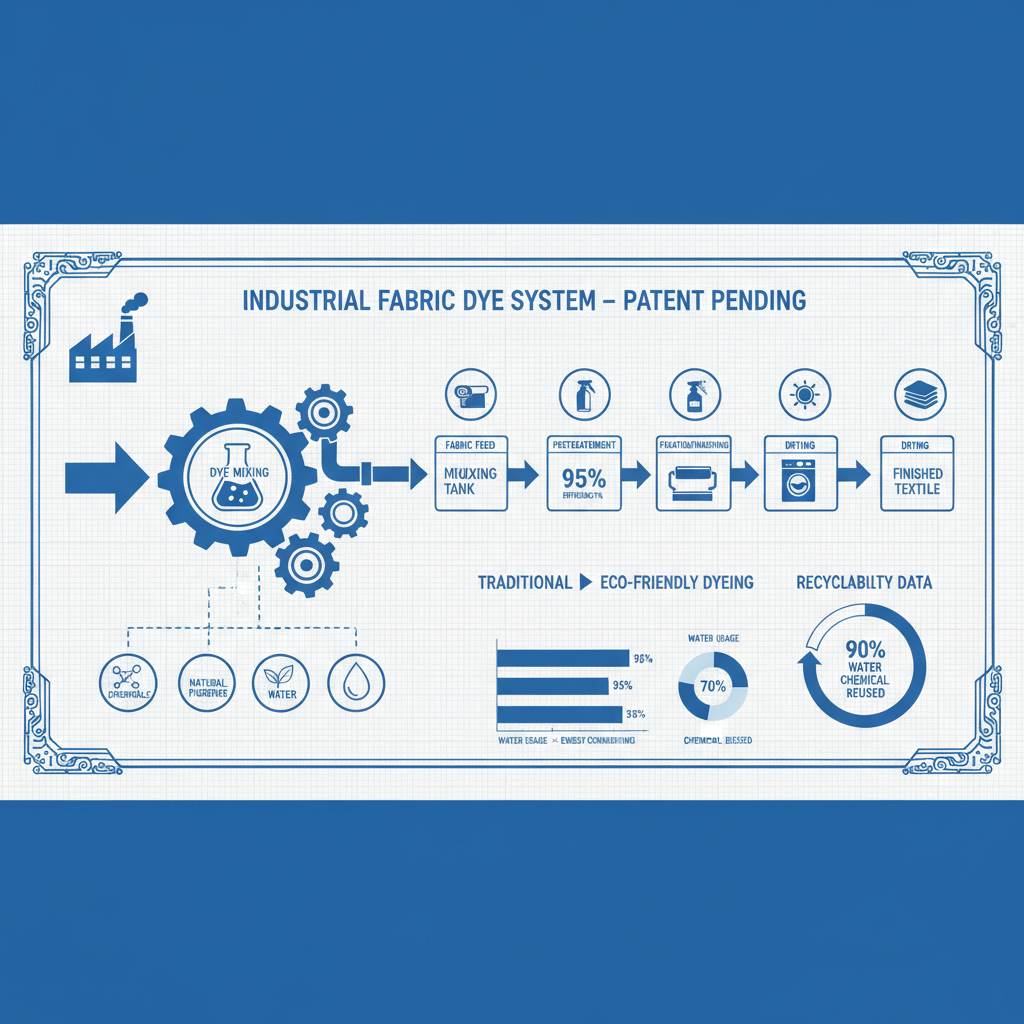
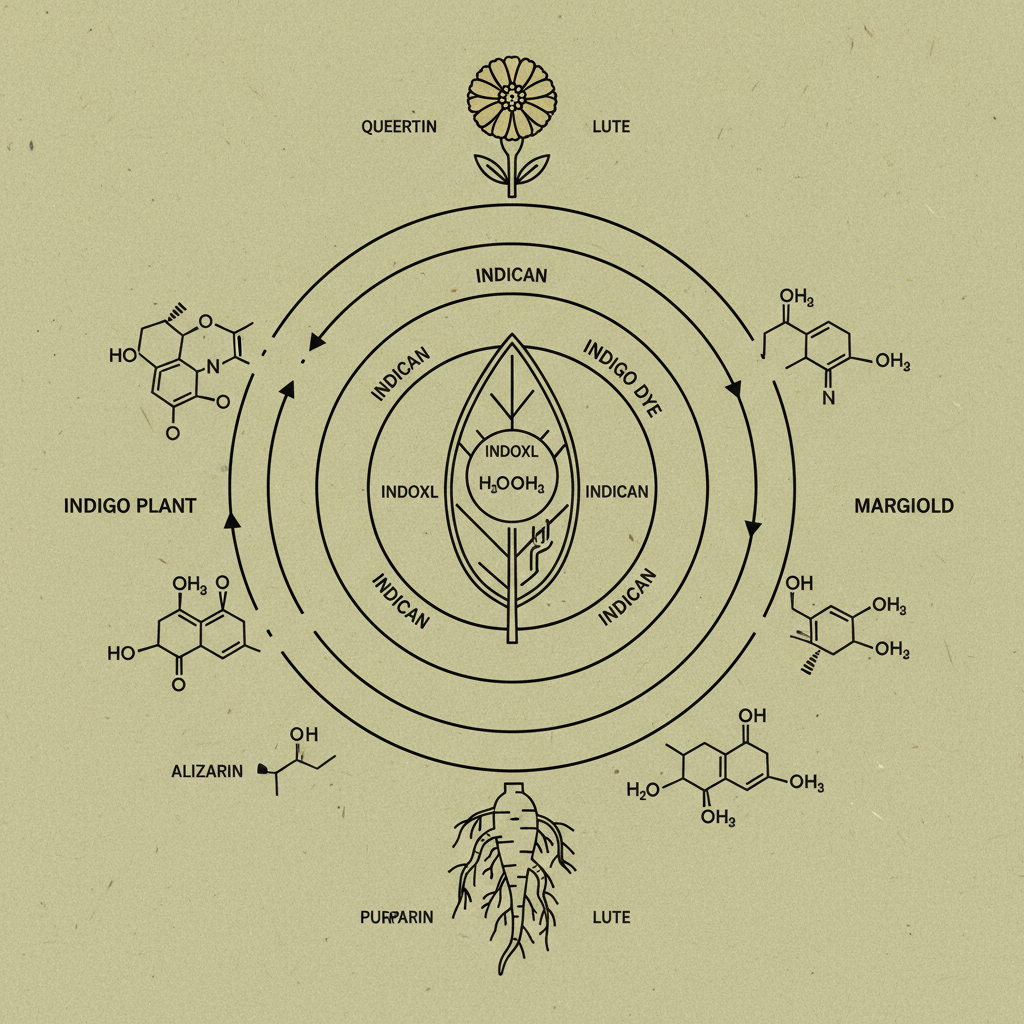
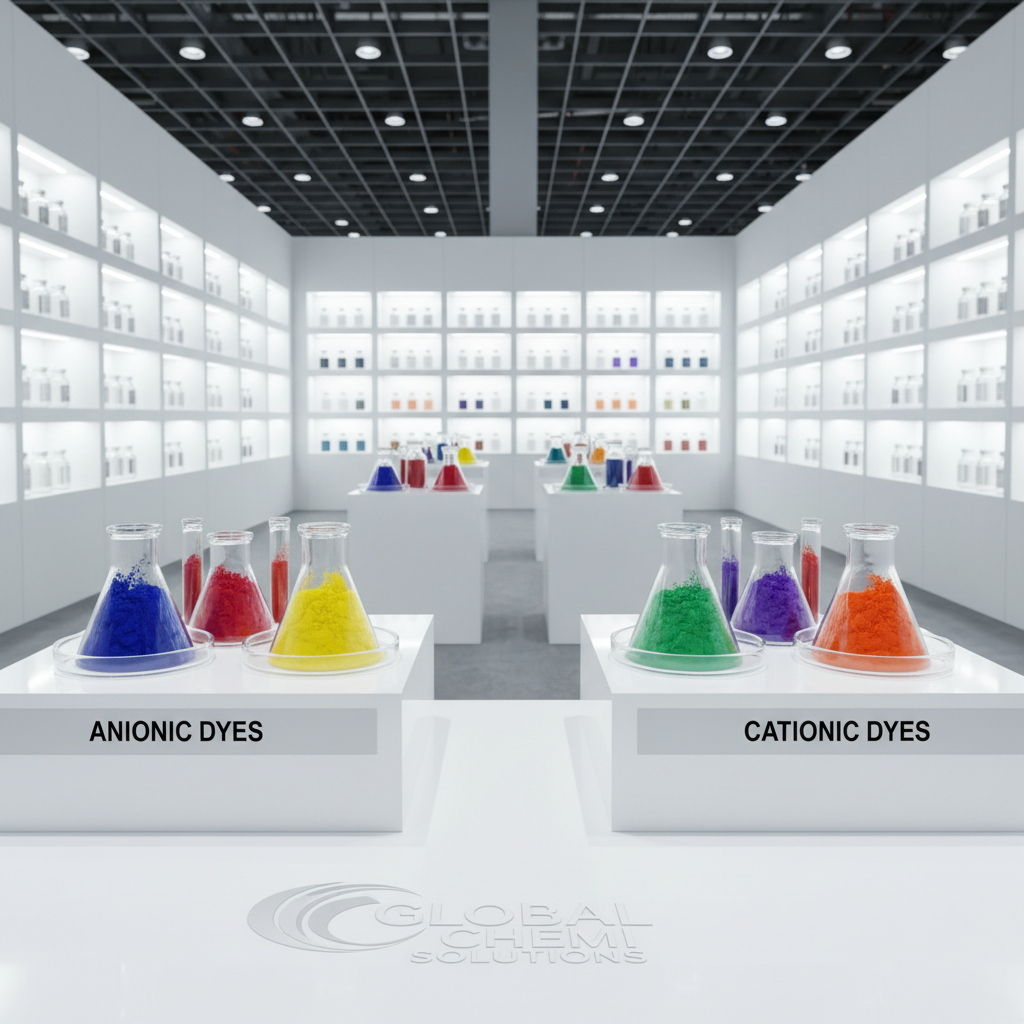
Industrial fabric dye plays a critical role in a vast array of industries globally, from textiles and apparel to technical applications like filtration and protective clothing. Its importance stems from the need to impart color, enhance performance characteristics, and meet aesthetic demands across diverse product lines. The increasing focus on sustainability and regulatory compliance is driving innovation in dye chemistry and application processes, presenting both challenges and opportunities for manufacturers and consumers alike.
The global market for industrial fabric dye is substantial and continues to grow, fueled by population increase, rising disposable incomes, and evolving fashion trends. Data from organizations like the UN and the World Bank indicate a consistently high demand for textiles, requiring substantial dye inputs. However, this demand also presents significant environmental concerns related to water usage, effluent discharge, and the use of potentially harmful chemicals. Understanding the nuances of industrial fabric dye is crucial for responsible sourcing, efficient production, and minimizing environmental impact.
The effective utilization of industrial fabric dye is not merely about aesthetics; it’s intrinsically linked to the functionality and longevity of countless products. From ensuring the durability of workwear to enabling the safety features of protective gear, the quality and application of dye profoundly impact product performance and consumer safety. Continuous advancements are being made to address these critical factors.
Introduction to industrial fabric dye
Industrial fabric dye encompasses a broad spectrum of colorants used to impart color to textiles and other fabrics on a large scale. Unlike artisanal or small-batch dyeing, industrial processes prioritize efficiency, consistency, and cost-effectiveness. This scale of production necessitates stringent quality control and adherence to environmental regulations. It is a pivotal process in the textile supply chain.
The selection of appropriate industrial fabric dye depends heavily on the fiber type (cotton, polyester, nylon, etc.), desired colorfastness, and intended application. Different dye classes – reactive, direct, vat, disperse, and others – offer varying performance characteristics and compatibility with different materials. The advancement of dye technology constantly introduces more sustainable and effective solutions.
Defining Industrial Fabric Dye
Industrial fabric dye, in its simplest terms, is a substance that binds to textile fibers to create a colored effect. However, it’s far more complex than a simple coloring agent. It’s a carefully formulated chemical compound designed to interact specifically with the molecular structure of a fabric, creating a durable and often functional bond. This process is fundamentally different from applying a coating or pigment that simply sits on the surface.
This concept is intimately connected with modern industry; the mass production of textiles, apparel, and numerous other fabric-based products relies on consistent and reliable dyeing processes. Its importance extends beyond purely aesthetic concerns and encompasses functional applications like UV protection, antimicrobial properties, and water resistance.
Moreover, industrial fabric dye is becoming increasingly critical in humanitarian applications. Durable, colorfast fabrics are essential for creating long-lasting shelters, protective clothing for aid workers, and even identifying different groups within refugee camps, thus improving logistical efficiency and safety.
Core Components of industrial fabric dye
Several key factors define the effectiveness and suitability of industrial fabric dye. One critical aspect is Durability, referring to the dye’s ability to withstand repeated washing, exposure to sunlight, and general wear and tear without significant fading or color change. Higher durability translates to longer-lasting products and reduced environmental impact.
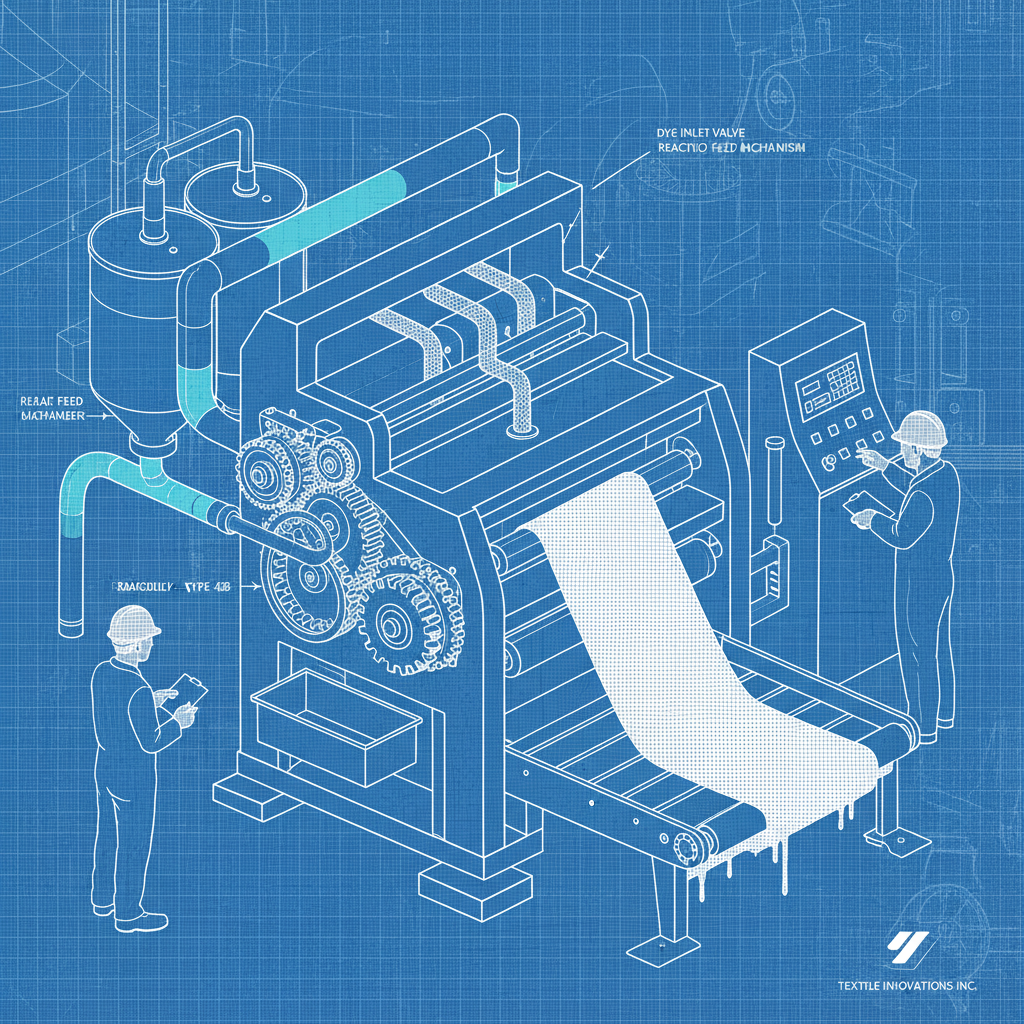
Scalability is another crucial consideration. Industrial processes demand dyes that can be efficiently and consistently applied to large volumes of fabric. This necessitates dyes that are easily dissolved, stable in solution, and compatible with automated dyeing machinery. Achieving scalability without compromising quality is a constant challenge.
Cost Efficiency plays a significant role in dye selection. Manufacturers must balance the performance characteristics of a dye with its price point. Often, this involves exploring alternative dye chemistries and optimizing dyeing processes to minimize waste and reduce overall costs. This does not mean sacrificing quality; innovative solutions can deliver both performance and affordability.
Colorfastness is also paramount; it determines the resistance to fading and bleeding. There are several types, including lightfastness (resistance to sunlight), washfastness (resistance to washing), and rubfastness (resistance to abrasion).
Furthermore, Environmental Impact is an increasingly important factor. The industry is actively seeking dyes that are less toxic, require less water, and generate less effluent. Sustainable dyeing practices are becoming the norm rather than the exception.
Finally, Fiber Compatibility is essential. Different dyes are designed to bind to different types of fibers. Using the wrong dye can result in poor color uptake, weak colorfastness, and even damage to the fabric.
Global Applications of industrial fabric dye
Industrial fabric dye finds extensive application in the apparel industry, coloring everything from everyday clothing to high-fashion garments. The demand for diverse colors, patterns, and finishes drives constant innovation in dye technology. In the automotive industry, dyes are used to color seat fabrics, carpets, and other interior components, requiring exceptional colorfastness and UV resistance.
The home textile sector utilizes industrial fabric dye extensively for bedding, curtains, upholstery, and carpets. In post-disaster relief operations, durable and easily identifiable fabrics dyed with industrial dyes are crucial for providing shelter and clothing to affected populations. Furthermore, in remote industrial zones, such as mining camps or construction sites, industrial fabric dye is vital for producing durable workwear.
Geographically, Asia, particularly China, India, and Bangladesh, represents a major hub for textile production and consequently, the largest consumer of industrial fabric dyes. Europe and North America also maintain significant demand, driven by fashion trends and specialized industrial applications.
Dye Application Efficiency by Method
Advantages and Value of industrial fabric dye
The advantages of utilizing industrial fabric dye extend far beyond mere aesthetics. A key benefit is cost-effectiveness; large-scale production and optimized processes drive down the price per unit of dyed fabric, making it accessible for a wider range of applications. Furthermore, modern dyes offer superior sustainability options, reducing water consumption and minimizing the release of harmful chemicals.
From a social impact perspective, high-quality, durable dyes contribute to longer-lasting products, reducing the need for frequent replacements and minimizing textile waste. The ability to create vibrant, aesthetically pleasing fabrics also enhances consumer satisfaction and contributes to a more positive user experience. The consistent color delivery builds trust with end consumers and brands.
Future Trends in industrial fabric dye
The future of industrial fabric dye is poised for significant innovation. A major trend is the development of bio-based dyes derived from renewable sources, offering a sustainable alternative to traditional petrochemical-based dyes. Digital textile printing, which utilizes inkjet technology to apply dye directly to fabrics, is gaining traction due to its precision, reduced water usage, and ability to create intricate designs.
Nanotechnology is also playing a role, with the development of dyes encapsulated in nanoparticles to enhance colorfastness, UV protection, and antimicrobial properties. Automation and AI-powered process control are being implemented to optimize dyeing processes, reduce waste, and improve consistency. These advancements contribute to a more sustainable, efficient, and innovative industrial fabric dyeing industry.
Challenges and Solutions in industrial fabric dye
Despite advancements, several challenges remain in the industrial fabric dye sector. One significant issue is the environmental impact of dye effluent, which often contains harmful chemicals. Solutions include implementing advanced wastewater treatment technologies, such as membrane filtration and biological treatment, to remove pollutants before discharge.
Another challenge is the high water consumption associated with many dyeing processes. Innovations like air dyeing and foam dyeing are emerging as water-saving alternatives. Addressing supply chain transparency and ensuring ethical sourcing of dyes are also crucial challenges.
Expert insights suggest that collaboration between dye manufacturers, textile producers, and research institutions is essential for developing and implementing sustainable dyeing solutions. Investing in research and development of new dye chemistries and dyeing technologies is also vital for overcoming these challenges and driving the industry towards a more sustainable future.
Summary of Challenges and Solutions in Industrial Fabric Dye
| Challenge |
Environmental Impact |
Economic Cost |
Potential Solution |
| Water Consumption |
High water usage contributes to water scarcity and pollution. |
Increased water treatment costs. |
Air dyeing, foam dyeing, water recycling systems. |
| Effluent Discharge |
Harmful chemicals contaminate waterways. |
Regulatory fines, remediation costs. |
Advanced wastewater treatment, bio-based dyes. |
| Supply Chain Transparency |
Difficult to trace the origin and environmental impact of dyes. |
Reputational risk, consumer backlash. |
Blockchain technology, certifications, supplier audits. |
| Dye Cost |
High cost of sustainable dyes. |
Reduced profit margins. |
Government subsidies, economies of scale. |
| Colorfastness Issues |
Fading and bleeding of dyes. |
Product returns, reduced lifespan. |
Nanotechnology encapsulation, advanced dye formulations. |
| Regulatory Compliance |
Stringent regulations on dye usage and effluent discharge. |
Compliance costs, potential penalties. |
Investment in cleaner production technologies, adherence to standards. |
FAQS
Several dyes are considered more eco-friendly than others. Reactive dyes, while traditionally requiring a lot of water, can be optimized for lower consumption. Natural dyes derived from plants and insects are gaining popularity, but often lack the colorfastness of synthetic options. Bio-based dyes, created from renewable resources, offer a promising alternative, and advancements in dye chemistry are continually yielding greener solutions, minimizing harmful chemicals and reducing water usage.
The type of dye significantly impacts fabric longevity. Dyes with high colorfastness ratings – lightfastness, washfastness, and rubfastness – resist fading and bleeding, preserving the fabric’s appearance over time. Poorly chosen dyes can lead to rapid fading, weakening of fibers, and ultimately, a reduced product lifespan. Proper dye selection, combined with appropriate dyeing techniques, is crucial for maximizing durability.
Reactive dyes form a chemical bond with the fiber, resulting in excellent washfastness but requiring significant water. Direct dyes are simpler to apply but have lower washfastness. Disperse dyes are used for synthetic fibers like polyester and are insoluble, requiring a dispersing agent. Each dye class offers unique properties making them suitable for different fibers and applications.
Several techniques can minimize water usage. Low liquor ratio dyeing reduces the amount of water relative to fabric. Air dyeing uses air instead of water for dye application. Foam dyeing utilizes foam as a carrier. Water recycling and reuse systems, coupled with optimized dyeing schedules and efficient machinery, can further reduce consumption.
Digital textile printing offers a sustainable alternative to traditional dyeing methods. It uses significantly less water, reduces dye waste by applying color only where needed, and enables on-demand production, minimizing overstock. Furthermore, digital printing allows for intricate designs and customization, reducing the need for multiple dyeing runs.
Yes, several certifications promote sustainable dye practices. OEKO-TEX® Standard 100 ensures textiles are free from harmful substances. The bluesign® system focuses on resource productivity, consumer safety, and environmental protection. GOTS (Global Organic Textile Standard) covers the entire textile supply chain, including dyeing, ensuring organic status and sustainable processing.
Conclusion
In conclusion, industrial fabric dye is a cornerstone of the global textile industry, extending its impact across countless applications. Understanding its core components – durability, scalability, cost-efficiency, and environmental impact – is critical for responsible production and consumption. The advancements in sustainable dye chemistries, coupled with innovative dyeing technologies, are driving a shift towards a more environmentally conscious and efficient future.
Looking ahead, continued investment in research and development, coupled with stricter regulatory oversight, will be essential for overcoming the challenges facing the industrial fabric dye sector. By embracing sustainability, transparency, and innovation, we can ensure that this vital industry continues to thrive while minimizing its environmental footprint and maximizing its positive impact on society. To learn more about our range of quality dyes and sustainable solutions, visit our website: www.yanhongchem.com.