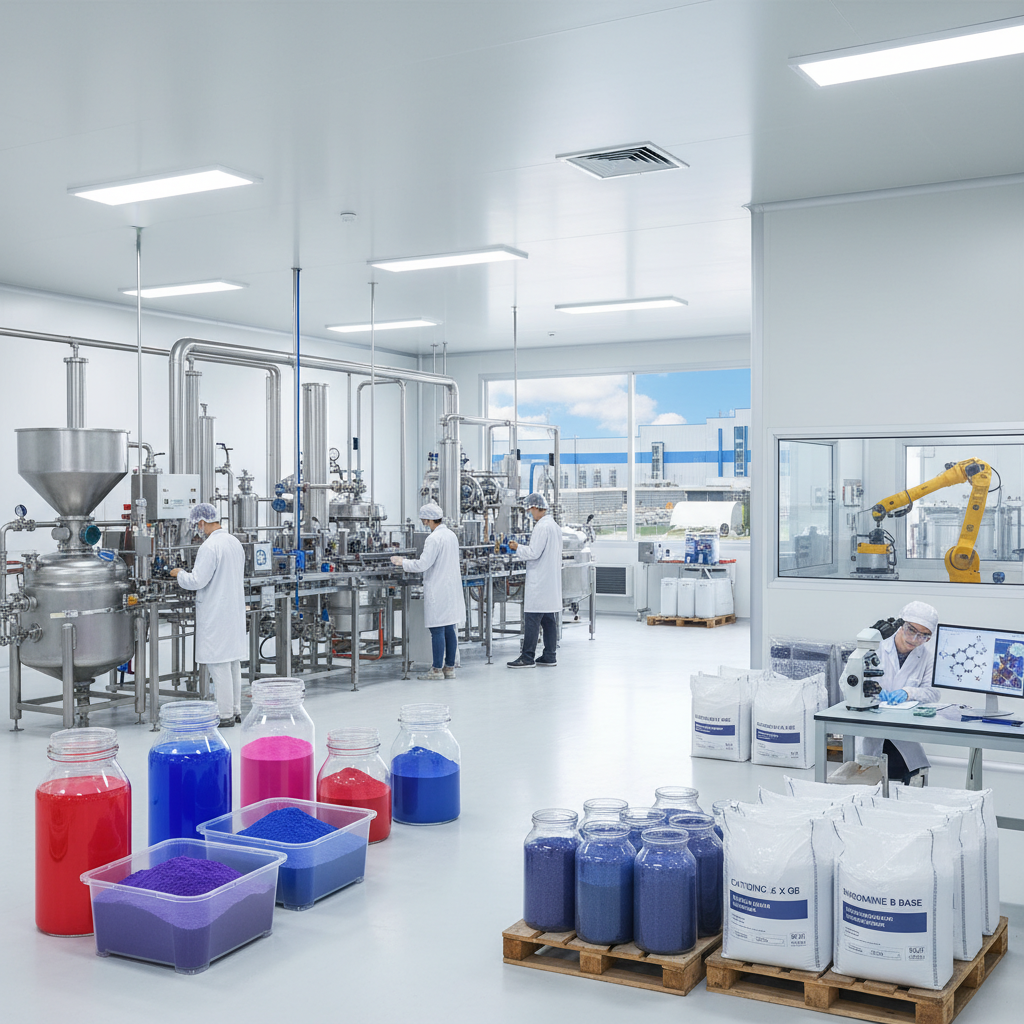
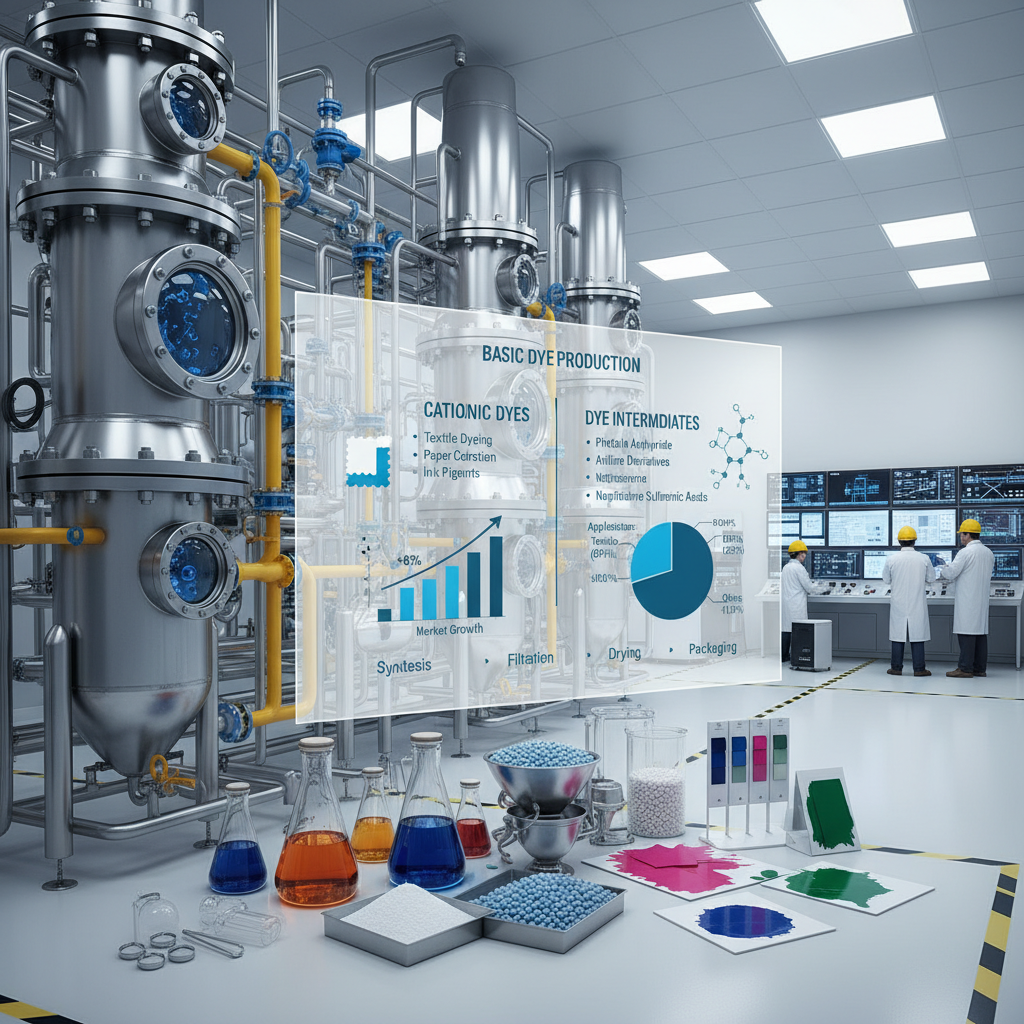
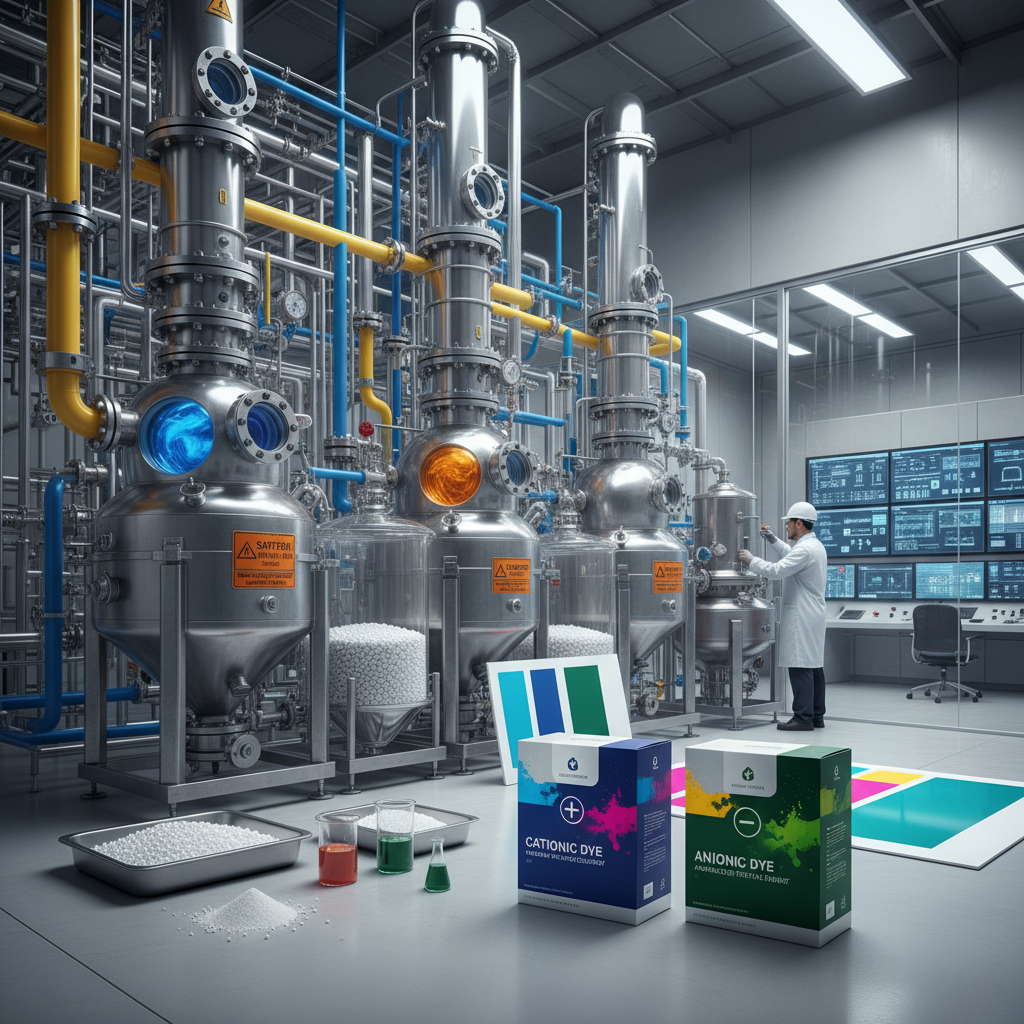
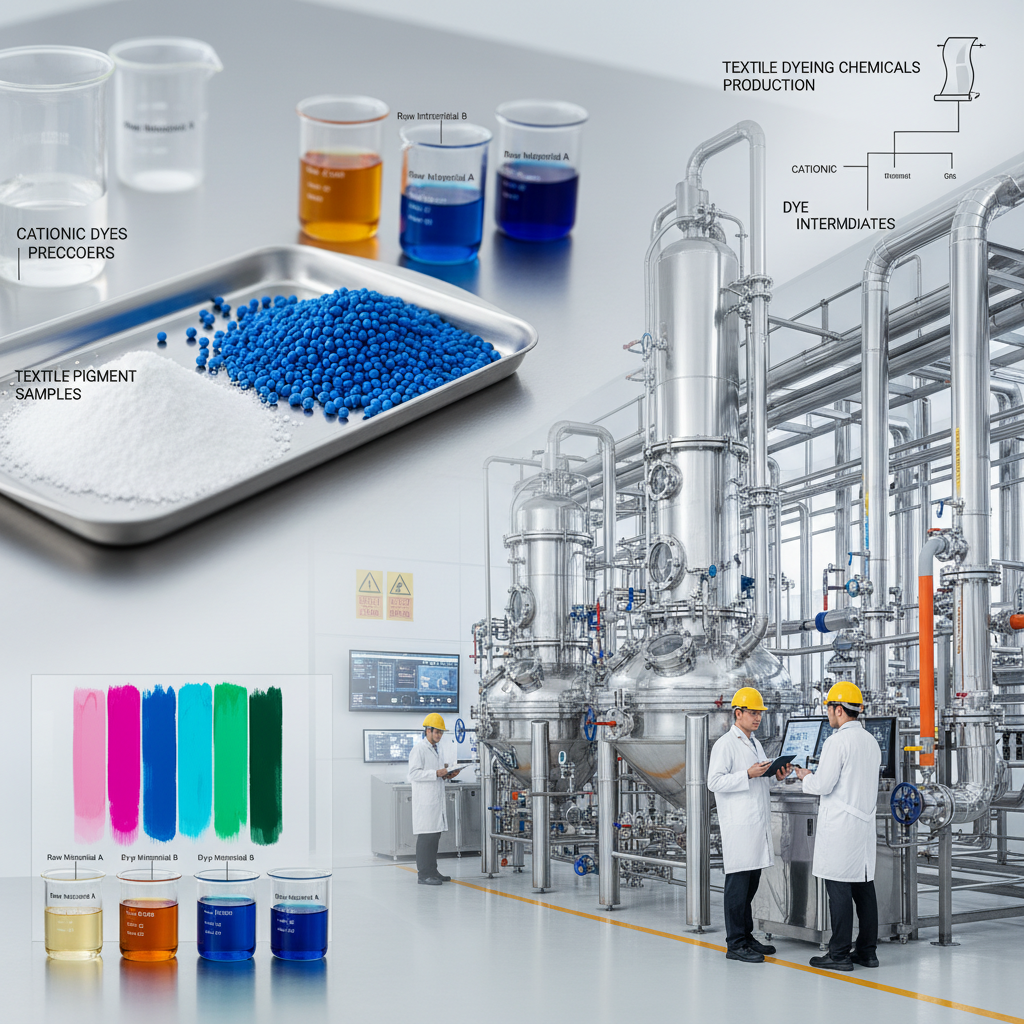
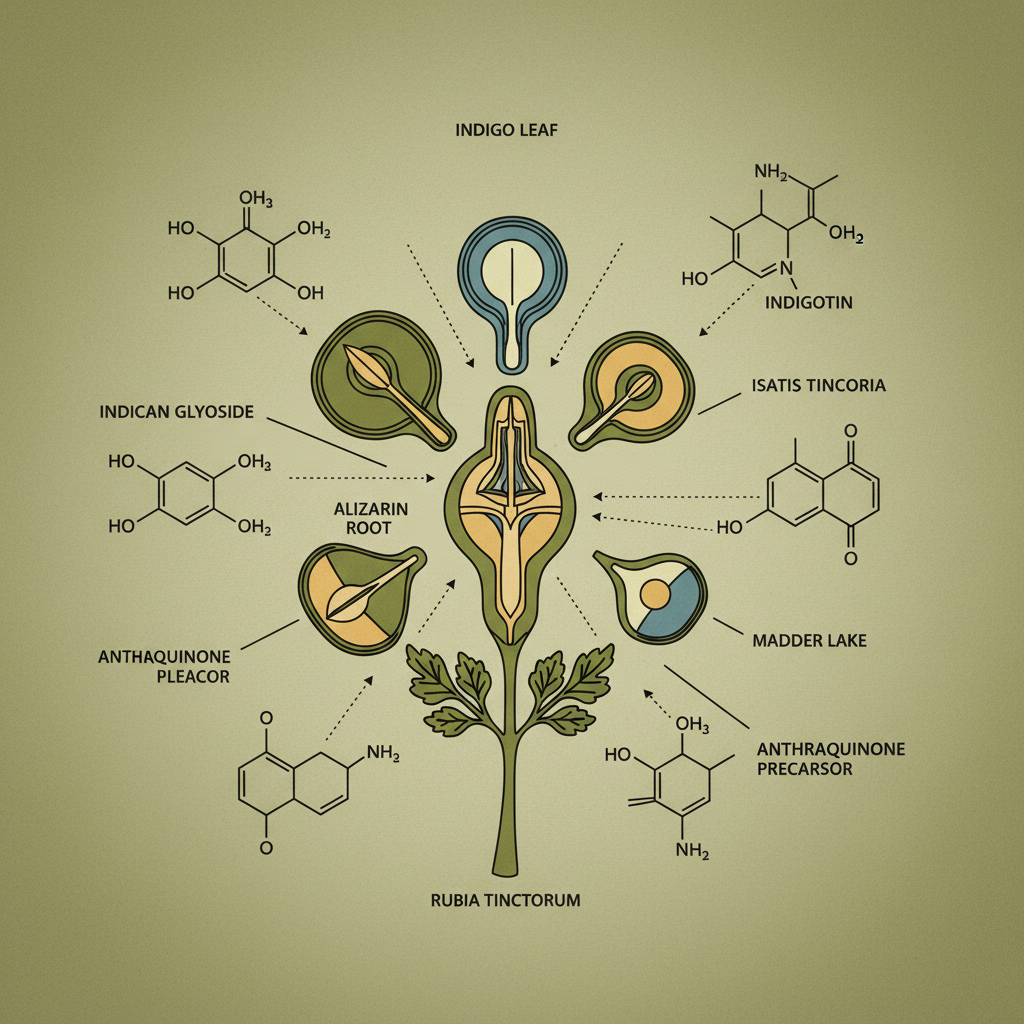
Basic dyes, those vibrant workhorses of the color world, aren’t just about pretty shades. After years spent on construction sites – you see a lot of color in concrete, rebar coatings, even safety gear – you realize how critical these dyes are to everything from textile manufacturing to specialized industrial applications. They're a foundational element, not a luxury. Understanding them isn't just about chemistry; it’s about understanding how things get made, how durability is built in, and how processes can be optimized. The impact of a properly selected basic dye is far-reaching.
Globally, the demand for textiles colored with basic dyes continues to grow, particularly in rapidly developing economies. According to the World Bank, the textile industry is a major employer and contributor to GDP in many countries. However, this growth comes with environmental concerns – the wastewater generated from dye application is a significant issue. That’s where innovation in dye chemistry and treatment technologies becomes crucial. I’ve seen firsthand the challenges of managing dye effluent on-site, and it reinforces the need for responsible and sustainable solutions.
Simply put, a basic dye example is a water-soluble dye containing anionic functional groups. These dyes bind to textile fibers – and other materials – through ionic bonding, making them relatively easy to apply, but also less wash-fast than some other dye classes. It’s that ease of application, though, that makes them so prevalent. Think about quickly dyeing large batches of fabric for apparel, or coloring paper for packaging. It's a cost-effective solution when speed and volume are priorities. In my experience, efficiency is king, and basic dyes often deliver.
The Significance of Basic Dye Example in Industrial Applications
The longevity and colorfastness of a basic dye example are paramount. I've seen projects fail because of dye degradation – faded colors on safety vests, premature weathering on outdoor fabrics. This impacts safety and product lifespan. It’s about selecting the right dye for the job, considering UV exposure, washing frequency, and the substrate material. A cheap dye isn’t always the most cost-effective if it needs replacing quickly.
Another crucial aspect is the consistency of the dye batch. Variations in color can lead to rejects, rework, and delays. As someone who manages material flow on a daily basis, I prioritize suppliers who can guarantee consistent quality and traceability. A good dye manufacturer understands the importance of tight quality control and provides detailed technical data sheets.
Defining Basic Dye Example: A Chemical Overview
At its heart, a basic dye example relies on the electrostatic attraction between the dye cation and the anionic sites on the fiber. This is why they're so effective on acrylics, modified nylons, and certain papers. They essentially ‘stick’ to the material. Unlike direct dyes, which have a larger molecular structure, basic dyes are generally smaller, allowing for deeper penetration and brighter shades.
The chemical structure of a basic dye example typically includes chromophores – the parts of the molecule responsible for color – and solubilizing groups that make it water-soluble. These solubilizing groups are often amino or hydroxyl groups that become positively charged in acidic conditions. That's why pH control is critical during the dyeing process.
Understanding this chemical interaction isn’t just for chemists; it’s vital for anyone involved in dyeing or treating textiles. Knowing how the dye binds informs the entire process, from pre-treatment to post-treatment, and helps predict potential issues like bleeding or fading.
Key Characteristics of Basic Dye Example Performance
One key characteristic is brilliance. Basic dyes generally offer exceptionally bright and vivid shades, particularly blues and violets, which is why they’re favored in certain fashion applications. However, that brilliance often comes at a cost: lower lightfastness compared to reactive or vat dyes.
The affinity of the dye for the fiber is another crucial factor. High affinity means less dye is wasted, resulting in a more efficient and cost-effective process. It also translates to deeper, more consistent color. I always look for dyes with a high exhaustion rate – meaning a large percentage of the dye is absorbed by the material.
Wash fastness is a constant concern. Basic dyes, being ionically bonded, can be more susceptible to washing out, especially with hot water and harsh detergents. That's why after-treatments, like fixing agents, are often used to improve wash fastness. It’s a trade-off between cost, brilliance, and durability.
Global Applications and Industry Use Cases
The textile industry is the biggest consumer of basic dyes, particularly for acrylic fibers used in sweaters, carpets, and upholstery. But their applications extend far beyond fashion. You’ll find them coloring paper products like stationery and packaging, as well as leather goods.
In industrial settings, basic dyes are used in wood stains, printing inks, and even certain specialty coatings. I’ve seen them used to color wood for construction elements, providing both aesthetic appeal and a degree of UV protection. It's a surprisingly versatile application.
Geographically, Asia is the dominant force in both dye production and consumption. China, India, and Bangladesh are key players, driven by their large textile manufacturing industries. The demand in these regions is constantly growing, requiring ongoing innovation in dye technology and sustainable practices.
Basic Dye Example Performance Comparison
Advantages and Long-Term Value Proposition
The primary advantage of using a basic dye example is cost-effectiveness. They're generally less expensive than reactive or vat dyes, making them a good choice for high-volume applications. Plus, the dyeing process is relatively simple and requires less energy, further reducing costs.
From a sustainability perspective, there's a growing focus on developing more eco-friendly basic dyes with lower toxicity and improved biodegradability. This is essential for meeting increasingly stringent environmental regulations and consumer demands. We're seeing a shift towards dyes that minimize water pollution and reduce the carbon footprint of textile manufacturing.
Future Trends and Innovations in Basic Dye Technology
Nanotechnology is playing an increasingly important role in dye chemistry. Encapsulating basic dyes in nanoparticles can improve their lightfastness, wash fastness, and overall performance. It’s a promising area of research that could significantly expand the applications of these dyes.
Another trend is the development of digital textile printing technologies. These technologies allow for precise dye application, minimizing waste and enabling customized designs. Digital printing is becoming more accessible and affordable, and it’s poised to disrupt the traditional dyeing industry.
We’re also seeing research into bio-based dyes derived from renewable resources. These dyes offer a more sustainable alternative to traditional petroleum-based dyes, and they’re gaining traction as consumers demand more eco-friendly products.
Challenges and Solutions in Basic Dye Application
The biggest challenge with basic dyes remains their relatively poor wash fastness. That’s why after-treatment with fixing agents is often necessary. However, some fixing agents can have their own environmental drawbacks, so finding sustainable alternatives is crucial.
Another challenge is the potential for dye migration – where the dye bleeds from the dyed material onto other surfaces. This can be particularly problematic with dark shades. Proper dyeing protocols and the use of appropriate fixing agents can help minimize dye migration.
Finally, wastewater treatment remains a significant concern. Conventional wastewater treatment plants often struggle to remove basic dyes effectively. Developing more efficient and cost-effective treatment technologies is essential for mitigating the environmental impact of dye effluent.
Summary of Challenges and Potential Solutions for Basic Dye Applications
| Challenge |
Impact on Industry |
Potential Solution |
Implementation Cost (1-10) |
| Low Wash Fastness |
Reduced product lifespan, customer dissatisfaction |
Utilize advanced fixing agents, nanoparticle encapsulation |
6 |
| Dye Migration |
Staining of adjacent fabrics, quality control issues |
Optimized dyeing protocols, improved dye fixation |
4 |
| Wastewater Treatment |
Environmental pollution, regulatory compliance |
Advanced oxidation processes, biological treatment |
8 |
| Inconsistent Dye Batches |
Production delays, increased reject rates |
Rigorous quality control, standardized dye formulations |
5 |
| Limited Lightfastness |
Fading of colors, reduced product appeal |
UV absorbers, dye combinations for improved stability |
7 |
| Environmental Regulations |
Increased compliance costs, potential production restrictions |
Switch to eco-friendly dyes, adopt closed-loop systems |
9 |
FAQS
The primary advantage is cost. Basic dyes are generally cheaper to produce and apply than alternatives like reactive or vat dyes. This makes them ideal for high-volume applications where cost is a major consideration. However, it's a trade-off – you often sacrifice some wash fastness and lightfastness for that lower price point. From my experience on site, understanding that trade-off is critical.
Improving wash fastness often involves after-treatment with a fixing agent. These agents form a complex with the dye, making it less soluble in water. However, choose your fixing agent carefully – some can have their own environmental drawbacks. Nanoparticle encapsulation is another emerging technique that shows promise in enhancing wash fastness. You can also explore different mordanting strategies.
Traditionally, basic dyes have been associated with environmental concerns due to the potential for water pollution. However, there's a growing trend towards developing more eco-friendly versions with lower toxicity and improved biodegradability. The key is to look for dyes that minimize effluent discharge and comply with stringent environmental regulations. Selecting responsible suppliers and implementing proper wastewater treatment are also crucial.
Basic dyes have a strong affinity for acrylic fibers, making them the most common choice for dyeing acrylic sweaters, carpets, and upholstery. They also work well on modified nylons and certain types of paper. They generally don't perform well on cellulosic fibers like cotton unless a mordant is used. Understanding fiber properties is key to successful dyeing.
Dye migration occurs when the dye bleeds from the dyed material onto other surfaces, particularly lighter-colored fabrics. This can happen during washing or even during storage. To prevent it, ensure proper dye fixation, use appropriate after-treatment chemicals, and avoid high temperatures during washing. Controlling pH levels during the dyeing process also helps.
pH plays a critical role. Basic dyes require an acidic pH for optimal performance. The acidity promotes the protonation of the dye molecules, creating positively charged ions that can bind to the negatively charged sites on the fiber. Maintaining the correct pH level throughout the dyeing process is essential for achieving consistent and vibrant colors. We usually check this constantly on site!
Conclusion
In conclusion, basic dye example offers a compelling balance of cost-effectiveness and brilliance, making it a cornerstone of many industries. While challenges related to wash fastness and environmental impact remain, ongoing innovation in dye chemistry, nanotechnology, and wastewater treatment is paving the way for more sustainable and high-performing solutions. Understanding the intricacies of basic dye application, from chemical interactions to process control, is essential for achieving optimal results.
Looking ahead, the future of basic dyes will be shaped by a growing demand for eco-friendly products and stricter environmental regulations. Companies that embrace sustainable practices and invest in innovative technologies will be well-positioned to thrive in this evolving landscape. Visit our website at yanhongchem.com to learn more about our range of high-quality basic dyes and sustainable dyeing solutions.