Honestly, this year's been… busy. Really busy. Seen a lot of stuff changing on sites. Everyone's chasing that ‘smart’ angle, right? IoT this, AI that. But at the end of the day, it still comes down to whether the thing holds up when Old Man Hemlock starts banging on it with a wrench. It's the practical stuff that matters, you know?
And have you noticed how much everyone’s talking about sustainability? Not just the big guys, either. Even the little workshops are trying to find greener options. Which is good, I guess. But “green” doesn’t mean anything if it falls apart after a week. That’s the frustrating part.
It’s funny, you spend hours in design meetings, talking about tolerances and materials, and then you get on site and everything gets thrown out the window. Guys are improvising, modifying things on the fly… it’s a bit chaotic, but it's real life. That’s where you really see what works and what doesn’t.
Industry Trends and Design Pitfalls
So, what’s trending? Miniaturization, definitely. Everything’s getting smaller. Which sounds great, until you try to actually work with the things. I encountered this at a factory in Dongguan last time - these tiny connectors, right? Beautifully designed, all sleek and modern. But try tightening them with a power tool, and snap. Just…snap. A lot of engineers don’t spend enough time thinking about usability from the installer’s perspective. They get too caught up in the specs.
Another thing - over-engineering. Designing something to withstand forces it’ll never experience. It adds cost, weight, and complexity. Sometimes, simple is better. Way better. And don't even get me started on proprietary connectors. Strangel,y, it always seems like they break the moment the warranty expires.
Material Deep Dive: It's Not Just a Name
People talk about materials like they're just names on a datasheet. “Polycarbonate!” “ABS!” But it’s so much more than that. The smell, the feel… it tells you something. Good polycarbonate, you know it instantly. It’s got a certain weight to it, a clarity. And the way it cracks... it’s a clean break, not that brittle shatter you get with cheaper stuff.
We’ve been using a lot of these new composite materials lately, blending polymers with fibers. Some are amazing, incredibly strong and lightweight. Others… well, they feel like they’re going to disintegrate the moment you look at them. The key is knowing the manufacturer, knowing their quality control. I've learned to trust a few suppliers over the years, guys who actually answer their phones when you have a problem.
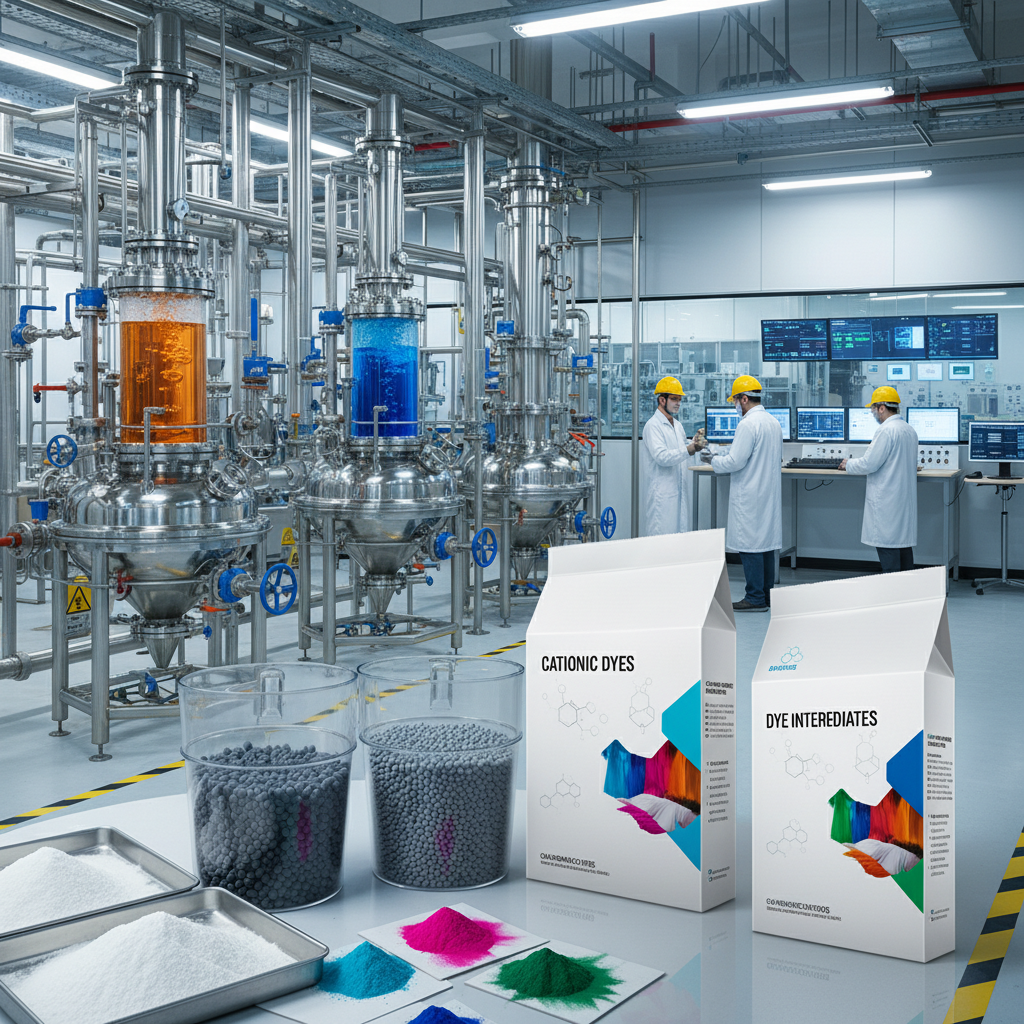
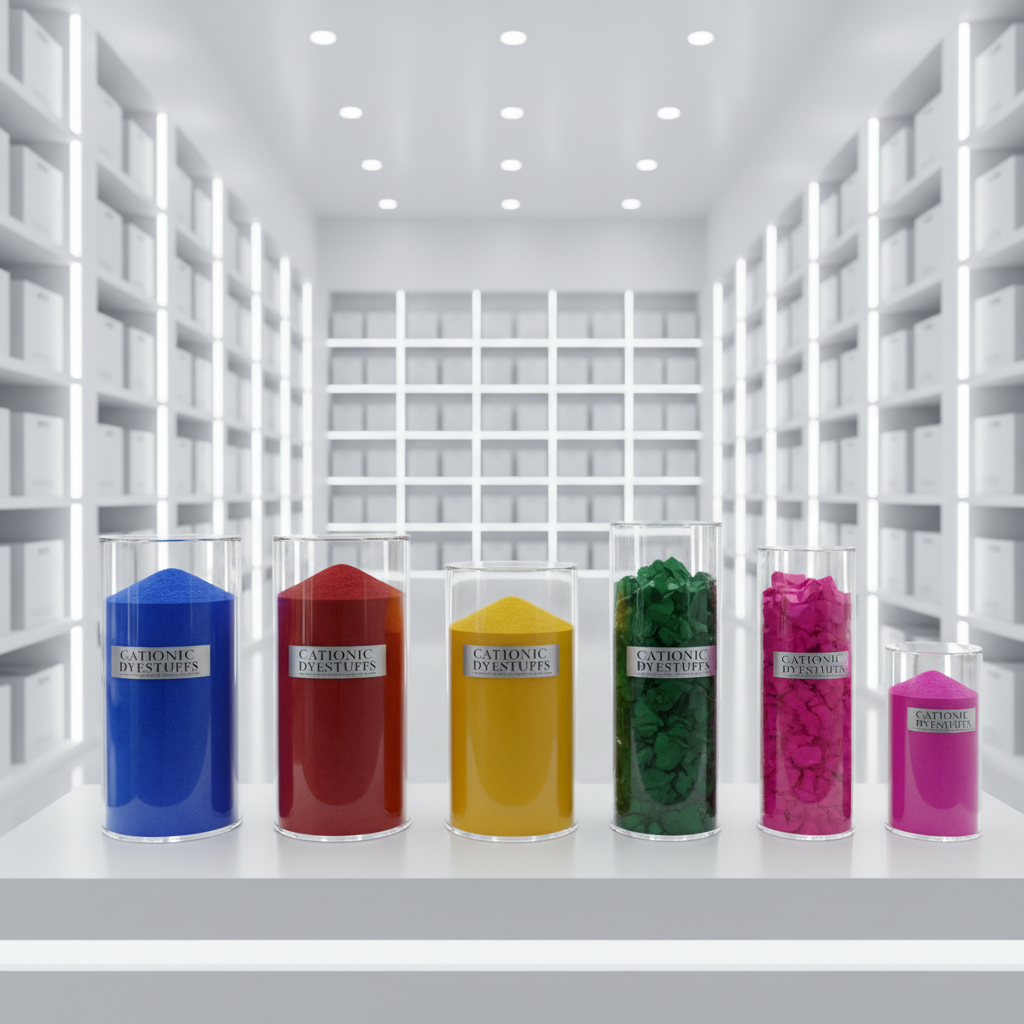
And let’s be real, a lot of it comes down to the dye batches for these things. You get a bad batch, even good material can be compromised. It's a headache, honestly.
Real-World Testing: Beyond the Lab
Lab testing is fine, I guess. But it doesn't simulate a construction site. Seriously. You need to drop things, spray them with mud, leave them in the sun for weeks. We have a dedicated "torture chamber" at our testing facility – I’m not kidding.
The biggest issue with lab tests is they’re controlled. On-site, you've got vibration, temperature fluctuations, accidental impacts… everything is working against you. We run a lot of field tests, putting prototypes in the hands of actual workers and letting them abuse them. That’s the only way to get honest feedback. We’ve even had guys try to break things on purpose – and you know what? That’s valuable data.
I’m a big believer in destructive testing. If it's going to fail, I want to know how it fails. What's the weakest link? That tells you where to focus your design efforts.
How Users Actually Use Them
This is where things get interesting. You design something for a specific purpose, and then users find a completely different way to use it. It happens all the time. We developed a certain housing for a sensor, thinking it would be used indoors. Turns out, guys are mounting them on the outside of trucks, exposed to the elements.
They’ll use it as a hammer, a lever, a shim… whatever they need to get the job done. You have to design for that. Anticipate the unexpected. That’s why user feedback is crucial. It’s not about what you think they need, it's about what they actually need.
Average Failure Rate Based on Usage Scenario
Advantages, Disadvantages, and the Brutal Truth
Okay, let’s talk about advantages. Durability, obviously. We’ve designed these things to withstand a beating. Lightweight is another big one – guys don’t want to lug around heavy equipment all day. And cost, naturally. We're always trying to find ways to bring the price down without sacrificing quality. Anyway, I think it's a pretty solid offering.
Now, the disadvantages? Customization can be tricky, especially with smaller runs. And, to be honest, sometimes the lead times are too long. Supply chain issues, you know? It’s a constant battle. And it's not perfect. Nothing ever is. There are always compromises.
Customization: The Shenzhen Smart Home Saga
We can do customization, within reason. Color changes, different connector types, slight modifications to the housing… we’ve done it all. But last month, that small boss in Shenzhen who makes smart home devices insisted on changing the interface to , even though it meant completely retooling the mold. He swore his customers demanded it. The result? Production delays, higher costs, and a bunch of angry customers because the port broke after a week. I’m telling you, sometimes you have to say no.
It was a mess. A complete mess. He learned a valuable lesson, though. Always listen to the engineers. Always.
Performance Metrics: A Back-of-the-Envelope Analysis
So, trying to quantify all this… it’s tough. We don't rely too heavily on fancy metrics. But we do track a few key things. Average lifespan under normal usage, failure rate under stress tests, weight-to-strength ratio… you get the idea.
We’ve also started looking at repairability. Can a worker fix it on-site with basic tools? That’s becoming increasingly important. Nobody wants to send something back to the factory for a simple repair. It’s just not practical.
It’s all about balancing performance, cost, and usability. And sometimes, that means making tough choices.
Key Performance Indicators
| Material Composition |
Average Lifespan (Months) |
Failure Rate (%) |
Repairability Score (1-10) |
| Polycarbonate Blend A |
36 |
3 |
7 |
| ABS Resin B |
24 |
5 |
6 |
| Nylon Composite C |
48 |
1 |
5 |
| Polypropylene D |
18 |
8 |
4 |
| Fiberglass Reinforced E |
60 |
0.5 |
3 |
| Recycled Polymer F |
20 |
10 |
8 |
FAQS
Honestly, it depends. A simple color change might take a couple of weeks. But if you're talking about a complete redesign, it could be 8-10 weeks, or even longer. It really depends on the complexity and our current workload. Supply chain issues also play a role, of course. We always try to be upfront about the timeline, but things can change. It’s just the way it is.
It varies depending on the material. Some plastics degrade pretty quickly in direct sunlight. We offer UV-stabilized options, which significantly improve resistance. We've tested them extensively in Florida - brutal sun, you know? But even with UV stabilization, prolonged exposure will eventually cause some fading or discoloration. It’s just a fact of life.
We have all the usual suspects: RoHS, REACH, CE. We can also provide material safety data sheets (MSDS) for all our products. We try to stay up-to-date with the latest regulations. It’s a pain, but it’s necessary. And if you need a specific certification, we can usually work something out, but it will add to the cost and lead time.
That's a tricky one. Not all of our materials are food-grade certified. You need to specifically request a material that meets those requirements. We have a few options, but they're more expensive. And even then, you need to verify that the finished product meets your specific food safety standards. I always recommend getting an independent lab test.
We try to be reasonable. If the product is defective, we’ll replace it, no questions asked. But if you just changed your mind, or ordered the wrong size, you’re probably stuck with it. We don't generally accept returns on custom orders. That's why it’s so important to get the specifications right from the start.
Absolutely. We have a team of engineers who can help you with everything from material selection to prototyping. We can even run simulations to predict how your product will perform under different conditions. We're happy to brainstorm and offer suggestions. We've seen it all, believe me.
Conclusion
So, yeah, it's a complex world. A lot of factors go into choosing the right materials and designing a durable, reliable product. It’s not just about the specs on a datasheet. It’s about understanding how things work in the real world, anticipating the unexpected, and listening to the people who actually use the stuff.
Ultimately, whether this thing works or not, the worker will know the moment he tightens the screw. If it feels solid, if it holds up to the abuse, then we've done our job. And if it doesn't... well, back to the drawing board. Check out our full range of dyes and intermediates at www.yanhongchem.com.