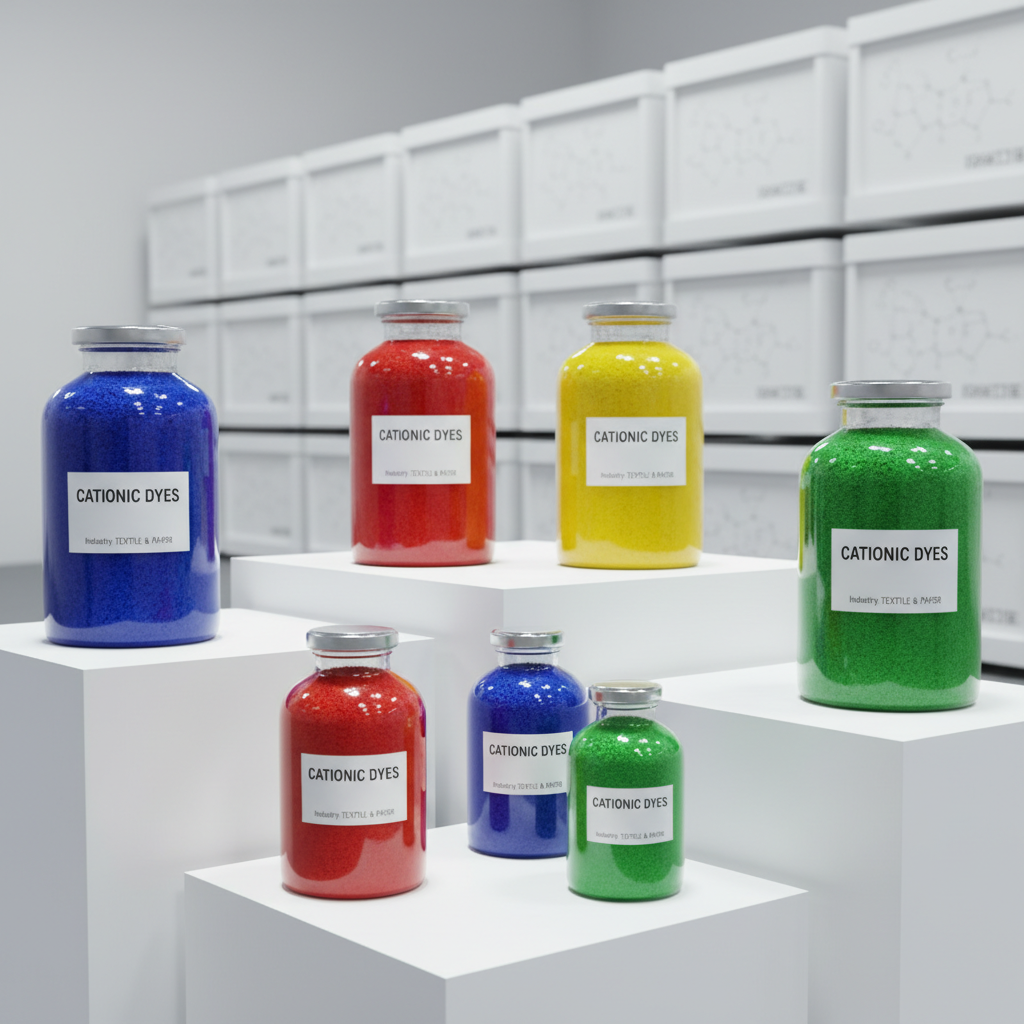
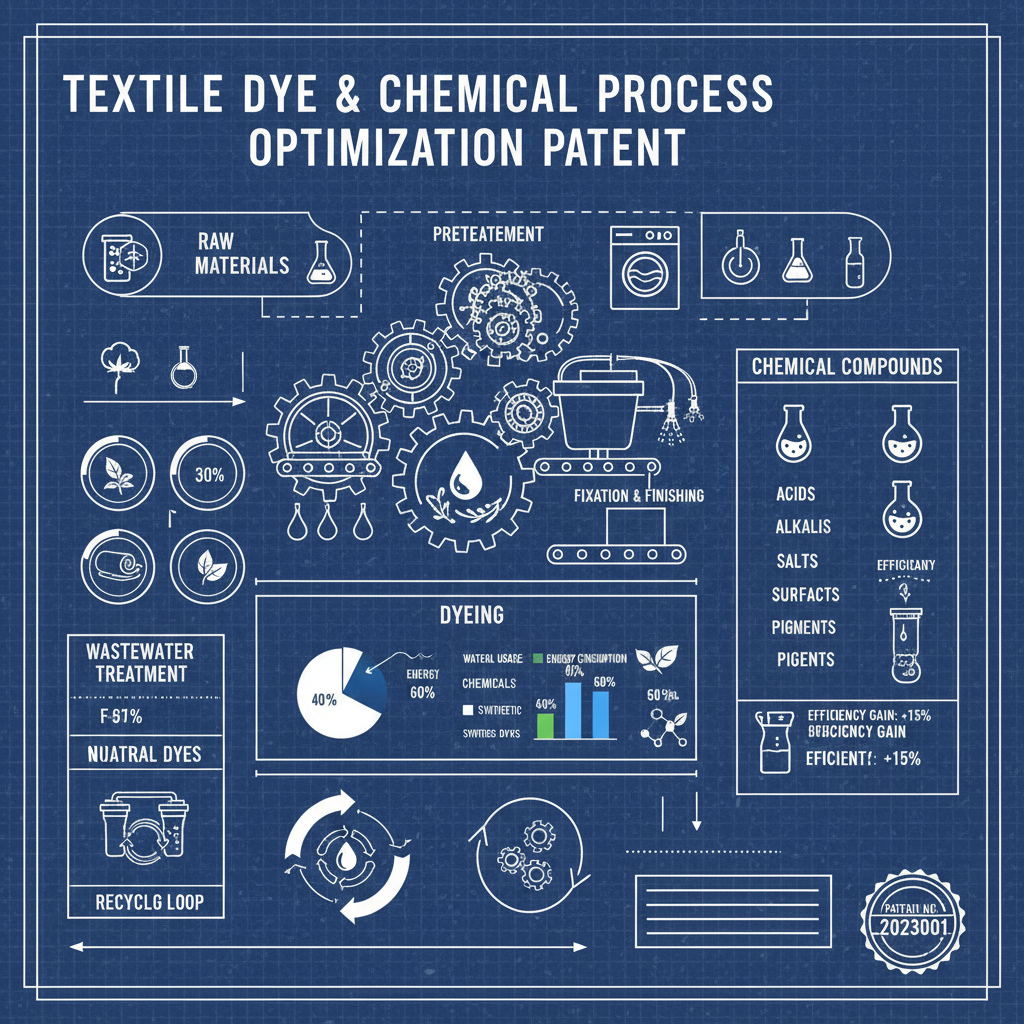
Cationic dyes represent a crucial class of colorants with widespread applications across numerous industries, including textiles, paper, leather, and even biological staining. Their ability to impart vibrant, lasting color to various substrates makes them indispensable in modern manufacturing and scientific research. Understanding the nuances of cationic dyes – their chemical properties, application methods, and environmental impact – is paramount for innovation and sustainability in these sectors. The global demand for these dyes is steadily increasing, driven by population growth, evolving consumer preferences, and advancements in dyeing technology.
The significance of cationic dyes extends beyond mere aesthetics. They play a critical role in functional applications such as antimicrobial textiles, fluorescent markers for medical diagnostics, and even advanced materials science. As industries strive for greater efficiency and specialized product features, the demand for tailored cationic dye solutions continues to expand. However, challenges related to dye synthesis, wastewater treatment, and environmental regulations necessitate ongoing research and development in this field.
Consequently, a deep dive into the world of cationic dyes isn't just for chemists and engineers; it’s essential for anyone involved in industries that rely on coloration, functionality, or sustainability. This understanding empowers informed decision-making, fostering innovation and responsible practices within a dynamic global market.
The Fundamentals of Cationic Dyes
Cationic dyes, also known as basic dyes, are characterized by a positively charged chromophore. This positive charge is typically due to the presence of quaternary ammonium groups, which enable strong electrostatic interactions with negatively charged substrates such as acrylic fibers, paper, and modified natural fibers. This fundamental chemical property is what distinguishes them from other dye classes like anionic or disperse dyes.
The historical development of cationic dyes began in the mid-19th century with the discovery of mauveine by William Perkin. Over the years, significant advancements have been made in synthesizing more complex and efficient cationic dyes, leading to a wide spectrum of colors and improved fastness properties. Today, these dyes continue to be refined to meet increasingly stringent performance and environmental standards.
The Chemical Composition and Synthesis of Cationic Dyes
The synthesis of cationic dyes typically involves several steps, starting with aromatic amines as key building blocks. These amines undergo diazotization and coupling reactions to form azo dyes, which can then be quaternized to introduce the positively charged groups. The specific chemical structure and substituents attached to the aromatic rings influence the dye's color, solubility, and affinity for different substrates.
Different classes of cationic dyes exist, including azo dyes, triarylmethane dyes, and phthalocyanine dyes. Each class exhibits unique characteristics regarding color brilliance, lightfastness, and washfastness. Researchers continuously explore novel synthetic pathways to create cationic dyes with improved properties and reduced environmental impact. The manipulation of molecular structures allows for fine-tuning of dye characteristics.
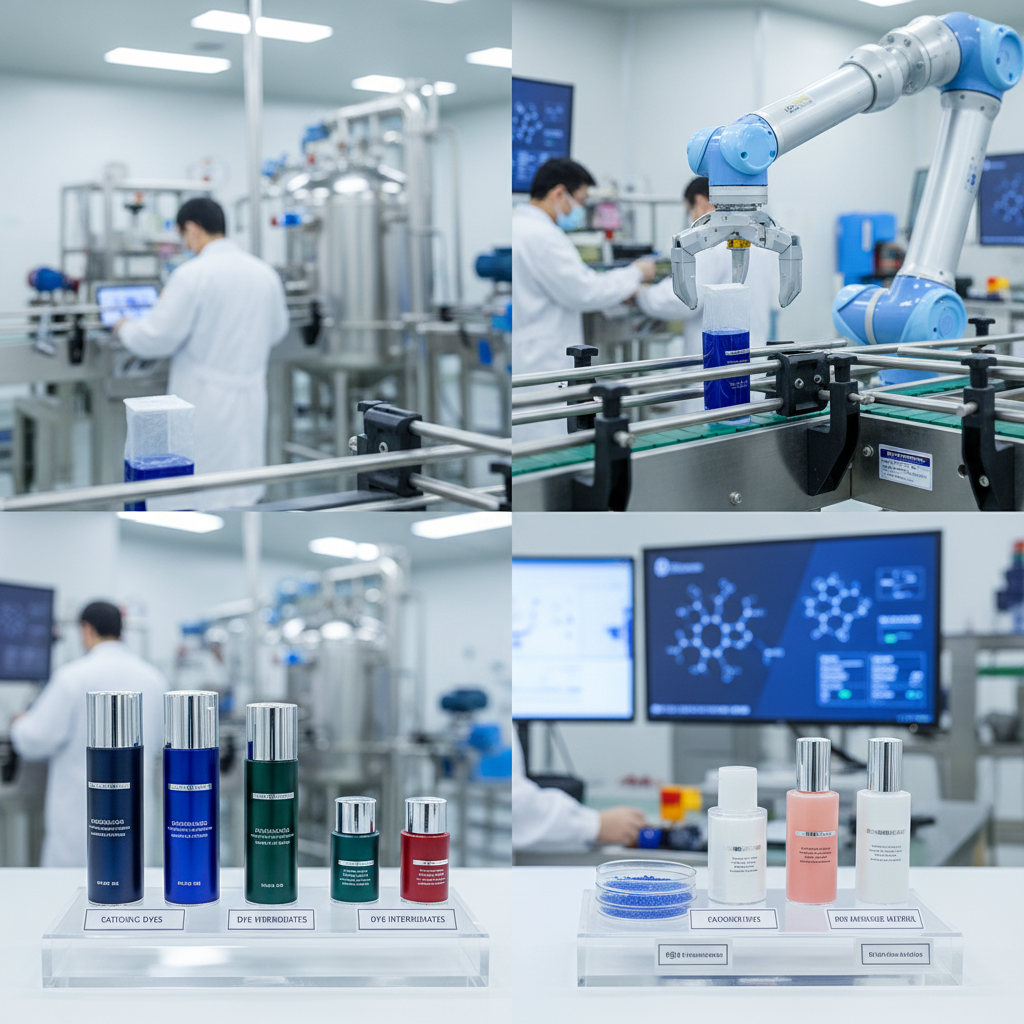
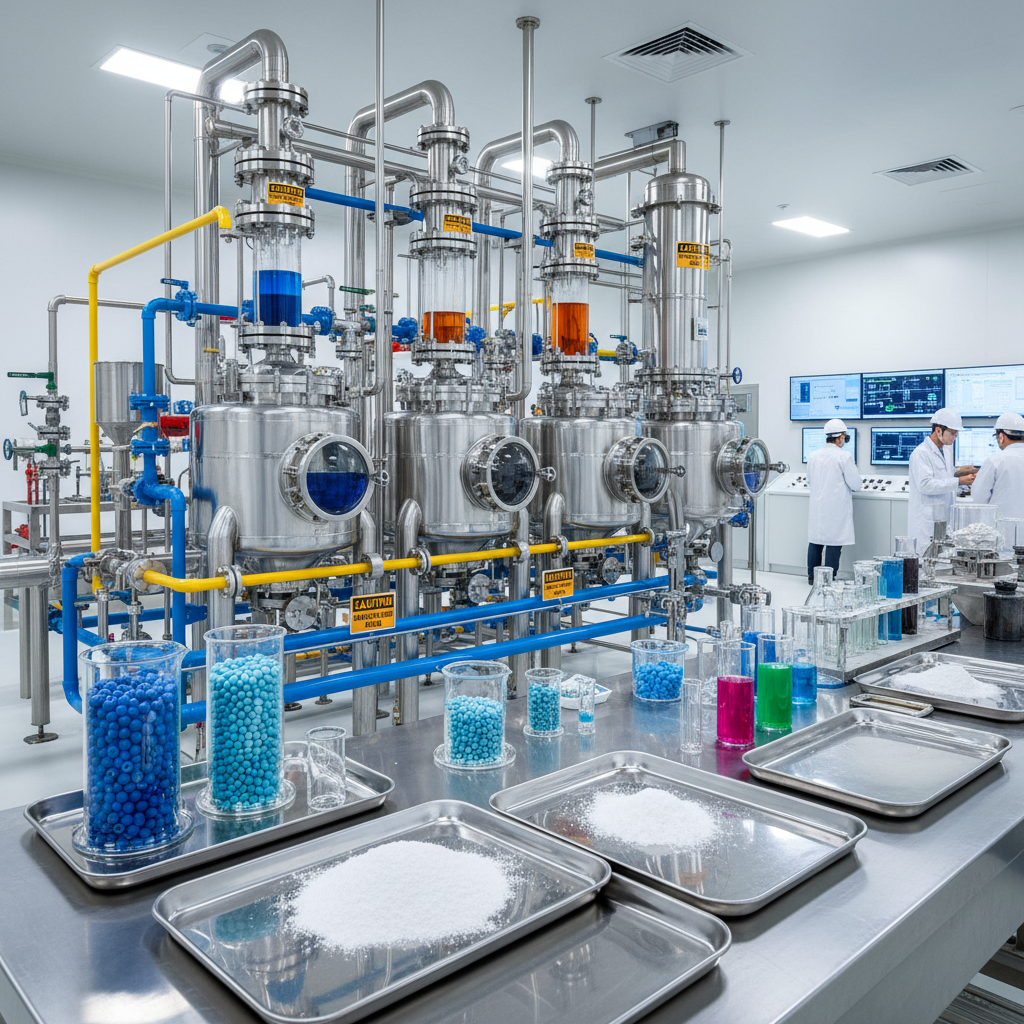
The production of cationic dyes isn't limited to laboratory settings; large-scale industrial processes are optimized for cost-effectiveness and high yields. These processes often involve stringent quality control measures to ensure consistent dye performance and purity.
Key Properties Influencing Cationic Dye Performance
Several key properties govern the performance of cationic dyes. Solubility is critical for achieving uniform dye distribution and penetration into the substrate. The higher the solubility, the better the dye can dissolve in the dyeing medium, leading to even coloration. The affinity of the dye for the substrate is another vital factor, determining the extent to which the dye molecules bind to the fibers or material being dyed. This affinity is largely dictated by electrostatic interactions between the cationic dye and the anionic sites on the substrate.
Lightfastness, which refers to the dye’s resistance to fading upon exposure to light, is crucial for applications requiring long-term color retention. Washfastness, the ability to withstand repeated washing cycles without significant color loss, is equally important, particularly for textile applications. Finally, the brilliance and hue of the dye contribute to its aesthetic appeal and determine its suitability for specific design requirements.
Beyond these core properties, factors such as dye aggregation, migration behavior, and compatibility with other dyeing auxiliaries can significantly impact the final outcome. Understanding these properties allows dye manufacturers and application specialists to tailor cationic dyes for optimal performance in diverse applications.
Application Methods and Dyeing Processes
Cationic dyes are primarily applied through aqueous dyeing processes. The most common method involves immersing the substrate in a dye bath containing the cationic dye, along with various auxiliaries like leveling agents, dispersing agents, and pH adjusters. The temperature and pH of the dye bath are carefully controlled to optimize dye uptake and fixation.
Specific dyeing techniques vary depending on the substrate being dyed. For acrylic fibers, the dyeing process typically occurs under acidic conditions, promoting electrostatic interactions between the cationic dye and the anionic sites on the fiber. Paper dyeing utilizes similar principles, with adjustments made for paper's unique surface properties. Continuous dyeing methods, such as pad-dyeing and exhaust dyeing, are employed for large-scale production, offering efficiency and uniformity.
Cationic Dyeing Method Performance Comparison
Global Applications and Industries Utilizing Cationic Dyes
Cationic dyes find extensive applications in the textile industry, particularly for dyeing acrylic fibers, which are widely used in clothing, carpets, and upholstery. They are also used to dye modified polyester and nylon fabrics. Beyond textiles, these dyes are crucial for paper coloration, imparting vibrant hues to printing paper, packaging materials, and specialty papers.
The leather industry utilizes cationic dyes for coloring leather goods, providing rich, lasting color to shoes, bags, and furniture. Furthermore, cationic dyes play a significant role in biological staining, aiding in microscopic analysis and diagnostic procedures. Their fluorescence properties make them invaluable in biomedical research and medical imaging. They are also finding increasing use in specialized applications like inkjet printing and cosmetic formulations.
Advantages and Limitations of Cationic Dyes
The primary advantage of cationic dyes lies in their brilliant hues and excellent color strength. They offer exceptional affinity for acrylic fibers, resulting in vibrant and durable coloration. Their relatively simple application processes and cost-effectiveness further contribute to their widespread use.
However, cationic dyes also present certain limitations. They often exhibit poor lightfastness and washfastness compared to other dye classes, especially on certain substrates. Their sensitivity to pH variations can affect dyeing outcomes, requiring precise control during the dyeing process. Furthermore, the discharge of dye-containing wastewater poses environmental concerns, necessitating effective treatment strategies.
Future Trends and Sustainable Innovations in Cationic Dye Technology
Ongoing research focuses on improving the lightfastness and washfastness of cationic dyes through molecular modifications and encapsulation techniques. The development of environmentally friendly dyeing processes, minimizing water consumption and reducing waste generation, is a key priority. The exploration of bio-based cationic dyes, derived from renewable resources, presents a promising avenue for sustainable coloration.
Digital printing technologies, coupled with advanced cationic dye formulations, are gaining traction, enabling precise color control and reduced dye usage. The integration of nanotechnology, creating cationic dye nanoparticles with enhanced properties, is also being actively investigated. Furthermore, closed-loop dyeing systems, where wastewater is recycled and dyes are recovered, are emerging as crucial components of sustainable dye manufacturing.
The future of cationic dyes lies in striking a balance between performance, cost-effectiveness, and environmental responsibility. Innovations in dye chemistry, application technologies, and waste management will shape the industry landscape in the years to come.
Summary of Cationic Dye Development Trends
| Development Area |
Current Status |
Potential Impact |
Implementation Challenges |
| Improved Lightfastness |
Molecular encapsulation shows promise |
Enhanced durability of dyed products |
Cost of encapsulation materials |
| Bio-Based Dyes |
Early stage research with limited commercial availability |
Reduced reliance on petrochemicals |
Scaling up production and achieving comparable performance |
| Waterless Dyeing Technologies |
Supercritical CO2 dyeing showing potential |
Significant reduction in water consumption |
High equipment costs and operational complexity |
| Nanotechnology Integration |
Development of dye nanoparticles for enhanced penetration |
Improved dye efficiency and color vibrancy |
Potential environmental and health impacts of nanoparticles |
| Closed-Loop Dyeing Systems |
Pilot projects demonstrating feasibility |
Reduced waste discharge and resource recovery |
High initial investment and system complexity |
| Digital Printing with Cationic Dyes |
Increasing adoption in textile and paper industries |
Precise color control and reduced dye wastage |
Ink formulation challenges and printhead compatibility |
FAQS
The primary environmental concern stems from the discharge of dye-containing wastewater. Cationic dyes can persist in the environment, impacting aquatic ecosystems and potentially contaminating drinking water sources. Their color can also reduce light penetration, affecting aquatic plant life. Regulations are increasingly stringent regarding dye effluent treatment, promoting the adoption of cleaner production technologies and wastewater recycling initiatives.
Cationic dyes are generally considered to be relatively cost-effective, particularly for dyeing acrylic fibers. Compared to some reactive dyes or disperse dyes, they often require simpler application processes and lower energy consumption. However, the specific cost can vary depending on the dye's chemical structure, purity, and manufacturing scale. The overall cost-effectiveness must also factor in the cost of wastewater treatment and any necessary pre- or post-dyeing treatments.
Cationic dyes exhibit a strong affinity for negatively charged substrates. Acrylic fibers are the most commonly dyed material, due to the presence of anionic sites within the fiber structure. Modified polyester and nylon fabrics can also be effectively dyed with cationic dyes. Furthermore, they are frequently used for coloring paper, leather, and certain types of modified natural fibers.
Lightfastness can be improved through several approaches. Molecular encapsulation, where the dye molecules are protected within a polymer matrix, can shield them from UV degradation. Utilizing UV absorbers and stabilizers during the dyeing process also helps to mitigate fading. The incorporation of light-stabilizing additives into the dye formulation can enhance resistance to light exposure. Finally, selecting dyes with inherently better lightfastness properties is crucial.
pH plays a critical role in cationic dyeing. Typically, dyeing with cationic dyes occurs under acidic conditions (pH 4-6). This acidity promotes the protonation of the dye molecules, enhancing their positive charge and facilitating electrostatic attraction to the negatively charged substrate. Careful pH control is essential for achieving optimal dye uptake, levelness, and color yield. Deviation from the ideal pH range can lead to poor dye fixation and uneven coloration.
Yes, there's increasing regulatory scrutiny concerning the environmental impact of dyes, including cationic dyes. Regulations like REACH (Registration, Evaluation, Authorisation and Restriction of Chemicals) in Europe and similar initiatives in other regions are restricting the use of certain hazardous chemicals in dye manufacturing and application. Furthermore, regulations surrounding wastewater discharge are becoming more stringent, demanding advanced treatment technologies to remove dye pollutants. These evolving regulations are driving the development of more sustainable dye alternatives and cleaner production processes.
Conclusion
In summary, cationic dyes represent a versatile and essential class of colorants with broad applications across diverse industries. Their unique chemical properties, characterized by a positive charge, allow for vibrant and durable coloration of specific substrates, particularly acrylic fibers. While challenges exist regarding lightfastness, washfastness, and environmental impact, ongoing research and innovation are actively addressing these limitations.
Looking ahead, the future of cationic dye technology will be shaped by the pursuit of sustainability, efficiency, and enhanced performance. Embracing bio-based dyes, developing closed-loop dyeing systems, and leveraging nanotechnology will be crucial for minimizing environmental footprints and meeting evolving industry demands. For more information and to explore our range of cationic dye solutions, visit our website: www.yanhongchem.com.