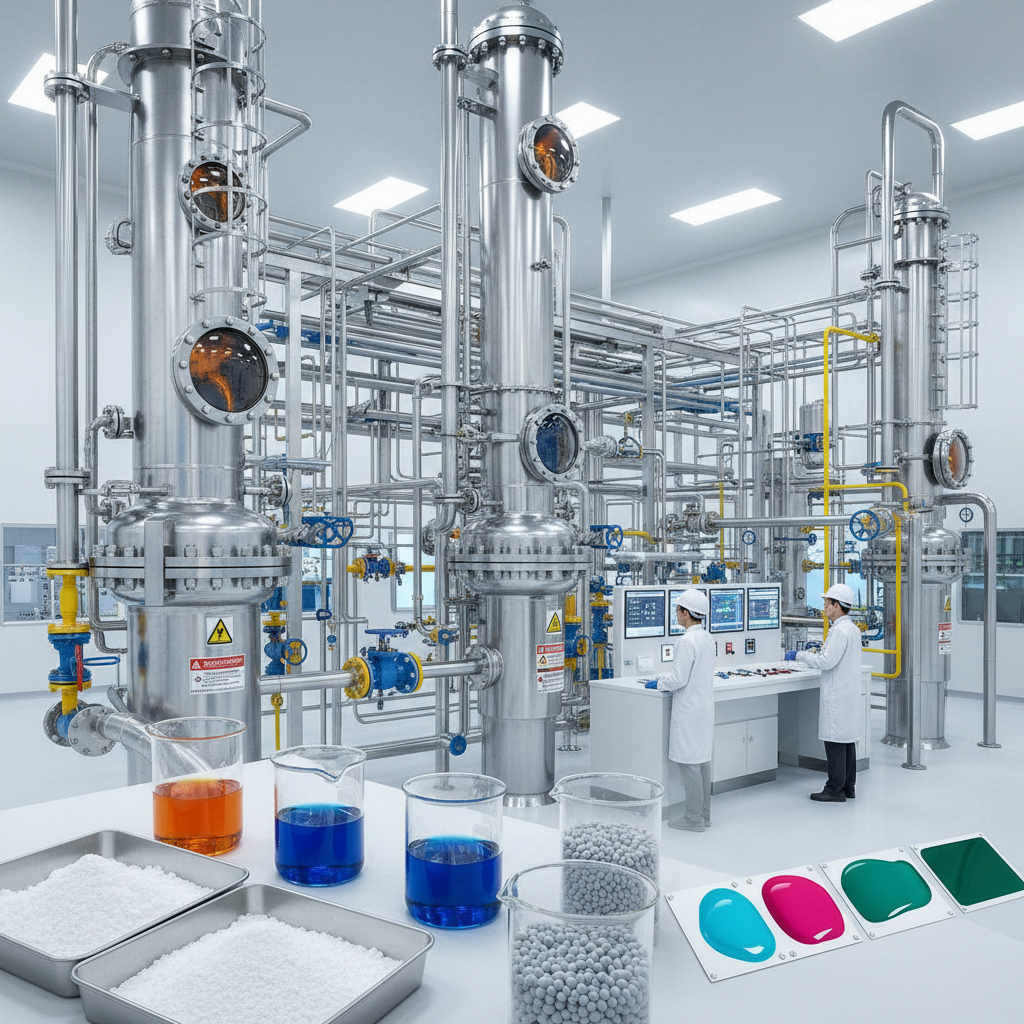
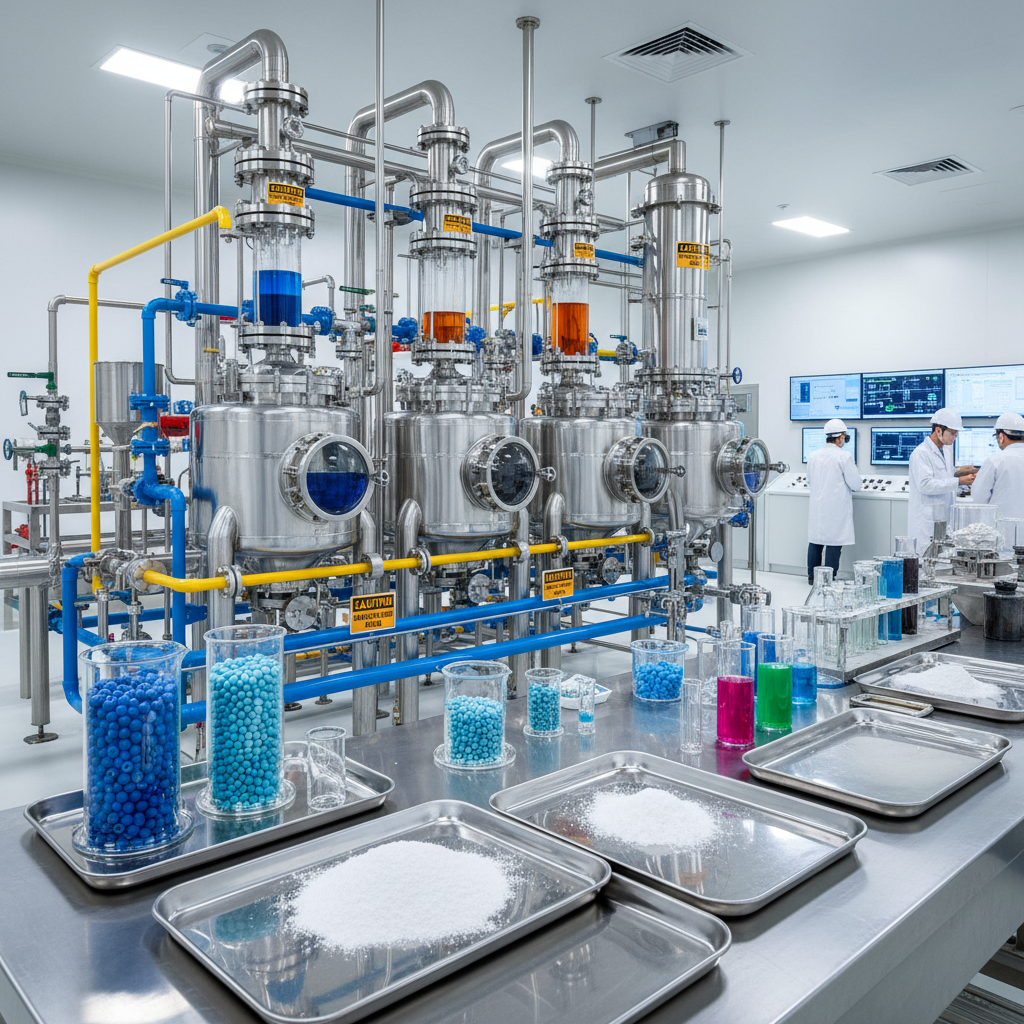
Basic dye in textile represents a cornerstone of the colorant industry, impacting a vast range of applications from fashion and apparel to industrial fabrics. Its widespread use is attributed to its vibrant hues, relatively low cost, and ease of application. Understanding the nuances of basic dyes – their chemistry, application techniques, and environmental implications – is crucial for textile manufacturers, designers, and sustainability advocates alike. This knowledge empowers informed decision-making, leading to more efficient production processes and environmentally responsible practices within the textile sector.
Globally, the textile industry is a major economic driver, employing millions and contributing significantly to international trade. Basic dyes constitute a substantial portion of the dyes used within this industry, especially for cellulose fibers like cotton, rayon, and linen. However, the application of these dyes often presents challenges related to colorfastness, effluent treatment, and potential environmental hazards. Addressing these challenges is essential for fostering a sustainable textile industry that minimizes its ecological footprint.
The continued relevance of basic dye in textile stems from its ability to deliver bright, intense colors that are highly sought after in various textile applications. Despite advancements in dye chemistry, basic dyes remain competitive due to ongoing innovations in application techniques and after-treatment processes designed to enhance performance and reduce environmental impact. The future of basic dye in textile relies on a commitment to sustainable practices and responsible chemical management.
Introduction to basic dye in textile
Basic dyes, characterized by their cationic nature, represent a significant class of colorants used extensively in the textile industry. They are particularly effective on acrylic, modified polyester, and protein fibers, but their application on cellulosic materials like cotton requires the use of mordants to improve wash fastness. The enduring popularity of basic dye in textile is linked to their bright shades, high tinctorial strength, and relatively straightforward application processes.
However, the use of basic dyes isn’t without its complexities. Issues such as poor light fastness and bleeding tendencies have prompted ongoing research and development efforts focused on improving dye performance and minimizing environmental impact. Modern innovations aim to overcome these limitations through encapsulation techniques, after-treatment methods, and the development of more sustainable dye formulations.
Global Relevance and Challenges
The global textile industry is a multi-trillion-dollar enterprise, deeply interwoven with international trade and employment. Basic dye in textile plays a critical role within this ecosystem, particularly in regions with significant textile manufacturing capacity, such as China, India, Bangladesh, and Turkey. Demand for brightly colored textiles, driven by fashion trends and consumer preferences, continues to fuel the demand for these dyes.
However, the industry faces mounting pressure to address environmental concerns related to dye effluent discharge. Traditional basic dyeing processes can generate wastewater containing residual dyes, salts, and other pollutants. The United Nations Environment Programme (UNEP) and other international organizations are actively promoting cleaner production technologies and sustainable dyeing practices to mitigate these impacts. Regulations like REACH (Registration, Evaluation, Authorisation and Restriction of Chemicals) in Europe also influence dye production and usage.
A key challenge lies in balancing economic competitiveness with environmental responsibility. Adopting more sustainable dyeing practices often requires significant investment in new technologies and infrastructure. Collaboration between dye manufacturers, textile mills, and regulatory bodies is essential to foster innovation and accelerate the transition towards a more sustainable textile industry utilizing basic dye in textile responsibly.
Defining Basic Dye in Textile
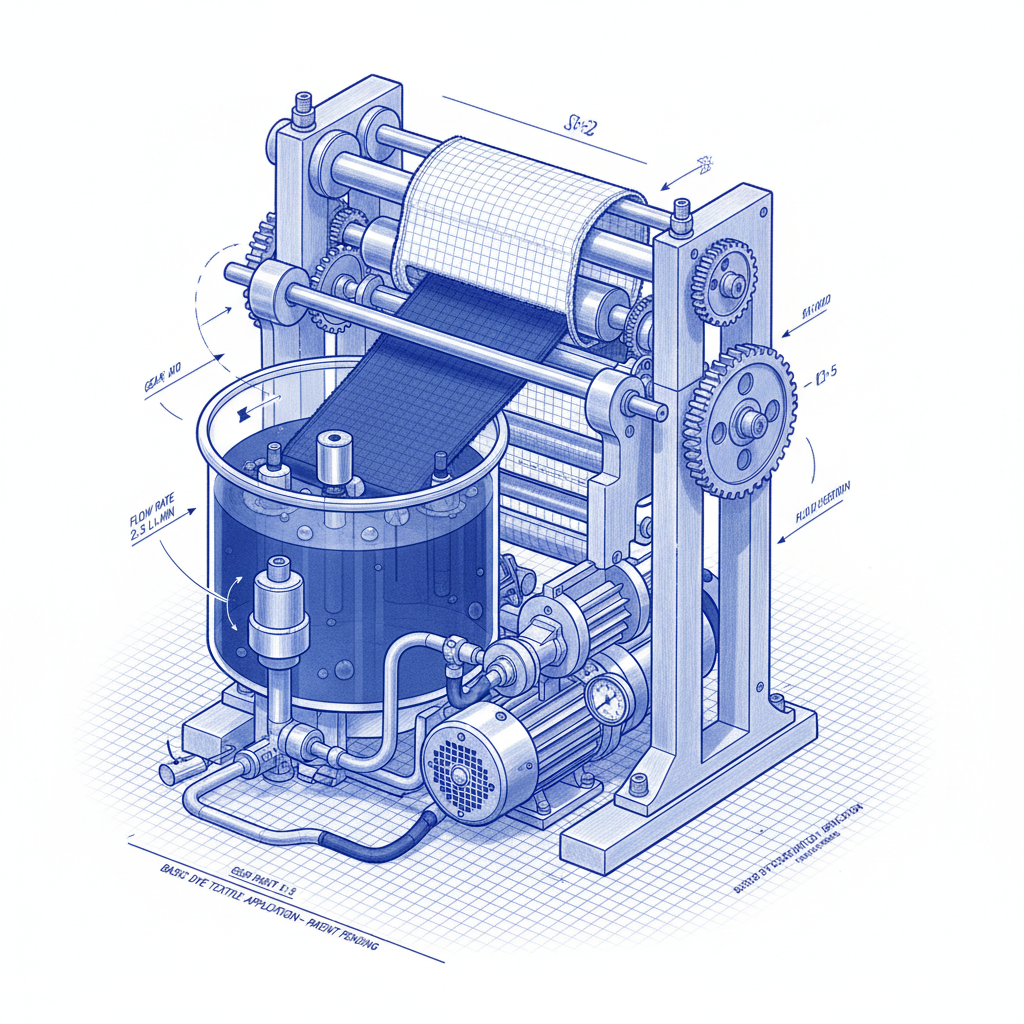
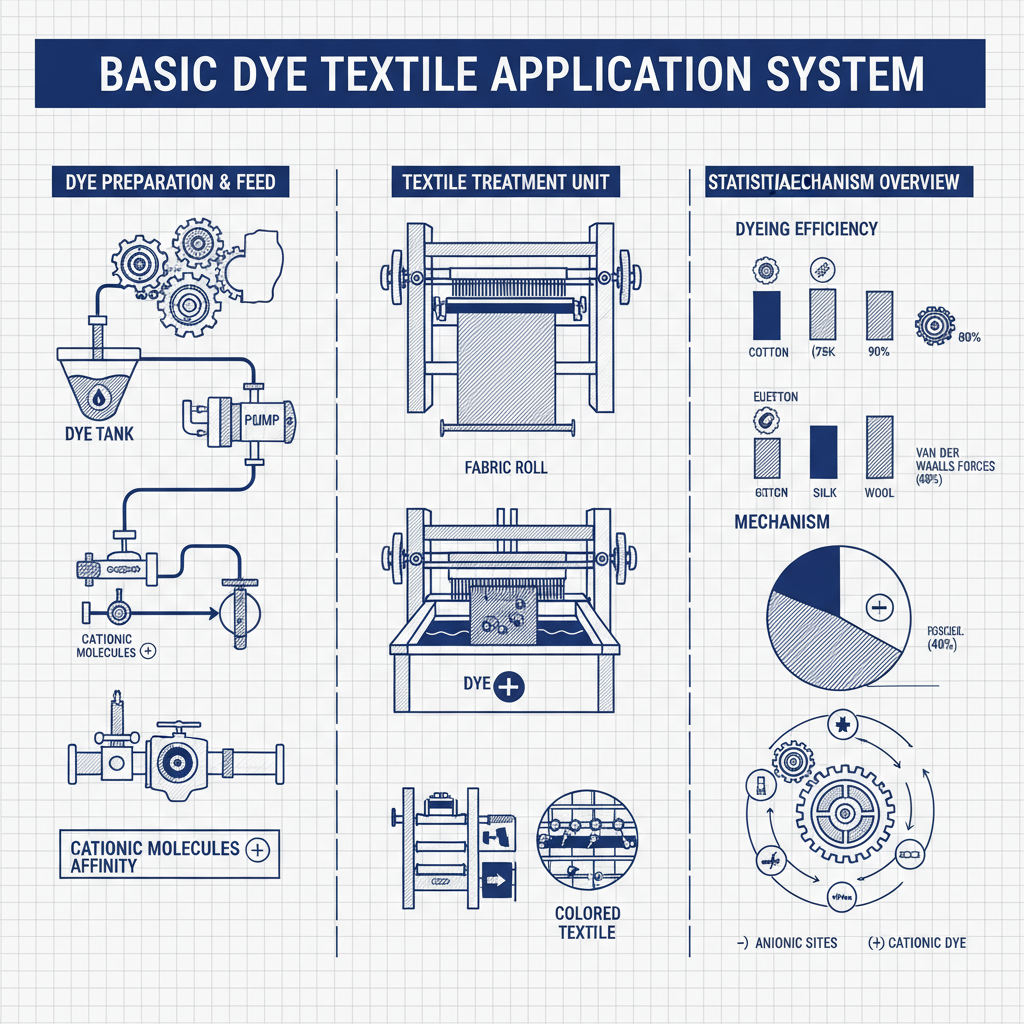
Basic dye in textile refers to a class of cationic (positively charged) dyes that are primarily used to color acrylic fibers, but can also be applied to wool, silk, and modified nylon. Unlike direct dyes, which have a natural affinity for cellulose, basic dyes require the use of a mordant (a substance that fixes the dye) when applied to cotton or other cellulosic materials. This mordant creates a negatively charged site on the fiber, allowing the cationic dye to bind.
Chemically, basic dyes are typically derived from diazonium salts and contain one or more basic groups (amino or substituted amino groups). These groups are responsible for the dye's cationic character and its ability to interact with negatively charged sites on the fiber. The molecular structure of basic dyes dictates their color, intensity, and fastness properties.
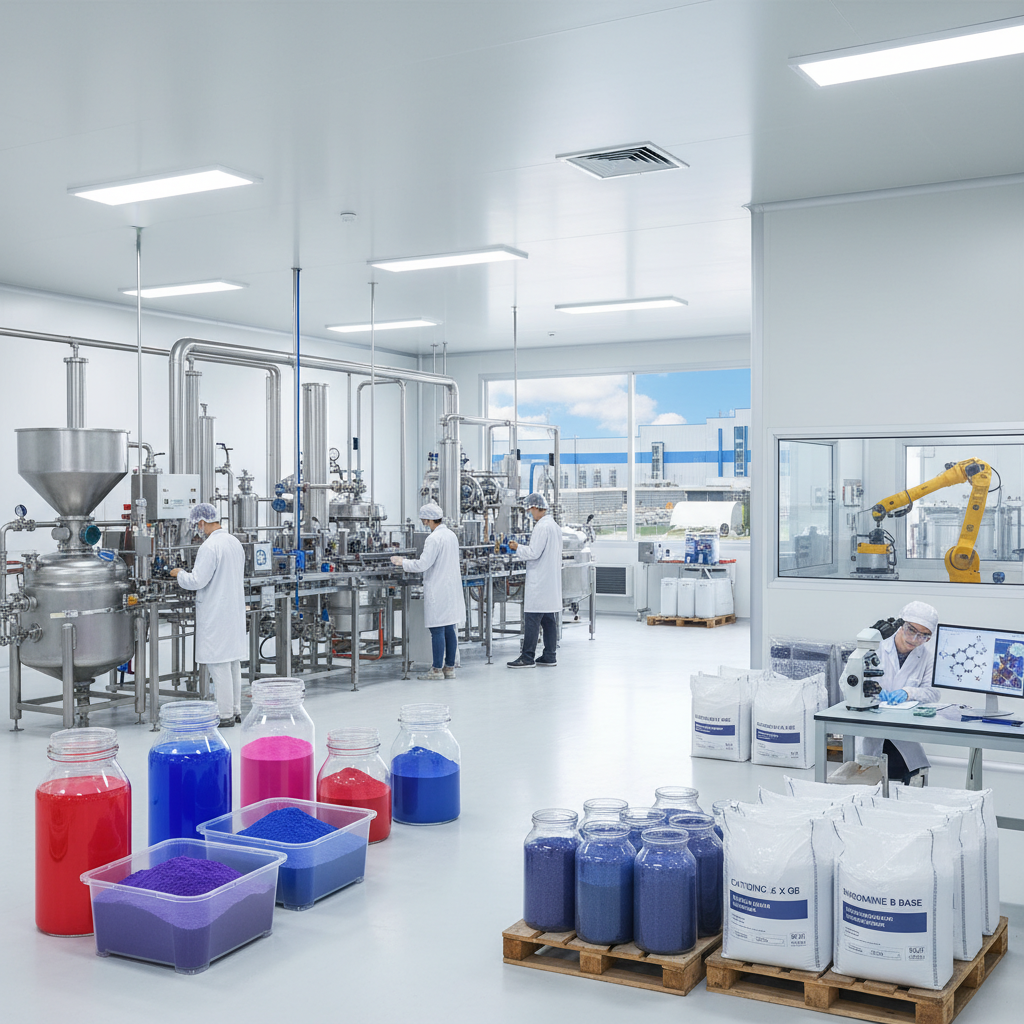
The application of basic dye in textile is deeply connected to modern industrial needs. The demand for vibrant, affordable colors in fashion, home textiles, and industrial applications continues to drive their use. Furthermore, the relatively simple dyeing process makes them accessible to a wide range of textile manufacturers globally, particularly in developing countries.
Key Characteristics of Basic Dyes
One crucial characteristic of basic dyes is their high tinctorial strength, meaning they require relatively small amounts of dye to achieve intense coloration. This translates to cost savings for textile manufacturers. Another defining feature is their brilliant shades, offering a wide spectrum of vibrant colors, especially blues, violets, and reds, that are difficult to achieve with other dye classes.
However, basic dyes generally exhibit lower wash fastness compared to reactive or direct dyes, meaning the color can bleed or fade during washing. This limitation is often addressed through after-treatment processes, such as cationic fixing agents, which improve dye retention on the fiber. Their light fastness is also a concern, meaning they can fade upon prolonged exposure to sunlight.
Fastness Properties of Common Basic Dye Applications in Textile
Applications Across Industries
The fashion and apparel industry represents the largest consumer of basic dye in textile, leveraging its vibrant colors for clothing, accessories, and footwear. The ability to achieve bright, trendy shades quickly and cost-effectively makes it a popular choice for fast fashion and seasonal collections. The use extends to home textiles, including curtains, upholstery, and bed linens, where aesthetic appeal is paramount.
Beyond fashion, basic dyes find application in industrial textiles, such as carpets, automotive fabrics, and filter cloths. In these contexts, color may be less critical than functional properties, but basic dyes still offer advantages in terms of cost and ease of application. Emerging applications include digital textile printing, where basic dye-based inks are increasingly used to create customized designs and patterns.
Advantages and Value Proposition
The primary advantage of basic dye in textile lies in its cost-effectiveness. Compared to some other dye classes, basic dyes are generally more affordable, making them attractive for manufacturers operating on tight budgets. This is particularly important in developing countries where price sensitivity is high. Furthermore, the simplicity of the dyeing process reduces labor costs and production time.
From a value proposition standpoint, basic dyes offer a compelling combination of affordability, vibrancy, and ease of use. They enable manufacturers to produce aesthetically appealing textiles at competitive prices, catering to a wide range of consumer preferences. Continuous innovation in dye formulations and after-treatment processes further enhances their value by addressing concerns related to fastness and sustainability.
Looking ahead, the long-term value of basic dyes hinges on adopting more sustainable practices. Investing in cleaner production technologies, developing eco-friendly dye formulations, and improving wastewater treatment systems are crucial for ensuring the continued viability of basic dye in textile within a circular economy.
Future Trends and Innovations
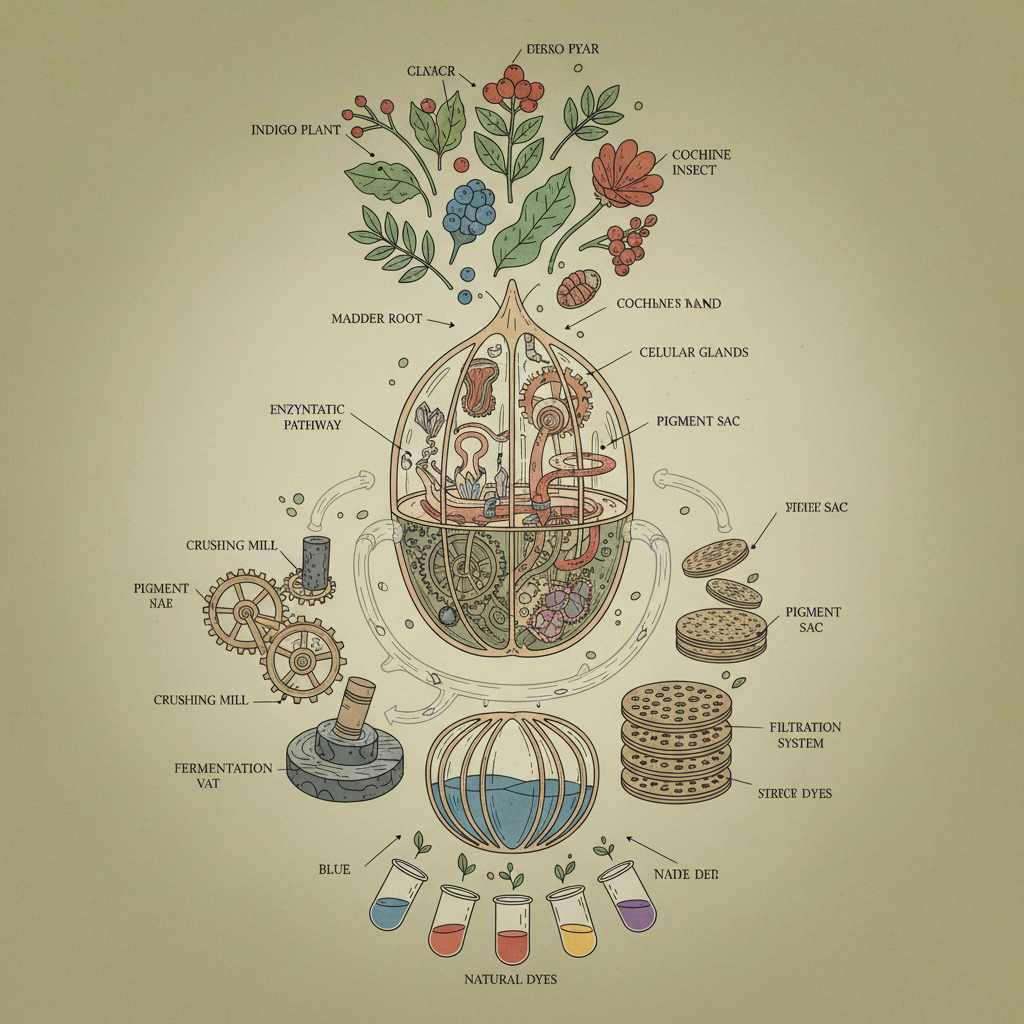
One prominent trend is the development of encapsulated basic dyes. This technology involves enclosing the dye molecules within a protective shell, improving their fastness properties and reducing their environmental impact. Encapsulation minimizes dye migration during washing and reduces the amount of dye released into wastewater. Another area of innovation focuses on bio-based basic dyes derived from renewable resources, offering a more sustainable alternative to traditional petrochemical-based dyes.
Digital textile printing is also driving innovation in basic dye chemistry. Developing inks specifically formulated for inkjet printing, with optimized viscosity, surface tension, and color stability, is a key focus. Furthermore, the integration of artificial intelligence (AI) and machine learning (ML) in dye formulation and process optimization promises to enhance efficiency and reduce waste.
The convergence of green chemistry, digital technologies, and sustainable manufacturing practices is shaping the future of basic dye in textile, paving the way for a more environmentally responsible and economically viable textile industry.
Summary of Challenges and Solutions for Optimizing Basic Dye in Textile Performance
| Challenge |
Impact on Textile Quality |
Potential Solution |
Implementation Cost (1-10) |
| Low Wash Fastness |
Color bleeding, fading, reduced garment lifespan |
Cationic Fixing Agents, Encapsulation Techniques |
6 |
| Poor Light Fastness |
Color fading upon exposure to sunlight |
UV Absorbers, Dye Formulation Optimization |
5 |
| Wastewater Pollution |
Environmental damage, regulatory compliance issues |
Advanced Wastewater Treatment, Dye Recycling |
8 |
| Uneven Dyeing |
Variations in color across the fabric |
Optimized Dyeing Processes, Leveling Agents |
4 |
| Limited Fiber Compatibility |
Difficulty achieving desired color on certain fibers |
Mordant Application, Fiber Modification |
7 |
| High Salt Content in Effluent |
Increased TDS levels, environmental concerns |
Salt Recovery Systems, Alternative Dyeing Techniques |
7 |
FAQS
Basic dyes offer several advantages including their bright, vibrant color range, high tinctorial strength (requiring less dye for intense color), and relatively low cost. They are particularly effective on acrylic and modified polyester fabrics. However, it’s crucial to address concerns regarding wash fastness through appropriate after-treatment processes.
The wash fastness of basic dyes can be significantly improved by using cationic fixing agents. These agents form an insoluble complex with the dye molecules within the fiber, preventing them from bleeding during washing. Encapsulation techniques, where the dye is enclosed in a protective shell, also enhance fastness. Careful control of dyeing parameters, like temperature and pH, are also key.
Traditional basic dyeing processes can pose environmental challenges due to wastewater containing residual dyes and salts. However, advancements in dye chemistry, such as the development of bio-based dyes, and wastewater treatment technologies are addressing these concerns. Implementing closed-loop dyeing systems and optimizing dye usage can further minimize environmental impact.
Basic dyes exhibit the best affinity and colorfastness on acrylic fibers. They also perform well on wool, silk, and modified polyester. For cellulosic fibers like cotton, a mordant is required to create a negatively charged site for the cationic dye to bind. The choice of fiber ultimately depends on the desired aesthetic and performance characteristics of the final textile product.
Emerging trends include the development of encapsulated basic dyes for improved fastness, bio-based dyes sourced from renewable resources, and dyes formulated for digital textile printing. AI and machine learning are also being applied to optimize dye formulations and dyeing processes, reducing waste and improving efficiency.
Selecting the appropriate basic dye involves considering several factors: the fiber type being dyed, the desired color shade, the required fastness properties, and environmental regulations. Consulting with dye suppliers and conducting thorough testing are essential steps to ensure optimal performance and compliance.
Conclusion
In conclusion, basic dye in textile remains a vital component of the global textile industry, offering a compelling combination of vibrant colors, affordability, and ease of application. While challenges related to fastness and environmental impact persist, ongoing innovations in dye chemistry, application techniques, and wastewater treatment are paving the way for a more sustainable future. Understanding the characteristics and limitations of basic dyes is crucial for textile manufacturers, designers, and consumers alike.
Looking ahead, a commitment to responsible chemical management, cleaner production technologies, and circular economy principles will be essential to ensure the long-term viability of basic dye in textile. Further research and development focused on bio-based dyes, encapsulated dyes, and optimized dyeing processes will drive the industry towards greater sustainability and efficiency. Visit our website at https://www.yanhongchem.com to learn more about our range of basic dyes and solutions.