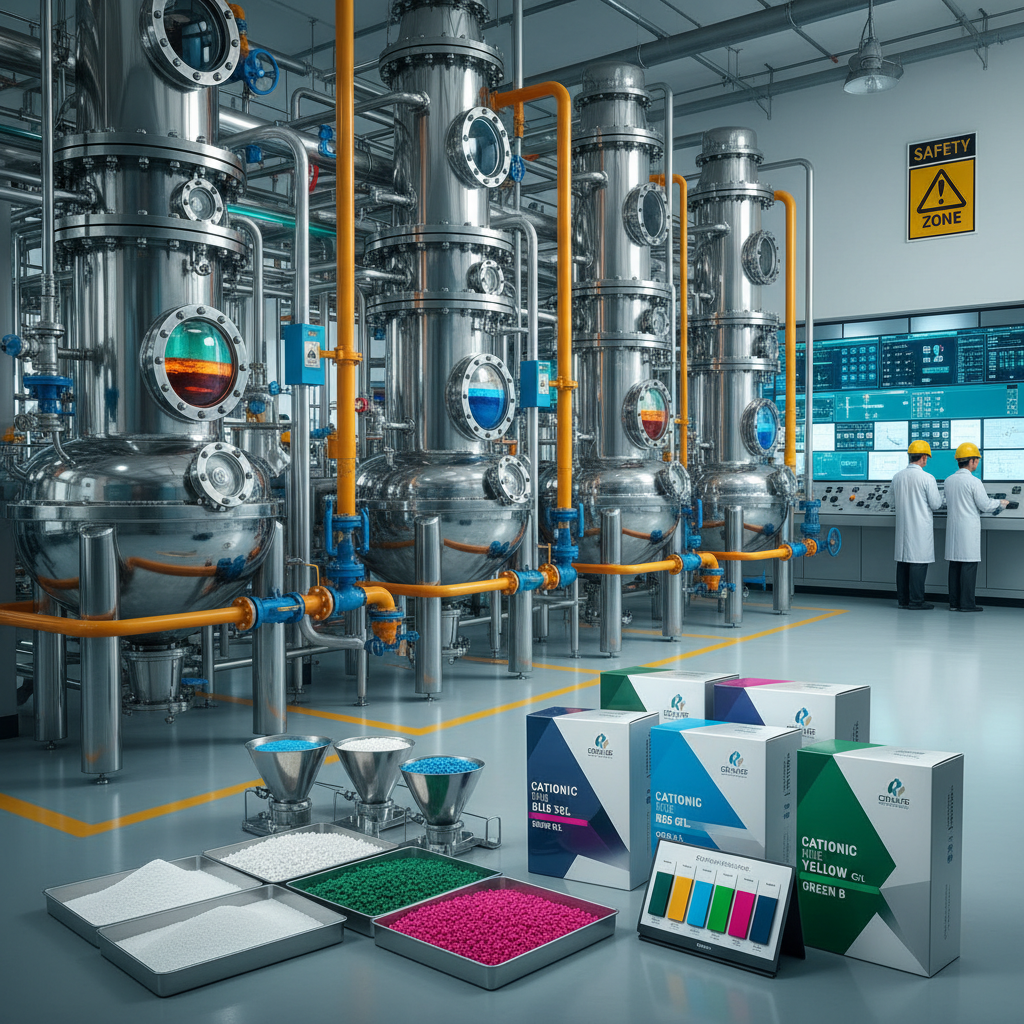
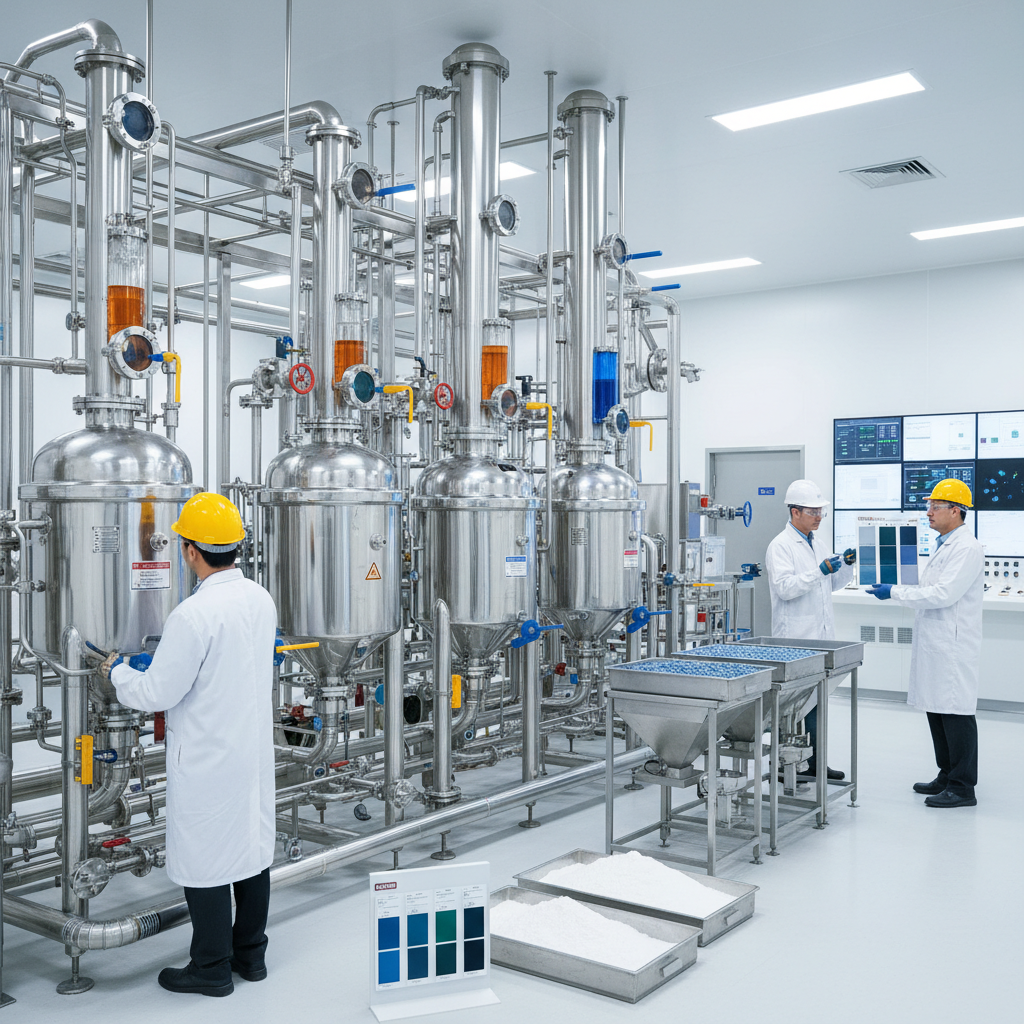
Look, textile dye manufacturers... it’s a world, honestly. Been wrestling with this stuff for years, bouncing between mills in China and testing labs in Germany. It's not just about pretty colors, you know? It’s about getting the shade right, making it stick, and not having it bleed all over everything. Been seeing a big push lately towards sustainable options, which is good, but it’s a pain to find stuff that doesn’t cost a fortune or compromise on performance. It’s a constant trade-off.
The whole industry's shifting, though. Everyone's screaming about fast fashion, environmental impact, all that. Which means the pressure's on us, the dye manufacturers, to come up with solutions. Digital printing is gaining traction, but the initial investment is huge for smaller operations. And don’t even get me started on regulations... they change faster than the weather.
I swear, half my job is just navigating paperwork. But hey, someone’s gotta do it. We're seeing more demand for reactive dyes, especially for cotton. Seems like everyone wants that 'natural' look these days. The whole supply chain is getting scrutinized, too. Brands want to know where everything comes from, how it's made, and what kind of footprint it leaves. It's a headache, but it’s forcing everyone to be more responsible, I guess.
The Significance of Textile Dye Manufacturers
To be honest, people don’t think about where their clothes get their color from. It’s easy to take it for granted. But textile dye manufacturers are the backbone of the entire fashion industry, and a lot more besides. Think about it – upholstery, automotive interiors, even medical textiles… it all relies on getting the dye just right. And it’s not a simple process, believe me.
It impacts everything from brand reputation to consumer safety. A poorly dyed garment isn’t just ugly; it can release harmful chemicals onto your skin. And with increasing global trade, the demand for consistent, high-quality dyes is only going up. We’re talking about a multi-billion dollar industry, directly impacting livelihoods and economies around the world. textile dye manufacturers play a crucial role in it.
Defining Textile Dye Manufacturers
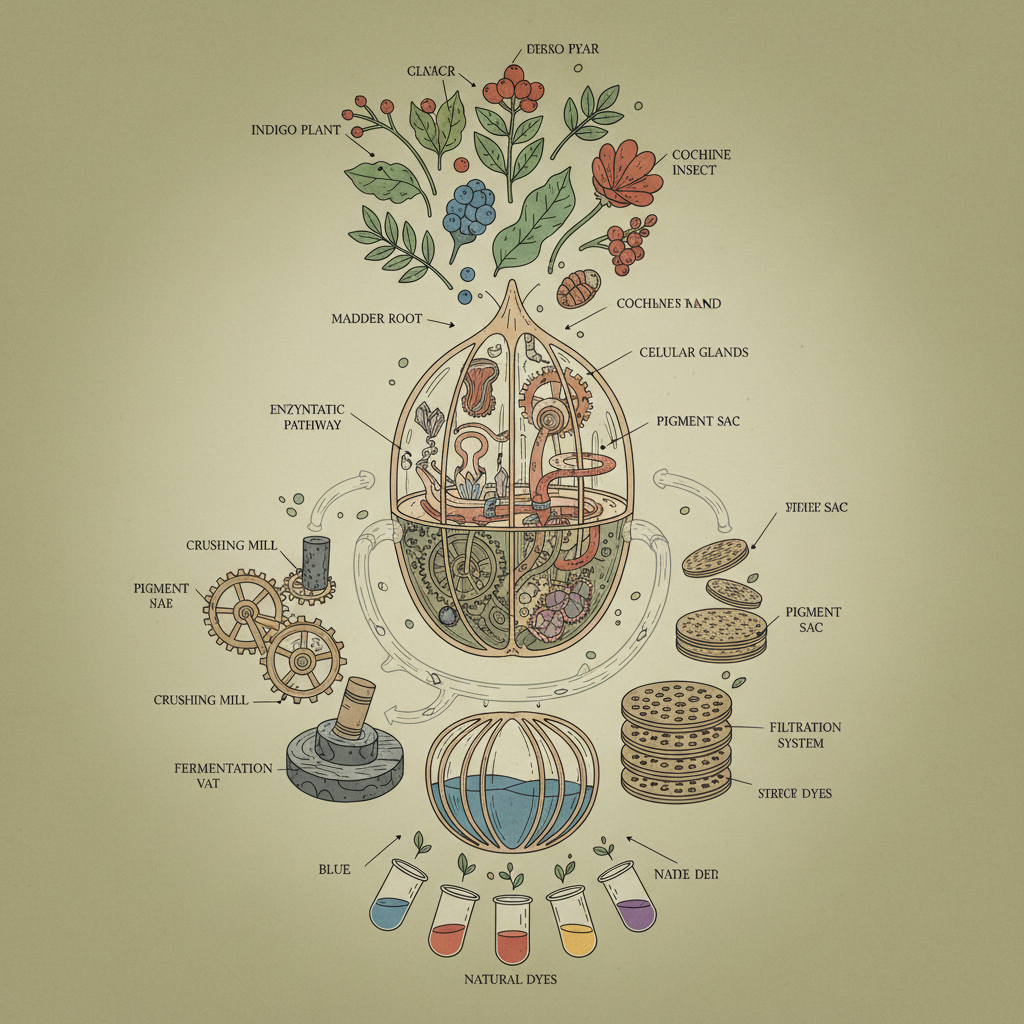
Alright, so what are textile dye manufacturers? Basically, we take raw chemical compounds, refine them, and turn them into colorants that can be applied to fabrics. It’s a surprisingly complex science, involving a lot of chemistry, engineering, and a healthy dose of trial and error. We don’t just ‘make dye’; we engineer solutions for specific fabrics, application methods, and performance requirements.
It’s connected to modern industry in pretty much every way imaginable. Everything from fast fashion to high-performance sportswear relies on us. And it’s increasingly linked to humanitarian needs. Think about durable, colorfast fabrics for disaster relief tents or protective clothing for healthcare workers. It’s not just about aesthetics; it's about functionality and ensuring people have access to safe, reliable materials.
Have you noticed how many companies are now advertising ‘eco-friendly’ dyes? That’s us responding to consumer demand and stricter regulations. It’s a push towards a more sustainable future, but it also adds a whole layer of complexity to the manufacturing process.
Core Components of Effective Dye Manufacturing
Durability is huge, obviously. No one wants a shirt that fades after one wash. But it’s not just about colorfastness. It’s about resistance to UV exposure, chlorine, and other environmental factors. We spend a lot of time testing for these things. Then there's scalability – being able to ramp up production to meet demand without sacrificing quality. That’s a real challenge, especially with custom colors.
Cost efficiency is always a factor. Everyone wants a bargain, but you get what you pay for, right? Cheap dyes often lack durability and can contain harmful chemicals. And it’s not just the cost of the dye itself; it’s the cost of application, waste treatment, and regulatory compliance. Finding that sweet spot between price and performance is key. I encountered this at a factory in India last time, they were using a dye that was suspiciously cheap… turned out it was full of banned substances. A nightmare.
Consistency is another big one. Brands need to be able to rely on us to deliver the same color, batch after batch. That requires tight quality control and precise manufacturing processes. Finally, there’s innovation. Developing new dyes with improved performance and reduced environmental impact is a constant effort. It’s not glamorous work, but it’s essential.
Global Applications and Use Cases
You see textile dye manufacturers’ work everywhere. In the fashion industry, obviously – clothing, accessories, footwear. But it extends way beyond that. Automotive interiors, for example. They need dyes that can withstand years of sun exposure and wear and tear. Then there’s upholstery, carpets, and curtains. Even medical textiles use specialized dyes that are biocompatible and resistant to sterilization.
Regions like China and India are major manufacturing hubs, but demand is global. Europe and North America are big consumers, and we’re seeing increased demand from emerging markets in Africa and South America. We supply to brands all over the world, from small boutique designers to multinational corporations. Strangely, a lot of the high-end sportswear brands are really pushing for unique, custom colors.
In post-disaster relief operations, durable, colorfast fabrics are critical for providing shelter and clothing to affected populations. And in remote industrial zones, where access to clean water is limited, dyes that require less water for application are highly valued. These aren't just color choices; they're about practicality and sustainability.
Textile Dye Manufacturers Application Segments
Advantages and Long-Term Value
The tangible benefits are pretty straightforward. Using high-quality dyes reduces waste, improves product durability, and enhances brand reputation. From a sustainability standpoint, it’s about minimizing environmental impact and ensuring responsible manufacturing practices. It’s not cheap upfront, but it saves money in the long run.
But it goes deeper than that. It’s about ensuring worker safety, providing consumers with safe and reliable products, and building trust with stakeholders. It's also about innovation – constantly pushing the boundaries of what’s possible with color and performance. And, frankly, there's a certain pride in knowing you're contributing to something lasting, something well-made. Anyway, I think that matters.
Future Trends and Innovations
Digital printing is definitely the future, but it’s still evolving. We’re seeing advancements in ink formulations and printing technologies that are making it more accessible and cost-effective. Bio-based dyes are another area of intense research. Using renewable resources instead of petroleum-based chemicals is a huge step towards sustainability.
Automation is also playing a bigger role, streamlining production processes and reducing waste. And with the rise of Industry 4.0, we’re seeing more integration of data analytics and machine learning to optimize dye formulations and predict performance. It’s all about efficiency and precision. I think the demand for customized, on-demand dye solutions will only increase in the coming years.
Challenges and Solutions in Dye Manufacturing
One of the biggest challenges is regulatory compliance. The rules are constantly changing, and it’s hard to keep up. Another is managing the supply chain. Raw materials can be volatile, and disruptions can have a ripple effect throughout the industry. And then there’s the issue of waste water treatment. It’s expensive and complex, but it’s essential for protecting the environment.
The solution? Collaboration. We need to work more closely with suppliers, customers, and regulatory agencies to address these challenges collectively. Investing in research and development is also crucial. Developing new, more sustainable dyes and manufacturing processes is the key to long-term success. And frankly, a little bit of common sense goes a long way.
Last month, that small boss in Shenzhen who makes smart home devices insisted on changing the interface to , and the result was a three-week delay because the dyes we had prepped were for the old USB standard. Lesson learned: always confirm the specs! The entire batch had to be redone. It’s these little details that can make or break a project.
Summary of Dye Manufacturing Challenges and Potential Solutions
| Challenge |
Impact Area |
Severity (1-10) |
Potential Solution |
| Regulatory Compliance |
Production Costs |
8 |
Proactive monitoring & adaptation |
| Supply Chain Volatility |
Production Timelines |
7 |
Diversified sourcing & strategic partnerships |
| Wastewater Treatment |
Environmental Impact |
9 |
Advanced treatment technologies & closed-loop systems |
| Color Consistency |
Product Quality |
6 |
Automated color matching & QC processes |
| Sustainable Dye Development |
Market Competitiveness |
7 |
Investment in bio-based dye research |
| Skilled Labor Shortage |
Operational Efficiency |
5 |
Training programs & automation adoption |
FAQS
Traditional textile dyeing is notorious for its high water consumption and the release of harmful chemicals into waterways. Many conventional dyes contain heavy metals and other toxic substances that can contaminate ecosystems and pose health risks. The energy-intensive nature of the process also contributes to greenhouse gas emissions. Sustainable dye alternatives and improved wastewater treatment are crucial for mitigating these impacts.
Reactive dyes form a chemical bond with the fabric fibers, resulting in excellent colorfastness and wash resistance. Unlike other dyes that simply coat the surface, reactive dyes become an integral part of the textile. They are particularly well-suited for cellulosic fibers like cotton and linen. However, they require careful application and wastewater treatment due to unfixed dye residue.
Color matching technology, including spectrophotometry and computer-aided formulation, is vital for achieving consistent dye shades across different batches. These technologies precisely measure color and create formulas to replicate it accurately. It reduces subjective assessments and minimizes variations due to human error. It's essential to maintain brand standards and avoid costly rejections.
Scaling up bio-based dye production faces challenges in cost-competitiveness, raw material availability, and achieving comparable performance to synthetic dyes. Many bio-based dyes currently have lower color intensity and fastness properties. Developing efficient and sustainable extraction and fermentation processes is also crucial. Significant investment in R&D is needed to overcome these hurdles.
Digital textile printing shifts the focus from bulk dye production to specialized ink formulations. Manufacturers must adapt by offering inks optimized for digital printing technologies, including inkjet and sublimation. This requires expertise in ink chemistry, color management, and printhead compatibility. It also opens opportunities for on-demand and customized dye solutions.
OEKO-TEX® certification is a globally recognized standard for textile safety and environmental responsibility. It ensures that dyes and textile products are free from harmful substances, protecting both human health and the environment. It provides consumers with confidence and demonstrates a commitment to sustainable practices. Obtaining this certification requires rigorous testing and ongoing monitoring.
Conclusion
So, what have we learned? Textile dye manufacturers aren’t just about colors; they’re about chemistry, sustainability, regulations, and a whole lot of problem-solving. It’s a complex industry with a massive impact on everything from fashion to healthcare. From navigating supply chain disruptions to developing eco-friendly alternatives, the challenges are constant, but the potential for innovation is huge.
Looking ahead, I think we’ll see even more emphasis on digital printing, bio-based dyes, and closed-loop manufacturing systems. The future of the industry depends on our ability to adapt, collaborate, and embrace new technologies. Ultimately, whether this thing works or not, the worker will know the moment he tightens the screw. Visit our website to learn more about our products and services.