Acrylic dyeing with basic dyes is a crucial process within the textile industry, offering vibrant color application to acrylic fibers. This technique holds significant global importance due to acrylic’s widespread use in apparel, home furnishings, and industrial textiles. Understanding the nuances of this dyeing method is paramount for achieving desired aesthetic qualities, ensuring colorfastness, and optimizing production efficiency.
The demand for acrylic fibers continues to grow, driven by their wool-like properties, affordability, and versatility. Consequently, the effective and sustainable application of dyes, particularly basic dyes, is increasingly critical. Factors like environmental regulations, consumer preferences for eco-friendly products, and the need for cost-effective solutions are shaping the future of acrylic dyeing with basic dyes.
This process isn't simply about adding color; it’s a complex chemical interaction heavily influenced by pH, temperature, dye concentration, and auxiliary agents. Mastering these parameters is essential for manufacturers aiming to deliver high-quality, durable, and aesthetically pleasing acrylic products, satisfying both consumer demands and stringent industry standards. This knowledge base will serve as a foundational understanding of acrylic dyeing with basic dyes.
Introduction to Acrylic Dyeing with Basic Dyes
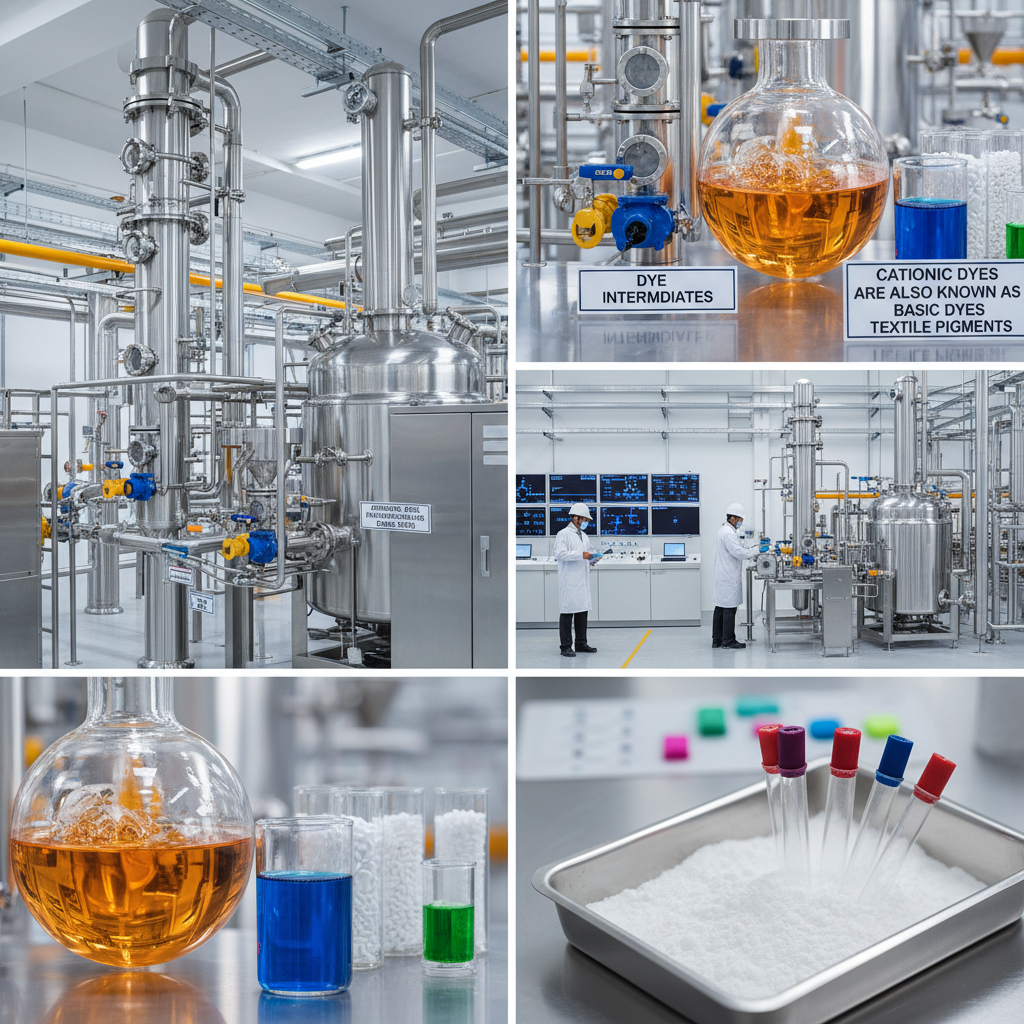
Acrylic dyeing with basic dyes involves using cationic dyes to color acrylic fibers, which contain anionic sites. This attraction is the fundamental principle driving the dyeing process.
The choice of basic dyes depends on the desired shade, fastness properties, and the specific application of the acrylic material. Understanding the interaction between the dye molecule and the fiber structure is crucial for achieving optimal results in acrylic dyeing with basic dyes.
The Chemical Foundation of Acrylic Dyeing with Basic Dyes
Basic dyes are characterized by a positive charge in their ionized form, enabling them to bind to the negatively charged sites within acrylic fibers. This ionic bonding is the primary mechanism for dye fixation. The chemical structure of the dye significantly influences its affinity for the fiber, color intensity, and overall fastness properties.
Acrylic fibers are typically composed of acrylonitrile, which is modified with comonomers to enhance dyeability and other characteristics. The presence of these comonomers creates anionic sites that attract the cationic basic dyes. The effectiveness of acrylic dyeing with basic dyes relies on optimizing this chemical interaction.
The pH of the dye bath plays a crucial role in controlling the ionization of both the dye and the fiber. Maintaining the appropriate pH ensures maximum dye uptake and optimal color development. Understanding the chemical principles underlying this process allows for precise control and predictable outcomes in acrylic dyeing with basic dyes.
Key Factors Influencing Dye Uptake
Temperature is a significant factor in acrylic dyeing with basic dyes. Increased temperature generally enhances dye diffusion and increases the rate of dye uptake. However, excessively high temperatures can damage the acrylic fibers or lead to uneven dyeing.
Dye concentration directly impacts the depth of shade achieved. Higher dye concentrations result in deeper colors, but exceeding the fiber’s capacity for dye uptake can lead to poor wash fastness. Optimizing dye concentration is essential for achieving the desired color intensity while maintaining performance characteristics in acrylic dyeing with basic dyes.
The presence of auxiliary agents, such as leveling agents and pH buffers, can significantly influence dye uptake and leveling. Leveling agents promote uniform dye distribution, while pH buffers maintain the optimal pH for ionic bonding, enhancing the efficiency of acrylic dyeing with basic dyes.
Fiber structure and morphology also play a role. The porosity and swelling properties of the acrylic fiber influence its ability to absorb the dye. Modifications to the fiber structure can enhance dyeability and improve the overall quality of the dyed material.
Performance Metrics in Acrylic Dyeing with Basic Dyes
Several performance metrics are used to assess the quality and durability of acrylic dyeing with basic dyes. These metrics include colorfastness to washing, light, and rubbing, as well as dye exhaustion and leveling properties.
Colorfastness to washing measures the dye’s resistance to fading or bleeding during laundering. High colorfastness is crucial for maintaining the appearance of the dyed acrylic material over multiple washes.
Colorfastness Ratings for Different Acrylic Dyeing Methods
Global Applications and Industrial Use
Acrylic dyeing with basic dyes finds extensive application in the production of apparel, including sweaters, socks, and scarves. The vibrant colors and soft hand feel achievable with basic dyes make them ideal for fashion items.
It is also widely used in the manufacturing of home textiles, such as carpets, blankets, and upholstery fabrics. The durability and colorfastness of dyed acrylic materials are essential for these applications.
Advantages and Limitations of Basic Dyes on Acrylics
Basic dyes offer several advantages for acrylic dyeing, including bright, vivid colors and relatively low cost. They also exhibit good leveling properties, resulting in uniform dye distribution.
However, basic dyes also have limitations. They typically exhibit poor lightfastness and wash fastness compared to other dye classes. This can be mitigated through after-treatments and dye selection, but remains a consideration.
Additionally, basic dyes can sometimes cause staining of white goods during washing, which can be a concern for consumers. Careful dye selection and washing instructions can help minimize this issue.
Optimizing the Acrylic Dyeing Process with Basic Dyes
Optimizing the acrylic dyeing process with basic dyes involves carefully controlling various parameters, including temperature, pH, dye concentration, and auxiliary agent selection.
Implementing a robust quality control system is crucial for monitoring dye uptake, colorfastness, and leveling properties. Regular testing and analysis ensure consistent product quality.
Furthermore, exploring innovative dyeing techniques, such as ultrasonic dyeing or microwave-assisted dyeing, can potentially enhance dye uptake and reduce processing time. Continuous improvement and adaptation are essential for maximizing the efficiency and sustainability of acrylic dyeing with basic dyes.
Summary of Optimization Strategies for Acrylic Dyeing with Basic Dyes
| Parameter |
Optimal Range |
Impact on Dyeing |
Monitoring Method |
| Temperature |
60-80°C |
Enhances dye diffusion and uptake |
Thermometer, temperature controller |
| pH |
4.5-5.5 |
Optimizes dye ionization and fiber attraction |
pH meter |
| Dye Concentration |
0.5-2% (owf) |
Controls color depth and fastness |
Spectrophotometer |
| Leveling Agent |
0.1-0.5% (owf) |
Promotes uniform dye distribution |
Visual inspection, spectrophotometer |
| Dyeing Time |
60-90 minutes |
Ensures complete dye exhaustion |
Dye bath analysis |
| Liquor Ratio |
1:10 - 1:20 |
Influences dye migration and leveling |
Volume measurement |
FAQS
Basic dyes offer several advantages for acrylic dyeing, including their ability to produce bright, vivid colors at a relatively low cost. They also generally exhibit good leveling properties, ensuring uniform dye distribution across the fabric. This makes them a popular choice for applications where vibrant aesthetics are prioritized, such as fashion apparel and decorative textiles. However, it's important to consider their limitations in terms of light and wash fastness.
Improving the wash fastness of basic dyes on acrylics often involves after-treatment processes. These can include the use of cationic fixing agents that form complexes with the dye molecules, preventing their release during washing. Additionally, careful control of dyeing parameters, such as pH and temperature, and the use of appropriate leveling agents can contribute to better dye fixation. Choosing dyes with inherently higher fastness properties is also a crucial factor.
The optimal pH range for acrylic dyeing with basic dyes typically falls between 4.5 and 5.5. This pH range ensures that both the dye and the acrylic fiber are properly ionized, maximizing the electrostatic attraction between them. Maintaining this pH is crucial for achieving good dye uptake and leveling. pH buffers are commonly used to maintain the desired pH throughout the dyeing process.
Temperature plays a vital role in acrylic dyeing with basic dyes. Increasing the temperature generally accelerates dye diffusion and enhances dye uptake by the acrylic fibers. However, it's crucial to avoid excessively high temperatures, as they can potentially damage the fibers or lead to uneven dyeing. A temperature range of 60-80°C is typically recommended, but the specific optimal temperature may vary depending on the dye and fiber type.
Common problems include uneven dyeing, poor colorfastness, and staining of white goods. Uneven dyeing can be addressed by ensuring proper leveling agent usage and consistent agitation. Poor colorfastness can be improved with after-treatments and optimized dyeing parameters. Staining can be minimized by selecting dyes with reduced bleed characteristics and using appropriate washing procedures. Regular monitoring and analysis are key to identifying and resolving these issues.
Yes, several sustainable practices can be implemented. These include optimizing dye usage to minimize waste, utilizing water-efficient dyeing techniques, and employing eco-friendly auxiliary agents. Exploring alternative dyes with lower environmental impact is another important consideration. Furthermore, implementing closed-loop systems for water recycling and wastewater treatment can significantly reduce the environmental footprint of the dyeing process.
Conclusion
Acrylic dyeing with basic dyes remains a cornerstone of textile coloration, offering vibrant shades and cost-effectiveness. Understanding the underlying chemical principles, influencing factors, and performance metrics is vital for achieving high-quality results. Optimizing the process through careful parameter control, after-treatments, and exploration of innovative techniques ensures both aesthetic appeal and durability.
The future of acrylic dyeing lies in embracing sustainability, minimizing environmental impact, and adapting to evolving consumer demands. Continued research and development of eco-friendly dyes and efficient dyeing technologies will pave the way for a more responsible and innovative textile industry. For further information and to explore our range of dyes, please visit our website: www.yanhongchem.com