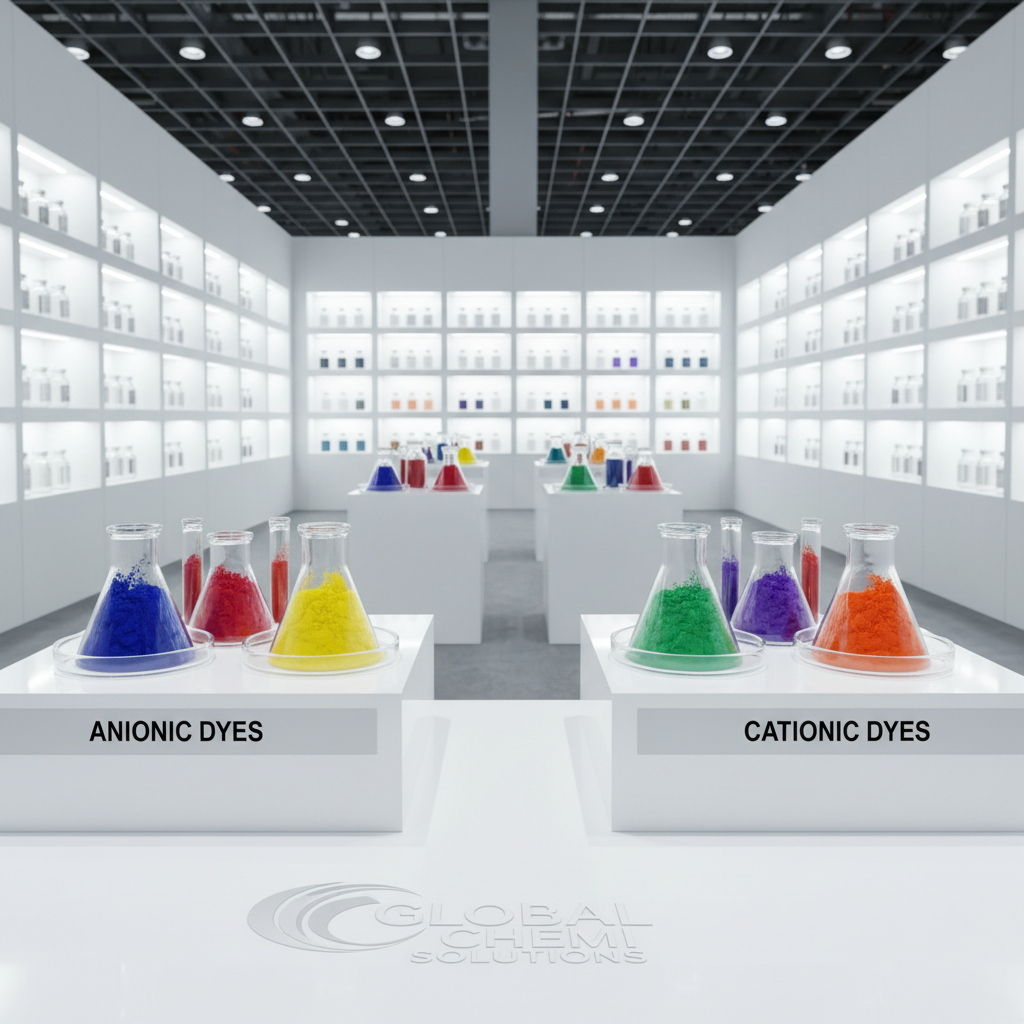
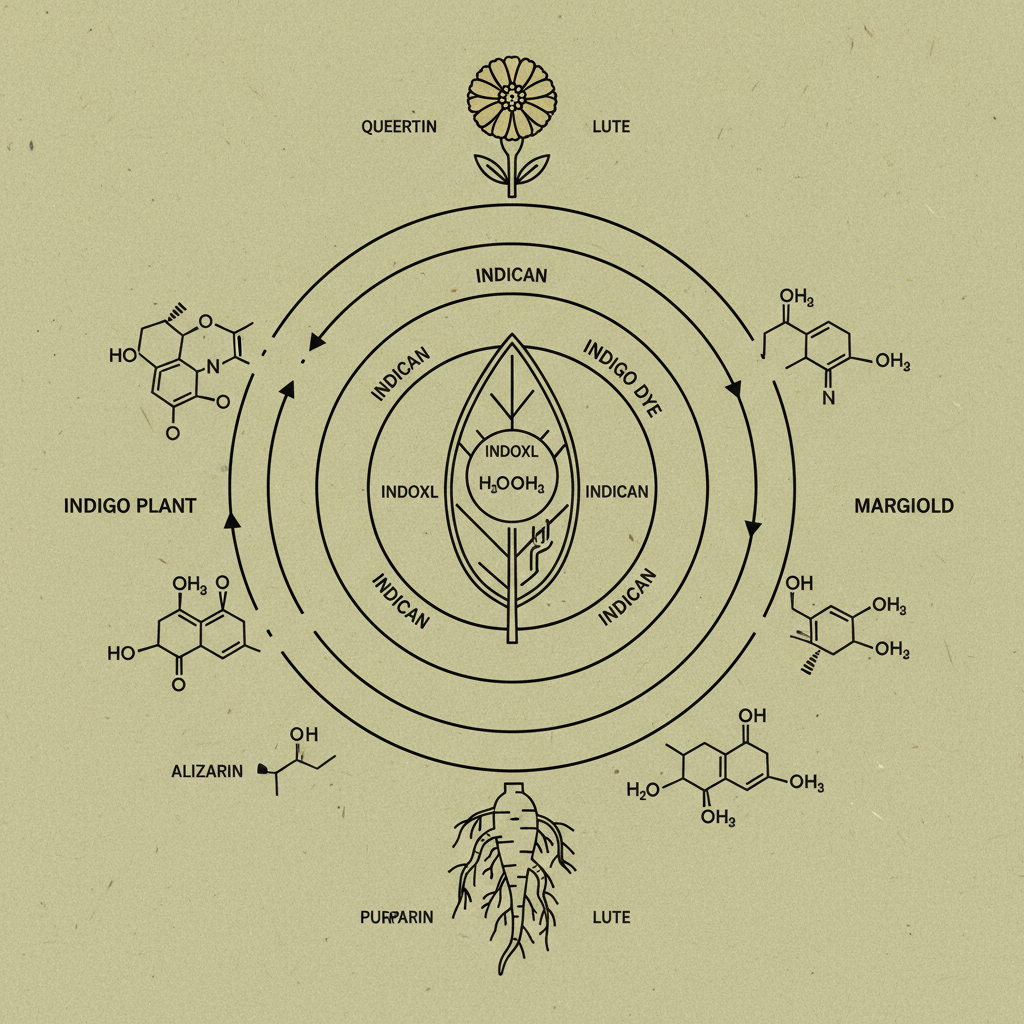
Anionic and cationic dyes represent a cornerstone of modern coloration technology, impacting industries from textiles and paper to cosmetics and even specialized applications like biomedical imaging. These dyes, distinguished by their ionic charge, exhibit unique properties influencing their interaction with various substrates and their overall performance. Understanding the nuances of anionic and cationic dyes is crucial for achieving optimal colorfastness, vibrancy, and functionality in a wide range of products.
Globally, the demand for dyes continues to grow alongside expanding textile production, particularly in emerging economies. The United Nations Comtrade database highlights a consistent multi-billion dollar trade volume in organic dyes annually. However, this industry faces increasing scrutiny regarding environmental impact and sustainability. Therefore, advancements in anionic and cationic dye chemistry, focusing on eco-friendly production methods and reduced water usage, are paramount.
The significance of anionic and cationic dyes extends beyond aesthetic appeal. They play vital roles in analytical chemistry, serving as indicators and tracers, and in materials science, influencing the properties of polymers and composites. Their ability to selectively bind to different materials makes them invaluable tools in various research and industrial processes.
The Fundamentals of anionic and cationic dyes
At their core, anionic dyes carry a negative charge, allowing them to bond effectively with positively charged fibers like wool, silk, and nylon. Their affinity stems from electrostatic attraction and Van der Waals forces. This leads to excellent wash fastness, making them ideal for applications requiring durability and consistent color retention.
Conversely, cationic dyes possess a positive charge and exhibit a strong attraction to negatively charged substrates like acrylic fibers and modified polyester. These dyes often offer brighter, more vibrant shades compared to their anionic counterparts, but typically display lower lightfastness. The selection of anionic versus cationic dyes fundamentally depends on the target material and desired performance characteristics.
Defining anionic and cationic dyes and Their Industrial Relevance
Anionic dyes, also known as acid dyes, are water-soluble compounds containing anionic groups. They’re widely utilized in the textile industry for dyeing protein fibers like wool and silk, as well as nylon. Their ease of application and range of achievable colors contribute to their continued popularity. The anionic and cationic dyes market is constantly evolving with new formulations offering improved properties.
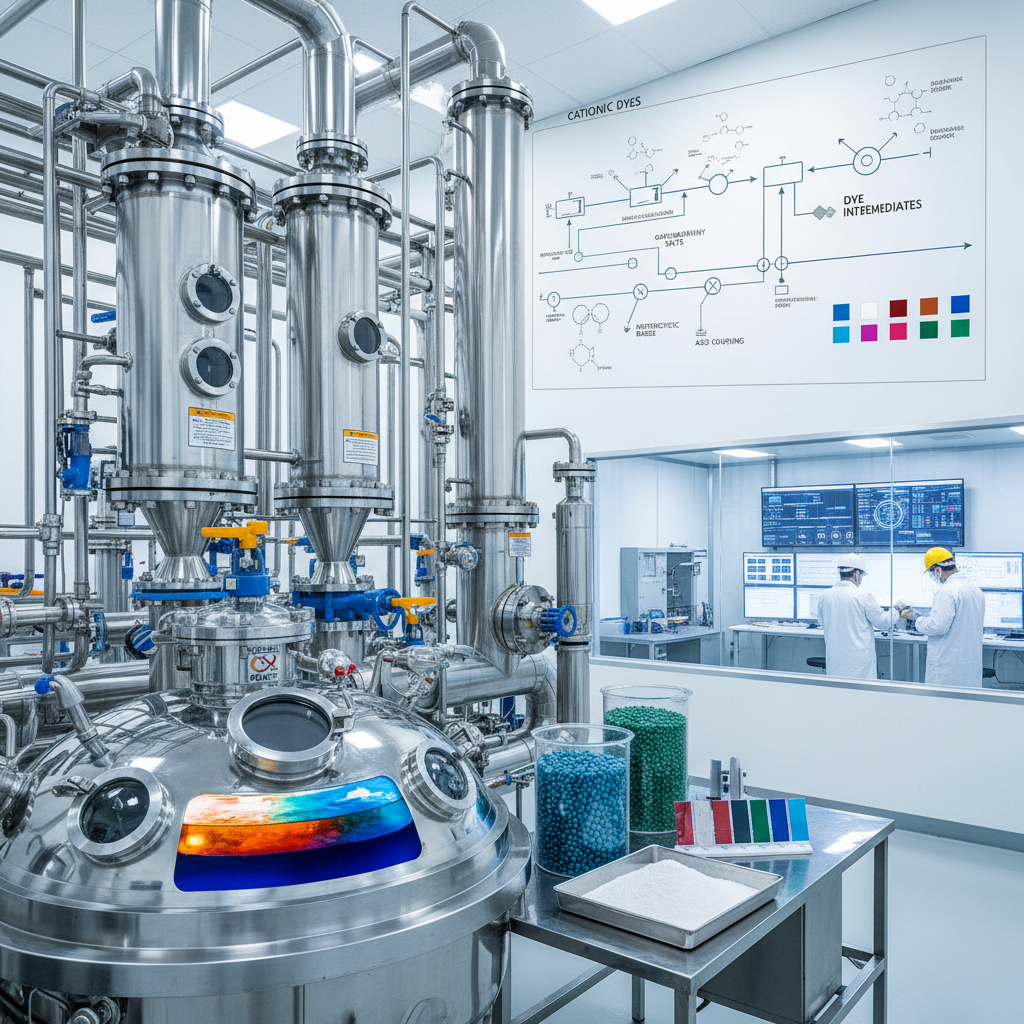
Cationic dyes, often referred to as basic dyes, comprise compounds with cationic groups. These dyes are particularly effective for acrylic fibers, providing bright, intense colors. They find applications in paper dyeing, leather coloration, and even in specialized areas like biological staining.
The industrial relevance of these dyes is immense. The global textile industry alone consumes vast quantities of both anionic and cationic dyes, driving innovation in areas like dye fixation techniques, reduced water consumption, and the development of environmentally friendly alternatives.
Core Characteristics of anionic and cationic dyes
Durability is a critical characteristic. Anionic dyes generally demonstrate superior wash fastness, meaning the color remains vibrant and doesn’t bleed easily during laundering. Cationic dyes, while offering brighter shades, often require after-treatments to enhance their resistance to fading and washing.
Lightfastness, or resistance to fading upon exposure to light, varies significantly. Cationic dyes typically exhibit lower lightfastness compared to certain anionic dyes, limiting their suitability for applications requiring prolonged sun exposure. Advances in dye chemistry are continually aiming to improve the lightfastness of both types.
Substrate Affinity is key. Anionic dyes preferentially bind to positively charged materials, while cationic dyes favor negatively charged surfaces. Understanding this principle is fundamental to achieving optimal dyeing results. This selectivity is also exploited in specialized applications like selective staining in microscopy.
Real-World Applications of anionic and cationic dyes
The textile industry is the largest consumer of anionic and cationic dyes, used extensively in clothing, upholstery, and industrial fabrics. Specific examples include dyeing wool garments with anionic reactive dyes for vibrant colors and durable finishes, and coloring acrylic sweaters with cationic dyes for bright, eye-catching designs.
Beyond textiles, these dyes find applications in paper manufacturing, providing coloration for various paper grades, including printing paper, packaging materials, and specialty papers. Cationic dyes are often preferred for paper due to their affinity for wood pulp fibers.
Comparison of Dyeing Methods Performance
Advantages and the Long-Term Value of anionic and cationic dyes
Cost-effectiveness is a significant advantage. Anionic and cationic dyes are generally more affordable than some alternative coloration methods, making them accessible for a wide range of applications and budgets. This is crucial for industries operating on tight margins.
Sustainability improvements are continuously being made. Research into bio-based dyes and closed-loop dyeing systems, minimizing water usage and waste generation, represents a positive step towards reducing the environmental footprint of dye production and application.
Emerging Trends in anionic and cationic dyes Technology
The development of reactive anionic dyes with improved fixation rates is a key trend, minimizing dye wastage and enhancing colorfastness. These dyes form covalent bonds with the fiber, resulting in exceptionally durable coloration.
Nanotechnology is playing an increasing role, with nano-sized dye particles offering enhanced penetration and uniform coloration. This leads to brighter, more vibrant shades and improved overall performance.
Digital textile printing utilizing anionic and cationic dyes allows for precise pattern placement, reduced water consumption, and on-demand production, catering to the growing demand for customized designs and faster turnaround times.
Challenges and Innovations in anionic and cationic dyes Application
One major challenge is the environmental impact of dye effluent. Traditional dyeing processes generate wastewater containing residual dyes and chemicals, potentially polluting water sources. Innovative solutions include advanced wastewater treatment technologies and the development of dyes that require less water and produce less waste.
Improving lightfastness of cationic dyes remains a focus of research. Encapsulation techniques and the introduction of UV absorbers into dye formulations are showing promise in enhancing their resistance to fading.
Developing dyes with enhanced biodegradability is another critical area of innovation. Bio-based dyes derived from renewable resources offer a more sustainable alternative to conventional petroleum-based dyes.
Summary of Challenges and Innovations in anionic and cationic dyes Application
| Challenge Area |
Specific Issue |
Innovation Approach |
Potential Impact |
| Environmental Impact |
Dye effluent pollution |
Advanced wastewater treatment, bio-based dyes |
Reduced water pollution, sustainable production |
| Cationic Dye Performance |
Low lightfastness |
Encapsulation, UV absorbers |
Enhanced color durability, wider applications |
| Dye Biodegradability |
Persistence in the environment |
Development of bio-based dye alternatives |
Reduced environmental accumulation, eco-friendly options |
| Dye Fixation Efficiency |
Dye wastage during application |
Reactive dye improvements, optimized dyeing processes |
Lower dye consumption, cost savings |
| Water Usage |
High water consumption in dyeing processes |
Digital textile printing, low-liquor ratio dyeing |
Reduced water footprint, resource conservation |
| Cost of Sustainable Dyes |
Higher production costs for bio-based alternatives |
Scale-up of production, process optimization |
Increased affordability, wider adoption |
FAQS
Anionic dyes are best suited for fibers with positive charges, like wool and silk, due to electrostatic attraction. Cationic dyes excel on negatively charged fibers, such as acrylics. This fundamental difference dictates their suitability for various materials. The choice also impacts color vibrancy and wash fastness; anionic dyes typically offer better wash fastness while cationic dyes often provide brighter shades. Understanding the substrate's charge is crucial for selecting the appropriate dye type.
Minimizing environmental impact involves several strategies. Utilize dyes with high fixation rates to reduce wastage. Implement efficient wastewater treatment systems to remove residual dyes and chemicals. Explore bio-based dye alternatives derived from renewable sources. Optimize dyeing processes to reduce water and energy consumption. Consider closed-loop systems that recycle water and dyes. These practices contribute to a more sustainable dyeing process.
Mordants are substances used to enhance the binding of anionic dyes to certain fibers, particularly those that lack a natural affinity. They create a bridge between the dye molecule and the fiber, improving colorfastness and wash resistance. Common mordants include metal salts like alum and tannin. The choice of mordant depends on the fiber type and the desired shade.
Generally, anionic dyes exhibit better lightfastness than cationic dyes, meaning they are less prone to fading upon prolonged exposure to light. However, lightfastness varies significantly depending on the specific dye structure and after-treatments. To improve the lightfastness of cationic dyes, encapsulation techniques and the incorporation of UV absorbers into the dye formulation are often employed. Careful selection of dye chemistry is paramount.
Several exciting trends are emerging. Research into bio-based dyes derived from natural sources like plants and microorganisms is gaining momentum. The development of dyes requiring less water and energy during application is a key focus. Moreover, innovative dyeing technologies like plasma dyeing and supercritical CO2 dyeing offer potential for reduced environmental impact and improved dye efficiency. These advancements aim for a greener, more sustainable future for dye chemistry.
The cost of these dyes is influenced by several factors, including raw material prices, manufacturing processes, production volume, and purity levels. Complex dye structures and specialized applications generally command higher prices. The environmental regulations involved in production and waste treatment also contribute to the overall cost. Economies of scale and technological advancements can help reduce costs over time.
Conclusion
In conclusion, anionic and cationic dyes are indispensable components of numerous industries, offering a diverse palette of coloration possibilities. Their performance characteristics, dictated by their ionic nature, make them uniquely suited for specific applications and materials. Ongoing research and innovation are addressing key challenges related to sustainability, lightfastness, and cost-effectiveness, paving the way for a more environmentally responsible and efficient dyeing industry.
Looking ahead, the future of anionic and cationic dyes lies in embracing sustainable practices, developing bio-based alternatives, and leveraging advanced technologies like nanotechnology and digital printing. Continued collaboration between researchers, manufacturers, and end-users will be essential to unlock the full potential of these versatile compounds and minimize their environmental footprint. For more information on our range of anionic and cationic dyes, visit our website today.