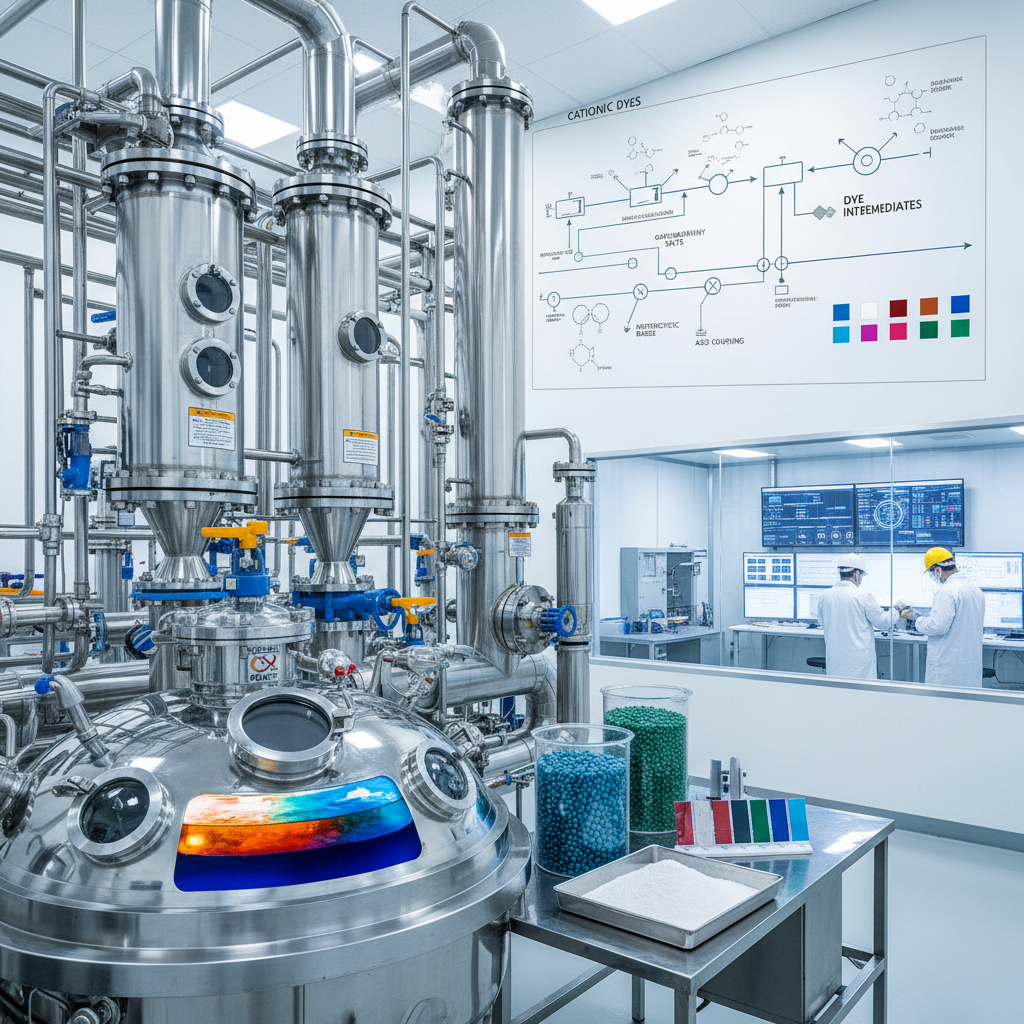
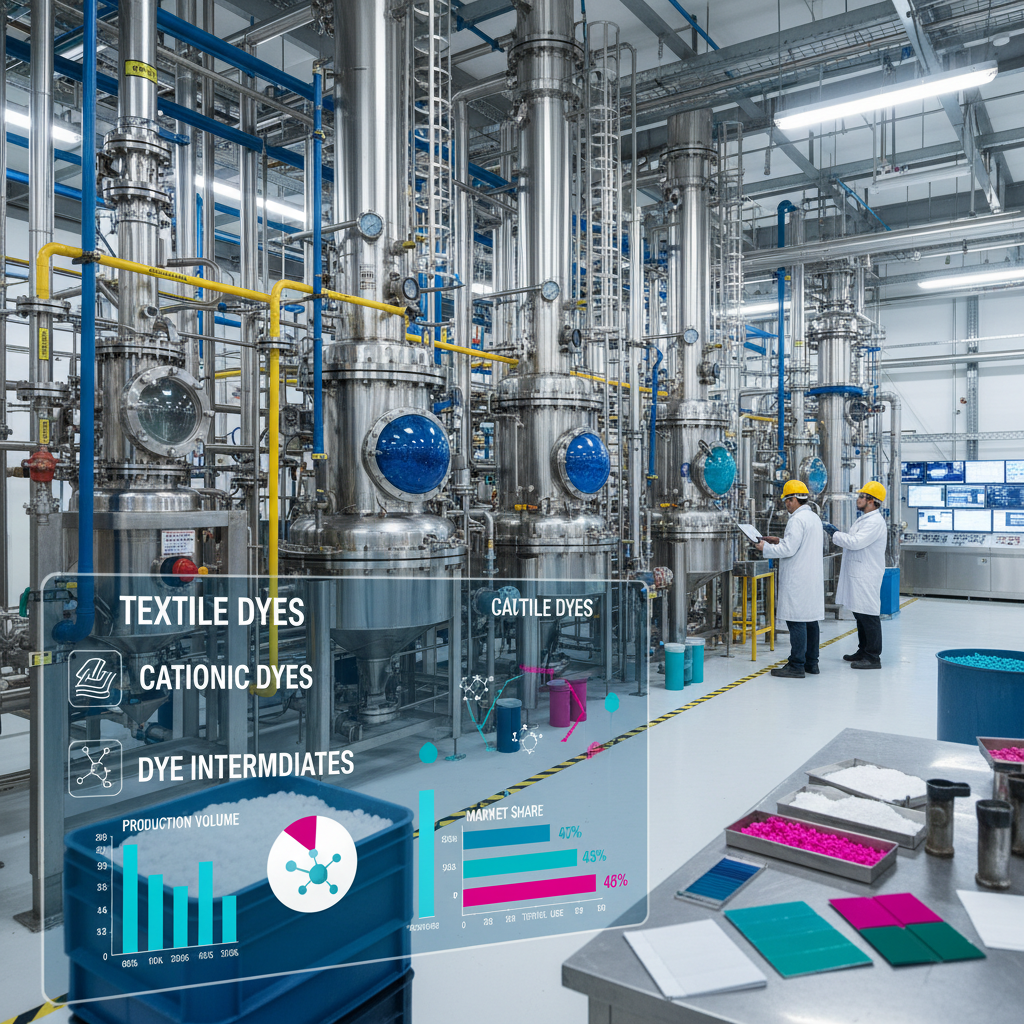
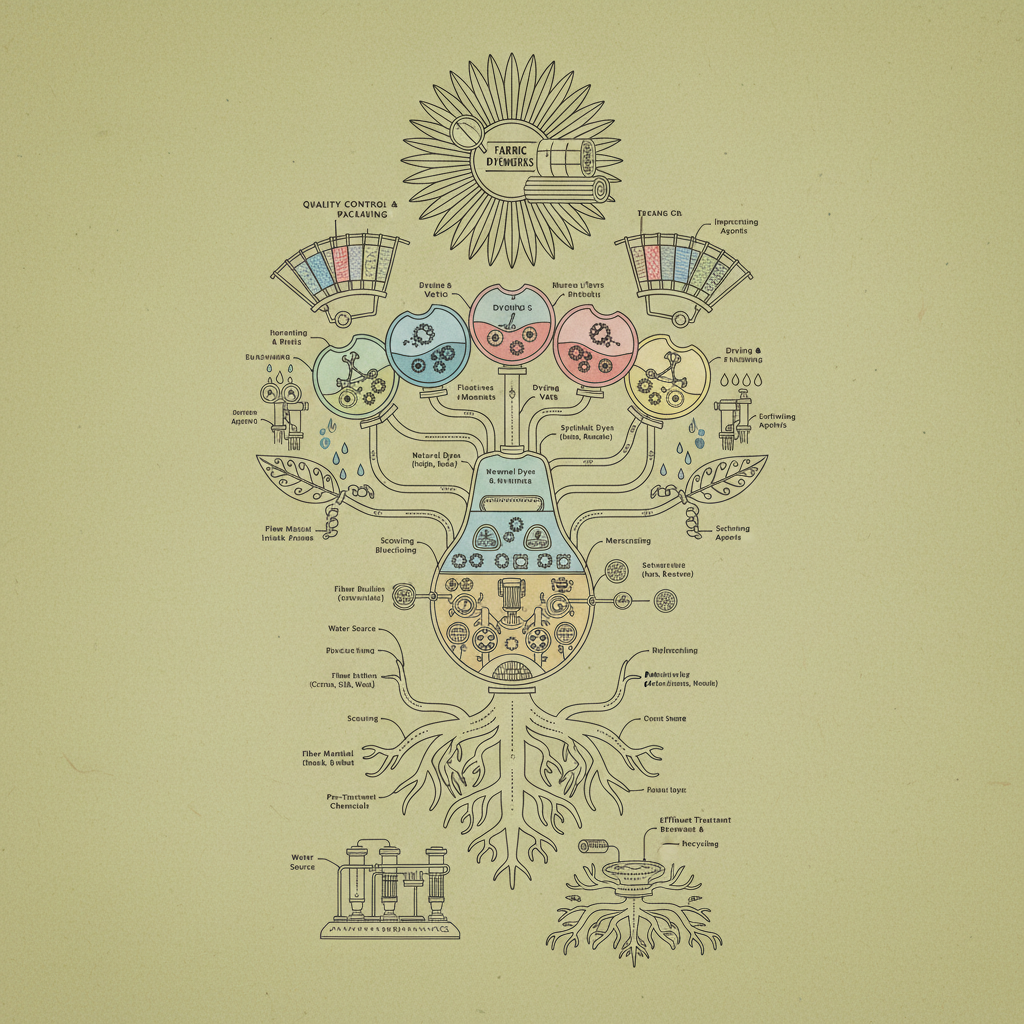
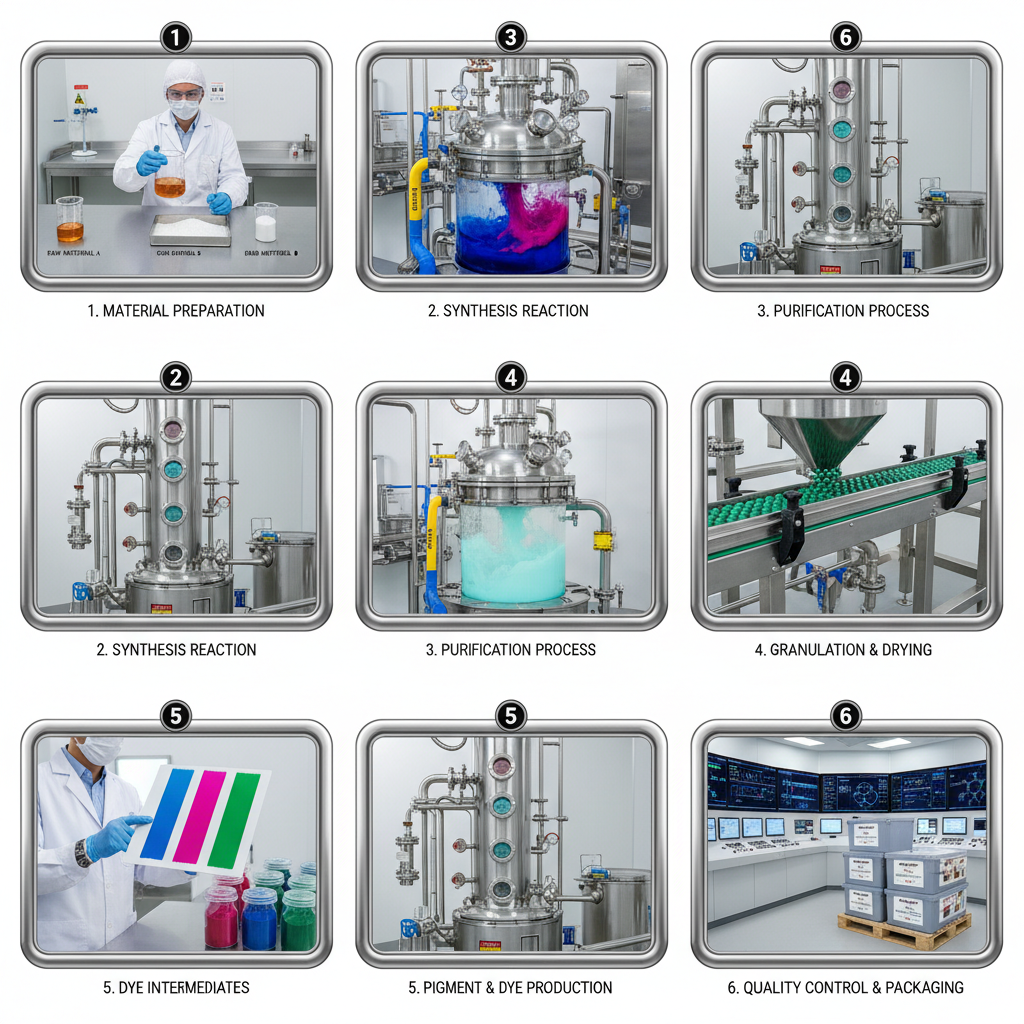
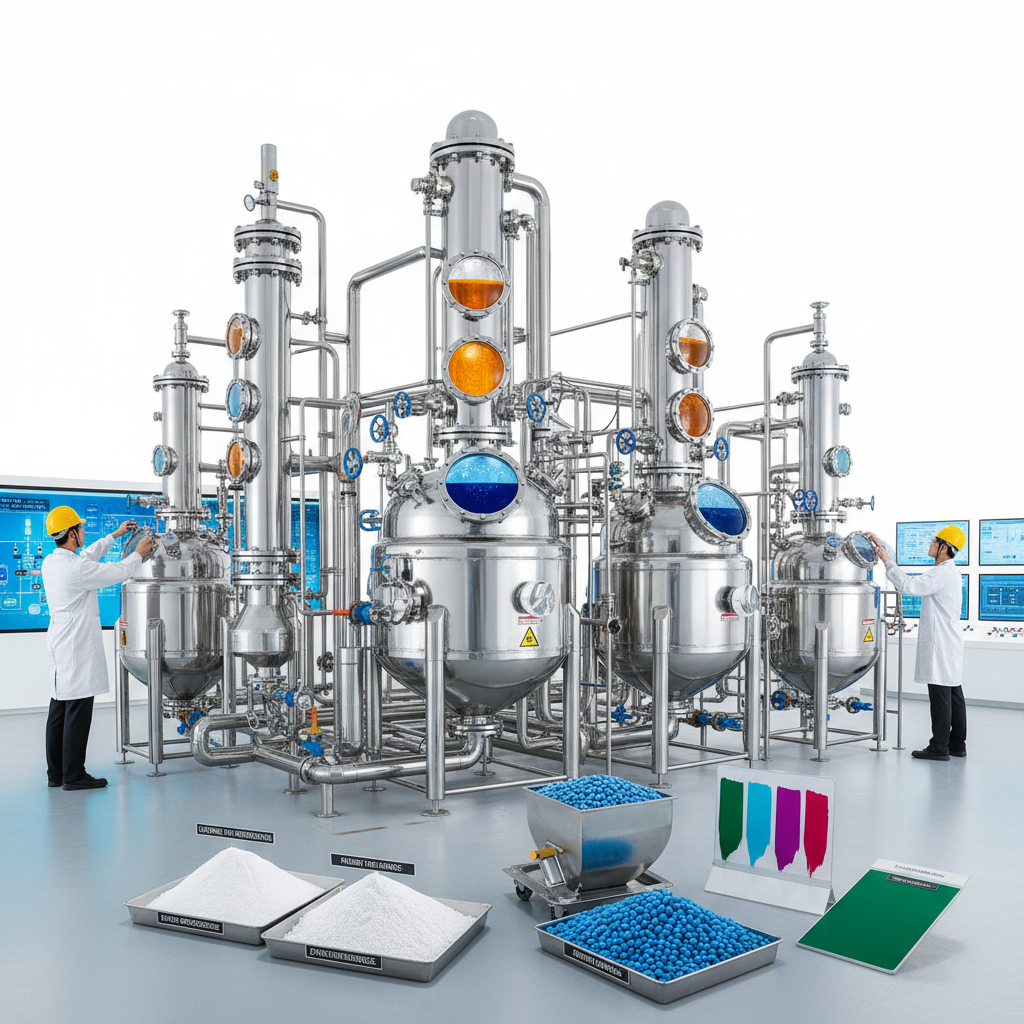
The textile industry is a cornerstone of the global economy, and central to its functionality are the commonly used dyes in textile industry. These colorants aren’t merely aesthetic additions; they impact fabric performance, durability, and even environmental sustainability. Understanding the nuances of dye chemistry, application techniques, and emerging trends is crucial for manufacturers, designers, and consumers alike. This knowledge empowers informed decision-making and fosters innovation within the sector.
The demand for textiles continues to rise alongside global population growth and evolving fashion trends. This escalating demand puts increasing pressure on dye manufacturers and textile mills to produce high-quality, cost-effective, and environmentally responsible products. The selection of commonly used dyes in textile industry directly influences a textile’s appeal, longevity, and ultimately, its contribution to a circular economy.
From vibrant fashion apparel to essential home furnishings, dyes shape the world around us. A thorough grasp of these materials – their properties, applications, and future developments – is increasingly vital in a world conscious of both style and sustainability. Investing in this knowledge base is critical for navigating the complex landscape of modern textile production.
The Significance of Commonly Used Dyes
The world of textiles relies heavily on commonly used dyes in textile industry to impart color and visual appeal. Beyond aesthetics, the choice of dye significantly affects a garment’s resistance to fading, washing, and wear, directly influencing its lifespan and value. This impacts consumer satisfaction and reduces textile waste.
The demand for dyes is intimately linked to the global apparel industry, with Asia being a dominant force in both production and consumption. Understanding the regional variations in dye preferences and regulatory requirements is paramount for businesses operating in this dynamic market.
Defining Commonly Used Dyes in Textile Industry
Commonly used dyes in textile industry refer to the chemical substances used to add color to textile fibers. These dyes function by forming a chemical bond with the fiber, or being mechanically retained within it. Different classes of dyes are suited for different fiber types – for instance, reactive dyes excel on cotton, while disperse dyes are ideal for polyester. The term 'commonly used' reflects the dyes most frequently employed in commercial textile production due to their balance of cost, performance, and availability.
The selection of a dye isn't simply about color; it’s about achieving a durable, vibrant finish that meets specific performance criteria. This includes resistance to light, washing, rubbing (colorfastness), and perspiration. Modern dyes are also increasingly evaluated for their environmental impact, with a growing preference for eco-friendly options.
These dyes play a critical role in modern life, going beyond clothing to include technical textiles used in medical, automotive, and agricultural applications. Their functionality directly affects the performance and reliability of these crucial products.
Key Characteristics of Textile Dyes
Several key characteristics define the quality and suitability of commonly used dyes in textile industry. These include colorfastness – the dye’s resistance to fading or running – and its affinity for the fiber, dictating how well it adheres and penetrates the material. Lightfastness, washfastness, and rubfastness are all crucial aspects of assessing a dye’s performance.
Beyond performance, factors such as dye solubility, stability, and compatibility with other textile chemicals are also vital. Different dyes require different application techniques, ranging from exhaust dyeing (where the dye is gradually absorbed by the fiber) to continuous dyeing (a high-speed, automated process). Cost-effectiveness and environmental impact also play an increasingly important role in dye selection.
Furthermore, the molecular structure of the dye itself influences its properties. Complex molecules often provide superior colorfastness, but can be more expensive to produce. Simpler molecules may be cheaper, but offer reduced durability. The ideal dye balances these factors to meet the specific needs of the application.
Performance Metrics and Dye Selection
Selecting the right commonly used dyes in textile industry requires a careful consideration of performance metrics. Colorfastness, as previously mentioned, is paramount, but it’s often quantified using standardized testing methods. The ISO standards provide a globally recognized framework for evaluating colorfastness to washing, light, rubbing, and perspiration.
Another critical metric is dye yield – the amount of dye required to achieve a specific color intensity. Higher dye yield translates to lower costs, but shouldn’t compromise quality or performance. Furthermore, the leveling properties of a dye are essential for achieving uniform coloration across the entire fabric surface.
Colorfastness Ratings of Commonly Used Dye Classes
Global Applications Across Industries
Commonly used dyes in textile industry find application in a vast array of industries. The apparel sector remains the largest consumer, driving demand for dyes in a rainbow of colors and shades. However, the influence extends beyond fashion, encompassing home textiles such as carpets, upholstery, and curtains.
Technical textiles represent a significant and growing market for specialized dyes. These materials are used in medical applications (surgical gowns, bandages), automotive interiors (seat fabrics, dashboards), and industrial filtration systems. The requirements for these applications often demand dyes with exceptional performance characteristics, such as high temperature resistance and chemical stability.
Advantages of Optimized Dye Usage
Optimizing dye usage yields substantial benefits for textile manufacturers. Reducing dye consumption directly translates to lower production costs, improving profitability. This is particularly important in a competitive global market. Furthermore, efficient dye application minimizes the discharge of colored wastewater, lessening the environmental impact and reducing treatment costs.
Optimized dyeing processes also contribute to improved fabric quality. Proper dye penetration and fixation result in more vibrant, durable colors, enhancing the overall aesthetic appeal and lifespan of the textile product. This can lead to increased customer satisfaction and brand loyalty.
Implementing advanced dyeing technologies and adopting best practices for dye management represent a strategic investment for textile businesses seeking to enhance both their economic and environmental performance.
Future Trends and Sustainable Innovations
The future of commonly used dyes in textile industry is heavily influenced by sustainability concerns. There's a growing demand for eco-friendly dyes derived from renewable resources, such as plant-based pigments and bio-engineered dyes. Researchers are actively exploring novel dyeing techniques that minimize water and energy consumption.
Digital textile printing, employing inkjet technology, is gaining traction as a more sustainable alternative to traditional dyeing methods. This technology allows for precise dye application, reducing waste and enabling customized designs. Furthermore, advancements in dye fixation technologies are improving colorfastness and reducing the need for harsh chemical treatments.
The development of closed-loop dyeing systems, where water and dyes are recycled and reused, represents a significant step towards a more circular textile economy. These innovations promise to minimize the environmental footprint of the textile industry while maintaining the quality and performance of dyed fabrics.
Summary of Key Sustainability Metrics for Dye Classes
| Dye Class |
Water Usage (L/kg textile) |
Energy Consumption (kWh/kg textile) |
Biodegradability Score (1-10) |
| Reactive Dye |
80-120 |
4-6 |
6 |
| Disperse Dye |
60-100 |
3-5 |
3 |
| Vat Dye |
100-150 |
5-7 |
7 |
| Acid Dye |
70-110 |
4-5 |
4 |
| Direct Dye |
90-130 |
3-6 |
5 |
| Natural Dye |
50-90 |
2-4 |
9 |
FAQS
The primary environmental concerns stem from the discharge of wastewater containing unfixed dyes, heavy metals, and other harmful chemicals. These pollutants can contaminate water sources, harming aquatic life and potentially impacting human health. Additionally, the production of certain dyes can be energy-intensive and generate greenhouse gas emissions. Sustainable dye alternatives and wastewater treatment technologies are actively being developed to mitigate these impacts.
Textile manufacturers can significantly reduce water consumption by adopting low-liquor ratio dyeing machines, implementing water recycling and reuse systems, and optimizing dyeing processes to minimize rinse cycles. Using innovative dyeing techniques like foam dyeing and supercritical carbon dioxide dyeing can also dramatically lower water usage. Investing in water-efficient technologies is crucial for sustainable textile production.
Natural dyes, derived from plant, animal, or mineral sources, generally have lower environmental impacts but often exhibit poorer colorfastness and require more dye material to achieve the same intensity as synthetic dyes. Synthetic dyes typically offer superior colorfastness, wider color ranges, and lower costs, but their production can involve harmful chemicals and contribute to pollution. The choice depends on the specific application and desired balance between performance and sustainability.
The fiber type is a primary determinant in dye selection. Different fibers have varying chemical structures and affinities for different dye classes. For example, reactive dyes bond effectively with cellulose fibers like cotton, while disperse dyes are suitable for synthetic fibers like polyester. Using an incompatible dye will result in poor color uptake and washfastness.
Several certifications and standards promote sustainable dyeing practices, including OEKO-TEX Standard 100, bluesign®, and the Global Organic Textile Standard (GOTS). These certifications verify that textiles are produced using environmentally friendly dyes and processes, ensuring minimal harm to human health and the environment. Adhering to these standards can enhance a brand’s reputation and appeal to environmentally conscious consumers.
Innovation is critical for developing the next generation of dyes. Research focuses on creating bio-based dyes from renewable sources, improving dye fixation techniques to reduce waste, and developing dyes with enhanced performance characteristics and lower environmental impacts. Nanotechnology and biotechnology are also playing an increasingly important role in creating novel and sustainable dye solutions.
Conclusion
Commonly used dyes in textile industry are integral to the global textile ecosystem, impacting everything from aesthetic appeal to environmental sustainability. Understanding their properties, applications, and emerging trends is essential for manufacturers, designers, and consumers alike. Embracing sustainable dyeing practices and innovative technologies is crucial for mitigating the environmental footprint of the textile industry and ensuring a more responsible future.
Looking ahead, continued investment in research and development is vital for unlocking the potential of eco-friendly dyes and optimizing dyeing processes. By prioritizing sustainability and innovation, the textile industry can create a vibrant and responsible future for both people and the planet. Visit our website at www.yanhongchem.com to explore our range of high-quality dyes and sustainable solutions.