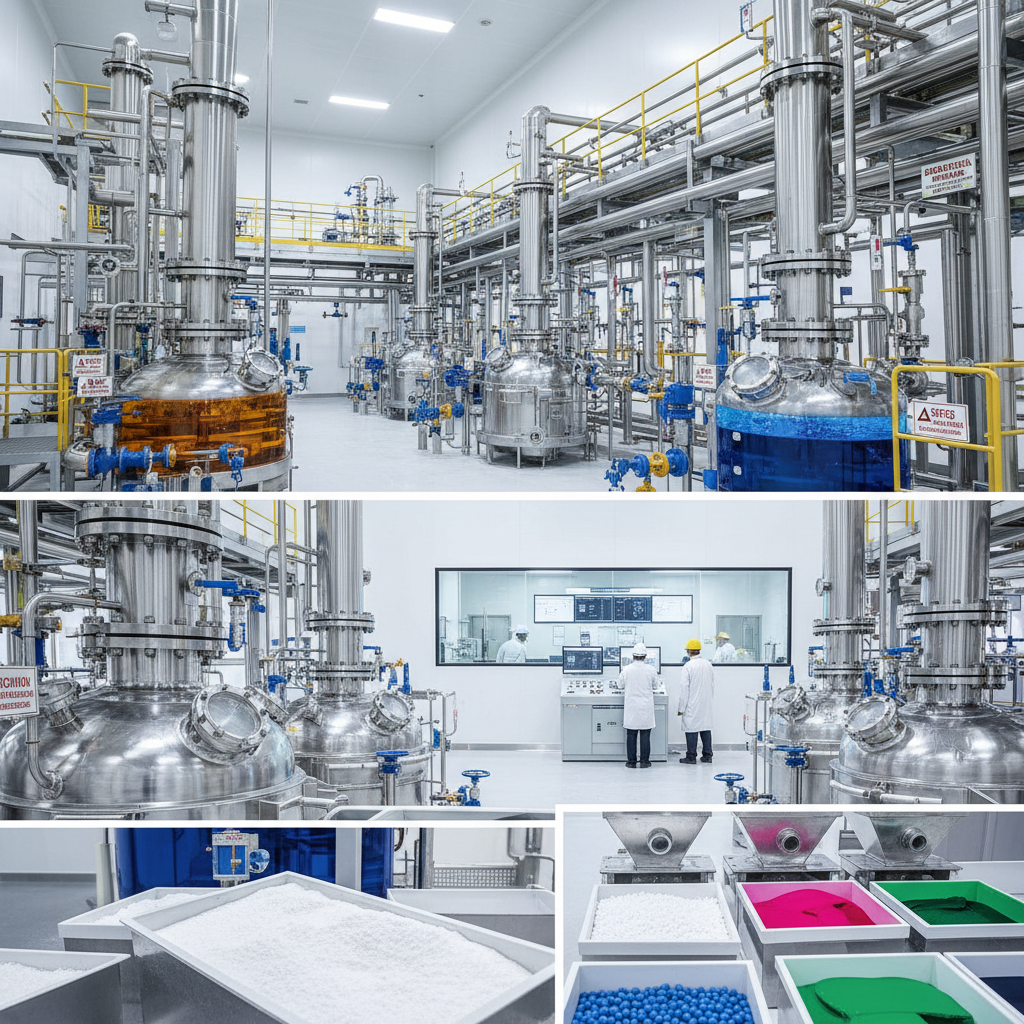
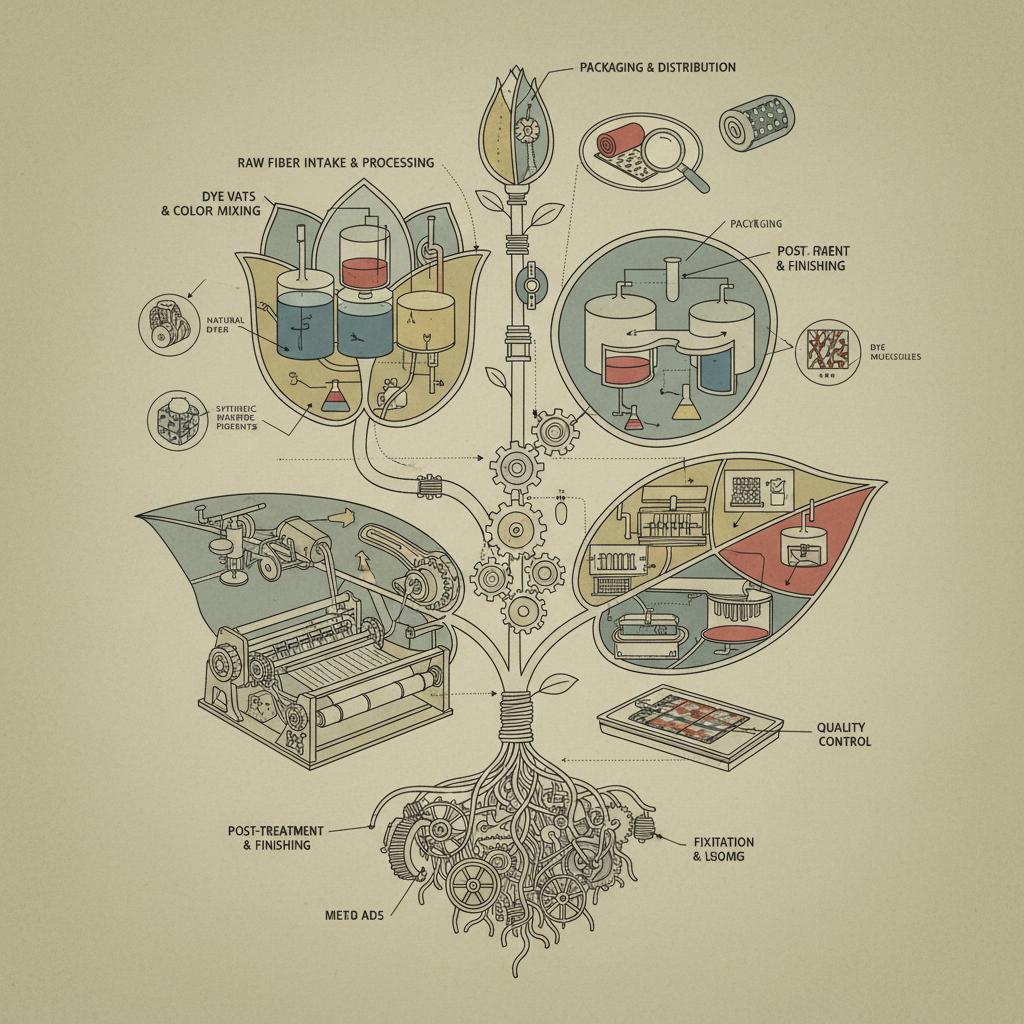
The global textile industry is a massive economic force, heavily reliant on vibrant and durable dyes. Understanding the intricacies of dyes used in textile industry is crucial for manufacturers, designers, and consumers alike. These dyes aren't merely aesthetic components; they impact fabric performance, environmental sustainability, and cost-effectiveness. From fast fashion trends to high-performance sportswear, the color and longevity of textiles depend on the quality and application of these chemical compounds.
The demand for textiles, and therefore for dyes, continues to grow alongside global population and evolving consumer preferences. However, traditional dyeing processes often carry significant environmental burdens, including water pollution and energy consumption. Addressing these challenges requires innovation in dye chemistry, application techniques, and waste management. This demand for sustainable practices is driving research and development into eco-friendly alternatives to conventional dyes used in textile industry.
Mastering knowledge surrounding dyes used in textile industry empowers businesses to navigate complex supply chains, meet regulatory requirements, and respond to consumer demand for ethically produced and high-quality goods. It's a field intersecting chemistry, engineering, design, and sustainability – making it a critical area of focus for the future of the textile sector.
The Significance of Dyes in Textile Manufacturing
Dyes are integral to the textile industry, serving not just an aesthetic purpose but also influencing fabric performance and durability. The selection of dyes used in textile industry directly impacts the final product's quality, colorfastness, and overall appeal. Without effective dyeing processes, the vibrant and diverse range of textiles we rely on wouldn’t be possible.
Beyond aesthetics, dyes play a crucial role in functional textiles. Specific dyes can impart properties such as UV protection, antimicrobial activity, and water repellency, extending the utility of fabrics for specialized applications in sportswear, healthcare, and outdoor gear.
Global Context and Industry Challenges
The global textile dyes market is a multi-billion dollar industry, driven by the ever-increasing demand for clothing and textiles worldwide. Asia-Pacific dominates production and consumption, with China being the largest manufacturer and consumer. The industry faces constant pressure to innovate and adapt to changing consumer trends, including a growing preference for sustainable and eco-friendly products.
However, the industry also faces significant challenges. Environmental concerns surrounding the discharge of dye effluents into waterways are paramount. Traditional dyeing processes often require large volumes of water and energy, and can release harmful chemicals into the environment. Regulations are becoming stricter, pushing companies to invest in cleaner production technologies and sustainable dyes used in textile industry.
Furthermore, supply chain complexities and fluctuating raw material costs present ongoing hurdles. Ensuring ethical sourcing and transparent manufacturing practices are also key concerns for brands and consumers alike. These challenges are driving a shift towards circular economy models and closed-loop dyeing systems.
Defining Dyes Used in the Textile Industry
Dyes used in textile industry are broadly defined as substances used to impart color to textiles. These substances are chemically bonded to the fabric fibers, creating a lasting color effect. Unlike pigments, which remain on the surface of the fabric, dyes penetrate the fibers at a molecular level.
The types of dyes used vary based on fiber type (cotton, wool, silk, synthetic), desired colorfastness, and application method. Common dye classes include reactive dyes (for cotton), acid dyes (for wool and silk), disperse dyes (for polyester), and vat dyes (for cellulosic fibers). The choice of dye significantly influences the final product’s properties and its environmental impact.
Understanding dye chemistry is crucial for achieving optimal color results and ensuring that the dyed fabric meets specific performance standards. The process involves not only the dye itself but also auxiliary chemicals like leveling agents, fixing agents, and detergents, all of which contribute to the final outcome of dyes used in textile industry.
Key Characteristics of Textile Dyes
Several key characteristics determine the suitability of a dye for a specific textile application. These include colorfastness, which refers to the dye’s resistance to fading or bleeding when exposed to light, washing, or rubbing.
Another important factor is the dye’s affinity for the fiber – how well it binds to the fabric. This dictates the depth of color achievable and the efficiency of the dyeing process. Other considerations include the dye’s solubility, stability, and compatibility with other chemicals used in the dyeing process.
Comparative Analysis of Dye Characteristics
Applications Across Industries and Regions
The applications of dyes used in textile industry are vast and span numerous sectors. The fashion industry is the largest consumer, requiring a wide range of colors and finishes for clothing and accessories. Beyond fashion, dyes are also essential in home textiles, including upholstery, curtains, and carpets.
Industrial textiles, such as those used in automotive manufacturing, filtration, and protective clothing, also rely heavily on specialized dyes for specific performance characteristics. Geographical demand varies; Asia leads in production and consumption, but Europe and North America maintain significant markets for high-quality and sustainable dyes.
Benefits and Long-Term Value Proposition
Investing in high-quality dyes used in textile industry offers numerous benefits, including improved product durability, enhanced color vibrancy, and reduced environmental impact. Sustainable dyes can minimize water pollution and energy consumption, contributing to a greener supply chain.
From a business perspective, utilizing effective dyes can reduce production costs through improved dye uptake and reduced waste. It also builds brand reputation and consumer trust, particularly among environmentally conscious customers. The long-term value lies in creating a sustainable and responsible business model.
Ultimately, the use of effective dyes aligns with principles of ethical production and social responsibility. It ensures quality products are produced without compromising the environment or the well-being of workers.
Future Trends and Innovations in Dye Technology
The future of dyes used in textile industry is focused on sustainability and innovation. Research and development efforts are concentrating on bio-based dyes derived from renewable resources, such as plants and microorganisms, offering a viable alternative to traditional synthetic dyes.
Digital textile printing is another key trend, enabling on-demand production, reduced waste, and greater design flexibility. Nanotechnology is also playing a role, with nanoparticles used to enhance dye properties and improve colorfastness. Advancements in dye application technologies, like plasma treatment and supercritical fluid dyeing, promise more efficient and environmentally friendly processes.
Analysis of Emerging Dye Technologies
| Dye Technology |
Environmental Impact |
Cost Efficiency |
Performance Characteristics |
| Bio-Based Dyes |
Low - Renewable Resources |
Medium - Developing Scale |
Moderate Colorfastness |
| Digital Textile Printing |
Low - Reduced Waste |
High - On-Demand Production |
Excellent Design Flexibility |
| Nanotechnology Enhanced Dyes |
Medium - Potential Concerns |
Medium - R&D Costs |
Superior Colorfastness |
| Plasma Treatment Dyeing |
Low - Reduced Water Usage |
Medium - Initial Investment |
Enhanced Dye Uptake |
| Supercritical Fluid Dyeing |
Low - Minimal Waste |
High - Efficient Process |
Precise Color Control |
| AI-Optimized Dye Formulations |
Medium - Reduced Chemical Usage |
High - Optimized Efficiency |
Customized Performance |
FAQS
Several options stand out, including natural dyes derived from plants, insects, and minerals. However, these often lack colorfastness. Bio-based dyes, created through fermentation processes, are gaining traction as a more sustainable alternative to conventional synthetic dyes. Reactive dyes, while synthetic, can be formulated to minimize environmental impact through optimized application and wastewater treatment. The selection of the best "green" dye depends on the specific fiber type and desired performance characteristics.
Traditional textile dyeing is a significant source of water pollution. Dye effluents often contain residual dyes, heavy metals, and other harmful chemicals. These pollutants can contaminate waterways, harming aquatic life and potentially impacting human health. Proper wastewater treatment is crucial, but can be costly and energy-intensive. Innovations like closed-loop dyeing systems and the use of less water-intensive dyeing techniques are helping to reduce this impact.
Dyes penetrate the fibers of the fabric at a molecular level, creating a lasting color effect. Pigments, on the other hand, remain on the surface of the fabric, held in place by a binder. Dyes generally offer better colorfastness and vibrancy, while pigments are often more cost-effective and easier to apply to a wider range of fabrics. The choice between dye and pigment depends on the desired properties and application requirements.
Several strategies can be implemented. Optimizing dyeing processes, using advanced dyeing machinery, and employing precise color matching techniques can minimize dye waste. Implementing closed-loop dyeing systems that recycle water and dyes is also highly effective. Furthermore, utilizing digital textile printing allows for on-demand production, reducing excess inventory and associated waste.
Dye chemistry significantly influences fabric performance. Certain dyes can impart properties such as UV protection, antimicrobial activity, and water repellency. The choice of dye also affects the fabric’s breathability, drape, and hand feel. Understanding the chemical properties of dyes is crucial for creating textiles with specific functional characteristics tailored to the intended application.
Regulatory standards vary by region, but generally focus on restricting the use of harmful chemicals and ensuring consumer safety. REACH (Registration, Evaluation, Authorisation and Restriction of Chemicals) in Europe and the Oeko-Tex Standard 100 are prominent examples. These standards limit the use of azo dyes, formaldehyde, and other substances known to be harmful to human health or the environment. Compliance with these regulations is essential for accessing global markets.
Conclusion
In conclusion, understanding dyes used in textile industry is paramount for navigating a complex landscape of aesthetic requirements, performance standards, and environmental concerns. From the historical development of dye chemistry to the cutting-edge innovations of today, the field continues to evolve, driven by the demand for sustainable and high-quality textiles. The effective utilization of dyes is not merely a matter of coloration but a key component of responsible manufacturing and product development.
Looking ahead, the future of dyes lies in embracing sustainable alternatives, optimizing dyeing processes, and leveraging technological advancements like digital printing and nanotechnology. By prioritizing environmental responsibility and consumer safety, the textile industry can unlock the full potential of dyes, creating vibrant and durable products that benefit both people and the planet. Visit our website at www.yanhongchem.com to learn more about our innovative dye solutions.