Look, I've spent the last fifteen years on job sites – knee-deep in concrete dust, arguing with engineers over spec sheets, and frankly, wrestling with materials that just shouldn't be as hard to work with as they are. That's why understanding the nuances of handbook of textile and industrial dyeing isn't just about theory; it's about making our projects run smoother, safer, and frankly, more profitably. It impacts everything from the longevity of protective gear to the durability of structures we build. This isn't a textbook exercise; it's real-world problem solving.
The global construction and industrial sectors are massive, and the demand for reliable, high-performance materials is only increasing. We’re seeing more extreme weather, tougher regulations, and a constant push for sustainability. Handbook of textile and industrial dyeing sits right at the heart of addressing these challenges. From specialized coatings that protect steel from corrosion to fabrics that can withstand incredible abrasion, understanding these processes allows us to build better, last longer, and reduce long-term costs.
Too often, we’re dealing with materials that fail prematurely, requiring costly repairs and downtime. A solid grasp of handbook of textile and industrial dyeing – the science behind how we treat and enhance materials – directly translates to mitigating those risks. It’s about knowing why certain treatments work, how to apply them correctly, and what to expect in terms of performance. It’s an investment in quality, and ultimately, an investment in our reputation.
The Importance of Handbook of Textile and Industrial Dyeing
Honestly, too many guys on site just see 'fabric' or 'coating' and don’t think about what went into making it perform the way it does. Handbook of textile and industrial dyeing is the foundation. It's the understanding of how to chemically bond color and protective agents to materials, changing their properties at a molecular level. This impacts everything from UV resistance in outdoor fabrics to the flame retardancy of protective clothing for welders.
It’s about more than just aesthetics. A proper understanding allows us to select the right materials for the job, predict their lifespan, and ensure they meet stringent safety standards. And let me tell you, the cost of not understanding can be significant – everything from premature failure to potential liabilities.
Global Context and Industry Relevance
We're operating in a globalized market, meaning materials are sourced from all over the world, and regulations vary wildly. A strong understanding of handbook of textile and industrial dyeing is crucial for navigating these complexities. ISO standards, for example, rely heavily on precise dyeing and finishing processes to ensure consistency and quality. The UN Sustainable Development Goals also push for responsible manufacturing, which includes minimizing the environmental impact of dyeing processes.
The textile industry, in particular, is a major consumer of water and energy, and traditional dyeing methods can generate significant pollution. There’s a growing demand for more sustainable practices, like using eco-friendly dyes and reducing water consumption. This isn't just about 'being green;' it's about future-proofing our projects and meeting evolving client expectations.
The construction industry benefits just as much. Think about the coatings on bridges, the protective membranes used in roofing, or the specialized fabrics in scaffolding. All of these rely on advanced dyeing and finishing techniques to provide durability, corrosion resistance, and safety.
Defining Handbook of Textile and Industrial Dyeing
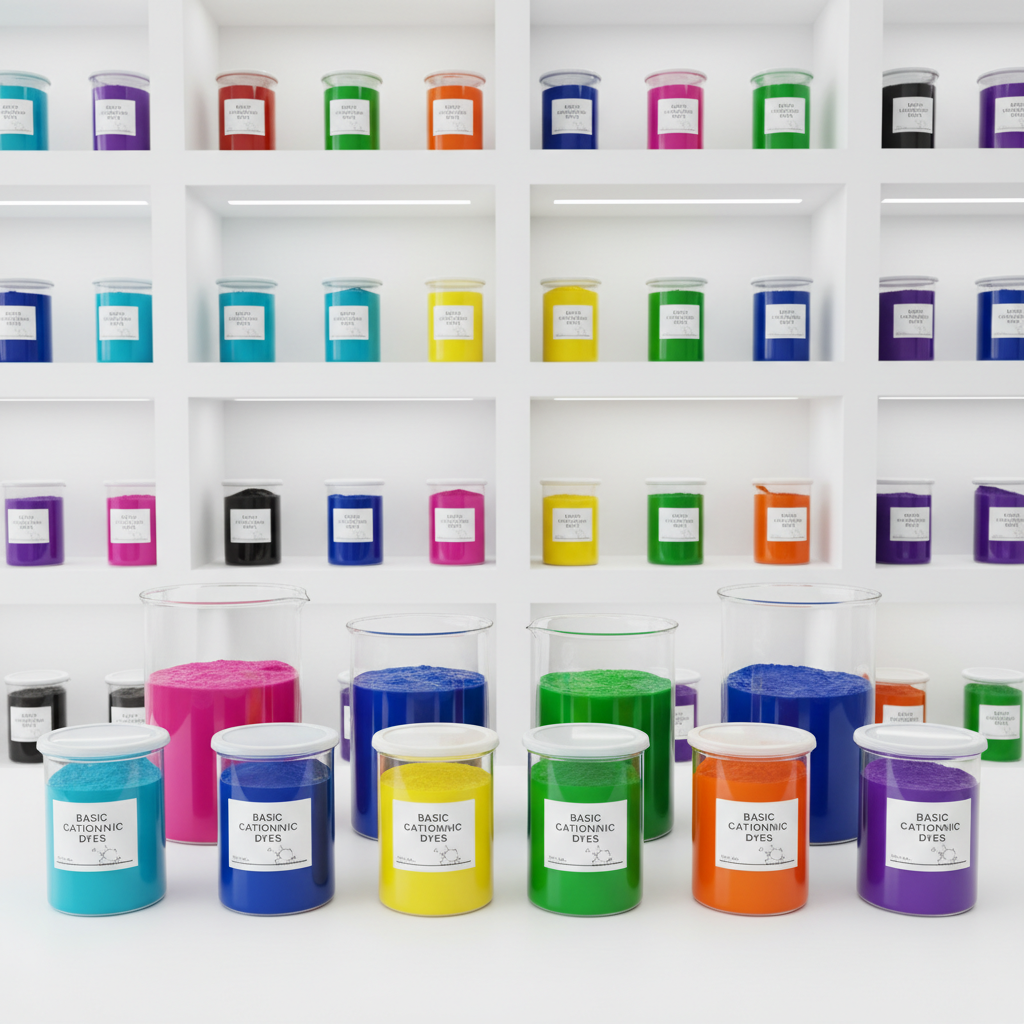
Put simply, handbook of textile and industrial dyeing is the science and art of imparting color to materials, but it's so much more than that. It's the application of chemical processes to alter the properties of fabrics, polymers, and other materials to enhance their performance, durability, and aesthetic appeal. It’s the whole process, from selecting the dye to applying it, to fixing it to the material.
It's directly connected to modern industry. Consider the automotive sector – the interiors of cars rely on dyed and treated fabrics for comfort, safety, and aesthetics. Or the medical field – sterile fabrics and protective clothing require specialized dyeing processes to meet stringent hygiene standards. Even humanitarian efforts depend on durable, reliably colored materials for shelter and aid distribution.
Essentially, it's about tailoring materials to meet specific needs, increasing their value and lifespan. It's not just about making things look good; it's about making them work better, last longer, and perform reliably in demanding conditions.
Core Components of Effective Dyeing Processes
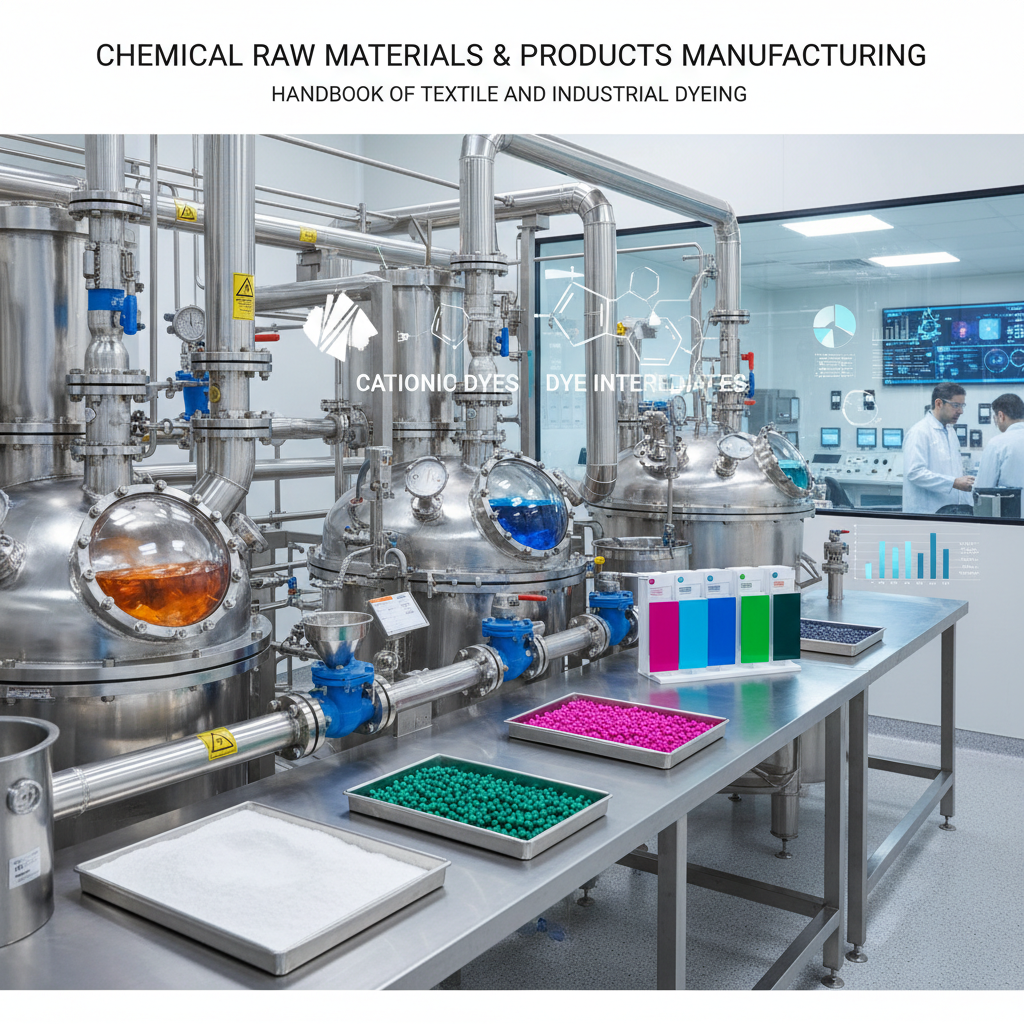
Now, when we talk about dyeing, it’s not just throwing some color into a vat. Several key factors come into play. First, dye selection is critical. Different dyes work better with different materials – you wouldn’t use a dye designed for cotton on a synthetic fabric, for instance. Then there’s fiber preparation – getting the material clean and ready to accept the dye.
Next, dye application – this is where technique matters. Whether you’re using a pad-dye process, exhaust dyeing, or something else, the method needs to be carefully controlled. And finally, dye fixation – ensuring the dye bonds permanently to the material and doesn’t wash out or fade. Each of these steps impacts the final result and requires a detailed understanding of the underlying chemistry.
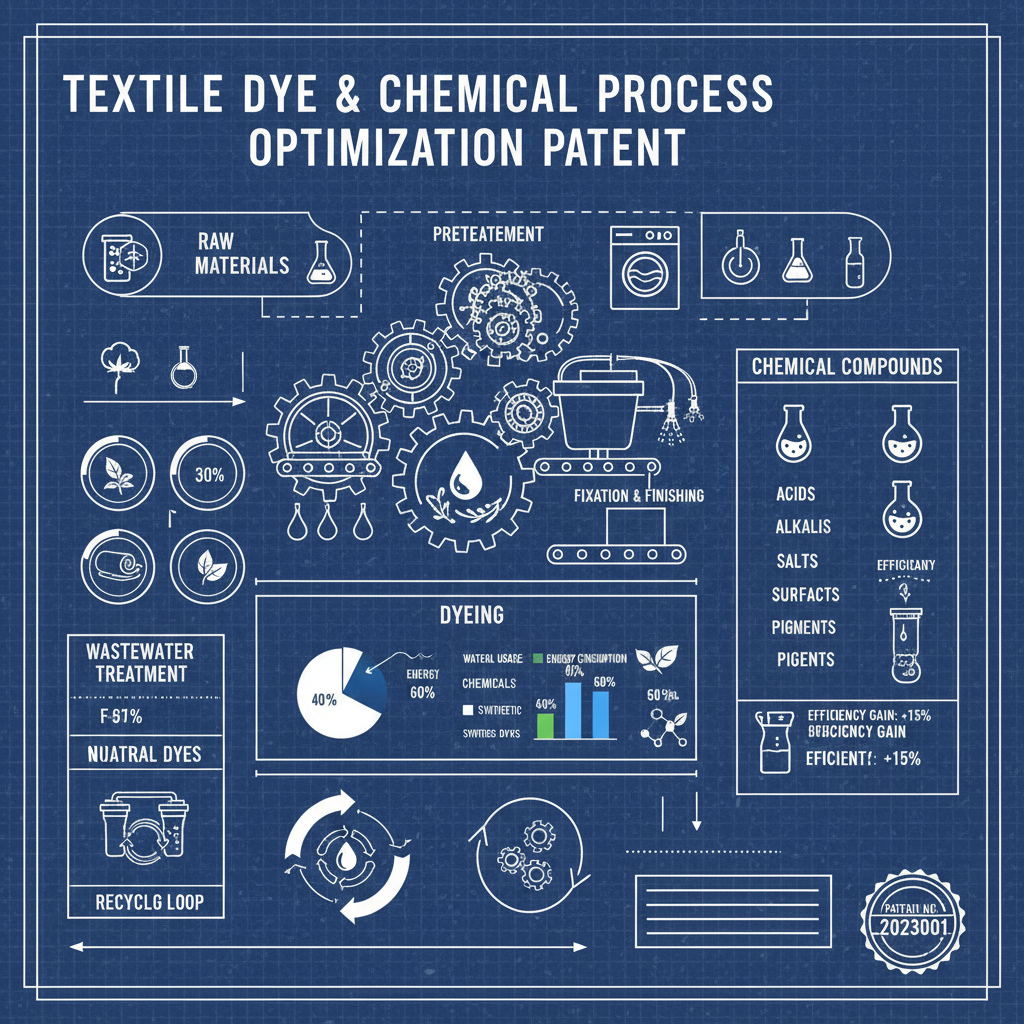
Handbook of Textile and Industrial Dyeing Process Efficiency
Real-World Applications Across Industries
You see handbook of textile and industrial dyeing everywhere. In construction, it’s the UV protection in awning fabrics, the colorfastness of safety vests, and the durability of geotextiles used for erosion control. In the automotive industry, it's the fade resistance of car seat fabrics and the weatherproofing of convertible tops.
In healthcare, it’s the antimicrobial finishes on surgical gowns and the stain resistance of hospital linens. Even in aerospace, specialized fabrics dyed with advanced processes are used for lightweight, high-performance components. And, increasingly, in disaster relief, we're seeing the use of durable, brightly colored tarps and shelter materials that rely on effective dyeing for both functionality and visibility.
Advantages and Long-Term Value Proposition
The benefits are clear. Improved durability means less replacement, saving money over the long haul. Better colorfastness means materials maintain their appearance and value. And, increasingly, sustainable dyeing practices reduce environmental impact and meet growing regulatory demands. It's about building responsibly and minimizing lifecycle costs.
From a safety perspective, properly dyed and treated materials can enhance visibility, provide flame retardancy, and offer protection against hazardous substances. It’s about protecting workers, ensuring compliance, and mitigating risk. It builds trust with clients and reinforces our commitment to quality and safety.
Future Trends and Innovations in Dyeing Technology
We’re seeing a lot of innovation in this space. Digital printing is becoming more prevalent, allowing for greater design flexibility and reduced waste. Plasma technology is being explored as a more sustainable alternative to traditional dyeing methods. And there's a growing focus on bio-based dyes, derived from renewable sources.
Automation is also playing a bigger role, with robotic systems automating dyeing and finishing processes, improving efficiency and reducing labor costs. Data analytics and machine learning are being used to optimize dyeing parameters and predict fabric performance. It’s an exciting time for the industry, and staying ahead of these trends is crucial.
The push for circularity – designing materials for reuse and recycling – is also driving innovation in dyeing technology. We need dyes and finishes that don’t hinder recyclability and allow materials to be repurposed at the end of their life.
Core Challenges and Potential Solutions in Handbook of Textile and Industrial Dyeing
| Challenge Area |
Current Limitations |
Potential Solutions |
Implementation Difficulty (1-10) |
| Water Consumption |
Traditional dyeing uses significant water volumes. |
Closed-loop water recycling systems, foam dyeing, air dyeing. |
7 |
| Chemical Waste |
Dyeing processes generate harmful chemical effluent. |
Bio-based dyes, enzymatic dyeing, advanced oxidation processes. |
8 |
| Energy Usage |
Heating and processing require substantial energy input. |
Microwave dyeing, ultrasonic dyeing, renewable energy sources. |
6 |
| Dye Fixation Rate |
Poor dye fixation leads to wasted dye and color fading. |
Plasma treatment, nanoparticle encapsulation, optimized dye formulations. |
5 |
| Cost of Sustainable Dyes |
Eco-friendly dyes often have higher upfront costs. |
Government incentives, economies of scale, research & development. |
4 |
| Regulatory Compliance |
Navigating varying environmental regulations globally. |
Standardized certification, blockchain traceability, expert consultants. |
6 |
FAQS
Reactive dyes form a covalent bond with the fiber, resulting in excellent wash fastness and color brilliance. They're ideal for cellulose fibers like cotton. Direct dyes, on the other hand, rely on hydrogen bonding, making them easier to apply but generally less wash-resistant. They're often used when lower cost is a priority, but careful application is needed to minimize bleeding. Knowing these differences is crucial for selecting the right dye for the job, especially when dealing with fabrics that need to withstand heavy use or frequent washing.
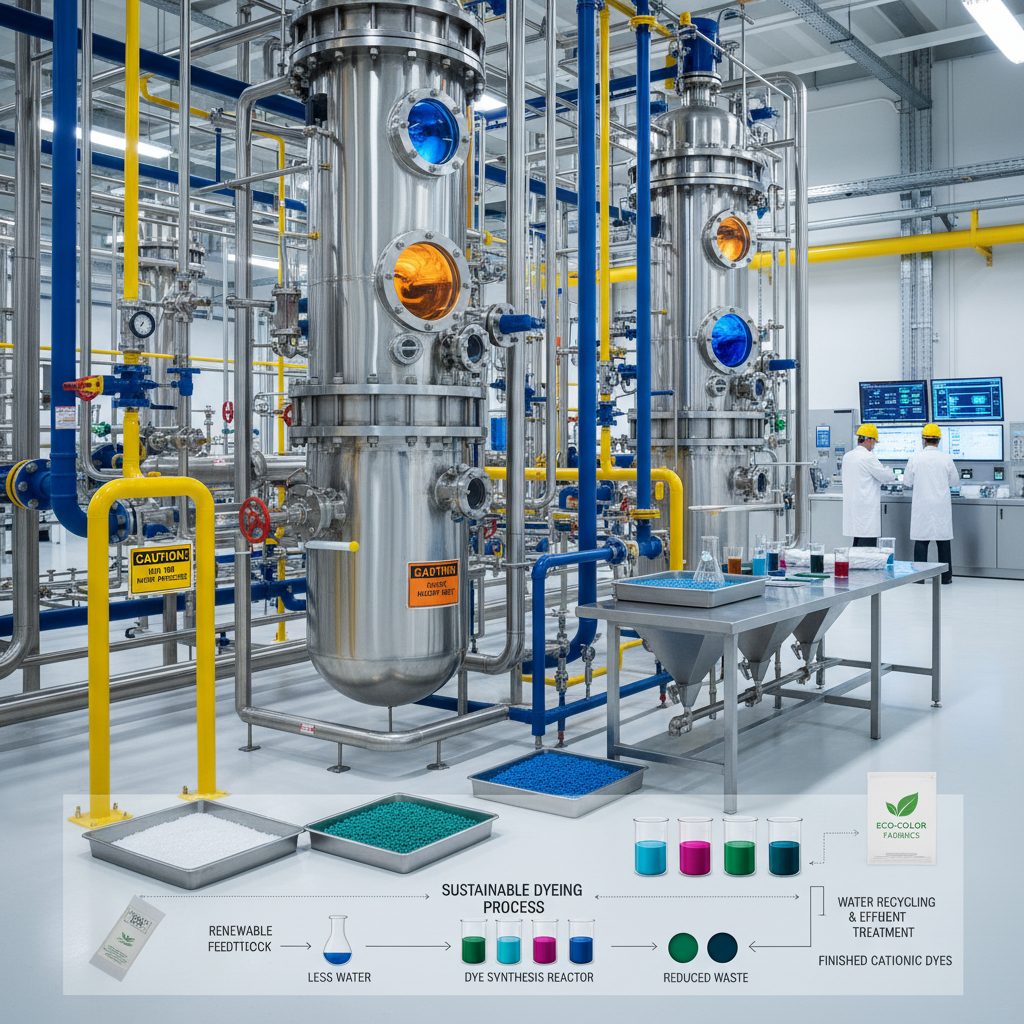
There are several strategies. Low liquor ratio dyeing, using less water per unit of fabric, is a good start. Closed-loop water recycling systems can treat and reuse wastewater. Foam dyeing and air dyeing technologies drastically reduce water consumption. Also, optimizing dye bath formulations and controlling process parameters can minimize dye waste, further reducing the need for fresh water. It’s about embracing technologies and practices that prioritize resource efficiency.
pH plays a critical role in dye uptake and fixation. Each dye class has an optimal pH range for effective dyeing. Too high or too low, and the dye may not properly bond to the fiber, resulting in uneven color or poor wash fastness. Carefully monitoring and adjusting pH throughout the dyeing process is essential for achieving consistent and reliable results. It often requires adding specific chemicals to maintain the correct pH.
Synthetic fibers like polyester, nylon, and acrylic require different dye classes. Polyester typically uses disperse dyes, which are insoluble in water and diffuse into the fiber. Nylon can be dyed with acid dyes, while acrylic often uses basic dyes. The choice depends on the fiber's chemical structure and the desired colorfastness properties. A wrong choice can lead to poor color penetration or fading.
Digital textile printing offers significant advantages, including faster turnaround times, the ability to print complex designs, and reduced water and dye waste. It’s ideal for small-batch production and customized designs. While the initial investment can be higher, the flexibility and efficiency gains often outweigh the costs. Plus, it eliminates the need for screens and other traditional printing equipment.
Several factors influence colorfastness. Proper dye selection, thorough dye fixation, and the use of appropriate finishing agents are crucial. Aftertreatment processes, like washing and soaping, can remove unfixed dye and improve wash fastness. Also, optimizing dyeing parameters like temperature and time plays a role. Regular testing is vital to ensure colorfastness meets required standards.
Conclusion
Understanding handbook of textile and industrial dyeing isn't just about color; it’s about performance, durability, sustainability, and ultimately, the quality of the work we do. From protecting our crews with durable workwear to building structures that stand the test of time, a solid grasp of these principles is essential for anyone involved in construction and related industries. It's a fundamental skill that separates those who simply build from those who build right.
The future of this field is focused on innovation and sustainability. Embracing new technologies, exploring bio-based dyes, and prioritizing resource efficiency are not just good practices; they're essential for remaining competitive and responsible. I encourage you to dive deeper, stay informed, and invest in your knowledge of handbook of textile and industrial dyeing – it will pay dividends in the long run.