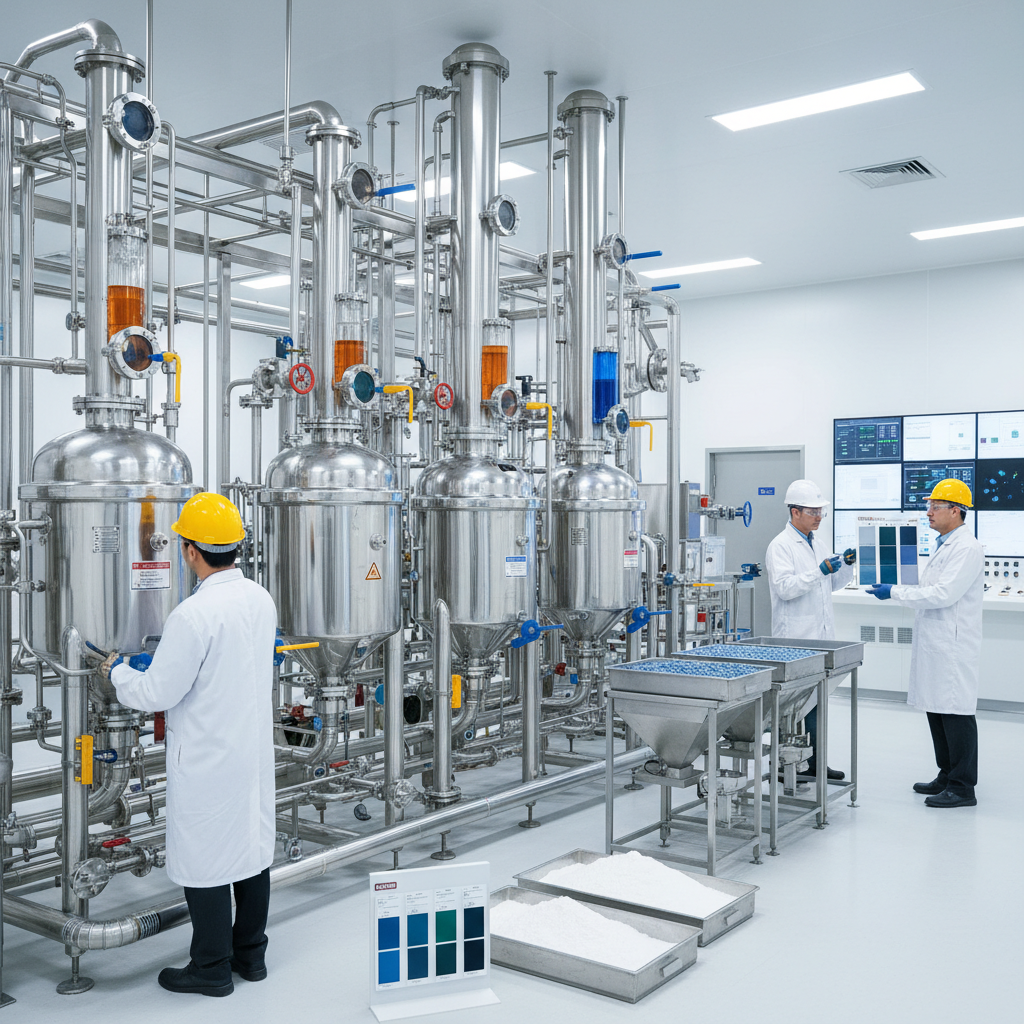
The world of textiles relies heavily on dyes to bring color and vibrancy to fabrics we use every day. Understanding the types of dye in textile isn’t just about aesthetics; it's about performance, durability, environmental impact, and increasingly, cost-effectiveness. From the ancient natural dyes derived from plants and insects to the sophisticated synthetic dyes developed in modern chemistry, the choices available to textile manufacturers are vast and complex. The global textile industry, a multi-trillion dollar market, depends on consistent and high-quality dyeing processes.
The demand for dyed textiles is driven by everything from fashion trends and home furnishings to industrial applications like protective clothing and automotive interiors. According to the UN Comtrade database, global textile dye imports reached over $25 billion in 2022, demonstrating a consistently strong market. However, this growth isn't without its challenges. Concerns surrounding water pollution from dye effluent, the use of hazardous chemicals, and the need for sustainable practices are pushing the industry to innovate and adopt cleaner dyeing technologies.
Essentially, types of dye in textile refer to the different chemical substances used to impart color to textile fibers. These dyes interact with the fiber at a molecular level, creating a lasting bond that resists fading or washing out. This process is vital not only for creating visually appealing products but also for meeting industry standards for colorfastness and safety. The selection of a particular dye type is dictated by the fiber composition (cotton, polyester, wool, etc.), the desired color, and the end-use application of the fabric.
The Significance of Types of Dye in Textile
Choosing the right types of dye in textile isn’t just about getting the shade you want. It’s about how that fabric will perform. I’ve seen plenty of beautiful fabrics fade to nothing after a few washes, or bleed color onto other garments. The dye has to bond properly with the fiber, and withstand everything the fabric will be subjected to – sunlight, washing, abrasion, and even chemical exposure.
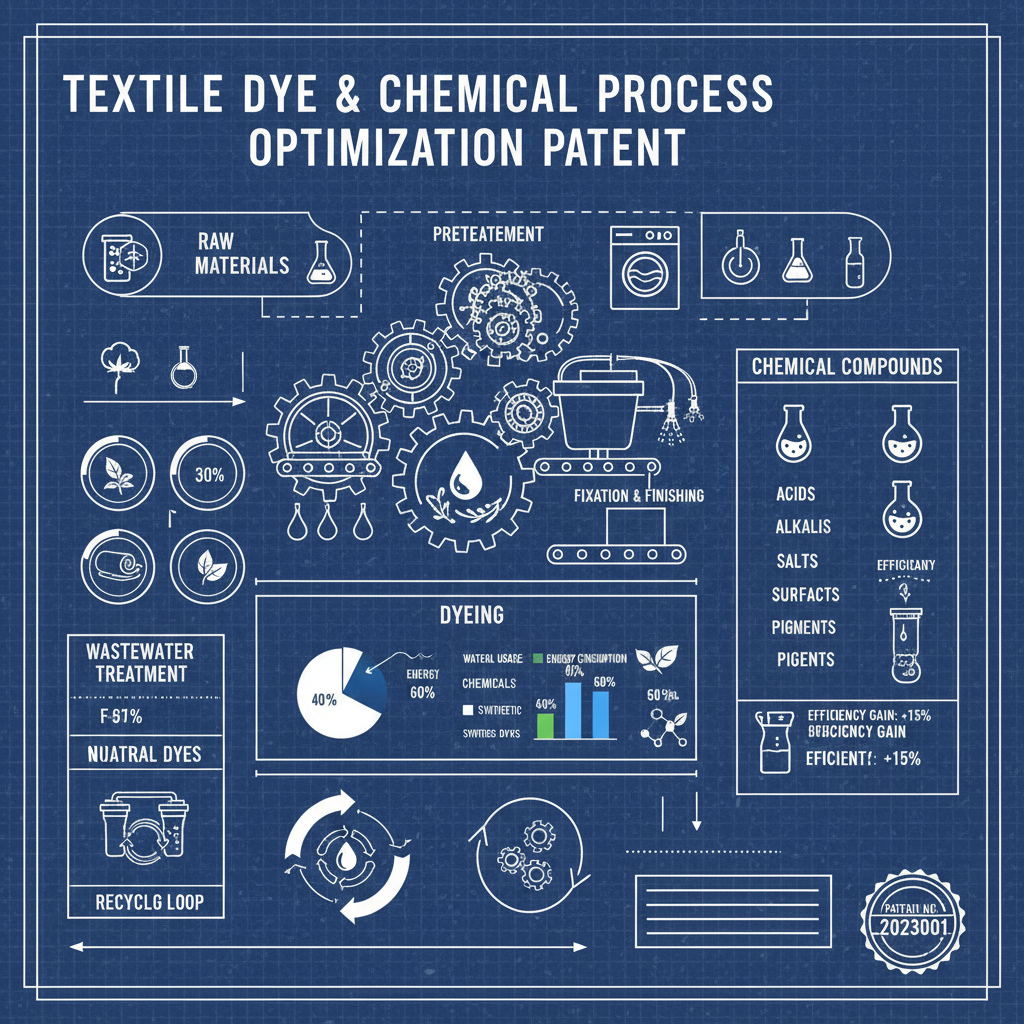
We're seeing a huge push for more sustainable practices, and that directly impacts dye selection. Traditional dyeing processes can use a lot of water and generate harmful wastewater. The industry is actively seeking dyes that require less water, have a lower environmental impact, and meet increasingly stringent regulations.
Understanding Dye Classifications
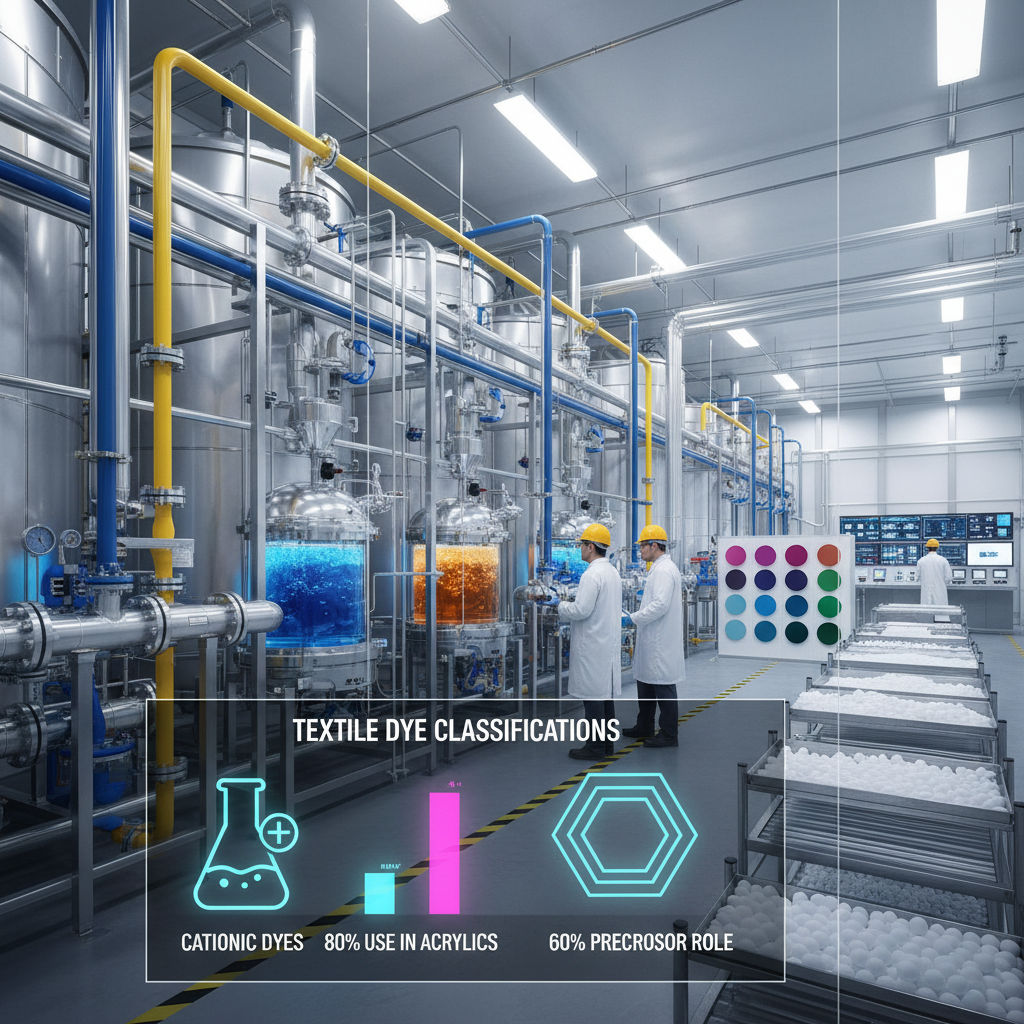
Dyes are broadly categorized based on their chemical structure and how they bond with textile fibers. Direct dyes are relatively simple to use and cost-effective, working well on cellulosic fibers like cotton, but often have limited washfastness. Reactive dyes, on the other hand, form a covalent bond with the fiber, resulting in excellent washfastness and brightness, but they can be more complex to apply and generate more effluent.
Vat dyes are known for their exceptional colorfastness and are commonly used for workwear and denim. Disperse dyes are primarily used for synthetic fibers like polyester. Acid dyes are mainly used for protein fibers such as wool and silk. Then there are sulfur dyes and mordant dyes, each with unique properties and application requirements. Knowing these distinctions is crucial for achieving the desired results.
It’s not just about the type of dye; it's also about the form it’s in - powder, liquid, paste. Each form presents different handling and application challenges on the factory floor. I’ve spent enough time wrestling with clogged dispensing systems to appreciate the importance of choosing the right form for the equipment and process.
Key Factors Influencing Dye Selection
Several key factors drive the selection of specific types of dye in textile. First and foremost is the fiber content. What’s the fabric made of? Cotton, polyester, nylon, silk – each requires a different dye class. Then you have the desired color and shade. Some dyes are better suited for achieving certain colors than others.
Colorfastness is a huge one – how well will the color hold up to washing, light exposure, and abrasion? Cost is always a consideration, but it’s important to balance cost with performance and sustainability. Finally, environmental regulations are increasingly dictating dye choices, pushing manufacturers towards more eco-friendly options. You can’t ignore that, not if you want to stay in business.
The intended end-use of the fabric is critical. A garment for everyday wear has different requirements than a protective suit for industrial workers. The latter needs to withstand harsh conditions and maintain its color and integrity for an extended period.
Performance Characteristics of Different Dye Types
The performance of types of dye in textile varies significantly. Washfastness, lightfastness, and rubfastness are key metrics. Reactive dyes generally offer the best washfastness, making them ideal for clothing that’s frequently laundered. Vat dyes excel in lightfastness, holding their color even with prolonged sun exposure – think outdoor furniture or automotive upholstery.
Rubfastness, or the resistance to color transfer through abrasion, is important for fabrics that experience a lot of physical contact. Different dye types also have varying levels of resistance to chlorine bleach and other chemicals. We often test these properties rigorously in the lab to ensure the dye meets the specified requirements.
Comparative Performance of Types of Dye in Textile
Global Applications Across Industries
The applications of types of dye in textile are incredibly diverse. In the fashion industry, reactive and disperse dyes are heavily used for clothing, providing vibrant colors and good washfastness. The automotive industry relies on dyes with exceptional lightfastness for upholstery and interior components.
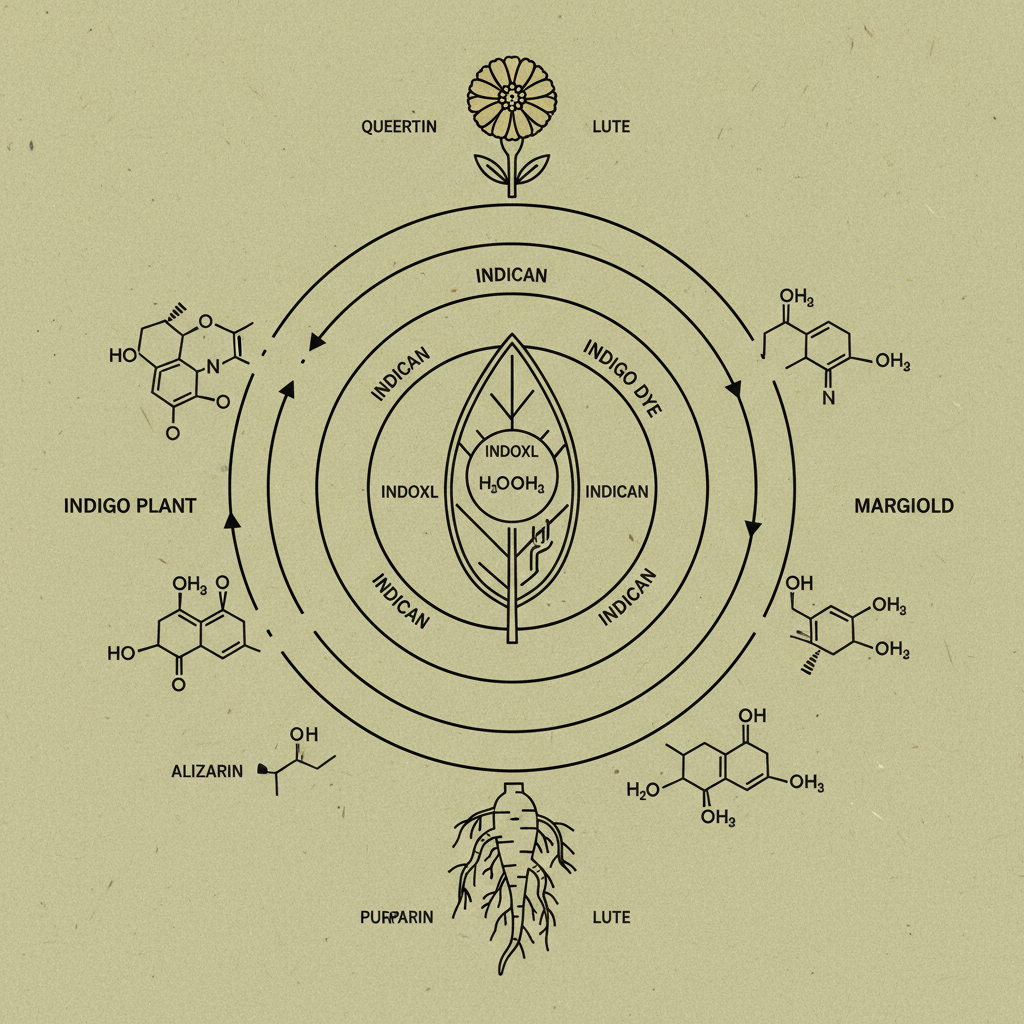
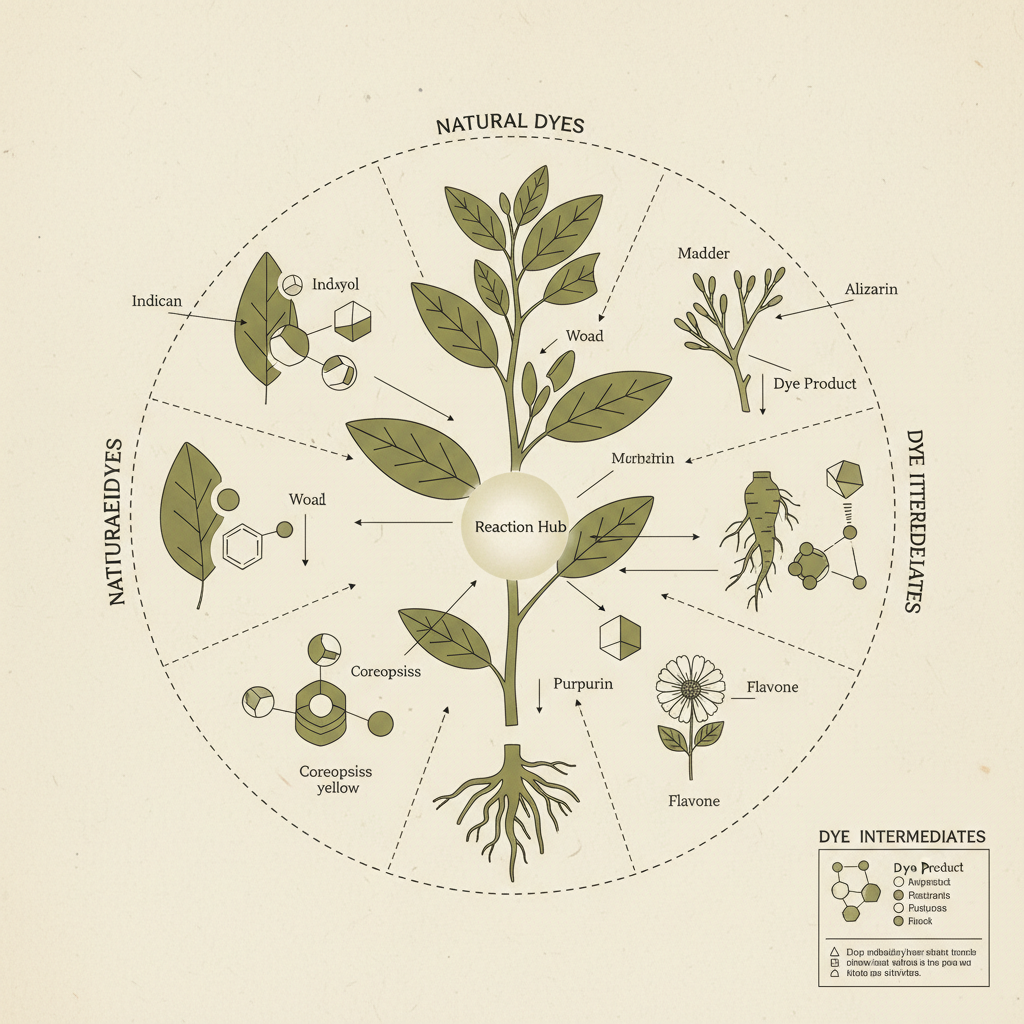
The home furnishings sector utilizes a wide range of dyes for curtains, carpets, and upholstery fabrics. In industrial applications, dyes are used for protective clothing, filtration fabrics, and even medical textiles. Different regions have different preferences and requirements; for example, there's a strong demand for natural dyes in some parts of Asia.
Advantages and Long-Term Sustainability
Choosing the right types of dye in textile offers several advantages. From a purely economic standpoint, improved colorfastness translates to longer-lasting products, reducing the need for frequent replacements. But more importantly, the push for sustainable dyeing practices is gaining momentum.
Using dyes with lower environmental impact, reducing water consumption, and implementing closed-loop dyeing systems are all crucial steps towards a more sustainable textile industry. This not only benefits the environment but also enhances brand reputation and appeals to environmentally conscious consumers. It's a win-win.
The emotional angle is powerful, too. People want to wear clothes they feel good about, knowing they weren't produced at the expense of the environment or worker safety.
Future Trends and Emerging Technologies
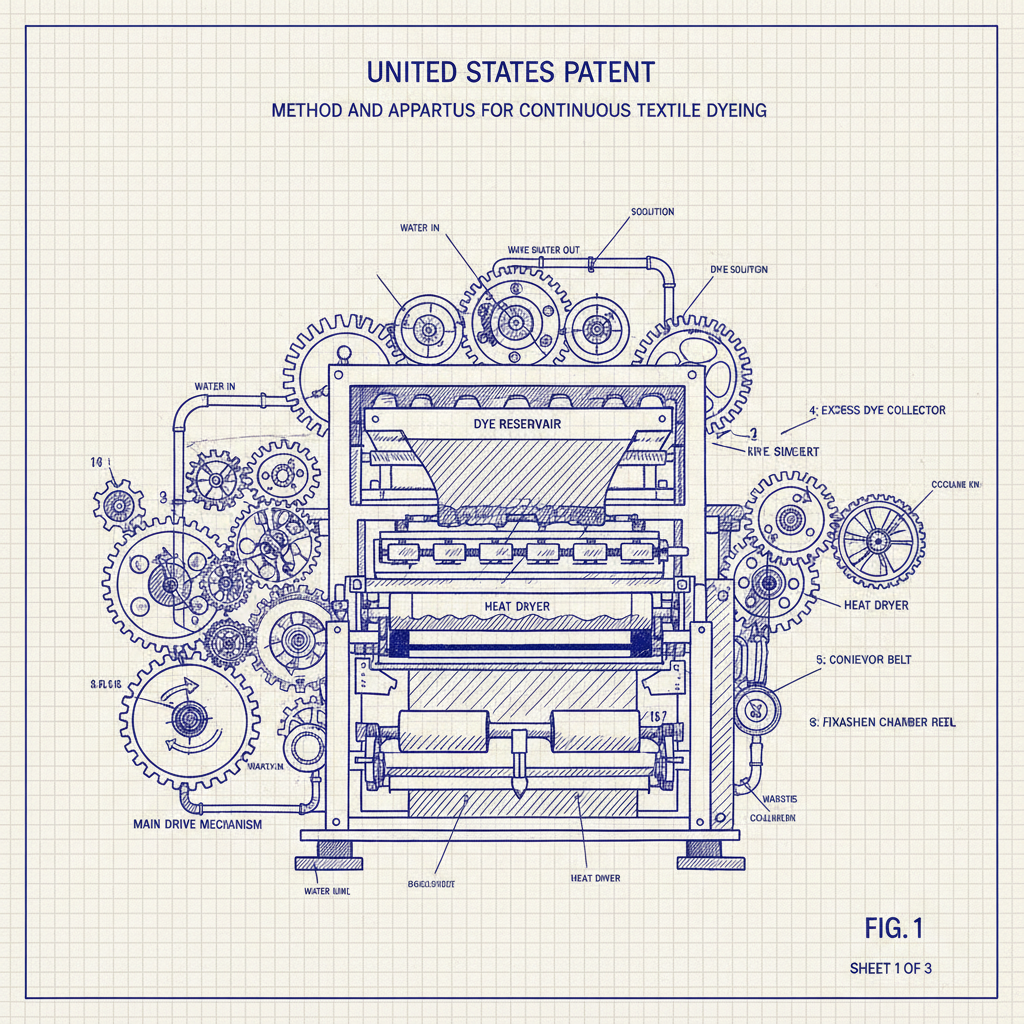
The future of textile dyeing is focused on innovation and sustainability. Digital textile printing, which uses inkjet technology to apply dyes directly onto fabrics, is gaining traction, reducing water consumption and waste. New dye chemistries are being developed that require less water and energy, and are less harmful to the environment.
We're also seeing advancements in biotechnology, with researchers exploring the use of enzymes and microorganisms to produce dyes. The use of recycled dyes and the development of closed-loop dyeing systems, where water and dyes are recovered and reused, are also promising trends. These technologies aren’t just about doing less harm; they’re about creating a truly circular textile economy.
Summary of Dye Selection Criteria
| Fiber Type |
Desired Colorfastness |
Environmental Impact |
Cost Considerations |
| Cotton |
High Washfastness |
Low Water Consumption |
Moderate |
| Polyester |
Excellent Lightfastness |
Minimal Hazardous Chemicals |
Low |
| Wool |
Good Rubfastness |
Biodegradable Dyes |
High |
| Silk |
High Color Vibrancy |
Reduced Effluent Discharge |
Very High |
| Nylon |
Chlorine Resistance |
Energy Efficient Dyeing |
Moderate |
| Linen |
Durable Color Retention |
Natural Dye Sources |
Moderate |
FAQS
Several dyes are considered more environmentally friendly. Natural dyes, though often less colorfast, are a great starting point. Within synthetic dyes, look for reactive dyes with high fixation rates to minimize effluent. Furthermore, dyes certified by OEKO-TEX® Standard 100 ensure they’re free from harmful substances. Companies are also exploring biotechnology-derived dyes which offer promising sustainable alternatives.
Fiber content is the primary driver of dye selection. Different fibers have different chemical structures and require dyes that can effectively bond with them. For example, cotton, a cellulose fiber, works best with direct and reactive dyes, while polyester, a synthetic fiber, requires disperse dyes. Trying to use the wrong dye type will result in poor colorfastness and uneven dyeing.
Colorfastness refers to the dye’s ability to resist fading or running when exposed to factors like washing, sunlight, and abrasion. It's crucial because it determines the longevity of the color and the overall quality of the fabric. Poor colorfastness can lead to discoloration, staining of other garments, and a reduced lifespan for the textile product.
Absolutely. Dyes for specialized applications like outdoor fabrics (high lightfastness) or medical textiles (hypoallergenic properties) generally cost more than dyes for standard apparel. Quantity also plays a big role - larger orders usually get discounted rates. And don't forget to factor in the cost of auxiliaries (chemicals) needed for the dyeing process itself.
Several regulations govern textile dyeing, focusing on environmental and health safety. These include REACH (Registration, Evaluation, Authorization and Restriction of Chemicals) in Europe, and various standards set by the EPA in the US. The OEKO-TEX® Standard 100 is a voluntary certification that verifies textiles are free from harmful substances. Compliance with these regulations is essential for market access.
Reducing water consumption is a key sustainability goal. Technologies like low-liquor-ratio dyeing machines, foam dyeing, and supercritical CO2 dyeing significantly reduce water usage. Implementing closed-loop systems for water recycling is also crucial. Choosing dyes that require less rinsing can further contribute to water savings.
Conclusion
Understanding the types of dye in textile is far more than simply selecting a color. It's a complex interplay of fiber science, chemical engineering, environmental responsibility, and cost management. The right dye choice impacts the performance, longevity, and sustainability of textile products, ultimately influencing both consumer satisfaction and the health of our planet.
Looking ahead, the industry will continue to embrace innovation, with a focus on sustainable dyes, digital printing technologies, and closed-loop systems. Manufacturers who prioritize these advancements will be best positioned to thrive in a rapidly evolving market. For more information on textile dyes and solutions, please visit our website at www.yanhongchem.com.