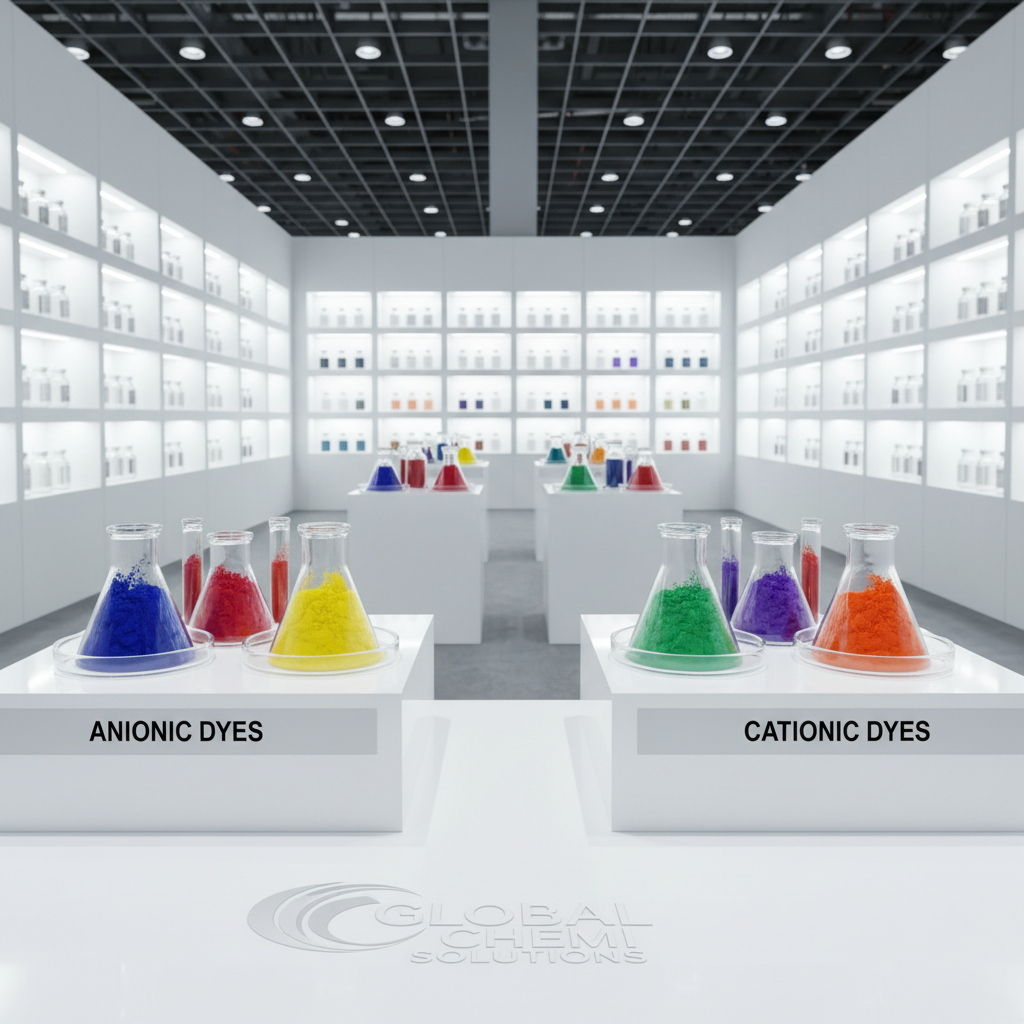
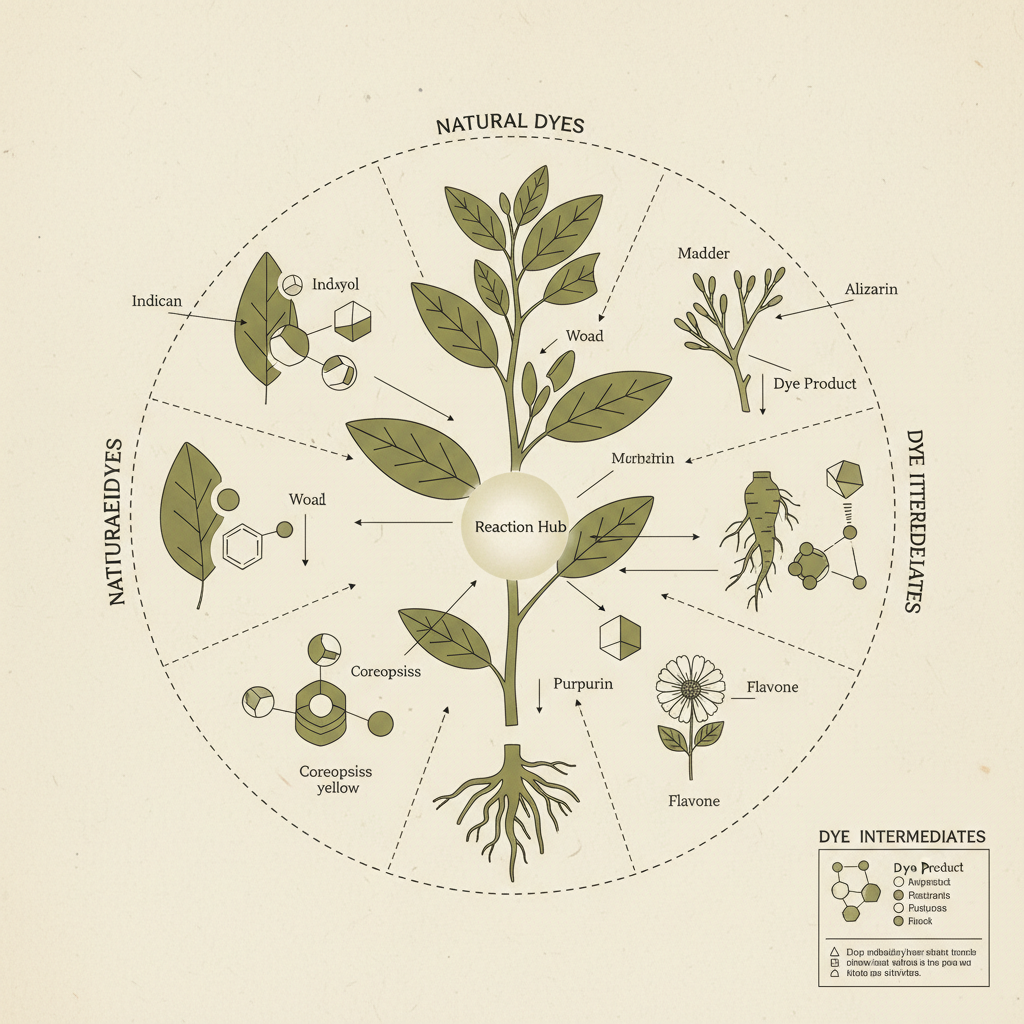
Textile colouring is a cornerstone of the global fashion and textile industries, impacting everything from apparel and home furnishings to industrial fabrics. It's a multi-billion dollar market, driven by consumer demand for diverse colors and patterns, and constantly evolving with technological advancements. Understanding the nuances of textile colouring – the processes, materials, and sustainability considerations – is crucial for businesses, designers, and consumers alike.
The importance of textile colouring extends beyond aesthetics. Color plays a vital role in product identification, safety (e.g., high-visibility clothing), and cultural expression. The industry faces increasing scrutiny regarding its environmental impact, specifically concerning water usage, effluent treatment, and the use of hazardous chemicals. Addressing these challenges requires innovation in dyes, application techniques, and closed-loop systems.
Ultimately, a thorough comprehension of textile colouring empowers informed decision-making – from selecting eco-friendly materials to optimizing production processes – contributing to a more sustainable and responsible textile industry. This knowledge also fosters creativity and allows for the development of innovative products that meet evolving consumer needs.
The Significance of Textile Colouring
Textile colouring isn't merely about aesthetics; it's integral to the functionality and performance of textile materials. Different colouring methods impact fabric properties like lightfastness, washfastness, and overall durability. The right colouration process can enhance a fabric's resistance to fading, staining, and wear, extending its lifespan and reducing the need for frequent replacements.
Moreover, advancements in textile colouring play a critical role in sustainability efforts. Developing eco-friendly dyes and reducing water consumption during the dyeing process are key priorities. Techniques like digital textile printing, for example, offer precise colour application and minimize waste, contributing to a more environmentally responsible industry.
Defining Textile Colouring and its Modern Relevance
Textile colouring is the process of imparting color to textile materials through the application of dyes or pigments. This can be achieved through a variety of methods, including dyeing, printing, and painting. Dyeing involves the absorption of colourants by the fibres, while printing applies colour to the surface of the fabric in specific patterns. The choice of method depends on the fibre type, desired effect, and cost considerations.
In the modern industry, textile colouring is inextricably linked to fast fashion, personalized products, and performance textiles. Consumers increasingly demand vibrant colours, unique designs, and fabrics with specific functional properties (e.g., UV protection, water repellency). Textile colouring techniques must adapt to meet these evolving demands, incorporating digital technologies and sustainable practices.
Beyond commercial applications, textile colouring is vital in specialized areas like healthcare (antimicrobial textiles) and safety (high-visibility garments). The ability to create textiles with specific colour characteristics has significant implications for public health and safety.
Core Components of Effective Textile Colouring
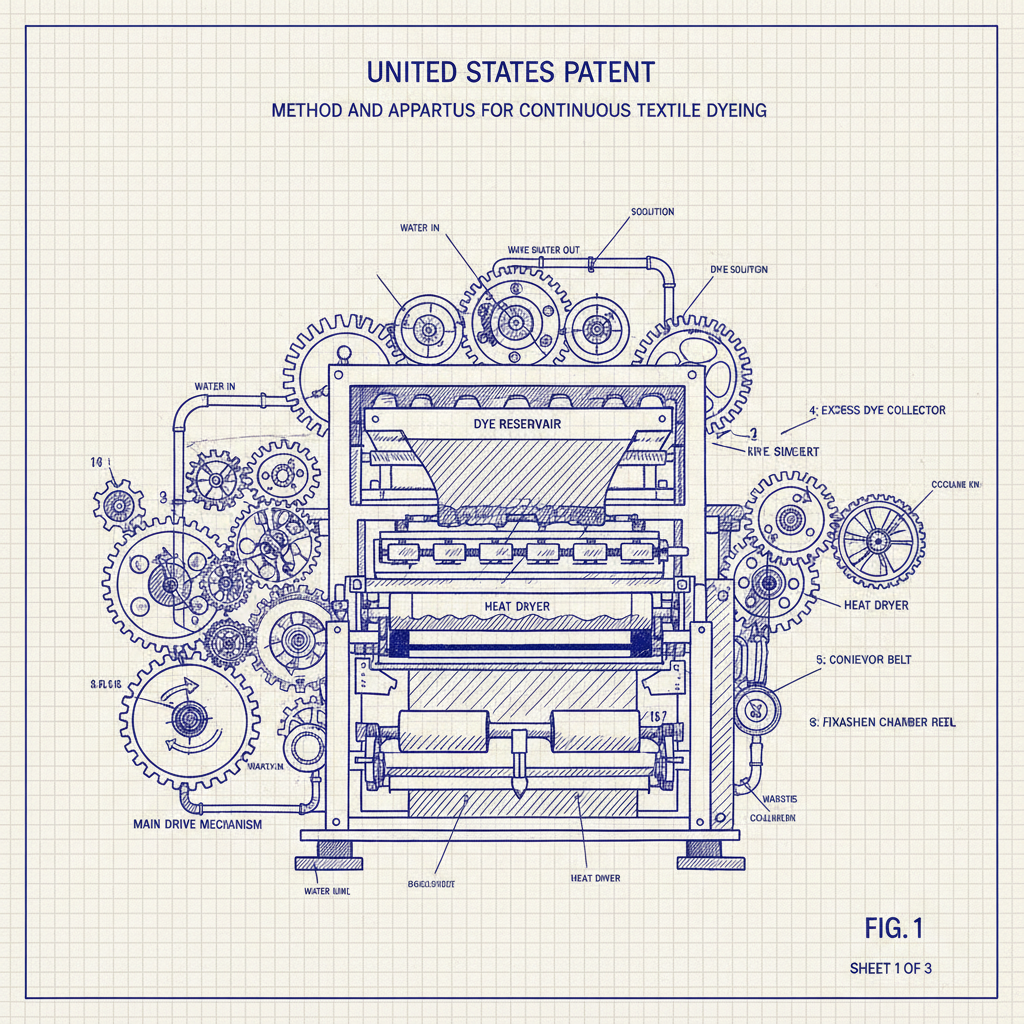
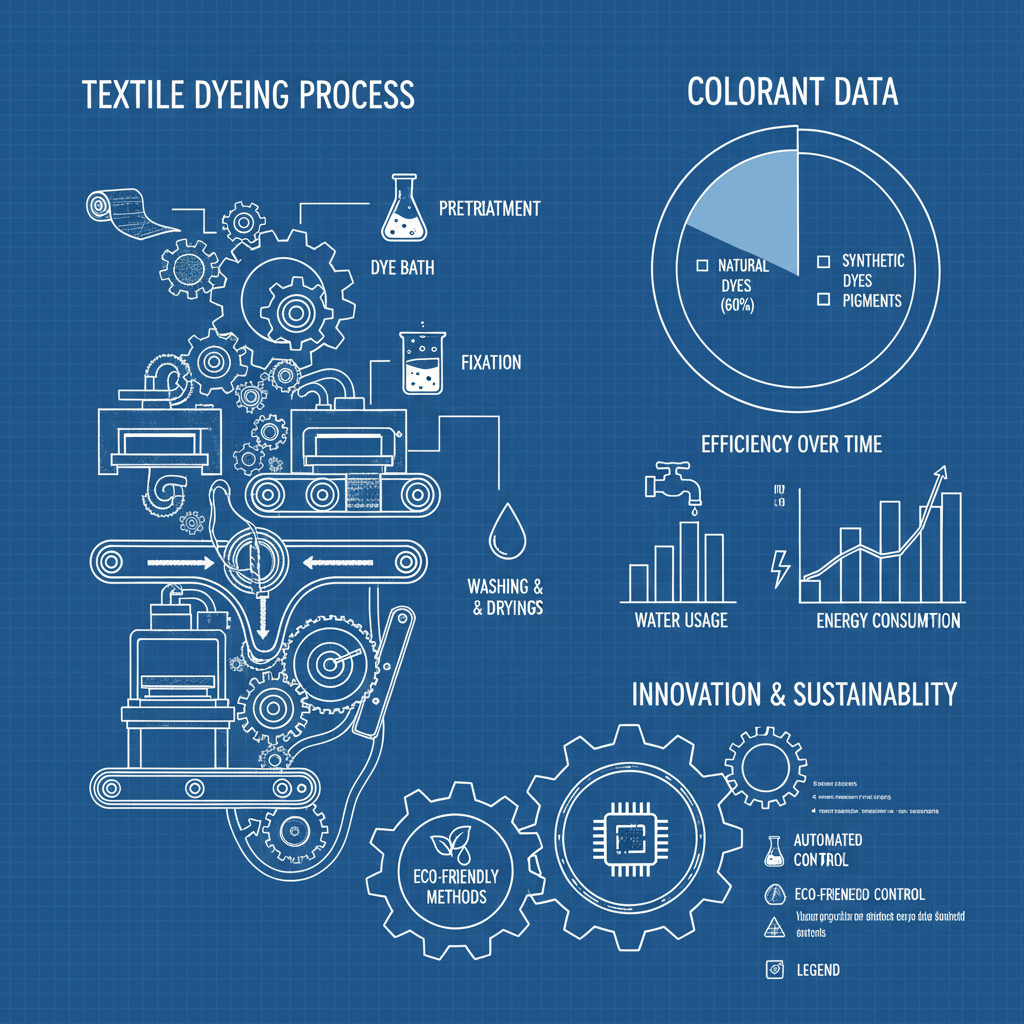
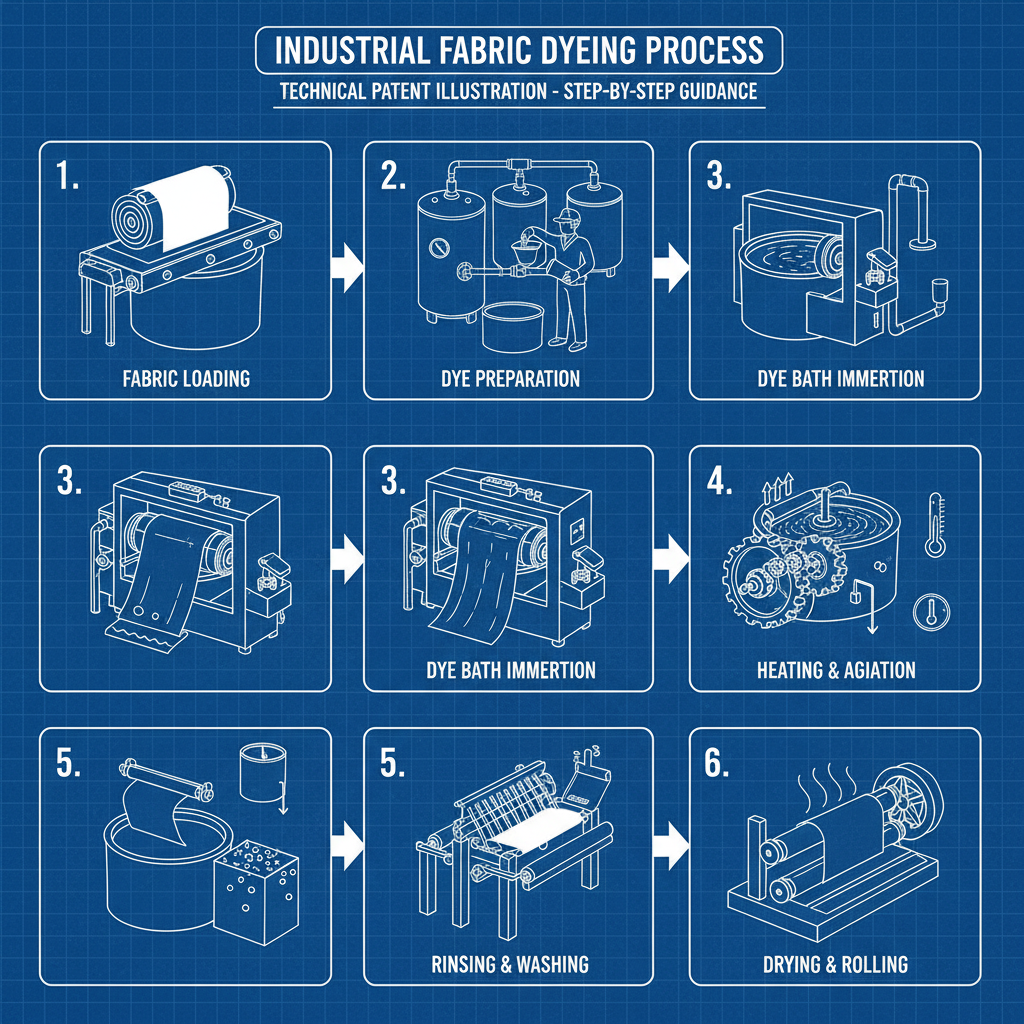
Successful textile colouring hinges on several key components. First, the selection of appropriate dyes or pigments is critical, considering factors like fibre type, colour fastness requirements, and environmental impact. Second, pre-treatment of the fabric is essential to ensure uniform dye uptake and optimal colour development. This often involves cleaning, bleaching, and scouring processes.
Third, the dyeing or printing process itself requires precise control of parameters such as temperature, pH, and time. Variations in these parameters can significantly affect the final colour and its properties. Fourth, post-treatment processes, such as washing and finishing, are used to enhance colour fastness, improve fabric handle, and add functional properties.
Finally, quality control throughout the entire process is vital to ensure consistent colour reproduction and meet industry standards. This includes visual inspection, spectrophotometric analysis, and performance testing. Each component plays a crucial role in achieving vibrant, durable, and environmentally responsible textile colours.
Key Factors in Achieving Optimal Colour Durability
Colour durability in textile colouring is paramount, dictated by factors like lightfastness, washfastness, rubfastness, and perspiration fastness. Lightfastness refers to the resistance of a colour to fading when exposed to sunlight, crucial for outdoor textiles. Washfastness assesses colour retention after repeated washing cycles, vital for everyday clothing.
Achieving high colour durability necessitates a holistic approach, starting with dye selection. Reactive dyes generally offer excellent washfastness on cellulosic fibres, while disperse dyes are favoured for polyester. Proper dye fixation techniques, including appropriate temperature and time control during dyeing, are also essential.
Colour Fastness Ratings for Different Textile Colouring Methods
Global Applications of Textile Colouring Techniques
Textile colouring techniques are deployed across a vast spectrum of industries globally. The fashion industry, naturally, is the largest consumer, utilizing diverse methods from traditional dyeing to innovative digital printing. The automotive sector demands high-performance, colourfast textiles for interiors, requiring specialized dyeing processes.
In healthcare, antimicrobial textile colouring is gaining prominence, contributing to infection control and patient safety. Technical textiles, used in applications like filtration and construction, often require specific colouration for identification or functionality. These applications span across regions, with significant production hubs in Asia, Europe, and the Americas.
Advantages and Long-Term Value in Textile Colouring
Investing in advanced textile colouring techniques yields significant advantages. Cost efficiency is improved through reduced water and energy consumption, as well as minimized waste. Sustainability is enhanced through the use of eco-friendly dyes and closed-loop systems, reducing the environmental footprint.
The long-term value extends to product quality and durability. Colourfast textiles maintain their appearance and value for longer, reducing the need for replacements. Furthermore, innovation in textile colouring drives product differentiation and enhances brand reputation, building consumer trust and loyalty.
Future Trends and Innovations in Textile Colouring
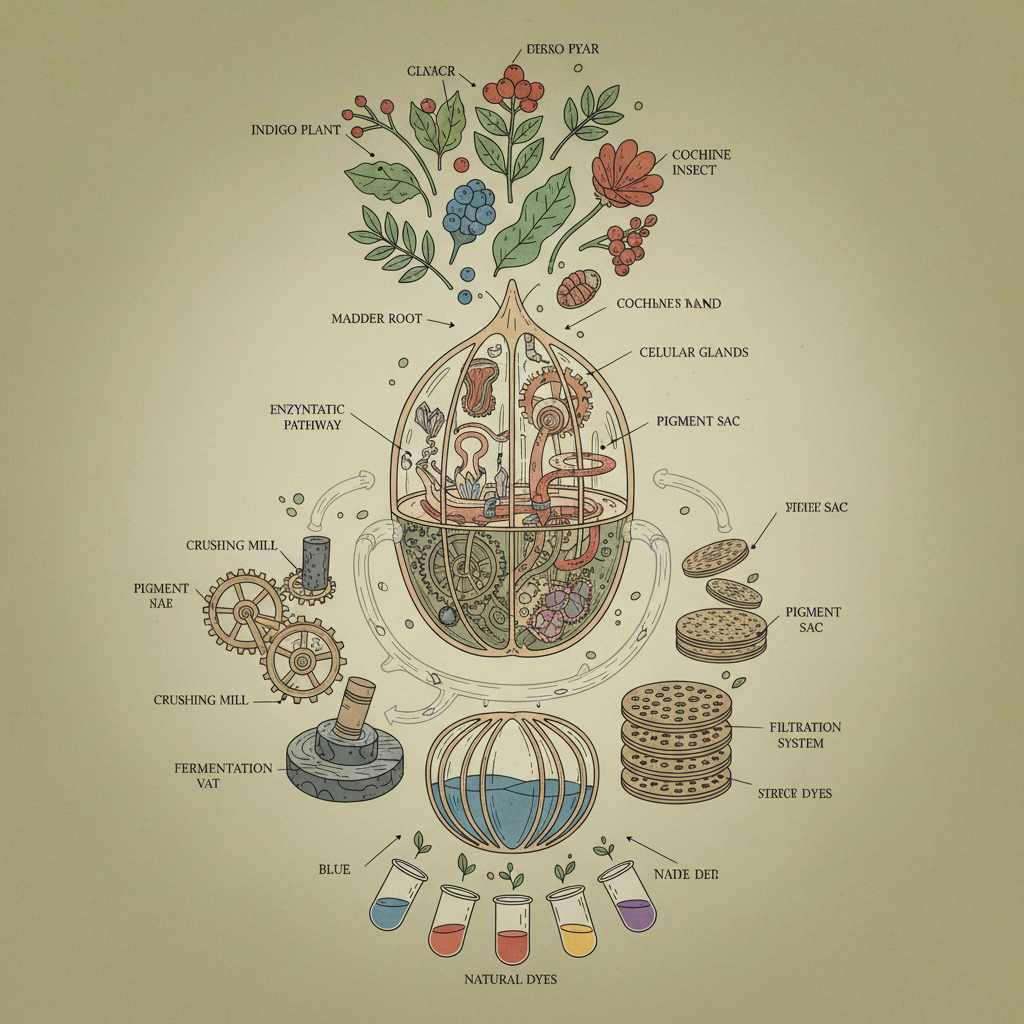
The future of textile colouring is poised for transformation. Digital textile printing is expected to become increasingly prevalent, offering greater design flexibility, faster turnaround times, and reduced water usage. Bio-based dyes, derived from renewable resources, are gaining traction as a sustainable alternative to traditional synthetic dyes.
Nanotechnology is also playing a role, enabling the development of textiles with enhanced colour fastness and functional properties. Automation and artificial intelligence are being implemented to optimize dyeing processes, improve quality control, and reduce production costs. These innovations align with the growing demand for sustainable and high-performance textiles.
Furthermore, the integration of blockchain technology for dye traceability is emerging, enhancing supply chain transparency and ensuring responsible sourcing of materials.
Challenges and Solutions in Modern Textile Colouring
Despite advancements, challenges remain in textile colouring. Water pollution from dye effluents is a significant environmental concern. The high energy consumption of traditional dyeing processes contributes to carbon emissions. Ensuring consistent colour reproduction across different batches and fabrics can also be difficult.
Summary of Challenges and Potential Solutions in Textile Colouring
| Challenge Area |
Impact on Textile Colouring |
Potential Solution |
Implementation Feasibility (1-10) |
| Water Pollution |
Release of harmful chemicals into waterways |
Advanced wastewater treatment technologies |
7 |
| Energy Consumption |
High energy demand for heating and cooling |
Optimized dyeing processes and renewable energy sources |
8 |
| Colour Consistency |
Variations in colour shade and intensity |
Digital colour management systems and automated dosing |
6 |
| Dye Toxicity |
Use of hazardous chemicals with potential health risks |
Development and adoption of bio-based dyes |
5 |
| Waste Generation |
Discarded dyes and chemicals contributing to landfill waste |
Closed-loop systems and dye recycling technologies |
9 |
| Supply Chain Transparency |
Lack of visibility into dye origins and production practices |
Blockchain-based dye traceability systems |
4 |
FAQS
When seeking eco-friendly textile colouring, consider options like natural dyes (derived from plants, minerals, and insects), low-impact reactive dyes, and digital textile printing. Natural dyes, while beautiful, can sometimes lack colour fastness. Low-impact reactive dyes minimize water pollution and energy consumption. Digital printing reduces dye waste and allows for precise colour application. Prioritising certifications like OEKO-TEX Standard 100 can also help ensure responsible sourcing and production.
Digital textile printing initially involved higher upfront investment in equipment, but costs have decreased significantly. While traditional dyeing remains cost-effective for large-scale runs of simple designs, digital printing excels in producing complex, multi-coloured patterns with faster turnaround times. Quality is comparable, and digital printing often offers superior colour accuracy and detail. It’s particularly advantageous for on-demand production and smaller batches.
The fibre type is the primary consideration. Cotton and other cellulosic fibres require different dyes than synthetic fibres like polyester. Dye properties, such as colour fastness to washing, light, and rubbing, must align with the intended use of the textile. Also, consider the dye's environmental impact, cost, and compatibility with the dyeing process. Different dyes have varying affinities for different fibres, impacting colour yield and durability.
Pre-treatment is crucial for preparing the fabric to receive the dye evenly. It involves cleaning the fabric to remove impurities like oils, waxes, and sizing agents. Scouring, bleaching, and mercerization are common pre-treatment processes that enhance dye uptake and improve colour consistency. Insufficient pre-treatment can lead to uneven dyeing, poor colour yield, and reduced colour fastness.
Several strategies can minimize water usage. These include implementing low liquor ratio dyeing machines, utilizing water recycling systems, and employing innovative dyeing techniques like foam dyeing and supercritical carbon dioxide dyeing. Optimizing the dyeing process to reduce rinsing cycles and utilizing efficient dye fixation methods also contribute to water conservation. Investing in waterless dyeing technologies, while often expensive, offers a significant reduction in water usage.
Nanotechnology, biotechnology, and digital automation are at the forefront of innovation. Nanomaterials are enhancing dye fixation and improving colour fastness. Biotechnology is driving the development of eco-friendly dyes from renewable sources. Digital automation streamlines dyeing processes, improves quality control, and reduces waste. Artificial intelligence is being used to predict dye behaviour and optimize dyeing parameters. These technologies promise a more sustainable and efficient textile colouring industry.
Conclusion
Textile colouring is a multifaceted process vital to numerous industries, continually evolving to meet consumer demands and address sustainability concerns. From foundational elements like dye selection and pre-treatment to emerging technologies like digital printing and bio-based dyes, understanding the principles of textile colouring is crucial for innovation and responsible production. Embracing these advancements leads to enhanced efficiency, reduced environmental impact, and products of superior quality and durability.
Looking ahead, a collaborative approach – involving researchers, manufacturers, and policymakers – is essential to accelerate the adoption of sustainable practices and drive further innovation in textile colouring. Prioritizing circular economy principles, promoting transparency in supply chains, and investing in research and development will be key to unlocking the full potential of this dynamic field. For more information on our textile colouring solutions, visit our website: www.yanhongchem.com