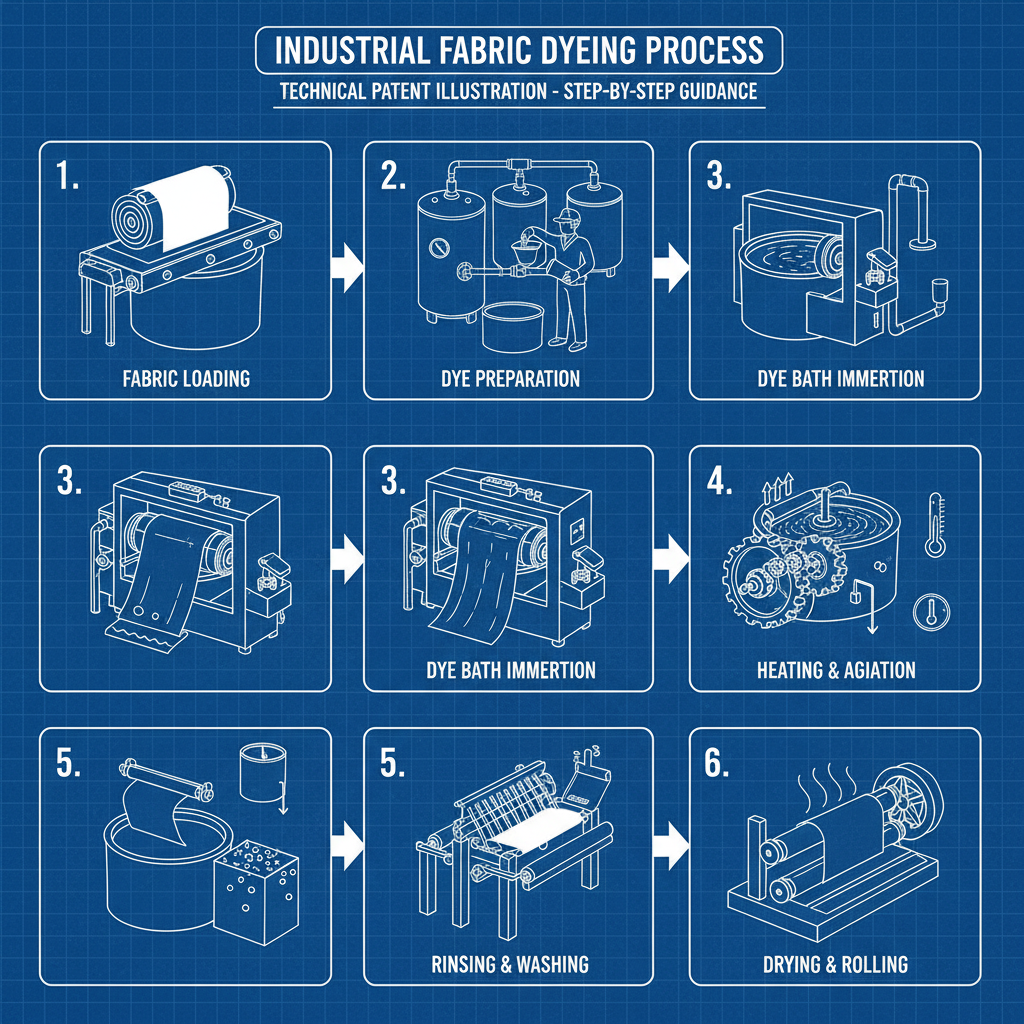
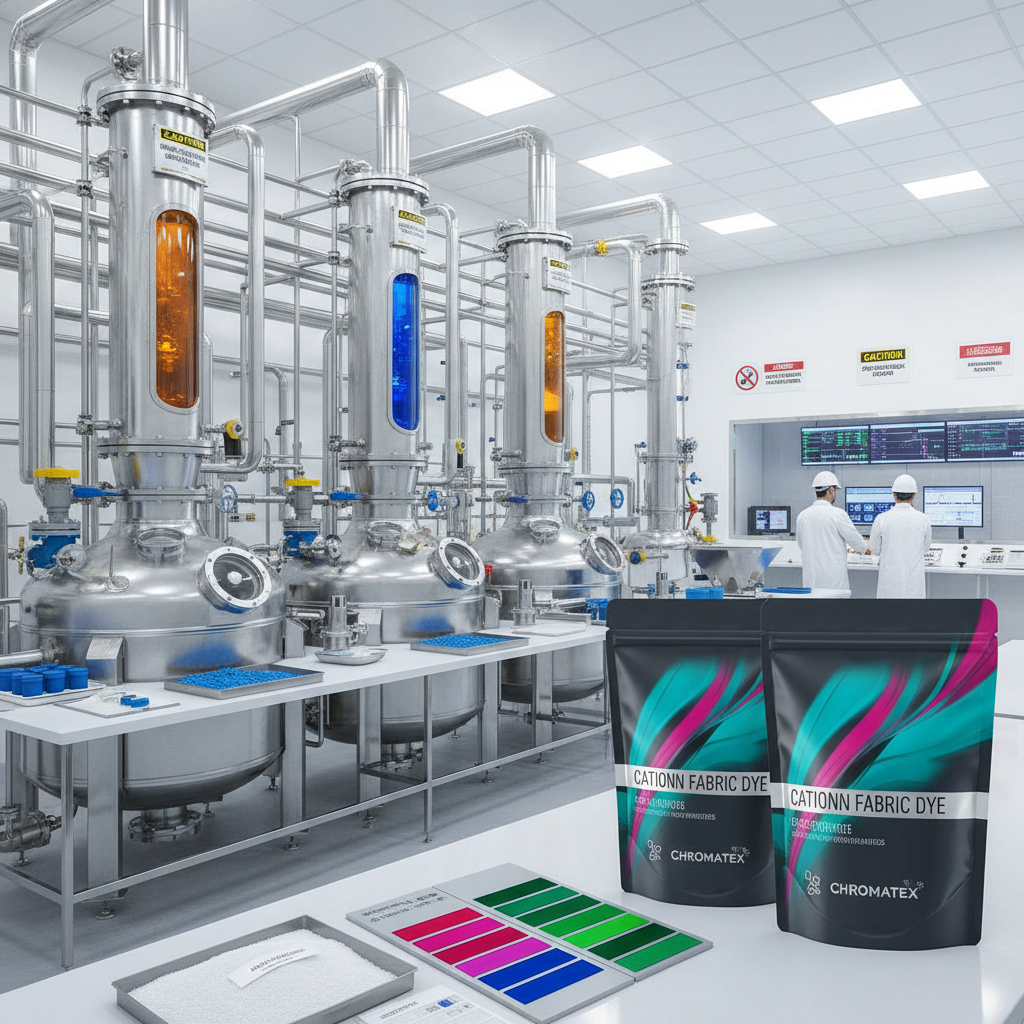
Textile reactive dyes represent a cornerstone of the modern textile industry, enabling vibrant and durable coloration of cellulose fibers like cotton, linen, and rayon. Their importance stems from their ability to form a covalent bond with the fiber, resulting in exceptional wash fastness and color brilliance. Globally, the demand for textiles continues to rise, driving innovation and expansion in dye technologies. Understanding textile reactive dyes is crucial for manufacturers, designers, and consumers alike, as it impacts everything from clothing quality to environmental sustainability.
The global textile market is a multi-trillion dollar industry, with dyeing and finishing processes accounting for a significant portion of its environmental impact. Traditional dyeing methods often involve substantial water usage and the release of pollutants. Textile reactive dyes, while offering superior performance, also present challenges in terms of dye fixation and effluent treatment. Consequently, advancements in reactive dye chemistry and application techniques are paramount to mitigating these issues and promoting a more sustainable textile supply chain.
From fast fashion to high-performance sportswear, textile reactive dyes are integral to countless products we use daily. Their versatility allows for a wide range of colors and effects, catering to evolving consumer preferences and industry trends. The continuous development of new reactive dyes, coupled with improved application methods, is critical for maintaining competitiveness and meeting increasingly stringent environmental regulations.
Introduction to Textile Reactive Dyes
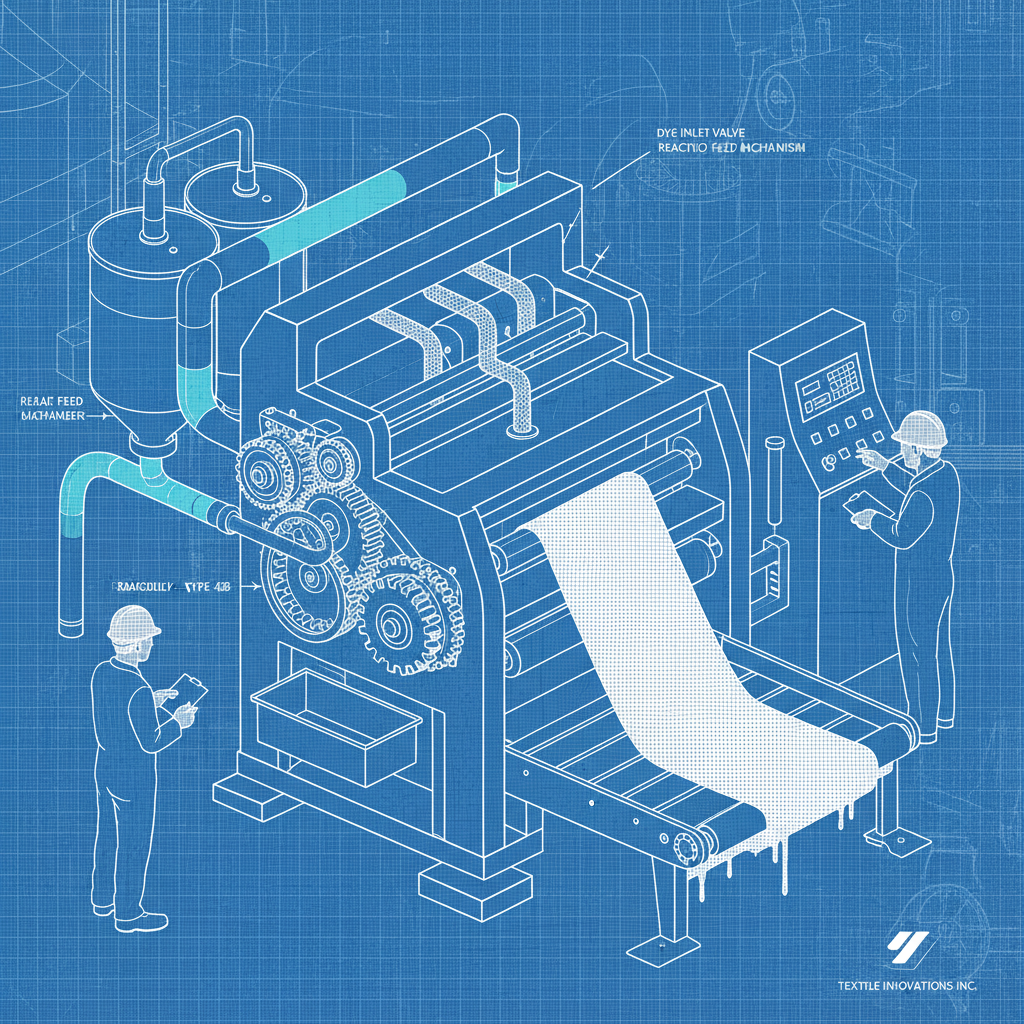
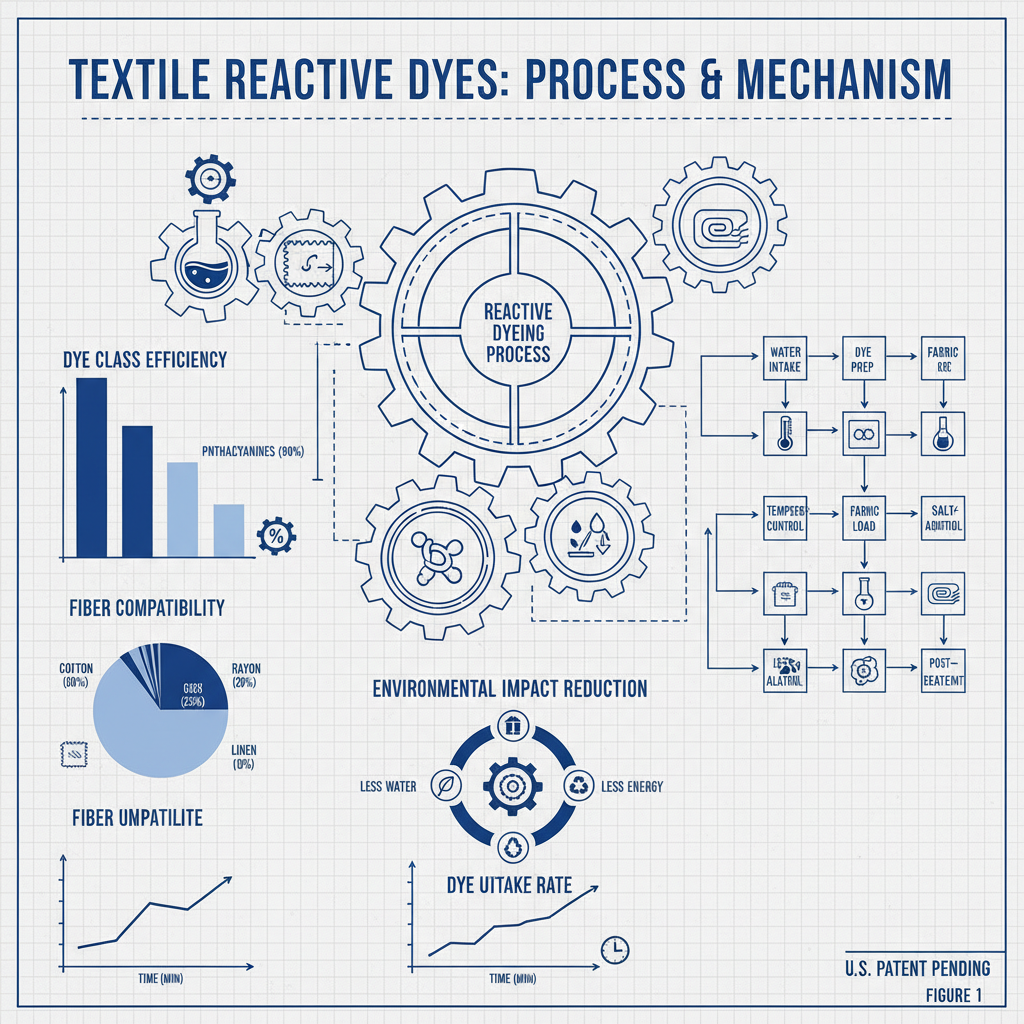
Textile reactive dyes are a class of colorants specifically designed to form a chemical bond with textile fibers, primarily cellulose-based materials. This covalent linkage distinguishes them from other dye types like direct, vat, or disperse dyes, offering superior wash fastness and brilliance. The process involves a reaction between the dye molecule and the hydroxyl groups in the cellulose, creating a permanent coloration. textile reactive dyes are essential for achieving high-quality textile products.
The initial development of reactive dyes revolutionized the textile industry, enabling vibrant colors on cotton and other cellulose fibers that were previously difficult to achieve. Continuous innovation has led to a wide range of reactive dye chemistries, each with specific properties and application characteristics. Understanding the nuances of these different types is crucial for optimizing dyeing processes and achieving desired results.
Defining Textile Reactive Dyes
At their core, textile reactive dyes are complex organic molecules containing a reactive group capable of forming a covalent bond with the fiber. This reactive group, typically a triazine, vinyl sulfone, or dichlorotriazine derivative, allows the dye to become an integral part of the textile structure rather than simply adhering to the surface. This molecular bond translates to exceptional colorfastness, even with repeated washing and exposure to light.
The connection between reactive dyes and modern industry is profound. They enable the production of high-quality, durable textiles for a vast range of applications, from everyday clothing to specialized industrial fabrics. The ability to achieve brilliant, long-lasting colors has driven innovation in fashion, home textiles, and technical textiles.
Reactive dyes directly address the need for sustainable textile production by reducing the amount of dye lost during washing. While some dye loss is unavoidable, the covalent bond significantly minimizes this, lessening environmental impact and water pollution. This makes them increasingly important in a world focused on responsible manufacturing practices.
Core Characteristics of Reactive Dyeing
Durability is arguably the most defining characteristic of textile reactive dyes. The formation of a covalent bond ensures excellent wash fastness, light fastness, and resistance to rubbing. This makes them ideal for textiles subjected to frequent washing, such as clothing and household linens. The strength of this bond differentiates them from other dye classes.
Versatility is another key factor. Reactive dyes are available in an extensive range of colors and shades, allowing designers and manufacturers to achieve a wide variety of aesthetic effects. Different reactive dye chemistries offer varying levels of brightness, shade depth, and application suitability. textile reactive dyes are renowned for their wide color gamut.
Cost-effectiveness, while dependent on dye selection and application efficiency, can be achieved with reactive dyes. While some reactive dyes can be more expensive upfront, their superior fastness properties can translate to longer-lasting products, reducing the need for frequent replacements. Optimization of dyeing processes further enhances cost efficiency.
Applications Across Industries
The fashion industry is a major consumer of textile reactive dyes, utilizing them to create vibrant and durable clothing for all seasons. From casual wear to high-end designer pieces, reactive dyes provide the color and performance demanded by consumers. The ability to achieve deep, rich colors is particularly valued in fashion trends.
Home textiles, including bedding, towels, and curtains, also heavily rely on reactive dyes. Their excellent wash fastness ensures that colors remain vibrant even after repeated laundering, making them ideal for everyday use. Consumers increasingly seek durable and long-lasting home textile products.
Reactive Dye Usage by Application
Advantages and Long-Term Value
Cost savings are realized through the long-lasting nature of reactive dyed textiles. Reduced fading and wear translate to fewer replacements, benefiting both consumers and manufacturers. The upfront cost of high-quality reactive dyes is often offset by increased product lifespan and customer satisfaction.
Sustainability is a significant advantage. While the dyeing process itself can be resource-intensive, the reduced dye loss achieved with reactive dyes minimizes environmental impact. Ongoing research focuses on developing even more eco-friendly reactive dye chemistries and application techniques.
Future Trends in Reactive Dye Technology
Research into bio-based reactive dyes is gaining momentum, aiming to replace petroleum-derived components with renewable resources. This represents a significant step towards a more sustainable textile industry. Exploring natural sources for dye precursors is a key focus area.
Digital textile printing utilizing reactive dyes is rapidly evolving. This technology allows for precise color application, reduced waste, and on-demand production, offering greater flexibility and customization options. The integration of digital printing with reactive dye chemistry promises to revolutionize textile manufacturing.
The development of dyes that require lower water consumption and reduced salt usage during application are also critical trends. Innovative dyeing processes, such as plasma treatment and supercritical carbon dioxide dyeing, are being explored to minimize environmental impact and enhance dye fixation.
Challenges and Sustainable Solutions
Effluent treatment remains a significant challenge. Unfixed reactive dye in wastewater can contribute to water pollution. Implementing effective wastewater treatment technologies, such as advanced oxidation processes and biological treatment, is crucial for mitigating this impact. Investing in closed-loop dyeing systems is also key.
Optimizing dye fixation rates is essential for minimizing dye waste and reducing effluent load. Careful control of dyeing parameters, such as temperature, pH, and electrolyte concentration, can significantly improve dye uptake. The use of auxiliary chemicals that enhance dye fixation is also being explored.
The reliance on salt in traditional reactive dyeing processes poses an environmental concern. Developing salt-free or low-salt dyeing techniques is a priority. Alternative electrolytes and innovative dyeing methods are being investigated to reduce salt consumption and minimize its impact on wastewater.
A Summary of Challenges and Sustainable Solutions in Reactive Dyeing
| Challenge Area |
Severity of Impact (1-10) |
Potential Solution |
Implementation Cost (1-10) |
| Wastewater Effluent |
9 |
Advanced Oxidation Processes |
7 |
| Dye Fixation Rate |
8 |
Optimized Dyeing Parameters |
3 |
| Salt Consumption |
7 |
Low-Salt Dyeing Techniques |
6 |
| Petroleum-Based Feedstocks |
6 |
Bio-Based Dye Development |
8 |
| Water Consumption |
8 |
Water Recycling Systems |
7 |
| Energy Usage |
5 |
Optimized Heating & Cooling Systems |
4 |
FAQS
Reactive dyes form a covalent bond with the fiber, resulting in superior wash fastness compared to direct dyes, which rely on weaker intermolecular forces. Direct dyes are generally less expensive but prone to bleeding and fading. Reactive dyes are preferred for applications requiring high durability and color retention, while direct dyes are suitable for less demanding uses.
Water temperature is a critical parameter in reactive dyeing. Lower temperatures can slow down the reaction rate, leading to incomplete dye fixation. Higher temperatures accelerate the reaction but can also cause hydrolysis of the dye, reducing its effectiveness. Optimal temperatures vary depending on the specific dye chemistry and fiber type, but typically range between 40-60°C. Precise temperature control is essential for achieving consistent results.
Dye fixation refers to the percentage of dye that chemically bonds to the fiber during the dyeing process. Higher fixation rates minimize dye waste, reduce effluent pollution, and improve colorfastness. Factors influencing fixation include temperature, pH, electrolyte concentration, and dye chemistry. Maximizing dye fixation is a key goal in sustainable textile dyeing.
Several strategies can minimize the environmental impact. These include optimizing dye fixation to reduce dye waste, implementing effective wastewater treatment technologies, utilizing low-salt or salt-free dyeing methods, exploring bio-based dye alternatives, and investing in water recycling systems. Adopting a holistic approach to sustainable dyeing is crucial.
Reactive dyes are categorized based on their reactive groups, including triazine, vinyl sulfone, dichlorotriazine, and bifunctional reactive dyes. Each class exhibits different reactivity, fixation characteristics, and application properties. Triazine dyes are widely used and offer good all-around performance, while vinyl sulfone dyes are known for their excellent fixation on various cellulose fibers.
Selecting the appropriate reactive dye depends on several factors, including the fiber type, desired color, required fastness properties, and dyeing conditions. Consider the dye’s reactivity, solubility, lightfastness, and washfastness. Refer to dye manufacturer specifications and conduct trial dyeings to ensure optimal results. Consulting with a textile chemist can also be beneficial.
Conclusion
Textile reactive dyes represent a vital technology in the global textile industry, enabling vibrant, durable, and aesthetically pleasing coloration of cellulose fibers. Their superior fastness properties, coupled with ongoing innovation in dye chemistry and application techniques, ensure their continued relevance in a rapidly evolving market. Addressing the challenges associated with effluent treatment and sustainability is paramount for minimizing environmental impact.
Looking ahead, the future of reactive dyes lies in the development of eco-friendly alternatives, optimized dyeing processes, and the integration of digital technologies. Continued research and collaboration between industry, academia, and policymakers will be essential for unlocking the full potential of reactive dyes and fostering a more sustainable textile future. Visit our website at www.yanhongchem.com to learn more about our range of textile reactive dyes and solutions.