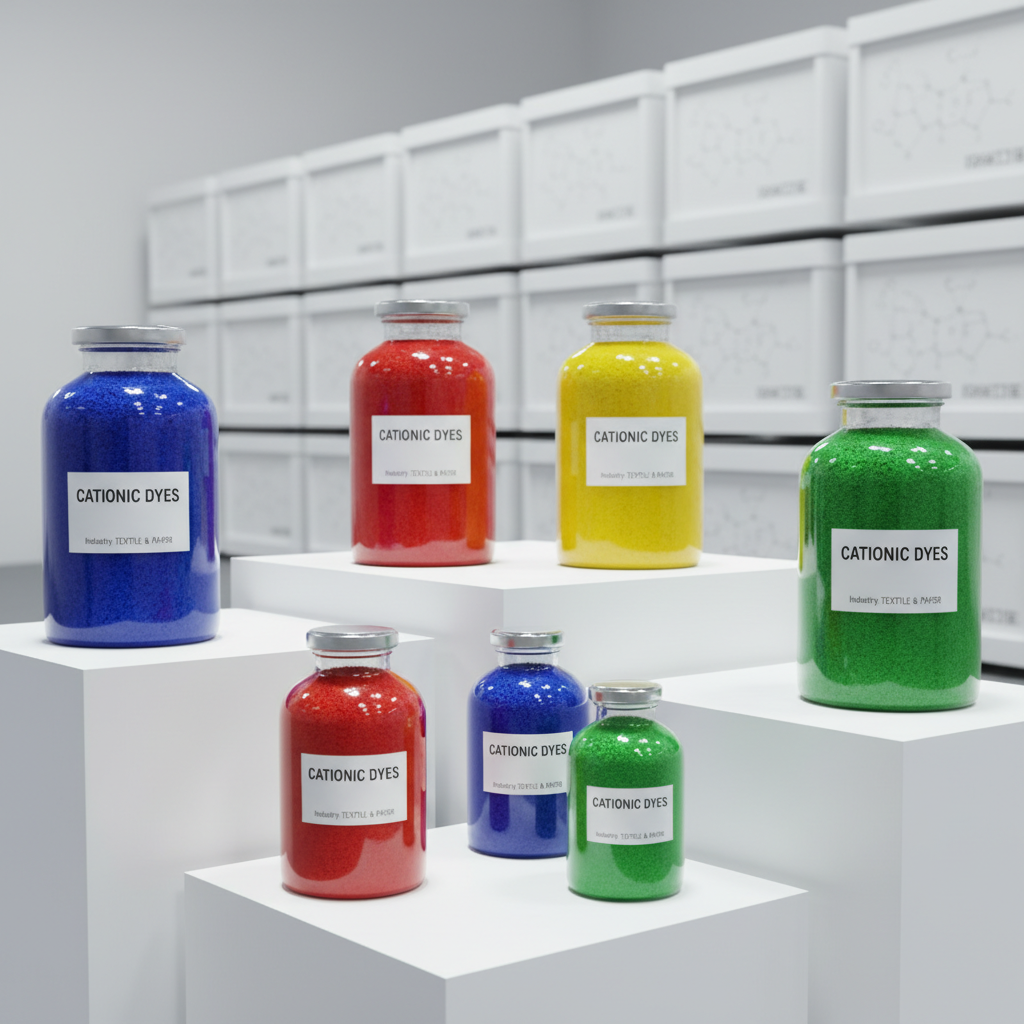
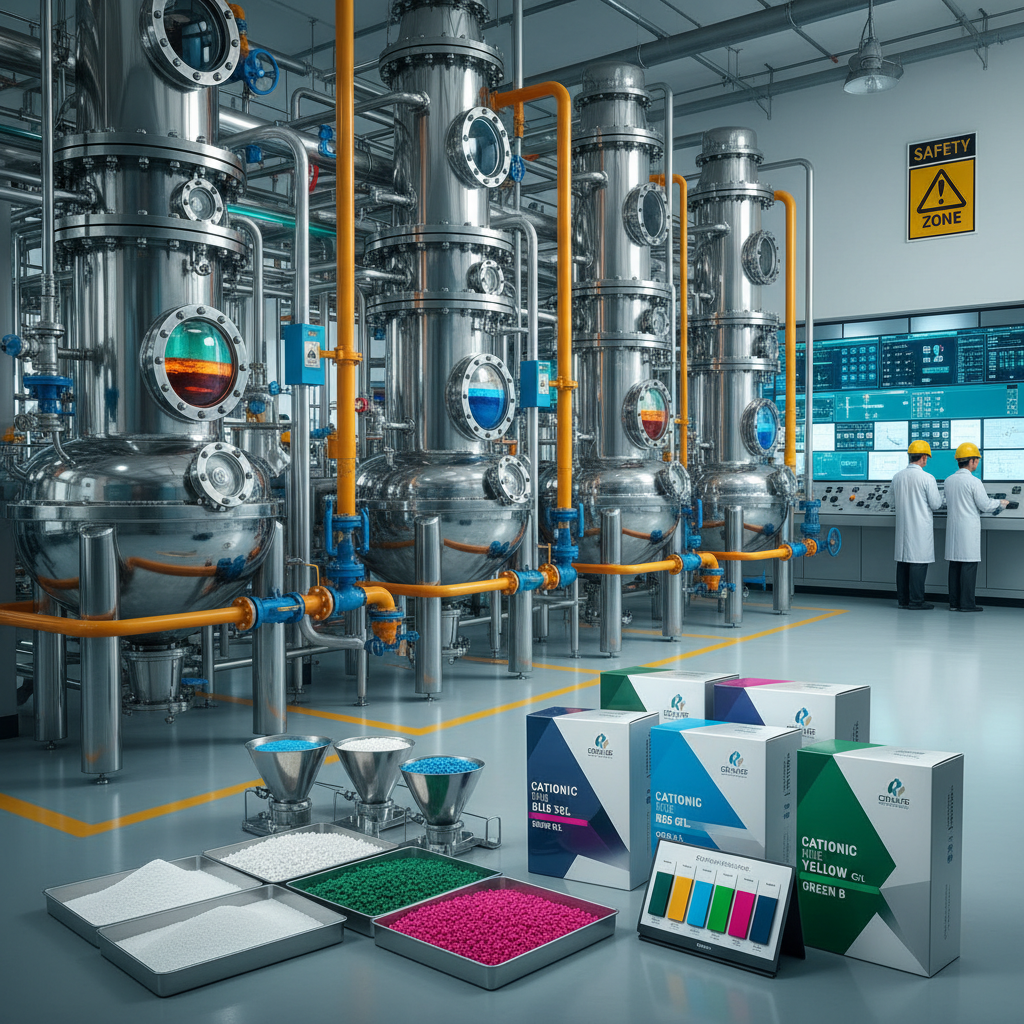
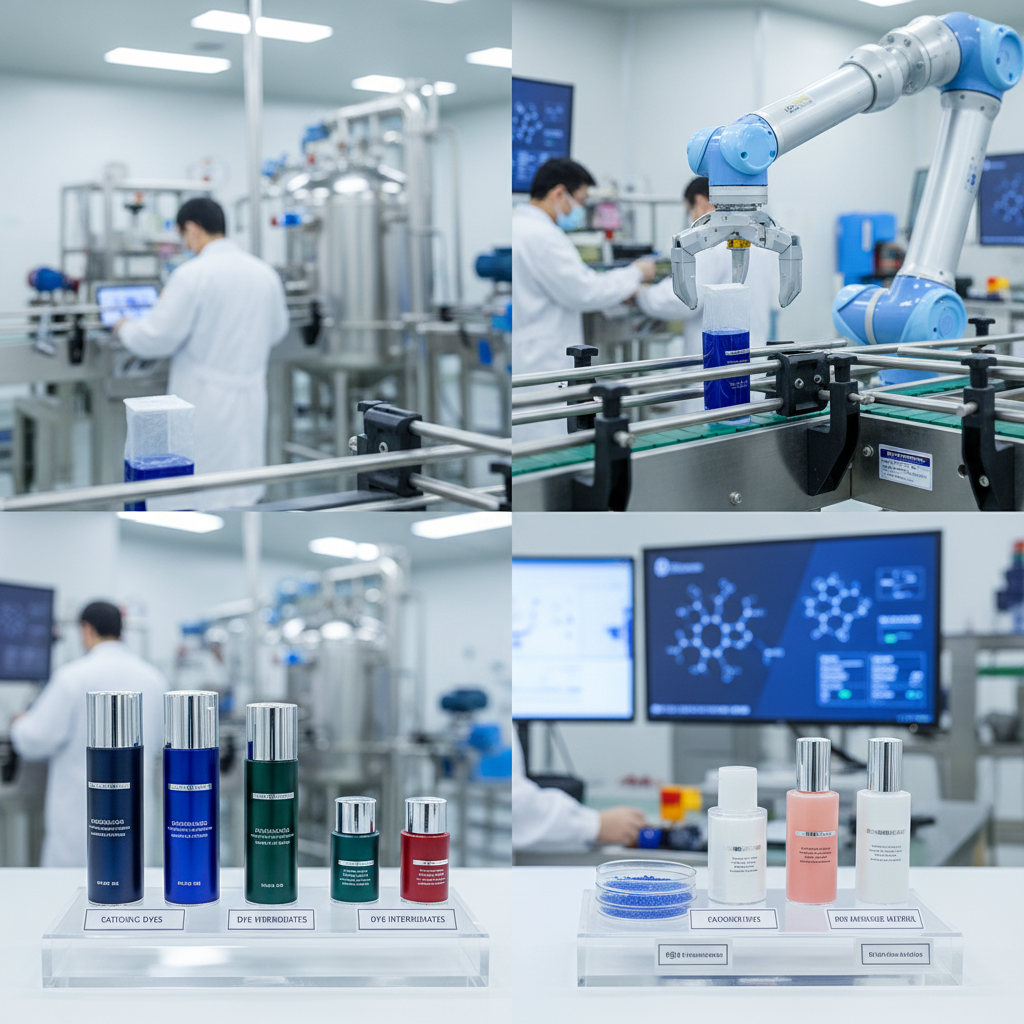
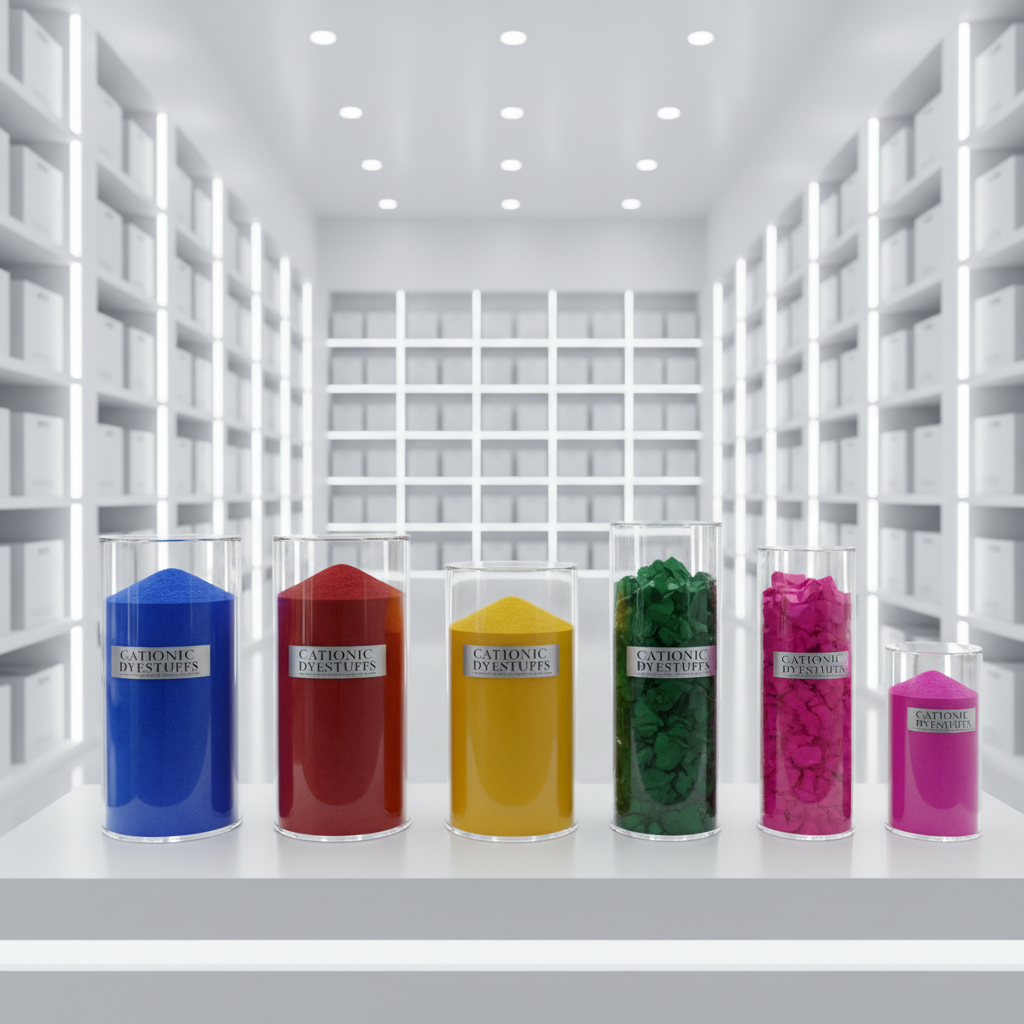
Cationic dye represents a fascinating class of colorants, playing a vital role across diverse industries – from textiles and paper to advanced applications like biomedical imaging. Their unique positive charge allows for strong interactions with negatively charged substrates, leading to vibrant, durable coloring. Understanding the properties and applications of cationic dyes is crucial for innovation in material science, manufacturing, and beyond.
The global market for dyes and pigments, encompassing cationic dyes, is substantial and continuously evolving. According to market research reports, the industry is projected to reach billions of dollars in the coming years, driven by growing demand in sectors like apparel, packaging, and automotive. However, environmental concerns related to dye production and wastewater treatment are prompting a shift towards more sustainable and eco-friendly alternatives.
The significance of cationic dye extends beyond aesthetics; it's deeply interwoven with technological advancements and societal needs. As research progresses, we’re seeing increased use in specialized areas like targeted drug delivery and diagnostics, offering potential for breakthroughs in healthcare. This underlines the importance of continued investigation and development in this field.
Introduction to Cationic Dye
Cationic dyes, also known as basic dyes, represent a significant portion of the dye market due to their brilliant shades and affinity for acrylic fibers. They’re characterized by a positively charged chromophore, making them particularly effective in coloring materials with anionic sites. This fundamental characteristic dictates their application range and interaction mechanisms.
The use of cationic dyes isn’t limited to textiles; they also find applications in paper dyeing, leather coloration, and increasingly, in specialized fields like biological staining and functional materials. The development of new cationic dyes and optimized application techniques continues to be a focus of research, driven by demands for improved colorfastness, environmental sustainability, and innovative functionalities.
Defining Cationic Dye
At its core, a cationic dye is an organic compound carrying a positive electrical charge. This positive charge originates from the presence of delocalized nitrogen atoms within its molecular structure. These dyes typically contain a chromophore – the part of the molecule responsible for color – bonded to one or more cationic groups.
The interaction between a cationic dye and a substrate is primarily electrostatic. The positively charged dye molecule is attracted to negatively charged sites on the substrate, leading to dye fixation. This mechanism is particularly efficient with acrylic fibers, which possess anionic groups, but can be adapted for other materials through pre-treatment or modification.
Understanding this fundamental definition is key to grasping the versatility of cationic dye. It isn't merely about imparting color; it's about utilizing electrostatic interactions for functional coloration and material modification, opening avenues for innovations beyond traditional dyeing applications.
Key Properties of Cationic Dye
Cationic dyes are renowned for their high tinctorial strength – meaning a small amount of dye can produce a vivid, intense color. This is a significant advantage, reducing dye consumption and minimizing waste. Their brilliance and clarity of shade are also highly desirable in many applications.
Another crucial property is their relatively good lightfastness on acrylic fibers, though this can vary depending on the specific dye structure. While generally not as lightfast as some other dye classes on natural fibers, advancements in dye chemistry are continuously improving their performance. Solubility in water is generally good, facilitating ease of application.
However, cationic dyes often exhibit lower washfastness compared to reactive or direct dyes, particularly on cellulosic fibers. This limitation can be addressed through after-treatments or the use of specialized fixing agents, and careful selection of dye structure tailored to the specific application.
Factors Influencing Cationic Dye Performance
The performance of cationic dye isn’t solely determined by the dye molecule itself. Several factors play a critical role, including pH, temperature, electrolyte concentration, and the specific substrate being dyed. pH affects the ionization of both the dye and the substrate, influencing electrostatic attraction.
Temperature controls the rate of diffusion and fixation, with higher temperatures generally accelerating the process but also potentially leading to uneven dyeing or dye degradation. Electrolytes can enhance dye uptake by increasing the ionic strength of the dye bath, but excessive electrolyte concentrations can reduce dye solubility.
Cationic Dye Performance Indicators
Global Applications of Cationic Dye
The textile industry remains the primary consumer of cationic dye, particularly for coloring acrylic fibers used in sweaters, blankets, and carpets. However, its application extends significantly beyond apparel. The paper industry utilizes cationic dyes to produce brightly colored paper and cardboard products, often for packaging and decorative purposes.
In recent years, applications in specialized areas have emerged. Cationic dyes are increasingly used in biomedical imaging as fluorescent stains for visualizing cells and tissues. They also play a role in the development of functional materials, such as conductive polymers and photosensitive coatings.
Advantages and Future of Cationic Dye
The key advantages of cationic dyes lie in their brilliance, high tinctorial strength, and ease of application on acrylic fibers. These factors contribute to cost-effectiveness and efficient production processes. The continued development of novel cationic dye structures promises improved properties like enhanced washfastness and lightfastness, broadening their application range.
Looking ahead, we can expect to see increased research focused on sustainable cationic dye production methods and the development of eco-friendly alternatives. The growing demand for functional textiles and advanced materials will also drive innovation in cationic dye chemistry, unlocking new possibilities in areas like wearable electronics and smart fabrics.
Challenges and Sustainable Solutions
Despite their benefits, cationic dyes present certain challenges, primarily related to their environmental impact. The wastewater generated during dye application often contains residual dye, contributing to water pollution. Furthermore, some cationic dyes may exhibit toxicity.
To address these concerns, research is focused on developing more sustainable dye production processes, utilizing renewable resources, and minimizing waste generation. Advanced wastewater treatment technologies, such as adsorption, biodegradation, and membrane filtration, are being implemented to remove residual dyes from effluent.
The exploration of bio-based cationic dyes, derived from natural sources, represents a promising avenue for reducing the environmental footprint of the dye industry. This shift towards sustainable practices is crucial for ensuring the long-term viability of cationic dye applications.
Summary of Cationic Dye Sustainability Efforts
| Sustainability Aspect |
Current Challenge |
Proposed Solution |
Implementation Status |
| Dye Production |
Reliance on Petroleum-Based Feedstocks |
Development of Bio-Based Dye Precursors |
Pilot Stage |
| Wastewater Treatment |
Inefficient Removal of Dye Residues |
Advanced Adsorption Technologies |
Widely Implemented |
| Dye Toxicity |
Potential Health and Environmental Risks |
Synthesis of Less Toxic Dye Structures |
Research & Development |
| Water Consumption |
High Water Usage in Dyeing Processes |
Water Recycling and Reuse Systems |
Increasing Adoption |
| Energy Consumption |
Energy Intensive Dyeing Operations |
Optimized Dyeing Processes & Renewable Energy |
Partial Implementation |
| Dye Degradation |
Dye Breakdown in Wastewater |
Photocatalytic Degradation Techniques |
Laboratory Scale |
FAQS
Cationic dyes are primarily used for dyeing acrylic fibers due to their strong affinity, resulting in vibrant and durable colors. They also find applications in paper dyeing, leather coloration, and increasingly, in specialized areas such as biomedical staining and the creation of functional materials where their unique properties can be leveraged.
Historically, cationic dyes have faced environmental concerns due to potential water pollution from residual dye in wastewater. However, ongoing research and development are focused on creating more sustainable production methods, utilizing bio-based materials, and improving wastewater treatment technologies to mitigate these impacts.
pH plays a critical role in the dyeing process. An optimal pH range ensures proper ionization of both the dye and the substrate, maximizing electrostatic attraction. Deviations from this range can reduce dye uptake, resulting in uneven coloration or decreased color intensity. Monitoring and controlling pH is therefore essential for achieving consistent dyeing results.
The primary difference lies in their electrical charge. Cationic dyes carry a positive charge, while anionic dyes carry a negative charge. This dictates their affinity for different substrates – cationic dyes bond to negatively charged materials, and anionic dyes bond to positively charged materials. This difference also impacts their application methods and fastness properties.
Washfastness can be improved through several methods, including the use of fixing agents that enhance dye-fiber bonding, after-treatments to crosslink the dye molecules, and selecting dye structures specifically designed for improved wash resistance. Careful control of dyeing parameters like temperature and time also contributes to better washfastness.
The future of cationic dye R&D focuses on sustainability, improved performance, and expanding applications. This includes the development of bio-based dyes, advanced wastewater treatment technologies, and exploring the use of cationic dyes in emerging fields like conductive textiles, biosensors, and targeted drug delivery systems.
Conclusion
In conclusion, cationic dye remains a vital component of numerous industries, providing vibrant and durable coloration across a wide spectrum of applications. Understanding its core properties, influencing factors, and emerging challenges is crucial for maximizing its potential and ensuring sustainable practices. From textiles and paper to biomedical imaging and functional materials, cationic dye continues to drive innovation.
Looking forward, continued research and development in sustainable dye production, advanced wastewater treatment, and novel applications will be essential for unlocking the full potential of cationic dyes. By embracing eco-friendly practices and exploring new frontiers, we can ensure the long-term viability and positive impact of this important class of colorants. For more information on our range of cationic dyes and their applications, visit our website: www.yanhongchem.com.