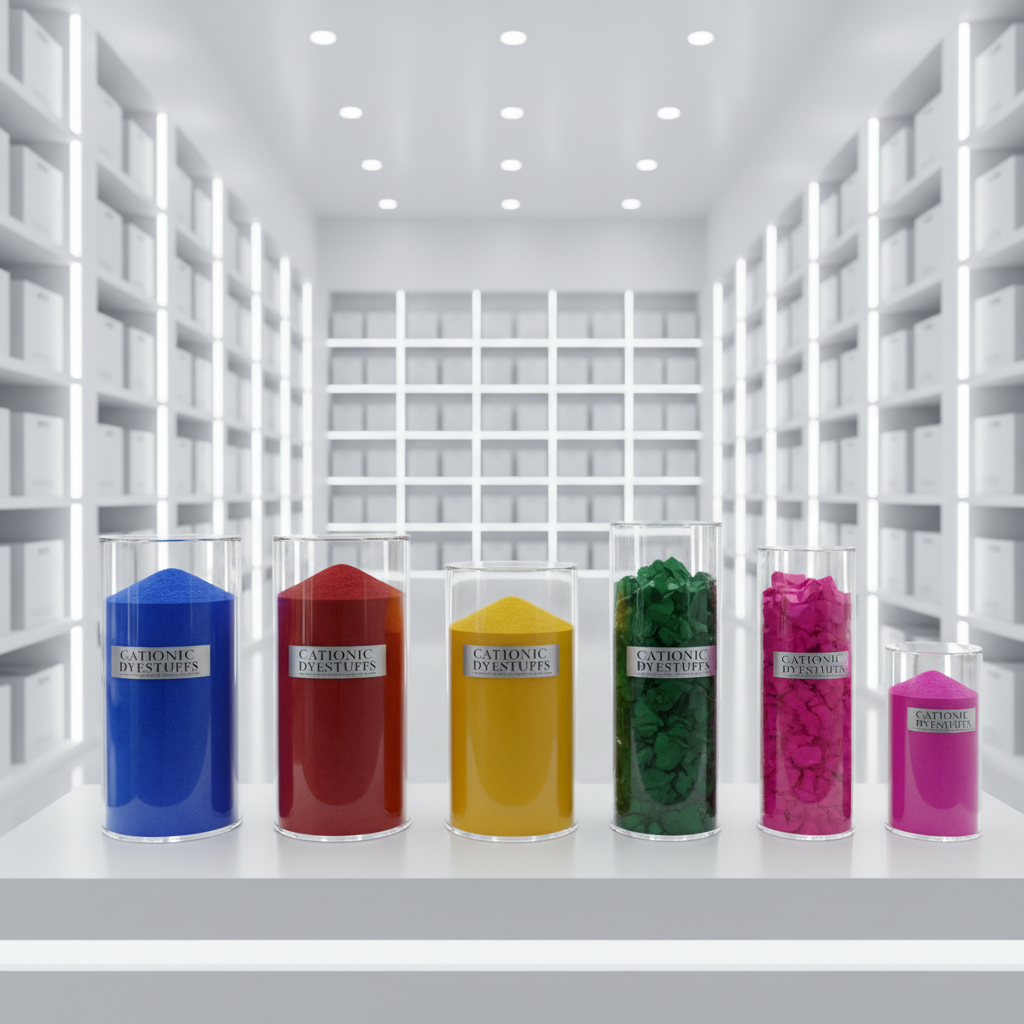
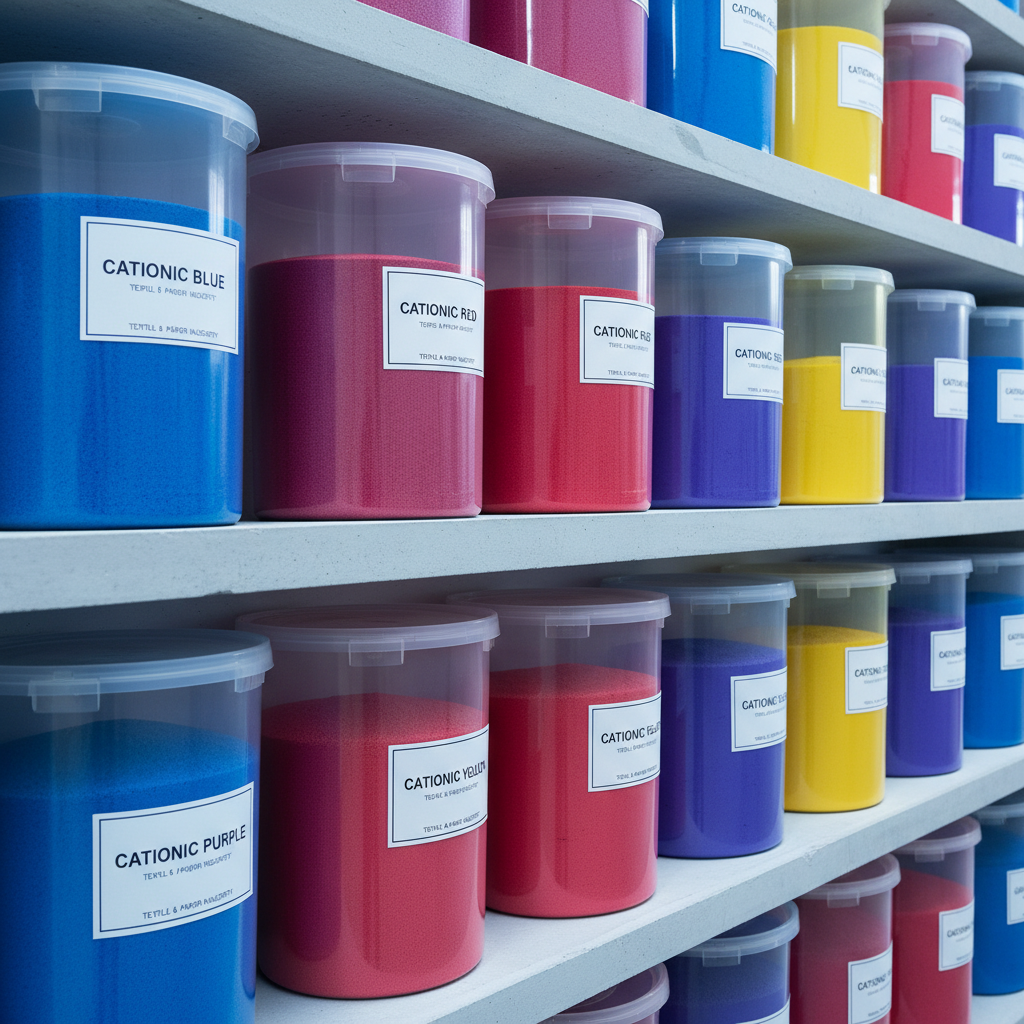
Cationic dyestuff represent a vital class of colorants utilized across a remarkably diverse spectrum of industries. From textiles and paper to leather and even specialized applications like biological staining, their unique chemical properties impart brilliant and durable colorations. Understanding cationic dyestuff isn’t merely about understanding color; it’s about comprehending the underlying chemistry that enables modern manufacturing processes and advancements in material science.
Globally, the demand for high-quality dyestuff is steadily increasing, driven by the expansion of the textile industry in emerging economies, a growing awareness of aesthetic appeal in consumer goods, and the need for specialized coloring agents in technical applications. This growth necessitates constant innovation in dyestuff chemistry, focusing on sustainability, efficiency, and improved performance characteristics.
The significance of cationic dyestuff lies in their ability to interact strongly with negatively charged substrates, providing excellent wash fastness and brightness – qualities that are essential for countless commercial and industrial applications. Their versatility and ease of application have solidified their position as a cornerstone of the coloration industry, influencing both aesthetic trends and functional material performance.
Introduction to Cationic Dyestuff
Cationic dyestuff play a crucial role in the coloration of acrylic fibers, a significant component of the textile industry. They are renowned for their vibrant shades and excellent colorfastness, making them ideal for applications where durability and visual appeal are paramount. The chemical structure of these dyestuff, containing a positive charge, allows for a strong affinity to the anionic sites within the acrylic fiber polymer.
Beyond textiles, the applications of cationic dyestuff are expanding into areas like paper dyeing, leather finishing, and even specialized biological staining. This broadening scope reflects the continued research and development focused on modifying and optimizing these dyestuff for enhanced performance and a wider range of substrate compatibility. cationic dyestuff offers diverse solutions.
Defining Cationic Dyestuff
Cationic dyestuff are a class of dyestuff molecules containing a positive charge (cation) as an integral part of their chromophore structure. This positive charge is typically introduced through quaternization of an amine group within the dyestuff molecule. This makes them particularly effective at dyeing materials with negatively charged surfaces, such as acrylic fibers, modified nylons, and certain types of paper.
Unlike anionic dyestuff, which rely on electrostatic attraction to negatively charged fibers, cationic dyestuff exhibit a strong affinity through this inherent positive-negative charge interaction. This leads to superior wash fastness and lightfastness properties, ensuring the color remains vibrant and durable over time.
The development of cationic dyestuff has directly addressed the need for efficient and long-lasting coloration methods in industries demanding high-performance materials. This is particularly relevant in sectors where product lifespan and visual appeal are critical factors for consumer satisfaction and brand reputation.
Core Properties of Cationic Dyestuff
One key property of cationic dyestuff is their excellent brightness and intensity. The chemical structure allows for vibrant colors to be achieved with relatively low dyestuff concentrations. This translates to cost savings and reduced environmental impact, as less dye is required to achieve the desired coloration.
Durability is another paramount characteristic. The strong electrostatic bonding between the cationic dyestuff and the negatively charged substrate results in exceptional wash fastness and rub fastness. This means the color is less likely to fade or bleed during washing or wear, extending the lifespan of the dyed material.
Furthermore, cationic dyestuff typically exhibit good lightfastness, resisting fading or degradation upon prolonged exposure to sunlight. The precise lightfastness will vary depending on the specific chemical structure of the dyestuff and the substrate it is applied to, but generally, they perform well in indoor applications.
Application Versatility
The primary application of cationic dyestuff remains the coloration of acrylic fibers used in clothing, home furnishings (carpets, upholstery), and industrial textiles. The excellent colorfastness and brightness achieved with these dyestuff make them ideal for these demanding applications.
Beyond textiles, cationic dyestuff are also increasingly used in the dyeing of modified nylon fibers, offering a range of color options for sportswear, swimwear, and other performance fabrics. Their compatibility with specific nylon formulations provides a valuable alternative to other dyeing methods.
Cationic Dyestuff Application Breakdown
Advantages & Sustainable Value
Cationic dyestuff offer significant advantages in terms of cost-effectiveness, particularly when considering their high tinctorial strength and durability. Less dye is required to achieve the desired coloration, reducing raw material costs and minimizing waste generation. cationic dyestuff are well-known for their quality.
From a sustainability perspective, the reduced water consumption during the dyeing process, coupled with the long-lasting colorfastness, contributes to a lower environmental footprint. Furthermore, ongoing research is focused on developing more eco-friendly cationic dyestuff formulations with reduced toxicity and improved biodegradability.
Future Trends in Cationic Dyestuff
The future of cationic dyestuff is closely linked to advancements in nanotechnology and bio-based materials. Researchers are exploring the incorporation of nanoparticles into cationic dyestuff formulations to enhance their lightfastness, wash fastness, and even impart additional functionalities like UV protection or antimicrobial properties.
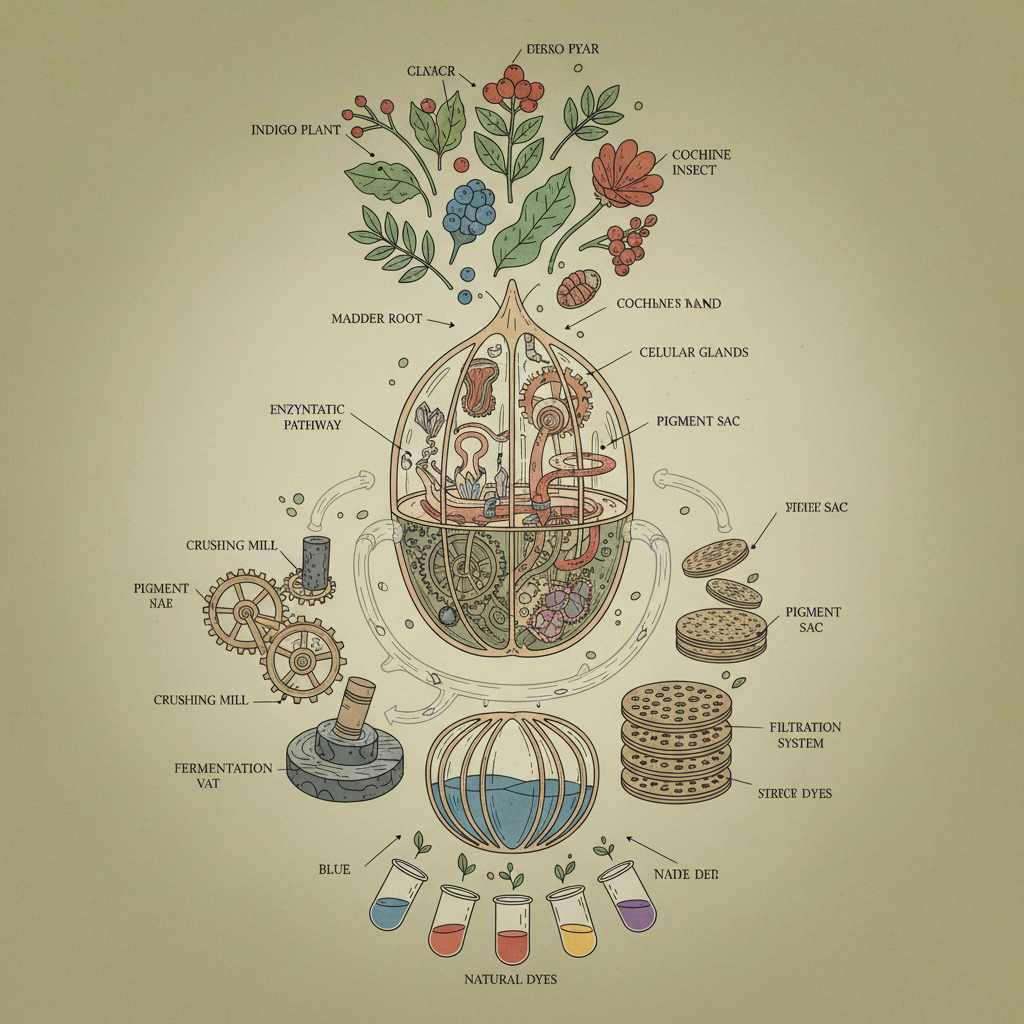
Another exciting trend is the development of cationic dyestuff derived from renewable resources, such as plant-based pigments or microbial fermentation products. These bio-based alternatives offer a more sustainable option compared to traditional petroleum-based dyestuff, reducing reliance on fossil fuels and minimizing environmental impact.
Challenges & Innovative Solutions
One primary challenge associated with cationic dyestuff is their potential for metachromism – the tendency to exhibit different colors depending on concentration and pH. This can lead to inconsistent coloration and difficulties in achieving accurate shade matching.
Innovative solutions involve careful control of the dyeing process parameters, including pH, temperature, and dyestuff concentration. Additionally, the development of novel dyestuff formulations with improved metachromism resistance is an ongoing area of research. The application of computational chemistry and molecular modeling plays a crucial role in designing dyestuff with tailored properties.
Furthermore, addressing the environmental concerns related to dye effluent is paramount. The implementation of advanced wastewater treatment technologies, such as adsorption, oxidation, and biological degradation, is essential for removing residual dyestuff from industrial wastewater and minimizing pollution.
Summary of Challenges and Solutions for Cationic Dyestuff
| Challenge |
Impact Area |
Solution Approach |
Implementation Cost (1-10) |
| Metachromism |
Color Consistency |
Precise pH & Concentration Control |
4 |
| Wastewater Pollution |
Environmental Impact |
Advanced Wastewater Treatment |
7 |
| Limited Substrate Range |
Application Flexibility |
Chemical Modification & Fiber Treatment |
6 |
| Dyestuff Toxicity |
Human Health & Safety |
Development of Bio-Based Alternatives |
8 |
| Batch-to-Batch Variability |
Production Quality |
Improved Quality Control Measures |
5 |
| Lightfastness Limitations |
Product Durability |
Nanoparticle Incorporation & UV Stabilizers |
7 |
FAQS
Cationic dyestuff offer superior wash fastness and brightness, particularly on acrylic fibers, due to their strong electrostatic interaction with the fiber. This results in longer-lasting color and a more vibrant appearance. They generally require less dye to achieve the desired shade, reducing costs and environmental impact, and exhibit excellent leveling properties, leading to more uniform coloration.
While traditional cationic dyestuff can pose environmental challenges due to wastewater discharge, significant advancements are being made towards sustainability. Researchers are developing bio-based cationic dyestuff derived from renewable resources, and improvements in wastewater treatment technologies are minimizing pollution. Choosing dyestuff from responsible manufacturers committed to sustainable practices is also crucial.
Cationic dyestuff are most effective on materials with negatively charged sites, primarily acrylic fibers. They can also be used on modified nylons and certain types of paper. The ability to dye these materials efficiently and with high colorfastness makes them the ideal choice for these applications. Careful pre-treatment of the substrate can improve dye uptake in some cases.
pH plays a crucial role in the dyeing process with cationic dyestuff. Maintaining an optimal pH range (typically slightly acidic) ensures the dyestuff remains in its cationic form and maximizes its affinity for the negatively charged substrate. Deviations from the optimal pH can lead to reduced dye uptake, uneven coloration, or decreased colorfastness.
Common problems include metachromism (color changes with concentration), uneven dyeing, and poor lightfastness. Metachromism can be minimized by precise control of dye concentration and pH. Uneven dyeing can be addressed by ensuring proper agitation and leveling agents. Lightfastness can be improved by using dyestuff with better light stability and adding UV stabilizers.
Sourcing high-quality cationic dyestuff requires careful consideration of supplier reputation and product specifications. Established chemical manufacturers with a proven track record in dyestuff production are recommended. YanHong Chemical is a leading supplier offering a comprehensive range of cationic dyestuff with guaranteed quality and consistency. Look for certifications and technical support from the supplier.
Conclusion
Cationic dyestuff represent a cornerstone of the coloration industry, providing vibrant, durable, and versatile solutions for a wide array of applications. Their unique chemical properties and strong affinity for negatively charged substrates make them indispensable in textiles, paper, leather, and beyond. Continuous innovation in this field is driving the development of more sustainable, efficient, and high-performing dyestuff formulations.
Looking ahead, the future of cationic dyestuff will be shaped by the demand for eco-friendly alternatives, advanced nanotechnology applications, and improved manufacturing processes. Embracing these advancements will not only enhance the quality and sustainability of dyed materials but also unlock new opportunities for innovation and growth in various industries.