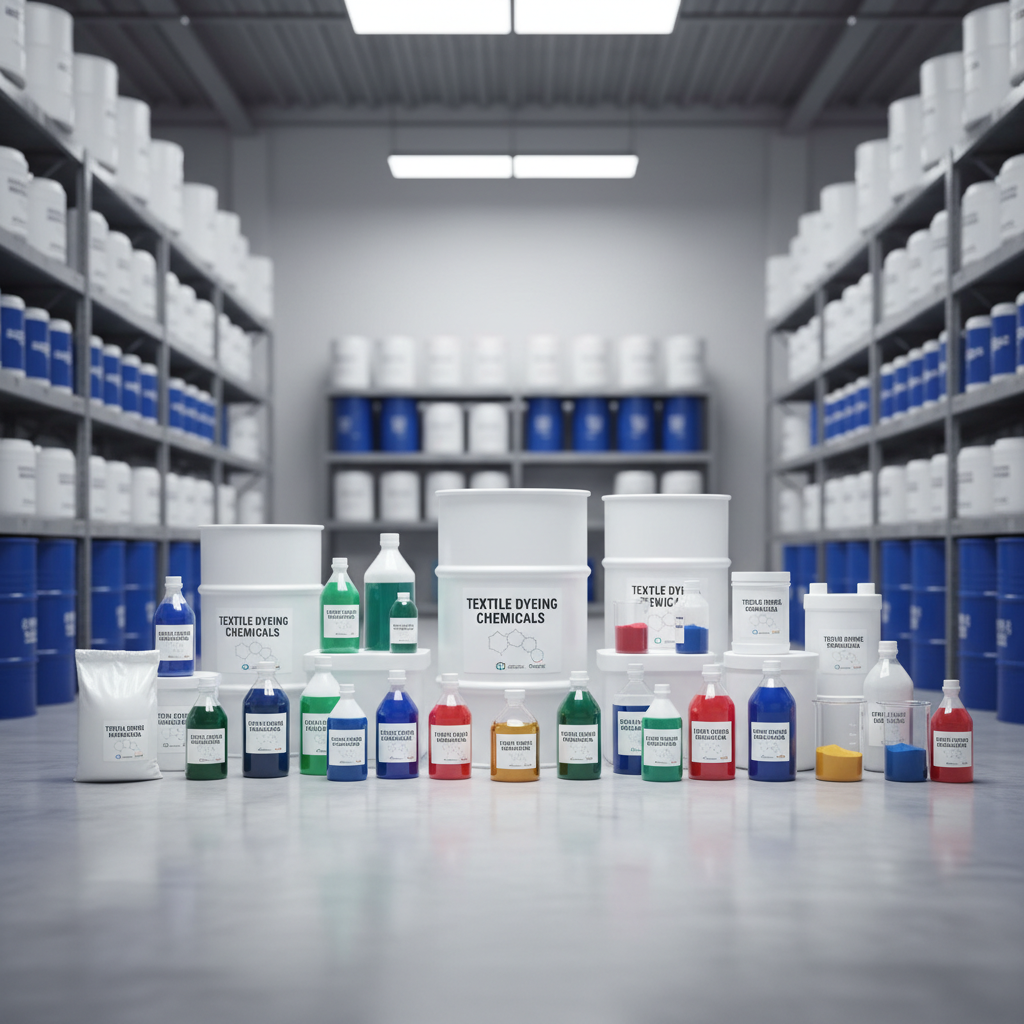
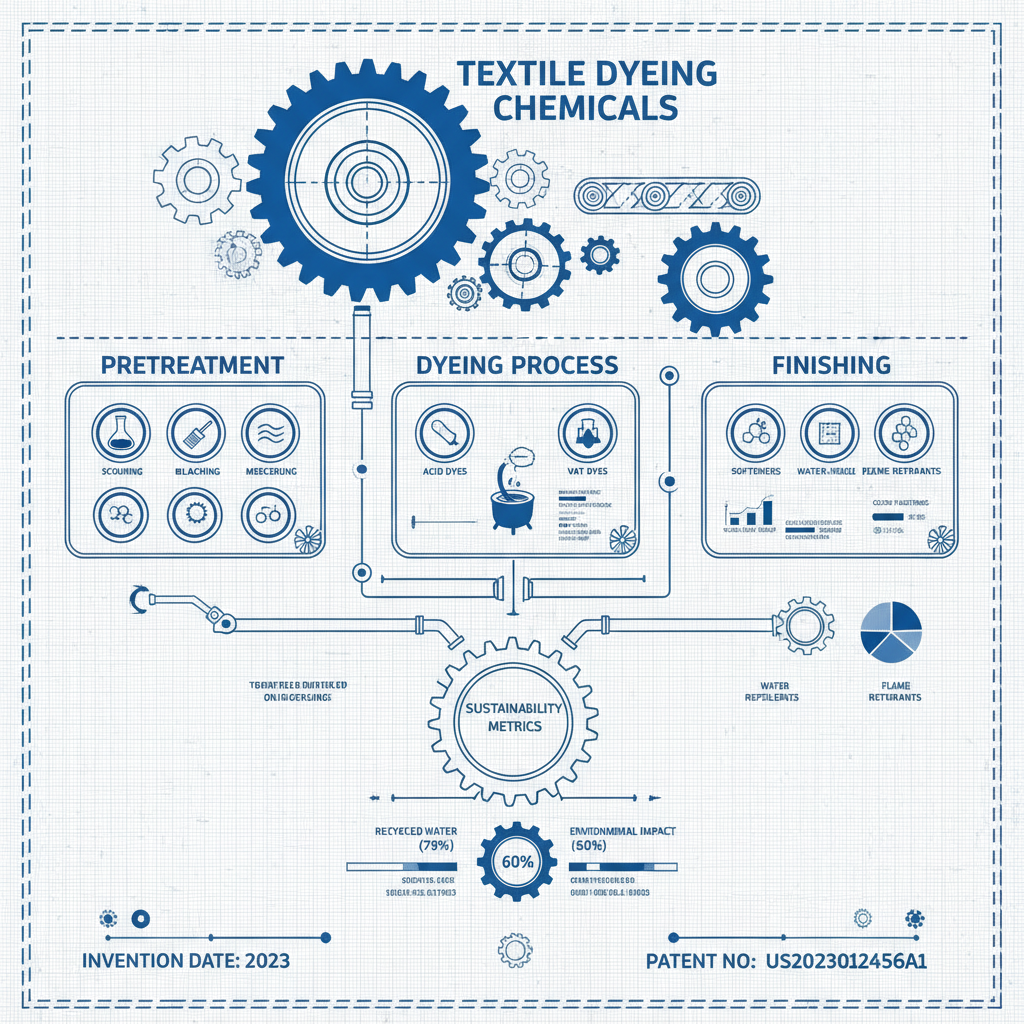
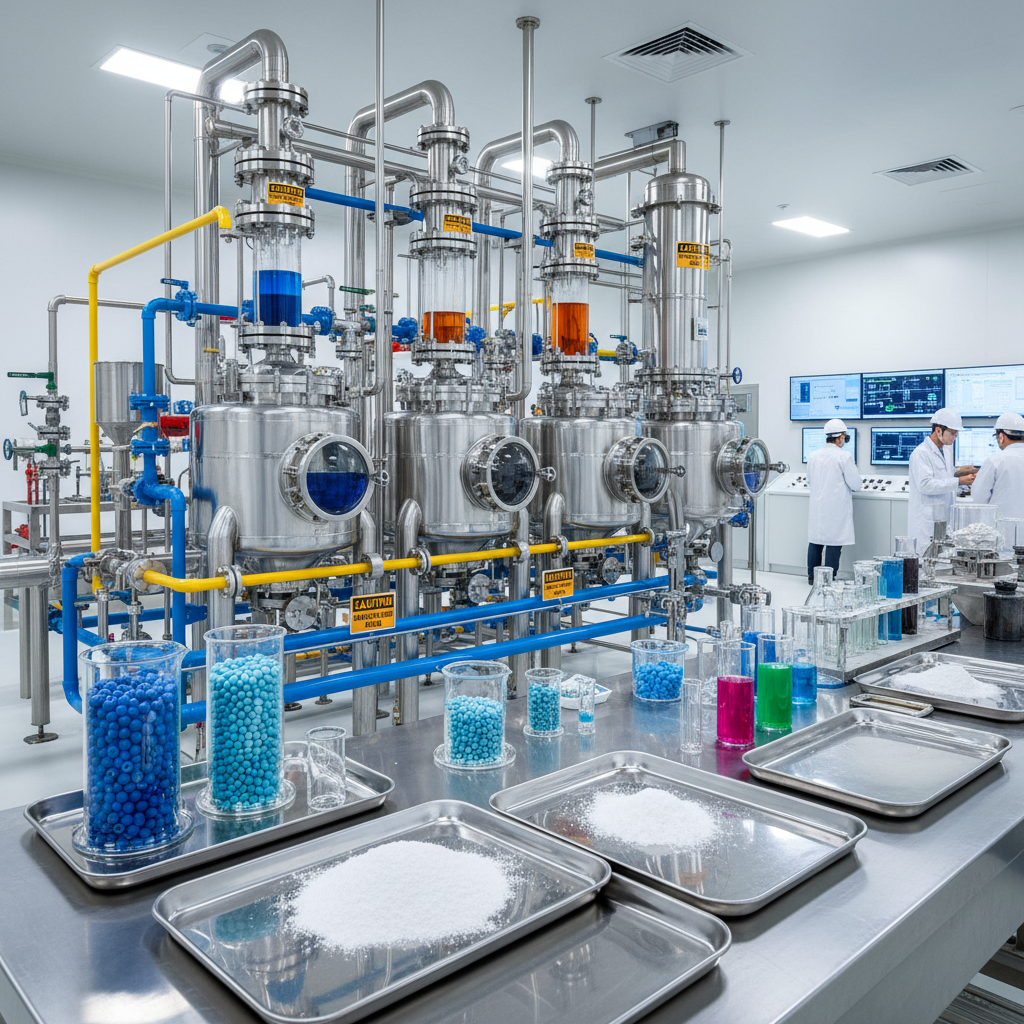
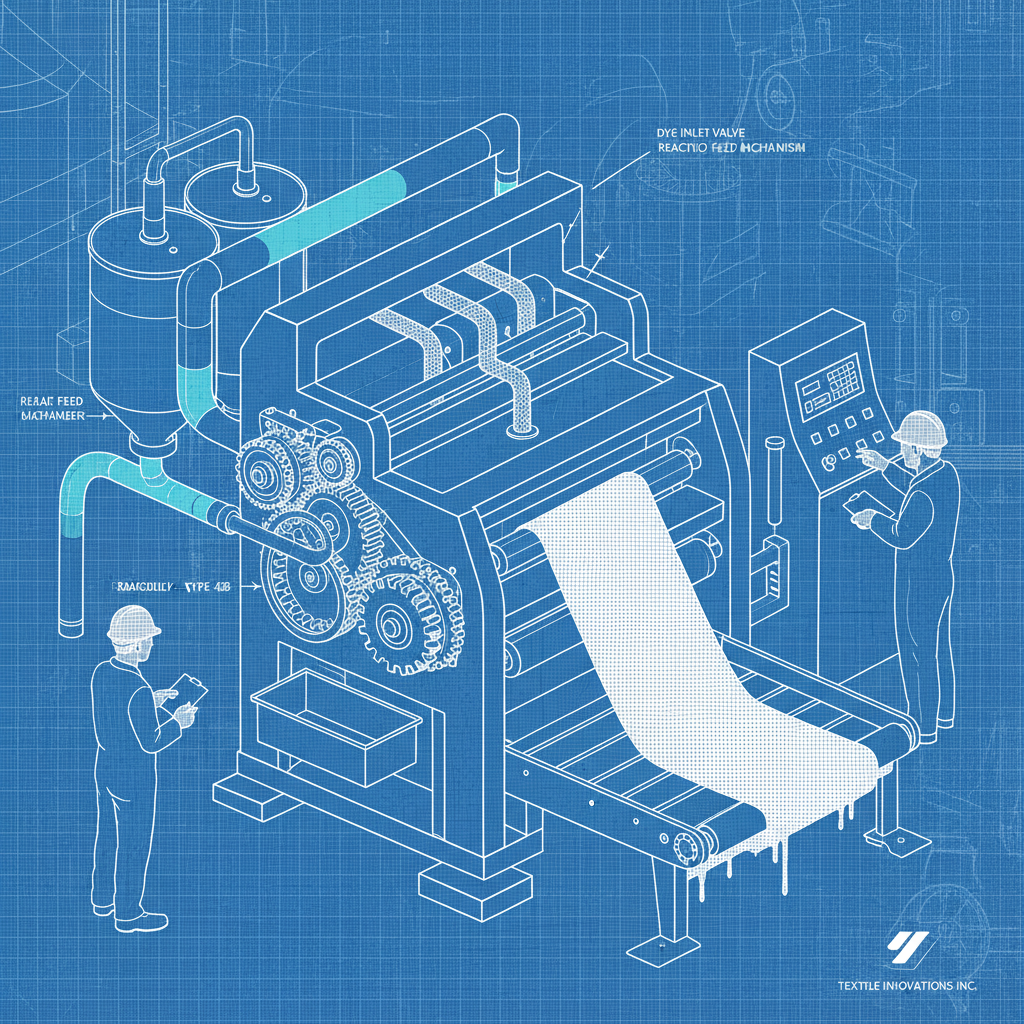
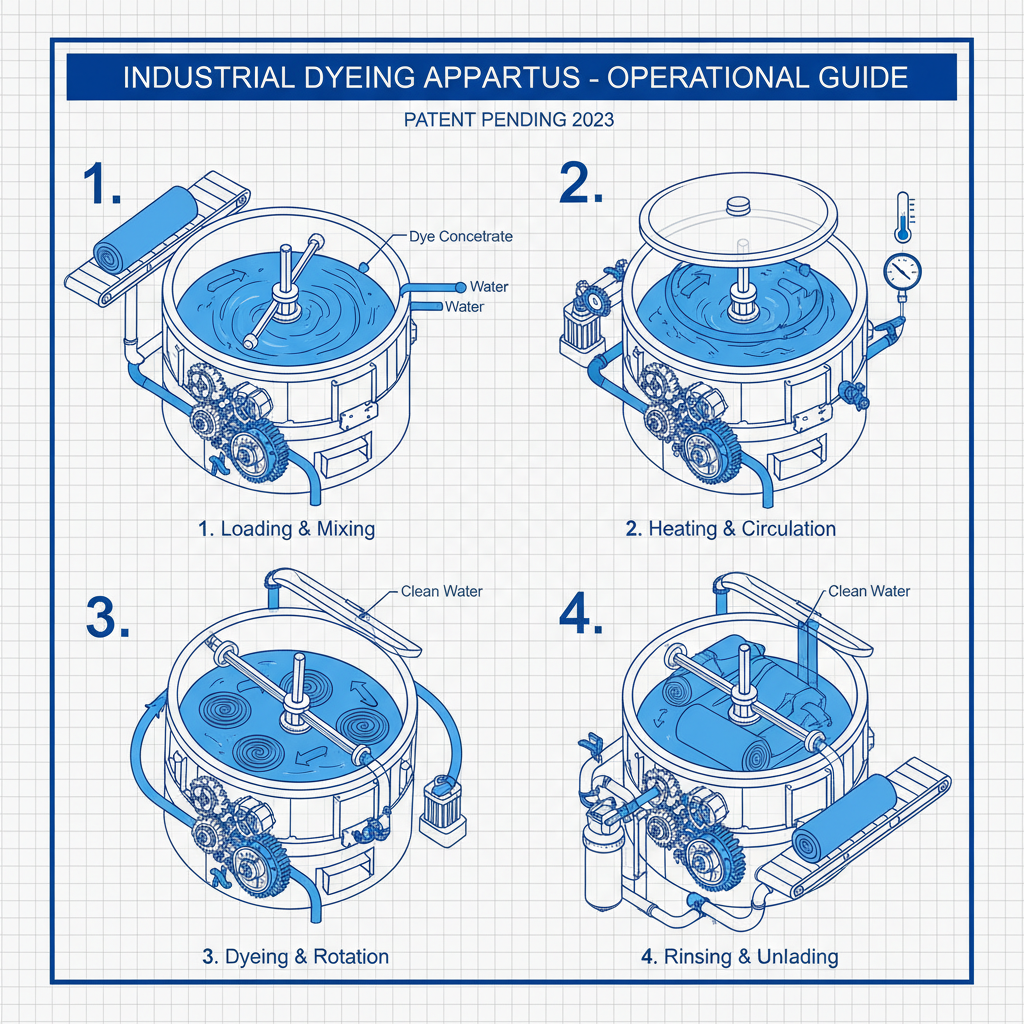
Textile dyeing chemicals are crucial components in the vibrant world of fashion, textiles, and beyond. They are the substances used to impart color to textile fibers, yarns, and fabrics, transforming raw materials into the colorful products we encounter daily. This process isn't simply aesthetic; it has significant economic, environmental, and social implications, impacting industries globally and influencing consumer choices. Understanding textile dyeing chemicals is paramount for innovation, sustainability, and responsible manufacturing practices.
The global textile industry is a massive economic force, with dyeing and finishing representing a substantial portion of its value chain. According to the UN Comtrade database, the trade in dyes and organic pigments exceeds billions of dollars annually. The demand for textile dyeing chemicals is constantly evolving, driven by factors such as population growth, changing fashion trends, and increasing environmental awareness. Proper selection and application of these chemicals directly affect the quality, durability, and environmental footprint of textile products.
Textile dyeing chemicals address the critical need for efficient and sustainable color application in a world increasingly focused on resource conservation and reduced environmental impact. From natural dyes derived from plants and minerals to complex synthetic compounds, the ongoing development and refinement of these chemicals are vital for meeting both aesthetic demands and stringent regulatory standards, impacting everything from apparel to industrial textiles.
Introduction to Textile Dyeing Chemicals
The selection of appropriate textile dyeing chemicals is foundational to achieving desired color fastness, vibrancy, and performance characteristics in fabrics. These chemicals encompass a broad range of compounds, including dyes, auxiliaries, and finishing agents, each playing a specific role in the dyeing process. A thorough understanding of these components is vital for textile manufacturers and designers.
The quality and type of textile dyeing chemicals directly influence the aesthetic appeal, durability, and functionality of textiles. Factors like colorfastness to washing, light exposure, and rubbing, as well as properties like wrinkle resistance and water repellency, are all significantly affected by the chemicals employed. Therefore, the correct application of these chemicals is paramount for producing high-quality textile products.
The Global Relevance of Textile Dyeing
The textile industry is a cornerstone of global trade, and the demand for dyed textiles is ever-increasing. Emerging economies, particularly in Asia, account for a significant portion of textile production and consumption. Countries like China, India, and Bangladesh are major hubs for textile manufacturing, creating a substantial demand for textile dyeing chemicals. The impact extends far beyond these regions, influencing fashion trends and consumer markets worldwide.
The challenge lies in balancing economic growth with environmental sustainability. Traditional dyeing processes often involve the use of hazardous chemicals and generate significant wastewater pollution. According to the World Bank, the textile industry is one of the largest polluters of water globally. Addressing this issue requires innovation in textile dyeing chemicals, adoption of cleaner production technologies, and stricter environmental regulations.
International standards, such as those set by ISO, are increasingly focused on minimizing the environmental impact of textile processing. These standards encourage the use of eco-friendly dyes and auxiliaries, efficient water management, and responsible waste disposal. Compliance with these standards is becoming essential for textile manufacturers seeking to access global markets and maintain a positive brand reputation.
Defining Textile Dyeing Chemicals
Textile dyeing chemicals are the substances used to impart color to textiles. This broad category includes dyes, which provide the color itself, and auxiliaries, which assist in the dyeing process. Dyes can be natural, derived from plant, animal, or mineral sources, or synthetic, manufactured through chemical processes. Auxiliaries include leveling agents, dispersing agents, fixing agents, and other compounds that enhance dye uptake, color fastness, and overall dyeing quality.
The connection to modern industry is undeniable. Textile dyeing chemicals are integral to producing the vast array of colored fabrics used in clothing, home furnishings, industrial textiles, and more. Without these chemicals, the colorful world we know would be vastly different. They enable mass production of affordable and aesthetically pleasing textiles, fulfilling consumer demands and supporting economic activity.
The relevance extends to humanitarian needs as well. Textiles are essential for providing shelter, clothing, and hygiene products in disaster relief situations and for supporting vulnerable populations. The efficient and effective dyeing of these textiles is crucial for ensuring their quality, durability, and suitability for intended purposes. textile dyeing chemicals play a vital role in these efforts.
Key Factors in Textile Dyeing Chemical Performance
Several key factors influence the performance of textile dyeing chemicals. Colorfastness is paramount, referring to the dye's resistance to fading or bleeding when exposed to washing, light, or rubbing. Achieving high colorfastness requires careful selection of dyes and auxiliaries and optimization of the dyeing process. Another critical factor is dye uptake, which determines how efficiently the dye is absorbed by the textile fiber.
Shade Consistency is essential for maintaining uniform color across batches and ensuring product quality. This relies on precise chemical formulations and rigorous quality control measures. Environmental Impact is also a major consideration, driving the demand for eco-friendly dyes and auxiliaries that minimize pollution and conserve resources. Finally, Cost-Effectiveness is a practical necessity, requiring a balance between performance, sustainability, and affordability.
Performance Comparison of Textile Dyeing Methods
Applications Across Industries and Regions
Textile dyeing chemicals find widespread application across diverse industries. The apparel industry is the largest consumer, utilizing a vast range of dyes and auxiliaries to create fashionable and functional clothing. The home textiles sector, encompassing products like bedding, curtains, and upholstery, also relies heavily on these chemicals. Furthermore, technical textiles, used in automotive, medical, and industrial applications, demand specialized dyes with specific performance characteristics.
Geographically, Asia remains the dominant region for textile dyeing and finishing, driven by its large-scale manufacturing capacity. However, demand is also growing in other regions, such as Latin America and Africa, as their textile industries expand. In remote industrial zones, access to quality textile dyeing chemicals and technical expertise is crucial for supporting sustainable manufacturing practices.
Advantages and Long-Term Value Proposition
The use of advanced textile dyeing chemicals offers significant advantages. Cost savings are realized through improved dye uptake and reduced waste, resulting in lower production costs. Sustainability is enhanced by adopting eco-friendly dyes and auxiliaries that minimize environmental impact. Social responsibility is promoted by ensuring safe working conditions and reducing exposure to hazardous chemicals.
The long-term value proposition extends beyond these tangible benefits. Investing in high-quality textile dyeing chemicals builds trust with consumers who are increasingly concerned about product safety and environmental responsibility. It fosters innovation by enabling the development of new and improved textile products. And it strengthens brand reputation by demonstrating a commitment to sustainable and ethical manufacturing practices.
Future Trends and Innovations in Dyeing
The future of textile dyeing is focused on sustainability and innovation. Researchers are developing bio-based dyes derived from renewable resources, offering a more environmentally friendly alternative to synthetic dyes. Digital printing technologies are gaining traction, enabling precise color application and reducing water and energy consumption. Furthermore, advancements in nanotechnology are leading to the development of dyes with enhanced performance characteristics and reduced environmental impact.
Automation and artificial intelligence are also poised to play a significant role in optimizing the dyeing process. Automated color matching systems and AI-powered process control can improve efficiency, reduce waste, and ensure consistent quality. These technologies, combined with a growing emphasis on circular economy principles, will shape the future of textile dyeing and contribute to a more sustainable textile industry.
FAQS
Currently, natural dyes from plant and mineral sources are often considered the most environmentally friendly, though they can have limitations in color range and fastness. Reactive dyes, when used with proper wastewater treatment, also offer a relatively low environmental impact compared to some other synthetic options. Research is ongoing into bio-based dyes offering improved performance and sustainability.
Several strategies can be employed, including utilizing low liquor ratio dyeing machines, implementing water recycling systems, and employing foam dyeing techniques. Optimizing dye bath formulations and utilizing advanced auxiliaries that improve dye uptake can also significantly reduce water consumption. Digital textile printing offers a dramatic reduction in water usage compared to conventional dyeing methods.
Auxiliaries are essential components of the dyeing process, playing a critical role in enhancing dye uptake, color fastness, and overall dyeing quality. They include leveling agents, dispersing agents, fixing agents, and detergents. They help to ensure even dye distribution, prevent dye aggregation, and improve the dye's resistance to fading and washing.
Different fiber types require different dyeing chemicals due to their varying chemical structures and properties. For example, cotton and other cellulosic fibers are typically dyed with reactive dyes or direct dyes, while polyester requires disperse dyes. Wool and silk often utilize acid dyes. The correct dye selection is crucial for achieving optimal color and fastness properties.
Regulations like REACH (Registration, Evaluation, Authorisation and Restriction of Chemicals) in Europe and similar initiatives globally are increasingly restricting the use of hazardous chemicals in textile production. These regulations prioritize human health and environmental protection, driving the demand for safer and more sustainable dyeing chemicals and processes. OEKO-TEX certification is also becoming a standard for demonstrating compliance.
Consistent color quality requires rigorous quality control measures throughout the dyeing process. This includes precise formulation of dye baths, monitoring and controlling process parameters like temperature and pH, and employing automated color matching systems. Regular testing of dye lots and finished fabrics is also essential.
Conclusion
In conclusion, textile dyeing chemicals are fundamental to the global textile industry, enabling the creation of vibrant, durable, and functional fabrics. Understanding their properties, applications, and environmental impact is crucial for manufacturers, designers, and consumers alike. The industry is undergoing a transformation driven by sustainability concerns and technological advancements, leading to the development of eco-friendly dyes, innovative dyeing processes, and automated control systems.
Looking ahead, continued investment in research and development is essential for unlocking new possibilities in textile dyeing. Adopting circular economy principles, promoting responsible chemical management, and embracing digital technologies will be key to creating a more sustainable and resilient textile industry. For high-quality textile dyeing chemicals and expert support, visit our website today.