0%

Table of Contents

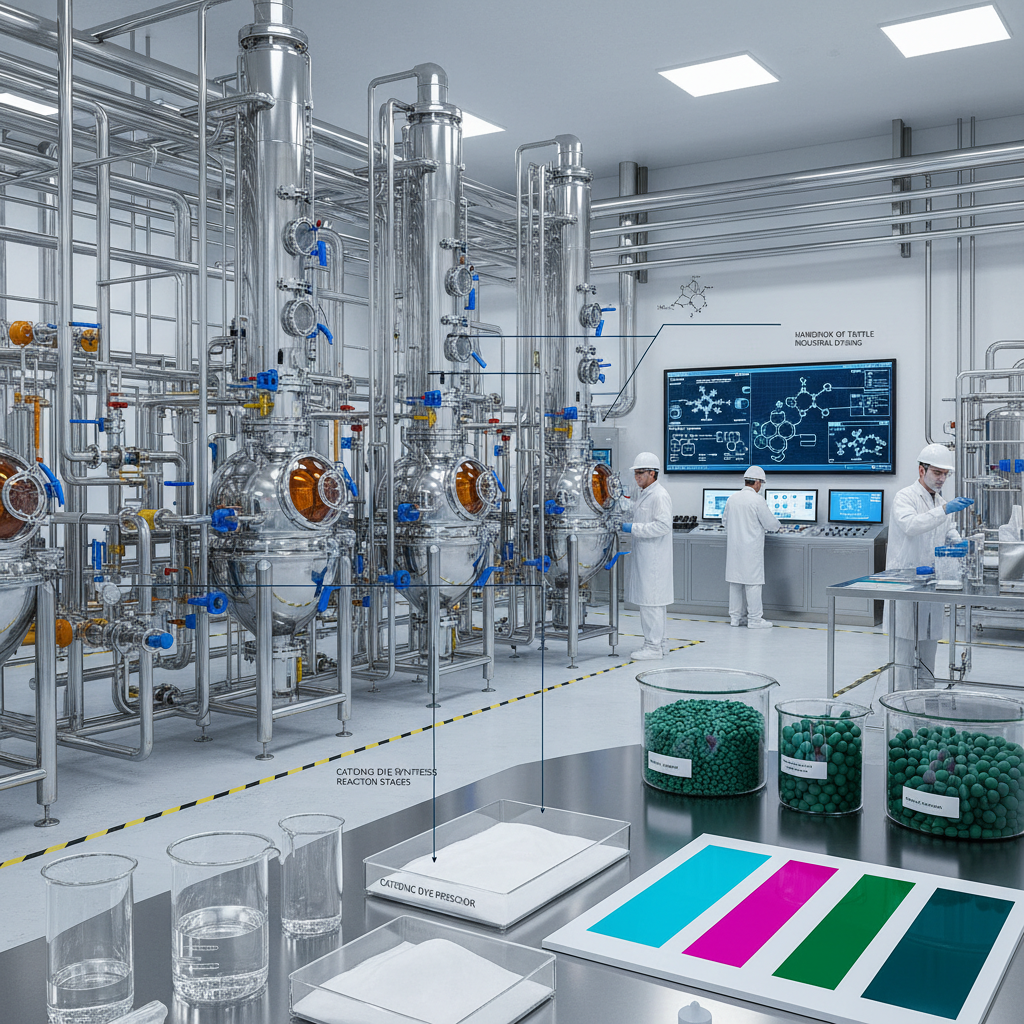
Industrial dyeing is a cornerstone of modern manufacturing, impacting a vast array of industries from textiles and fashion to automotive and even medical applications. It’s the process of imparting color to textile materials through the application of dyes, and its evolution has been crucial in enabling the vibrant and diverse world of colored products we see today. The global demand for dyed textiles continues to rise, driven by population growth, increasing disposable incomes, and evolving consumer preferences.

The significance of understanding industrial dyeing extends beyond simply achieving aesthetic appeal. Efficient and sustainable dyeing processes are vital for minimizing environmental impact, reducing water consumption, and ensuring worker safety. Innovations in dye chemistry, application techniques, and wastewater treatment are constantly being pursued to address these challenges. This field is directly linked to economic growth in numerous developing nations.

Ultimately, advancements in industrial dyeing contribute to a more colorful, functional, and sustainable world, impacting countless aspects of daily life and driving innovation across diverse sectors.
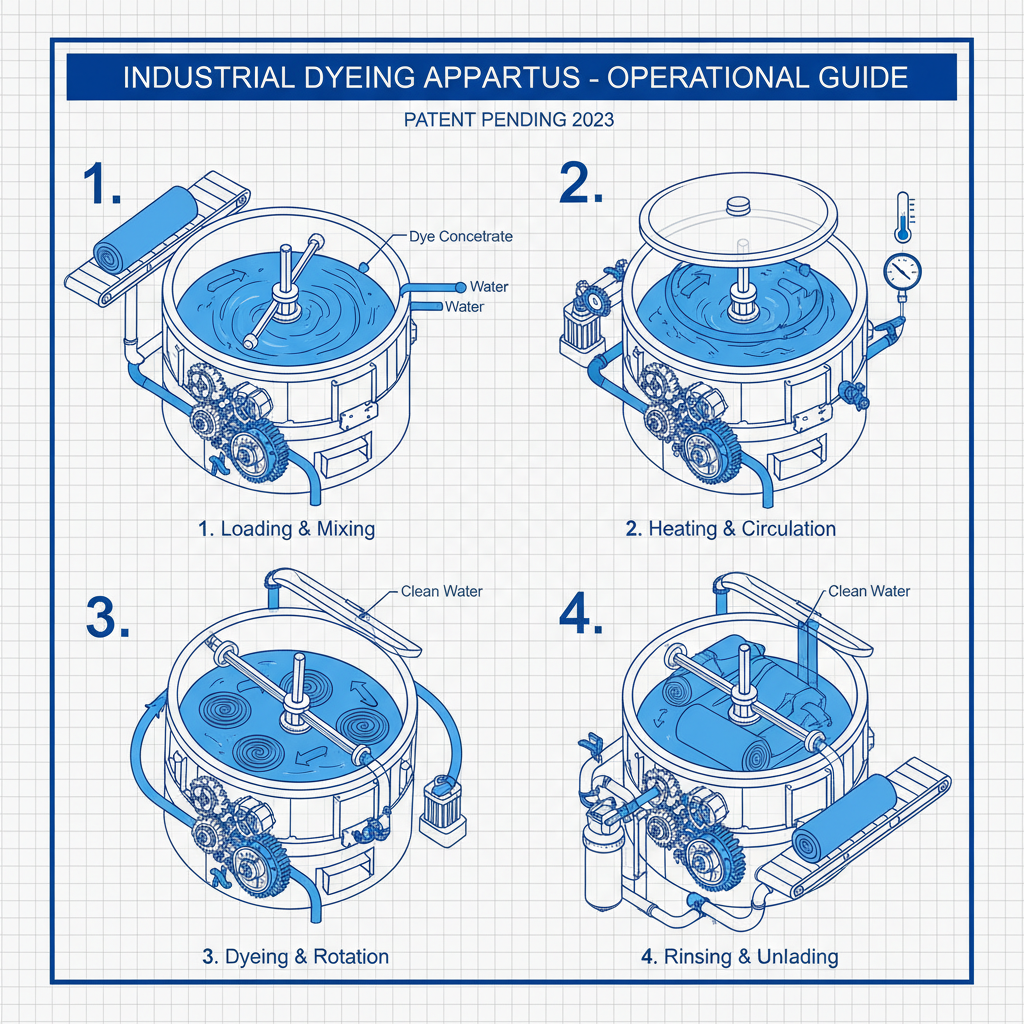
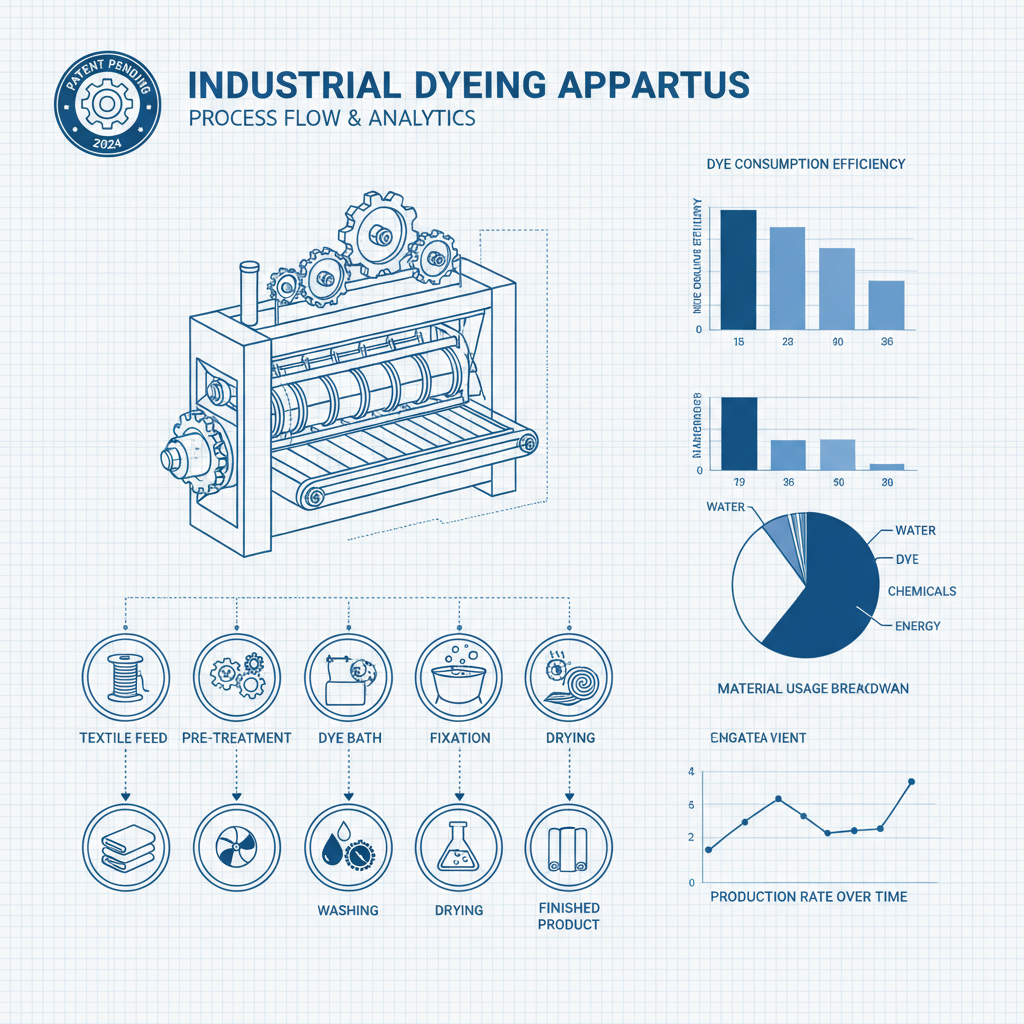
Exploring the Vital Role of Industrial Dyeing in Modern Manufacturing

The Global Significance of Industrial Dyeing

Exploring the Vital Role of Industrial Dyeing in Modern Manufacturing

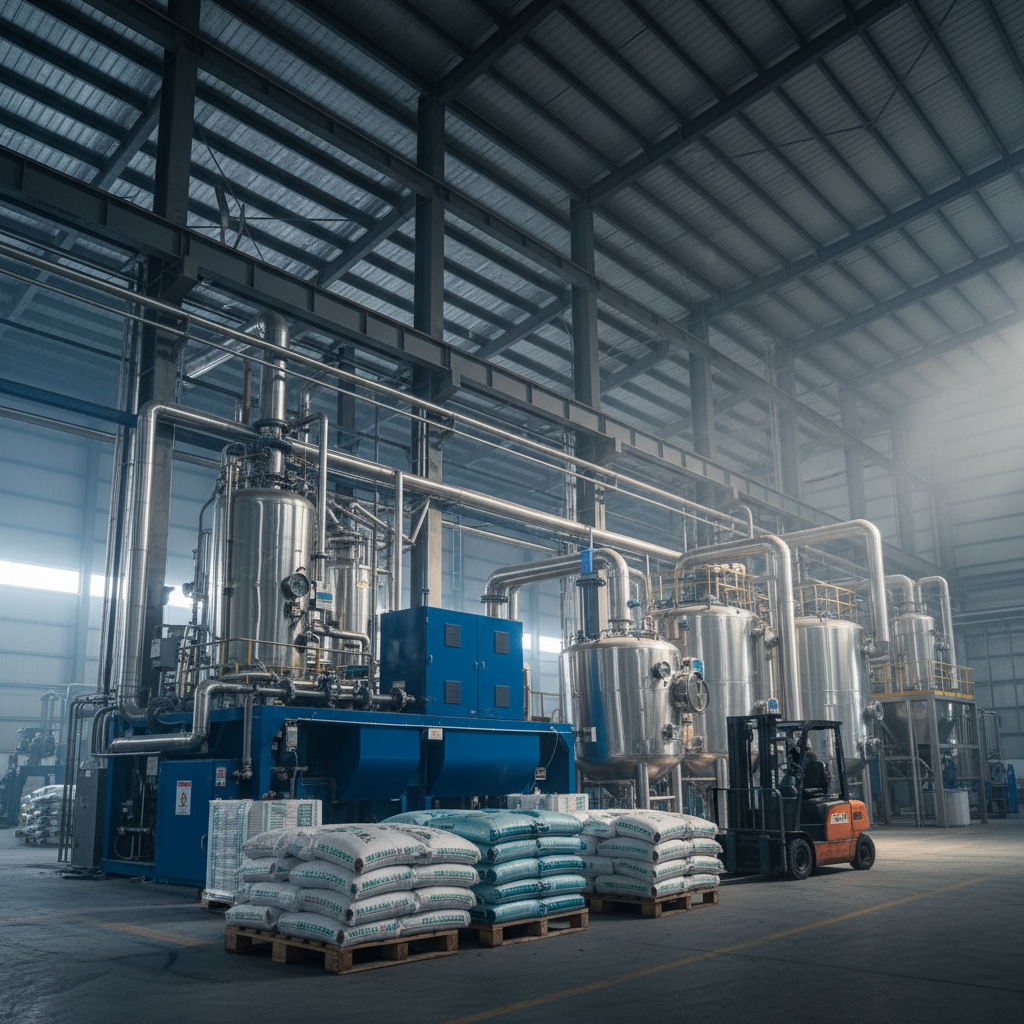
Industrial dyeing is a global industry, with Asia dominating production and consumption. According to the United Nations Comtrade database, textile dyes and pigments represent a multi-billion dollar market annually, with China, India, and Bangladesh as major players. The demand is driven not only by apparel but also by technical textiles used in automotive, construction, and healthcare. This economic impact creates jobs and supports livelihoods in numerous countries.

However, the industry faces increasing scrutiny regarding its environmental footprint. Conventional dyeing processes are notoriously water-intensive and generate significant wastewater containing harmful chemicals. The World Bank estimates that the textile dyeing industry is a major contributor to water pollution in many developing countries. Addressing this challenge is paramount for sustainable development and requires innovative solutions and stricter regulations.

Defining Industrial Dyeing

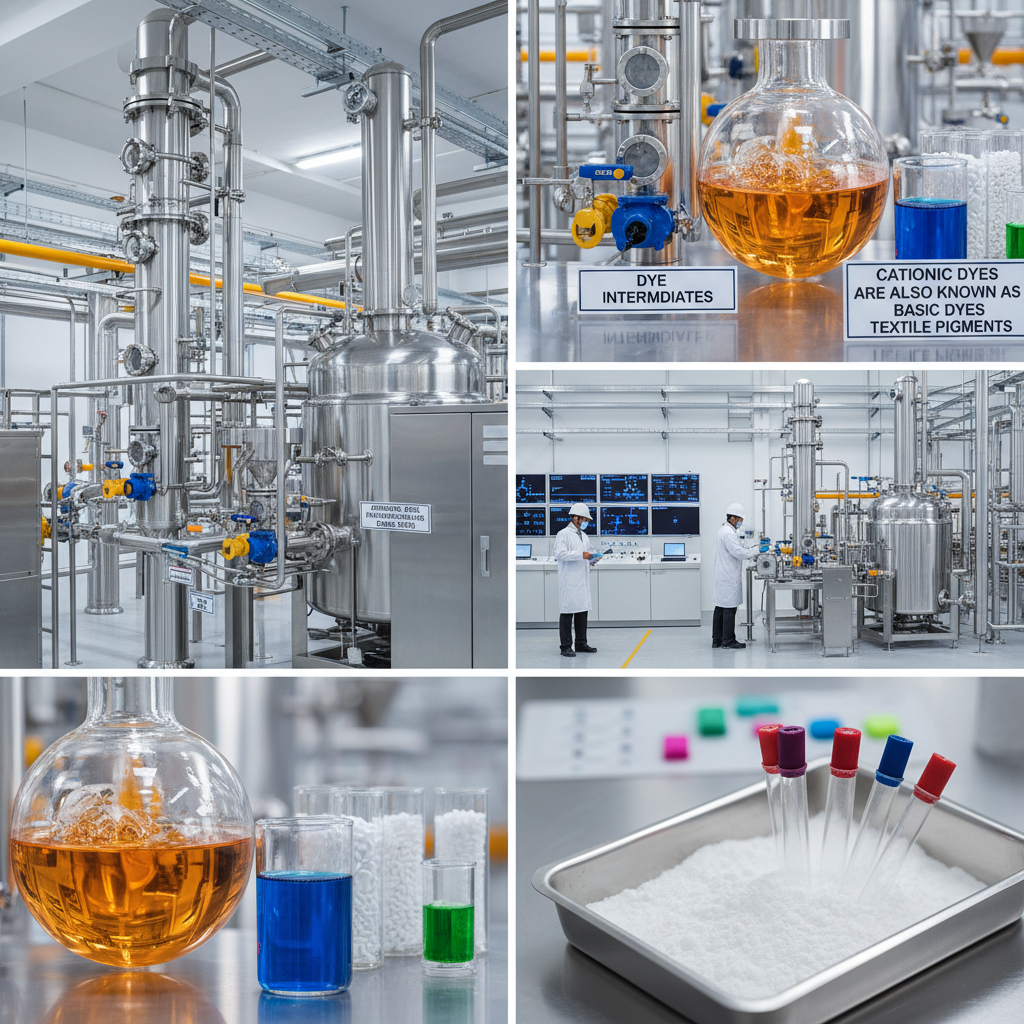
Industrial dyeing, at its core, is the application of colorants – dyes – to textile materials. Unlike simple home dyeing, industrial processes are engineered for large-scale production, precision, and consistency. These processes utilize a range of chemical compounds and sophisticated machinery to ensure even color penetration, durability, and desired aesthetic effects.

The connection to modern industry is undeniable. Without effective industrial dyeing, the mass production of colorful clothing, fabrics, and other textile-based products would be impossible. This capability is vital for consumer goods, but also for essential items like medical textiles (colored surgical gowns, bandages), protective workwear, and performance fabrics.

Furthermore, industrial dyeing plays a role in addressing humanitarian needs. Providing affordable, durable, and appropriately colored clothing is crucial in disaster relief operations and for supporting communities in need.

Core Components of Effective Industrial Dyeing

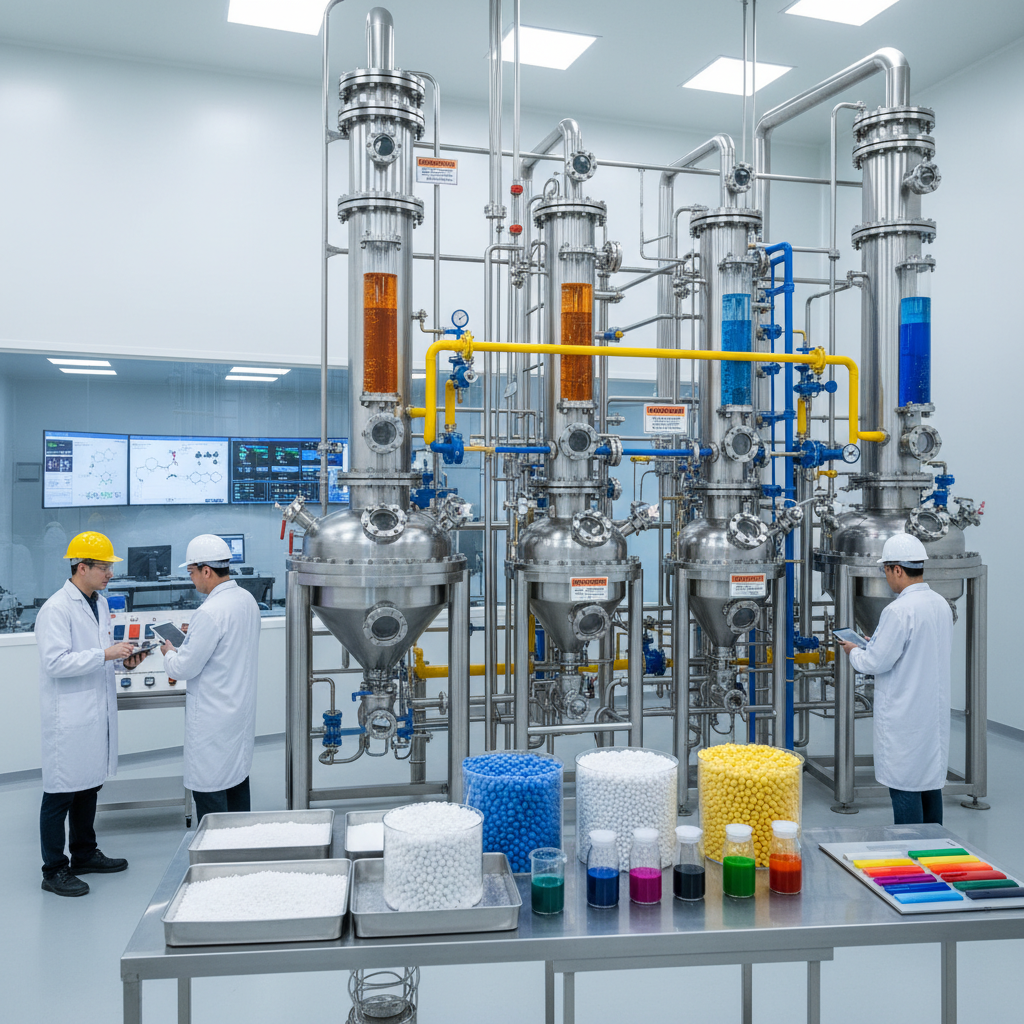
Effective industrial dyeing isn't simply about adding color; it’s a complex interplay of several core components. Firstly, dye selection is critical, considering factors like colorfastness, light resistance, and compatibility with the fabric type. Secondly, pre-treatment of the textile is essential – cleaning, bleaching, and preparing the fiber to optimally receive the dye.

Thirdly, the dyeing process itself involves carefully controlled conditions of temperature, pH, and time, utilizing various application methods (exhaust, continuous, package dyeing, etc.). Fourthly, post-treatment processes like washing and finishing are employed to enhance colorfastness and improve the fabric's handle and properties.

Finally, wastewater treatment is an increasingly important component, focused on removing dyes and chemicals from the effluent to minimize environmental impact and comply with regulations. The successful integration of these components is key to achieving high-quality, sustainable dyeing results.

Key Factors in Industrial Dyeing Processes

Several key factors dictate the success and efficiency of industrial dyeing. Durability, or colorfastness, refers to the dye's resistance to fading, bleeding, or changing color when exposed to light, washing, or other environmental factors. Achieving high durability requires selecting appropriate dyes and employing effective fixing agents.

Scalability is crucial for meeting the demands of mass production. The dyeing process must be adaptable to handle large volumes of fabric consistently and efficiently. Cost Efficiency is also paramount, encompassing the cost of dyes, chemicals, energy, water, and labor. Optimizing these factors is essential for maintaining profitability.

Dyeing Method Efficiency Comparison


Applications Across Industries

The applications of industrial dyeing are incredibly diverse. The textile industry, naturally, remains the largest consumer, encompassing apparel, home furnishings, and industrial fabrics. However, the automotive sector utilizes dyed textiles for interior components like seat covers and dashboards.

The medical industry relies on dyed fabrics for surgical gowns, drapes, and bandages, often requiring specific color codes for identification purposes. The construction industry employs dyed fabrics in awnings, tents, and protective coverings. In post-disaster relief operations, quickly deployable shelters often incorporate dyed fabrics for weather protection and identification.

Advantages and Long-Term Value

The advantages of optimized industrial dyeing processes are substantial. From a cost perspective, efficient dyeing reduces waste, lowers energy consumption, and minimizes water usage, all contributing to lower production costs. Sustainability is a major benefit, with advancements in eco-friendly dyes and wastewater treatment systems minimizing environmental impact.

The long-term value extends to social impact, ensuring worker safety through reduced exposure to harmful chemicals and contributing to a more ethical supply chain. Reliability in color consistency and durability builds consumer trust and brand reputation, fostering long-term customer relationships.

Future Trends and Innovations

The future of industrial dyeing is being shaped by several key trends. The development of bio-based dyes derived from renewable resources is gaining momentum, offering a more sustainable alternative to traditional synthetic dyes. Digital printing technologies are revolutionizing the dyeing process, enabling customized designs and reducing water consumption.

Automation and artificial intelligence are being implemented to optimize dyeing parameters, improve color matching, and reduce waste. Furthermore, advancements in nanotechnology are enabling the creation of fabrics with enhanced colorfastness and functional properties. The integration of these innovations is crucial for creating a more sustainable and efficient industry.

Green energy sources, such as solar power, are being increasingly utilized to power dyeing facilities, further reducing their carbon footprint.

FAQS

What are the most significant environmental concerns associated with industrial dyeing?

The primary concerns center around high water consumption, the discharge of untreated or poorly treated wastewater containing harmful chemicals (like heavy metals and azo dyes), and the energy intensity of the dyeing process. These factors contribute to water pollution, ecosystem damage, and greenhouse gas emissions. Sustainable dyeing practices, wastewater treatment technologies, and the adoption of eco-friendly dyes are key to mitigating these impacts.

How are regulations impacting the industrial dyeing sector?

Regulations like REACH (Registration, Evaluation, Authorization and Restriction of Chemicals) in Europe and similar legislation in other regions are increasingly restricting the use of hazardous chemicals in textile dyeing. These regulations demand greater transparency in the supply chain and require companies to demonstrate compliance with environmental and safety standards, driving the adoption of cleaner production methods.

What are some emerging technologies in industrial dyeing?

Emerging technologies include supercritical CO2 dyeing (using carbon dioxide as a solvent, reducing water usage), plasma dyeing (reducing water and chemical use), digital textile printing (enabling precise dye application and reducing waste), and the use of biotechnology to produce sustainable dyes from renewable sources. These innovations aim to address the environmental and efficiency challenges of traditional dyeing.

What role does dye chemistry play in sustainable dyeing?

Dye chemistry is fundamental. Selecting dyes with high fixation rates (meaning less dye is wasted in the effluent) is crucial. Developing dyes that require less water and energy for application, and those derived from renewable sources, are key strategies. Furthermore, research into dyes that are biodegradable and less toxic is essential for minimizing environmental harm.

How can companies improve their water management in dyeing processes?

Companies can implement closed-loop water recycling systems, optimize dyeing processes to reduce water consumption, utilize advanced wastewater treatment technologies (like membrane filtration and biological treatment), and explore alternative dyeing methods that require less water. Water audits and regular monitoring are also crucial for identifying areas for improvement.

What is the difference between reactive and direct dyes in industrial dyeing?

Reactive dyes form a covalent bond with the fiber, resulting in excellent wash and light fastness. They are commonly used for cotton and other cellulosic fibers, but can generate significant salt waste. Direct dyes are simpler to apply but have lower wash fastness. They are often used for less demanding applications and require less salt. Choosing the right dye depends on the fabric type and required performance characteristics.

Conclusion

In conclusion, industrial dyeing is a complex yet vital process that underpins numerous industries globally. Its significance extends beyond aesthetics, impacting economic development, environmental sustainability, and social well-being. The advancements in dye chemistry, application techniques, and wastewater treatment are continually driving improvements in efficiency, durability, and ecological responsibility.

Looking ahead, the future of industrial dyeing lies in embracing innovation, adopting circular economy principles, and prioritizing sustainability. Investing in research and development of eco-friendly dyes, implementing advanced technologies, and fostering collaboration across the supply chain are essential for creating a more vibrant, responsible, and resilient dyeing industry. To learn more about our innovative dye solutions, visit our website: www.yanhongchem.com

Robert Johnson

Robert Johnson

Robert Johnson serves as the Senior Production Manager at Xingtai Yanhong Chemical. He oversees the daily operations of our state-of-the-art production facility in Jiasong Industrial Zone. Robert brings a wealth of experience in chemical manufacturing, with a focus on process optimization and quality control. He holds a degree in Chemical
Previous Advancements and Applications of Industrial Fabric Dye Technologies
Next Exploring the Critical Role of Industrial Strength Fabric Dye in Modern Industries