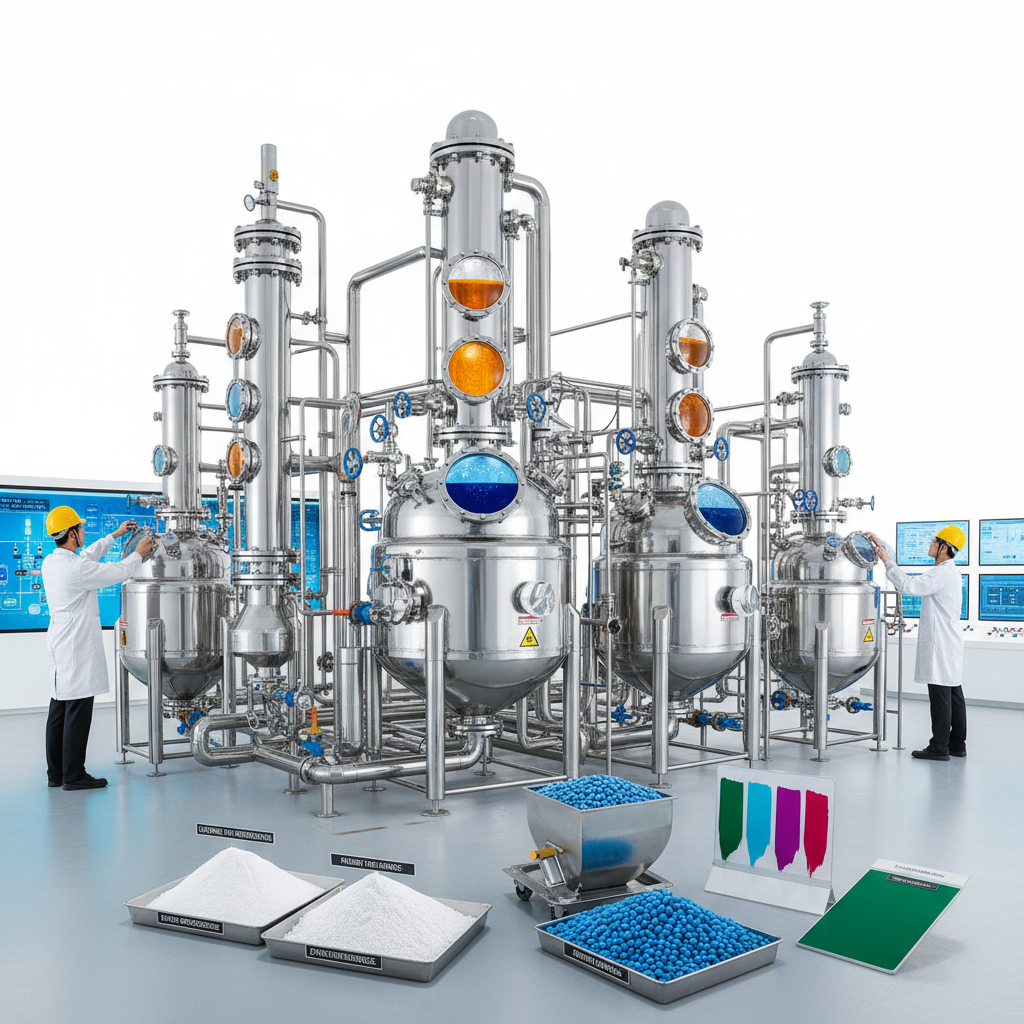
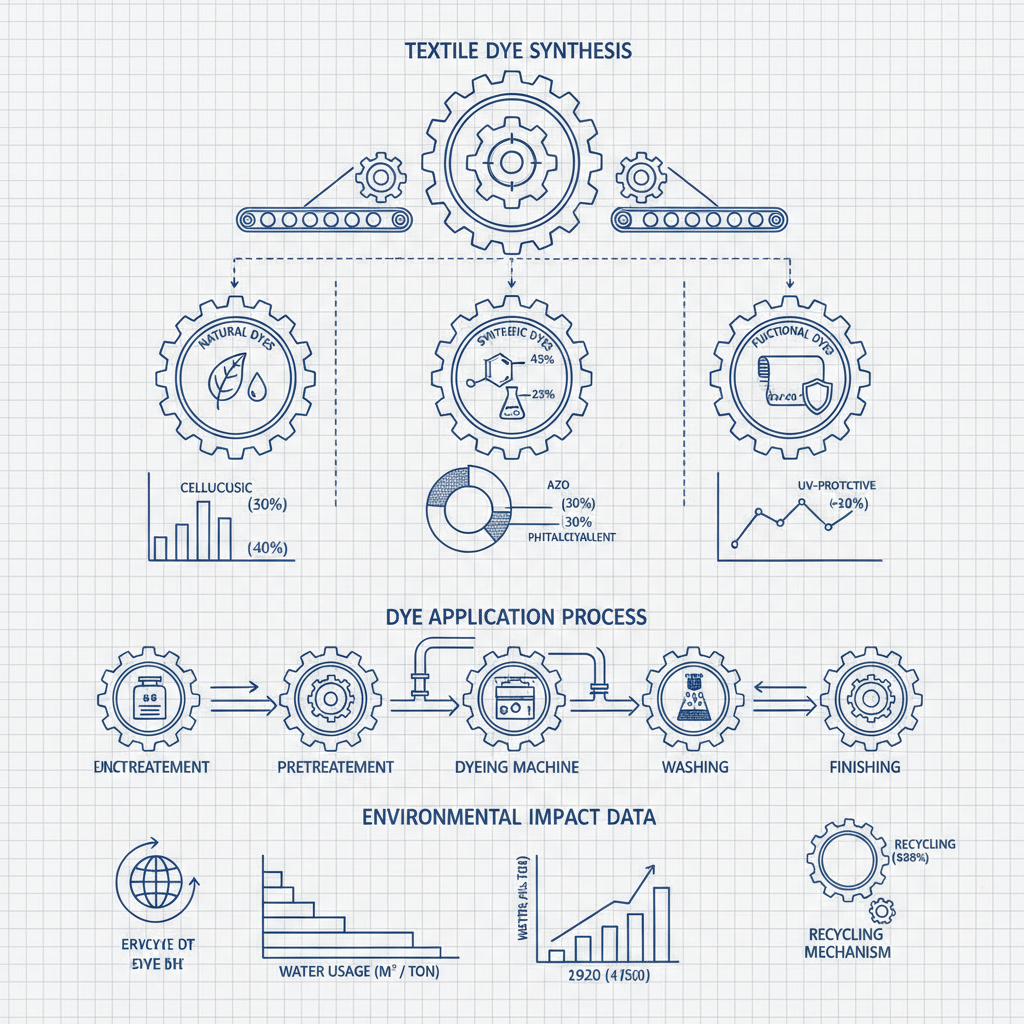
Industrial strength fabric dye plays a critical role in numerous sectors globally, extending beyond simple aesthetics. From ensuring the longevity of workwear in harsh industrial environments to providing durable coloration for protective gear, and even contributing to the resilience of outdoor equipment, the demand for dyes capable of withstanding significant wear and tear is constantly increasing. Understanding the properties and applications of these dyes is vital for manufacturers, safety professionals, and consumers alike, impacting product quality, safety standards, and overall cost-effectiveness.
The global textiles industry, a multi-trillion-dollar market, heavily relies on effective dyeing processes. However, standard dyes often fall short when confronted with demanding conditions – repeated washing, prolonged sun exposure, or contact with harsh chemicals. This necessitates the use of industrial strength fabric dye, formulated to maintain colorfastness and integrity in these scenarios. This isn't merely a matter of appearance; it's about functionality and safety, particularly in applications like high-visibility safety clothing and protective uniforms.
Furthermore, the push for sustainability and responsible manufacturing is driving innovation in this field. Consumers and regulatory bodies are increasingly demanding dyes with lower environmental impacts, forcing manufacturers to explore eco-friendly formulations while maintaining the robust performance characteristics that define industrial strength fabric dye. This dynamic landscape requires a thorough understanding of the latest advancements and best practices in dye chemistry and application.
Defining Industrial Strength Fabric Dye
Industrial strength fabric dye, at its core, refers to a class of colorants specifically engineered for exceptional durability and resistance to degradation. Unlike standard dyes which prioritize vibrancy or cost, these dyes are formulated to withstand harsh conditions such as repeated washing, exposure to UV radiation, abrasion, and chemical treatments. They are built to last, maintaining colorfastness and structural integrity even under extreme stress.
This definition is critical because it directly links to a wide range of essential applications. From the uniforms of firefighters and industrial workers, where visibility and protection are paramount, to the rugged fabrics used in outdoor gear and transportation, industrial strength fabric dye ensures both safety and longevity, contributing significantly to product performance and reducing the need for frequent replacements. You can find high-quality options at industrial strength fabric dye suppliers.
Global Relevance and Industry Context
The global demand for industrial strength fabric dye is inextricably linked to the growth of key industries like textiles, manufacturing, construction, and public safety. According to a report by the World Bank, the textile industry alone contributes significantly to the economies of developing nations, with dyeing and finishing processes representing a substantial portion of the overall value chain. The need for durable coloration in this sector is consistently high, driven by consumer demand for long-lasting products and stringent quality standards.
Furthermore, international standards organizations like ISO have established rigorous testing protocols for colorfastness and durability, pushing manufacturers to adopt high-performance dyes. This is particularly critical in sectors like protective clothing, where compliance with safety regulations is non-negotiable. The United Nations also emphasizes sustainable production practices, encouraging the development and adoption of eco-friendly industrial dyes that minimize environmental impact.
A key challenge within the industry is balancing performance with sustainability. Traditional dyeing processes often involve the use of harmful chemicals and generate significant wastewater. This necessitates the ongoing development of innovative, eco-conscious formulations of industrial strength fabric dye that meet both performance requirements and environmental standards.
Composition and Key Characteristics
Industrial strength fabric dye isn’t a single chemical entity but rather a diverse category encompassing various dye classes – reactive dyes, direct dyes, vat dyes, and disperse dyes, among others. The specific composition dictates the dye's properties and suitability for different fiber types. Reactive dyes, for instance, form a covalent bond with the fabric, resulting in exceptional wash fastness, making them ideal for cotton and other cellulosic fibers.
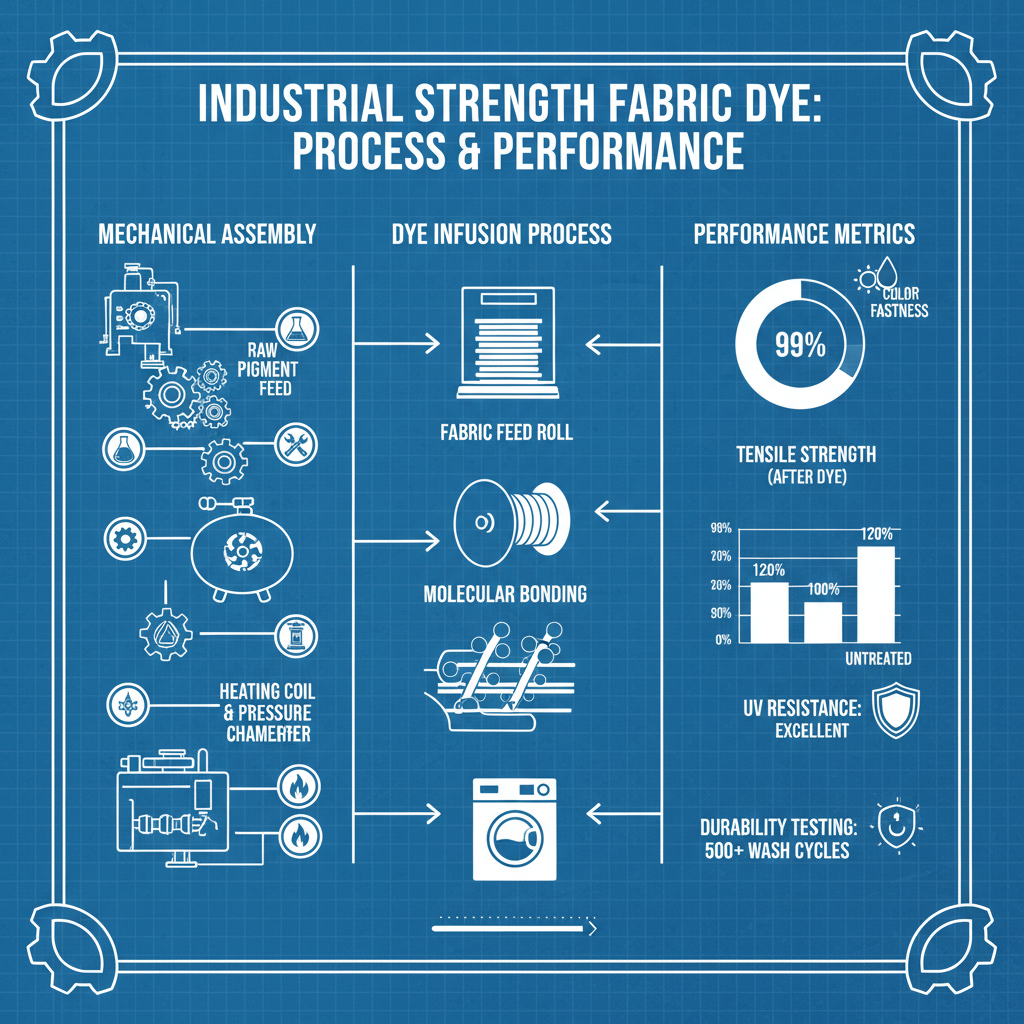
Key characteristics of these dyes include exceptional lightfastness (resistance to fading upon prolonged exposure to sunlight), wash fastness (ability to retain color through repeated washing cycles), rub fastness (resistance to color transfer through abrasion), and resistance to various chemicals such as chlorine, acids, and alkalis. These properties are rigorously tested and certified to ensure compliance with industry standards.
The molecular structure of industrial strength dyes is often more complex and robust than that of standard dyes. They are formulated with larger molecules and stronger chemical bonds, contributing to their superior performance. Furthermore, many formulations include UV absorbers and antioxidants to further enhance their resistance to degradation.
Core Performance Factors
Several core factors underpin the performance of industrial strength fabric dye. Durability is paramount, encompassing resistance to fading, bleeding, and color change under various stress conditions. Scalability refers to the dye’s ability to be applied consistently and efficiently across large production volumes, ensuring uniform coloration and minimal waste.
Cost-efficiency is another crucial consideration. While industrial dyes may initially be more expensive than standard dyes, their longevity and reduced need for re-dyeing often result in lower long-term costs. Furthermore, optimized application processes can minimize dye consumption and reduce wastewater treatment expenses.
Comparison of Industrial Strength Fabric Dye Methods
Applications Across Industries
The applications of industrial strength fabric dye are remarkably diverse. In the automotive industry, it’s used to color car seat fabrics and interior components, ensuring resistance to fading and wear from sun exposure and frequent use. In the military and law enforcement, it's essential for uniforms and tactical gear, where durability and colorfastness are critical for identification and safety.
Furthermore, outdoor apparel and equipment – tents, backpacks, jackets – rely heavily on these dyes to withstand harsh weather conditions and prolonged use. In post-disaster relief operations, durable and easily identifiable fabrics, colored with industrial strength dyes, are vital for providing shelter and support to affected communities. industrial strength fabric dye offers solutions tailored to these demanding applications.
Advantages and Long-Term Value Proposition
The benefits of utilizing industrial strength fabric dye extend far beyond mere aesthetics. Cost savings are a significant advantage, stemming from reduced replacement frequency and lower maintenance requirements. Sustainability is enhanced through the use of longer-lasting products, minimizing textile waste and reducing the demand for new materials.
From a social impact perspective, the use of durable and reliable materials in protective clothing and disaster relief efforts contributes to the safety and well-being of individuals in vulnerable situations. Moreover, the innovation driving the development of eco-friendly industrial dyes fosters trust and demonstrates a commitment to responsible manufacturing practices.
Future Trends and Innovations
The future of industrial strength fabric dye is likely to be shaped by several key trends. The development of bio-based dyes, derived from renewable resources, represents a significant step towards greater sustainability. Digital printing technologies, combined with advanced dye formulations, are enabling more precise and efficient coloration processes, reducing waste and energy consumption.
Furthermore, nanotechnology is being explored to enhance dye performance, creating fabrics with superior colorfastness, UV protection, and antimicrobial properties. Automation and data analytics are also playing an increasing role in optimizing dyeing processes, ensuring consistent quality and reducing costs.
The convergence of these technologies promises a new era of high-performance, sustainable, and cost-effective industrial strength fabric dye solutions.
Future Trends and Innovations
The future of industrial strength fabric dye is likely to be shaped by several key trends. The development of bio-based dyes, derived from renewable resources, represents a significant step towards greater sustainability. Digital printing technologies, combined with advanced dye formulations, are enabling more precise and efficient coloration processes, reducing waste and energy consumption.
Furthermore, nanotechnology is being explored to enhance dye performance, creating fabrics with superior colorfastness, UV protection, and antimicrobial properties. Automation and data analytics are also playing an increasing role in optimizing dyeing processes, ensuring consistent quality and reducing costs.
The convergence of these technologies promises a new era of high-performance, sustainable, and cost-effective industrial strength fabric dye solutions.
Challenges and Solutions in Industrial Strength Fabric Dye Application
| Dyeing Process Challenge |
Impact on Dye Performance |
Potential Solutions |
Cost Considerations |
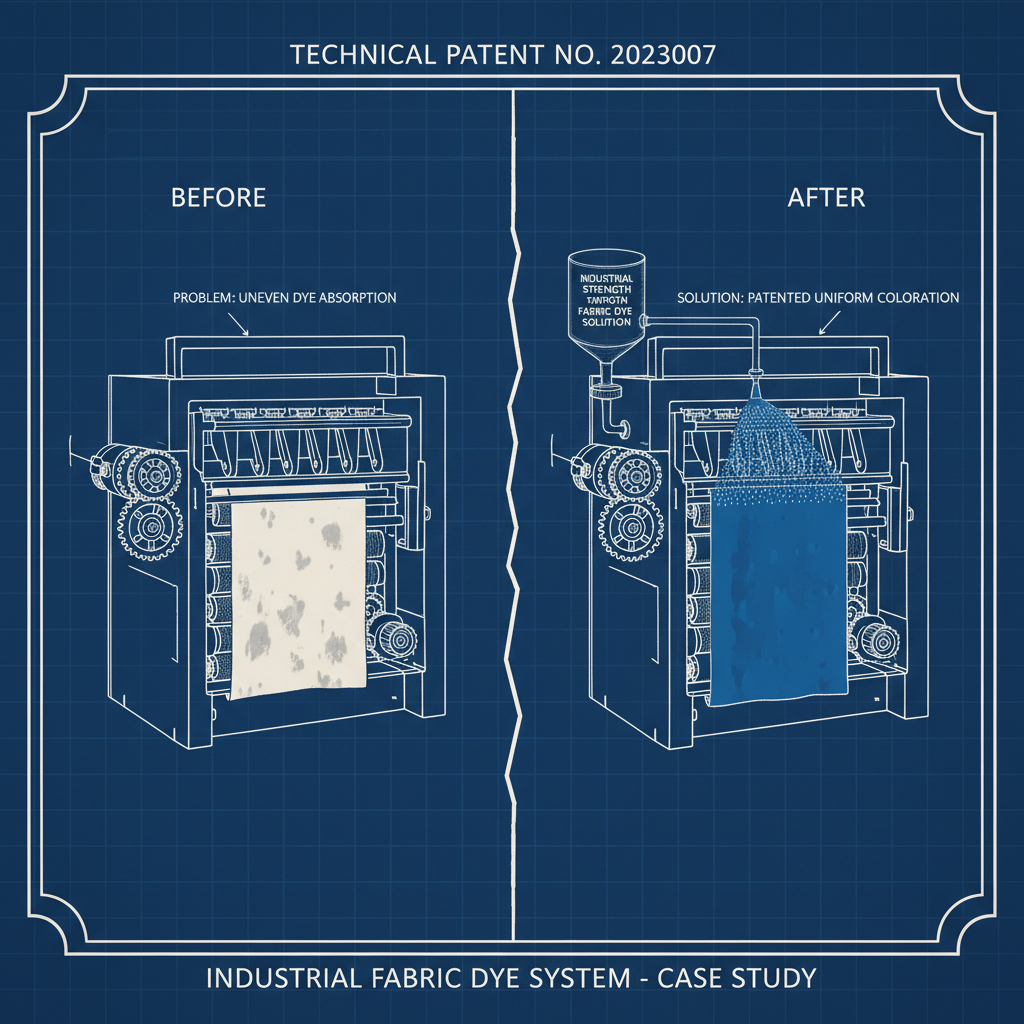
| Uneven Dye Distribution |
Reduced colorfastness and aesthetic flaws |
Optimized dye bath mixing, improved fabric pretreatment |
Low to moderate investment in equipment |
| Wastewater Discharge |
Environmental pollution and increased treatment costs |
Implementation of closed-loop dyeing systems, use of eco-friendly dyes |
Moderate to high initial investment |
| Fiber Compatibility Issues |
Poor dye uptake and color vibrancy |
Selection of appropriate dye class for specific fiber type |
Minimal cost increase with proper dye selection |
| Dye Degradation Over Time |
Fading and loss of color intensity |
Use of UV stabilizers and antioxidants in dye formulations |
Slightly higher dye cost |
| Inconsistent Batch Quality |
Variations in color and performance |
Implementation of strict quality control measures |
Moderate investment in testing equipment |
| High Energy Consumption |
Increased operational costs and carbon footprint |
Adoption of energy-efficient dyeing technologies |
Significant initial investment with long-term savings |
FAQs
Industrial strength dyes are formulated for exceptional durability, offering superior resistance to fading, washing, abrasion, and chemical exposure compared to standard dyes. This is achieved through specialized chemical compositions and manufacturing processes designed to create stronger molecular bonds with the fabric fibers. They are designed for applications where longevity and consistent color are critical, such as workwear, protective gear, and outdoor equipment.
While industrial strength dyes can be applied to a wide range of fabrics, they perform optimally on materials specifically engineered for durability, such as polyester, nylon, and cotton blends. The specific dye class selected should always be compatible with the fiber content. For example, reactive dyes are excellent for cellulose fibers like cotton, while disperse dyes are better suited for synthetic fibers like polyester.
Industrial strength dyes typically have a higher upfront cost than standard dyes due to the more complex formulations and manufacturing processes involved. However, the increased durability and longevity of these dyes often result in lower long-term costs. Reduced replacement frequency, lower maintenance requirements, and minimized waste can offset the initial price difference, making them a cost-effective solution over the product lifecycle.
Yes, there's a growing trend towards eco-friendly industrial strength dyes. Manufacturers are developing bio-based dyes derived from renewable resources and employing cleaner dyeing processes that minimize water consumption and reduce the use of harmful chemicals. Look for dyes with certifications like OEKO-TEX® Standard 100, which ensures they meet strict environmental and safety standards.
Several standardized testing protocols are used, including AATCC (American Association of Textile Chemists and Colorists) tests for colorfastness to washing, light, and rubbing. ISO standards also define procedures for evaluating dye performance. These tests assess the dye's ability to withstand various stressors and maintain color integrity over time.
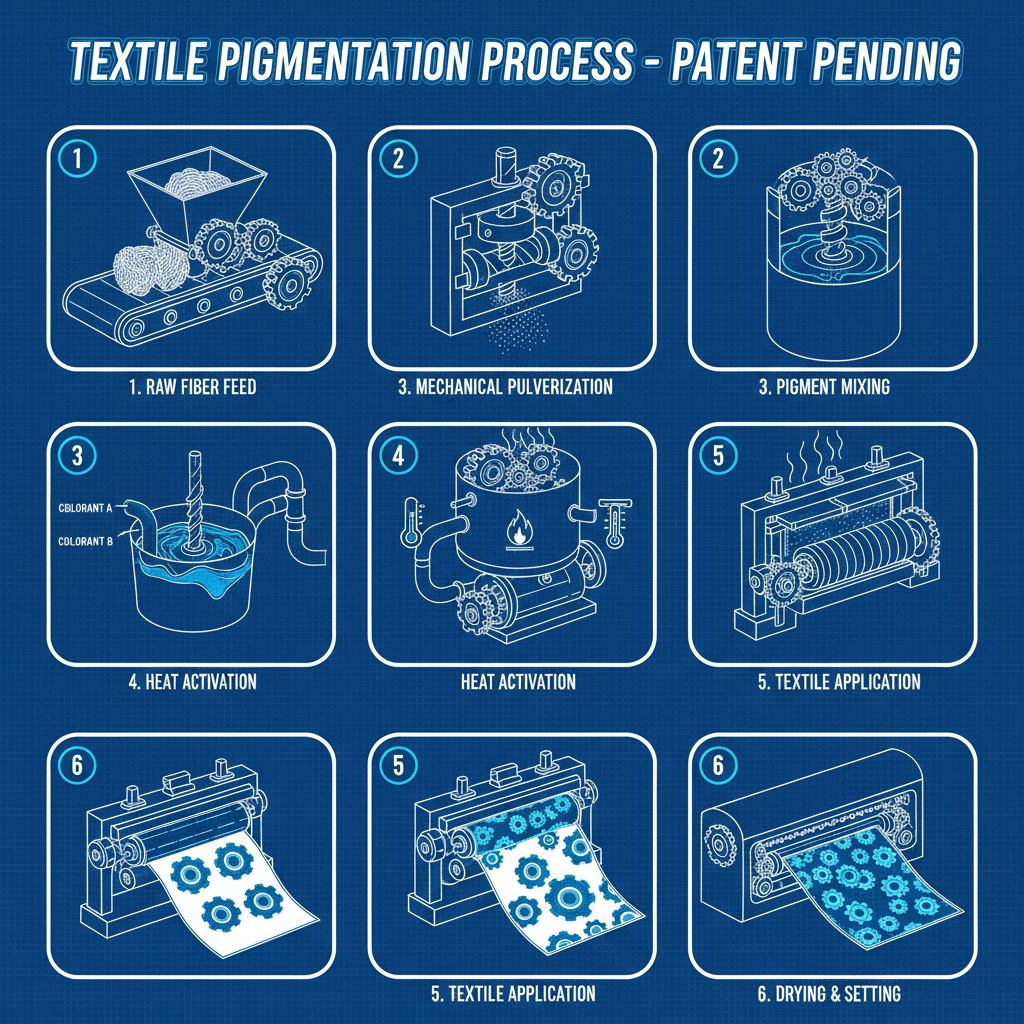
Proper application requires careful attention to several factors. These include thorough fabric preparation (cleaning and pretreatment), accurate dye concentration, optimized dyeing temperature and time, and appropriate post-treatment procedures (washing and finishing). Consulting with a dye specialist or following the manufacturer's recommendations is crucial for achieving optimal results.
Conclusion
Industrial strength fabric dye is far more than just a colorant; it's a critical component in ensuring the durability, safety, and sustainability of a wide range of products across diverse industries. From enhancing the longevity of protective gear to reducing textile waste, the benefits of utilizing these high-performance dyes are substantial and far-reaching. Understanding the composition, performance factors, and emerging trends in this field is vital for manufacturers, consumers, and policymakers alike.
Looking ahead, continued innovation in bio-based dyes, digital printing technologies, and energy-efficient dyeing processes will drive the evolution of industrial strength fabric dye. By embracing these advancements, we can create a future where coloration not only enhances aesthetics but also contributes to a more sustainable and responsible textile industry. For superior dye solutions and expert guidance, visit our website: www.yanhongchem.com.