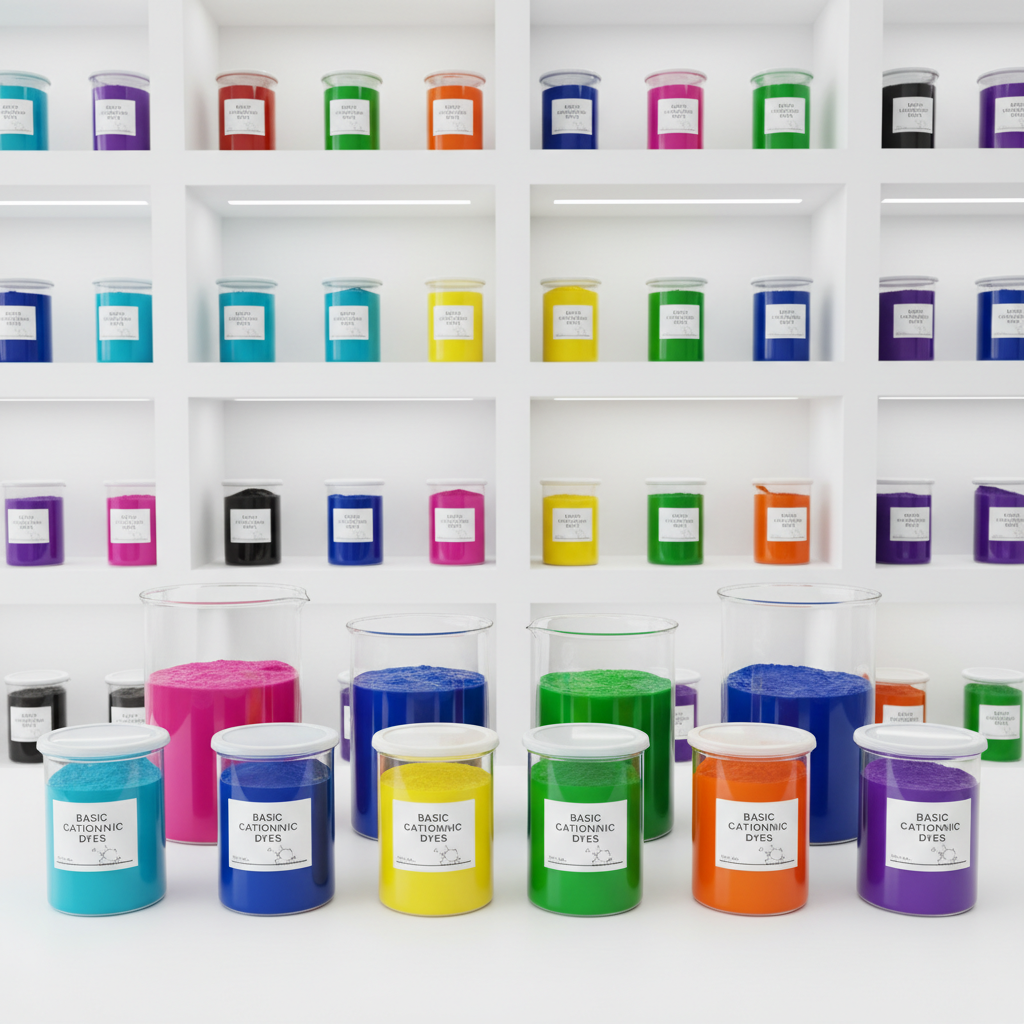
Textile chemical dyes are fundamental to the modern textile industry, providing the vibrant colors and specialized finishes that consumers demand. Globally, the demand for these dyes is driven by the ever-increasing production of textiles, particularly in developing nations. Understanding the nuances of textile chemical dyes – their types, application methods, and environmental impacts – is crucial for manufacturers, designers, and policymakers alike.
The textile dyeing and finishing sector is a significant contributor to global water pollution and energy consumption. This has led to a growing focus on sustainable dyeing practices and the development of innovative, eco-friendly dyes. The industry is facing increasing pressure to reduce its environmental footprint and comply with stricter regulations, making knowledge of textile chemical dyes essential for navigating these challenges.
Ultimately, the effective and responsible use of textile chemical dyes directly impacts product quality, cost-effectiveness, and environmental sustainability within the global textile supply chain. From apparel and home furnishings to industrial textiles, the correct application of these dyes is vital for creating durable, aesthetically pleasing, and compliant products.
The Significance of Textile Chemical Dyes
The importance of textile chemical dyes extends far beyond aesthetic appeal. These dyes impact the functionality, durability, and overall quality of textile products. The choice of dye significantly affects factors like colorfastness, resistance to fading, and the ability to withstand repeated washing and exposure to environmental elements.
The global textile industry relies heavily on a diverse range of dyes, each with unique properties and applications. From natural dyes derived from plant and animal sources to synthetic dyes created through complex chemical processes, the selection of the appropriate dye is crucial for achieving the desired outcome and meeting specific performance requirements. The development of new and improved textile chemical dyes is an ongoing process, driven by consumer demands and environmental concerns.
Understanding Textile Chemical Dyes: A Global Perspective
The production and consumption of textile chemical dyes are concentrated in several key regions worldwide. Asia, particularly China, India, and Bangladesh, accounts for the vast majority of global textile manufacturing and, consequently, dye usage. These regions benefit from lower production costs and a readily available workforce, but often face challenges related to environmental regulations and sustainability practices.
According to the United Nations Environment Programme (UNEP), the textile industry is one of the most polluting in the world, with a significant portion of that pollution stemming from dye effluent. Growing consumer awareness of environmental issues and increasing pressure from international organizations are driving demand for more sustainable dyeing processes and the adoption of cleaner dye technologies. This shift is also influenced by initiatives like the Zero Discharge of Hazardous Chemicals (ZDHC) program.
The global market for textile chemical dyes is estimated to be worth billions of dollars, with a projected growth rate driven by increasing population, rising disposable incomes, and evolving fashion trends. This growth, however, necessitates a concerted effort to mitigate the environmental impact and promote responsible dye production and usage across the supply chain.
Defining Textile Chemical Dyes and Their Relevance
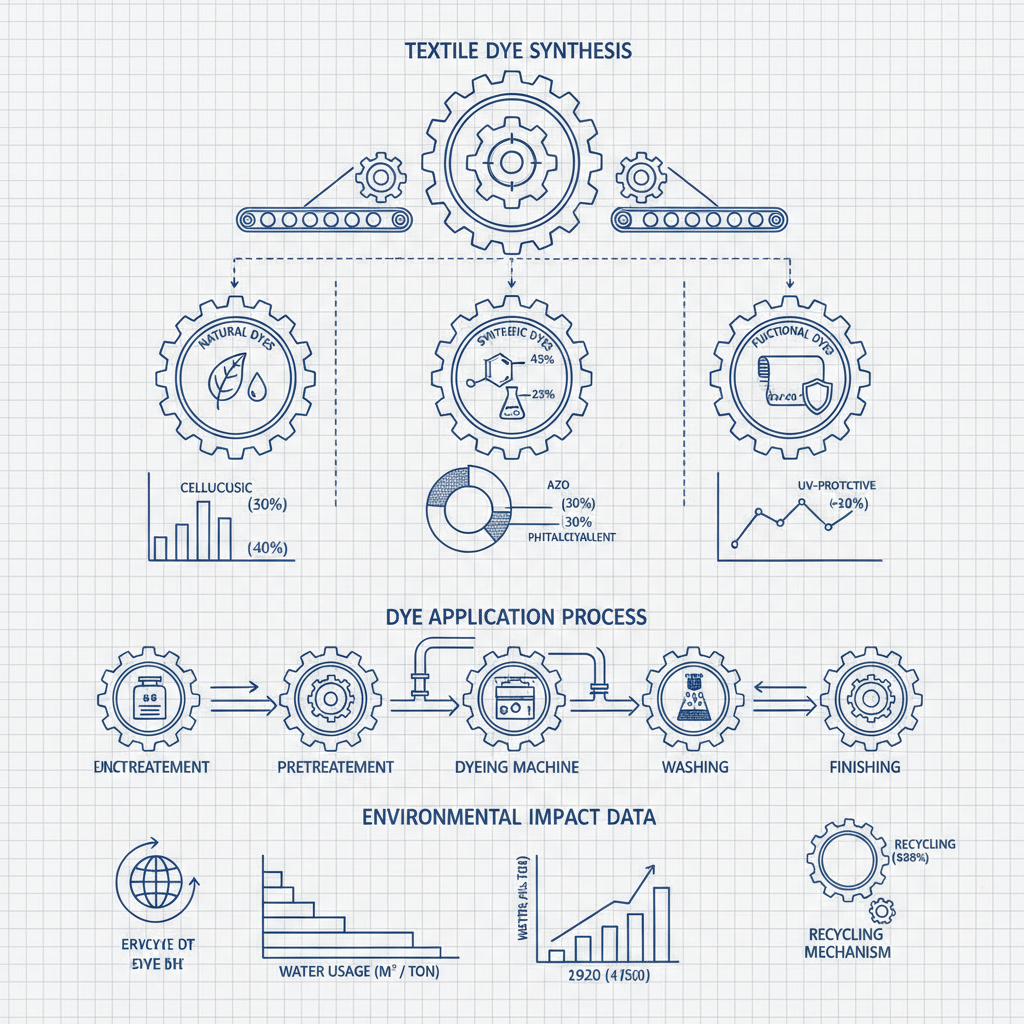
Textile chemical dyes are substances used to impart color to textiles. These can be natural, derived from plants, minerals, or animals, but the vast majority used today are synthetic, created through chemical synthesis. These synthetic dyes are categorized based on their chemical structure and application method, including reactive dyes, disperse dyes, vat dyes, and acid dyes.
Their relevance extends far beyond simply adding color. Textile chemical dyes play a crucial role in imparting functionality to fabrics, such as UV protection, antimicrobial properties, and water repellency. Specialty dyes are used to create specific effects, like fluorescent or iridescent finishes, catering to diverse market demands. The quality and type of dye directly correlate with the longevity, appearance, and performance of the finished textile product.
The connection to modern industry and humanitarian needs is substantial. Textiles are essential for clothing, shelter, medical supplies, and various industrial applications. Reliable and effective textile chemical dyes are therefore critical for ensuring the quality, safety, and accessibility of these essential goods. Ongoing research and development in dye chemistry are focused on creating more sustainable and high-performing dyes to address evolving needs.
Key Factors Influencing Dye Selection and Performance
Several factors govern the selection of the appropriate textile chemical dye for a specific application. Fiber Type is paramount; different fibers require different dye classes to achieve optimal colorfastness and penetration. Cotton, for example, commonly uses reactive dyes, while polyester relies on disperse dyes.
Colorfastness refers to the dye’s resistance to fading or bleeding when exposed to light, washing, rubbing, or other environmental factors. This is a critical performance metric and is influenced by the dye’s chemical structure and application process. Durability and Washability are also vital considerations, especially for garments and household textiles.
Dye Performance Comparison
Global Applications and Industry Use Cases
Textile chemical dyes are integral to a vast spectrum of industries, extending far beyond fashion. The apparel industry remains the largest consumer, demanding dyes for a wide range of fabrics and styles. However, their use is equally vital in the home textiles sector, including bedding, curtains, and upholstery.
In industrial applications, dyes are used for specialized textiles like those found in automotive interiors, protective clothing, and medical fabrics. For instance, in post-disaster relief operations, durable and colorfast textiles, dyed with high-quality dyes, provide essential shelter and comfort. The technical textile industry also relies heavily on specific dyes offering properties like flame retardancy and UV protection.
Advantages and Long-Term Value Proposition
The use of high-quality textile chemical dyes offers significant advantages, starting with enhanced product appeal and marketability. Vibrant, durable colors translate directly into consumer preference and increased sales. Cost-effectively textile chemical dyes and efficient dyeing processes also improve profitability for manufacturers.
Furthermore, advancements in dye chemistry are leading to more sustainable and environmentally friendly options. These dyes reduce water consumption, minimize waste generation, and lower the overall environmental impact of textile production, promoting a positive brand image and attracting environmentally conscious consumers. This represents a long-term value proposition encompassing economic viability, environmental responsibility, and social accountability.
Future Trends and Innovations in Textile Dyes
The future of textile chemical dyes is inextricably linked to sustainability and technological innovation. Emerging trends include the development of bio-based dyes derived from renewable resources, reducing reliance on petroleum-based chemicals. Digital textile printing, utilizing inkjet technology and specialized dyes, is gaining traction due to its precision, reduced water usage, and ability to create complex designs.
Nanotechnology is also playing a role, with nano-dyes offering improved colorfastness and enhanced functionalities. Furthermore, research into plasma dyeing, a waterless dyeing technique, holds promise for significantly reducing the environmental impact of textile coloration. These innovations, combined with increasingly stringent environmental regulations, are reshaping the landscape of the textile dye industry.
Automation and data analytics are also poised to optimize dye application processes, improving efficiency and reducing waste. Predictive modeling can help determine the optimal dye formulation and application parameters for specific fabrics and desired outcomes, ultimately contributing to a more sustainable and cost-effective textile industry.
FAQS
The primary environmental concerns revolve around water pollution caused by dye effluent, containing harmful chemicals and heavy metals. These pollutants can contaminate waterways, harm aquatic life, and pose risks to human health. Furthermore, the production of synthetic dyes often relies on non-renewable resources and generates significant greenhouse gas emissions. Responsible dye selection and efficient wastewater treatment are crucial for mitigating these impacts.
Look for dyes certified by reputable organizations like OEKO-TEX, GOTS (Global Organic Textile Standard), or Bluesign. These certifications indicate that the dyes have been tested for harmful substances and meet strict environmental and social criteria. Also, consider dyes derived from natural sources, although their availability and performance can vary. Transparency in the supply chain is key – ask suppliers for detailed information about the dye’s composition and production process.
Reactive dyes form a chemical bond with the fiber, resulting in excellent colorfastness, particularly on cellulosic fibers like cotton. They are known for bright, vibrant colors but can generate significant wastewater. Disperse dyes, on the other hand, are used for synthetic fibers like polyester. They are less water-soluble and are applied using a different process, generally resulting in lower water pollution but potentially requiring higher energy consumption.
Colorfastness ratings directly reflect the durability of the dye and its resistance to fading, bleeding, or changing color when exposed to various conditions. Higher colorfastness ratings indicate a higher quality textile that will maintain its appearance over time, even with repeated washing and wear. This is especially important for garments and home textiles intended for frequent use.
pH is a critical factor in dyeing as it affects the dye’s solubility, absorption, and interaction with the fiber. Different dyes require specific pH levels for optimal performance. Maintaining the correct pH throughout the dyeing process ensures even dye uptake and enhances colorfastness. Monitoring and adjusting pH levels is therefore essential for achieving consistent and high-quality results.
Yes, several innovative dyeing methods are emerging to minimize water usage. These include supercritical carbon dioxide dyeing, foam dyeing, and plasma dyeing. Digital textile printing also significantly reduces water consumption compared to conventional dyeing. These alternative methods are still under development and adoption, but they represent promising solutions for a more sustainable textile industry.
Conclusion
Textile chemical dyes are an indispensable component of the modern textile industry, impacting everything from product aesthetics and performance to environmental sustainability. Understanding the nuances of dye chemistry, application methods, and emerging trends is crucial for navigating the challenges and opportunities within this dynamic sector. The future of textile dyeing hinges on embracing innovation, promoting responsible practices, and prioritizing environmental stewardship.
Investing in research and development of sustainable dyes, adopting cleaner production technologies, and fostering collaboration across the supply chain are essential steps toward a more responsible and resilient textile industry. By prioritizing these initiatives, we can ensure that the vibrant colors and functional benefits of textiles are enjoyed without compromising the health of our planet or future generations.