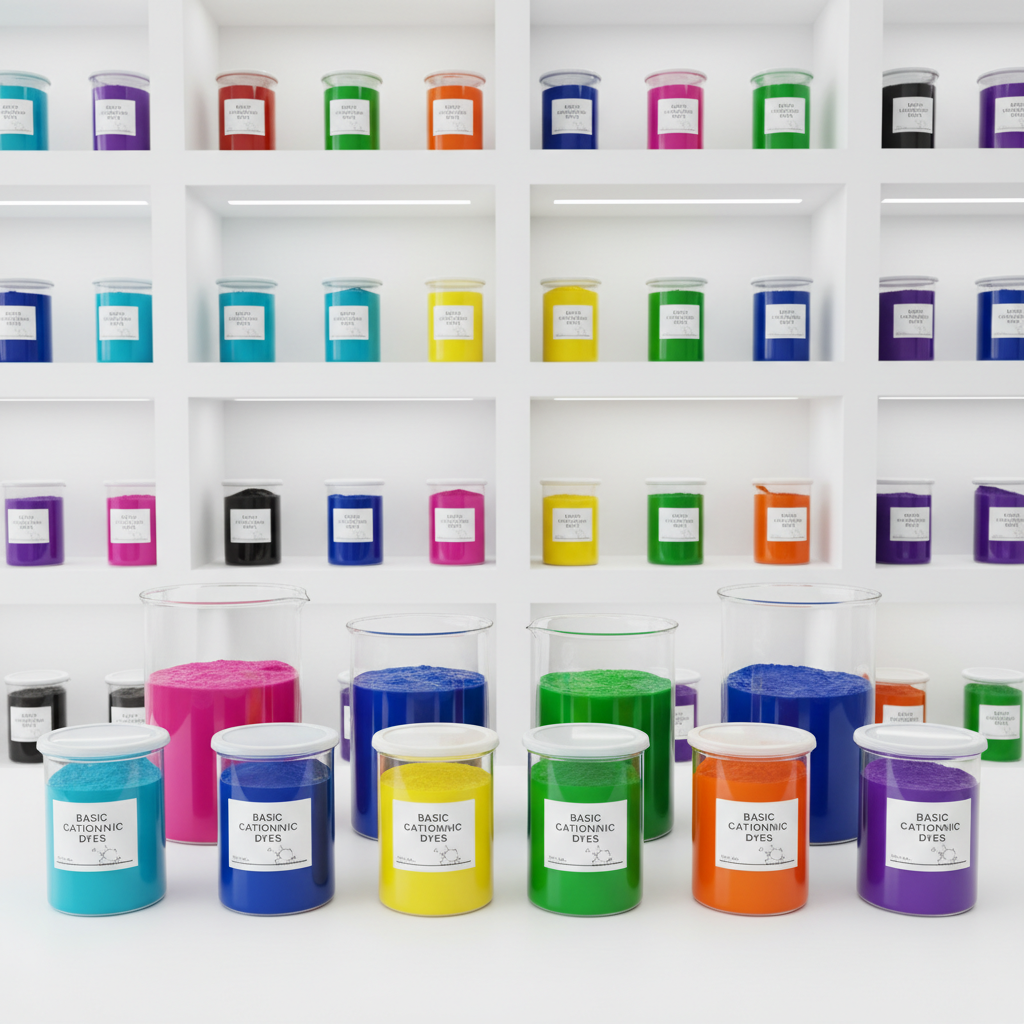
Basic cationic dyes represent a crucial class of colorants utilized extensively across numerous industries. Their vibrant hues, relative ease of application, and affordability have cemented their position as a cornerstone in textile dyeing, paper coloring, and even biological staining. Understanding the nuances of these dyes – their chemical properties, application methods, and environmental impact – is increasingly important for both industry professionals and researchers alike, driving innovation and sustainability in coloration technologies.
The global demand for dyes, including basic cationic dyes, is directly linked to the growth of textile manufacturing, particularly in emerging economies. With a projected market value in the billions, the dye industry plays a significant role in global trade and employment. However, this growth also presents challenges, including concerns about wastewater pollution and the need for more eco-friendly dyeing processes. Addressing these challenges requires a deeper understanding of dye chemistry and the development of cleaner production methods.
The significance of basic cationic dyes extends beyond aesthetics; they are integral to various scientific and industrial applications. From enhancing the visibility of microscopic samples in medical diagnostics to creating durable and aesthetically pleasing textiles for everyday use, these dyes contribute significantly to both technological advancement and quality of life.
Introduction to Basic Cationic Dyes
Basic cationic dyes, characterized by a positively charged chromophore, are renowned for their brilliant shades and high tinctorial strength. This unique charge allows them to readily bind with negatively charged fibers like acrylics and modified nylons, leading to excellent color fastness and vivid results. Their widespread use reflects a balance between performance and cost-effectiveness.
However, the very properties that make basic cationic dyes desirable also contribute to environmental concerns, primarily related to wastewater discharge. Untreated effluent from textile mills using these dyes can have significant ecological impacts. Therefore, ongoing research focuses on developing sustainable alternatives and improved treatment technologies to mitigate these challenges.
Defining Basic Cationic Dyes
At their core, basic cationic dyes are a class of synthetic colorants distinguished by the presence of a positively charged group (typically an ammonium ion) within their molecular structure. This cationic nature is crucial to their dyeing mechanism, enabling electrostatic attraction to anionic sites on fibers. They are typically applied in acidic conditions to facilitate this bonding process.
Unlike direct or reactive dyes, basic cationic dyes don’t form a covalent bond with the fiber. Instead, the dye molecules are held in place by weaker ionic interactions. While this can sometimes lead to lower wash fastness compared to reactive dyes, advancements in dye formulation and after-treatment processes continually improve performance.
The use of basic cationic dyes bridges the gap between chemical synthesis and practical application, fulfilling the demand for vibrant coloration across numerous industries and demonstrating the power of tailored molecular design.
Core Properties of Basic Cationic Dyes
Several key properties define the performance characteristics of basic cationic dyes. Firstly, their high tinctorial strength means a relatively small amount of dye can achieve a strong, vibrant color. Secondly, their bright and intense shades are highly desirable for creating visually appealing products.
Another crucial property is their solubility in water, which is essential for efficient dye application. However, this solubility also contributes to wastewater pollution concerns, necessitating effective treatment strategies. Furthermore, their affinity for acrylic fibers makes them particularly important in the production of synthetic textiles.
Finally, the lightfastness of basic cationic dyes varies depending on the specific chemical structure and formulation. While some exhibit excellent resistance to fading, others are more susceptible to degradation upon prolonged exposure to sunlight. This requires careful consideration when selecting dyes for specific applications.
Applications Across Industries
The versatility of basic cationic dyes lends itself to a wide range of applications. The textile industry remains the largest consumer, utilizing these dyes for coloring acrylic fibers in clothing, carpets, and upholstery. Their bright shades and good color yield make them ideal for fashion and interior design.
Beyond textiles, basic cationic dyes find application in paper coloring, leather dyeing, and even in the production of inks and toners. In specialized fields, they are used as biological stains in microscopy, enabling researchers to visualize cellular structures and identify specific microorganisms.
Their use is prevalent in regions with strong textile manufacturing bases like China, India, and Southeast Asia, contributing significantly to the local economies and employment sectors. Continuous innovation is exploring new applications, driven by demand for specialized coloration solutions.
Comparative Performance of Basic Cationic Dye Methods
Advantages and Long-Term Value
The primary advantage of using basic cationic dyes lies in their cost-effectiveness and the vibrant, intense colors they produce. This makes them a practical choice for a wide range of applications, particularly in price-sensitive markets. Furthermore, their ease of application simplifies the dyeing process, reducing production time and costs.
From a long-term perspective, ongoing research and development efforts are focused on improving the sustainability of these dyes. This includes developing more environmentally friendly formulations, enhancing wastewater treatment technologies, and exploring biodegradable alternatives. These innovations aim to mitigate the environmental impact while preserving the desirable properties of basic cationic dyes.
Emerging Trends & Innovations
One of the most significant emerging trends is the development of microencapsulated basic cationic dyes. This technology enhances dye uptake, improves color fastness, and reduces dye waste, offering both economic and environmental benefits. Digital textile printing is also gaining traction, allowing for precise dye application and minimizing water consumption.
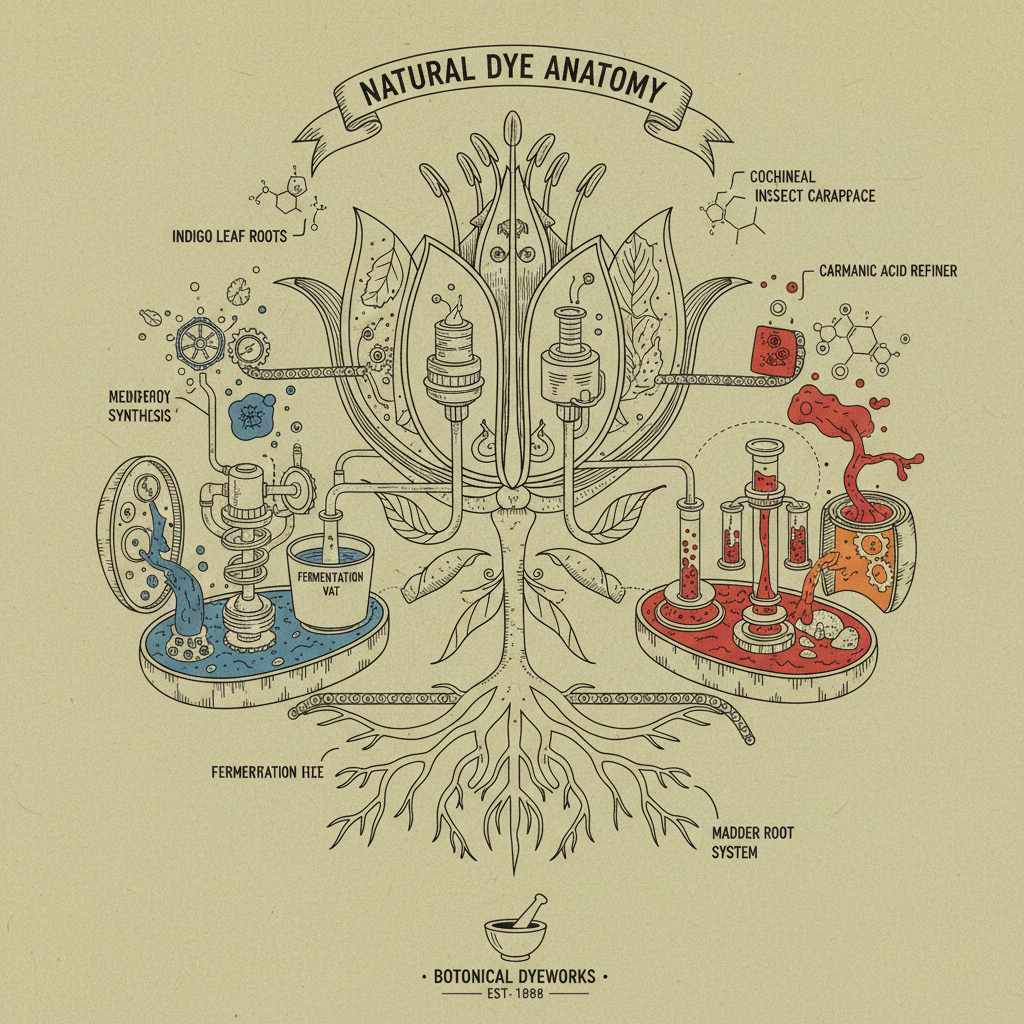
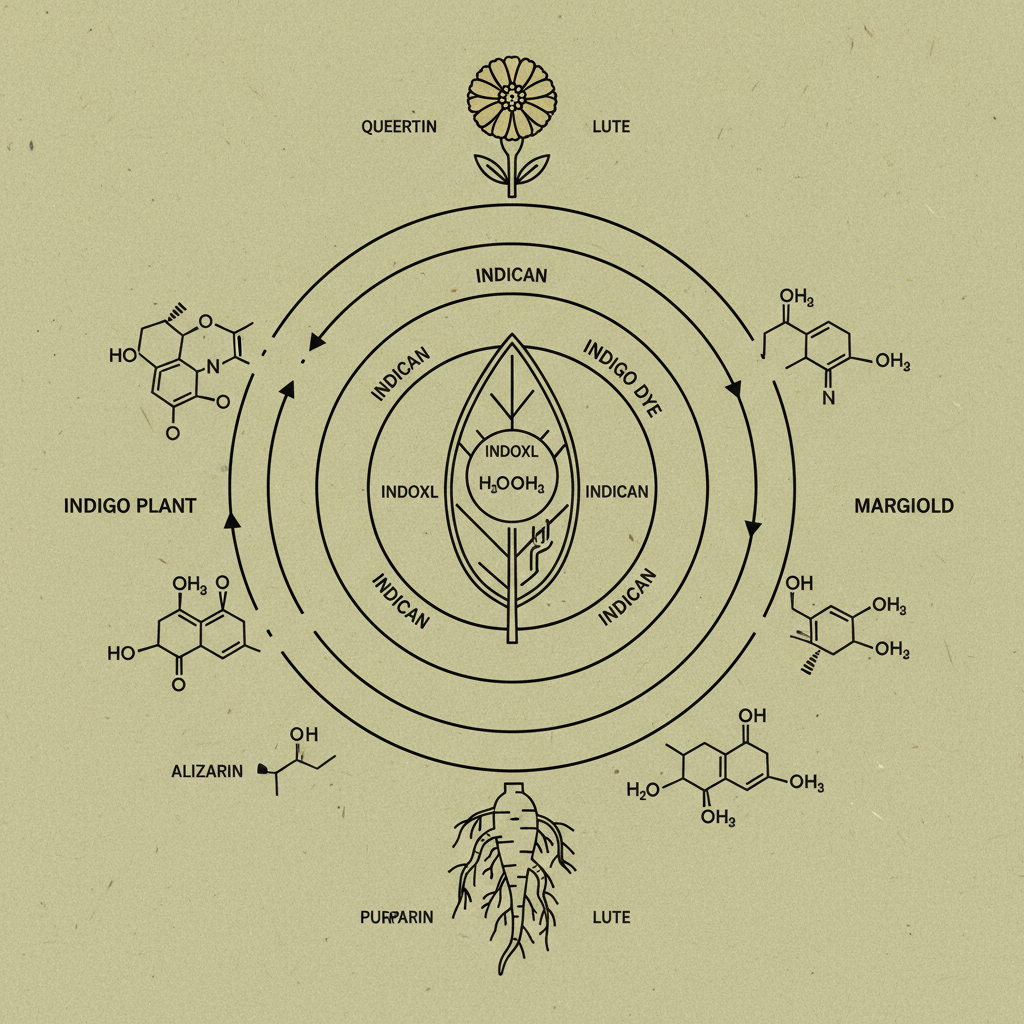
Furthermore, research into bio-based cationic dyes, derived from renewable resources, offers a promising pathway towards greater sustainability. These alternatives aim to reduce reliance on petroleum-based feedstocks and minimize the overall environmental footprint of the dyeing process.
The integration of automation and data analytics into dye production and application processes is another key innovation, enabling greater control, optimization, and efficiency. These advancements will contribute to a more sustainable and competitive dye industry.
Challenges and Sustainable Solutions
The primary challenge associated with basic cationic dyes is their potential for environmental pollution, specifically the discharge of colored wastewater. Traditional treatment methods can be costly and ineffective, leading to significant ecological damage. This requires a concerted effort to develop and implement more sustainable solutions.
Several innovative approaches are being explored, including advanced oxidation processes, adsorption technologies using bio-based materials, and membrane filtration systems. Furthermore, promoting closed-loop dyeing systems, where water is recycled and reused, can significantly reduce water consumption and minimize wastewater discharge.
Collaboration between dye manufacturers, textile mills, and research institutions is crucial for driving innovation and adopting best practices for sustainable dye production and application. This collaborative approach will pave the way for a more environmentally responsible and economically viable future for the dye industry.
Summary of Challenges and Solutions for Basic Cationic Dye Application
| Challenge Area |
Severity of Impact (1-10) |
Proposed Solution |
Implementation Cost (Low, Medium, High) |
| Wastewater Pollution |
9 |
Advanced Oxidation Processes |
Medium |
| Low Color Fastness |
6 |
Microencapsulation Technology |
Medium |
| High Water Consumption |
8 |
Closed-Loop Dyeing Systems |
High |
| Reliance on Petroleum-Based Feedstocks |
7 |
Bio-Based Dye Development |
High |
| Inefficient Dye Uptake |
5 |
Optimized Dye Formulations |
Low |
| Lack of Standardization in Treatment Methods |
6 |
Industry-Wide Best Practice Guidelines |
Low |
FAQS
The primary environmental concern stems from the discharge of colored wastewater. These dyes, being water-soluble, can persist in the environment, reducing light penetration and disrupting aquatic ecosystems. They also contain potentially harmful chemicals that can contaminate water sources. Effective wastewater treatment is essential to mitigate these impacts, focusing on removing dye molecules and reducing their toxicity before discharge. Sustainable alternatives and closed-loop systems are also crucial long-term solutions.
Basic cationic dyes differ primarily in their charge and bonding mechanism. Unlike reactive dyes, which form covalent bonds with fibers, and direct dyes, which rely on van der Waals forces, basic dyes bond through ionic interactions. This means they have a positive charge and are attracted to negatively charged fibers like acrylics. This also leads to potentially lower wash fastness compared to reactive dyes, although modern formulations aim to improve this. Their bright shades and relatively low cost are key advantages.
Yes, research is actively exploring bio-based cationic dyes derived from renewable resources like plant extracts or microbial sources. These alternatives aim to reduce reliance on petroleum-based feedstocks and minimize the environmental footprint of dyeing processes. Microencapsulation technologies also contribute to sustainability by enhancing dye uptake and reducing waste. The development and commercialization of these alternatives are ongoing, offering promising pathways towards a greener future.
Wastewater treatment is paramount in minimizing the ecological impact of basic cationic dyes. Effective treatment processes remove dye molecules from effluent before discharge, preventing water pollution and protecting aquatic life. Technologies like advanced oxidation processes, adsorption, and membrane filtration are commonly employed. Furthermore, promoting water recycling and closed-loop systems within textile mills significantly reduces water consumption and wastewater generation.
Basic cationic dyes exhibit a strong affinity for acrylic fibers due to their anionic nature. They are also used, albeit to a lesser extent, on modified nylons and some other synthetic fibers. However, they generally have poor affinity for natural fibers like cotton or wool, requiring mordants or pre-treatment to achieve adequate color fastness. Selecting the appropriate dye-fiber combination is critical for achieving optimal results and ensuring durability.
Innovations in improving lightfastness include encapsulation of dyes within protective matrices, the development of novel dye formulations with enhanced UV absorbers, and post-treatment processes that stabilize the dye-fiber bond. Research is also focused on modifying the chemical structure of basic cationic dyes to enhance their inherent resistance to photodegradation. These advancements aim to extend the lifespan of dyed materials and reduce fading over time.
Conclusion
In conclusion, basic cationic dyes remain vital colorants across various industries, prized for their brilliance, cost-effectiveness, and ease of use. However, their continued utilization necessitates a comprehensive understanding of their environmental impacts and the implementation of sustainable solutions. From advanced wastewater treatment technologies to the development of bio-based alternatives, innovation is key to mitigating the challenges associated with these dyes.
Looking ahead, the future of basic cationic dyes hinges on embracing circular economy principles, promoting responsible manufacturing practices, and fostering collaboration between stakeholders. By prioritizing sustainability and investing in research and development, we can ensure that these vibrant colorants continue to enhance our world while minimizing their ecological footprint. To learn more about our range of basic cationic dyes and sustainable solutions, visit our website today!