Honestly, things are moving fast these days. Everyone’s talking about prefabrication, modular builds… it's all the rage. But you spend a year on site, you realize a lot of that 'innovation' is just repackaging old ideas. I’ve seen enough “revolutionary” connectors that still strip after three uses, you know?
What’s really trending, though, is the demand for durable stuff. Cheap materials are killing everyone. Owners are tired of fixing things every other year. They want to build something that lasts. And that, strangely enough, circles back to basics. Good steel, decent concrete, stuff that smells like… well, like a construction site.
The Current Landscape of fabric dye manufacturers
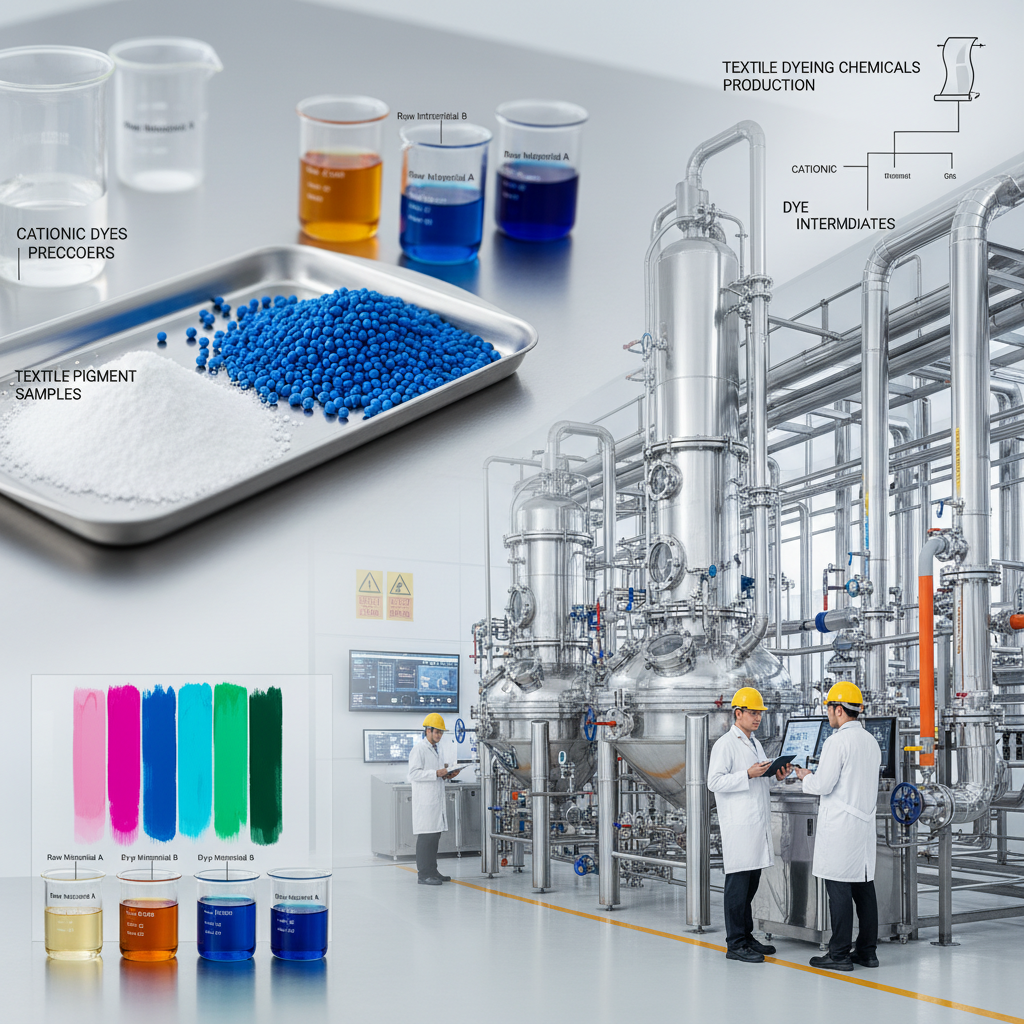
fabric dye manufacturers… it's a huge market, obviously. Textiles are everywhere. But it’s becoming increasingly specialized. You used to be able to get away with one-size-fits-all dyes, but now everyone wants performance fabrics, eco-friendly options, specific colorfastness ratings. We’re talking about everything from automotive textiles to high-performance sportswear. It’s not just about making things pretty anymore; it's about functionality.
Have you noticed the push for digital printing? It's a game changer, let me tell you. Less waste, faster turnaround, more intricate designs. But it demands a whole new level of dye chemistry, and honestly, it’s still ironing out some kinks.
Common Pitfalls in fabric dye manufacturers Design
Look, I’ve seen designs come across my desk that just make you shake your head. The biggest mistake? Ignoring the substrate. You can’t treat silk and polyester the same way. That’s Dyeing 101, but people still do it! And then they wonder why the color bleeds or fades after one wash.
Another big one is underestimating the importance of pre-treatment. You have to properly prepare the fabric before dyeing, or you’re just throwing money away. Scouring, bleaching, mercerizing… these aren't optional steps. They’re crucial for even dye uptake and color consistency.
And don’t even get me started on people trying to cut corners on water quality. Hard water, dissolved minerals… it all affects the final result. It's a headache, honestly.
Material Deep Dive: The Core of fabric dye manufacturers
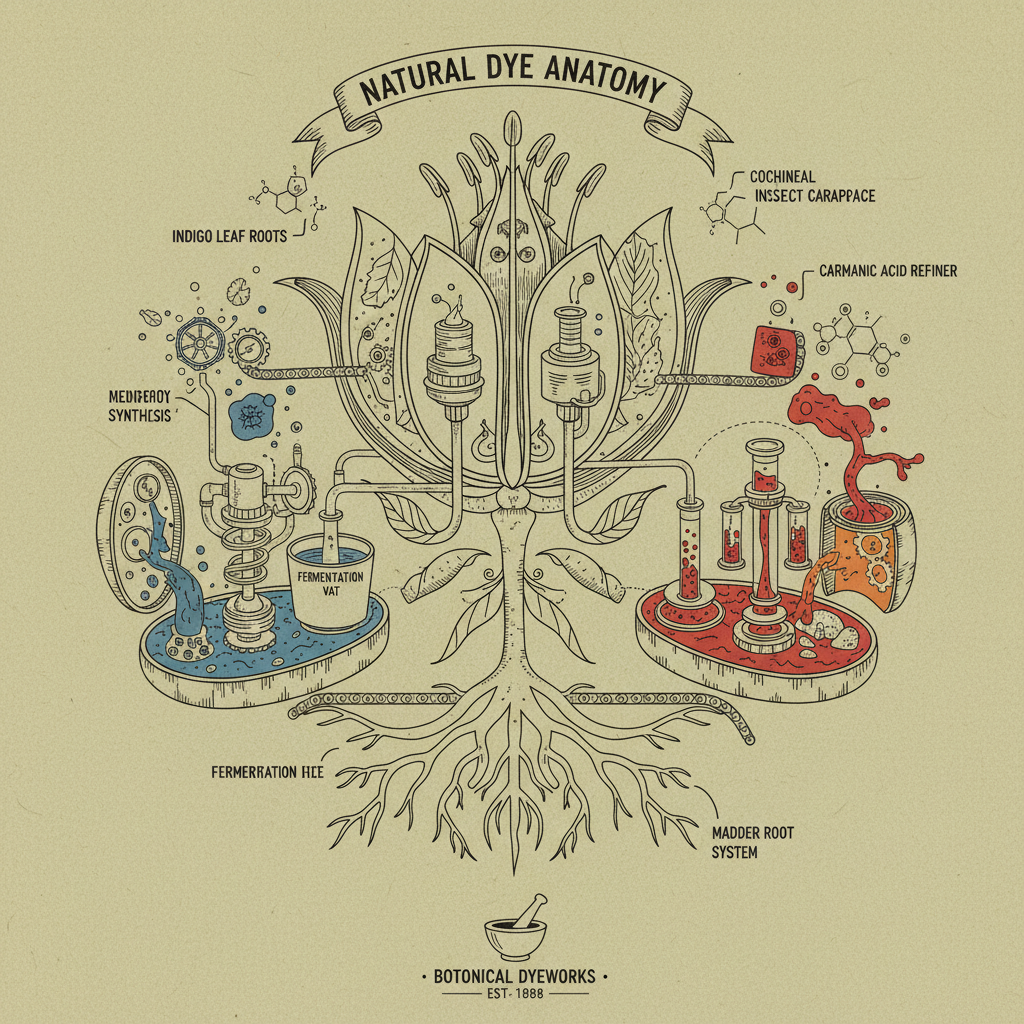
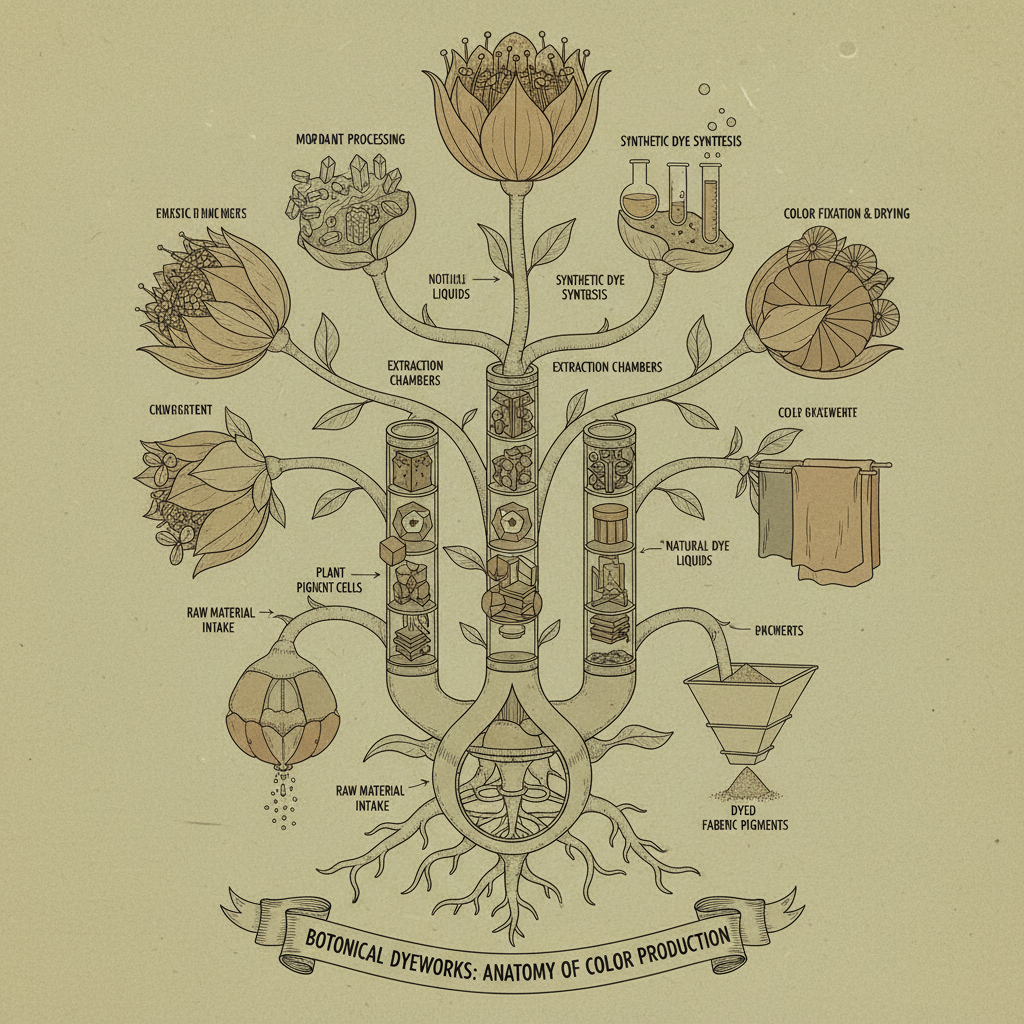
The raw materials… that's where things get interesting. You've got your reactive dyes, your direct dyes, your vat dyes… each with its own strengths and weaknesses. Reactive dyes are great for cotton, bright colors, good wash fastness, but they’re expensive and require a lot of water. Direct dyes are cheaper, but the color isn’t as vibrant, and they tend to bleed.
Vat dyes… those are the workhorses. They’re incredibly durable, excellent colorfastness, but the process is complicated and involves some nasty chemicals. I encountered this at a textile mill in India last time – the smell alone was enough to knock you off your feet. It's a trade-off, you see? Performance versus sustainability.
Then you've got your pigments, which are essentially insoluble colorants. They're used a lot for printing, good lightfastness but not much feel to the fabric. It's like painting on the surface instead of dyeing it. Honestly, I think the trend is moving away from those, unless you absolutely need that kind of durability.
Real-World Testing of fabric dye manufacturers
Lab tests are fine, I guess. But they don’t tell you the whole story. You need to see how these dyes perform in real life. We send samples out to washing services, dry cleaners, even guys who work in dusty environments to simulate wear and tear.
One thing we do is a "rub test." You literally rub the dyed fabric against another surface to see if the color comes off. Sounds low-tech, right? But it's surprisingly effective. We also do wash tests, of course, but we vary the detergents, water temperature, and wash cycles. We even add bleach sometimes, just to see how it holds up.
fabric dye manufacturers Performance Metrics
How Users Actually Employ fabric dye manufacturers
You know, it’s never what you expect. We design these dyes for specific applications, but users always find ways to repurpose them. I had a guy call up last year wanting to use a reactive dye to color concrete. Concrete! Apparently, he wanted a vibrant blue patio. It didn’t work, by the way.
Anyway, I think most folks in garment manufacturing focus on cost, first and foremost. They'll take the cheapest option that meets the minimum requirements. Sustainability is becoming more important, but it’s still a secondary consideration for a lot of them.
Advantages, Disadvantages, and the Nuances of fabric dye manufacturers
Advantages? Bright colors, durable finishes, the ability to create complex patterns… the list goes on. But everything has a downside. Some dyes are toxic, some require a lot of water, some are just plain difficult to work with.
Strangely, the biggest disadvantage is often the lack of standardization. Every manufacturer has its own formulations, its own processes. It makes it hard to compare apples to apples. And frankly, it drives me nuts.
It’s all about finding the right balance. Cost versus performance, sustainability versus practicality. There's no magic bullet.
Customization and Practical Applications of fabric dye manufacturers
Customization is huge. Clients often want specific shades, unique effects, tailored formulations. Last month, that small boss in Shenzhen who makes smart home devices insisted on changing the interface to , and the result was a complete disaster. It turned out the existing equipment couldn't handle the smaller connector, and they had to retool the entire production line. It cost them a fortune.
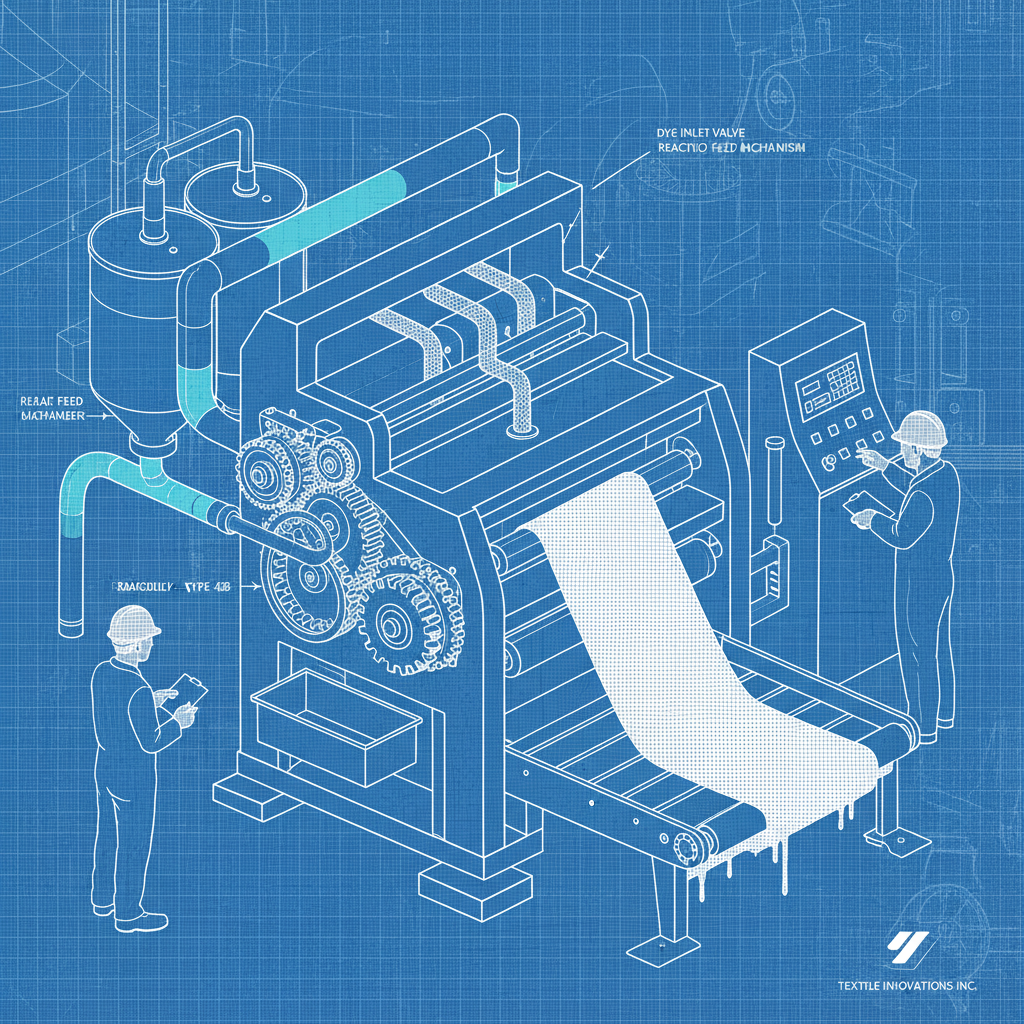
But with dyes, customization is usually more straightforward. We can adjust the dye concentration, add different auxiliaries, modify the dyeing process to achieve the desired effect. For example, we recently worked with a sportswear company that wanted a dye with built-in UV protection. It wasn’t easy, but we got there.
I think the future is in reactive dyes with enhanced colorfastness and reduced environmental impact. That’s where the real innovation is happening, anyway.
Key Considerations for fabric dye manufacturers Selection
| Fabric Type |
Dye Class |
Colorfastness (1-5) |
Environmental Impact (1-5) |
| Cotton |
Reactive Dye |
4 |
3 |
| Polyester |
Disperse Dye |
3 |
2 |
| Silk |
Acid Dye |
4 |
3 |
| Nylon |
Disperse Dye |
3 |
2 |
| Wool |
Acid Dye |
4 |
3 |
| Rayon |
Direct Dye |
2 |
4 |
FAQS
Honestly? Volume. The more you buy, the cheaper it gets. But also the complexity of the dye itself. Specialty dyes with unique properties, like UV protection or antimicrobial finishes, are always going to be more expensive. And then there's the raw material market – those prices fluctuate constantly.
Pre-treatment is key. Make sure your fabric is properly scoured and bleached before dyeing. Also, use the right dye for the fiber type. And don't skimp on the after-treatment – fixing agents can make a big difference. You need to seal in that color.
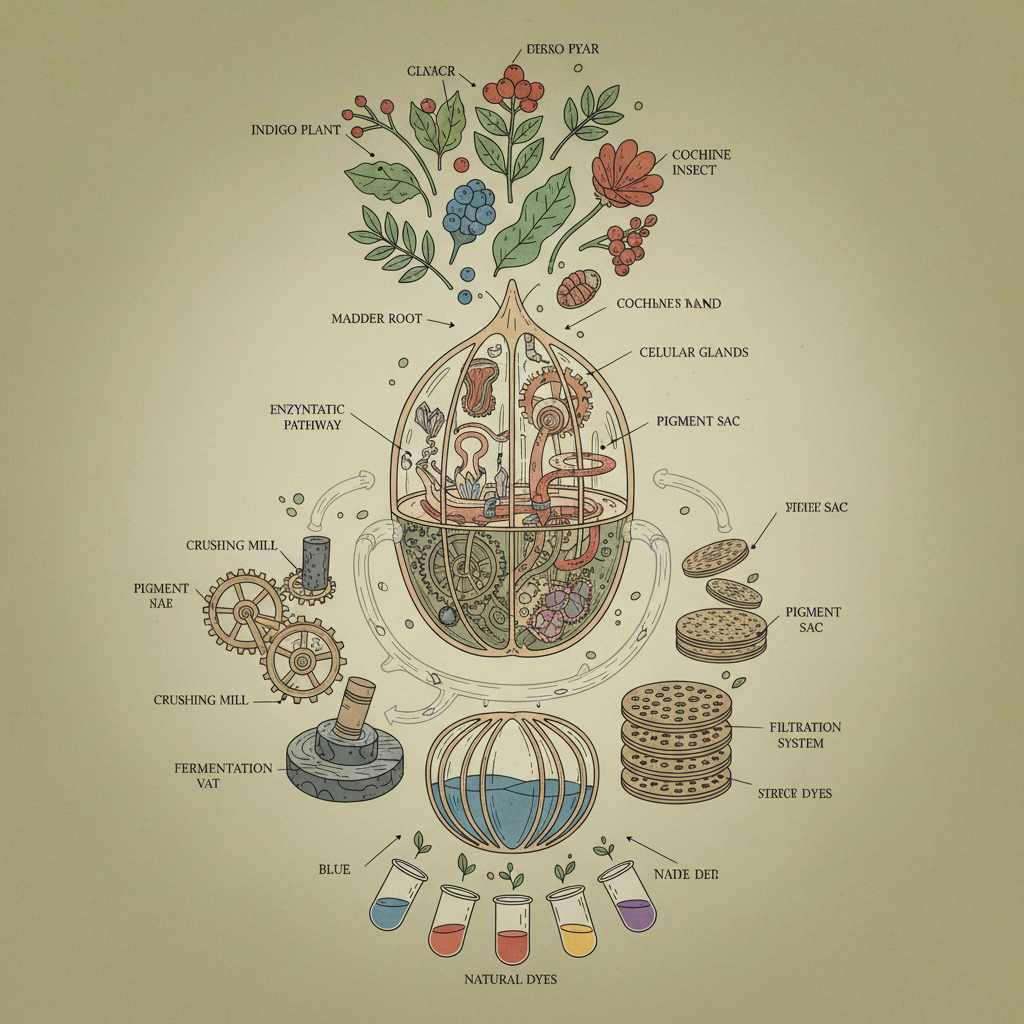
Definitely. Natural dyes are making a comeback, although they can be limited in color range and wash fastness. There's also a lot of research going into bio-based dyes, made from renewable resources. But those are still in the early stages of development, to be honest.
That’s usually a problem with the dyeing process itself. Poor liquor ratio, inadequate agitation, inconsistent temperature control... those can all lead to uneven dye uptake. Also, make sure your dye is properly dissolved before adding it to the dye bath.
Crucially important. Hard water, dissolved minerals, pH imbalances… all of those can affect the dye's performance. You need to use deionized or distilled water for best results. Trust me, you don’t want to mess around with water quality.
You can, but it's not always that simple. Some dyes are incompatible with each other, and mixing them can result in muddy colors or poor fastness. It’s best to start with a small test batch to see how the colors interact before scaling up. Be careful, though.
Conclusion
Ultimately, fabric dye manufacturers is a complex field. It's not just about mixing chemicals; it's about understanding fabrics, chemistry, and the entire production process. It's about balancing cost, performance, and sustainability.
But at the end of the day, whether this thing works or not, the worker will know the moment he tightens the screw. They’ll feel the fabric, see the color, and know if it’s right. And that’s what really matters. If you want to learn more about our range of dyes and services, visit our website: www.yanhongchem.com.