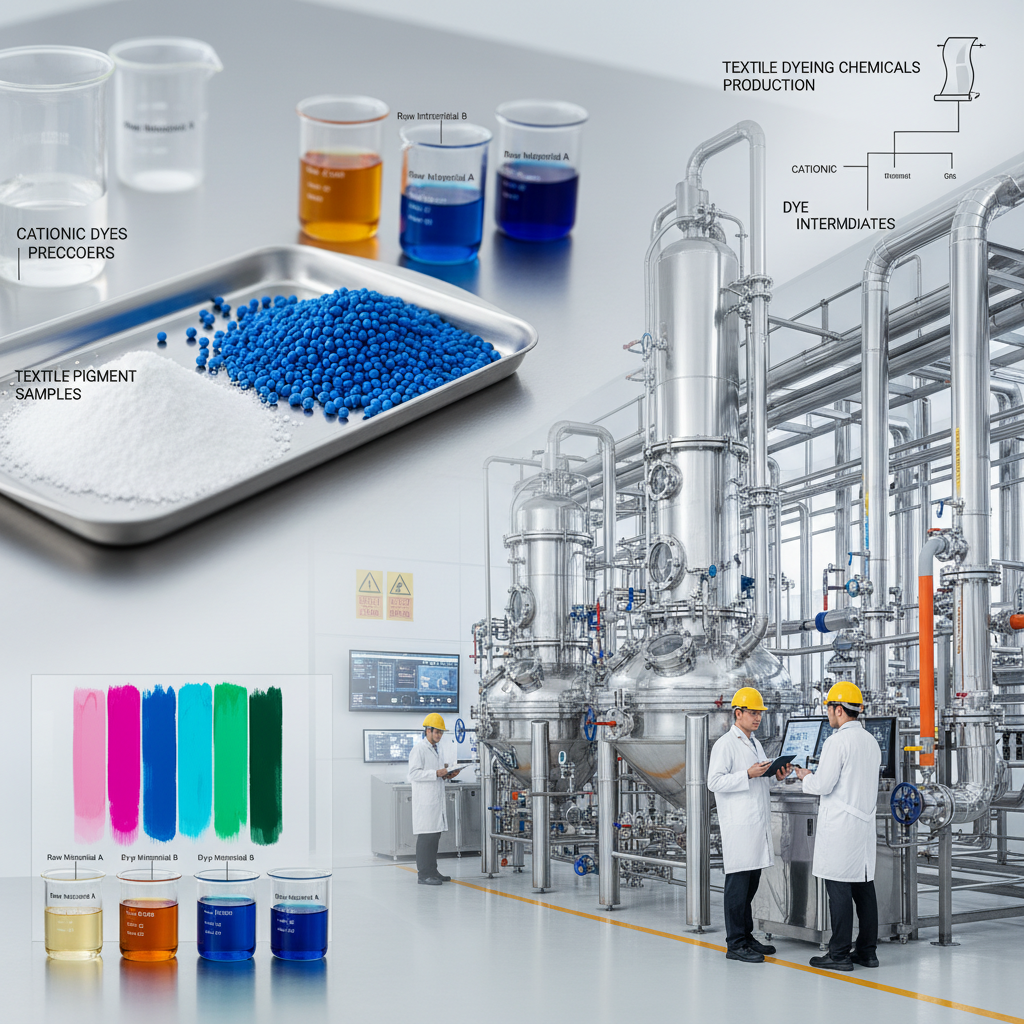
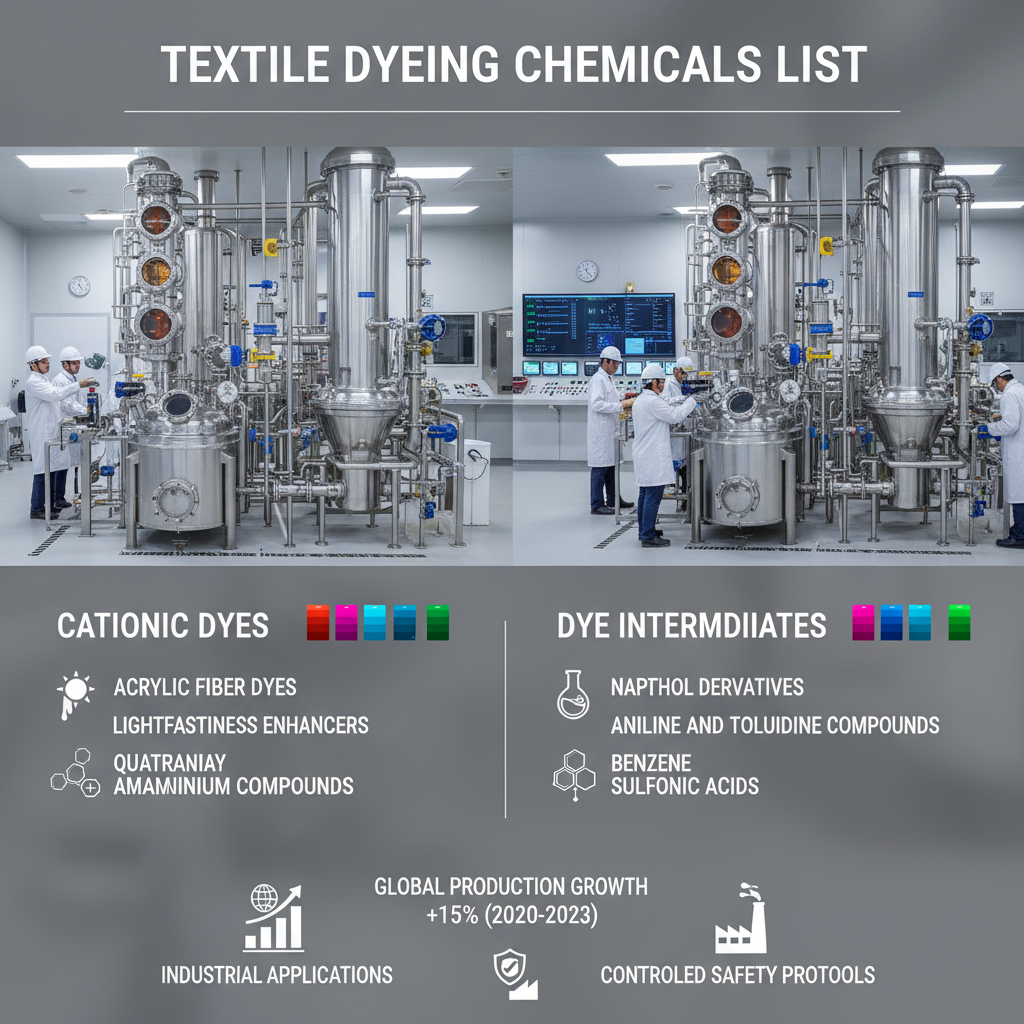
Navigating the complexities of the global textile industry requires a precise understanding of the chemical agents that bring color and functionality to fabrics. A comprehensive textile dyeing chemicals list serves as more than just a directory of substances; it is a strategic blueprint for manufacturers aiming to balance vibrant aesthetics with rigorous industrial standards. From the initial pretreatment to the final finishing touch, the selection of the right chemical agent determines the longevity, brightness, and tactile quality of the end product.
In an era where fast fashion meets sustainable demand, the role of specialized dyestuffs has evolved. The industry is no longer just about applying color but about optimizing the molecular bond between the dye and the fiber. Understanding the nuances of a textile dyeing chemicals list allows engineers to minimize waste and reduce water consumption, addressing the critical environmental challenges faced by the global manufacturing sector.
Whether you are working with natural fibers or synthetic polymers, the chemical synergy between catalysts, leveling agents, and the dyes themselves is paramount. By mastering the components of a modern textile dyeing chemicals list, producers can achieve unmatched color fastness and consistency, ensuring that products maintain their integrity through countless wash cycles and exposure to harsh environmental conditions.
Global Context of Textile Dyeing Chemicals
The global textile industry is a multi-trillion dollar sector that relies heavily on the precision of chemical engineering. According to international industrial standards and reports from ISO, the move toward "Green Chemistry" has forced a complete re-evaluation of the standard textile dyeing chemicals list. Manufacturers in hubs like Asia and Europe are under increasing pressure to eliminate hazardous substances (such as banned azo dyes) while maintaining the high-saturation colors demanded by consumers.
This transition creates a significant challenge: how to maintain cost-efficiency while upgrading to eco-friendly alternatives. The struggle lies in the molecular stability of new chemicals; often, sustainable dyes lack the "bite" or affinity for the fabric that traditional chemicals provided. Consequently, the industry is pivoting toward specialized Cationic and Disperse dyestuffs that offer high exhaustion rates, reducing the amount of chemical runoff into local water systems.
Defining the Modern Textile Dyeing Chemicals List
In simple terms, a textile dyeing chemicals list is a comprehensive categorization of all substances used to modify the color and properties of a textile substrate. This includes not only the pigments themselves—such as Cationic Dyestuff and Disperse Cationic Dyestuff—but also the auxiliary agents like wetting agents, sequestering agents, and pH regulators that ensure the dye penetrates the fiber evenly.
Beyond mere coloring, these chemicals serve a humanitarian and industrial need by improving the functionality of clothing. For example, certain chemicals added during the dyeing process can impart antimicrobial properties to medical scrubs or UV-resistant qualities to outdoor gear. Thus, the "list" is actually a toolkit for material science, allowing developers to engineer fabrics for specific survival or health-related environments.
In the context of modern manufacturing, this list is dynamically updated to comply with REACH (Registration, Evaluation, Authorisation and Restriction of Chemicals) and OEKO-TEX standards. This ensures that the chemicals used are safe for the wearer and the worker, bridging the gap between industrial productivity and human safety.
Core Components for Dyeing Efficiency
To achieve industrial-grade results, the textile dyeing chemicals list must be balanced across several key factors. The first is Molecular Affinity, which describes how strongly a dye molecule binds to the fiber. For instance, Cationic dyes are designed for acrylic fibers, utilizing a positive charge to bond with negatively charged sites on the polymer.
Another critical component in any professional textile dyeing chemicals list is Leveling Stability. Leveling agents prevent "spotting" or uneven color distribution by slowing down the dye uptake, ensuring that the chemical penetrates the deepest layers of the fabric before fixing, which is essential for high-end apparel.
Finally, Thermal Resistance and Wash Fastness are the ultimate benchmarks of quality. Chemicals must be selected based on their ability to withstand high-temperature processing and repeated scrubbing without leaching. This reliability is what separates commercial-grade industrial dyes from low-quality substitutes.
Performance Metrics of Chemical Agents
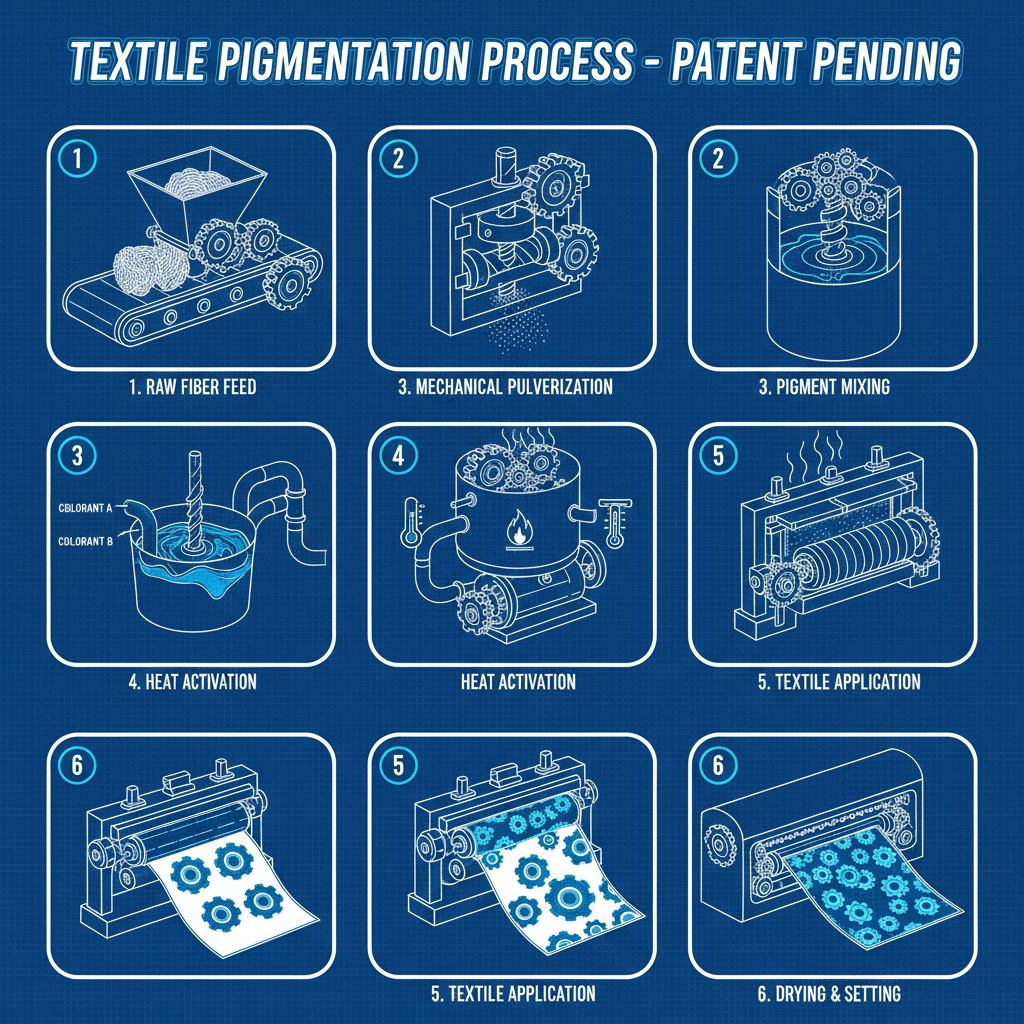
When evaluating the effectiveness of a textile dyeing chemicals list, manufacturers rely on quantitative data to determine which agents provide the best return on investment. This involves analyzing the "exhaustion rate"—the percentage of dye that actually moves from the water bath onto the fabric—and the "fixation rate," which determines how much color remains after washing.
By comparing different chemical formulations, such as traditional cationic dyes versus advanced disperse cationic hybrids, companies can optimize their resource allocation. This data-driven approach allows for a reduction in chemical waste, which directly impacts the bottom line and the environmental footprint of the facility.
Efficiency Comparison of Textile Dyeing Chemicals List Agents
Real-World Applications Across Regions
The application of a specialized textile dyeing chemicals list varies significantly by region based on the dominant textile production. In Southeast Asia, where polyester and acrylic blending is common, Disperse Cationic Dyestuffs are the gold standard for achieving neon and high-intensity colors that do not fade under tropical UV exposure.
In contrast, European luxury markets focus heavily on "Sustainable Dyeing" protocols. Here, the chemicals list is skewed toward bio-based auxiliaries and low-temperature dyes that reduce the carbon footprint of the heating process. For instance, in remote industrial zones of Italy, the integration of digital dyeing systems has allowed for the precise dosing of chemicals, eliminating the need for massive water baths.
Long-Term Value and Sustainability Benefits
Investing in a high-quality, scientifically curated textile dyeing chemicals list provides tangible long-term value. Beyond the immediate visual appeal, the use of superior Cationic Dyestuffs reduces the "re-dyeing" rate, which is a major cost sink in mass production. When color consistency is achieved on the first pass, labor costs drop and throughput increases.
From a sustainability perspective, the shift toward high-affinity chemicals means less dye is left behind in the effluent. This reduces the burden on wastewater treatment plants and lowers the risk of environmental fines. The social impact is equally significant, as reducing toxic chemical exposure improves the health and dignity of factory workers.
Ultimately, the value lies in trust. Brands that can certify their chemical usage through an audited textile dyeing chemicals list gain a competitive edge in the "conscious consumer" market, turning technical chemical compliance into a powerful marketing asset.
Future Innovations in Chemical Dyeing
The future of the textile dyeing chemicals list is being shaped by nanotechnology and digitalization. We are seeing the rise of "smart dyes" that can change color in response to temperature or pH levels, and the use of nano-carriers that deliver dye molecules deeper into the fiber core, reducing the need for harsh chemical catalysts.
Automation is also playing a pivotal role. AI-driven dosing systems can now analyze the fabric's moisture content in real-time and adjust the chemical mixture from the list to ensure 100% color uniformity. This removes the "human error" element from the dyeing vat and ensures that every batch is identical.
Sustainability will continue to drive innovation, with a move toward waterless dyeing technologies (such as supercritical CO2 dyeing). In these systems, the traditional textile dyeing chemicals list is replaced by specialized soluble dyes that don't require water as a medium, potentially eliminating water pollution from the textile industry entirely.
Comparative Analysis of Future Dyeing Technology Trends
| Technology Category |
Impact on Chemical List |
Eco-Friendliness Score (1-10) |
Industrial Adoption Rate |
| Waterless CO2 Dyeing |
Eliminates traditional auxiliaries |
10 |
Moderate |
| AI-Controlled Dosing |
Optimizes chemical concentration |
8 |
High |
| Nano-Dye Carriers |
Increases fixation rates |
7 |
Low |
| Bio-Synthetic Dyes |
Replaces petroleum-based dyes |
9 |
Moderate |
| Plasma Pre-treatment |
Reduces need for wetting agents |
8 |
Moderate |
| Digital Inkjet Printing |
Precision application of dyestuffs |
9 |
Very High |
FAQS
A professional list must prioritize dyestuffs (like Cationic and Disperse dyes) and auxiliaries. The most critical are the leveling agents, which ensure color uniformity, and the fixing agents, which prevent the dye from bleeding during washing. Without a balance of these, even the most expensive dyes will result in a low-quality fabric with poor fastness.
Cationic dyestuffs are positively charged, making them uniquely compatible with fibers that have anionic (negative) sites, such as acrylic and modified polyesters. Unlike reactive dyes that form a covalent bond, cationic dyes rely on strong electrostatic attraction, allowing for extremely brilliant colors and high exhaustion rates in specific synthetic textiles.
Yes, optimization involves replacing hazardous auxiliaries (like NPEs) with biodegradable alternatives and switching to dyes with higher fixation rates. High-fixation dyes ensure that more of the chemical stays on the fabric and less enters the wastewater, significantly reducing the COD (Chemical Oxygen Demand) of the plant's effluent.
Uneven dyeing is often caused by poor temperature control or inadequate mixing during the chemical application. Even with the right chemicals, if the temperature rises too quickly, the dye may "strike" the fabric too fast in certain areas. Proper use of leveling agents from the textile dyeing chemicals list can mitigate this by regulating the dye uptake speed.
The longevity depends on the "fastness" rating of the chemicals used. High-quality Cationic and Disperse dyes are engineered for permanent bonding. When paired with correct fixing agents, the color can last the entire lifecycle of the garment, resisting degradation from sunlight, sweat, and repeated laundry cycles.
Absolutely. Most global manufacturers follow OEKO-TEX Standard 100 or the ZDHC (Zero Discharge of Hazardous Chemicals) roadmap. These certifications ensure that the textile dyeing chemicals list used in production does not contain harmful substances like heavy metals or prohibited aromatic amines, making the fabric safe for human skin.
Conclusion
In summary, a well-structured textile dyeing chemicals list is the foundation of any successful textile operation. By integrating high-performance agents like Cationic and Disperse dyestuffs with advanced leveling and fixing auxiliaries, manufacturers can ensure a perfect balance of aesthetic brilliance, durability, and operational efficiency. The shift toward sustainable chemistry is no longer optional but a necessity for long-term viability in a global market that values both quality and ecology.
Looking ahead, the integration of AI and waterless dyeing technologies will further refine how we approach textile chemistry. For manufacturers, the recommendation is clear: transition toward high-affinity, low-impact chemicals to future-proof your production line. By prioritizing scientific precision over cost-cutting, you can achieve a standard of excellence that resonates with the modern consumer. Visit our website for more professional insights: www.yanhongchem.com