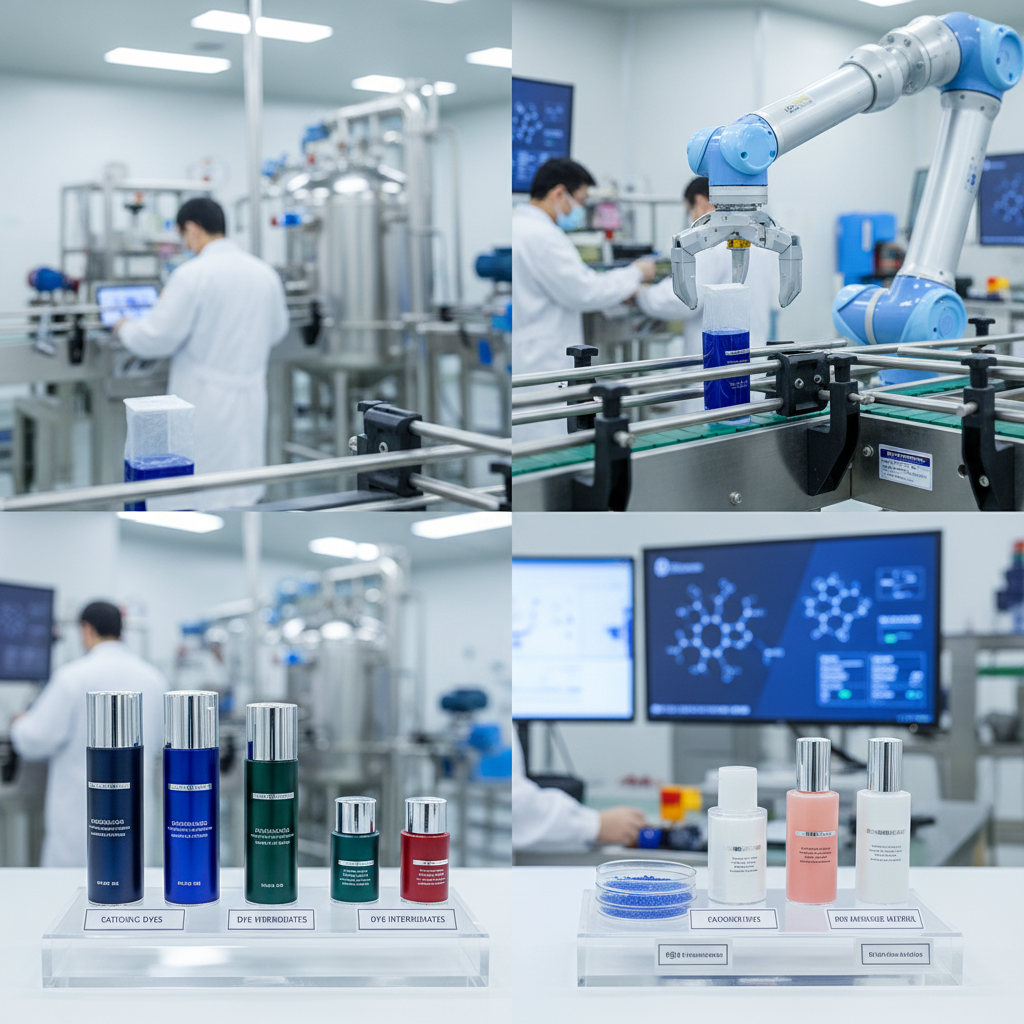
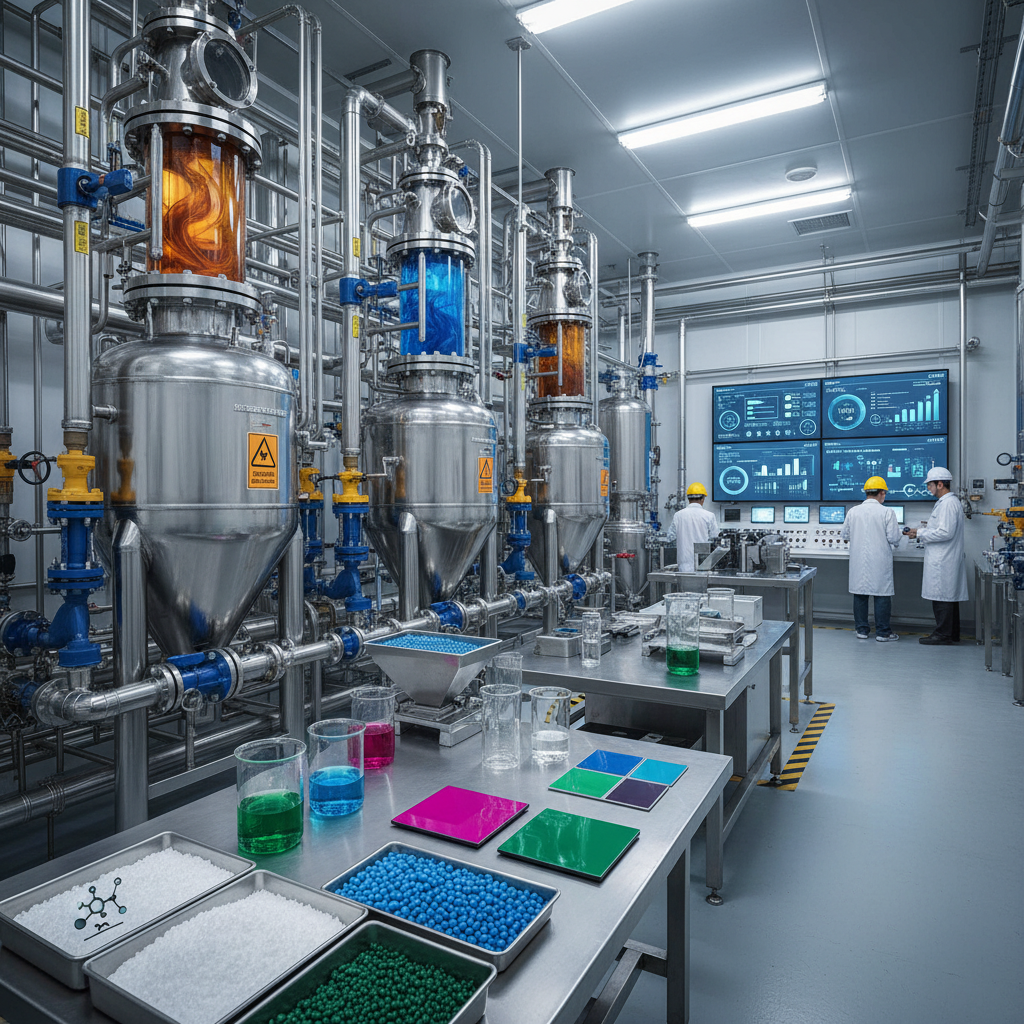
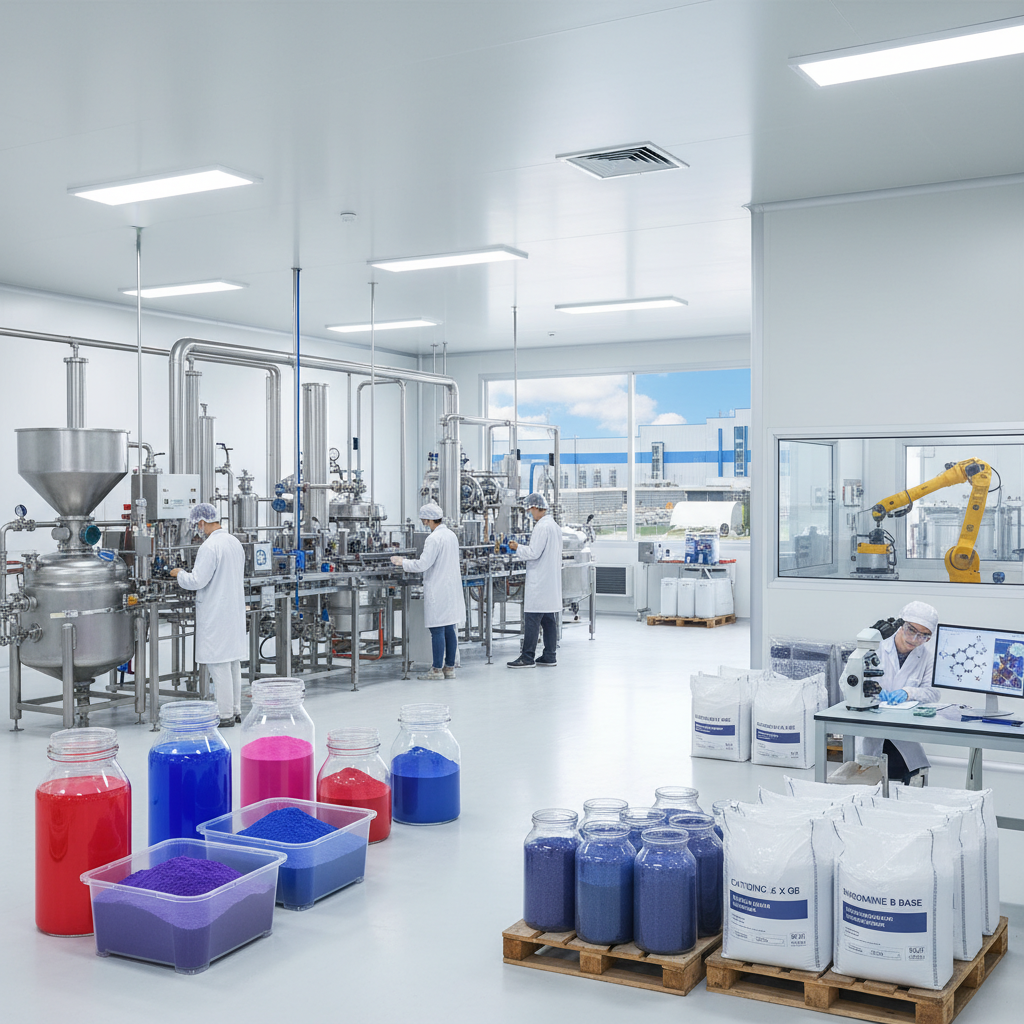
In the complex world of textile chemistry, selecting a major textile dye is not merely about choosing a color, but about ensuring the molecular bond between the pigment and the fiber remains steadfast through countless washes and environmental exposures. For manufacturers focusing on Cationic Dyestuff and Disperse Cationic Dyestuff, the precision of the chemical formulation determines the vibrancy and longevity of the final garment.
The global demand for high-performance textiles—ranging from athletic wear to industrial upholstery—has pushed the evolution of these coloring agents. Understanding the mechanisms of a major textile dye allows producers to optimize their dyeing cycles, reduce water waste, and achieve a level of color consistency that meets stringent international standards like ISO and OEKO-TEX.
Ultimately, the mastery of cationic dye chemistry represents a bridge between aesthetic desire and industrial durability. By analyzing the interaction between the positively charged dye molecules and the negatively charged synthetic fibers, companies can unlock superior brilliance and fastness, ensuring that the end product not only looks premium but performs reliably in real-world conditions.
Global Industry Context of a Major Textile Dye
On a global scale, the textile chemicals market is undergoing a seismic shift toward precision and sustainability. The use of a major textile dye, particularly within the cationic and disperse categories, is central to the production of acrylic and modified polyester fabrics. With the global apparel market continuing to expand, the pressure to maintain rapid production cycles without compromising on quality has never been higher.
Industry data suggests that efficiency in the dyeing process can reduce overall manufacturing costs by up to 15%. However, the challenge remains in balancing the high affinity of these dyes with the need to minimize environmental discharge. Modern facilities are now integrating advanced filtration and closed-loop systems to ensure that the chemical footprint of these powerful coloring agents is strictly managed.
Defining the Chemistry of a Major Textile Dye
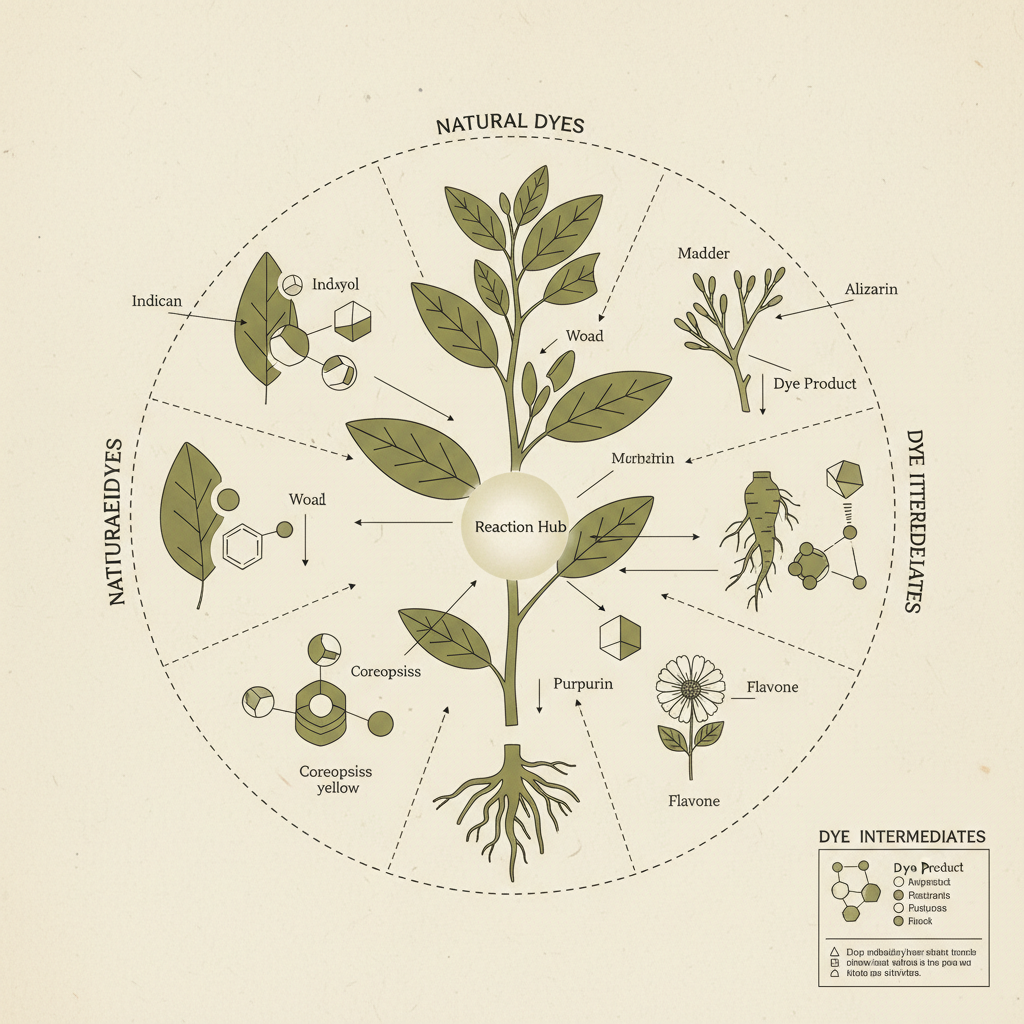
In simple terms, a major textile dye refers to a complex organic compound designed to absorb specific wavelengths of light while adhering firmly to a substrate. Cationic dyes, for instance, are characterized by their positive charge, which creates a strong electrostatic attraction to the negatively charged sites of fibers like polyacrylonitrile (acrylic).
This molecular attraction is what enables the "deep shade" capability associated with high-end textiles. Unlike basic pigments that merely sit on the surface, these dyes penetrate the fiber matrix, ensuring that the color becomes an integral part of the material rather than a superficial coating. This is crucial for products that face high friction or frequent laundering.
From a humanitarian and industrial perspective, the development of stable dyes has allowed for the creation of high-visibility safety gear, medical textiles, and durable clothing for extreme environments. By refining the chemistry of a major textile dye, we ensure that essential gear remains visible and functional, potentially saving lives in industrial and emergency contexts.
Core Components for Dye Performance
To achieve professional results, the performance of a major textile dye is evaluated across several critical dimensions. Firstly, Color Fastness refers to the dye's resistance to fading when exposed to sunlight, perspiration, or chlorine. This is achieved through the stability of the chromophore within the dye molecule.
Secondly, Substrate Affinity is the driving force that determines how much dye is absorbed versus how much is wasted in the effluent. In Cationic Dyestuff, this affinity is managed by controlling the pH and temperature of the dye bath, ensuring that a major textile dye bonds efficiently with the polymer chains.
Finally, Scalability and Cost Efficiency are the hallmarks of industrial-grade dyes. A dye must not only work in a laboratory beaker but must be reproducible across thousands of kilograms of fabric. This requires a high degree of purity and a standardized molecular weight to prevent "streaking" or uneven coloring in large-scale production.
Industrial Applications and Global Use Cases
The application of a major textile dye spans across diverse sectors. In the fashion industry, Disperse Cationic Dyestuffs are essential for creating the vibrant, neon, and deep jewel tones found in high-performance sportswear. These fabrics require a dye that can withstand intense stretching and perspiration without bleeding into other garments.
Beyond fashion, these dyes are utilized in remote industrial zones for the production of heavy-duty carpets and automotive interiors. For example, in the automotive sector, the dye must resist UV degradation to prevent the dashboard or seats from fading under direct sunlight, a requirement that only high-stability cationic formulations can meet.
Performance Comparison of a Major Textile Dye Variants
Long-Term Value and Economic Advantages
Investing in high-quality a major textile dye yields tangible economic benefits through the reduction of "re-dyeing" rates. When a dye has poor affinity or inconsistent shades, manufacturers often have to process the fabric multiple times, doubling the energy and water consumption. High-performance dyes eliminate this waste, directly increasing the profit margin per yard of fabric.
Furthermore, the emotional value of "color trust" cannot be overstated. Brands that consistently deliver the same shade of blue or red across different production batches build stronger consumer loyalty. By utilizing a stable and reliable a major textile dye, manufacturers provide a sense of reliability and luxury that elevates the perceived value of the clothing.
Future Innovations in Sustainable Dyeing
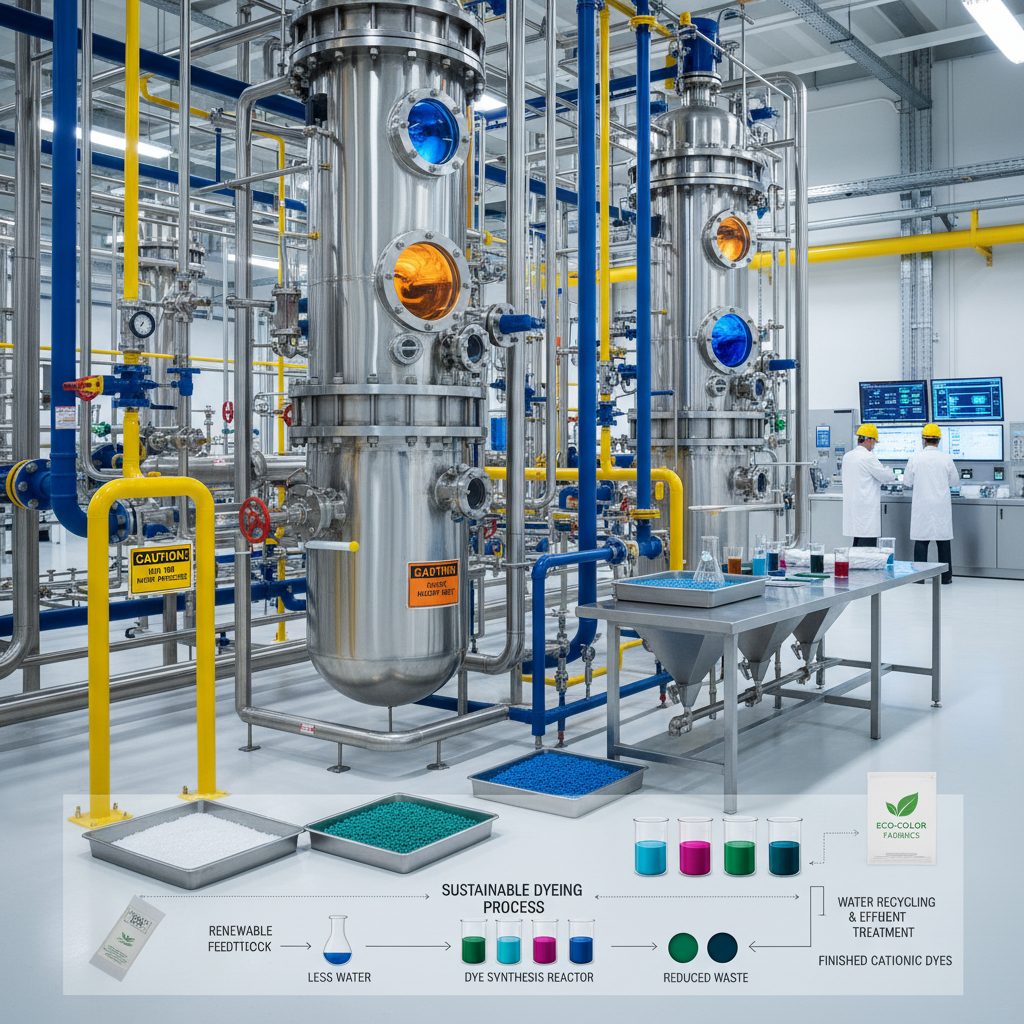
The future of a major textile dye is inextricably linked to the "Green Chemistry" movement. We are seeing a transition toward low-temperature dyeing processes, which significantly reduce the carbon footprint of the textile mill. By modifying the molecular structure of cationic dyes to activate at lower temperatures, the industry can slash energy costs while maintaining vibrant results.
Digital transformation is also playing a role through the integration of AI-driven color matching. Instead of manual trials, algorithms can now predict exactly how a major textile dye will react with a specific blend of acrylic and polyester, reducing the amount of sample waste generated during the development phase.
Moreover, the development of biodegradable dye carriers is helping the industry move toward a circular economy. These innovations ensure that the brilliance of modern textiles does not come at the cost of water toxicity, aligning industrial growth with global ecological goals.
Overcoming Technical Challenges in Dyeing
One of the most common challenges when using a major textile dye is the occurrence of "leveling" issues—where the color appears splotchy or uneven. This is often caused by the dye reacting too quickly with the fiber. To solve this, chemists introduce leveling agents that temporarily compete with the dye for the bonding sites, slowing down the process and ensuring a smooth, uniform finish.
Another hurdle is the sensitivity of some cationic dyes to water hardness. Minerals like calcium and magnesium can interfere with the dye's solubility and affinity. The professional solution involves the use of sequestering agents that "lock" these minerals, allowing the dye to interact purely with the fabric without interference.
By applying these expert insights, manufacturers can transform a temperamental chemical process into a streamlined industrial operation. The key lies in the synergy between the quality of the raw a major textile dye and the precision of the auxiliary chemicals used in the bath.
Comparison of Dyeing Challenges and Professional Solutions
|
Challenge Type
|
Impact on Fabric
|
Chemical Solution
|
Efficiency Gain
|
| Uneven Leveling |
Splotchy color/streaks |
Cationic Leveling Agents |
High (9/10) |
| UV Fading |
Loss of vibrancy |
UV Stabilizer Additives |
Medium (7/10) |
| Water Hardness |
Precipitation of dye |
EDTA Sequestering Agents |
High (8/10) |
| Low Affinity |
Pale shades/Poor wash-fastness |
pH Buffer Adjustment |
Medium (6/10) |
| Aggregation |
Dye clumps on fabric |
High-Shear Dispersion |
High (9/10) |
| Thermal Degradation |
Color shift at high temp |
Heat-Stable Formulations |
Medium (7/10) |
FAQS
Cationic dyes possess a positive charge, allowing them to bond ionically with negatively charged fibers like acrylic. Standard disperse dyes are non-ionic and rely on hydrophobic interactions and heat to penetrate polyester. This makes cationic dyes far more efficient for achieving deep, brilliant shades on specific synthetic fibers, though they require more precise pH control during the dyeing process.
To prevent bleeding, it is essential to ensure complete dye exhaustion—meaning most of the dye has moved from the water into the fiber. This is achieved by optimizing the temperature ramp and using a proper fixing agent after the dyeing cycle. Thorough rinsing and the use of a neutralizing agent can also remove unfixed dye particles that would otherwise bleed during the first wash.
Yes, provided they are sourced from reputable manufacturers and processed correctly. Modern a major textile dye is formulated to be free of banned aromatic amines and heavy metals. Following ISO and OEKO-TEX standards during production ensures that the final fabric is hypoallergenic and safe for all ages, including infants.
Mixing is possible but technically challenging. Because different dyes require different pH levels and temperatures, you typically have to use a "two-bath" method. If using a "one-bath" method, you must use a specialized hybrid dye or a carefully balanced auxiliary chemical package to ensure neither dye inhibits the other's affinity for the fiber.
Water quality is critical. High levels of calcium and magnesium (hard water) can cause the dye to precipitate, leading to spots or light patches. Professional dyers use water softening systems or chelating agents to ensure the water is "neutral," allowing the dye molecules to remain soluble and distribute evenly across the textile surface.
Store dyes in a cool, dry, and well-ventilated area away from direct sunlight and strong oxidizing agents. Ensure containers are airtight to prevent moisture absorption, which can cause clumping and inconsistent weighing. Following a "First-In, First-Out" (FIFO) inventory system ensures that the dyes are used while their chemical activity is at its peak.
Conclusion
The strategic application of a major textile dye is the cornerstone of modern synthetic textile production. From the intricate electrostatic bonds of Cationic Dyestuff to the industrial scalability required for global fashion, the chemistry of color is what transforms raw polymers into high-value consumer products. By focusing on color fastness, substrate affinity, and sustainable processing, manufacturers can achieve a perfect balance between aesthetic brilliance and operational efficiency.
As we look toward the future, the integration of green chemistry and AI-driven precision will further redefine the industry. Companies that embrace these innovations—reducing water waste and energy consumption while maintaining uncompromising quality—will lead the next generation of textile manufacturing. We invite you to explore our professional range of coloring solutions to elevate your product quality. Visit our website: www.yanhongchem.com