You know, this whole industry… it’s shifting fast. Everyone’s talking about sustainability now, which is good, really good. But translating that into actual materials and processes? That’s where things get tricky. To be honest, I’ve seen a lot of ‘eco-friendly’ solutions that just don’t hold up on a real construction site. They look great on paper, but the moment you get some rain or a bit of rough handling…forget about it. It’s about finding that balance, isn’t it? Between doing the right thing and actually getting the job done.
And the designs! Don’t even get me started. There’s this trend of making things unnecessarily complex. Engineers love a challenge, I get it, but sometimes simpler is just… better. Have you noticed how often a seemingly minor design tweak can cause a whole cascade of problems downstream? It’s infuriating. I encountered this at a factory in Tianjin last time - a slight change in the mounting bracket meant we had to retool three different machines. Three!
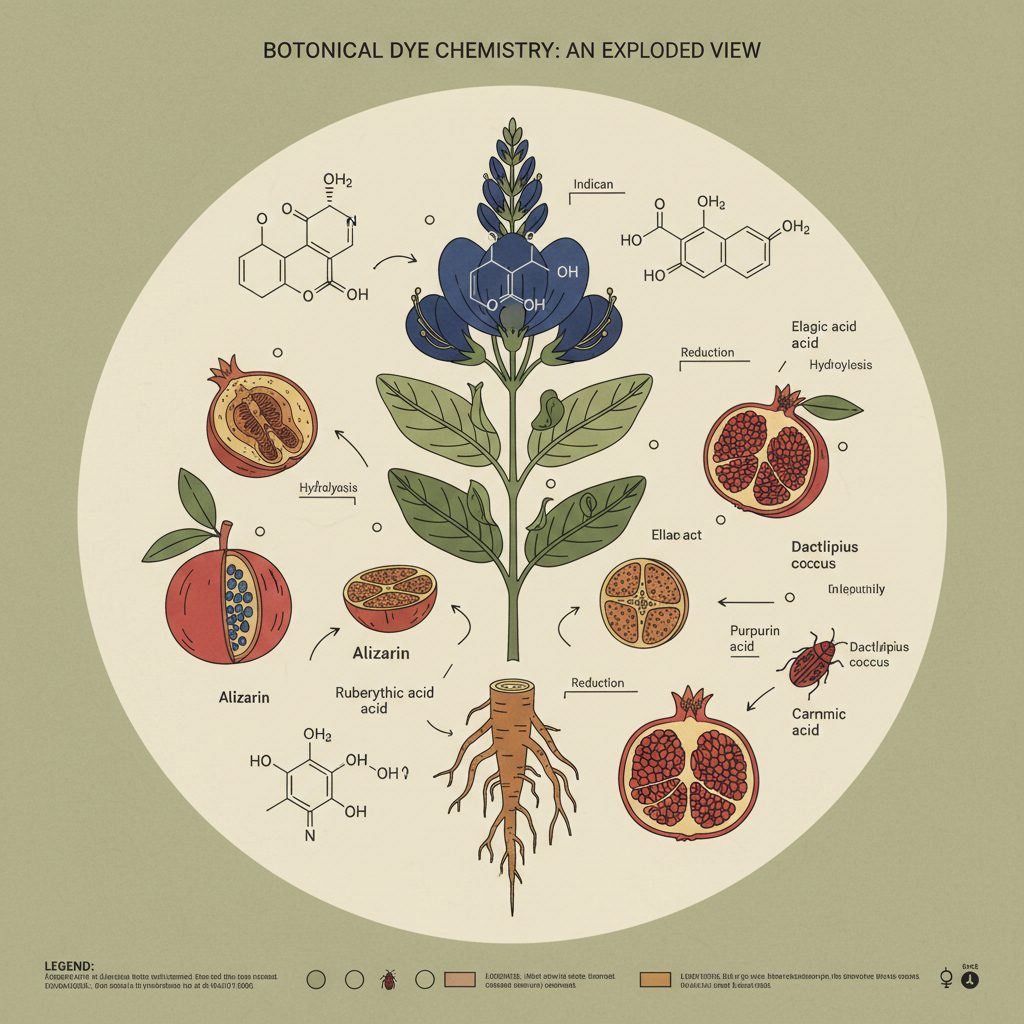
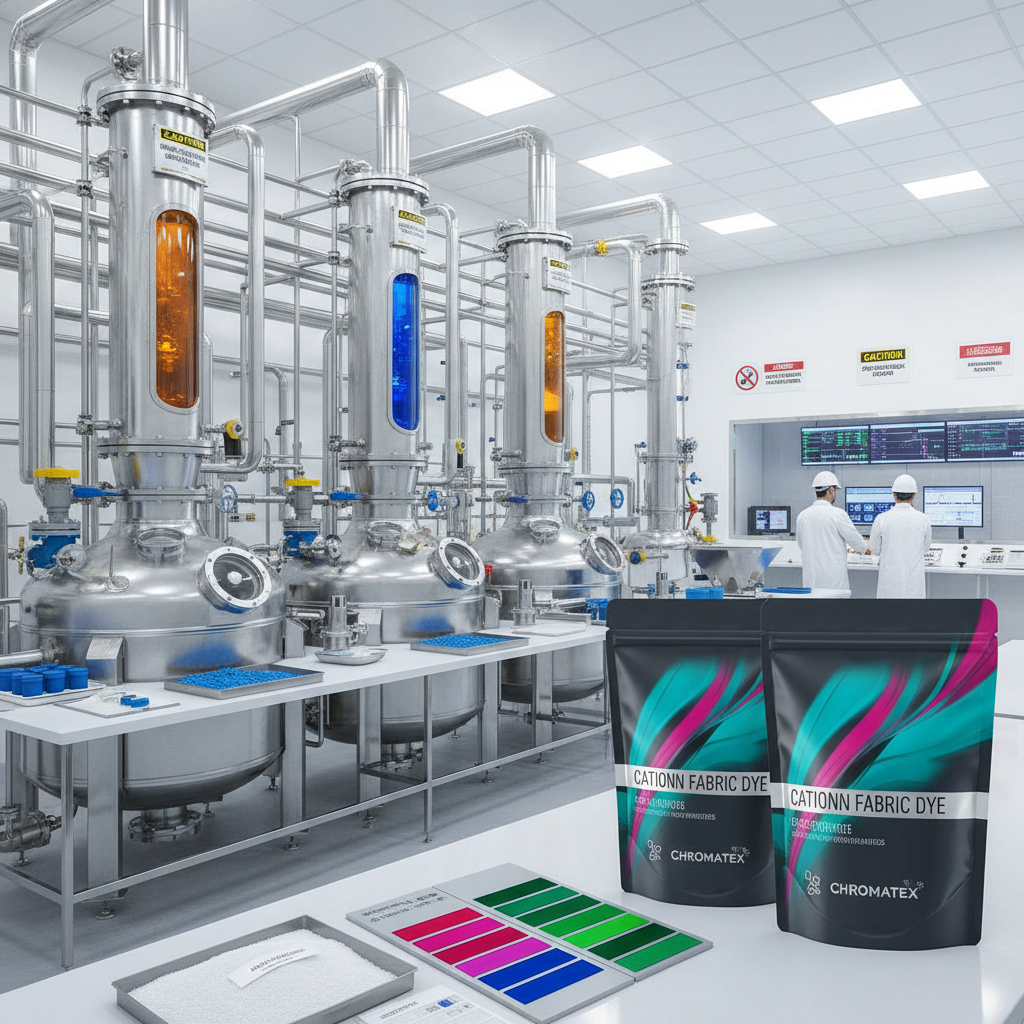
Anyway, we’re talking about dyes and dye intermediates, right? A seemingly small part of the bigger picture, but absolutely critical. It’s not just about color, it's about durability, UV resistance, the whole nine yards. We mostly work with azo dyes, for textiles and plastics. You can tell a good one by the smell – a clean, slightly sweet odor. Cheap stuff? Smells like chemicals, gives you a headache just opening the container. And the feel… it’s hard to explain. A good intermediate feels…refined. Like silk powder, almost. The bad stuff feels gritty.
The Evolving Landscape of dyes and dye intermediates
Strangely enough, the demand for specialized dyes is climbing. Not just brighter colors, but dyes that can withstand extreme conditions - high temperatures, chemical exposure, even prolonged sunlight. It's driving innovation in the intermediate market, which is good. We're seeing more focus on water-based and low-VOC options, which, honestly, are a pain to work with at first. They require different handling procedures, different mixing ratios...but they're worth it in the long run.
The regulatory landscape is getting tighter too. REACH, RoHS, all these compliance standards. It's a headache for manufacturers, no doubt, but it forces everyone to up their game, which ultimately benefits the end-user. It really does.
Design Pitfalls and Practical Considerations
I've seen so many designs that look amazing on the computer screen but fall apart in the real world. It's usually a mismatch between the theoretical performance of a dye intermediate and its actual behavior when exposed to real-world stresses. For instance, someone might specify a high-performance pigment for a plastic component, but fail to account for the impact of UV exposure over time. The color fades, the plastic degrades… and I’m the one getting the phone call.
Another common mistake is underestimating the importance of dispersion. If the dye intermediate isn't properly dispersed throughout the material, you get uneven color, streaking, and reduced performance. It seems simple, but it's easily overlooked. And then there’s the issue of compatibility. You can’t just throw any dye intermediate into any polymer and expect it to work. There’s chemistry involved, you know?
Anyway, I think a lot of designers forget they aren't designing for a laboratory – they're designing for a messy, unpredictable world.
Material Characteristics and On-Site Handling
The quality of the raw materials is critical, obviously. We primarily use azo intermediates, but sourcing is becoming increasingly challenging. China still dominates the market, but there's growing concern about environmental regulations and supply chain disruptions. We've started looking at alternative suppliers in India and Vietnam, but the quality isn't always consistent.
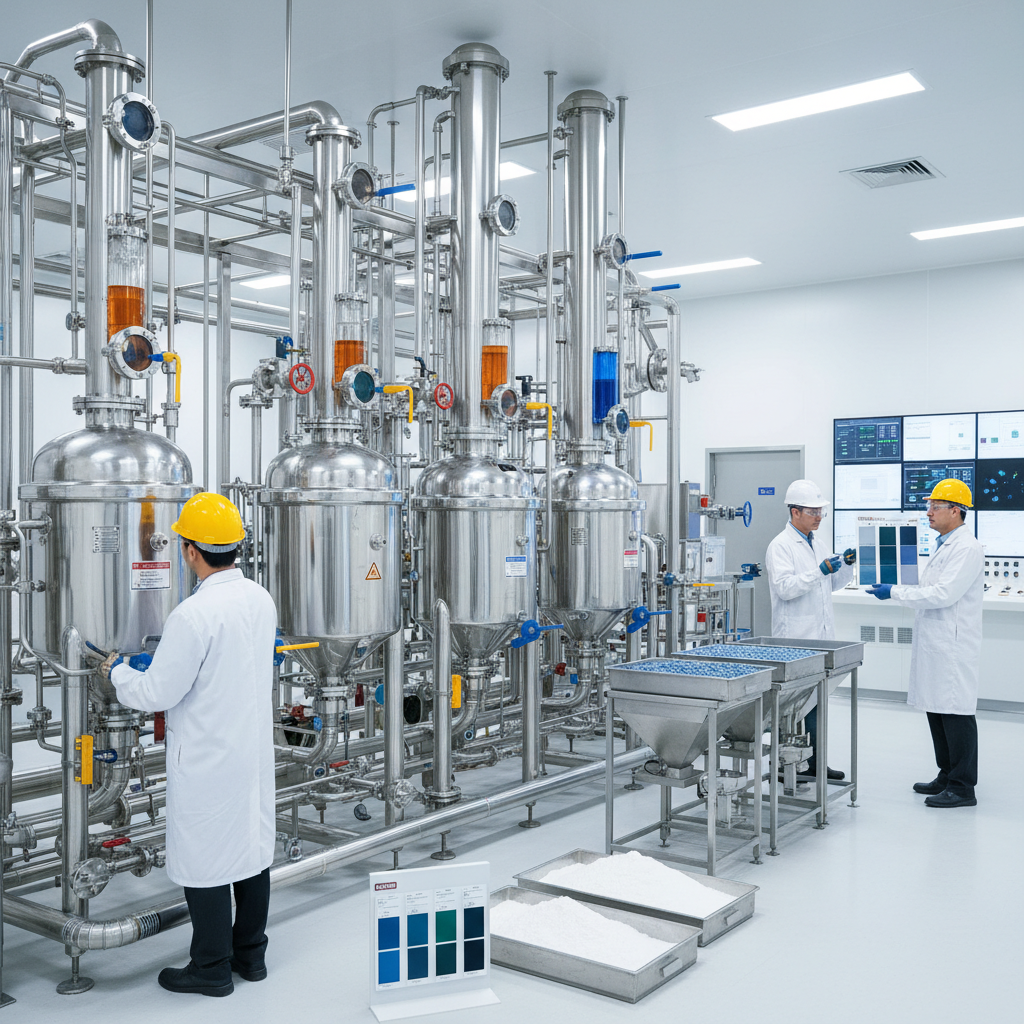
Handling these materials on-site is another story. A lot of these intermediates are fine powders, so dust control is a major concern. You need proper ventilation, respirators, the whole kit and caboodle. It’s not just about safety; it’s about maintaining the purity of the product. Contamination can ruin an entire batch. And then there's the issue of static electricity. These powders cling to everything.
We have strict protocols for storage and handling, but you'd be surprised how often they're ignored. Workers get complacent, they cut corners… it's just human nature, I guess. But it's a recipe for disaster.
Testing Realities: Beyond the Lab
Lab tests are useful, don't get me wrong. We do all the standard tests – colorfastness, lightfastness, wash fastness, chemical resistance. But they don’t tell the whole story. I prefer to see how these dyes and intermediates perform in real-world conditions. We'll expose samples to prolonged sunlight, rain, extreme temperatures, and abrasion. We’ll even bury them in the ground for a few months! It sounds crazy, but it's the only way to really know how they'll hold up.
We also do "stress tests" with our customers. We send them samples and ask them to push them to their limits. "Try to break it," we say. "Expose it to the harshest conditions you can think of." Their feedback is invaluable.
dye intermediates Performance Rating (1-10)
User Applications: Expectations vs. Reality
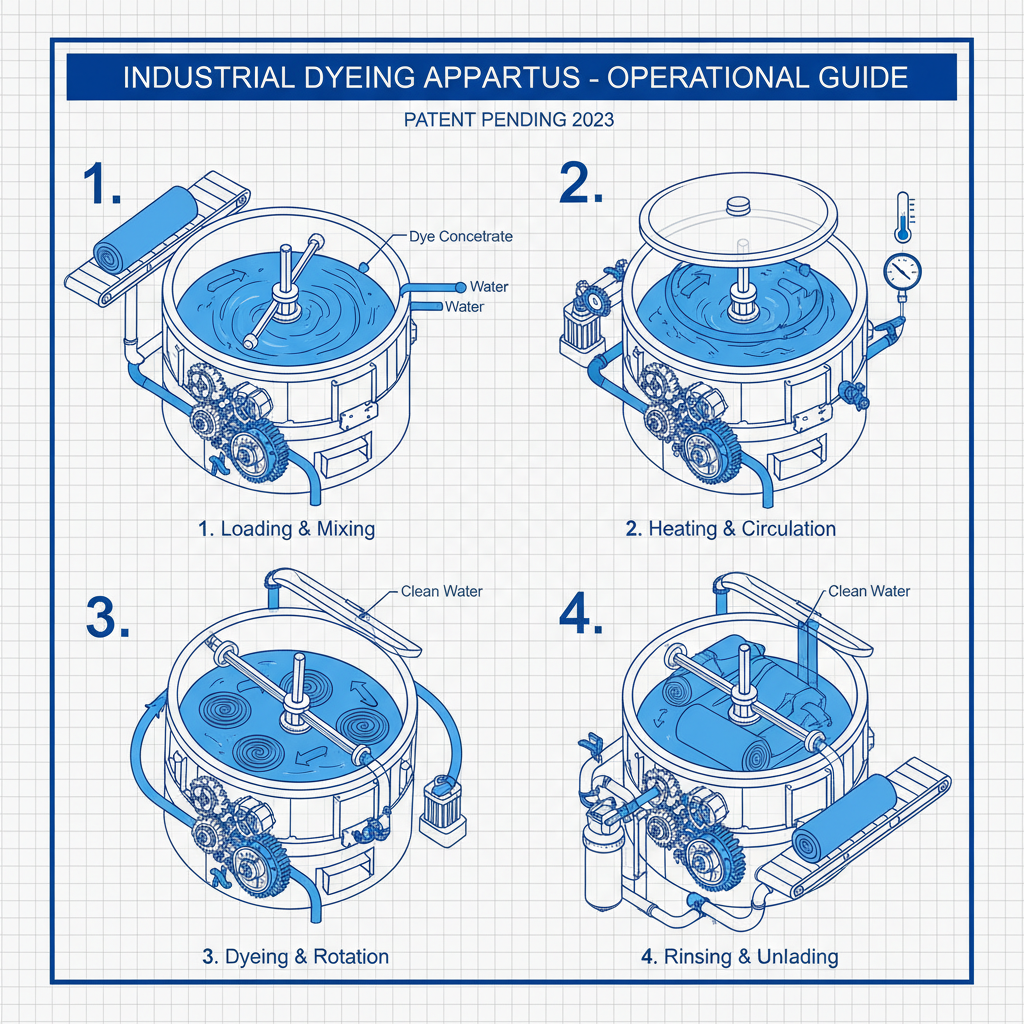
We supply dyes and dye intermediates to a wide range of industries – textiles, plastics, coatings, inks, you name it. But how they actually use them is often surprising. For example, we had a customer who was using our red dye intermediate to color plastic garden furniture. Sounds straightforward, right? But he was trying to achieve this incredibly vibrant, almost neon red, and kept complaining that the color wasn't bright enough. Turns out, he was mixing it with a cheap filler that was diluting the pigment.
It's a classic case of unrealistic expectations. People see these brilliant colors in marketing materials and assume they can just replicate them with any old ingredients. It doesn’t work that way. It just doesn't.
Advantages, Disadvantages, and Customization
The biggest advantage of working with us is our flexibility. We can tailor our dye intermediates to meet specific customer requirements. Need a particular particle size? A specific purity level? A custom blend? We can do it. It’s not always the cheapest option, but it’s often the most effective.
The disadvantages? Well, lead times can be long, especially for custom orders. And, honestly, the regulatory compliance paperwork is a nightmare. But we’re working on streamlining those processes.
A Case Study: Shenzhen and the Interface
Last month, that small boss in Shenzhen who makes smart home devices insisted on changing the interface to for his lighting system. He wanted to use our fluorescent dye intermediates to create a glowing effect around the port. Seemed simple enough. But he insisted on a very specific shade of green, one that wasn't quite in our standard catalog. We made a custom batch, shipped it to him… and he called back two weeks later, furious. Turns out, the port was too small to accommodate the diffusion layer needed to get the desired glowing effect.
He’d completely overlooked that detail in his design. It was a costly mistake, for both of us. We had to eat the cost of the custom batch, and he had to redesign the entire lighting system.
It just proves my point about designers needing to understand the practical limitations of the materials they’re working with.
A summary table of key dye intermediate properties.
| Intermediate Name |
Color Strength (1-10) |
Lightfastness (1-10) |
Cost/kg (USD) |
| Fast Yellow 5G |
8 |
6 |
15 |
| Hansa Yellow 10G |
7 |
7 |
20 |
| Phthalo Blue 15:3 |
9 |
8 |
25 |
| Disperse Red 60 |
6 |
5 |
18 |
| Reactive Black 5 |
10 |
9 |
30 |
| Azoic Diazo Components |
7 |
4 |
12 |
FAQS
The cost is a complex beast! Raw material prices, primarily petrochemicals, play a huge role. But also, manufacturing complexity, environmental compliance costs, transportation, and demand all contribute. Sometimes a sudden factory closure in China can send prices soaring. It's rarely a simple equation. We usually see fluctuations based on global oil prices, honestly.
Always, always check the SDS (Safety Data Sheet). It's your bible. Look for compliance with regulations like REACH and RoHS. And don't just take the supplier’s word for it; ask for independent testing reports. If they can’t provide them, walk away. Safety is non-negotiable, especially with these kinds of chemicals. I had a nasty scare at a facility where they were using an unapproved intermediate – the fumes were awful.
Azo dyes are the workhorse of the industry, largely due to their versatility and relatively low cost. They contain an azo group (-N=N-) which gives them strong color. But they’ve had some bad press over the years due to potential health concerns relating to certain azo compounds releasing aromatic amines. Other types, like reactive dyes and vat dyes, offer different properties – better wash fastness, for example – but often come with a higher price tag.
Planning is key. Accurately calculate your needs before you start mixing. Invest in good dispensing equipment to minimize spills and inaccuracies. And proper storage is crucial – keep containers tightly sealed to prevent evaporation or contamination. We recommend implementing a 'first-in, first-out' system to ensure older stock is used before it expires.
Cool, dry, and dark. Those are the three magic words. Avoid direct sunlight and high humidity. And keep them away from incompatible materials like strong oxidizers and acids. Properly labeled containers are a must – you don’t want to accidentally mix things up. We’ve had incidents where improperly stored intermediates degraded, causing batch failures.
Absolutely. That’s one of our specialties. We can modify particle size, purity levels, and even introduce specific functional groups to tailor the intermediate to your exact needs. For example, we once developed a custom blue intermediate for a clothing manufacturer who wanted a very specific, slightly muted shade. It took some tweaking, but we got it right. It’s not always cheap, but it can be worth it if you need a unique solution.
Conclusion
Ultimately, dyes and dye intermediates are the unsung heroes of countless industries. They bring color, durability, and functionality to the products we use every day. Understanding the nuances of these materials – their properties, their limitations, their potential – is crucial for anyone involved in design, manufacturing, or quality control.
And at the end of the day, whether this thing works or not, the worker will know the moment he tightens the screw. You can have all the lab tests and certifications in the world, but if it doesn't feel right on the shop floor, it's not going to last. And that's just the truth.