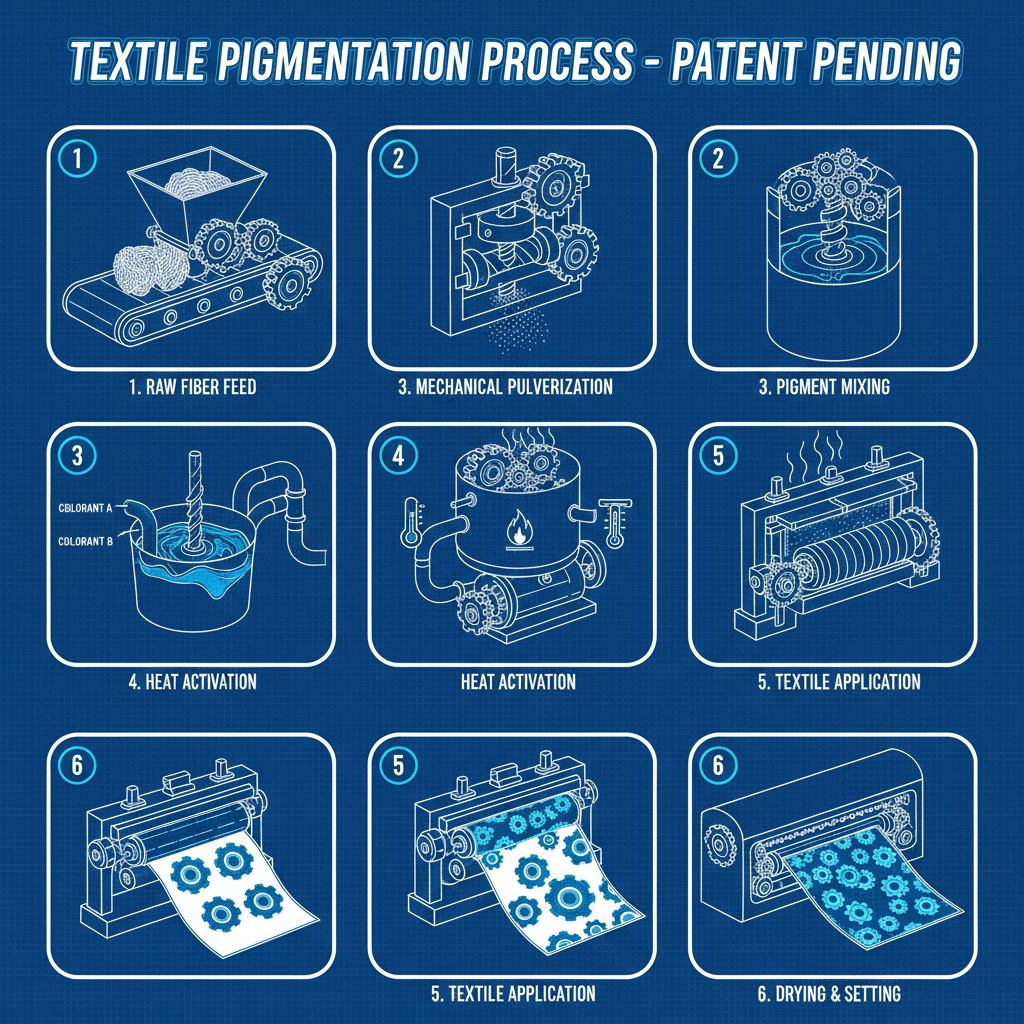
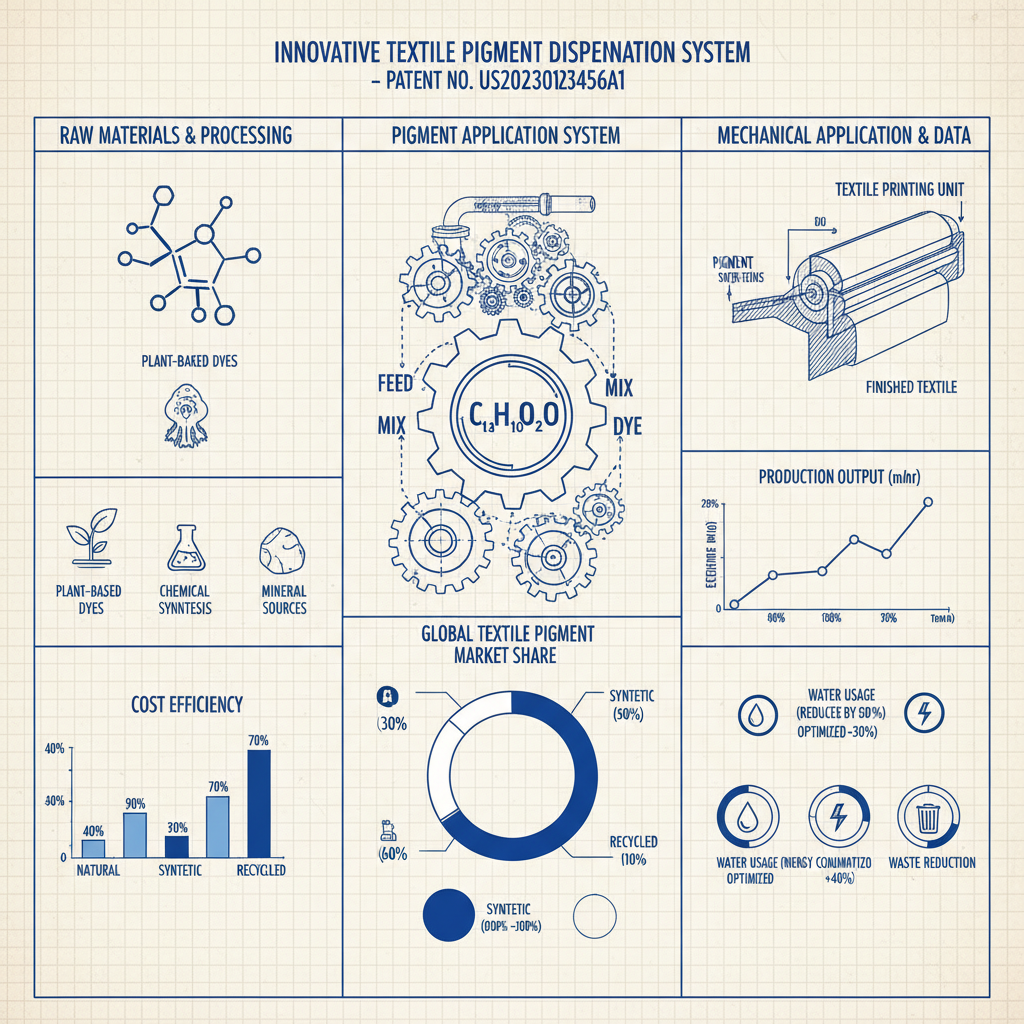
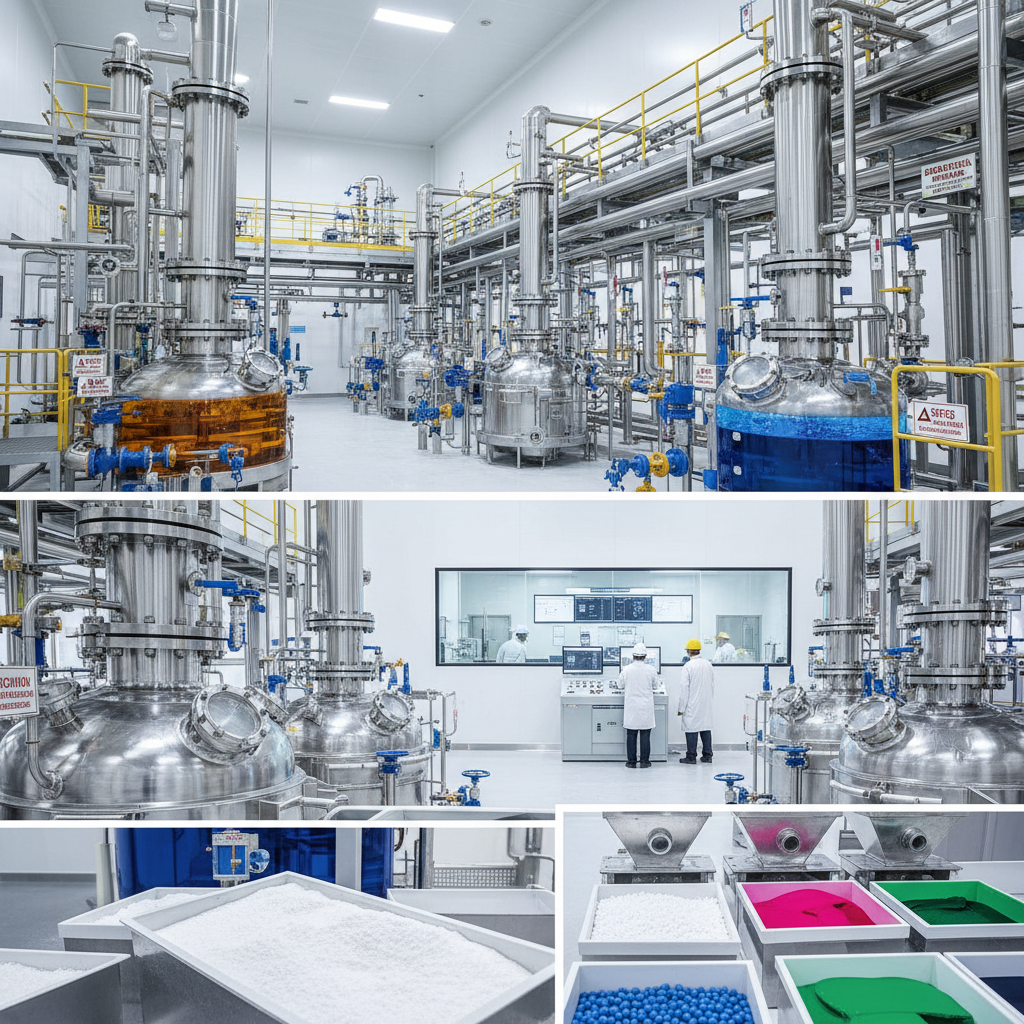
Textile pigments are essential colorants used in the textile industry, providing vibrant hues and durable finishes to fabrics. Globally, the demand for textiles continues to rise, driven by population growth and evolving fashion trends, directly impacting the need for high-quality pigments. Understanding textile pigment properties, applications, and innovations is crucial for manufacturers, designers, and consumers alike.
The textile pigment market is a multi-billion dollar industry, heavily influenced by factors like environmental regulations, sustainability concerns, and technological advancements. Increasing consumer demand for eco-friendly and high-performance textiles necessitates a shift towards more sustainable pigment solutions. This shift is driving research and development into bio-based and innovative pigment technologies.
From apparel and home furnishings to industrial textiles and technical applications, textile pigments play a critical role in enhancing the aesthetic appeal and functionality of a wide range of products. The ability to create durable, colorfast, and visually appealing textiles relies heavily on the proper selection and application of these vital colorants.
The Significance of Textile Pigment
The demand for vibrant and durable colors in textiles drives the importance of textile pigments. These insoluble colorants are incorporated into fibers to provide lasting color, unlike dyes which are absorbed by the material. The selection of appropriate textile pigment impacts both the aesthetic appeal and performance characteristics of the final product.
A critical component of the global textile supply chain, the textile pigment industry contributes significantly to economic growth and employment. Continued innovation in pigment technology ensures the production of high-quality, sustainable textiles meeting evolving consumer preferences and stringent industry standards.
Understanding Textile Pigments
Textile pigments are finely ground, insoluble particles used to impart color to textiles. They differ from dyes in that they don’t chemically bond with the fiber; instead, they are mechanically retained within or on the fiber structure. This makes them particularly suitable for textiles requiring high wash fastness and lightfastness.
These pigments are widely utilized in various textile printing techniques like screen printing, roller printing, and digital textile printing. They are frequently used for fabrics destined for outdoor applications, workwear, and garments requiring repeated washing, ensuring the color remains vivid and intact over time.
The modern textile industry relies on a diverse range of pigment chemistries, including organic and inorganic options, each offering unique properties and suitability for specific applications. Choosing the correct pigment involves considering factors like color shade, light fastness, wash fastness, and compatibility with the fiber type.
Key Characteristics of Textile Pigment
Durability is paramount when selecting textile pigments. The pigment must withstand repeated washing, exposure to sunlight, and general wear and tear without significant fading or color change. High-quality textile pigments boast excellent lightfastness and wash fastness ratings.
Particle size is a crucial factor influencing pigment dispersion and color strength. Finer particle sizes generally lead to better color yield and improved penetration into the fiber structure, resulting in more vibrant and consistent coloration. Uniform particle size distribution is also vital for smooth application.
Chemical inertness ensures that the pigment doesn’t react with other chemicals present during textile processing, such as sizing agents, bleaching agents, or finishing agents. This prevents unwanted color changes or degradation of the fiber. Stable pigments also guarantee consistent performance across different processing conditions.
Performance Metrics of Textile Pigment
Evaluating the performance of textile pigments involves several key metrics, including lightfastness, wash fastness, and rub fastness. Lightfastness assesses the pigment’s resistance to fading when exposed to sunlight, crucial for outdoor textiles.
Wash fastness measures the pigment’s ability to retain its color after repeated washing cycles. Rub fastness, on the other hand, indicates resistance to color transfer when the fabric is rubbed against another surface. These performance characteristics are vital for ensuring the longevity and quality of the finished textile product.
Comparative Performance of Different textile pigment Types
Diverse Applications of Textile Pigment
Textile pigments are broadly used in the apparel industry for coloring various fabrics, including cotton, polyester, and nylon. They provide a wide range of color options, catering to current fashion trends and design preferences, guaranteeing vibrant and long-lasting colors.
In the home textiles sector, pigments are utilized for coloring curtains, upholstery, bed linens, and carpets, enhancing the aesthetic appeal of interior spaces. The pigments' durability ensures the colors remain vibrant even with regular use and cleaning.
Advantages and Long-Term Value
Using high-quality textile pigments translates to significant cost savings in the long run due to their durability and resistance to fading. Reduced need for frequent re-dyeing or replacement of colored materials lowers overall production and lifecycle costs.
Sustainability is a major advantage, particularly with the development of eco-friendly pigments. Utilizing pigments that minimize environmental impact contributes to a more responsible and ethical textile industry, meeting increasing consumer demands for sustainable products.
Future Trends in Textile Pigment
Nanotechnology is playing an increasingly important role in textile pigment development, allowing for the creation of pigments with enhanced properties such as improved dispersion, color strength, and fastness. Nano-pigments promise a new era of vibrant and durable textile coloration.
The shift towards bio-based pigments, derived from renewable resources, is gaining momentum, driven by growing environmental awareness and demand for sustainable solutions. These pigments offer a viable alternative to traditional, petroleum-based options, reducing reliance on fossil fuels.
Digital textile printing, utilizing advanced inkjet technology, is revolutionizing the industry, enabling on-demand production, customized designs, and reduced waste. Optimizing textile pigments for digital printing applications is a key area of innovation.
Overview of Key Factors Influencing Textile Pigment Selection
| Fiber Type |
Application Method |
Performance Requirements |
Cost Analysis |
| Cotton |
Screen Printing |
High Wash Fastness (8-10) |
$5 - $8/kg |
| Polyester |
Digital Printing |
Moderate Light Fastness (6-8) |
$7 - $12/kg |
| Nylon |
Pad-Dry-Cure |
Excellent Rub Fastness (7-9) |
$6 - $10/kg |
| Silk |
Block Printing |
High Light Fastness (8-10) |
$10 - $15/kg |
| Linen |
Roller Printing |
Good Wash Fastness (6-7) |
$4 - $7/kg |
| Viscose |
Spray Printing |
Moderate Rub Fastness (5-6) |
$5 - $9/kg |
FAQS
Textile pigments are insoluble and remain on the surface or within the fiber, offering excellent wash and light fastness. Dyes, however, are soluble and chemically bond with the fiber, providing vibrant colors but potentially lower fastness properties. Pigments are often preferred for textiles needing durability, while dyes excel in achieving intense, transparent shades.
Selecting the appropriate pigment depends on factors like fiber type, desired color, application method, and performance requirements. Cotton often pairs well with pigment printing, while polyester requires pigments designed for synthetic fibers. Consider the necessary light and wash fastness, along with the printing technique being used, to ensure optimal results.
Yes, bio-based pigments derived from renewable resources are emerging as sustainable alternatives. These pigments reduce reliance on petroleum-based chemicals and offer lower environmental impact. Additionally, advancements in pigment production processes are minimizing waste and energy consumption, contributing to a greener textile industry.
Particle size significantly impacts pigment dispersion and color strength. Finer particles lead to better color yield and penetration into the fiber, resulting in more vibrant and consistent coloration. Uniform particle size distribution is crucial for smooth application and preventing defects like speckling or unevenness.
Improving fastness involves selecting high-quality pigments with inherent fastness properties and using appropriate binders and finishing agents. Proper fixation techniques, such as heat curing, can enhance pigment bonding with the fiber. Optimizing the application process and ensuring thorough washing after printing also contribute to improved fastness.
Recent innovations include the development of nano-pigments, offering enhanced color strength and durability; bio-based pigments, reducing environmental impact; and pigments optimized for digital textile printing, enabling on-demand customization and reduced waste. These advancements are transforming the textile industry towards greater sustainability and efficiency.
Conclusion
In conclusion, textile pigments are fundamental to creating vibrant, durable, and functional textiles across a vast range of applications. Understanding their properties, performance metrics, and emerging trends is critical for manufacturers, designers, and consumers alike. The continued innovation in pigment technology is driving the industry toward more sustainable and efficient practices.
Looking ahead, the adoption of eco-friendly pigments, nanotechnology, and optimized digital printing techniques will shape the future of textile coloration. Embracing these advancements will enable the creation of high-performance textiles that meet evolving consumer demands while minimizing environmental impact. For more information on high-quality textile pigments and innovative solutions, visit our website: www.yanhongchem.com.