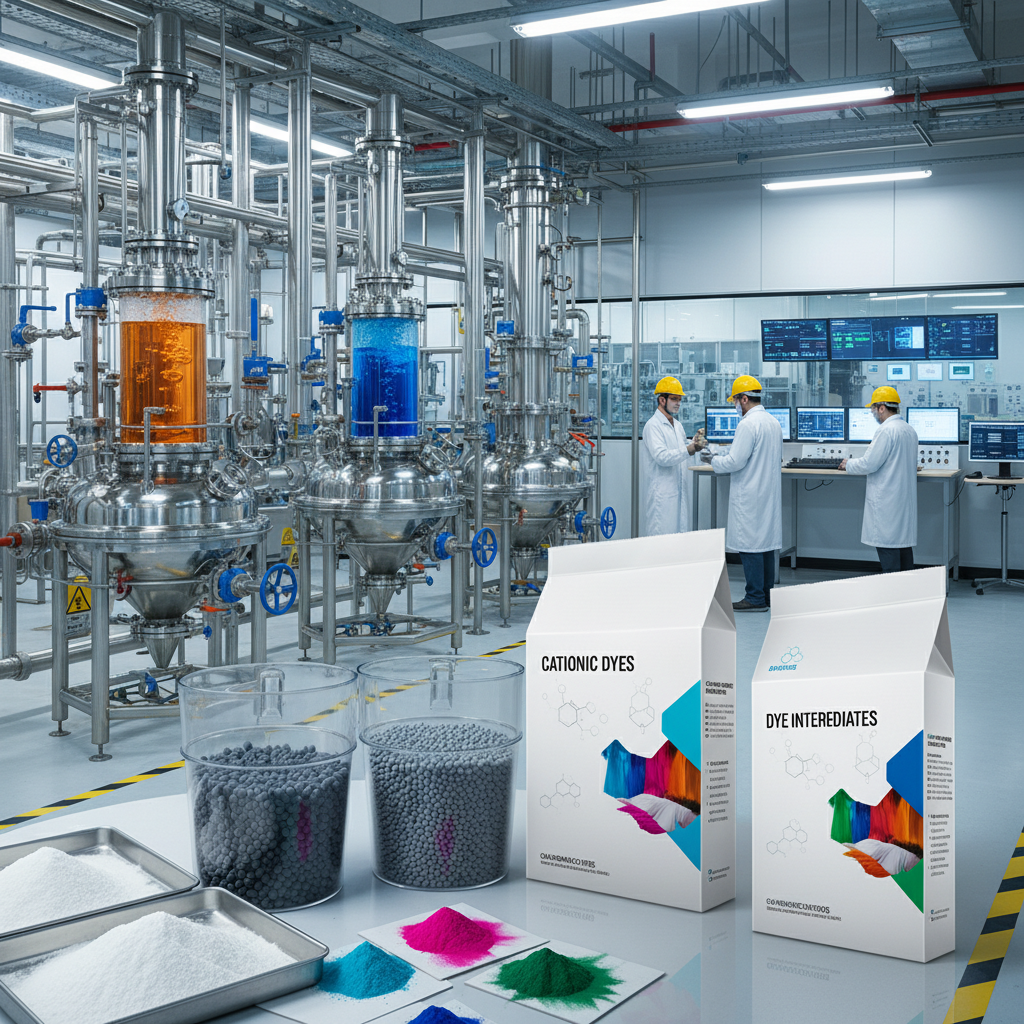
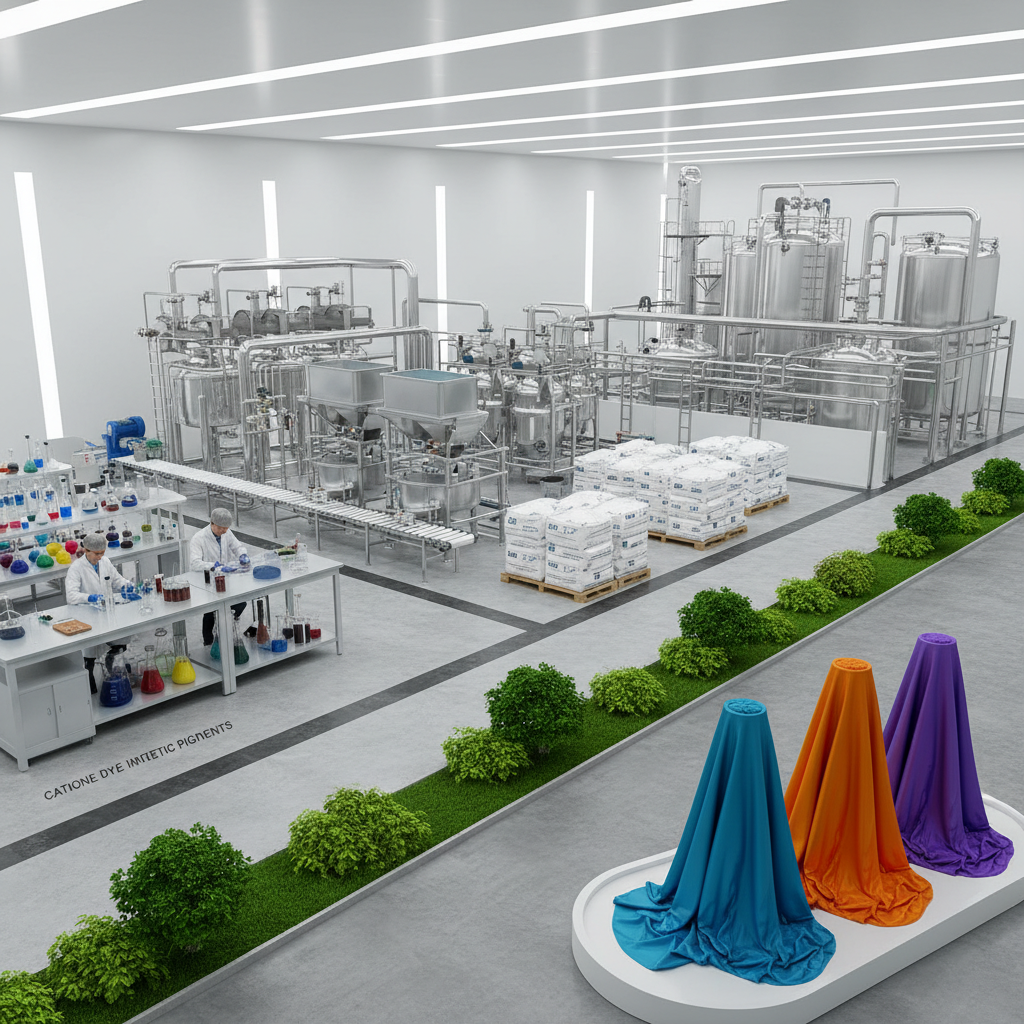
The world of fashion and textiles relies heavily on the science of color, and at the heart of that science lie textile industry dyes. These aren’t just about aesthetics; they’re fundamental to product functionality, durability, and even safety regulations across numerous applications. Understanding textile industry dyes is crucial for manufacturers, designers, and consumers alike, influencing everything from clothing and home furnishings to industrial fabrics and medical textiles.
Globally, the demand for vibrant, long-lasting, and sustainable dyes is ever-increasing, driven by a growing population and evolving consumer preferences. The textile industry is a significant contributor to the global economy, employing millions and generating billions in revenue. However, it also faces increasing scrutiny regarding its environmental impact, particularly concerning water pollution and chemical usage. Innovative dye technologies are thus vital to address these challenges and ensure the industry's future viability.
The ability to efficiently and responsibly color fabrics impacts everything from the cost of clothing to the effectiveness of protective gear. As sustainability becomes more important, advancements in textile industry dyes are critical for reducing environmental footprints and creating a more ethical supply chain. This comprehensive guide will explore the core aspects of textile dyes, their applications, future trends, and the challenges that lie ahead.
The Significance of Textile Industry Dyes
Textile industry dyes are far more than just a means of adding color to fabrics. They are integral to the performance characteristics of textiles, influencing properties like lightfastness, washfastness, and resistance to various environmental factors. The selection of appropriate dyes directly impacts the lifespan and usability of the final product, determining its suitability for diverse applications ranging from high-performance sportswear to durable outdoor gear.
The global market for textile dyes is substantial, reflecting the sheer volume of textiles produced worldwide. The continued growth of the fashion industry, coupled with increasing demand for technical textiles, fuels this demand. However, with growing consumer awareness of environmental issues, there's a rising expectation for dyes that are both effective and ecologically responsible. textile industry dyes manufacturers are thus facing increased pressure to innovate and adopt sustainable practices.
Defining Textile Industry Dyes
Textile industry dyes are substances used to impart color to textiles. They function by chemically bonding with the textile fibers, creating a lasting coloration. Unlike pigments, which remain on the surface of the fabric, dyes penetrate the fiber structure, resulting in superior washfastness and color brilliance. This bonding process is influenced by several factors, including the dye’s chemical composition, the fiber type (natural or synthetic), and the dyeing method employed.
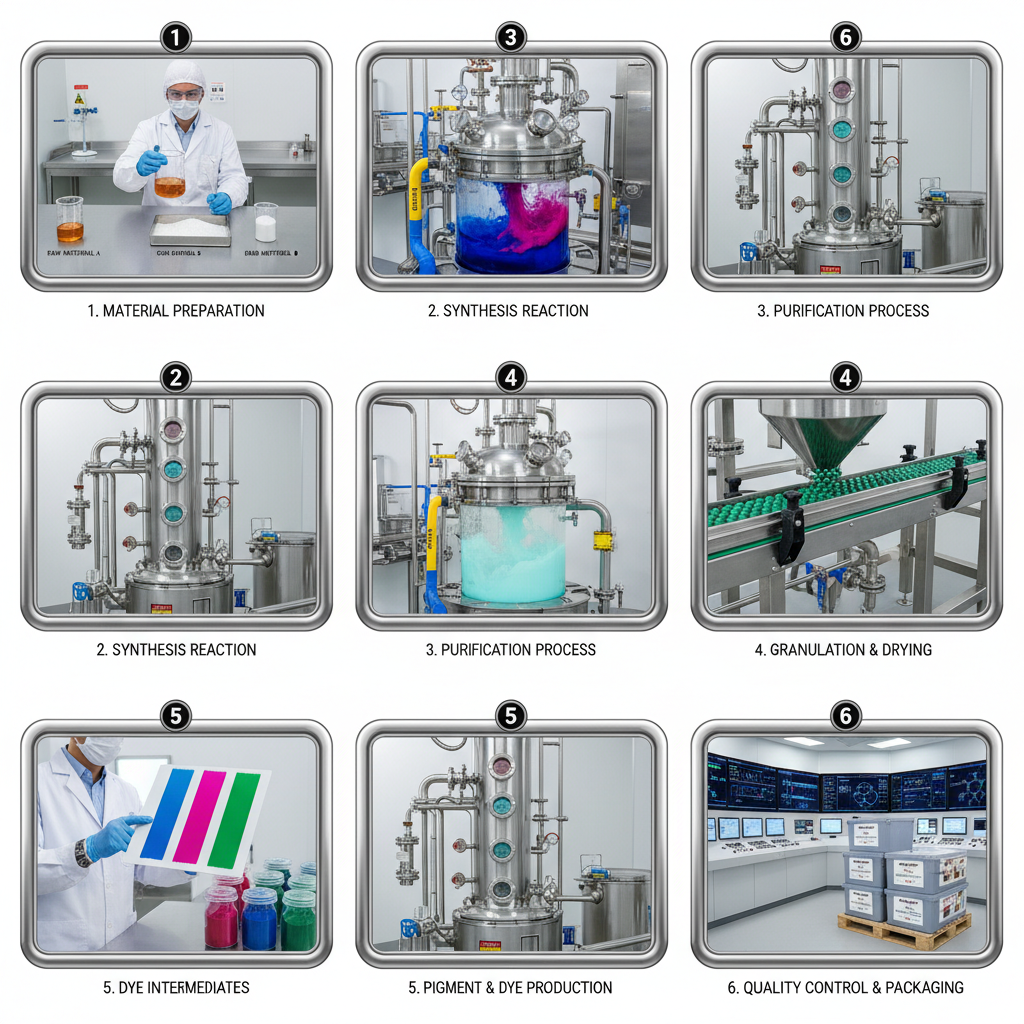
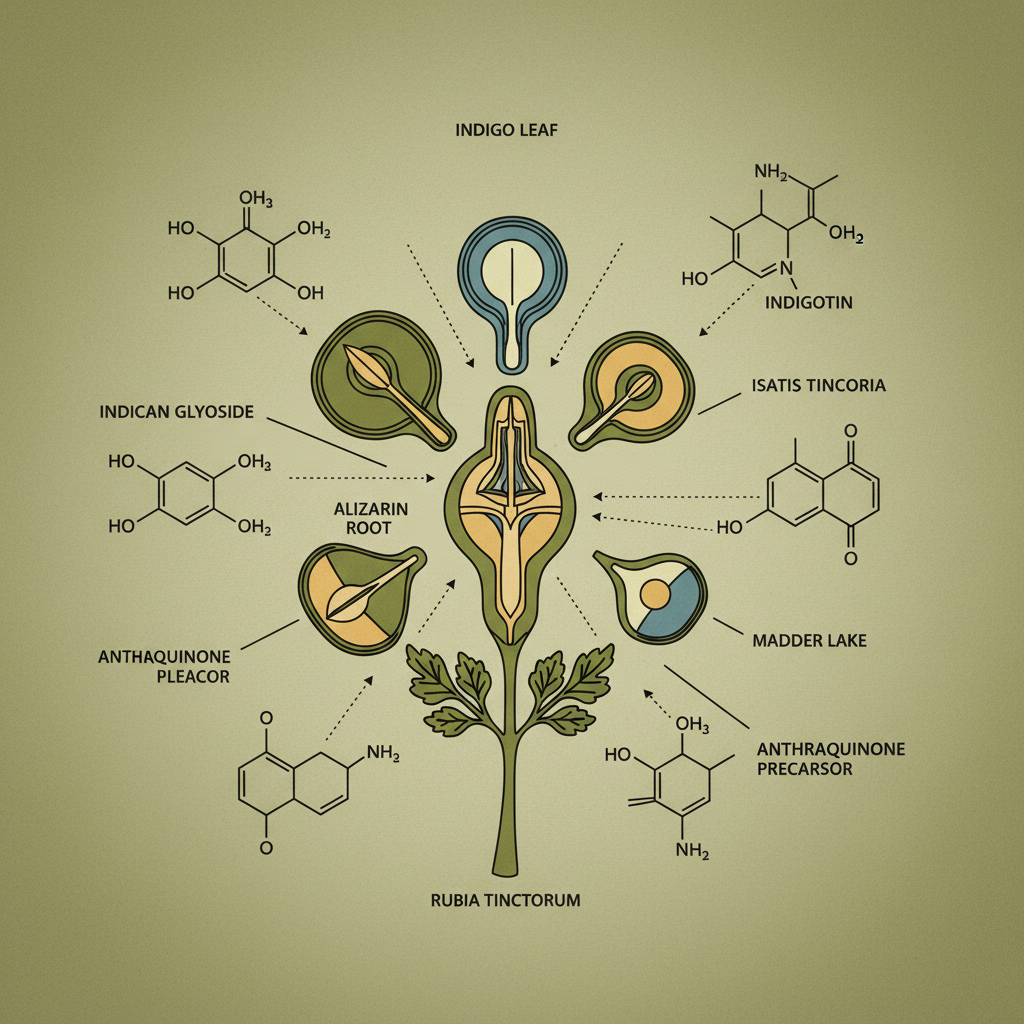
The origins of textile dyeing trace back thousands of years, initially utilizing natural sources like plants, insects, and minerals. Today, while natural dyes still hold niche appeal, the vast majority of textile dyes are synthetically produced, offering a wider range of colors, improved consistency, and enhanced performance characteristics. These synthetic dyes are categorized into different classes based on their chemical structure and application method, such as reactive dyes, direct dyes, vat dyes, and disperse dyes.
The importance of well-defined textile dyes extends beyond aesthetics. In medical textiles, for instance, the dyes used must be biocompatible and non-toxic, ensuring patient safety. Similarly, in industrial applications, dyes contribute to the durability and protective qualities of the fabric, meeting stringent safety standards. The ability to precisely control the dyeing process is therefore critical for meeting the diverse needs of modern industries.
Core Components of Effective Dyeing
Several key factors contribute to the success of the dyeing process and the quality of the final product. Firstly, dye affinity – the ability of a dye to attract and bond with the specific fiber – is paramount. Different dyes exhibit varying affinities for different fibers; for example, reactive dyes work best with cellulose fibers like cotton, while disperse dyes are suited for synthetic fibers like polyester.
Secondly, dye solubility plays a vital role. The dye must be sufficiently soluble in the dyeing medium (usually water) to allow for uniform penetration into the fiber. Poor solubility can lead to uneven coloration and spotting. Thirdly, fastness properties – including lightfastness, washfastness, and rubfastness – determine the dye’s resistance to fading, bleeding, and abrasion, influencing the longevity and durability of the colored textile.
Finally, dyeing method itself significantly impacts the outcome. Common methods include exhaust dyeing, continuous dyeing, and batch dyeing, each suited to different fiber types, dye classes, and production scales. Careful control of temperature, pH, and dyeing time is essential to achieve optimal color yield and uniformity. Understanding these components ensures successful implementation of textile industry dyes.
Global Applications of Textile Dyes
Textile industry dyes find applications across a remarkably diverse range of industries. In the fashion and apparel sector, dyes are essential for creating the vibrant colors and patterns that drive consumer trends. From everyday clothing to high-fashion garments, the choice of dyes influences both aesthetic appeal and product cost. Similarly, in the home textiles industry, dyes are used to color fabrics for curtains, upholstery, bedding, and carpets, impacting interior design and consumer comfort.
Beyond consumer goods, textile dyes are critical in industrial and technical textiles. These applications include coloring fabrics for automotive interiors, protective clothing for firefighters and industrial workers, and filtration materials. In these contexts, dyes not only provide color but also contribute to the functional properties of the fabric, such as UV resistance or flame retardancy. In regions like Asia, particularly China and India, significant manufacturing hubs for textiles, the demand for dyes is particularly high.
Dye Method Efficiency Comparison
Advantages and Long-Term Value
The benefits of utilizing high-quality textile industry dyes extend far beyond aesthetic appeal. From a cost perspective, efficient dyeing processes, achieved through the selection of appropriate dyes and methods, can minimize dye waste and reduce water consumption, lowering production costs. Furthermore, durable dyes enhance the lifespan of textiles, reducing the need for frequent replacements, contributing to long-term savings for consumers.
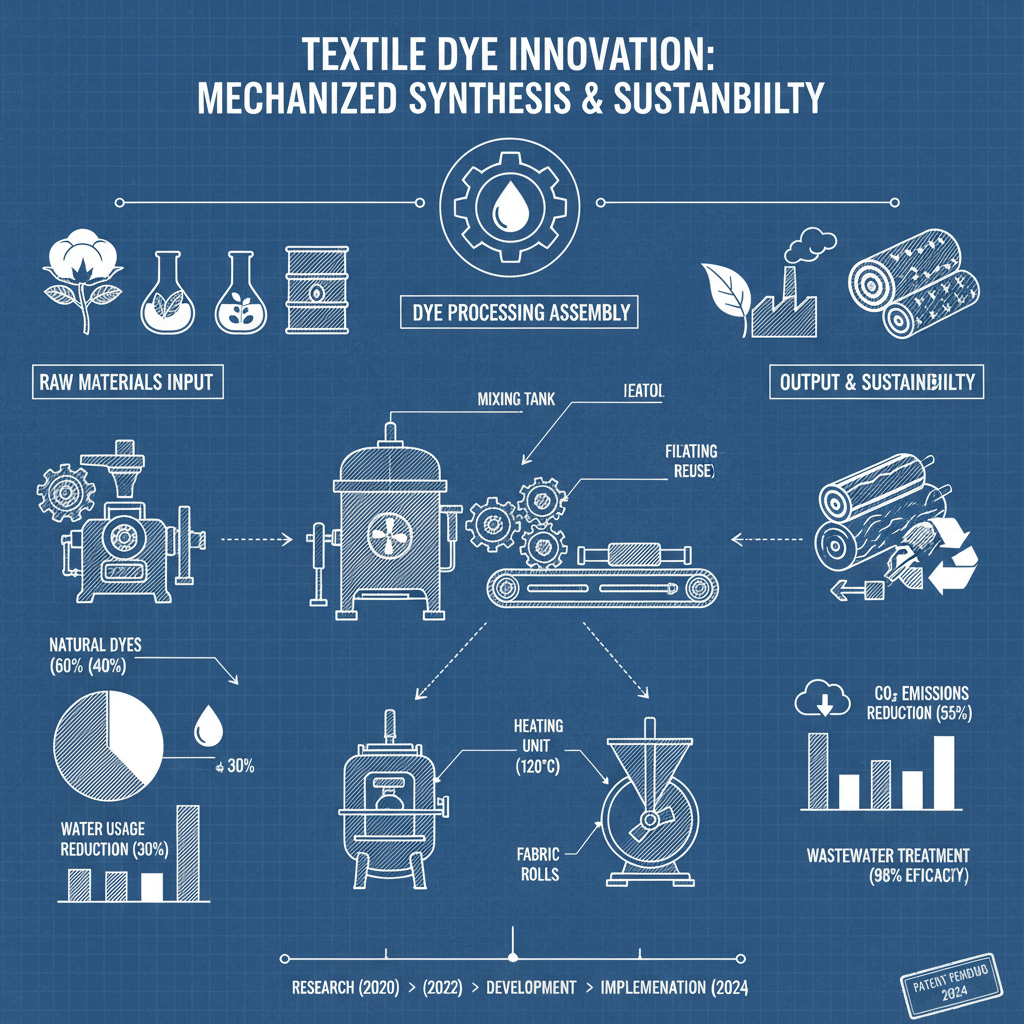
In terms of sustainability, the development and adoption of eco-friendly dyes are crucial. These dyes minimize the release of harmful chemicals into the environment, reducing water pollution and protecting ecosystems. The growing demand for sustainable textiles drives innovation in this area, fostering a more responsible and ethical industry. textile industry dyes play a crucial role in meeting these sustainability goals.
Future Trends in Textile Dye Technology
The future of textile dyeing is poised for significant advancements driven by sustainability concerns and technological innovation. Digital textile printing is gaining prominence, offering precise color control, reduced water usage, and the ability to produce customized designs efficiently. This technology enables on-demand production, minimizing waste and inventory costs.
Another emerging trend is the development of bio-based dyes derived from renewable sources like agricultural waste and microorganisms. These dyes offer a more sustainable alternative to traditional synthetic dyes, reducing reliance on fossil fuels and minimizing environmental impact. Additionally, research into nanotechnology holds promise for creating dyes with enhanced performance characteristics, such as improved lightfastness and washfastness.
Challenges and Sustainable Solutions
Despite advancements, the textile dyeing industry faces ongoing challenges. Water pollution remains a significant concern, as conventional dyeing processes often release large volumes of contaminated wastewater. Energy consumption is also high, particularly in processes requiring high temperatures and long dyeing times. Furthermore, the toxicity of certain dyes poses risks to human health and the environment.
To address these challenges, sustainable solutions are crucial. These include implementing closed-loop dyeing systems that recycle and reuse water, adopting low-impact dyes with reduced environmental impact, and exploring alternative dyeing technologies like supercritical carbon dioxide dyeing, which eliminates the need for water. Investing in research and development of innovative, eco-friendly textile industry dyes is key to overcoming these obstacles.
Collaborative efforts between dye manufacturers, textile producers, and research institutions are essential to drive sustainable practices throughout the entire supply chain. Promoting transparency and traceability, as well as adopting circular economy principles, will also contribute to a more responsible and resilient textile industry.
Summary of Sustainable Dyeing Solutions
| Solution Category |
Technology/Approach |
Environmental Impact |
Cost Effectiveness |
| Water Management |
Closed-Loop Recycling Systems |
Significant Reduction in Water Consumption & Pollution |
Medium (Initial Investment) |
| Dye Chemistry |
Bio-Based Dyes |
Reduced Reliance on Fossil Fuels, Lower Toxicity |
High (Currently Higher Production Costs) |
| Dyeing Processes |
Supercritical CO2 Dyeing |
Eliminates Water Usage, Reduced Chemical Waste |
High (Specialized Equipment Required) |
| Printing Technology |
Digital Textile Printing |
Reduced Water & Dye Consumption, Precise Application |
Medium (Initial Investment, Lower Running Costs) |
| Waste Treatment |
Advanced Oxidation Processes (AOPs) |
Effective Removal of Dye Pollutants from Wastewater |
Medium to High (Energy Consumption) |
| Supply Chain |
Traceability & Transparency Systems |
Promotes Responsible Sourcing, Reduces Environmental Risks |
Low to Medium (Implementation Costs) |
FAQS
Currently, bio-based dyes derived from sources like plants, algae, and bacterial fermentation are considered among the most environmentally friendly options. They minimize reliance on petroleum-based chemicals and often require less water during processing. However, their color range and fastness properties are still under development. Natural dyes also offer sustainability, but consistent color and scalability can be challenges. Innovations in reactive dye formulations with reduced heavy metal content are also making significant strides in minimizing environmental impact.
The dyeing method employed directly impacts production costs. Batch dyeing is generally the most affordable for smaller runs, but can be labor-intensive. Continuous dyeing is efficient for large-scale production but requires significant initial investment in machinery. Digital textile printing offers flexibility and reduced waste for customized designs, but can be more expensive for large solid color applications. The cost of the dyes themselves, water usage, energy consumption, and wastewater treatment all contribute to the overall cost.
Reactive dyes form a chemical bond with cellulose fibers (like cotton, linen, and viscose), resulting in excellent washfastness and vibrant colors. They're ideal for garments and home textiles that require frequent washing. Disperse dyes, on the other hand, are used for synthetic fibers like polyester and nylon. They don’t bond chemically but are trapped within the fiber structure, providing good colorfastness for synthetics. Using the wrong dye type will result in poor color retention and fading.
Textile manufacturers must adhere to strict regulations like REACH (Registration, Evaluation, Authorisation and Restriction of Chemicals) in Europe and similar standards in other regions. This involves sourcing dyes from reputable suppliers who provide detailed safety data sheets (SDS) and certifications confirming compliance with restricted substance lists (RSLs). Regular testing of dyes and finished products for harmful substances is also essential, along with implementing robust quality control measures throughout the production process.
pH is a critical factor in the dyeing process as it influences dye solubility, fiber reactivity, and dye-fiber bonding. Different dyes require specific pH ranges for optimal performance. For example, reactive dyes typically require an alkaline pH, while acid dyes require an acidic pH. Incorrect pH levels can lead to uneven dyeing, poor color yield, and reduced colorfastness. Maintaining precise pH control throughout the dyeing process is essential for achieving consistent and high-quality results.
Yes, research is ongoing in developing smart dyes that respond to stimuli like temperature, light, or pH. These “chromic” dyes have potential applications in a variety of areas, including wearable technology, sensors, and security features. For instance, thermochromic dyes change color with temperature, while photochromic dyes respond to light intensity. While still largely in the experimental stage, these dyes offer exciting possibilities for creating dynamic and interactive textiles.
Conclusion
Textile industry dyes are fundamental to a vast array of industries, impacting not only the aesthetics of fabrics but also their performance, durability, and environmental footprint. From traditional synthetic dyes to innovative bio-based alternatives, the field is continually evolving, driven by the need for greater sustainability and efficiency. Understanding the core principles of dyeing, the diverse range of dye classes, and the emerging trends is essential for manufacturers, designers, and consumers alike.
Looking ahead, continued investment in research and development will be crucial to unlock new, more sustainable dye technologies and optimize existing processes. Collaboration across the textile supply chain, coupled with a commitment to transparency and responsible sourcing, will be vital for building a future where fashion and functionality coexist harmoniously with environmental stewardship. Explore the possibilities further at www.yanhongchem.com.