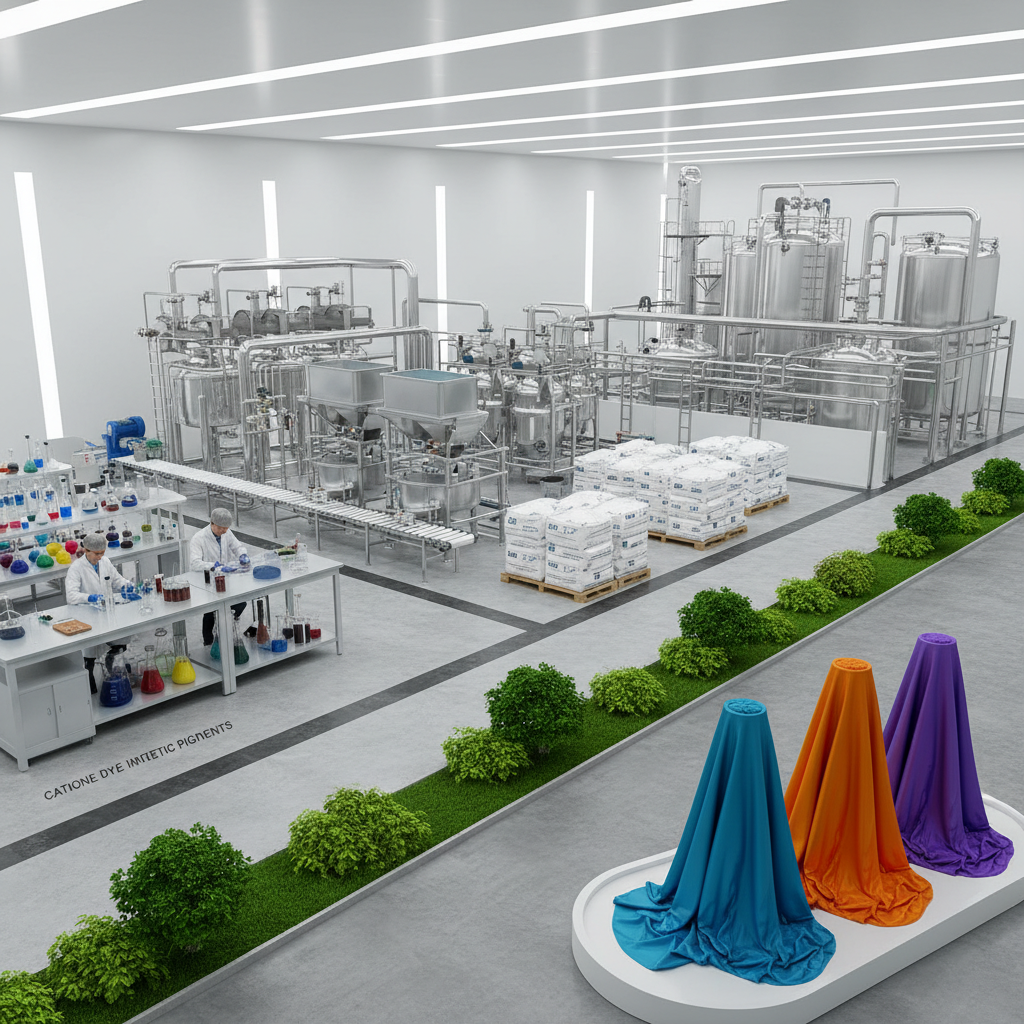
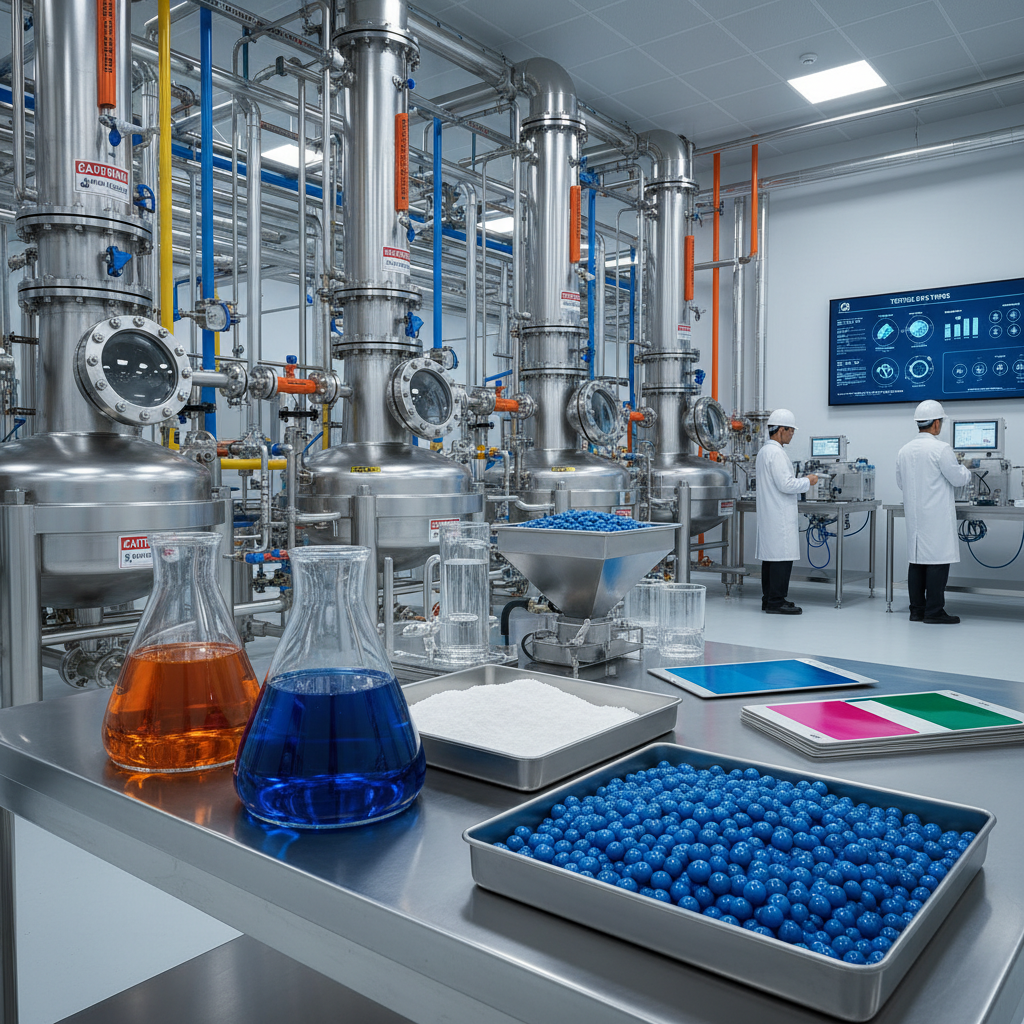
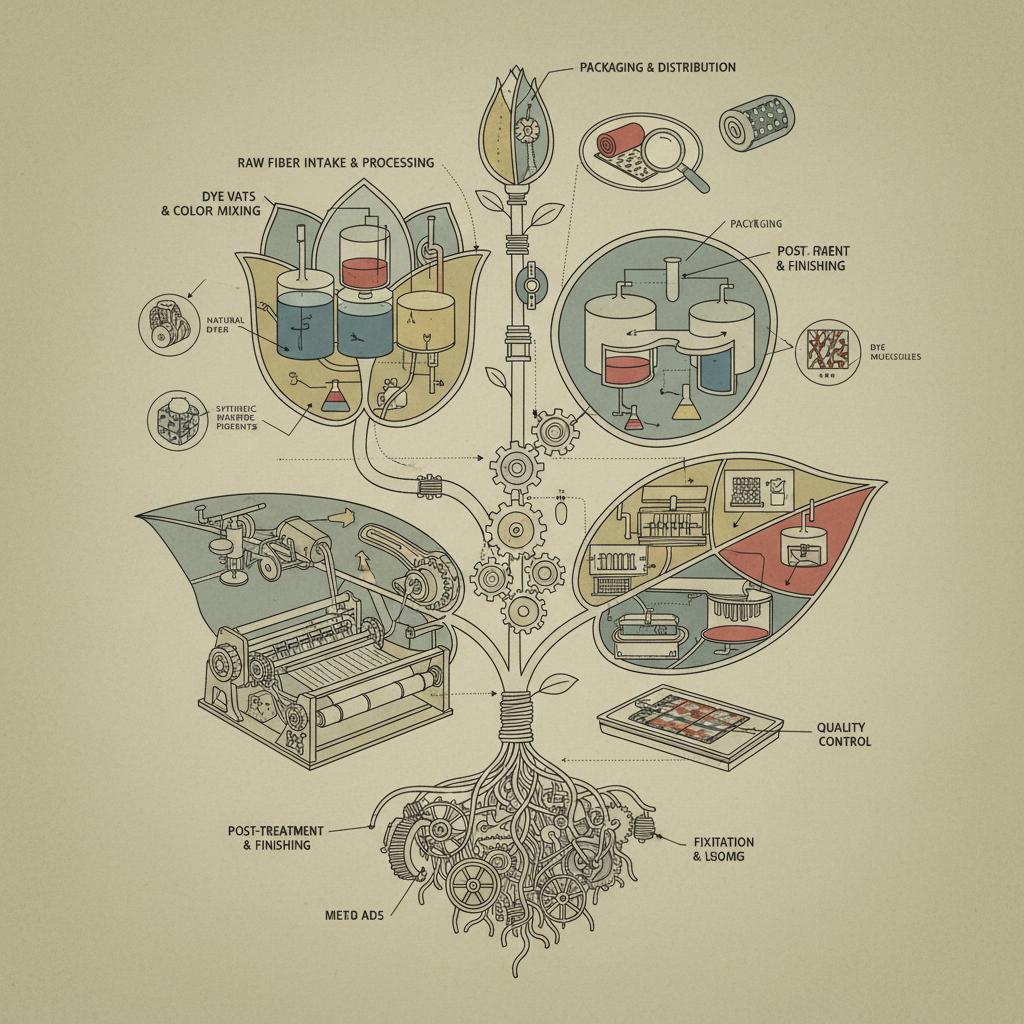
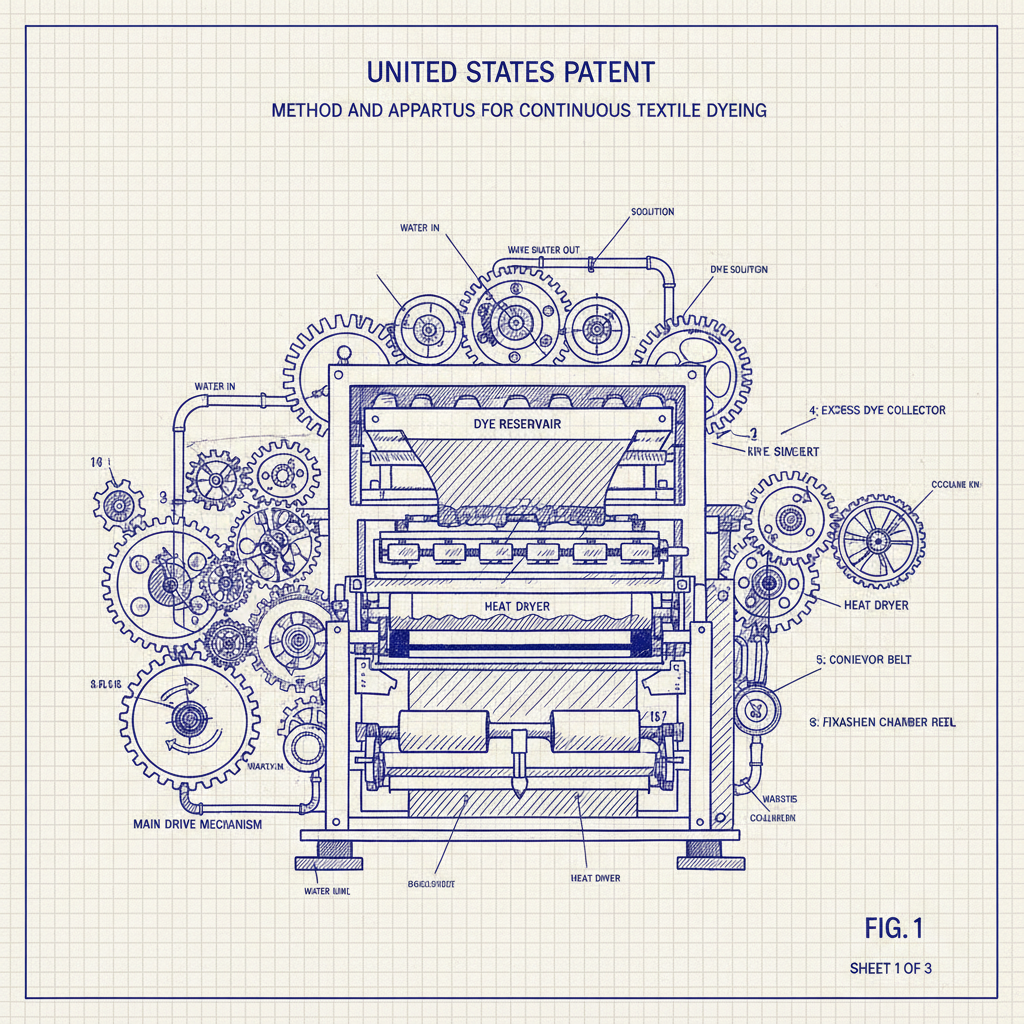
Dye types textiles are fundamental to countless industries, impacting everything from fashion and interior design to healthcare and industrial applications. The selection of appropriate dyes is crucial, influencing not only the aesthetic appeal of a product but also its performance, durability, and environmental impact. Understanding the nuances of different dye types – reactive, direct, vat, disperse, and others – is therefore essential for professionals across numerous sectors. This knowledge allows for informed decisions regarding colorfastness, washability, light resistance, and adherence to increasingly stringent sustainability standards.
Globally, the textile dyeing and finishing industry represents a significant economic force, with a market value estimated at billions of dollars annually. Production is concentrated in regions like China, India, Bangladesh, and Turkey, reflecting factors like labor costs, infrastructure, and access to raw materials. However, this industry also faces considerable challenges, including water pollution from dye effluents, energy consumption, and the need for safer, more environmentally friendly dyeing processes. The demand for sustainable dye types textiles is increasing exponentially due to growing consumer awareness and regulatory pressures.
At its core, the concept of dye types textiles centers around the chemical interaction between dye molecules and textile fibers. This interaction, whether through covalent bonding, hydrogen bonding, or van der Waals forces, determines how permanently the color is fixed to the fabric. The efficacy and suitability of a specific dye type depend on the fiber composition (cotton, polyester, silk, wool, etc.), the desired color shade, and the intended end-use of the textile product. The constant evolution of dye chemistry and application techniques continues to drive innovation in this dynamic field.
Introduction to dye types textiles
The world of dye types textiles is remarkably diverse, encompassing a vast range of chemical compounds designed to impart color to various natural and synthetic fibers. The initial selection criteria often center around the fiber type – cotton, wool, silk, polyester, nylon, acrylic, and more – as each responds differently to various dyeing processes. Factors such as desired colorfastness, washability, light exposure, and cost all play a vital role in the final selection of the appropriate dye type.
The history of textile dyeing is as old as civilization itself, starting with natural dyes derived from plants, animals, and minerals. However, the advent of synthetic dyes in the late 19th century revolutionized the industry, offering a broader spectrum of colors, improved colorfastness, and lower production costs. Today, synthetic dyes dominate the market, while a renewed interest in natural dyes is driven by the demand for more sustainable and eco-friendly solutions.
Classification of dye types textiles
Dye types textiles are broadly classified based on their chemical structure and method of application. Reactive dyes are prized for their excellent wash fastness and bright colors, making them ideal for cotton and other cellulosic fibers. Direct dyes are simpler to apply but generally have lower wash fastness, suitable for less demanding applications. Vat dyes offer exceptional colorfastness and are commonly used for workwear and denim. Disperse dyes are specifically designed for polyester and other synthetic fibers, relying on a diffusion process to penetrate the fiber structure.
Other important categories include acid dyes, used for protein fibers like wool and silk, and basic dyes, which are typically used for acrylics. Mordant dyes require a mordant – a metallic salt – to fix the dye to the fiber, offering a wide range of colors but requiring more complex application procedures. Pigment dyes, unlike true dyes, are insoluble colorants that adhere to the fiber surface with the aid of a binder.
The continuous research and development in dye chemistry consistently yields new dye variations and improvements to existing types, addressing the evolving needs of the textile industry and its ever-increasing demand for advanced performance characteristics and eco-friendly solutions.
Dyeing Mechanisms and Fiber Compatibility
The process of dyeing involves complex interactions between the dye molecule, the fiber structure, and the dyeing medium (usually water). Successful dyeing requires the dye to be solubilized in the dyeing medium, transported to the fiber surface, and then absorbed into the fiber interior. The specific mechanism of absorption varies depending on the dye type and fiber composition. For example, reactive dyes form covalent bonds with cellulose fibers, resulting in a permanent chemical link.
Fiber compatibility is paramount. Cotton, a cellulosic fiber, readily accepts reactive and direct dyes, while polyester, a synthetic fiber, typically requires disperse dyes. Wool and silk, protein fibers, are best dyed with acid dyes. Attempting to dye a fiber with an incompatible dye type will result in poor color uptake, low colorfastness, and potentially damage to the fiber itself. Careful consideration of these factors is essential for achieving optimal dyeing results.
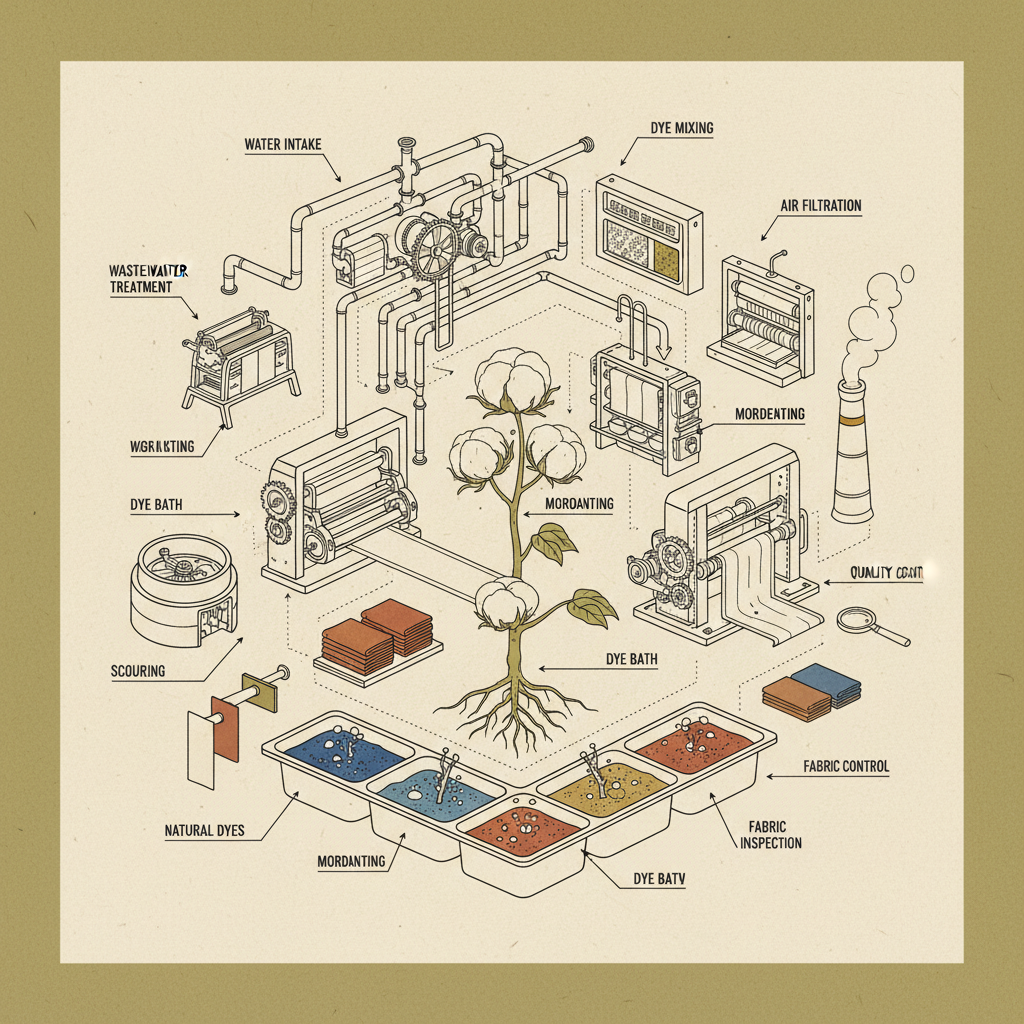
Pre-treatment of textiles is often necessary to ensure proper dye uptake. This may involve scouring to remove impurities, bleaching to prepare the fiber for color, and mercerization to improve the dye affinity of cotton. The correct pre-treatment process significantly impacts the final color yield and overall quality of the dyed textile.
Performance Characteristics of dye types textiles
Several key performance characteristics define the quality and suitability of dye types textiles. Colorfastness, encompassing wash fastness, light fastness, rubbing fastness, and perspiration fastness, is crucial for ensuring the longevity of the color. Wash fastness measures the dye's resistance to fading or bleeding during washing; light fastness assesses its resistance to fading upon exposure to sunlight; rubbing fastness indicates resistance to color transfer during abrasion; and perspiration fastness tests resistance to color change when exposed to sweat.
Colorfastness Ratings of Common dye types textiles
Global Applications and Industry Segments
The applications of dye types textiles are incredibly diverse, spanning numerous industry segments. The fashion industry relies heavily on dyes for creating vibrant and on-trend clothing and accessories. Home textiles, including upholstery, curtains, and bedding, require dyes with excellent colorfastness and durability. Technical textiles, used in automotive, aerospace, and medical applications, often demand specialized dyes with specific performance characteristics.
The geographic distribution of textile dyeing and finishing operations is concentrated in regions with lower labor costs and established textile manufacturing infrastructure. China remains the dominant player, followed by India, Bangladesh, and Vietnam. However, there is a growing trend towards reshoring and nearshoring as companies seek to improve supply chain resilience and reduce environmental impact.
Advantages of Advanced dye types textiles
Advanced dye types textiles offer significant advantages over conventional methods. These include improved colorfastness, reduced water consumption, lower energy requirements, and minimized environmental impact. For instance, reactive dyes with high fixation rates reduce the amount of dye lost in effluent, lessening water pollution. Furthermore, innovative dyeing techniques such as supercritical CO2 dyeing and plasma dyeing offer even greater sustainability benefits.
The adoption of these advanced technologies not only contributes to environmental protection but also enhances product quality and reduces production costs in the long run. Companies that invest in sustainable dyeing practices gain a competitive edge, appealing to environmentally conscious consumers and meeting increasingly stringent regulatory standards.
Emerging Trends and Future Outlook
The future of dye types textiles is shaped by several emerging trends. Digital textile printing, which allows for precise and on-demand coloration, is gaining popularity, reducing waste and enabling customized designs. The development of bio-based dyes, derived from renewable resources, is gaining momentum as a sustainable alternative to traditional synthetic dyes. Nanotechnology is also playing a role, with nano-sized dye particles offering improved color penetration and enhanced performance characteristics.
Moreover, the increasing focus on circular economy principles is driving the development of dyes that can be easily recycled or biodegraded, minimizing waste and promoting resource efficiency. The integration of artificial intelligence and machine learning into dyeing processes is also expected to optimize dye formulations, reduce energy consumption, and improve color consistency.
The industry is actively researching methods to create dyes with self-cleaning properties, UV protection, and antimicrobial functionality, broadening their range of applications.
Summary of Key Considerations for dye types textiles Selection
| Dye Type |
Fiber Compatibility |
Colorfastness (Scale 1-10) |
Environmental Impact (Low, Medium, High) |
| Reactive |
Cellulosic (Cotton, Linen) |
9 |
Medium |
| Disperse |
Synthetic (Polyester, Nylon) |
7 |
Medium |
| Vat |
Cellulosic (Cotton, Rayon) |
8 |
High |
| Acid |
Protein (Wool, Silk) |
6 |
Medium |
| Direct |
Cellulosic (Cotton, Linen) |
5 |
Low |
| Pigment |
All Fibers |
4 |
Low |
FAQS
Reactive dyes are best suited for cellulosic fibers like cotton, forming a covalent bond for excellent wash fastness. Disperse dyes, on the other hand, are specifically designed for synthetic fibers such as polyester, penetrating the fiber through a diffusion process. They differ significantly in their application methods and the types of fabrics they effectively dye, impacting colorfastness and overall quality. Selecting the correct dye type is critical for achieving desired results.
Several strategies can minimize the environmental impact. Utilizing dyes with high fixation rates reduces dye waste. Adopting waterless dyeing technologies like supercritical CO2 dyeing, investing in efficient wastewater treatment systems, and switching to bio-based dyes made from renewable resources are all effective solutions. Implementing closed-loop systems to recycle water and dyes further reduces environmental footprint.
Colorfastness is influenced by several factors, including the dye type, fiber composition, dyeing process, and after-treatments. The strength of the bond between the dye and the fiber is paramount. Proper pre-treatment of the fabric, controlled dyeing conditions (temperature, pH, time), and the use of fixing agents can all enhance colorfastness properties.
Mordants are metallic salts used in dyeing to fix the dye to the fiber. They form a complex with the dye molecule, making it insoluble and preventing it from washing out. Different mordants create different shades and affect the colorfastness of the dyed fabric. Historically, mordants were essential for achieving a wide range of colors with natural dyes.
Digital textile printing uses inkjet technology to apply dyes directly onto the fabric, allowing for precise and on-demand coloration. This differs from conventional dyeing, which involves immersing the fabric in a dye bath. Digital printing reduces water consumption, minimizes dye waste, and enables complex designs and customized patterns, offering greater flexibility and efficiency.
Bio-based dyes, derived from renewable resources like plants, algae, and bacteria, are increasingly becoming a viable alternative. While currently facing challenges in terms of color range and cost-effectiveness, ongoing research and development are addressing these issues. They offer significant environmental benefits, reducing reliance on petroleum-based chemicals and lowering the carbon footprint of textile production.
Conclusion
Understanding dye types textiles is crucial for navigating the complex world of textile manufacturing and application. From the fundamental principles of dyeing mechanisms to the latest advancements in sustainable dye technologies, this knowledge empowers professionals to make informed decisions that optimize product quality, minimize environmental impact, and meet evolving consumer demands. The selection of appropriate dyes, combined with efficient dyeing processes, is pivotal to producing vibrant, durable, and eco-friendly textiles.
Looking ahead, the industry will continue to prioritize sustainability, innovation, and circularity. The development of bio-based dyes, the adoption of digital textile printing, and the implementation of closed-loop systems will be essential for building a more responsible and resilient textile supply chain. To learn more about our range of specialized dyes and solutions, visit our website at www.yanhongchem.com.