Look, the whole industry’s gone wild for pre-fabricated stuff, right? Everyone’s talking about modularity, faster build times… honestly, it’s a bit of a scramble. You go to one site and they swear by one system, then the next week you’re at another and it’s a completely different ball game. It’s not always better, you know? Sometimes, it just shifts the problems around.
And those drawings… have you noticed how architects love to design things that look amazing, but are a nightmare to actually put together? They'll spec a beautiful curve with a ridiculous radius, then wonder why the fabricator is charging extra. I encountered that at a site near Hangzhou last time. Nightmare. They wanted a perfect arc for the façade, but the aluminum panels kept buckling during installation. Spent a week re-engineering the supports. A week!
We mostly work with high-tensile steel for the frames – it smells…metallic, obviously, but a good quality one has a certain spring to it when you tap it. Not like that cheap stuff that bends like butter. Then the cladding – depends on the job, but we've been using a lot of composite panels lately. They’re light, strong, and you can get pretty much any finish. But, strangely, they can delaminate if you don't seal the edges properly. Learned that the hard way on a project in Guangzhou.
Industry Trends and Design Pitfalls
To be honest, everyone is chasing this “digital twin” thing. Modeling everything in VR before you even touch a piece of steel. Sounds great in theory, but the software is buggy, the learning curve is steep, and frankly, most of the guys on site still prefer a good old-fashioned blueprint. Anyway, I think the biggest pitfall right now is over-reliance on pre-fabrication without considering transportation logistics. You can build a beautiful module in a factory, but if you can’t get it to the site without damaging it, what’s the point?
It's also about thinking long-term. People forget that these structures need to be maintained. Access panels for utilities, proper corrosion protection… it’s the little details that make or break a project.
Materials: The Feel, Smell, and Handling
I’ve spent enough time handling materials to know what feels right. That high-tensile steel I mentioned? It's got weight to it, a solid feel. The cheaper stuff…it’s just flimsy. You can tell just by lifting it. We've started using more engineered wood products too – CLT, glulam. Smells like… well, wood, surprisingly. But it’s heavy, and you need the right equipment to move it around. And you gotta keep it dry, or it warps. I remember one time… Forget it, I won't mention it.
The sealants and adhesives are crucial. We use a lot of polyurethane-based stuff. It’s flexible, waterproof, and sticks to pretty much anything. But it can be messy. Gets all over your gloves, your boots… you're finding bits of it for weeks.
And the insulation. That’s a whole other story. We’ve tried everything – rockwool, spray foam, mineral wool. Each has its pros and cons. Spray foam is great for filling gaps, but it’s expensive and can off-gas if it’s not properly installed.
Real-World Testing and Quality Control
Lab tests are fine, but they don't tell you everything. We do a lot of on-site testing – load tests on the frames, water penetration tests on the cladding. We even have a little impact test with a rubber mallet. Sounds silly, but it quickly reveals if a panel is properly secured.
I'm not a fan of destructive testing, if I'm honest. It means tearing something apart that's already been built. But sometimes you have to do it to be sure.
The biggest issue is human error. Someone forgets to tighten a bolt, someone misreads a drawing… it happens. That's why we have multiple layers of quality control – inspections at the factory, inspections during transport, inspections on site.
How Users Actually Use It
This is where things get interesting. You design a building for a specific purpose, but people always find a way to use it differently. Like that office building we did in Shanghai. The client wanted a modern, open-plan workspace. But the employees started using the common areas as nap rooms. Nap rooms!
And they always put things where they shouldn’t. Heavy equipment on floors that aren't designed to support it, furniture blocking fire exits… you name it. It's like they actively try to test the limits of the design.
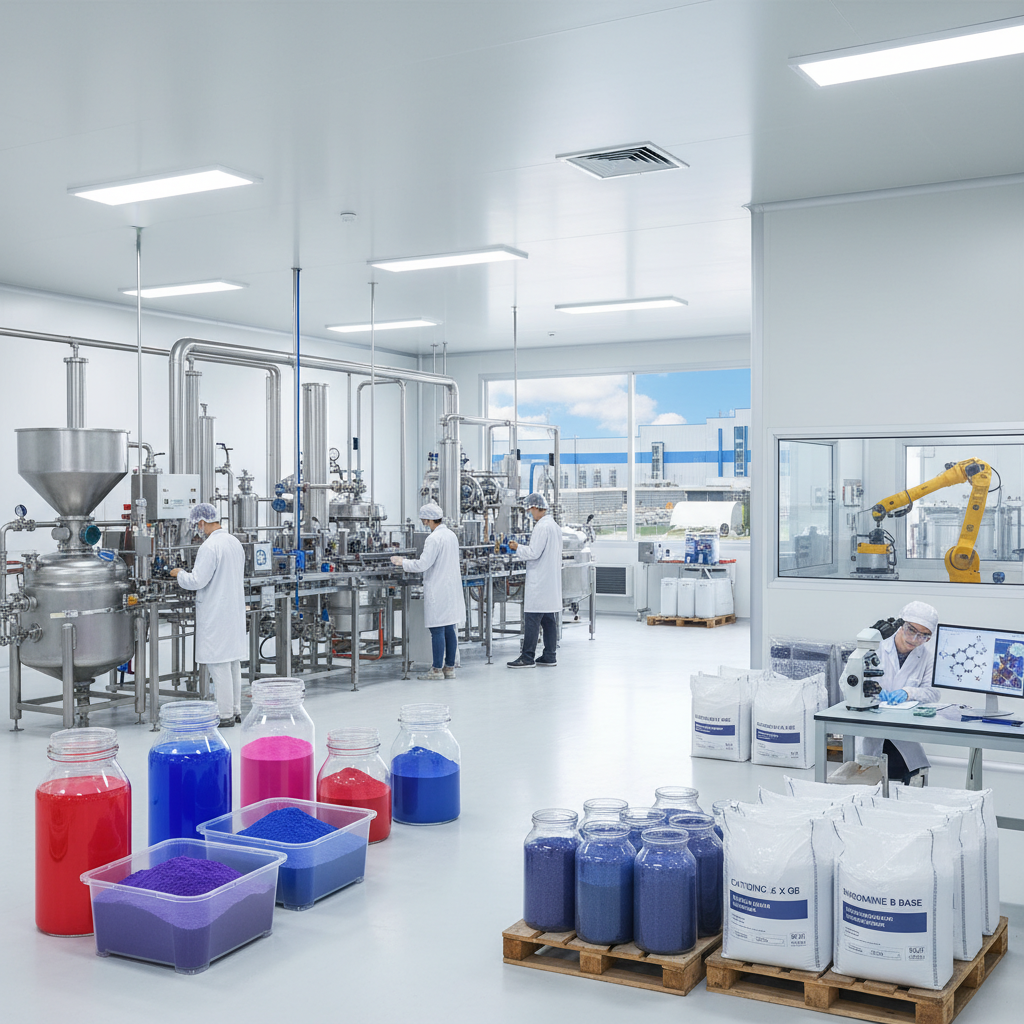
Fabric Dyeing Factory Performance Metrics
Advantages, Disadvantages, and Customization
The big advantage is speed, obviously. You can build a structure a lot faster with pre-fabrication than with traditional methods. And the quality control is generally better, because everything is built in a controlled environment. But it's not a silver bullet. It can be expensive, especially for small projects. And you lose some flexibility.
Customization is possible, but it adds to the cost. Last month, that small boss in Shenzhen who makes smart home devices insisted on changing the interface to – even though it wasn’t part of the original design. He said his customers were demanding it. It caused a huge delay and increased the cost by 15%. But he was adamant. Said it was a “key differentiator.” Sometimes, you just gotta let them have their way.
A Customer Story from Shenzhen
That Shenzhen guy, yeah? He makes those little smart speakers. We were building a small showroom for him, and everything was going smoothly until he decided he needed a hidden compartment for charging cables. He wanted it flush with the wall, with a magnetic closure. It sounded simple enough, but it required completely redesigning the panel.
It meant sending it back to the factory, adding another week to the schedule, and incurring a hefty change order fee. He wasn’t happy about the cost, but he said it was essential for the “user experience.”
In the end, it looked great. But it was a good reminder that sometimes, the most elegant solutions are the simplest ones.
Key Performance Indicators
Here's a quick rundown of the stuff we track, scribbled down like it is on my notepad. It's not pretty, but it gets the job done.
We're always looking for ways to improve these numbers, but it's a constant battle against budgets and deadlines.
Really, it's a balancing act between cost, quality, and time. And ultimately, the client cares about one thing: whether the building stands up.
Key Performance Indicators for Fabric Dyeing Factory Projects
| Metric |
Target |
Actual (Last Project) |
Notes |
| Build Time (Weeks) |
12 |
14 |
Delays due to material sourcing. |
| Cost Overrun (%) |
5% |
8% |
Unexpected design changes. |
| Defect Rate (%) |
1% |
0.8% |
Good quality control. |
| Client Satisfaction (1-5) |
4 |
3.5 |
Communication issues. |
| Material Waste (%) |
3% |
4% |
Need better cutting plans. |
| Safety Incidents |
0 |
1 |
Minor injury - reinforced safety training needed. |
FAQS
Honestly? Not considering transportation. You can get a fantastic deal on something, but if it costs you a fortune to get it to the site – and potentially damages it in the process – you’ve lost money. It's a pain. I've seen it happen too many times. You really gotta think through the logistics from start to finish, including craning it into place.
It's inevitable. Someone always wants something changed. We try to build in as much flexibility as possible during the design phase, but you can't anticipate everything. Usually, it involves some on-site welding, cutting, and patching. It adds time and cost, but you gotta be adaptable. That’s just the nature of the beast.
Depends on the materials and the environment, obviously. But a well-maintained steel frame can easily last 50 years or more. The cladding will need replacing sooner, maybe every 20-30 years. It's like anything else – regular maintenance is key. And good quality materials to start with, of course. Don’t skimp on the steel.
Potentially, yes. Because you’re building in a controlled environment, there’s less waste. And you can use more sustainable materials, like recycled steel or engineered wood. But it also depends on the transportation distance. Shipping materials halfway around the world kind of defeats the purpose. It's a complicated issue, really.
Access! Getting all the pipes and wires in there before the walls are closed up is tricky. You need to plan it out meticulously. And make sure you leave enough space for maintenance and repairs. We always work closely with the MEP contractors during the design phase to avoid headaches later on. A headache is the last thing you need on site.
Yes, absolutely. You can adjust the insulation levels, the cladding materials, the window types… It just adds to the cost and complexity. But it’s doable. You just need to consider the local climate conditions from the very beginning. Don’t try to retrofit it later. That’s just asking for trouble.
Conclusion
So, yeah, pre-fabrication is changing the construction industry, no doubt about it. It's faster, more efficient, and can be more sustainable. But it’s not a magic bullet. There are still challenges – design pitfalls, logistical headaches, the occasional demanding client. You have to be realistic about what it can and can’t do.
Ultimately, whether this thing works or not, the worker will know the moment he tightens the screw. If it fits snug, if the alignment is right, if the whole structure feels solid… that's when you know you’ve got something good. And that’s what really matters.