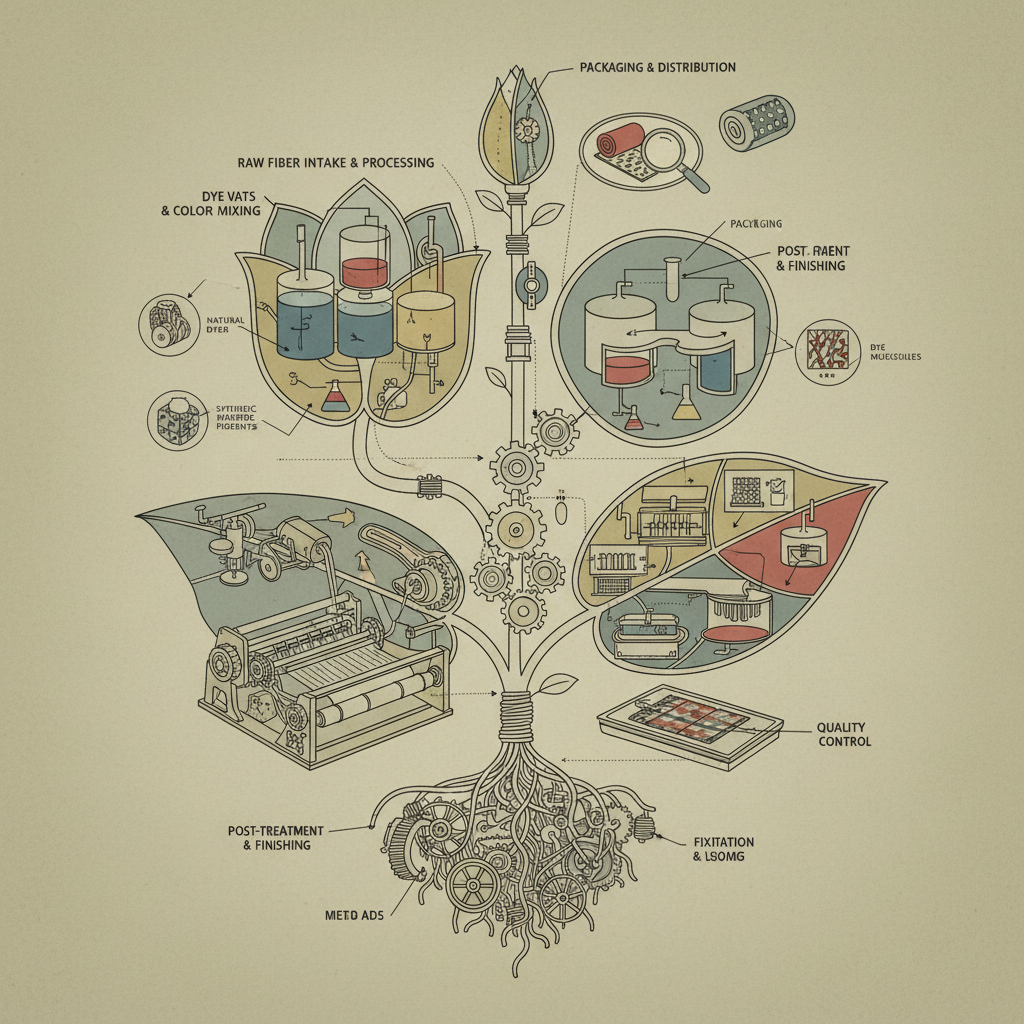
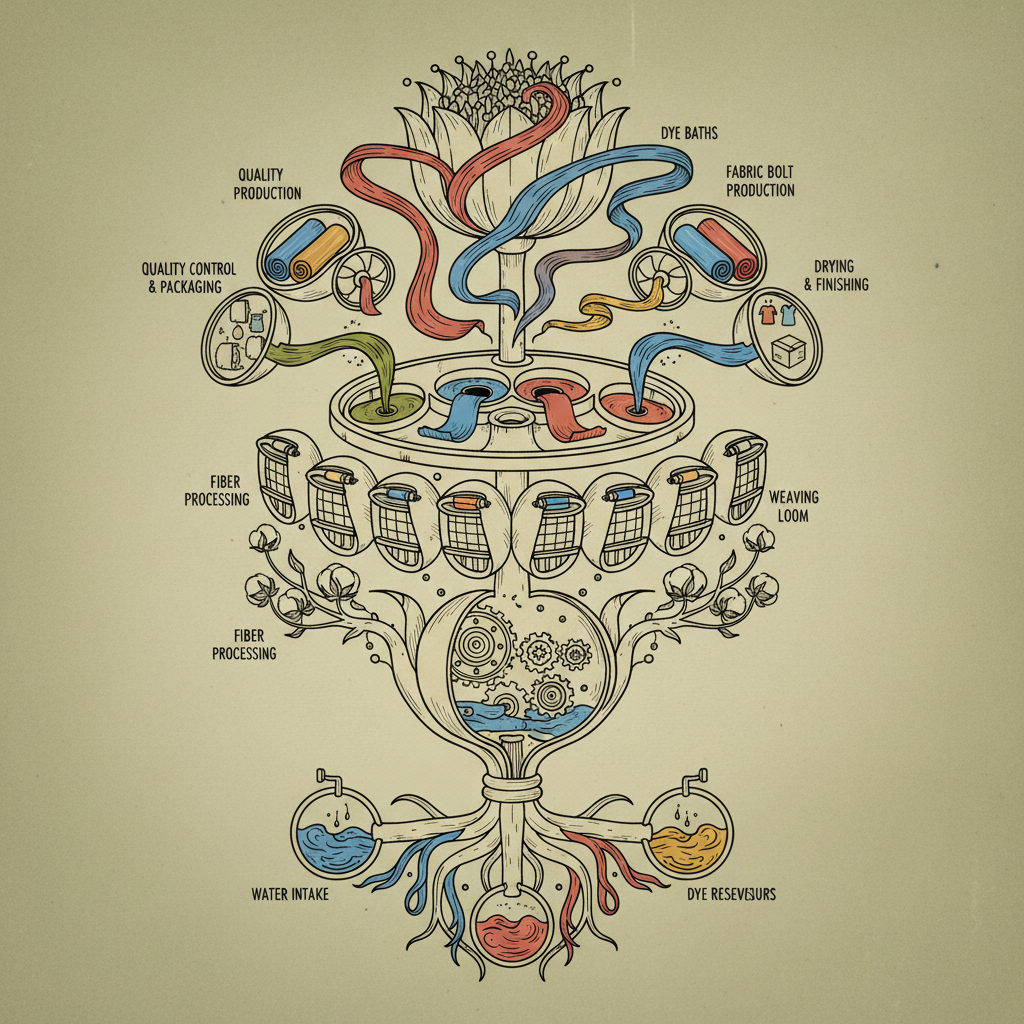
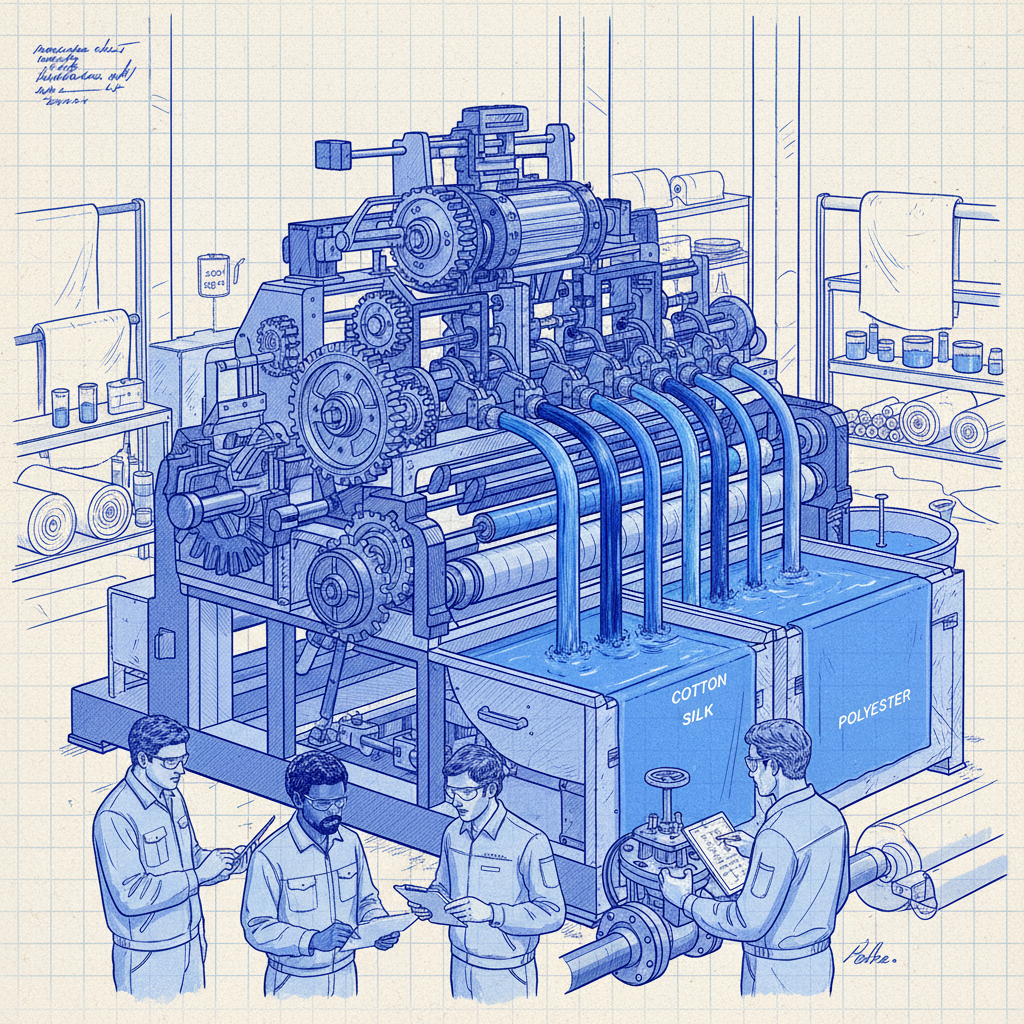
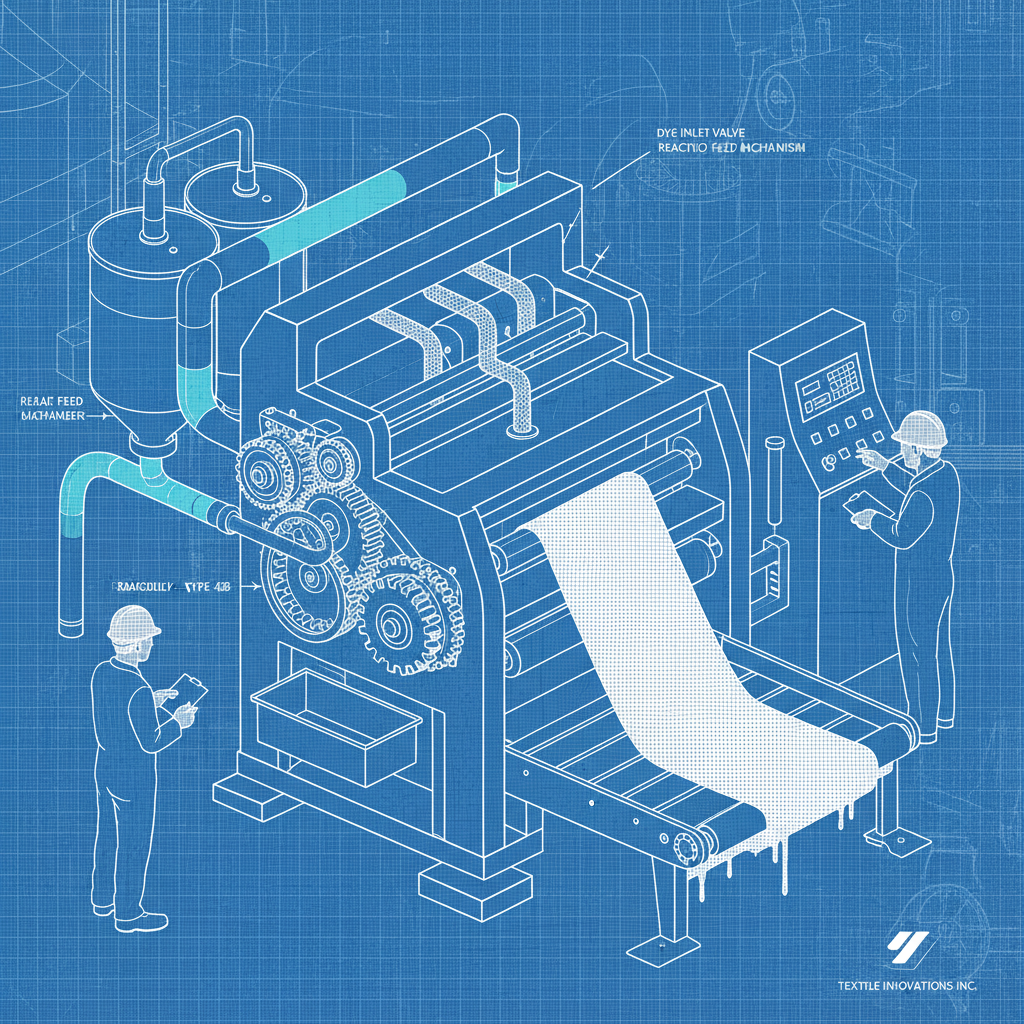
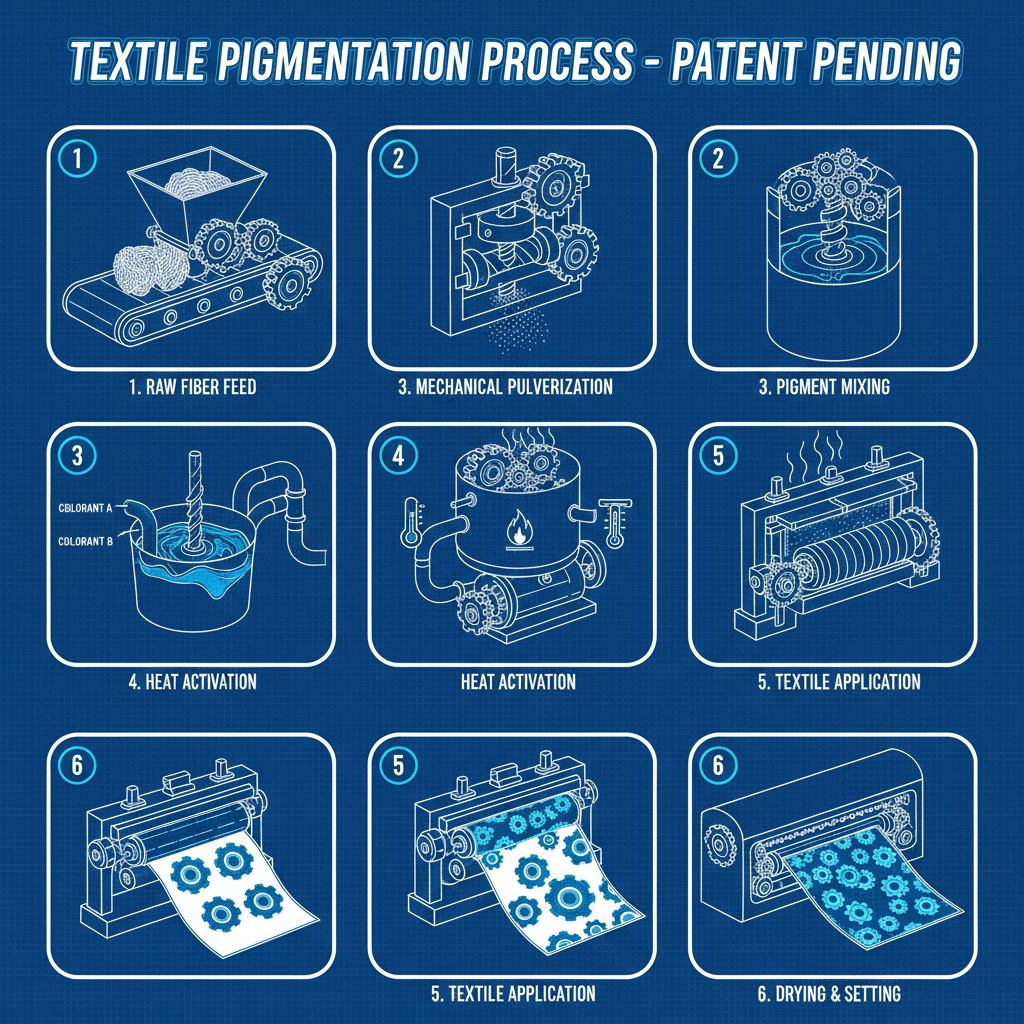
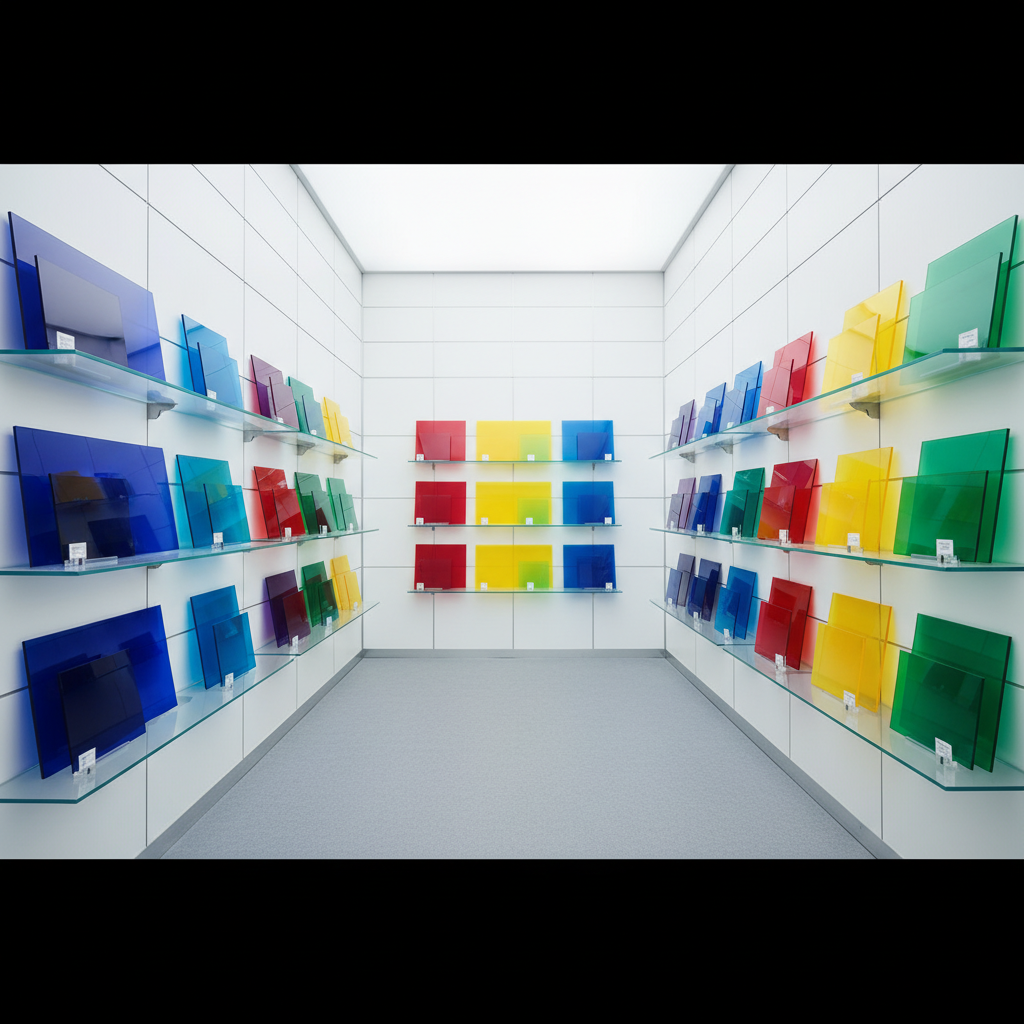
You know, it's been a crazy year. Everyone’s talking about pre-fabricated components, modular builds… honestly, it's a bit of a hype train. But it’s also becoming necessary. Labor costs are climbing, project timelines are shrinking. We have to find ways to build faster, and with more consistent quality. And that's where good dyed fabric manufacturers come into play. It's not just about pretty colors anymore, it's about durability, consistency, and fitting into these tighter build schedules.
It's funny, though. I was at a site in Shanghai last month, and they were using some seriously cheap fabric coverings… smelled like plastic burning, felt like sandpaper. You get what you pay for, right? You’d think something that seems so simple – fabric – wouldn’t be a major bottleneck, but it is. Especially when you start factoring in UV resistance, fire retardancy, and just plain wear and tear. Dyed fabric manufacturers that understand these needs are worth their weight in gold.
And the thing is, it's not just buildings. I’ve seen these materials used in everything from temporary shelters to outdoor event spaces. It’s surprisingly versatile.
The Current Landscape of Dyed Fabric Manufacturing
To be honest, the market's shifting fast. It's no longer just about getting the cheapest polyester. Clients are demanding higher performance, eco-friendly options, and more complex weaves. You’ve got the big players churning out huge volumes, but also a lot of smaller, specialized dyed fabric manufacturers focusing on niche applications. They are the ones doing the interesting stuff, developing coatings for better UV resistance or experimenting with recycled materials.
Have you noticed the push for digitally printed fabrics? It’s changing the game, allowing for smaller runs and more complex designs. But it also comes with its own set of challenges, like ink fading and color consistency.
Common Design Pitfalls in Fabric Applications
Strangely enough, one of the biggest mistakes I see is underestimating the stress the fabric will be under. People think it's just… fabric. But when you're stretching it over a frame, exposing it to wind and rain, it's taking a beating. You need to account for that in your design. Reinforcements, proper stitching, and the right fabric weight are crucial. I encountered this at a festival setup in Guangzhou last time - the fabric ripped clean off the frame during a mild breeze because they skimped on the reinforcement.
Another one? Ignoring the seams. Seams are the weak points. If they’re not properly sealed, water gets in, mildew starts to grow, and the whole thing falls apart. It seems obvious, but you’d be surprised how often it happens.
And then there's the whole issue of shrinkage. If you don't pre-shrink the fabric, you’re going to have problems down the line. It's a pain, but it's worth it.
Material Deep Dive: Beyond the Color
Okay, let’s talk materials. Polyester is the workhorse, right? Durable, relatively cheap, easy to dye. But it doesn’t breathe. If you’re using it for something that needs ventilation, forget about it. Then you’ve got nylon, which is stronger and more abrasion-resistant, but also more expensive. I've started seeing more and more PTFE-coated fabrics… now that's a material. Weatherproof, fire-resistant, practically indestructible. But it smells awful when you weld it.
And it’s not just the base material. It's the coatings, the finishes, the treatments. You've got UV inhibitors, fire retardants, water repellents, anti-microbial treatments… The combination is what really matters. The feel of the fabric is important, too. A rough, scratchy fabric just isn’t going to cut it for some applications. I remember one project where the client insisted on a certain shade of green, but the dye gave the fabric this weird, plasticky feel. We had to go back to the drawing board.
Seriously, you can tell a lot about a dyed fabric manufacturer by how their materials smell. A good, reputable manufacturer will have tight quality control and the materials will have a consistent, clean scent. A bad one? You’ll know.
Real-World Testing: Forget the Lab, Hit the Site
Look, lab tests are fine, but they don't tell the whole story. You need to put these fabrics through the wringer in real-world conditions. We do a lot of on-site testing. We stretch them, we expose them to sunlight, we drench them in water, we even simulate wind loads. You need to see how they actually perform.
I once had a client who insisted their fabric was fireproof based on a lab report. We took it out to a controlled burn test (with all the proper safety precautions, of course), and it went up in flames faster than you can say “insurance claim.” Lab reports are useful, but they’re not a substitute for practical testing.
Fabric Performance Ratings (Out of 10)
User Behavior: It's Never What You Expect
Anyway, I think one of the most important things is to understand how people actually use these materials. You might design something for a specific purpose, but users will always find a way to repurpose it. I saw a crew using fabric coverings as makeshift shade structures on a construction site last week. It wasn’t what they were intended for, but it worked.
You have to design for adaptability. And you have to design for abuse. People are going to drag it, drop it, spill things on it… It’s just a matter of time.
Advantages, Disadvantages, and Customization Potential
The big advantage of these fabrics, of course, is weight and cost. Compared to traditional building materials, they’re incredibly lightweight and affordable. They are also fairly easy to install, which saves on labor costs. But they’re not a silver bullet. They're susceptible to damage, they require regular maintenance, and they’re not always suitable for long-term applications.
Customization is key. I had a client who needed a specific shade of blue to match their corporate branding. They wanted it to be slightly iridescent, too. It was a challenge, but we found a dyed fabric manufacturer who could deliver. That’s where the smaller, more specialized companies really shine.
A Story From the Field: The Interface Debacle
Last month, that small boss in Shenzhen who makes smart home devices insisted on changing the interface to for their fabric-covered speaker grills. Said it looked more “modern.” He wanted a tighter weave, too, to hide the port better. The dyed fabric manufacturer warned him it would affect the acoustic properties, but he wouldn’t listen. The result? The sound was muffled and distorted. He ended up going back to the original design. Cost him a ton of money and delayed the launch by a month. Sometimes, you gotta listen to the experts.
It's a good reminder that aesthetics aren't everything. Functionality always has to come first.
Forget it, I won’t mention the time someone tried to use a fabric covering for a wastewater treatment plant...
Summarizing Key Fabric Characteristics
| Fabric Type |
Durability (1-10) |
Cost (Low/Med/High) |
Typical Applications |
| Polyester |
7 |
Low |
Event tents, temporary shelters |
| Nylon |
8 |
Med |
Industrial coverings, backpacks |
| PTFE-Coated Fabric |
9 |
High |
Architectural membranes, high-performance tents |
| Recycled PET Fabric |
6 |
Med |
Eco-friendly displays, banners |
| Acrylic Fabric |
7.5 |
Med |
Outdoor furniture, awnings |
| Polypropylene Fabric |
6.5 |
Low |
Packaging, temporary protective covers |
FAQS
Honestly? Underestimating the UV exposure. Sunlight will destroy most fabrics over time if they aren’t properly treated. You need a fabric with a high UV resistance rating, and even then, it’s going to degrade eventually. It's also easy to forget about weight, especially when you're dealing with large spans. A heavier fabric will hold up better in wind.
No, not really. There are fire-resistant fabrics, which will slow down the spread of flames and self-extinguish. PTFE-coated fabrics are pretty good, but even they’ll melt under extreme heat. The term "fireproof" is a bit of a misnomer. Always check the fire rating and make sure it meets the local building codes.
Very important! The weave affects everything from strength and durability to water resistance and breathability. A tighter weave will be more water-resistant and durable, but it will also be less breathable. A looser weave will be more breathable but less resistant to tearing. It all depends on the application.
There are more and more options available now, like recycled polyester and fabrics made from sustainable materials like hemp. They're generally more expensive, but they're a good choice if you're looking to reduce your environmental impact. Just be aware that they might not have the same performance characteristics as traditional fabrics.
Regular cleaning is key. Mild soap and water usually work fine, but always check the manufacturer's instructions. Avoid harsh chemicals and abrasive cleaners. And if you notice any tears or damage, repair them promptly to prevent them from getting worse.
Absolutely! Most dyed fabric manufacturers offer custom dyeing and printing services. You can usually specify the color, pattern, and even the finish. Just be aware that custom orders will typically have a longer lead time and a higher price tag.
Conclusion
So, there you have it. It’s a complex world, this fabric thing. It's not just about picking a color and a weight. It’s about understanding the materials, the manufacturing processes, the end-use application, and the user’s needs. There’s a lot that can go wrong, but when it’s done right, it can be a game-changer. It can save you time, money, and headaches.
Ultimately, whether this thing works or not, the worker will know the moment he tightens the screw. And if you've chosen a good dyed fabric manufacturer, that screw will stay tight. Visit our website for more information: www.yanhongchem.com.