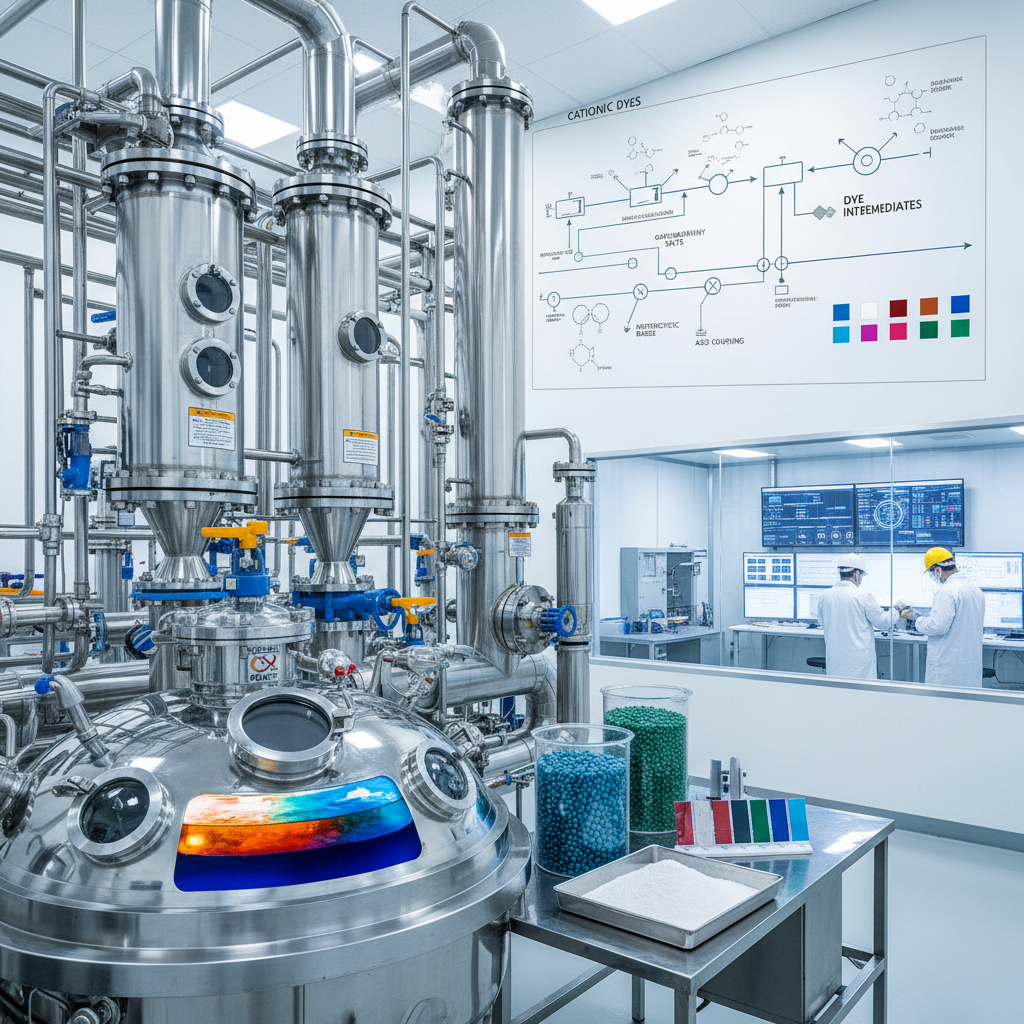
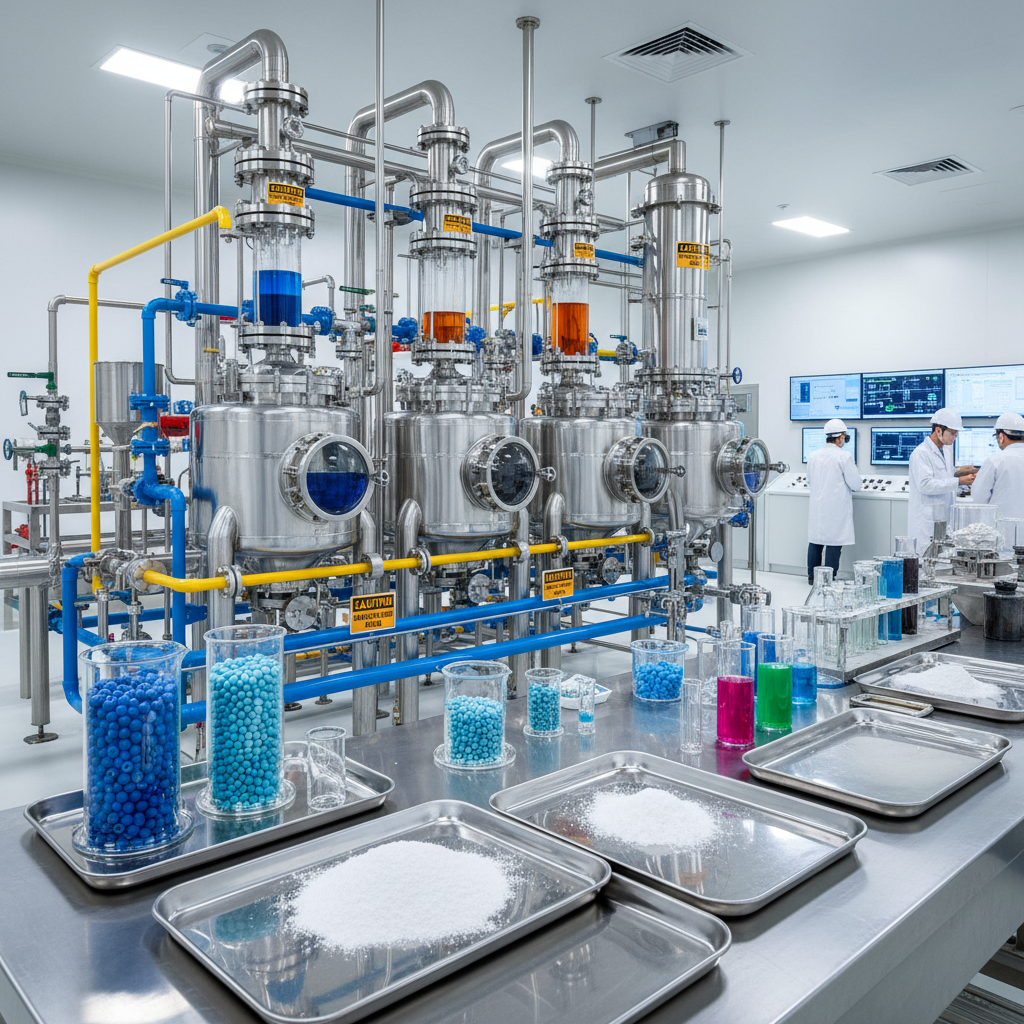
Textile dye, a cornerstone of the modern fashion and manufacturing industries, impacts nearly every aspect of our clothed lives. From the vibrant hues of everyday apparel to the specialized coatings on industrial fabrics, textile dye provides both aesthetic appeal and functional properties. Understanding its complexities, from the chemistry of color fixation to the environmental considerations of production, is crucial in a world increasingly focused on sustainability and responsible manufacturing.
The global textile dye market is a multi-billion dollar industry, driven by the ever-evolving demands of consumers and the growth of textile production in developing economies. According to data from the World Bank, the apparel and footwear sectors represent a significant portion of global trade, heavily reliant on efficient and effective dyeing processes. However, this reliance also presents challenges related to water pollution, energy consumption, and the use of potentially harmful chemicals.
Addressing these challenges necessitates a comprehensive understanding of textile dye – its types, applications, and the innovative technologies emerging to minimize its environmental footprint. The advancements in textile dye technology are not merely about creating brighter colors, but about crafting a more sustainable and responsible future for the industry.
The Global Significance of Textile Dye
The impact of textile dye extends far beyond aesthetic considerations, playing a critical role in diverse industries. Beyond fashion, textile dye is integral to creating durable, functional materials for automotive interiors, medical textiles, and protective clothing. The demand for high-performance dyes that offer UV protection, antimicrobial properties, and flame resistance is consistently growing, driven by evolving safety standards and consumer expectations.
The production and application of textile dye also contribute significantly to economic growth in many regions worldwide, providing employment opportunities and fostering innovation. However, it’s important to acknowledge the industry's environmental impact and the imperative to adopt sustainable practices, making the ongoing evolution of textile dye crucial.
Defining Textile Dye
At its core, textile dye is a substance used to impart color to fabrics. Unlike pigments, which are insoluble and rely on binding agents, dyes are soluble in the dyeing medium and form a chemical bond with the fiber. This chemical bond is what gives dyed fabrics their lasting color and washfastness. The process involves diffusion of the dye molecules into the fiber structure, creating a stable and enduring coloration.
This seemingly simple definition belies a complex science involving organic chemistry, color theory, and material science. The specific type of dye used depends on the fiber type – cotton, wool, polyester, nylon, and others all require different dye classes for optimal results. Understanding these interactions is vital for achieving consistent and high-quality dyeing.
The availability of effective and affordable textile dye has been intrinsically linked to the development of modern industry and has touched upon humanitarian needs. Access to colored fabrics can empower communities, provide cultural expression, and even play a role in disease prevention (e.g., insect-repellent treated textiles).
Core Components of Effective Dyeing
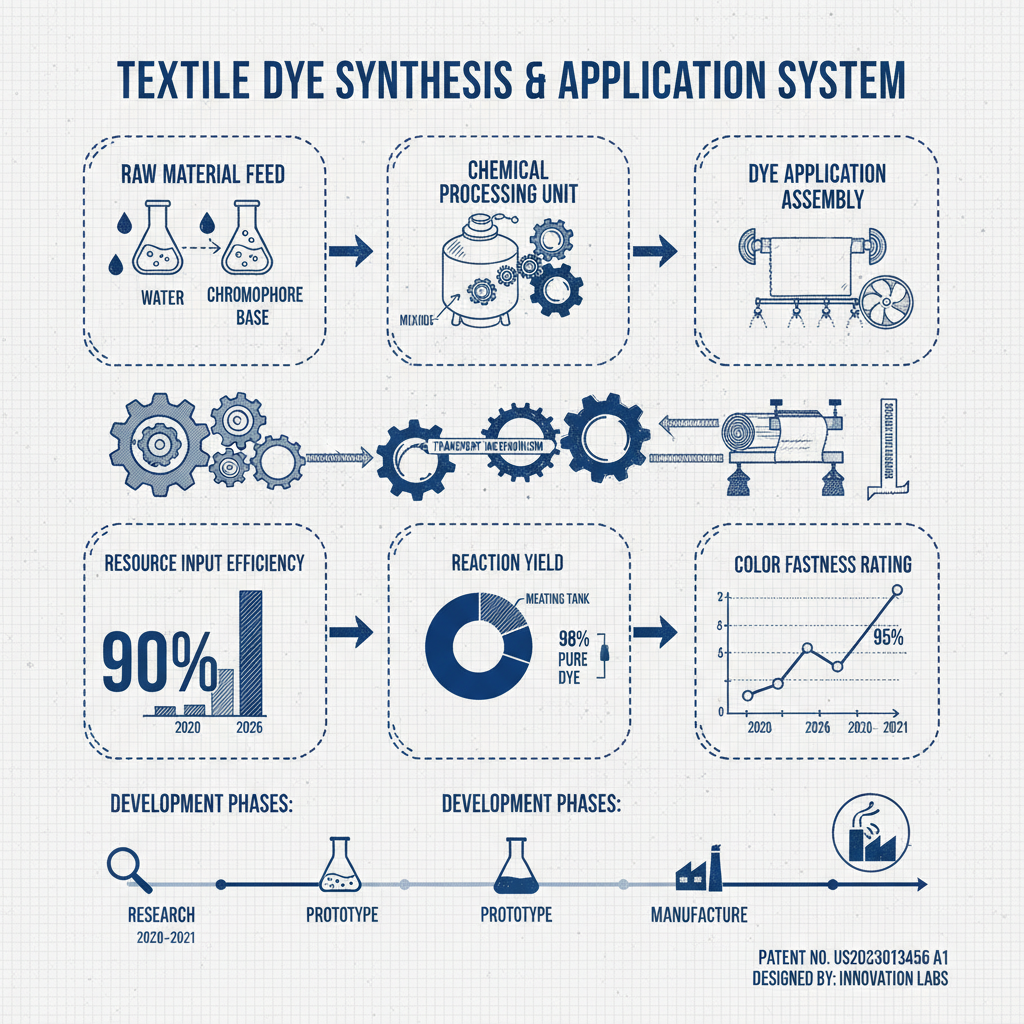
Effective dyeing relies on a synergy of several key components. Firstly, the dye itself must possess the appropriate chemical structure for bonding with the target fiber. Secondly, the dyeing process requires carefully controlled conditions – temperature, pH, and time – to facilitate dye diffusion and fixation. The right auxiliaries, such as leveling agents and dispersing agents, are essential for ensuring uniform color uptake and preventing uneven dyeing.
Equally important is the pre-treatment of the fabric. Removing impurities like oils, waxes, and sizing agents ensures that the dye can penetrate the fiber effectively. This pre-treatment stage significantly impacts the final color yield and fastness properties. The quality of water used is also crucial; hard water can interfere with the dyeing process, leading to inconsistent results.
Finally, post-treatment processes, such as washing and finishing, are vital for removing unfixed dye and enhancing the fabric’s performance characteristics, such as crease resistance or water repellency. These carefully orchestrated stages collectively determine the quality, durability, and aesthetic appeal of the dyed textile.
Key Factors Influencing Textile Dye Performance
Several crucial factors directly impact the performance of textile dyes. Durability – often measured by washfastness and lightfastness – determines how well the color holds up to repeated washing and exposure to sunlight. Higher durability scores indicate a more robust dye-fiber bond.
Colorfastness is another critical parameter, encompassing resistance to various external factors such as perspiration, rubbing, and chlorine. Shade Consistency ensures that the dye lot matches the desired color standard, a vital requirement for large-scale production. Cost-Effectiveness is, of course, a practical consideration, balancing performance with affordability. Environmental Impact is increasingly important, with regulations driving the adoption of dyes that minimize water pollution and energy consumption. Finally, Fiber Compatibility dictates which dye class is appropriate for a specific material.
Comparative Performance of Textile Dye Methods
Real-World Applications of Textile Dye
Textile dye finds application in a vast array of industries. In the apparel sector, it’s essential for coloring clothing, from everyday basics to high-fashion garments. The automotive industry utilizes dyed fabrics for upholstery, carpeting, and interior trim, requiring high lightfastness and durability. Medical textiles, such as surgical gowns and drapes, rely on dyes that can withstand sterilization processes and offer antimicrobial properties.
The home furnishings market employs textile dye extensively in carpets, curtains, and upholstery fabrics. Industrial textiles, including filter cloths and geotextiles, benefit from dyes that provide UV resistance and chemical stability. In post-disaster relief operations, durable and identifiable textiles dyed with specific colors can be critical for distributing aid and providing shelter.
The Advantages of Advanced Textile Dye Solutions
Adopting advanced textile dye solutions offers tangible benefits across multiple dimensions. Cost savings can be realized through reduced water consumption, lower energy requirements, and minimized chemical waste. Sustainability is enhanced by utilizing eco-friendly dyes and closed-loop dyeing systems. Social impact is improved by reducing the exposure of workers to harmful chemicals and minimizing environmental pollution.
Furthermore, advanced dye technologies can enhance product quality, delivering brighter, more durable colors and improved performance characteristics. Innovation fosters trust with consumers who are increasingly demanding ethical and sustainable products. The improved reliability of advanced dyeing processes also contributes to streamlined production and reduced rejection rates.
Future Trends and Innovations in Textile Dye
The future of textile dye is inextricably linked to advancements in green chemistry and digital technologies. Research into bio-based dyes derived from renewable resources, such as plants and microorganisms, is gaining momentum. Digital textile printing, which allows for precise dye application and minimizes waste, is rapidly gaining adoption. Automation and process control systems are optimizing dyeing processes, reducing energy consumption and improving color consistency.
The development of dyes with enhanced functional properties, such as self-cleaning and antimicrobial capabilities, is also a key trend. Policies and regulations promoting sustainable textile production are further driving innovation and the adoption of eco-friendly dyeing solutions. Ultimately, the goal is to create a circular economy for textiles, where dyes are recovered and reused, minimizing environmental impact.
Analysis of Key Factors in Sustainable Textile Dyeing
| Dye Class |
Environmental Impact (1-10, 1=Low, 10=High) |
Cost of Application (USD/kg) |
Colorfastness Rating (1-10, 1=Poor, 10=Excellent) |
| Reactive Dye |
6 |
8 |
9 |
| Direct Dye |
7 |
5 |
6 |
| Vat Dye |
8 |
12 |
10 |
| Disperse Dye |
5 |
7 |
7 |
| Acid Dye |
9 |
9 |
8 |
| Natural Dye |
2 |
10 |
5 |
FAQS
Natural dyes are derived from plant, animal, or mineral sources, offering a more sustainable option but often exhibiting lower colorfastness and a limited color range. Synthetic dyes, produced through chemical processes, provide a wider spectrum of vibrant colors with superior wash and lightfastness. However, some synthetic dyes can pose environmental concerns due to their production methods and potential for releasing harmful substances.
Several strategies can significantly reduce water consumption. These include implementing low liquor ratio dyeing machines, utilizing water recycling systems, optimizing pre-treatment processes, and adopting innovative dyeing technologies like foam dyeing and supercritical fluid dyeing. Proper monitoring and control of water usage are also essential for identifying and addressing inefficiencies.
The textile dyeing industry is subject to increasingly stringent environmental regulations, such as REACH (Registration, Evaluation, Authorisation and Restriction of Chemicals) in Europe, the Clean Water Act in the United States, and various national and regional standards. These regulations address the discharge of pollutants, the use of hazardous chemicals, and the overall environmental impact of dyeing processes.
Digital textile printing minimizes water usage, reduces dye waste, and enables on-demand production, eliminating the need for large minimum order quantities. It allows for precise dye application, reducing overspray and minimizing environmental impact. Furthermore, digital printing supports the creation of customized designs and reduces the reliance on traditional, more polluting dyeing methods.
The type of dye used can significantly affect a textile's recyclability. Certain dyes can interfere with fiber separation and reprocessing, hindering the creation of new materials. Selecting dyes that are compatible with recycling processes, or utilizing dyes that can be easily removed during recycling, is crucial for promoting a circular textile economy.
Emerging innovations include dyes derived from agricultural waste, such as food peels and onion skins, as well as dyes produced through microbial fermentation. Research is also focused on developing dyes with improved biodegradability and reduced toxicity, alongside advancements in dye fixation technologies that minimize dye loss during washing.
Conclusion
Textile dye is far more than just a means of adding color to fabrics; it’s a critical component of a global industry with far-reaching economic, environmental, and social implications. From driving innovation in sustainable chemistry to impacting the efficiency of manufacturing processes, a deep understanding of textile dye is essential for anyone involved in the fashion, textile, or related industries. The advancements in dye technology are constantly evolving, offering more sustainable and efficient solutions.
Looking ahead, the future of textile dye lies in embracing circular economy principles, investing in green chemistry research, and adopting digital technologies. By prioritizing sustainability, transparency, and responsible manufacturing practices, we can unlock the full potential of textile dye while minimizing its environmental footprint. For more information on textile dye solutions, visit our website today.