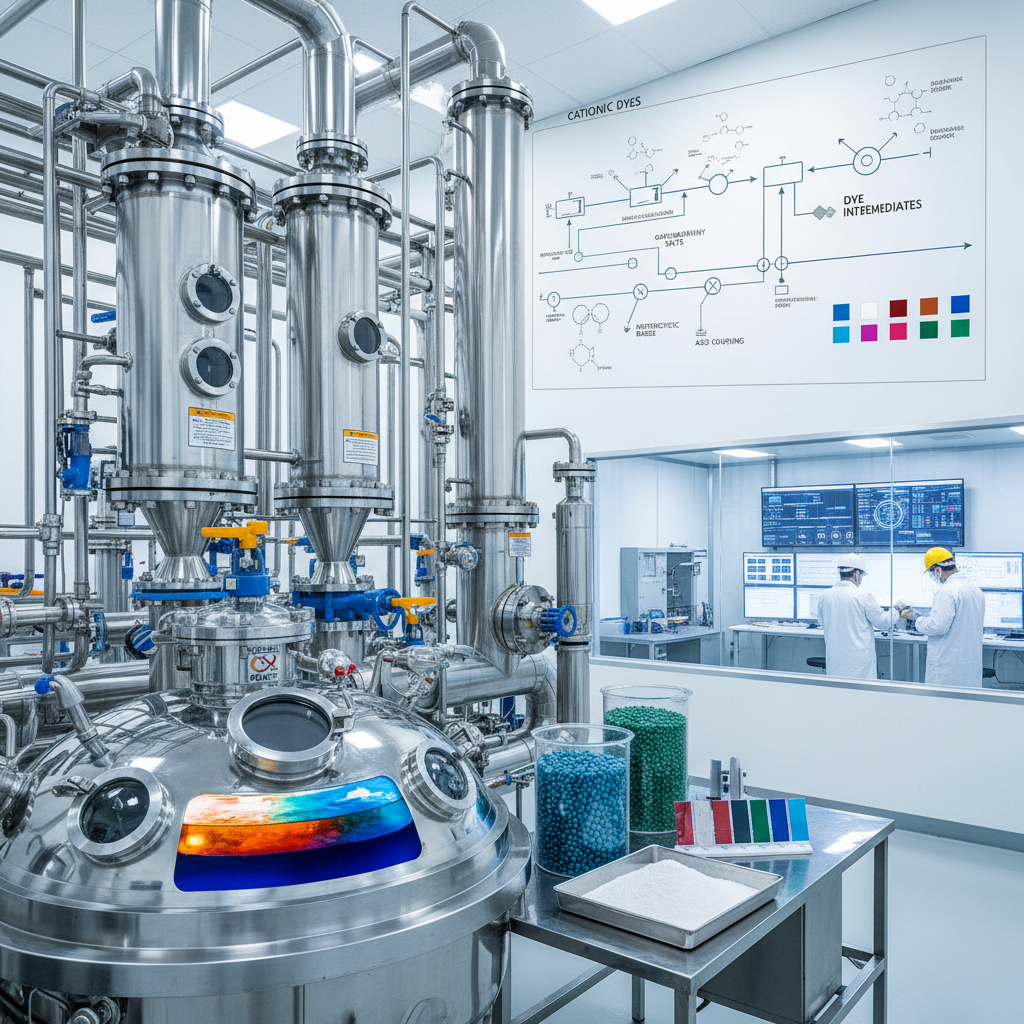
Cationic dyes represent a significant advancement in colorant technology, particularly crucial in industries demanding high colorfastness and vibrant shades. These dyes, distinguished by a positive charge, exhibit a strong affinity for negatively charged substrates like acrylic fibers, modified polyester, and paper. Understanding the nuances of cationic dyed is paramount for textile manufacturers, printing companies, and material scientists aiming to achieve superior product quality and performance. Their unique chemical properties unlock possibilities for innovative applications beyond traditional dyeing processes.
Globally, the demand for high-quality, durable, and environmentally responsible dyes is steadily increasing, driven by evolving consumer preferences and stricter regulations. The textile industry, a major contributor to water pollution, is actively seeking sustainable dyeing solutions. Cationic dyes offer a compelling alternative, reducing water consumption and minimizing the use of harsh chemicals. According to a report by the Textile Exchange, sustainable fiber and material production is growing at an annual rate of 12%, indicating a substantial shift towards eco-friendly practices. cationic dyed plays a pivotal role in this transition.
The effective application of cationic dyed translates to significant benefits for businesses and consumers alike. It's not just about aesthetics; it's about enhancing product lifespan, reducing environmental impact, and meeting the growing demand for sustainable materials. This technology contributes to a circular economy by promoting durability and reducing the need for frequent replacements.
The Fundamentals of Cationic Dyed
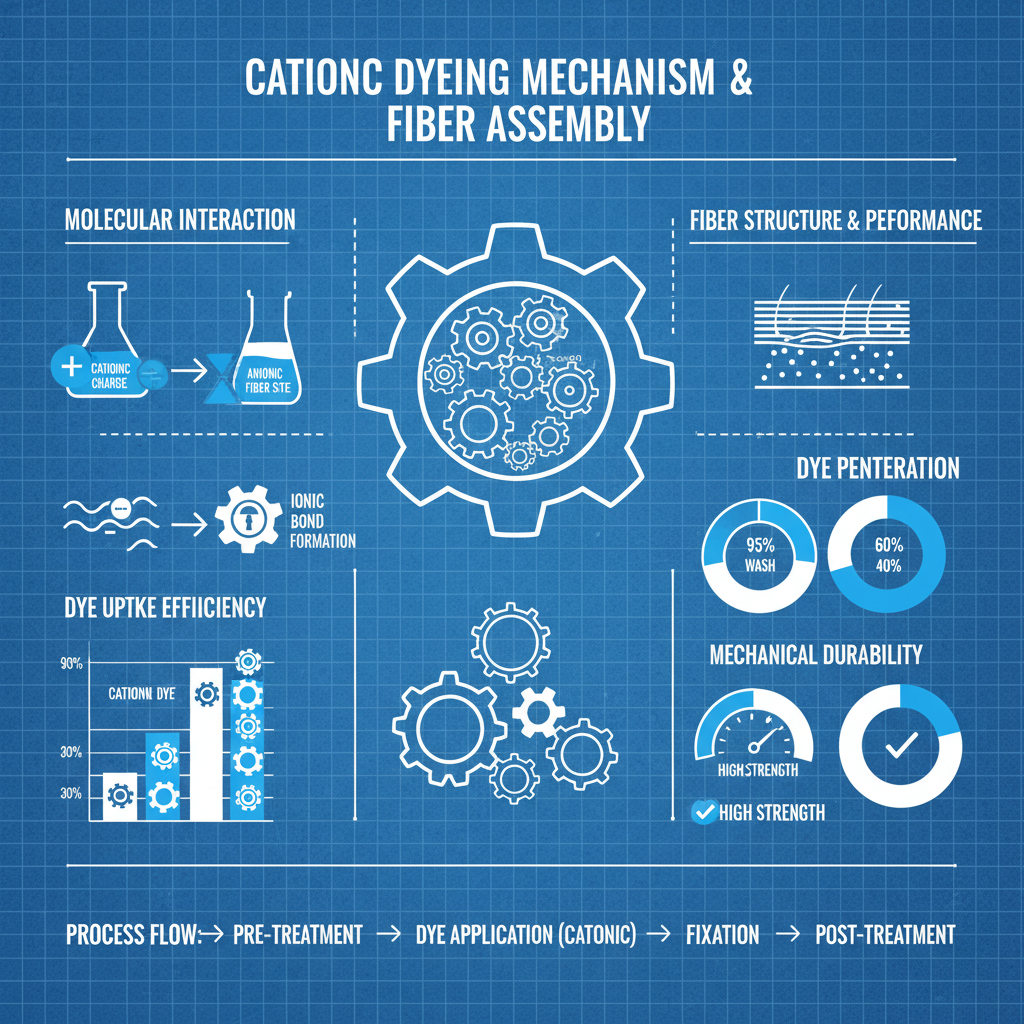
At its core, cationic dyed relies on electrostatic interactions between positively charged dye molecules and negatively charged fiber surfaces. This strong attraction ensures excellent dye uptake and exceptional colorfastness, even under rigorous washing and light exposure. The process distinguishes itself from other dyeing methods by its efficiency and ability to produce brilliant, lasting colors.
The specific chemical structures of cationic dyes are engineered to maximize this electrostatic bond, leading to superior performance compared to anionic or non-ionic dyes. This makes them particularly well-suited for applications where durability and vibrancy are critical, such as sportswear, automotive textiles, and high-end apparel.
Global Context and Industry Relevance
The global textile dyeing and finishing market is a multi-billion dollar industry, with Asia-Pacific representing the largest consumer and producer. Increasing environmental regulations, particularly in regions like the European Union and North America, are driving demand for sustainable dyeing technologies. The United Nations Sustainable Development Goals (SDGs), especially Goal 9 (Industry, Innovation and Infrastructure) and Goal 12 (Responsible Consumption and Production), further emphasize the need for environmentally conscious practices.
Cationic dyed is increasingly recognized as a viable solution for reducing the environmental footprint of textile production. Its lower water consumption, reduced chemical waste, and improved dye fixation rates align with these global sustainability initiatives. Several international standards organizations, including ISO, are developing and promoting guidelines for sustainable textile manufacturing, incorporating dyes like cationic options.
The shift towards circular economy models within the textile industry further boosts the relevance of cationic dyes. Products dyed with these dyes maintain their color and integrity for longer, reducing the need for frequent replacements and minimizing textile waste. This aligns with consumer preferences for durable, long-lasting products.
Defining Cationic Dyeing: A Detailed Explanation
Cationic dyeing, sometimes referred to as basic dyeing, is a process where dye molecules carry a positive charge. This positive charge is crucial because it creates a strong attraction to the negatively charged sites on the fiber, resulting in excellent dye penetration and fixation. This is in contrast to direct dyes which rely on hydrogen bonding and Van der Waals forces. cationic dyed is therefore more durable and wash-resistant.
The process typically involves dissolving the cationic dye in water and applying it to the fiber under controlled conditions of temperature, pH, and time. Auxiliary chemicals, such as leveling agents and fixing agents, are often used to ensure uniform dye distribution and enhance colorfastness. The specific parameters depend on the type of fiber and the desired shade. It's a highly adaptable dyeing method offering a broad color palette.
Unlike some traditional dyeing methods, cationic dyed often requires less water and generates less effluent, making it a more environmentally friendly option. However, careful management of the dye bath and wastewater treatment are still essential to minimize environmental impact. Modern advancements are constantly improving the sustainability of the process.
Key Characteristics of Cationic Dyed
One of the defining characteristics of cationic dyed is its exceptional brilliance and vibrancy. The strong electrostatic bond ensures that the dye molecules are firmly anchored to the fiber, resulting in rich, saturated colors.
Another crucial feature is its excellent colorfastness, particularly to washing and light. Fabrics dyed with cationic dyes retain their color intensity even after repeated laundering and prolonged exposure to sunlight.
Colorfastness Ratings for Different Cationic Dyeing Methods
Diverse Applications of Cationic Dyed Worldwide
Cationic dyed is extensively used in the textile industry, particularly for dyeing acrylic fibers used in sweaters, carpets, and upholstery. Its excellent lightfastness makes it ideal for outdoor fabrics and automotive interiors. In the fashion industry, it's valued for creating vibrant, long-lasting colors in sportswear and activewear.
Beyond textiles, cationic dyes find applications in paper dyeing, leather coloring, and even in specialized applications like inkjet printing. The paper industry benefits from the dyes' ability to produce bright, consistent colors on various paper types. Across Europe and Asia, many specialized printing companies utilize cationic dyes.
Advantages and Long-Term Value Proposition
The economic benefits of employing cationic dyed stem from its high dye uptake efficiency, reducing dye consumption and lowering production costs. The superior colorfastness also translates to increased product lifespan and reduced consumer complaints.
From a sustainability perspective, its lower water and energy requirements contribute to a reduced environmental footprint. This aligns with growing consumer demand for eco-friendly products and can enhance a brand’s reputation. The reduced chemical waste further lowers disposal costs.
The enhanced product quality and durability fostered by cationic dyed build trust with consumers and enhance brand loyalty, ultimately driving long-term value.
Future Trends and Technological Advancements
Research is underway to develop more sustainable cationic dye formulations using bio-based materials and reducing reliance on petrochemicals. Nanotechnology is being explored to further enhance dye uptake and colorfastness.
Digital printing technologies are increasingly incorporating cationic dyes, enabling customized designs and on-demand production, minimizing waste. The integration of artificial intelligence and machine learning is optimizing dyeing processes, reducing water and energy consumption.
Ongoing advancements in wastewater treatment technologies are improving the removal of residual dyes from effluent, further reducing the environmental impact of cationic dyed applications.
Summary of Challenges and Potential Solutions for Cationic Dyeing
| Challenge |
Impact |
Proposed Solution |
Implementation Difficulty (1-5) |
| Dye Aggregation |
Uneven Dyeing |
Use of Dispersing Agents |
2 |
| Wastewater Treatment |
Environmental Pollution |
Advanced Oxidation Processes |
3 |
| Limited Shade Range |
Restricted Design Options |
Development of New Dye Structures |
4 |
| Fiber Compatibility |
Not Suitable for All Fibers |
Surface Modification of Fibers |
3 |
| Cost of Dyes |
Higher Production Costs |
Optimizing Dye Synthesis Routes |
4 |
| Regulation Compliance |
Stringent Environmental Standards |
Adopting Eco-Friendly Dye Alternatives |
2 |
FAQS
Cationic dyes offer superior colorfastness, meaning they resist fading and bleeding even after repeated washing and exposure to light. They exhibit high brilliance and vibrancy, producing rich, saturated colors. Their strong electrostatic bond with fibers minimizes dye loss during processing, leading to higher dye uptake and reduced effluent. This translates to cost savings and environmental benefits.
Cationic dyes work exceptionally well with acrylic fibers, which have negatively charged sites that readily attract the positively charged dye molecules. They are also effective on modified polyester and certain types of nylon. The suitability depends on the fiber’s surface charge and the desired application.
Compared to some traditional dyeing methods, cationic dyeing generally requires less water and energy and generates less effluent. However, responsible wastewater treatment is crucial to remove any residual dyes and prevent environmental contamination. Ongoing research is focused on developing more sustainable cationic dye formulations using bio-based materials.
Unlike direct or reactive dyes, cationic dyes rely on electrostatic attraction rather than covalent bonding. This simplifies the dyeing process, often requiring lower temperatures and shorter dyeing times. The key is to control the pH and electrolyte concentration to optimize dye uptake and prevent aggregation.
While the initial cost of cationic dyes might be slightly higher than some traditional dyes, the increased dye uptake efficiency and reduced water/energy consumption often result in overall cost savings. The superior colorfastness also reduces the need for re-dyeing and extends product lifespan, further contributing to long-term cost benefits.
Cationic dyes are primarily suitable for acrylic and modified polyester fibers. They can exhibit limited shade range compared to some other dye classes. Proper wastewater treatment is essential to minimize environmental impact. Additionally, dye aggregation can sometimes occur, leading to uneven dyeing if not controlled properly.
Conclusion
In summary, cationic dyed represents a significant advancement in colorant technology, offering a unique combination of vibrant color, excellent colorfastness, and improved sustainability. Its application spans various industries, from textiles to paper and printing, contributing to enhanced product quality and reduced environmental impact. The technology’s foundation in electrostatic interactions and ongoing innovations ensure its continued relevance.
Looking ahead, continued research and development in bio-based formulations, nanotechnology, and digital printing integration will further enhance the capabilities and sustainability of cationic dyes. By embracing these advancements, industries can unlock new possibilities for creating durable, vibrant, and eco-friendly products. Visit our website at www.yanhongchem.com to learn more about our range of cationic dye solutions and how we can help you meet your specific coloring needs.