Textile dyes and chemicals are fundamental to the modern textile industry, impacting everything from the clothes we wear to the industrial fabrics used in construction and healthcare. These substances impart color, enhance performance, and contribute to the functionality of textile materials. Globally, the demand for textiles remains consistently high, driving a significant need for innovative and sustainable dye and chemical solutions. Understanding the intricacies of these components is crucial for optimizing production processes, ensuring product quality, and minimizing environmental impact.
The textile industry is a major economic force, particularly in developing nations. The production and application of textile dyes and chemicals represent a substantial portion of this economic activity, employing millions worldwide. However, traditional dyeing and finishing processes can be resource-intensive and generate significant pollution. Addressing these challenges through research and development of greener alternatives is paramount for the long-term viability of the industry and the health of our planet. textile dyes and chemicals play a crucial role in balancing economic growth with environmental responsibility.
From vibrant fashion apparel to durable industrial textiles, textile dyes and chemicals are indispensable. They are not merely aesthetic additions; they also provide functional properties like UV protection, water repellency, and antimicrobial characteristics. Continuous innovation in this field aims to improve the performance, sustainability, and overall value of textile products, responding to evolving consumer demands and increasingly stringent regulations.
The Significance of Textile Dyes and Chemicals
The textile industry is heavily reliant on dyes and chemicals, not merely for aesthetic purposes but also to imbue fabrics with essential properties. These properties include resistance to fading, water repellency, fire retardation, and antimicrobial protection. The global market for textile dyes and chemicals is substantial, driven by the continuous demand for textiles in apparel, home furnishings, and industrial applications. A robust understanding of these materials is vital for manufacturers, designers, and consumers alike.
The significance extends beyond functionality; the selection and application of dyes and chemicals directly impact environmental sustainability. Traditional dyeing processes can be highly polluting, releasing harmful chemicals into waterways. Therefore, the industry is increasingly focused on developing and adopting eco-friendly alternatives, such as natural dyes, low-impact dyes, and innovative chemical formulations that minimize environmental harm.
Understanding Textile Dyes and Chemicals
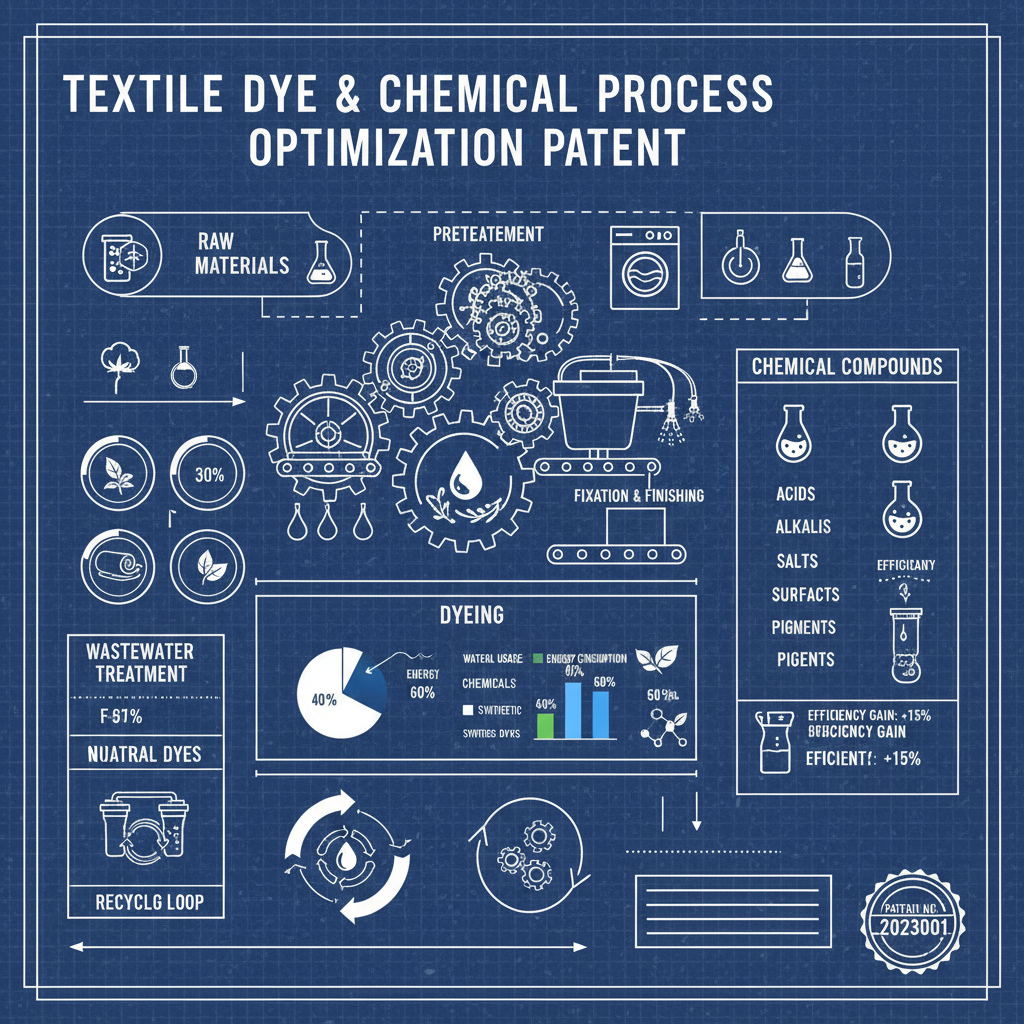
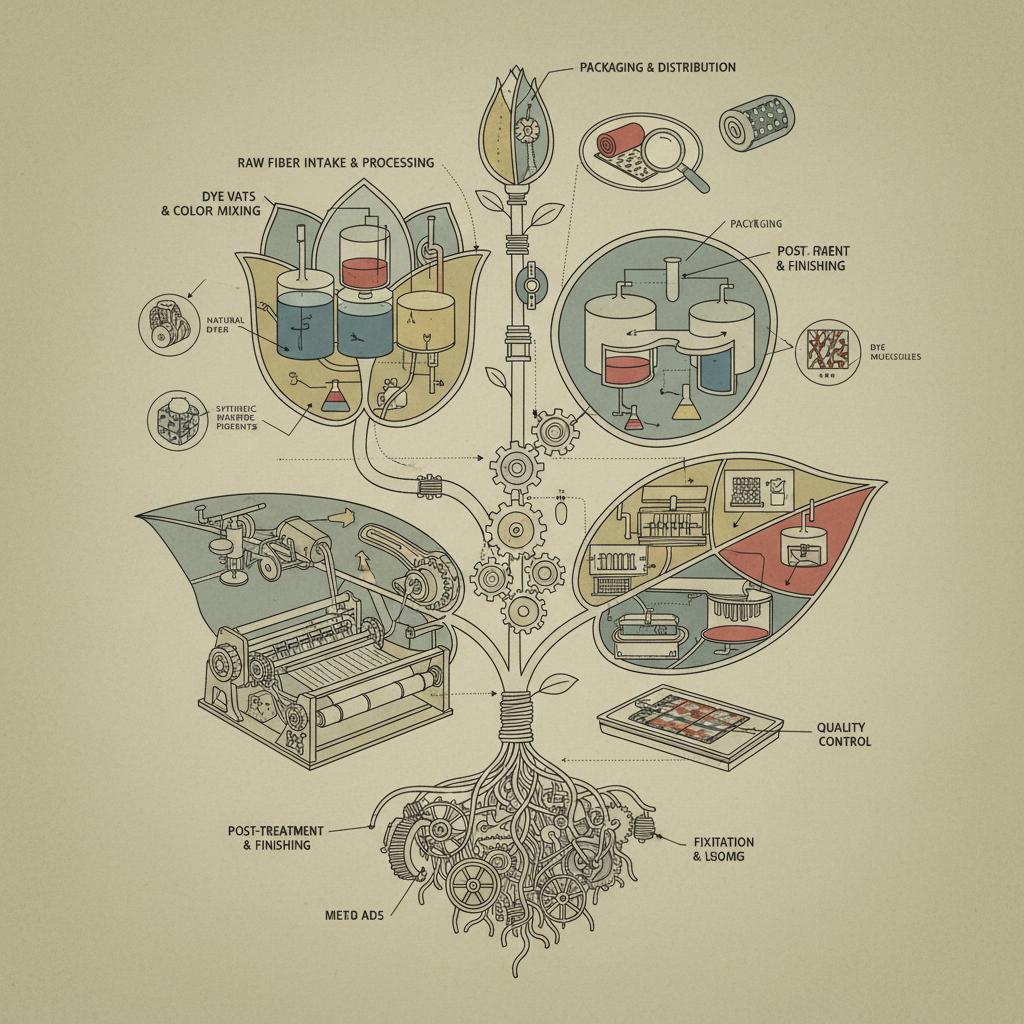
Textile dyes are substances used to add color to textiles, while textile chemicals encompass a broader range of compounds used in various stages of textile processing, including pre-treatment, dyeing, printing, and finishing. Dyes are typically categorized by their chemical structure and application method – reactive dyes, direct dyes, acid dyes, disperse dyes, and vat dyes being among the most common. Chemicals, on the other hand, may include sizing agents, detergents, bleaching agents, fixing agents, and softeners.
The connection to modern industry is undeniable. The efficient and responsible use of textile dyes and chemicals is critical for maintaining the competitiveness of textile manufacturers. The demand for high-performance, aesthetically appealing, and environmentally friendly textiles necessitates a continuous search for innovative chemical solutions. Furthermore, these materials contribute to diverse humanitarian needs, providing essential clothing and shelter materials in disaster relief efforts and supporting the livelihoods of communities involved in textile production.
Proper understanding of the chemical properties and interactions of dyes and auxiliaries ensures optimal color fastness, shade consistency, and fabric durability. This expertise is vital for producing textiles that meet the demanding quality standards of both consumers and industrial applications.
Core Components of Effective Dyeing
Durability is a key factor, referring to the colorfastness of the dye—its resistance to fading or running when exposed to light, washing, or other environmental factors. High-quality dyes and proper application techniques are essential for achieving long-lasting color retention in textiles. This is particularly important for garments that are frequently washed or exposed to sunlight. textile dyes and chemicals with superior durability significantly extend the lifespan of textile products.
Scalability refers to the ability to consistently reproduce dyeing results across large production runs. Achieving scalability requires precise control of dyeing parameters, including temperature, pH, and chemical concentrations. Consistent and reliable dyeing processes are vital for maintaining product quality and meeting the demands of large-scale textile manufacturing.
Cost-efficiency is another critical component. While high-quality dyes and chemicals may initially be more expensive, they can often lead to lower overall costs due to reduced waste, improved color yield, and enhanced fabric durability. Optimizing dye usage and minimizing chemical consumption are essential for maximizing profitability in the textile industry. The selection of cost-effective textile dyes and chemicals is a strategic decision for manufacturers.
Environmental impact represents a crucial aspect, demanding a move towards sustainable dyeing practices. This encompasses utilizing eco-friendly dyes, minimizing water consumption, and implementing effective wastewater treatment systems. The industry is increasingly prioritizing dyes and chemicals with reduced toxicity and biodegradability.
Compatibility dictates the successful interaction between dyes, chemicals, and the fabric itself. A thorough understanding of these interactions is vital to prevent unwanted side effects such as color shifting or fabric damage. Careful selection and testing of all components are essential.
Finally, application method refers to the specific technique used to apply the dye to the fabric. Different dyes require different application methods, such as exhaust dyeing, continuous dyeing, or printing. Choosing the appropriate application method is critical for achieving optimal results.
Practical Applications Across Industries
The applications of textile dyes and chemicals are far-reaching, spanning numerous industries. The apparel industry is the largest consumer, relying on a vast palette of dyes to create fashionable and trend-driven clothing. However, the demand extends well beyond fashion.
The automotive industry utilizes specialized dyes and chemicals to create durable and colorfast fabrics for car interiors. The healthcare sector relies on antimicrobial textiles, often treated with specific chemicals to prevent the spread of infections. Industrial textiles, used in applications such as filtration, construction, and agriculture, require dyes and chemicals that provide resistance to harsh environmental conditions.
In post-disaster relief operations, textile dyes and chemicals contribute to the production of emergency shelter materials and clothing. In remote industrial zones, they enable local manufacturing of essential textile products, supporting economic development and self-sufficiency. The versatility and adaptability of these materials make them indispensable across a diverse range of applications.
Dyeing Method Efficiency Comparison
Advantages and Long-Term Value
The tangible benefits of utilizing advanced textile dyes and chemicals are numerous. Cost savings can be achieved through reduced waste, improved dye yield, and increased fabric durability. Sustainability is enhanced through the adoption of eco-friendly alternatives and responsible manufacturing practices. Social impact is positive, as safe and ethical production processes protect workers and communities.
The advantages extend beyond the purely practical. The use of high-quality dyes and chemicals contributes to a sense of trust and reliability, assuring consumers of the quality and longevity of textile products. Innovation in this field drives the development of new and improved materials, enhancing the performance and functionality of textiles. The emotional connection consumers have with their clothing is also influenced by the quality and vibrancy of the dyes used.
Future Trends and Innovations
The future of textile dyes and chemicals is inextricably linked to sustainability and technological advancement. Green chemistry is driving the development of dyes derived from renewable resources, such as plant extracts and agricultural waste. Digital printing technologies are enabling more precise and efficient dye application, reducing waste and water consumption. textile dyes and chemicals are evolving to meet these demands.
Automation and artificial intelligence are also playing an increasingly important role, optimizing dyeing processes and improving quality control. Nanotechnology is being explored for creating textiles with enhanced performance characteristics, such as self-cleaning and UV protection. These innovations promise to transform the textile industry, making it more efficient, sustainable, and responsive to consumer needs.
Challenges and Sustainable Solutions
Despite the advancements, several challenges remain. The high cost of sustainable dyes and chemicals can be a barrier to adoption, particularly for small and medium-sized enterprises. The complexity of dye chemistry requires specialized expertise and careful process control. Wastewater treatment remains a significant environmental concern.
However, innovative solutions are emerging. Government incentives and subsidies can help offset the cost of sustainable alternatives. Collaboration between researchers, manufacturers, and policymakers can accelerate the development and adoption of eco-friendly technologies. Implementing closed-loop water systems and advanced wastewater treatment processes can minimize environmental impact. Investing in research and development is crucial for overcoming these challenges and ensuring a sustainable future for the textile industry.
Promoting circular economy models, such as textile recycling and reuse, can also significantly reduce the demand for virgin dyes and chemicals, creating a more sustainable and responsible textile value chain.
Analysis of Factors Influencing Dyeing Process Performance
| Dye Type |
Fabric Composition |
Process Parameters |
Colorfastness Rating (1-10) |
| Reactive Dye |
Cotton |
Temperature: 60°C, pH: 9 |
8 |
| Disperse Dye |
Polyester |
Temperature: 130°C, Pressure: 2 bar |
7 |
| Vat Dye |
Cellulose |
Reduction, Oxidation |
9 |
| Direct Dye |
Viscose |
Salt Addition |
6 |
| Acid Dye |
Nylon |
pH Control |
7 |
| Natural Dye |
Silk |
Mordant Application |
5 |
FAQS
Traditional textile dyeing processes often involve the use of harsh chemicals, high water consumption, and the generation of polluted wastewater. These pollutants can contaminate waterways, harm aquatic life, and pose risks to human health. The discharge of unfixed dyes and chemicals into the environment also contributes to water discoloration and reduced oxygen levels. Sustainable alternatives and responsible wastewater treatment are crucial to mitigate these concerns.
Textile manufacturers can reduce water consumption through several strategies, including implementing low-liquor-ratio dyeing techniques, utilizing water recycling systems, and optimizing dyeing processes to minimize rinse water usage. Investing in advanced dyeing machinery that requires less water is also beneficial. Furthermore, adopting innovative dyeing methods like foam dyeing and supercritical CO2 dyeing can significantly reduce water consumption.
Sustainable dyes include natural dyes derived from plant extracts, agricultural waste, and other renewable resources. Low-impact dyes, which require less water and energy during application, are also considered more sustainable. Reactive dyes with high fixation rates, minimizing dye waste, and dyes certified by environmental standards like OEKO-TEX® are also good choices.
The choice of dye significantly impacts the durability of a textile, specifically its colorfastness. Dyes with strong chemical bonds to the fabric fibers, such as reactive and vat dyes, generally exhibit better colorfastness to washing, light, and rubbing. The dyeing process, including proper pretreatment and aftertreatment, also plays a crucial role in enhancing dye durability. Selecting the right dye for the fabric type is essential for long-lasting color retention.
Several regulations govern the use of textile dyes and chemicals, including REACH (Registration, Evaluation, Authorisation and Restriction of Chemicals) in Europe and restricted substance lists (RSLs) established by various brands and retailers. These regulations aim to restrict the use of hazardous chemicals and protect human health and the environment. Compliance with these regulations is essential for textile manufacturers exporting to international markets.
Digital printing offers several sustainability benefits compared to traditional dyeing methods. It uses significantly less water and energy, minimizes dye waste through precise application, and allows for on-demand production, reducing the need for large inventories. Digital printing also enables greater design flexibility and customization, reducing the environmental impact of overproduction and unsold goods.
Conclusion
In conclusion, textile dyes and chemicals are indispensable components of the modern textile industry, impacting everything from the aesthetics and functionality of fabrics to their environmental sustainability. Understanding the core components of effective dyeing – durability, scalability, cost-efficiency, and environmental impact – is critical for manufacturers, designers, and consumers alike. The industry is undergoing a transformation driven by the demand for greener alternatives, innovative technologies, and responsible manufacturing practices.
Looking ahead, continued investment in research and development, coupled with collaboration between stakeholders, is essential for overcoming the challenges and realizing the full potential of sustainable textile dyes and chemicals. Embracing circular economy models and prioritizing transparency throughout the supply chain will further enhance the long-term viability and positive impact of this vital industry. For further information and a comprehensive range of textile dyes and chemicals, visit our website today.